

The ICAR-National Bureau of Fish Genetic Resources (Lucknow) held a special introductory program related to the skill development of the Scheduled Caste fish farmers. Our event, in collaboration with the Krishi Vigyan Kendra, Masodha, under the Acharya Narendra Dev University of Agriculture and Technology in Kumarganj Ayodhya, centers on capacity building, awareness, and input distribution in fisheries.
As the chief guest at the function, the Vice-Chancellor of ANDUAT, Dr. Bijendra Singh, was accompanied by others. The minister was promoting the practice of backyard fish farming among the farmers to start a “Mekong River Para.”
Along with Dr. T.P. Das, Director of ICAR-RNAI, Dr. U.K. Sarkar, Director of ICAR-NBFGR, was the guest of honor. The message he conveyed was that ornamental fish farming and the adoption of improved cultivation methods can serve as avenues for fishermen to earn at least a living. Dr. Sarak pointed out the necessity of local bio dispersion of fish through the participation of the local people.
The campaign also explored spawning preservation and maintenance of biodiversity while tackling climate change and livelihood activities related to fish processing and shrimp value chains. The experts gave interactive lectures and relevant practical demonstrations on topics like advanced fish farming technology, combating diseases, and working as an alternative to antimicrobial resistance.
Besides that, the program also supplied fishery inputs to the beneficiaries, such as ornamental fish, glass aquariums, fodder, and medicines, as well as refrigerators.
As a result, 50 fish farmers from the Scheduled Caste community attended the program and benefited from the new experience and resources, which will help them not only to support themselves and their families but also contribute to the sustainable development of the fisheries industry.


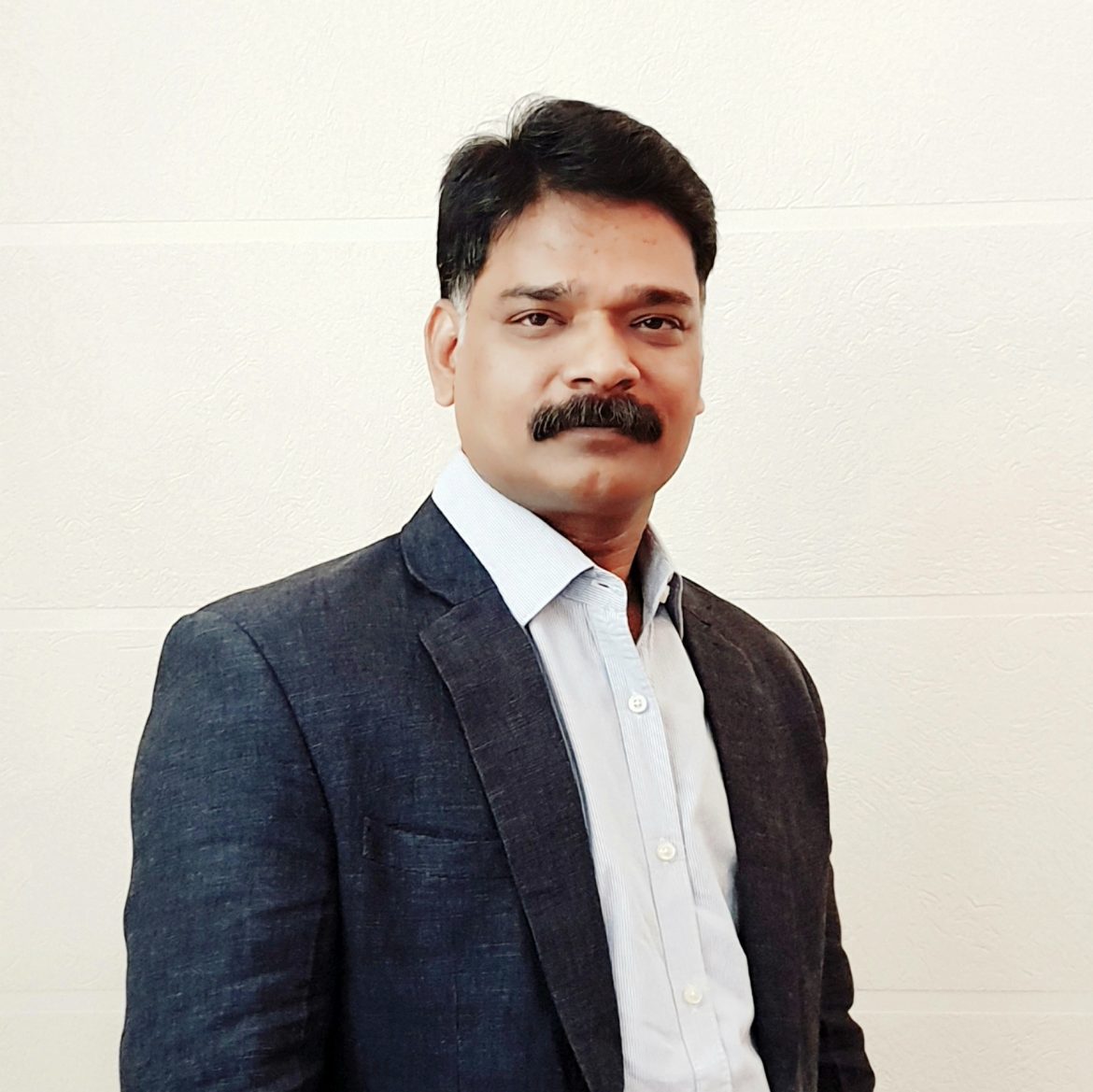
 initially but strongly advocated for the use of shrimps to develop rural areas that were skeptical about its potentiality. He introduced scientific approaches to breeding giant freshwater prawns besides culturing them successfully thus opening doors towards brackish water shrimp farming. Surat Aquaculture Farmers Association (SAFA) was formed under his visionary leadership bringing together farmers who practice sustainable shrimp culture in that region The remarkable shrimp production levels achieved in Gujarat with the assistance and authority of Dr. Sharma surpassed the average national level.In 2005, Dr. Manoj Sharma established Mayank Aquaculture Private Limited (MAPL) as one of the first shrimp farming ventures which has since flourished under his direction. During that time, through MAPL he was able to not only produce superior quality shrimps but also advocated for ethical and environmentally friendly practices.