• E – Magazine
    • Aquaculture
    • Aqua Health & Disease Management
    • News
      • National
      • International
    • Farming
    • Research and Innovation
    • Sustainability
    • Technology & Equipments
    • This is Africa
    • Trade
  • Publications
  • Events
    • Expos
    • Trainings
    • Events by Month
  • Business Listings
    • List Your Business
    • Business Listings
    • Buy & Sell
    • Get Consultation
  • Employment
  • About Us
    • Founder
  • Contact
Fishery News
Home » Aquatic Health and Disease Management
Category:

Aquatic Health and Disease Management

EHP Parasite Threatens Andhra Pradesh’s Shrimp Industry with Massive Losses
Aquatic Health and Disease Management

EHP Parasite Threatens Andhra Pradesh’s Shrimp Industry with Massive Losses

by Fishery News 26/10/2024
written by Fishery News

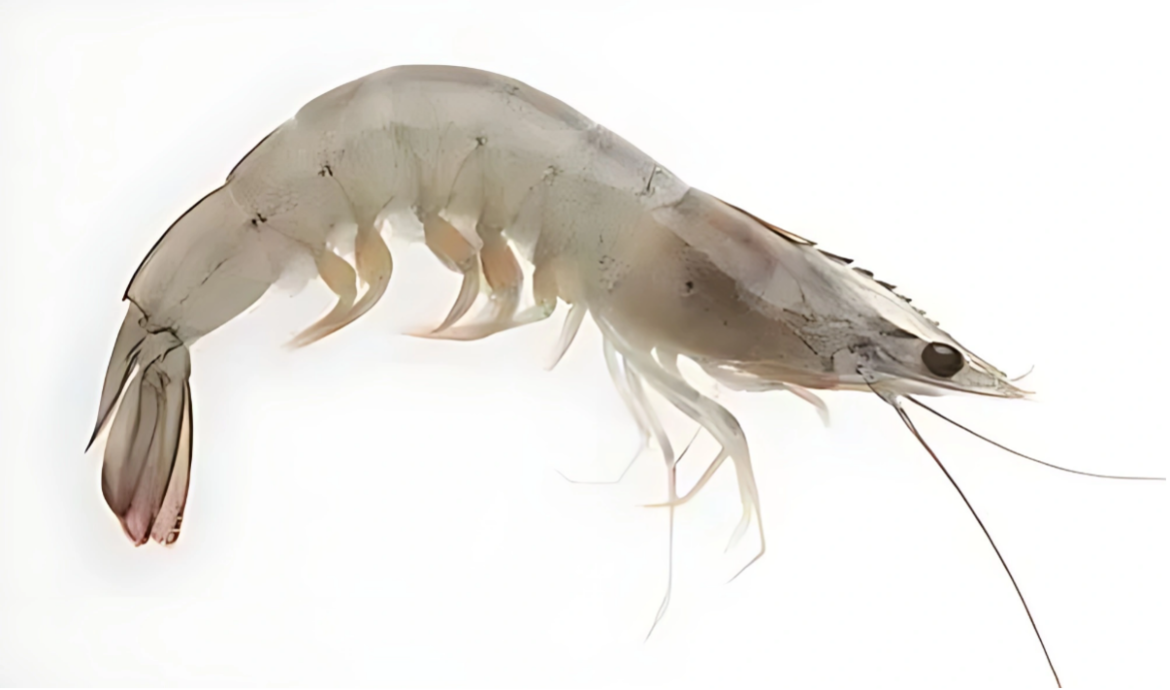
Vijayawada: Andhra Pradesh’s shrimp farming sector, which accounts for over 73% of India’s total shrimp output, is grappling with a significant challenge posed by Enterocytozoon hepatopenaei (EHP), a microsporidian parasite. Widely referred to as a “silent profit killer,” EHP has inflicted severe economic losses estimated at ₹4,000 crore annually, disrupting the livelihoods of thousands of shrimp farmers.

According to the Indian Council of Agricultural Research (ICAR), shrimp farms in India are particularly vulnerable to EHP infections, with a 49% chance of disease occurrence. On average, the parasite causes an annual loss of 49,000 metric tonnes of shrimp, making it a critical issue for aquaculture practitioners across the state.

The repercussions extend beyond production losses, affecting employment and income streams for both rural farmers and urban industries linked to the shrimp trade. As these cascading effects threaten the sector’s sustainability, experts have called for swift measures to curb the spread of EHP and safeguard the aquaculture economy.

Kemin Industries, a company specializing in shrimp health solutions, highlighted the severity of the outbreak during a press briefing on Thursday. Global Marketing Director Grin Swangdacharuk explained that EHP has severely impacted nearly half of the aqua farmers, significantly reducing shrimp counts and yields.

In response, Kemin has introduced Paththtol, an eco-friendly solution designed to manage EHP infections effectively. Swangdacharuk emphasized that the product not only curbs the parasite but also mitigates secondary complications, offering a practical approach for affected farmers.

With mounting pressure to contain EHP, the shrimp farming community and stakeholders are focusing on innovative management practices to stabilize the industry and minimize economic disruptions.

Source: TOI

26/10/2024 0 comment
0 FacebookTwitterPinterestEmail
Captain Fresh Taps Axis Capital and Bank of America for IPO
Aquatic Health and Disease Management

Captain Fresh Taps Axis Capital and Bank of America for 2025 IPO

by Fishery News 25/10/2024
written by Fishery News

Seafood B2B startup Captain Fresh has engaged Axis Capital and Bank of America as lead bankers for its planned initial public offering (IPO) in 2025, according to a report by Moneycontrol.

The company is aiming to raise $350-400 million through a combination of fresh equity issuance and an offer for sale (OFS). As per sources familiar with the development, roughly half of the total amount will come from new shares, while the rest will be raised through the OFS component.

Captain Fresh, which specializes in building a data-driven, vertically integrated seafood platform, is reportedly targeting a valuation of $1.3-1.5 billion with the IPO. A source quoted in the report indicated that the firm will secure $50-60 million in its current funding round, with a larger pre-IPO round planned across several phases, involving participation from external investors later on.

Aggressive Expansion Through Acquisitions

The company has been on an acquisition spree, enhancing its footprint across the seafood sector. Ahead of the 2024 Seafood Expo North America (SENA), Captain Fresh acquired CenSea, a U.S.-based shrimp importer.

During the event, Captain Fresh representatives highlighted the company’s tech-driven global seafood ecosystem, showcasing platforms like Fishgram for fishermen and farmers, Optimus for importers and distributors, FaaS for processing factories, and Chop Serve for retailers. These platforms cover over 30 species across three countries, enabling seamless integration of the supply chain.

In July 2024, the firm added another key player to its portfolio by acquiring Koral, a Poland-based producer of branded salmon products. CEO Utham Gowda described the acquisition as a strategic milestone. “Welcoming Koral to Captain Fresh marks an important step in our journey to become the world’s leading tech-enabled, multi-species seafood conglomerate,” he said.

Future Expansion Plans

Captain Fresh is not slowing down on the acquisition front. In an interview with VCCircle in August 2024, Gowda emphasized the company’s intention to broaden its seafood portfolio and fortify its end-to-end supply chain. “We are focused on expanding into new seafood species while enhancing our sourcing, processing, and distribution capabilities,” he noted.

With the IPO preparations underway, the company aims to solidify its position as a global leader in seafood trading and technology integration.


25/10/2024 0 comment
0 FacebookTwitterPinterestEmail
Fish Welfare Initiative Seeks Researchers to Explore Pre Slaughter Stunning in Indian Aquaculture
Aquatic Health and Disease Management

Fish Welfare Initiative Seeks Researchers to Explore Pre-Slaughter Stunning in Indian Aquaculture

by Fishery News 25/10/2024
written by Fishery News

The Fish Welfare Initiative (FWI) has announced a call for proposals (RFP) to assess the feasibility of introducing stunning technology in India’s aquaculture industry, aiming to address ethical concerns surrounding the slaughter of billions of fish each year. Researchers interested in the project must submit their proposals by 1 December.

Currently, fish in India, particularly Indian major carp, are often harvested using large dragnets and left in the open air to asphyxiate for hours before being transported. FWI co-founder and executive director Haven King-Nobles highlighted the distressing nature of this practice: “While traveling through aquaculture hubs in Andhra Pradesh, it’s hard to ignore the sight of fish left to suffocate. From an animal welfare perspective, this is deeply troubling.”

While recognizing the importance of humane slaughter methods, King-Nobles pointed out the challenges to implementing stunning technology. These include limited infrastructure, low consumer awareness, and the absence of species-specific standards. “This study will help determine if stunning is feasible in India’s aquaculture sector and identify potential early adopters. We want to explore possibilities before moving towards actual equipment development,” he added.

FWI’s RFP is open to both local and international researchers, with a preference for those familiar with India’s aquaculture industry and capable of studying the social dynamics involved. “It’s essential to understand which stakeholders in the industry might support stunning and why,” King-Nobles noted.

The initiative also provides opportunities for emerging researchers to contribute to innovation in Indian aquaculture. “This could be a valuable project for those looking to make a meaningful impact in the sector,” he emphasized.

Vivek Rachuri, senior project manager for FWI’s R&D division, stressed the importance of empathy when addressing fish welfare. “I often ask people to imagine being trapped in a smoke-filled room, unable to breathe. That’s what these fish experience when they’re left to suffocate after being pulled from water,” he said.

FWI believes that India’s vibrant startup ecosystem and food tech innovations present an ideal environment to explore humane solutions like pre-slaughter stunning. “The momentum in the country is strong, and we hope to leverage it to improve animal welfare standards in aquaculture,” Rachuri concluded.


25/10/2024 0 comment
0 FacebookTwitterPinterestEmail
HOW PARASITIC INFESTATIONS IMPACT AQUACULTURE ARGULUS DISEASE IN FISH
Aquatic Health and Disease Management

HOW PARASITIC INFESTATIONS IMPACT AQUACULTURE: ARGULUS DISEASE IN FISH

by Dhanush Gorre 23/10/2024
written by Dhanush Gorre

In the world of aquaculture, managing fish health is a top priority. One of the more common but serious issues faced by fish farmers is Argulus disease, caused by parasitic crustaceans known as Argulus. Often referred to as “gill lice” or “anchor worms,” these parasites latch onto fish, creating a range of problems that can disrupt the health of entire fish populations.

What is Argulus Disease?

Argulus are small parasitic crustaceans that attach themselves to a fish’s gills, skin, or fins, feeding on the host’s blood. These parasites can be highly irritating to fish and, if left untreated, can lead to serious health issues such as infections, weakened immunity, and in severe cases, death. The presence of Argulus in an aquaculture system not only stresses the fish but also affects overall productivity, making it crucial to understand and manage the disease effectively.

Key Symptoms of Argulus Infestation:

Identifying an Argulus infestation early can help mitigate its impact. Here are some tell-tale signs of an infestation:

  • Visible Parasites: Argulus can often be seen with the naked eye as reddish-brown or gray lumps on the fish’s body. These parasites typically embed themselves into the fish’s skin or fins.
  • Excessive Scratching: Infected fish will frequently scratch against tank walls, substrate, or decorations, attempting to dislodge the parasites.
  • Lethargy: As the infestation worsens, fish may become sluggish and exhibit reduced activity. They may spend more time hiding or resting near the bottom of the tank.
  • Loss of Appetite: Infected fish often lose interest in food and may begin to show signs of malnutrition.
  • Gill Problems: Severe infestations can cause damage to the gills, leading to respiratory issues. Affected fish may struggle to breathe or exhibit labored respiration.

Causes of Argulus Infestation:

Understanding the causes behind Argulus infestations can help prevent the disease from spreading. Several factors can contribute to the appearance of Argulus in an aquaculture system:

  1. Overcrowding: High fish density increases the likelihood of parasite transmission from one fish to another. Overcrowded environments also cause stress, which weakens fish and makes them more susceptible to parasites.
  2. Poor Water Quality: Elevated levels of ammonia, nitrite, or nitrate, along with low oxygen levels, can compromise the fish’s immune system, allowing parasites like Argulus to thrive.
  3. Introduction of Infected Fish: Failing to quarantine new fish before introducing them to a pond or tank can introduce Argulus and other parasites to a healthy population.
  4. Live Food: Sometimes, live food such as brine shrimp or daphnia can act as a carrier for Argulus, introducing the parasite into the aquaculture system.

Treatment for Argulus Infestation:

If you suspect an Argulus infestation, prompt action is necessary to protect the health of your fish. Here are some common treatment methods:

  1. Saltwater Baths: One of the simplest and most effective treatments is placing the infected fish in a diluted saltwater bath. This can help dislodge and kill external parasites like Argulus.
  2. Medicated Treatments: Several commercial treatments are available that specifically target Argulus infestations. These medications often contain antiparasitic agents that can effectively kill the parasites. Always follow the manufacturer’s dosage and usage guidelines carefully.
  3. Improving Water Quality: Regular water changes and filtration maintenance are essential for ensuring good water quality. High-quality water reduces stress on fish and helps their immune systems fight off infections.
  4. Removing Affected Plants and Decorations: Parasites may attach to plants and decorations. Thoroughly clean and disinfect these items to prevent re-infestation.
  5. Quarantine Affected Fish: Isolate infected fish from the rest of the population. This minimizes the spread of parasites to healthy fish and allows for more focused treatment of the affected individuals.

Prevention of Argulus Infestation:

Preventing Argulus infestations is far easier than treating them. To maintain a healthy aquaculture system, consider the following preventive measures:

  1. Quarantine New Fish: Before introducing new fish to your main pond or tank, quarantine them for 2-4 weeks. This allows time to observe for any signs of parasites or illness before they spread to your main population.
  2. Maintain Optimal Water Quality: Regular testing of water parameters, such as ammonia, nitrite, nitrate, and pH levels, helps maintain a stable and healthy environment. A high-quality filtration system and frequent water changes are also vital.
  3. Avoid Overcrowding: Overcrowded tanks or ponds create stressful conditions that facilitate the spread of parasites. Ensuring adequate space for each fish reduces the risk of Argulus infestations.
  4. Inspect Fish Regularly: Conduct routine inspections of your fish for any visible signs of parasites or unusual behavior. Early detection makes treatment easier and more effective.
  5. Treat Live Food: If using live feed, such as brine shrimp or daphnia, treat the food with a parasite removal solution before feeding it to your fish. This reduces the risk of introducing parasites into the system.

Argulus disease can rapidly become a major concern if not addressed early. These parasites not only compromise the health of individual fish but can also trigger secondary bacterial or fungal infections, particularly when gill damage occurs. To prevent widespread losses, aquaculture farmers must maintain proper husbandry practices and respond promptly to infestations.

In summary, Argulus is a serious parasitic threat in aquaculture that demands constant vigilance. By implementing preventive measures, regularly monitoring water quality, and taking swift action at the first signs of infestation, fish farmers can safeguard their stock and sustain a healthy, productive aquaculture environment.


23/10/2024 0 comment
0 FacebookTwitterPinterestEmail
Do You Know How Vibriosis Affects Aquaculture? Let’s Know About This Culprit
Aquatic Health and Disease Management

Do You Know How Vibriosis Affects Aquaculture? Let’s Know About This Culprit

by Dhanush Gorre 23/10/2024
written by Dhanush Gorre

In India, aqua farmers are grappling with numerous challenges posed by Vibrio bacteria, which threaten their livelihoods and the sustainability of aquaculture. Vibriosis, a bacterial disease caused by species of the Vibrio genus. Left unmanaged, vibriosis can lead to catastrophic economic losses, particularly in coastal and brackish water aquaculture systems, where these bacteria thrive.

A Growing Global Concern

According to a 1997 World Bank report, aquaculture diseases—mainly caused by Vibrio spp.—resulted in an estimated annual loss of US$3 billion globally. With the rapid expansion of aquaculture in India, the incidence of vibriosis has escalated, making its control critical to safeguarding the industry.

The Culprits: Key Vibrio Species Affecting Aquaculture

Several species of Vibrio pose a threat to various aquaculture species, with some having specific hosts and causing unique problems:

  • Vibrio anguillarum: Primarily affects fish such as salmon, trout, and sea bass.
  • Vibrio vulnificus: Infects both fish and humans, with potential for severe health complications.
  • Vibrio harveyi: A major cause of shrimp mortality.
  • Vibrio parahaemolyticus: Responsible for the notorious Acute Hepatopancreatic Necrosis Disease (AHPND) in shrimp.
  • Vibrio alginolyticus: Infects both fish and shrimp, leading to significant mortality in poorly managed systems.

These bacteria are naturally present in marine and brackish water environments, and under poor water quality or stressful conditions, they can multiply rapidly, causing disease outbreaks that can devastate fish and shrimp stocks.

Impact on Aquaculture Species

The effects of vibriosis in aquaculture are profound, ranging from slow growth and poor feed conversion to widespread mortality. The bacteria usually enter through open wounds or damaged skin, spreading quickly throughout the body. Stressors such as overcrowding, poor water quality, and sudden temperature changes often trigger outbreaks. When vibriosis hits, the results are two-fold: the immediate loss of stock and the long-term economic toll due to decreased marketability of infected species.

Symptoms of Vibriosis

The disease manifests differently depending on the species but includes several key symptoms:

  • Internal bleeding: Particularly in the gills, muscles, and organs, a common sign in fish.
  • Open sores and ulcers: Visible on the skin, fins, and body.
  • Loss of appetite: Affected fish and shrimp often refuse food, leading to significant weight loss.
  • Lethargy: Infected organisms display sluggish behavior and abnormal swimming patterns.
  • High mortality rates: In severe cases, vibriosis can result in the death of large numbers of aquaculture species, especially under stressful conditions.

Management and Treatment Strategies

While vibriosis can cause devastating outbreaks, there are several methods for both treating and preventing the disease:

  1. Probiotics

Adding probiotics like Lactobacillus and Bacillus spp. to feed can promote gut health and enhance the immune response, helping to prevent vibriosis outbreaks. This strategy is increasingly popular as a preventive measure in Indian aquaculture.

  1. Vaccination

Vaccines for Vibrio species, such as Vibrio anguillarum, are available in some regions and offer a proactive approach to managing the disease in fish populations. While more research is needed for widespread use in shrimp, vaccination holds promise as a long-term solution.

  1. Water Disinfection

Disinfecting water with agents such as chlorine, iodophores, or potassium permanganate reduces the bacterial load in aquaculture systems, thereby lowering the risk of vibriosis outbreaks.

  1. Immune Stimulants

Feed additives like beta-glucans can boost the immune system of fish and shrimp, making them more resistant to infections. This method is gaining traction as a more natural alternative to antibiotics in disease management.

  1. Water Quality Management

Maintaining optimal water quality is perhaps the most critical factor in preventing vibriosis. Ensuring proper circulation, oxygenation, and filtration in ponds, along with regular monitoring of temperature and salinity, helps reduce stress and limits the spread of bacteria.

Preventive Measures to Minimize Risk

Preventing vibriosis is far more effective than treating it, and implementing strong biosecurity protocols is key. Some key preventive actions include:

  • Regular water quality monitoring: This helps identify any potential stressors early on, allowing for timely intervention.
  • Avoiding overcrowding: Overcrowded tanks and ponds increase stress and the likelihood of disease transmission, so maintaining proper stocking densities is crucial.
  • Quarantine procedures: Isolating new stock for a period before introducing them to established populations helps prevent the introduction of Vibrio spp. into the system.
  • Sanitation practices: Regular cleaning and disinfection of tanks, ponds, and equipment can reduce the presence of harmful bacteria and lower the risk of outbreaks.
  • Early detection: Swift diagnosis and treatment are essential to contain an outbreak once symptoms appear. Farmers should consult with aquatic veterinarians to ensure rapid response and minimize losses.

Human Health Concerns

In addition to its impact on aquaculture species, Vibrio spp. poses a health risk to humans, especially through the consumption of raw or undercooked seafood. Vibrio parahaemolyticus and Vibrio vulnificus can cause gastroenteritis, wound infections, and septicemia, particularly in immunocompromised individuals. As these bacteria thrive in saline environments, seafood safety remains a pressing concern, especially in coastal areas.

A Proactive Approach to Vibriosis in Aquaculture

As vibriosis continues to threaten the aquaculture industry in India, a proactive and comprehensive approach is crucial to ensuring the sector’s sustainability. By combining preventive measures like biosecurity protocols, water quality management, and probiotics with targeted treatments such as vaccination and disinfection, Indian aquaculture can mitigate the risks posed by vibriosis. Collaborative efforts among farmers, researchers, and policymakers will be key to driving innovation and ensuring the long-term health of aquaculture stocks.

The time to act against vibriosis is now. By addressing this bacterial threat head-on, India can maintain its leadership in global aquaculture, protect the livelihoods of millions, and secure a sustainable future for the industry.


23/10/2024 0 comment
0 FacebookTwitterPinterestEmail
DO YOU KNOW WHAT CAUSES A FISH'S ABDOMEN TO SWELL? LET'S EXPLORE WATERBELLY IN POND FISH
Aquatic Health and Disease Management

DO YOU KNOW WHAT CAUSES A FISH’S ABDOMEN TO SWELL? LET’S EXPLORE “WATERBELLY” IN POND FISH

by Dhanush Gorre 23/10/2024
written by Dhanush Gorre

Have you ever noticed a fish in your pond with an abnormally bloated abdomen, almost as if it has swallowed a balloon? This unusual swelling could be an indication of a serious health condition known as “waterbelly,” or “dropsy.” Dropsy isn’t a disease by itself, but rather a symptom of underlying issues that lead to fluid accumulation in the fish’s body cavity. If left untreated, waterbelly can be fatal, so it’s important to understand its causes, signs, and how to manage it.

What Causes Waterbelly (Dropsy)?

Waterbelly is primarily caused by poor water quality and bacterial infections, but there are several contributing factors that can lead to this condition:

  1. Bacterial Infections: Aeromonas and other harmful bacteria are common culprits behind dropsy. These bacteria invade the fish’s body, causing damage to its internal organs and resulting in fluid retention.
  2. Poor Water Quality: High levels of toxins such as ammonia, nitrites, and nitrates can severely weaken a fish’s immune system. In such environments, bacteria multiply rapidly, making it easier for them to infect vulnerable fish.
  3. Organ Dysfunction: In some cases, dropsy may occur due to kidney or liver failure, making it difficult for the fish to regulate its internal fluid balance.
  4. Stress and Overcrowding: Stress caused by overstocking, improper handling, or sudden changes in water temperature can weaken a fish’s immune system, making them more susceptible to infections that can cause dropsy.
  5. Malnutrition: A poor diet lacking essential nutrients can compromise the fish’s immune response, making it more vulnerable to infections and diseases like dropsy.

Key Signs to Look Out For:

It’s crucial to identify dropsy early on to increase the chances of saving your fish. Here are some key signs to watch for:

  • Swollen Abdomen: The fish’s belly will appear swollen and distended. In severe cases, the swelling can become so pronounced that it seems like the fish has swallowed a balloon.
  • Pineconing: One of the hallmark signs of dropsy is “pineconing,” where the fish’s scales protrude outward, giving the appearance of a pine cone. This indicates fluid retention beneath the scales, which is a critical symptom.
  • Lethargy and Lack of Appetite: A fish with dropsy will often become less active, showing signs of lethargy. It may also stop eating, as the internal swelling puts pressure on its digestive organs.
  • Difficulty Swimming: The fish may struggle to swim, float abnormally, or appear sluggish due to the increased pressure in its body.

Taking Immediate Action:

Once you suspect dropsy, it’s important to act quickly to prevent the condition from worsening. Here are the key steps to follow:

  1. Isolate the Affected Fish: Separate the sick fish from the rest of the pond to prevent the possible spread of infection. Dropsy itself isn’t contagious, but the underlying bacteria or poor water conditions that caused it might affect other fish.
  2. Improve Water Quality: Ensure that your pond’s water is free of toxins. Regularly test the water for ammonia, nitrite, nitrate, and pH levels, and correct any imbalances. Perform water changes as necessary to maintain a healthy environment.
  3. Seek Veterinary Advice: Consult a veterinarian who specializes in aquatic animals. In many cases, dropsy can be treated with antibiotics, especially if caught early. The vet may recommend antibiotics such as kanamycin or tetracycline, which are effective against bacterial infections.
  4. Provide Proper Nutrition: Ensure your fish are receiving a balanced diet rich in essential vitamins and minerals. Poor nutrition can weaken their immune system, so it’s important to give them high-quality food to support recovery.
  5. Salt Baths: Some fishkeepers use salt baths to help alleviate fluid retention. However, this should be done carefully, as the wrong salt concentration can harm the fish. Always consult a vet before attempting this method.

Long-Term Prevention of Waterbelly:

Prevention is always better than treatment when it comes to dropsy. Here are some effective ways to minimize the risk of waterbelly in your pond:

  1. Maintain Pristine Water Quality: Regularly monitor your pond’s water parameters to ensure they are within safe limits. Avoid the buildup of harmful substances like ammonia and nitrites by performing frequent water changes and maintaining a good filtration system.
  2. Quarantine New Fish: Introducing new fish to your pond without proper quarantine can introduce diseases. Always quarantine new fish for at least 2-4 weeks before adding them to your main pond to observe any signs of illness.
  3. Avoid Overcrowding: Overstocking your pond with too many fish increases stress levels and lowers the water quality due to increased waste production. Ensure your fish have enough space to swim and thrive comfortably.
  4. Provide a Nutrient-Rich Diet: Feed your fish a varied diet that meets their nutritional needs. High-quality food with a balanced mix of protein, vitamins, and minerals helps boost their immune system, making them more resilient to infections.
  5. Regular Health Checks: Keep a close eye on your fish’s behavior and physical appearance. Early detection of any abnormal signs can make a significant difference in preventing diseases like dropsy from progressing.

Why Acting Quickly Matters:

Dropsy can progress rapidly if not addressed in time. Once the condition advances to a stage where the internal organs are severely damaged, recovery becomes less likely. By acting swiftly and providing the necessary care, you can improve the chances of recovery and prevent further damage to your fish population.

In conclusion, waterbelly (dropsy) is a serious condition that requires careful attention and immediate action. With proper care, regular monitoring, and preventive measures, you can ensure that your fish remain healthy and happy in their pond environment. By being vigilant, you’ll not only safeguard your fish but also create a thriving aquatic ecosystem in your pond.


23/10/2024 0 comment
0 FacebookTwitterPinterestEmail
HAVE YOU EVER FACED WHITE GUT DISEASE IN YOUR SHRIMP FARM? YOU'RE IN THE RIGHT PLACE TO LEARN ABOUT IT!
Aquatic Health and Disease Management

HAVE YOU EVER FACED WHITE GUT DISEASE IN YOUR SHRIMP FARM? YOU’RE IN THE RIGHT PLACE TO LEARN ABOUT IT!

by Dhanush Gorre 23/10/2024
written by Dhanush Gorre

As a shrimp farmer, you understand the challenges that come with raising healthy stock. One of the most pressing threats to your success may be White Gut Disease (WGD). Particularly affecting Litopenaeus vannamei (Pacific white shrimp), WGD is a significant concern in aquaculture, especially in countries like India, Thailand, and Vietnam. Understanding this disease and its implications is crucial for anyone involved in shrimp farming.

Understanding White Gut Disease

White Gut Disease is characterized by the whitening of the shrimp’s midgut, which can appear pale or translucent. This visible change is a telltale sign of compromised digestive function, primarily caused by the bacterium Vibrio alginolyticus, a common marine pathogen thriving in warm, nutrient-rich environments.

WGD typically emerges under suboptimal farming conditions, which can include:

  • Poor-Quality Feed: Nutritional deficiencies and imbalances severely impact shrimp health.
  • Environmental Stress: Factors like overcrowding, temperature fluctuations, and poor water quality can exacerbate the effects of the disease.

Symptoms of WGD

To effectively manage WGD, it’s vital to recognize its symptoms, which include:

  • White Feces: The most noticeable sign, indicating bacterial damage to the digestive tract.
  • Reduced Appetite: Infected shrimp often display lethargy and a marked decrease in feeding.
  • Erratic Swimming Behavior: Affected shrimp may swim abnormally or become less active.
  • High Mortality Rates: Severe cases, particularly among young shrimp, can lead to significant mortality.

Economic Implications

The economic impact of White Gut Disease can be staggering. Infected shrimp not only experience slower growth rates but also suffer reduced market value, resulting in substantial losses for farmers. In regions like India, WGD can cause harvest declines of 20-30%, translating into millions of dollars lost in revenue. Small and medium-sized shrimp farmers, already operating on tight margins, face heightened operational costs and the risk of financial distress or bankruptcy due to WGD.

Strategies for Management and Prevention

To combat the threat of White Gut Disease, shrimp farmers must adopt a comprehensive management approach. Key strategies include:

  1. Enhancing Feed Quality:
    • Utilize high-quality, nutritionally balanced feed rich in proteins, essential amino acids, and vitamins (especially Vitamins C and E).
    • Supplement feed with probiotics and digestive enzymes to promote gut health.
  2. Water Quality Management:
    • Regularly monitor water parameters such as pH, temperature, ammonia, and dissolved oxygen levels.
    • Implement aeration systems to prevent oxygen depletion and maintain optimal water conditions.
  3. Utilizing Probiotics:
    • Introduce beneficial bacteria (e.g., Bacillus species) to outcompete harmful Vibrio bacteria, enhancing overall shrimp health and immunity.
  4. Implementing Biosecurity Measures:
    • Maintain strict biosecurity protocols, including disinfecting equipment and ensuring clean water sources.
    • Avoid overstocking to reduce stress on shrimp populations.
  5. Regular Health Monitoring:
    • Conduct frequent health assessments to identify early signs of disease.
    • Utilize histopathological examinations and gut health markers to monitor shrimp health.
  6. Judicious Use of Antibiotics:
    • In cases of confirmed bacterial infections, controlled use of antibiotics may be necessary under veterinary guidance. However, farmers must be cautious to avoid developing antibiotic resistance.

Government Initiatives and Research Support

Governments in key shrimp-producing nations are stepping up to support farmers in addressing WGD. Initiatives include promoting biosecurity measures, offering subsidies for high-quality feed, and facilitating training programs on disease management. Ongoing research is essential to develop better diagnostics and treatment options to combat WGD effectively.

Conclusion: Safeguarding the Future of Shrimp Farming

As the demand for shrimp continues to rise globally, addressing challenges like White Gut Disease is critical to ensuring the sustainability of the aquaculture industry. By implementing effective management practices, fostering collaboration between farmers, scientists, and government authorities, and committing to ongoing research, the industry can mitigate the economic impacts of WGD and secure the future health of shrimp populations worldwide.


23/10/2024 0 comment
0 FacebookTwitterPinterestEmail
Aeromonas Infection We All Faced This Situation in Our Culture Come Let's Know Complete Information About It!
Aquatic Health and Disease Management

Aeromonas Infection, We All Faced This Situation in Our Culture: Come, Let’s Know Complete Information About It!

by Dhanush Gorre 23/10/2024
written by Dhanush Gorre

These infections lead to massive economic losses and high mortality rates among fish populations, However, the rise of Aeromonas infections poses a significant threat to this industry’s sustainability. Aeromonas species, particularly Aeromonas hydrophila, A. caviae, and A. sobria, are opportunistic pathogens causing severe infections in both freshwater and brackish water fish species. These infections result in massive economic losses and fish mortality, making it critical for farmers to address and prevent outbreaks.

What are Aeromonas Infections?

Aeromonas bacteria are naturally present in aquatic environments. They thrive in poor water quality, overcrowded ponds, and stressful conditions for fish, leading to rapid bacterial growth. Infections are worsened by environmental factors such as fluctuating temperatures and improper handling, making it a recurring issue in intensive farming systems.

Economic Impact

The economic consequences of Aeromonas infections are alarming. High fish mortality and decreased growth rates have been observed in species like Indian major carps (Catla, Rohu, Mrigal) and brackish water species like tilapia and pangasius. Farmers not only lose stock but also face reduced market value, as diseased fish are unsuitable for sale. The cost of recovery, including expensive treatments and restocking, adds to the financial burden, affecting the livelihoods of small-scale fish farmers across India.

How to Spot Aeromonas Infections

Identifying the symptoms of Aeromonas infections is key to managing and preventing disease outbreaks. Look for these signs in your fish:

External Symptoms:

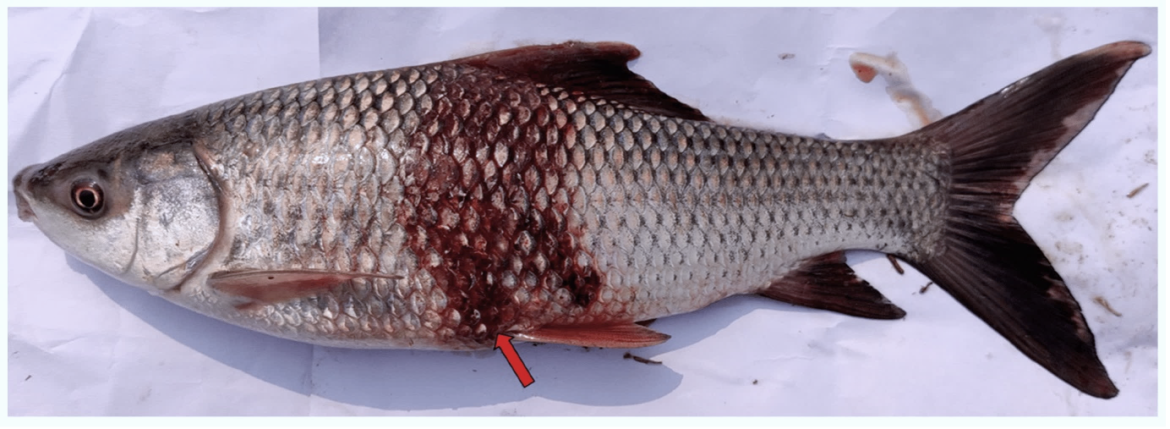
  • Skin Ulcers and Lesions: Red or hemorrhagic sores that can spread and deepen into ulcers.
  • Hemorrhages: Blood spots on fins, gills, and under the skin, indicating internal bleeding.
  • Fin and Tail Rot: Erosion of fins and tail, leading to deformities and swimming difficulties.
  • Exophthalmia (Popeye): Swollen, protruding eyes caused by fluid accumulation.
  • Abdominal Swelling: Bloated bellies due to internal infection or dropsy.

Internal Symptoms:

  • Hemorrhaging in Internal Organs: Bleeding and damage in the liver, kidney, and spleen upon examination.
  • Discolored or Pale Gills: A sign of anemia or oxygen deprivation.
  • Lethargy: Fish become weak, lose appetite, and show erratic swimming behavior.

Prevention and Treatment Strategies
Addressing Aeromonas infections involves multiple approaches, focusing on both treatment and preventive measures:

  1. Antibiotic Treatment

Antibiotics like oxytetracycline, enrofloxacin, and florfenicol are commonly used to treat Aeromonas infections. However, antibiotic resistance is a growing concern, and indiscriminate use can lead to environmental and public health risks. Farmers must follow prescribed dosages and avoid overuse to mitigate resistance.

  1. Probiotics

Incorporating probiotics into fish feed can help maintain healthy gut bacteria, suppressing harmful pathogens like Aeromonas. Probiotics strengthen the fish’s immune system, making them less susceptible to infections, and promote better digestion, leading to healthier fish.

  1. Immunostimulants

Natural immunostimulants like β-glucans and herbal extracts are increasingly used to boost fish immunity. These compounds enhance the fish’s ability to resist infections and recover quickly from outbreaks.

  1. Water Quality Management

Maintaining optimal water quality is essential to prevent Aeromonas outbreaks. Regular monitoring of parameters such as temperature, dissolved oxygen, pH, and ammonia levels is crucial. Proper biofiltration, aeration, and waste management systems reduce the risk of bacterial buildup.

  1. Vaccination

Vaccines for Aeromonas infections are under development and could provide a long-term solution. Vaccination would reduce the dependence on antibiotics, minimizing the risk of outbreaks in the future.

  1. Biosecurity Measures

Effective biosecurity protocols are essential in controlling the spread of Aeromonas infections. Regular disinfection of tanks, ponds, and equipment, as well as limiting the movement of stock between ponds, can help prevent the spread of bacteria. Isolating sick fish and disposing of dead fish quickly are also critical steps.

  1. Quarantine

New fish should undergo a quarantine period before being introduced to existing ponds or tanks. Quarantine helps ensure that incoming fish are not carriers of Aeromonas bacteria, protecting the rest of the stock.

Conclusion: Protecting Indian Aquaculture from Aeromonas Infections
Aeromonas infections present a serious challenge to Indian aquaculture, but with proper disease management, their impact can be minimized. Biosecurity measures, water quality management, and the use of probiotics and immunostimulants play a crucial role in protecting fish populations. By adopting these practices, farmers can safeguard their stock and reduce the economic losses associated with these infections.

Act now to secure a healthy, sustainable future for India’s aquaculture sector!


23/10/2024 0 comment
0 FacebookTwitterPinterestEmail
Protect Your Shrimp Farm from AHPND (Early Mortality Syndrome)
Aquatic Health and Disease Management

Protect Your Shrimp Farm from AHPND (Early Mortality Syndrome)

by Dhanush Gorre 23/10/2024
written by Dhanush Gorre

In India, shrimp farming plays a major role in supporting food security and rural livelihoods. However, disease outbreaks like Acute Hepatopancreatic Necrosis Disease (AHPND), also known as Early Mortality Syndrome (EMS), have become a serious concern, threatening the industry’s sustainability.

What is AHPND?

AHPND is a bacterial disease caused by harmful strains of the bacterium Vibrio parahaemolyticus, which produce toxins that damage the shrimp’s hepatopancreas. This organ is crucial for digestion and nutrient absorption. When the bacteria attack, shrimp experience severe health decline, leading to high mortality rates—especially during the early stages of farming. First detected in Southeast Asia in 2009, AHPND has since spread to India and other shrimp farming regions.

Economic Impact

AHPND poses a major threat to shrimp farmers, especially those cultivating Litopenaeus vannamei and Penaeus monodon, the key shrimp species in India. Farmers may lose up to 70-100% of their stock within the first 30 to 35 days of stocking, resulting in massive financial losses. This is particularly devastating for small-scale farmers who rely on these harvests for their income. The disease has caused significant disruptions in both local markets and shrimp exports, resulting in billions of rupees in losses.

How to Spot AHPND
It’s crucial to detect AHPND early to manage the disease. Look for these signs in your shrimp:

  • Sudden Deaths within the first 20 to 30 days of stocking.
  • Reduced Feeding: Shrimp lose their appetite before mortality occurs.
  • Pale to White Hepatopancreas: Shrimp may show a swollen, discolored hepatopancreas.
  • Soft Exoskeleton and Empty Gut: Shrimp affected by AHPND often have an empty digestive tract and soft shells.
  • Lethargy: Infected shrimp become weak and gather near the pond’s edge.

How Does AHPND Spread?

AHPND spreads quickly through water, feed, and contact with infected shrimp. Contaminated water and poor farm management are major contributors to disease transmission. Shrimp ponds with poor water quality, high organic matter, and overcrowding are particularly vulnerable to outbreaks.

Prevention and Management Strategies

Currently, there is no direct cure for AHPND, so prevention and management are key. Follow these steps to protect your farm:

  1. Maintain Good Water Quality

Poor water quality puts stress on shrimp and promotes bacterial growth. Keep your water in optimal condition by regularly monitoring pH, salinity, and oxygen levels. Use biofloc technology or probiotics to improve water quality and prevent bacterial buildup.

  1. Practice Pond Hygiene

Clean your ponds thoroughly before stocking. Remove organic waste and disinfect the pond to reduce the bacterial load, ensuring a safer environment for your shrimp.

  1. Avoid Overcrowding

Stick to recommended stocking densities to reduce stress on shrimp and minimize the risk of disease transmission. Overstocking creates an unhealthy environment where diseases can spread rapidly.

  1. Use Probiotics and Immune Boosters

Probiotics like Bacillus, Lactobacillus, and Pseudomonas help control harmful bacteria like Vibrio by competing for nutrients and space. These probiotics improve shrimp digestion, boost their immune system, and reduce disease risks. They also stimulate the production of antimicrobial peptides, which help shrimp fight off infections.

Nutritional supplements such as Vitamin C, Vitamin E, zinc, and selenium are essential for enhancing shrimp immunity. Beta-glucans found in yeast activate immune cells, helping shrimp fight off pathogens more effectively.

  1. Feed Your Shrimp Properly

Feed your shrimp with high-quality, nutrient-rich food. Avoid overfeeding, as leftover feed can decompose, degrading water quality and encouraging harmful bacteria to thrive. Healthy nutrition helps shrimp grow stronger and more resistant to diseases like AHPND.

By following these preventive measures, you can protect your shrimp farm from AHPND and reduce economic losses. Simple steps like clean water, proper feeding, and the use of probiotics can make a huge difference in maintaining healthy shrimp populations.

Take Action Now to Secure a Healthy and Profitable Shrimp Harvest!


23/10/2024 0 comment
0 FacebookTwitterPinterestEmail
Swedish Company Innovates Sustainable Fish Feed Using Fungi
Aquatic Health and Disease Management

Swedish Company Innovates Sustainable Fish Feed Using Fungi

by Fishery News 16/10/2024
written by Fishery News

Gothenburg, Sweden – Seaqure Labs, a newly established company, is making waves in aquaculture with its innovative approach to creating sustainable, protein-rich fish feed derived from fungi. This groundbreaking method has earned Seaqure a finalist spot in the Global Seafood Alliance’s Responsible Seafood Innovation Awards, set to take place at the Responsible Seafood Summit on October 22 in St Andrews, Scotland.

Co-founder and COO Albin Frick explained that the fungi, already utilized in the tempeh industry, thrive on agricultural byproducts. Through a fermentation process similar to beer production, the fungi generate a mycoprotein powder boasting over 60% protein content. This sustainable method eliminates the need for fishmeal and soybean in feed, thus reducing waste and environmental impact.

Frick emphasized that Seaqure’s fungi feed not only decreases reliance on wild-caught fish but also enhances fish health, as it offers a superior amino acid profile. Their research indicates that the feed has prebiotic properties, which can lower antibiotic requirements and improve fish survival rates. The targeted inclusion rate of 5% to 15% in total feed allows for efficient production, maximizing output with minimal resource use.

With a small production line currently operational in Gothenburg, Seaqure has initiated partnerships with fish farms and is exploring additional feedstock sources, including potato peels from Scotland and Ireland. Frick, alongside co-founder and CTO Sajjad Karimi—who holds a double Ph.D. in fish nutrition—aims to expand the application of their fungi-based protein beyond aquaculture to other sectors, including pet food and human consumption.

Recognized as one of the top 10 promising aquaculture innovations at the North Atlantic Seafood Forum, Seaqure Labs is poised to make a significant impact on the future of sustainable fish farming.


16/10/2024 0 comment
0 FacebookTwitterPinterestEmail
Newer Posts
Older Posts
  • Recent
  • Popular
  • ICAR-CIFT Patents Rapid DNA Biosensor for Black Tiger Shrimp Authentication

    07/08/2026
  • Minister Holds Review Meeting with Fisheries Cooperative Leaders

    07/08/2026
  • Dry Fish Demand Surges Following Formalin Ban

    07/08/2026
  • Rohu Breeding: A Complete Step-by-Step Guide to Successful Seed Production

    07/08/2026
  • 1

    Trout Fish Stocking Initiative Enhances Fisheries and Tourism Potential in Shopian, Jammu and Kashmir

    17/12/2023
  • 2

    BIGGEST FISH MARKETS IN INDIA

    07/09/2024
  • 3

    Brazil’s Appetite for Vietnamese Tilapia Is Reshaping the Global Whitefish Trade

    28/07/2026
  • 4

    Introducing Future Aquaculture Magazine: A New Voice Shaping the Future of Seafood

    13/02/2026

About Fishery News

FN Logo

Fishery.News is India’s leading digital media platform dedicated to fisheries, aquaculture, seafood, and marine industries. We deliver trusted news, expert insights, market intelligence, technology updates, research, government policies, and success stories that help fish farmers, shrimp farmers, seafood businesses, researchers, and industry professionals stay informed and grow sustainably

Categories

  • News
  • Aquaculture
  • Aquatic Health and Disease Management
  • Research and Innovation
  • Technology & Equipments

Social Networks

Facebook Twitter Instagram Linkedin Youtube
  • Facebook
  • Twitter
  • Instagram
  • Linkedin
  • Youtube

© 2026 Fishery.News – A BLIV Media Venture. All Rights Reserved.


Back To Top
Fishery News
  • E – Magazine
    • Aquaculture
    • Aqua Health & Disease Management
    • News
      • National
      • International
    • Farming
    • Research and Innovation
    • Sustainability
    • Technology & Equipments
    • This is Africa
    • Trade
  • Publications
  • Events
    • Expos
    • Trainings
    • Events by Month
  • Business Listings
    • List Your Business
    • Business Listings
    • Buy & Sell
    • Get Consultation
  • Employment
  • About Us
    • Founder
  • Contact