• E – Magazine
    • Aquaculture
    • Aqua Health & Disease Management
    • News
      • National
      • International
    • Farming
    • Research and Innovation
    • Sustainability
    • Technology & Equipments
    • This is Africa
    • Trade
  • Publications
  • Events
    • Expos
    • Trainings
    • Events by Month
  • Business Listings
    • List Your Business
    • Business Listings
    • Buy & Sell
    • Get Consultation
  • Employment
  • About Us
    • Founder
  • Contact
Fishery News
Home » Aquaculture
Category:

Aquaculture

WHAT IS A RECIRCULATING AQUACULTURE SYSTEM WORK FLOW AND KEY COMPONENTS!
Aquaculture

WHAT IS A RECIRCULATING AQUACULTURE SYSTEM, WORK FLOW AND KEY COMPONENTS!

by Fishery News 18/12/2024
written by Fishery News

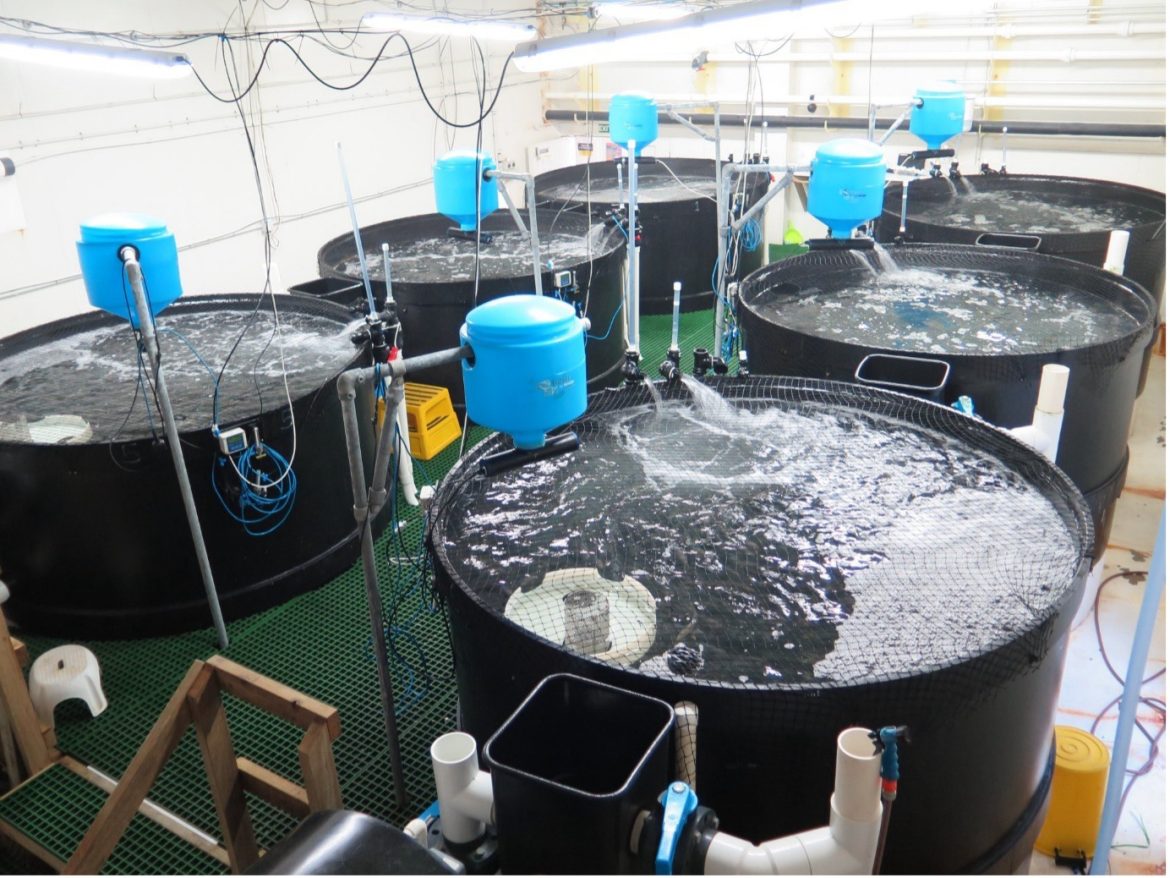
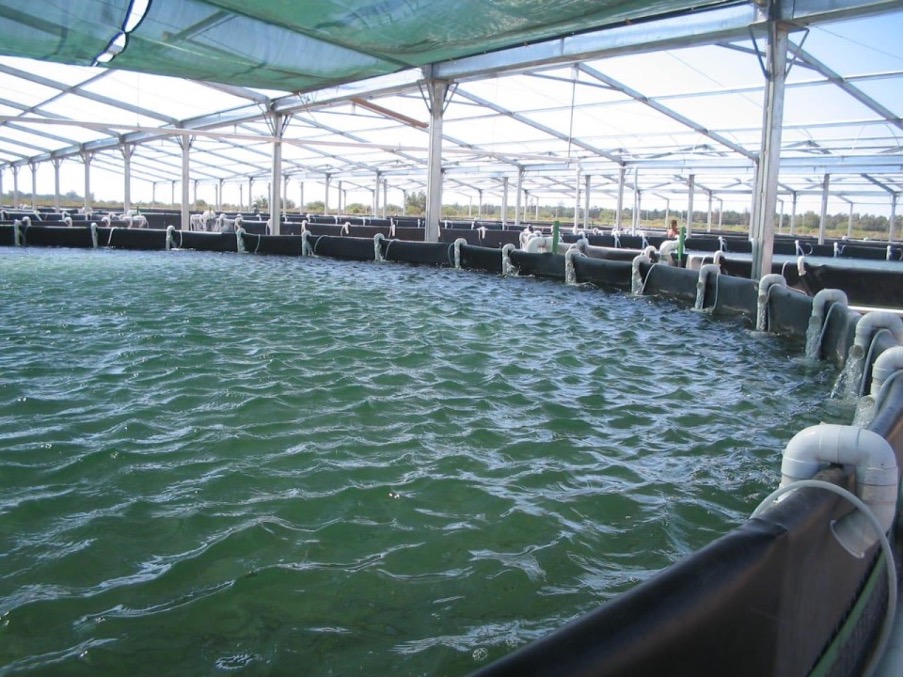
A Recirculating Aquaculture System (RAS) is a closed-loop system in which culture water is continuously purified and reused. This system efficiently removes or converts waste products, such as solid waste, ammonium, and CO2, into non-toxic forms using various components. The purified water is reoxygenated and returned to the fish tanks, minimizing water and energy consumption. While RAS can reuse up to 90% or more of culture water, certain non-degradable waste products must be removed, and evaporated water replaced to maintain balance.

Advantages of RAS

  1. Fully controlled environment for fish.
  2. Minimal water usage.
  3. Efficient energy utilization.
  4. Optimal land use.
  5. Effective feeding strategies.
  6. Simplified fish grading and harvesting.
  7. Enhanced disease control.

Constraints of RAS

To ensure successful RAS operation, certain requirements must be met:

  1. Uninterrupted electricity supply (24/7).
  2. Access to a reliable water source, such as a borehole.
  3. High-quality fish feed with high protein and fat content.
  4. Technically skilled staff trained to handle medium-tech systems.

RAS is particularly suitable for urban or peri-urban locations with stable electricity. It is also ideal for farming tropical fish species indoors in temperate or cold climates.

Basic Components of RAS

  1. Fish Tank: Holds the fish being cultured.
  2. Mechanical Filter: Removes suspended solids.
  3. Biological Filter: Converts toxic ammonia and nitrite into less harmful nitrate.
  4. Pump Tank: Collects water for recirculation.
  5. Pump: Drives water through the system.
  6. Additional Components: UV-C light, oxygenation devices, aeration devices, feeders, and monitoring equipment.


Mechanical Filtration in RAS

Sedimentation Filter

  • Removes non-soluble solid particles using gravity.
  • The sedimentation tank includes polypropylene filter packs for trapping solids, which settle as silt.
  • Up to 60% of nitrates are denitrified into nitrogen gas by bacteria in the silt.
  • Regular cleaning is required, with waste drained into the farm’s wastewater system.

Drum Filter

  • Continuously and automatically removes suspended solids.
  • Works by filtering system water through a screen; clogged screens trigger an automatic flushing mechanism.
  • Requires consistent electricity for operation.


Biological Filtration in RAS

Process of Ammonium Conversion

  • Fish produce ammonium (NH4) as a byproduct of protein digestion, which is toxic at high levels.
  • Specific bacteria convert ammonium into nitrite (NO2) and then into nitrate (NO3).
  • Nitrate is relatively harmless but must still be managed for long-term water quality.

Types of Biological Filters

  1. Biotower (Trickling Tower/Degassing Tower):
    • Contains polypropylene net filter blocks to support bacterial growth.
    • Removes dissolved gases like CO2 when used as a degassing tower.
  2. Moving Bed Filter:
    • Features filter beads with nitrifying bacteria biofilms.
    • Provides high filtration capacity in a compact space.


Additional RAS Components

  1. UV-C Light:
    • Emits electromagnetic radiation (200-280 nanometers) to kill bacteria, viruses, and fungi.
    • Prevents excessive microbial growth and keeps system water clear.
  2. Aeration and Oxygenation Devices:
    • Maintain optimal dissolved oxygen levels.
  3. Monitoring Systems:
    • Ensure continuous tracking of water quality parameters.
  4. Feeders:
    • Automate feeding schedules for efficiency and precision.


Flow Chart of RAS Process

Water flows from the fish tank to the mechanical filter.


Suspended solids are removed via sedimentation or drum filters.


Water passes through the biological filter to convert harmful substances.


Purified water is reoxygenated and pumped back into the fish tank.


Recirculating Aquaculture Systems represent a sustainable and efficient method of aquaculture, ensuring high productivity with minimal resource use. By understanding and optimizing each system component, operators can achieve superior fish health, water quality, and overall system efficiency.
 

18/12/2024 0 comment
0 FacebookTwitterPinterestEmail
BIOFLOC TECHNOLOGY AN INNOVATIVE APPROACH FOR SUSTAINABLE AQUACULTURE
Aquaculture

BIOFLOC TECHNOLOGY: AN INNOVATIVE APPROACH FOR SUSTAINABLE AQUACULTURE

by Fishery News 17/12/2024
written by Fishery News

Biofloc Technology (BFT) is an innovative and cost-effective approach in aquaculture that converts toxic materials harmful to fish and shellfish, such as nitrate, nitrite, and ammonia, into a beneficial product—proteinaceous feed. This technology is particularly useful in aquaculture systems with limited or zero water exchange, high stocking densities, strong aeration, and the development of biota through biofloc. It is especially productive in culture tanks exposed to sunlight.

How Does Biofloc Technology Work?

  • Biofloc as a Wastewater Treatment System: BFT treats wastewater effectively, making it a key component in sustainable aquaculture.
  • Higher Carbon-Nitrogen (C-N) Ratio: By adding a carbohydrate source, the system maintains a higher C-N ratio, which enhances water quality by producing high-quality, single-cell microbial protein.
  • Heterotrophic Microbial Growth: Under these conditions, heterotrophic microbes grow rapidly, assimilating nitrogenous waste. This microbial biomass can be utilized as feed by the cultured species and also acts as a bioreactor to control water quality.
  • Immobilization of Toxic Nitrogen: Toxic nitrogen species are rapidly immobilized in biofloc systems. Heterotrophic microbes have a growth rate and microbial production ten times greater than autotrophic nitrifying bacteria.
  • Flocculation Principle: BFT is based on the principle of flocculation within the system.

Composition and Nutritional Value of Biofloc

  • Components of Biofloc: Biofloc consists of suspended particles and microorganisms such as bacteria, algae, fungi, invertebrates, detritus, and extracellular polymeric substances.
  • Formation: Biofloc is a protein-rich live feed formed by converting unused feed and excreta into natural food through sunlight exposure and vigorous aeration.
  • Structure: Biofloc particles range from 50 to 200 microns in size. They are held together by bacterial mucus and filamentous microorganisms.
  • Nutritional Value:
    • Protein: 25-50% (dry weight)
    • Fat: 0.5-15%
    • Rich in vitamins and minerals, particularly phosphorus
    • Acts as a natural probiotic
  • Feed Ingredient Potential: Dried biofloc can replace fishmeal or soybean meal in aquaculture feeds.

Advantages of Biofloc Technology

  1. Eco-Friendly System: Reduces environmental impact.
  2. Efficient Resource Use: Minimizes land and water requirements.
  3. Zero or Limited Water Exchange: Operates with minimal water exchange.
  4. Higher Productivity:
    • Enhances survival rates and growth performance.
    • Improves feed conversion ratios in culture systems.
  5. Improved Biosecurity: Reduces water pollution and minimizes the risk of pathogen introduction and spread.
  6. Cost Savings:
    • Reduces reliance on protein-rich feeds.
    • Decreases standard feed costs.
  7. Reduced Pressure on Capture Fisheries: Limits the use of wild fish for fishmeal production.

Species Suitable for Biofloc Culture

Biofloc systems are best suited for species that derive nutritional benefits from consuming biofloc and can tolerate high solid concentrations in water.

  • Air-Breathing Fishes:
    • Singhi (Heteropneustes fossilis)
    • Magur (Clarias batrachus)
    • Pabda (Ompok pabda)
    • Koi (Anabas testudineus)
    • Pangasius (Pangasianodon hypophthalmus)
  • Non-Air-Breathing Fishes:
    • Common Carp (Cyprinus carpio)
    • Rohu (Labeo rohita)
    • Tilapia (Oreochromis niloticus)
    • Milkfish (Chanos chanos)
  • Shellfishes:
    • Vannamei (Litopenaeus vannamei)
    • Tiger Shrimp (Penaeus monodon)

Follow FisheryNews for more Information

17/12/2024 0 comment
0 FacebookTwitterPinterestEmail
Exploring Different Types of Pisciculture Key Differences and Benefits
Aquaculture

Exploring Different Types of Pisciculture: Key Differences and Benefits

by Fishery News 14/12/2024
written by Fishery News

Types of Pisciculture: Traditional Pisciculture

Traditional pisciculture is the most basic form of fish farming and is practiced in various types of water bodies, including ponds, lakes, and rivers, where fish production is typically low. The key characteristic of traditional pisciculture is that it depends heavily on the natural availability of food. This method does not require the addition of artificial feed or fertilizers. Fish in these systems rely on natural food sources like plankton, algae, and small aquatic organisms that are present in the water. Since this method is low-input, it tends to yield lower production compared to more intensive systems. However, it is environmentally sustainable and requires minimal capital investment.

Intensive Culture

Intensive culture aims to significantly enhance fish production by providing supplemental feed and organic fertilizers to the fish. This method is used in perennial water bodies such as ponds, lakes, and reservoirs that are dedicated solely to fish farming, meaning the water is not used for human activities like cleaning, bathing, or irrigation. By using artificial feed and fertilizers, intensive culture increases the fish’s growth rate and production efficiency. It requires a high level of management, particularly to monitor water quality and fish health.

Composite Culture / Polyculture

Composite culture, also known as polyculture, involves farming multiple species of fish in the same water body. This system is highly efficient because different species occupy different ecological niches and have varying feeding habits. For example, certain fish are bottom feeders, others are surface feeders, and some are mid-water feeders. The most common species used in India for composite culture are the Indian major carps (such as Catla, Rohu, and Mrigal) and exotic carps (such as Silver Carp, Grass Carp, and Common Carp).

By having multiple species in one pond, full utilization of feed is achieved, as the different species consume food at different levels in the water column. This increases the overall fish production of the pond. Composite culture can be applied for producing fry, fingerlings, and market-ready fish, making it a versatile and profitable method.

Integrated Culture

Integrated culture combines fish farming with other agricultural practices, such as rice cultivation, vegetable farming, duckery, cattle rearing, and poultry farming, in a single farming system. This method utilizes locally available resources and ensures that all aspects of the farming system benefit from one another. For instance, the fish in the ponds can help control pests and weeds in rice fields, while the waste from other farm animals can be used as organic fertilizer for crops or as feed for the fish. The key benefit of integrated culture is that it leads to the optimal use of both land and water resources.

This system not only enhances overall productivity but also provides additional sources of income. For example, farmers may sell fish, vegetables, or poultry, making the practice highly diversified and resilient.

Monospecies Culture

Monospecies culture involves farming a single species of fish in a pond or water body. This system can include species like catfish, Indian Major Carps (IMC), or exotic species. The key benefit of monospecies culture is that it is simple and straightforward, with fewer variables to manage compared to polyculture systems. The fish species in monospecies culture are typically selected based on market demand, growth rate, and ease of management.

14/12/2024 0 comment
0 FacebookTwitterPinterestEmail
HOW TO ENSURE SEED QUALITY AND SAFETY FOR A SUCCESSFUL AQUACULTURE VENTURE?
Aquaculture

HOW TO ENSURE SEED QUALITY AND SAFETY FOR A SUCCESSFUL AQUACULTURE VENTURE?

by Fishery News 30/10/2024
written by Fishery News

In a green village near a beautiful river, there lived a young man named Ravi, Ravi had always dreamed of running his own shrimp farm. After years of saving, researching, and learning, he finally decided to take the leap. With high hopes, he invested all his savings and started preparing to buy shrimp seed. Everything seemed perfect—until one small mistake caused him to lose everything.

Ravi knew that buying healthy shrimp seed was one of the most important steps to success. He had read about choosing a reputable hatchery and checking the seed’s health. However, when he finally reached the hatchery, he felt embarrassed to ask for a Disease-Free Certification (or Specific Pathogen-Free (SPF) Certificate). He didn’t want to seem like he didn’t trust the hatchery. “They’ve been doing this for years,” he thought. So, he didn’t ask for proof that the shrimp were free from diseases.

This would soon become a major regret.

When Ravi received the shrimp seed, he noticed some of them didn’t look as healthy as they should. A few were smaller than expected, and they didn’t swim very actively. Even though he had a bad feeling, he convinced himself that it was probably normal and decided to go ahead with stocking them.

He hadn’t thought about whether the hatchery was in a disease-free zone or checked the physical appearance of the shrimp properly. If he had, maybe things would have turned out differently.

TROUBLES DURING TRANSPORTATION

Ravi did his best to transport the shrimp carefully. He knew that the seed needed good containers and an adequate oxygen supply during transportation. But in his rush to get things done, he forgot to monitor the temperature inside the truck. After a long, hot trip, the shrimp were stressed, and some were even on the verge of dying.

To make matters worse, the workers who helped him handle the seed weren’t as careful as they should have been. The rough handling added to the stress, and many shrimp were already weakened before they even reached the farm.

Once the shrimp arrived, Ravi placed them in quarantine tanks. However, the water quality in these tanks wasn’t ideal. He hadn’t paid enough attention to it, thinking the shrimp would be fine. Soon, the shrimp started to show signs of sickness. Some were barely moving, and others started dying.

Ravi realized that he hadn’t disinfected the equipment properly before moving the shrimp between tanks. The spread of disease had likely been caused by poor handling and contamination. His entire investment was now at risk.

THE HARSH REALITY

The situation got worse quickly. The shrimp were infected with a disease, and Ravi was powerless to stop it. He had no choice but to watch as his shrimp stock died off, and his dream began to crumble.

Ravi couldn’t stop thinking about that moment when he felt too shy to ask for a Disease-Free Certificate. If only he had asked, things might have turned out differently. The shrimp were infected when he bought them, but he had ignored the signs and taken shortcuts.

A TURNING POINT

Although Ravi lost all of his investment, he didn’t want to give up on his dream. He decided to start again, but this time, he would be more careful. He found another hatchery—one with a strong reputation—and made sure to ask for the Disease-Free Certificates this time. He checked that the hatchery was in a disease-free zone and made sure the shrimp looked healthy and active before buying them.

Ravi also learned how important it was to control the temperature during transportation and to handle the shrimp carefully to avoid stress. When he quarantined the shrimp, he checked the water quality carefully and disinfected all tools properly, making sure no disease could spread.

SAFETY MEASURES FOR BUYING SEED

Through his experience, Ravi learned some valuable lessons about buying seed. Here are the safety measures he now follows, and recommends to others:

  1. Buy from reputable hatcheries: Always choose hatcheries with a proven track record and request Disease-Free Certificates to ensure the seed is disease-free.
  2. Choose hatcheries in disease-free zones: This lowers the risk of bringing diseases into your farm.
  3. Inspect the seed carefully: Check the seed’s physical appearance to ensure they are healthy, active, and properly sized.
  4. Ensure proper species identification: Avoid introducing non-native or invasive species by confirming the species of the seed.
  5. Handle seed carefully during transportation: Use proper containers with enough oxygen and control the temperature to reduce stress on the seed.
  6. Quarantine the seed: Always quarantine the seed in a separate tank with good water quality to monitor for any diseases before adding them to the main pond.
  7. Disinfect equipment: Clean all tools and equipment used for handling seed to avoid spreading any diseases.

By following these precautions, Ravi now runs a successful shrimp farm. His first failure was a hard lesson, but it taught him that being cautious and informed is the key to success in aquaculture.


30/10/2024 0 comment
0 FacebookTwitterPinterestEmail
Guwahati University Launches Floating Fish Culture Cage to Boost Aquaculture in Assam
Aquaculture

Guwahati University Launches Floating Fish Culture Cage to Boost Aquaculture in Assam

by Fishery News 26/10/2024
written by Fishery News

Guwahati: A new floating fish culture cage, designed to support local fish biodiversity and improve rural livelihoods, was inaugurated at Guwahati University’s Aquaculture and Biodiversity Centre (ABC) on Thursday. The initiative, backed by the ICAR-National Bureau of Fish Genetic Resources (NBFGR), Lucknow, aims to promote sustainable aquaculture practices in Assam.

The four-chambered cage system, intended for fish stocking and rearing, operates within natural water bodies such as rivers, lakes, and reservoirs. By harnessing water currents for oxygenation and waste removal, the floating cages provide an environment similar to the wild, while regulating fish population density. This approach eliminates the need for additional land or artificial ponds, offering an eco-friendly and cost-effective solution for aquaculture.

During the inauguration ceremony, Guwahati University Vice Chancellor Prof. Nani Gopal Mahanta highlighted the project’s role in conserving native fish species and fostering income opportunities for local communities. The first batch of fish stocked in the cages included indigenous species such as Labeo rohita, Labeo bata, Labeo calbasu, and Anabas testudineus, underscoring the focus on ecological preservation alongside economic development.

“Assam has a rich tradition of fish culture, and this project not only reflects that heritage but also integrates modern techniques to ensure sustainable aquaculture,” Prof. Mahanta noted. He also commended the Department of Zoology and ABC Coordinator Prof. Dandadhar Sarma for leading the initiative, thanking NBFGR Director Dr. Uttam Kumar Sarkar for supporting the project.

A one-day training program held alongside the launch drew 40 participants from eight villages in Udalguri district, including 22 women. With support from ICAR-NBFGR’s Biotech KISAN and NEH initiatives, the program provided hands-on demonstrations and practical knowledge about advanced fish farming. Participants also received essential fishery inputs to help them adopt new techniques.

Dr. Uttam Kumar Sarkar emphasized the importance of integrating traditional knowledge with scientific practices to create sustainable livelihoods. “The government’s goal is to empower rural communities through self-reliance, and projects like these show how aquaculture can contribute to both biodiversity conservation and economic growth,” he said.

Participants engaged actively in discussions during an interactive session, sharing their experiences and learning from experts about the benefits of sustainable fish farming.

With this launch, Assam moves closer to bridging the gap between traditional fish culture and modern aquaculture solutions. The floating cage initiative offers a glimpse into a future where ecological conservation and livelihood enhancement can go hand in hand, laying the foundation for a more resilient and sustainable aquaculture ecosystem.


26/10/2024 0 comment
0 FacebookTwitterPinterestEmail
Oman Teams Up with AquaBioTech to Drive Aquaculture Expansion
AquacultureMiddleeast

Oman Teams Up with AquaBioTech to Drive Aquaculture Expansion

by Fishery News 15/10/2024
written by Fishery News

Oman is taking decisive steps to elevate its aquaculture industry by engaging AquaBioTech Group as an advisory partner. The collaboration seeks to harness Oman’s marine resources efficiently and foster sustainable practices that will solidify the nation’s position in global seafood markets.

Backed by $1.2 billion in government funding, FDO’s mandate extends across a variety of aquaculture and marine biotechnology projects. Among its flagship initiatives are collaborations with Blue Waters LLC on sea bream cage farming, semi-intensive shrimp cultivation in Al Sharqiyah South, and the development of a new fishing port in Duqm.

FDO’s investment strategy also includes exploring a range of future projects. These cover aquafeed production, mussel and abalone farming, sea cucumber cultivation, and microalgae production. Additional areas of interest involve coral and ornamental fish propagation, broodstock development for fish and shrimp, algae farming, and even bioprospecting for marine bioactive compounds.

Ambitious plans for land-based recirculating aquaculture systems (RAS) are also on the horizon, targeting species such as salmon, seabass, and grouper. Tuna ranching and seriola farming are likewise being considered as Oman looks to diversify its marine industries.

Commenting on the partnership, FDO’s representative emphasized the importance of fisheries to Oman’s economy, noting: “Our strategic investments and initiatives aim to elevate Oman’s presence in the international seafood market while tapping into the vast potential for aquaculture growth.”

Shane Hunter, CEO of AquaBioTech Group, expressed confidence in the collaboration, adding: “FDO’s vision for Oman’s aquaculture sector is ambitious yet achievable. We are committed to working closely with them to turn these goals into reality.”

With this partnership, Oman aims to accelerate sustainable aquaculture practices, boost marine production, and generate new economic opportunities, all while ensuring long-term ecological balance.


15/10/2024 0 comment
0 FacebookTwitterPinterestEmail
ICAR Umiam Hosts Workshop to Boost Aquaculture and Fish Production in Meghalaya
Aquaculture

ICAR Umiam Hosts Workshop to Boost Aquaculture and Fish Production in Meghalaya

by Fishery News 25/09/2024
written by Fishery News

The Division of Animal and Fisheries Science (DAFS) at the ICAR Research Complex for NEH Region, Umiam, alongside the NFDB-North East Regional Centre, Guwahati, recently organized a workshop focused on advancing aquaculture and fish production in Meghalaya. The event addressed strategies to improve fisheries across the Northeast region.

With more than 50 participants, including ICAR scientists, government officials, KVK staff, and farmers from Ri Bhoi, East Khasi Hills, East Garo Hills, and South Garo Hills districts, the workshop covered a broad spectrum of topics. These included aquaculture practices suited to mid-hill conditions, integrated fish farming, modern techniques, fish health, and government support schemes such as those offered by the NFDB, alongside pathways to entrepreneurship in fisheries.

ICAR Director Dr. VK Mishra emphasized the pivotal role of integrated fish farming in uplifting the livelihoods of tribal communities in Meghalaya. Oldalin Khongngain from the Directorate of Fisheries urged participants to remain dedicated to developing the sector, while A. K. Borah, Office-In-Charge of NDFB-NERC, Guwahati, encouraged collaboration with ICAR for technical expertise and participation in government programs like PMSSY.

The event concluded with the distribution of quality fish fingerlings to farmers, serving as a practical step to encourage increased fish production.

Source: Highland post

25/09/2024 0 comment
0 FacebookTwitterPinterestEmail
WORKSHOP HIGHLIGHTS THE ROLE OF BIOCHAR IN BOOSTING AQUACULTURE PRODUCTION
Aquaculture

WORKSHOP HIGHLIGHTS THE ROLE OF BIOCHAR IN BOOSTING AQUACULTURE PRODUCTION

by Fishery News 24/09/2024
written by Fishery News

Dr. N Sai Bhaskar Reddy, a renowned biochar expert, emphasized the transformative impact of biochar in enhancing aquaculture production through improved water quality and pollution control. Speaking at a one-day workshop on “Biochar Applications in Aquaculture” held at the Government Degree College, Siddipet, Dr. Reddy shed light on how biochar can revolutionize sustainable fish farming practices.

In his keynote address, Dr. Reddy elaborated on biochar’s remarkable capacity to absorb harmful toxins and heavy metals, thus safeguarding aquatic life and promoting healthier ecosystems. He highlighted that by improving water quality, biochar creates a cleaner environment for fish farming, leading to higher yields and more sustainable aquaculture operations.

“Biochar acts as a sustainable solution for managing drainage water and mitigating pollution in aquaculture systems. Its ability to purify polluted water bodies contributes significantly to healthier aquatic environments and can ultimately boost fish yields,” explained Dr. Reddy. He further shared insights into the practical application of biochar, providing case studies where its use has resulted in substantial improvements in freshwater ecosystems.

The workshop also featured hands-on sessions, where students actively participated in demonstrations of biochar usage. These sessions offered attendees the opportunity to gain firsthand experience with biochar’s practical benefits in aquaculture, equipping them with essential eco-friendly skills.

The event concluded with a discussion on the broader environmental advantages of biochar, particularly its role in preserving freshwater resources and supporting responsible aquaculture practices. In addition to Dr. Reddy, the workshop was attended by several dignitaries, including Dr. P Ayodhya Reddy, Vice-Principal and Head of the Zoology Department, and AEO T Nagarjuna, along with faculty members from the Zoology and Fisheries departments, who contributed to the workshop’s success.

The workshop provided a valuable platform for students and professionals alike to explore biochar’s potential in promoting sustainable aquaculture, paving the way for future innovations in the field.


24/09/2024 0 comment
0 FacebookTwitterPinterestEmail
Revolutionizing Assam’s Aquaculture Freshwater Prawn Farming Ushers a New Era of Growth
Aquaculture

Revolutionizing Assam’s Aquaculture: Freshwater Prawn Farming Ushers a New Era of Growth

by Fishery News 16/09/2024
written by Fishery News

Assam, with its vast aquatic resources spanning over 94,000 hectares, has long been known for its diverse fishery industry. However, despite its natural wealth, the state has faced challenges in achieving self-sufficiency in fish production. Aiming to overcome these hurdles, Assam’s aquaculture sector is undergoing a remarkable transformation with the introduction of freshwater prawn farming—specifically, the cultivation of Scampi (giant freshwater prawn).

A Landmark in Assam’s Fisheries

Assam’s fisheries have traditionally focused on species like Rohu, Catla, and various types of carp. While these species have contributed significantly to the state’s annual fish production, the advent of freshwater prawn farming promises to take the sector to new heights. Scampi, a species globally recognized for its commercial value and consumer preference, has proven to be an ideal candidate for Assam’s climate and farming practices.

By integrating prawns with carp, local farmers are optimizing the use of resources such as water, feed, and pond space. This polyculture method not only improves nutrient cycling but also diversifies income streams for farmers, thus reducing financial risks. Prawns and carp coexist harmoniously by occupying different ecological niches, leading to improved overall pond productivity and minimizing environmental impacts.

Breakthrough Projects and Economic Impact

In 2023, a groundbreaking pilot project led by WorldFish India, in collaboration with Assam’s Department of Fisheries, introduced freshwater prawn and carp polyculture in five districts—Kamrup, Nalbari, Morigaon, Darrang, and Goalpara—under the World Bank-funded APART project. The initiative brought together small-scale farmers through the creation of Farmer Producer Groups (FPGs) in each district, with each group managing a five-hectare water area.

The results have been astounding. Each group produced an average of 60 kilograms of prawns and 500 kilograms of fish per season, driven by high demand and efficient farming practices. This diversification has led to substantial increases in income for farmers across the state.

One of the key factors in this success has been the use of a genetically improved (GI) strain of giant freshwater prawns. This new strain is not only disease-resistant but also grows faster, reaching an average size of 80 grams in just ten months compared to 60 grams for the normal strain. The strain’s higher survival rate and enhanced growth make it a highly profitable option for farmers.

The Future of Freshwater Prawn Farming in Assam

As farmers and aquapreneurs increasingly recognize the financial and environmental benefits of integrating prawn farming into their practices, the future of Assam’s aquaculture industry looks promising. With the success of the APART project, more farmers are expected to adopt this innovative polyculture system, paving the way for Assam to become a leader in sustainable aquaculture in India.

The introduction of disease-resistant prawn strains, along with the support from government and international organizations, provides a blueprint for enhancing productivity while promoting rural economic development. As a result, freshwater prawn farming is set to revolutionize the aquaculture landscape of Assam, contributing to the state’s journey towards self-reliance in fish production.

A Sustainable Path Forward

The integration of freshwater prawn and carp polyculture offers a sustainable approach to aquaculture, providing both economic and ecological benefits. By optimizing resources and promoting a diversified income stream, this farming practice is positioning Assam’s rural communities for long-term success. As more districts adopt this model, the potential for statewide aquaculture growth becomes increasingly tangible.


16/09/2024 0 comment
0 FacebookTwitterPinterestEmail
Veterinary University Launches Capacity Building Centre to Promote Climate Smart Aquaculture Technologies
Aquaculture

Veterinary University Launches Capacity-Building Centre to Promote Climate-Smart Aquaculture Technologies

by Fishery News 16/09/2024
written by Fishery News

Guru Angad Dev Veterinary and Animal Sciences University has established a Capacity Building Resource Centre (CBRC) under the Pradhan Mantri Matsya Sampada Yojana (PMMSY) in an effort to advance sustainable aquaculture practices in line with climate change adaptation.The centre, funded by the Department of Fisheries, Ministry of Fisheries, Animal Husbandry, and Dairying (Government of India), focuses on promoting intensive aquaculture technologies (IATs) like the Recirculatory Aquaculture System (RAS) and Biofloc-based Aquaculture System (BAS).

Vice-Chancellor Dr. Inderjeet Singh highlighted that the CBRC, with a budget of Rs 1.39 crore, is the first of its kind in northern India. It aims to meet the training needs of fish farmers, aspiring entrepreneurs, officials, and scientists by promoting sustainable and economically viable aquaculture technologies suited to the region’s climate.

According to Dr. Meera D. Ansal, Dean of the College of Fisheries, these climate-smart technologies require significantly less water and land—only 10-15% of what traditional pond aquaculture practices demand—while achieving higher productivity. The university has already harvested its first pangas catfish crop using RAS and BAS, with respective productivity levels of 15 kg/m³ and 11 kg/m³, far exceeding the 1.5-2.0 kg/m³ output of traditional ponds.

The centre aims to address the capacity-building needs of stakeholders in the region and develop cost-effective models of RAS and BAS suited to local climate conditions. Over the past year, the university has trained around 190 farmers, state fisheries officials, aspiring entrepreneurs, and students. Additionally, stakeholders from neighboring states, including Haryana, Rajasthan, Himachal Pradesh, Jammu & Kashmir, Uttar Pradesh, and Madhya Pradesh, have been invited for hands-on training in IATs.

The university is also experimenting with new species like singhi (Heteropneustes fossilis) and climbing perch (Anabas testudineus) to develop diversified, economically viable culture technologies for RAS and BAS. Dr. Ansal noted that many aquaculture systems are being established in the north-western region without formal training, making the university’s capacity-building initiatives crucial for ensuring the adoption of effective and sustainable practices.

This push for climate-resilient aquaculture practices is seen as a critical step in achieving the nation’s production targets while conserving depleting aquatic resources.


16/09/2024 0 comment
0 FacebookTwitterPinterestEmail
Newer Posts
Older Posts
  • Recent
  • Popular
  • ICAR-CIFT Patents Rapid DNA Biosensor for Black Tiger Shrimp Authentication

    07/08/2026
  • Minister Holds Review Meeting with Fisheries Cooperative Leaders

    07/08/2026
  • Dry Fish Demand Surges Following Formalin Ban

    07/08/2026
  • Rohu Breeding: A Complete Step-by-Step Guide to Successful Seed Production

    07/08/2026
  • 1

    Trout Fish Stocking Initiative Enhances Fisheries and Tourism Potential in Shopian, Jammu and Kashmir

    17/12/2023
  • 2

    BIGGEST FISH MARKETS IN INDIA

    07/09/2024
  • 3

    Brazil’s Appetite for Vietnamese Tilapia Is Reshaping the Global Whitefish Trade

    28/07/2026
  • 4

    Introducing Future Aquaculture Magazine: A New Voice Shaping the Future of Seafood

    13/02/2026

About Fishery News

FN Logo

Fishery.News is India’s leading digital media platform dedicated to fisheries, aquaculture, seafood, and marine industries. We deliver trusted news, expert insights, market intelligence, technology updates, research, government policies, and success stories that help fish farmers, shrimp farmers, seafood businesses, researchers, and industry professionals stay informed and grow sustainably

Categories

  • News
  • Aquaculture
  • Aquatic Health and Disease Management
  • Research and Innovation
  • Technology & Equipments

Social Networks

Facebook Twitter Instagram Linkedin Youtube
  • Facebook
  • Twitter
  • Instagram
  • Linkedin
  • Youtube

© 2026 Fishery.News – A BLIV Media Venture. All Rights Reserved.


Back To Top
Fishery News
  • E – Magazine
    • Aquaculture
    • Aqua Health & Disease Management
    • News
      • National
      • International
    • Farming
    • Research and Innovation
    • Sustainability
    • Technology & Equipments
    • This is Africa
    • Trade
  • Publications
  • Events
    • Expos
    • Trainings
    • Events by Month
  • Business Listings
    • List Your Business
    • Business Listings
    • Buy & Sell
    • Get Consultation
  • Employment
  • About Us
    • Founder
  • Contact