• E – Magazine
    • Aquaculture
    • Aqua Health & Disease Management
    • News
      • National
      • International
    • Farming
    • Research and Innovation
    • Sustainability
    • Technology & Equipments
    • This is Africa
    • Trade
  • Publications
  • Events
    • Expos
    • Trainings
    • Events by Month
  • Business Listings
    • List Your Business
    • Business Listings
    • Buy & Sell
    • Get Consultation
  • Employment
  • About Us
    • Founder
  • Contact
Fishery News
Home » Sustainability
Category:

Sustainability

Showcase Your GIS Talent Best GIS Project Competition on Climate and Environmental Challenges
Sustainability

Showcase Your GIS Talent: Best GIS Project Competition 2024 on Climate and Environmental Challenges

by Fishery News 2024-11-20
written by Fishery News

Showcase your skills in spatial data analysis and geo-visualization to address pressing environmental challenges. This competition brings together creativity, innovation, and data-driven insights to highlight critical climate and environmental issues.

GIS PROJECT SHOWCASE COMPETITION, 2024
Date: 19th November 2024
Organizer: IITM EIACP PC-RP, Pune

About the Competition

Objective

Submit a GIS project focusing on one of the following themes:

  1. Global Warming Effects (e.g., Rising Global Temperatures, Melting Glaciers)
  2. Hottest Cities
  3. Polluted Cities
  4. Extreme Weather Events in 2023


Evaluation Criteria

  1. Relevance and Data Quality: Use credible, authoritative data sources relevant to your theme.
  2. Clarity and Creativity: Maps and visualizations should be clear and innovative.
  3. Insight and Educational Value: Projects must provide meaningful insights and effectively communicate the data story.


Prizes

  • Exciting prizes for the top three winners.
  • Certificates of participation for all participants.


Eligibility

Open to students, GIS enthusiasts, researchers, and professionals passionate about climate and environmental challenges.


Important Dates

  • Submission Deadline: 25th November 2024, 6:00 PM (Monday)
  • Result Announcement: 29th November 2024 (Friday)
  • Venue: Online


Submission Instructions

  1. File Naming: Organize all files into a single ZIP folder named:
    [ParticipantName]_GISDay2024_Submission.zip
  2. Submission Method: Upload the ZIP file via the form:
    Submission Form Link


Data Collection and Preparation

  • Source Your Data: Utilize reputable sources like OpenStreetMap (OSM), NASA Earthdata, ESA Copernicus, WHO, or governmental GIS repositories.
  • Metadata Documentation: Provide a document (DOC/PDF) detailing:
    • Data sources
    • Processing steps
    • Theme relevance and transformations performed.
  • File Format: Use GeoPackage (GPKG) to avoid data loss. Submit visualizations as high-resolution images (JPEG/PNG).


Copyright Notice

  • Intellectual property remains with participants.
  • The organizing committee retains non-exclusive rights for promotional or educational use with proper attribution.
  • Submissions must adhere to copyright and licensing terms of data sources.


Contact Information

Organizer: Environmental Information, Awareness, Capacity Building, and Livelihood Programme (EIACP, formerly ENVIS)

  • Institution: Indian Institute of Tropical Meteorology, Pune
  • Phone: 02025904212
  • Email: iitm-env@nic.in
  • Website: www.iitmenvis.nic.in

Get ready to showcase your GIS expertise and make a difference!


2024-11-20 0 comment
0 FacebookTwitterPinterestEmail
New Conservation Efforts Aim to Revive Horseshoe Crab Population Along India’s Coast
Sustainability

New Conservation Efforts Aim to Revive Horseshoe Crab Population Along India’s Coast

by Fishery News 2024-10-29
written by Fishery News

Balasore: Horseshoe crabs, among the oldest creatures on Earth, are getting a renewed chance at survival as scientists intensify conservation efforts along India’s northeastern coastline. While sightings of these ancient animals have declined sharply since the 1990s, with only a few estuaries in Odisha still hosting them, new initiatives are underway to protect and study the species.

Twelve horseshoe crabs were recently tagged at the Khandia Muhan estuary in Balasore, marking the beginning of a large-scale tagging program. Over the next three years, researchers will tag hundreds more to track their movements, monitor population trends, and identify key habitats. Both of India’s native horseshoe crab species—Tachypleus gigas and Carcinoscorpius rotundicauda—are found along the shores of Odisha and West Bengal, where conservationists aim to restore their numbers.

Each tag contains a unique serial number, a contact number, and institutional details, enabling researchers to map the species’ migration patterns and reproductive behaviour. The data collected will help connect fragmented populations along the coast, providing valuable insights for long-term conservation planning.

Despite facing threats such as destructive fishing practices and illegal smuggling, the species is legally protected under Schedule 2 of the Wildlife Protection Act, 1972. Authorities are ramping up efforts to curb these activities, emphasizing the importance of safeguarding this vital marine species.

In addition to tagging, researchers are exploring advanced tools like satellite telemetry to gather deeper insights into the crabs’ behaviour and habitat. A proposal for further research will soon be submitted to the central environment ministry to bolster conservation initiatives.

With a focus on scientific monitoring and stronger enforcement, conservationists remain hopeful that these ancient survivors will make a steady recovery, ensuring their continued presence in India’s coastal ecosystems.

2024-10-29 0 comment
0 FacebookTwitterPinterestEmail
Aquapurna Transforms Shrimp Farming with Sustainable Smart Reef Technology
Sustainability

Aquapurna Transforms Shrimp Farming with Sustainable Smart Reef Technology

by Fishery News 2024-10-28
written by Fishery News

German aquaculture company Aquapurna is revolutionizing shrimp farming by introducing a sustainable, technology-driven approach. Its innovative Smart Reef System, designed to replicate natural shrimp habitats, has redefined industry standards for producing eco-friendly, high-quality shrimp.

By harnessing automated processes, the system ensures a stress-free, controlled environment that mirrors nature, optimizing shrimp health and increasing yields. Aquapurna recently secured a significant eight-figure investment through the BlueInvest Readiness Assistance Programme, marking a critical step forward in its expansion plans.

“BlueInvest provided us with invaluable financial insights, which we translated into real-world success,” said CEO David Gebhard.

Launched four years ago by Florian Gösling and David Gebhard, with Marcus Thon leading research efforts, Aquapurna aimed to create scalable and cost-effective solutions for shrimp farming. Its dedicated research center for recirculating aquaculture systems (RAS) became the foundation for a series of innovations, including increasing shrimp density sustainably. The introduction of gravity-based water treatment reduced energy consumption, minimized costs, and opened new market opportunities across Europe.

The company’s Smart Reef System simulates the intricate habitats shrimp need to thrive, allowing three generations to coexist in one tank without manual handling. The result is stress-free shrimp that display vibrant behavior, grow faster, and achieve high survival rates. While conventional shrimp farms conduct only a few harvests per year, Aquapurna’s system enables harvests every two days, boosting productivity while safeguarding natural ecosystems.

Known for producing L. vannamei shrimp with a striking royal blue hue—a testament to the ideal growing environment—Aquapurna has successfully demonstrated how aquaculture can meet global food demands without harming ecosystems.

At the start of its journey, Aquapurna engaged with the BlueInvest Programme to enhance its financial capabilities. The company received one-on-one coaching, refining its fundraising strategy and building investor relationships. This preparation resulted in a substantial investment, setting the stage for continued growth and entry into new markets.

With a focus on sustainable technology, Aquapurna is redefining modern shrimp farming, proving that eco-friendly aquaculture can be both scalable and profitable. “We’re showing the world that responsible shrimp farming can feed growing populations without disturbing ecosystems,” Gebhard said.

Bottom of Form


2024-10-28 0 comment
0 FacebookTwitterPinterestEmail
Kuwait Backs WTO Agreement on Fisheries Subsidies Strengthens Commitment to Marine Sustainability
Sustainability

Kuwait Backs WTO Agreement on Fisheries Subsidies, Strengthens Commitment to Marine Sustainability

by Fishery News 2024-10-27
written by Fishery News

Geneva: Kuwait has formally submitted its acceptance of the WTO Agreement on Fisheries Subsidies, becoming the seventh country from the Arab region to endorse the accord. This move signals Kuwait’s dedication to promoting sustainable fishing practices and combating illegal, unreported, and unregulated (IUU) fishing, which is critical for global food security.

Director-General Ngozi Okonjo-Iweala welcomed Kuwait’s endorsement, emphasizing its significance as a major importer of marine products. “Kuwait’s acceptance of the agreement reflects a meaningful step towards safeguarding marine fisheries,” she said. “Curbing IUU fishing is essential in securing the future of global food supplies.”

Ambassador Tareq Al-Hayen reaffirmed Kuwait’s support for both the multilateral trading system and environmentally sustainable fishing. “By embracing this agreement, Kuwait demonstrates its commitment to fair global trade and the preservation of marine ecosystems,” Al-Hayen noted. “This effort aligns with United Nations Sustainable Development Goal 14, focused on conserving and sustainably using marine resources.”

The ambassador also praised the WTO’s initiatives in tackling environmental and trade challenges. “Kuwait believes that a shared responsibility toward sustainability and global cooperation is vital to ensure a better future for coming generations. We are eager to work closely with other WTO members to successfully implement this crucial agreement,” he added.

Kuwait is now the fourth member of the Gulf Cooperation Council (GCC) to ratify the fisheries accord. The WTO needs 25 more countries to formally approve the agreement for it to reach the two-thirds membership threshold required for it to come into effect.

The Agreement on Fisheries Subsidies, adopted during the 12th WTO Ministerial Conference (MC12) in June 2022, introduces binding rules aimed at curbing harmful subsidies that contribute to the depletion of fish stocks worldwide. It also acknowledges the specific needs of developing countries and least-developed nations, with a fund established to provide technical support and capacity-building to aid implementation.

The agreement specifically bans subsidies for IUU fishing, fishing of overexploited stocks, and unregulated fishing on the high seas. It also leaves room for continued negotiations on unresolved matters, with the goal of enhancing the framework through additional provisions in the future.

Kuwait’s endorsement not only underscores its role in advancing sustainable trade practices but also strengthens global efforts to protect marine ecosystems and ensure responsible fishing worldwide.


2024-10-27 0 comment
0 FacebookTwitterPinterestEmail
NETUNO Partners to Strengthen Indian Squid Fisheries
Sustainability

NETUNO Partners to Strengthen Indian Squid Fisheries

by Fishery News 2024-10-25
written by Fishery News

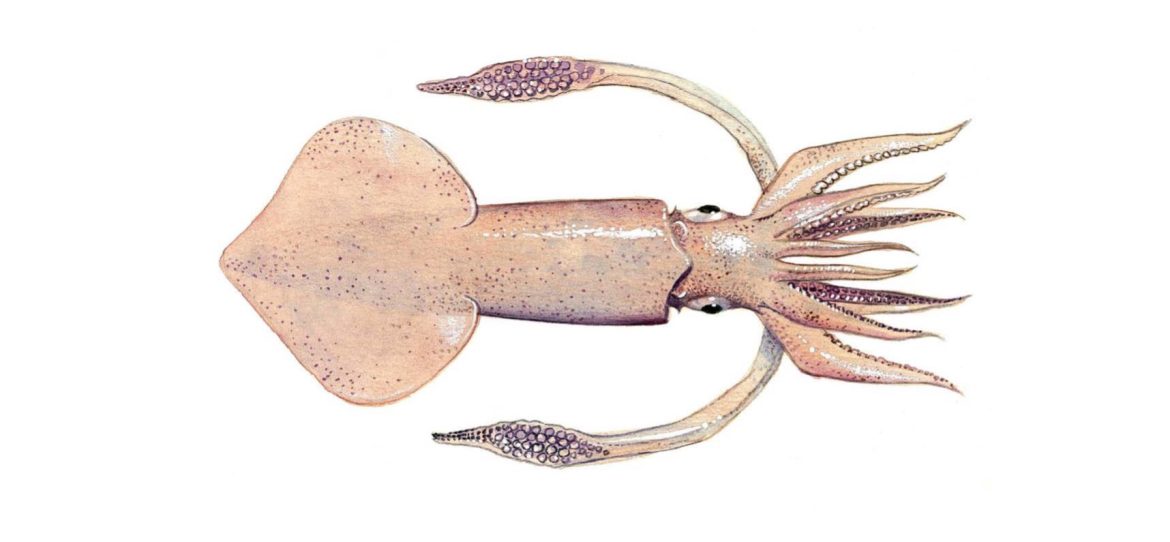
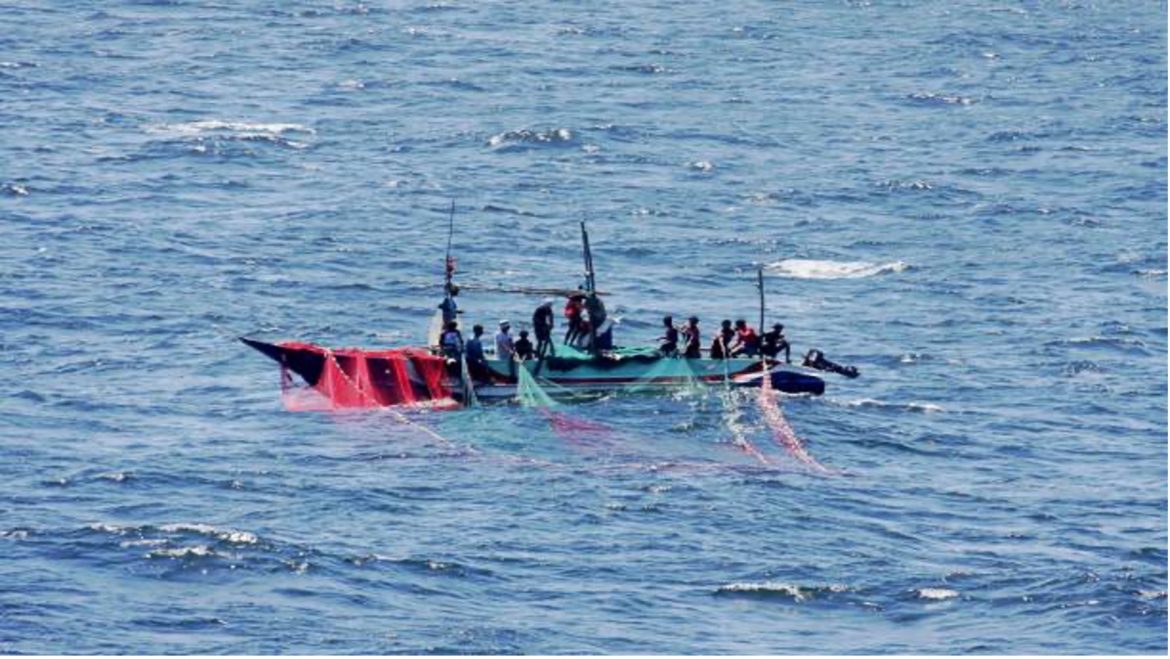
U.S.-based seafood importer NETUNO has announced the launch of a Fishery Improvement Project (FIP) aimed at enhancing the sustainability and long-term viability of squid fisheries along India’s West Coast.

In collaboration with Neptune, IndoFisheries, and Winsor World, the project will focus on trawl fisheries targeting Indian squid (Uroteuthis duvaucelii), spanning from Gujarat to Kerala. The initiative seeks to tackle key challenges related to stock variability and sustainable practices across these critical fisheries.

A recent blog post by NETUNO highlighted the project’s dual objectives: improving biological sustainability while also addressing social responsibility issues—particularly labor abuses that have plagued global squid supply chains.

“We identified encouraging data during our pre-assessment,” said André Brugger, NETUNO’s Sustainability and Compliance Manager. “Squid stocks off India’s southwest coast were found to be sustainable, while stocks in the northwest are showing signs of recovery. By refining data collection methods and establishing more accurate stock assessments, we aim to ensure these fisheries operate responsibly for the long term.”

The project will extend through 2027, aligning with NETUNO’s commitment to advancing sustainable seafood practices worldwide.


2024-10-25 0 comment
0 FacebookTwitterPinterestEmail
Assam Embarks on Major Project to Restore Wetlands and Bolster Fisheries
Sustainability

Assam Embarks on Major Project to Restore 129 Wetlands and Bolster Fisheries

by Fishery News 2024-10-17
written by Fishery News

Guwahati: The Assam government has launched an ambitious initiative to restore 129 beels (wetlands) spanning 3,800 hectares. This large-scale project aims to mitigate the impact of floods and increase fish production, recognizing the ecological importance of these wetlands for flood management, groundwater recharge, and erosion control.

Over the years, many of these wetlands have deteriorated, resulting in reduced water levels, silt accumulation along the edges, and a decline in natural fish stock replenishment. To counter these challenges, the project will focus on critical measures such as dredging, desilting, and the construction of water-retention structures to improve both water storage and fish breeding conditions.

The effort began with the identification of 190 beels by District Fisheries Development Officers, from which 129 were selected using the Asian Development Bank’s (ADB) Screening Matrix. The Assam State Application Centre (ASSAC) has mapped these wetlands, and 22 of them have been marked for immediate intervention. The contracts for these priority beels are scheduled to be finalized by February 2025.

The project, with an estimated cost of ₹796.88 crore, will be co-funded by the ADB (80%) and the Assam government (20%). The detailed project report is expected to be completed by November 2024, with engineering designs already in progress for the prioritized wetlands.

By enhancing fish production and reducing the frequency of floods, the initiative aims to rejuvenate Assam’s wetland ecosystems while promoting sustainable fisheries.


2024-10-17 0 comment
0 FacebookTwitterPinterestEmail
Day Ban on Hilsa Fishing in Place to Safeguard Breeding Season
Sustainability

22-Day Ban on Hilsa Fishing in Place to Safeguard Breeding Season

by Fishery News 2024-10-14
written by Fishery News

Hilsa, the national fish of Bangladesh, holds deep cultural, culinary, and economic significance in the country. Known for its exquisite taste, Hilsa is highly valued not only in Bangladesh but also across the border in West Bengal, India. Among various sources, Hilsa from the Padma River stands out for its superior flavor, making Chandpur a prominent hub for Hilsa trade. This cherished fish, recognized as a patented product of Bangladesh, plays a vital role in the local economy and is closely linked to traditions and festivals.

To protect the sustainability of this iconic fish, a 22-day ban on catching, selling, and transporting Hilsa came into effect on October 13. This restriction, which will continue until November 3, aims to ensure the protection of mother Hilsa during the peak spawning season. Authorities emphasize that this period is critical for the fish to migrate upstream from the sea to lay eggs in rivers, helping replenish stocks and ensuring long-term sustainability.

The ban is being implemented under the “Mother Hilsa Conservation Campaign” across three key upazilas—Harirampur, Shibalaya, and Daulatpur. The District Fisheries Officer (DFO) noted that fishing operations have been suspended in these areas to allow uninterrupted breeding, which is essential for maintaining the population of the fish and supporting the livelihoods of fishermen in the future.

Recognizing the economic impact of the ban on fishing communities, the government has introduced relief measures under the Vulnerable Group Feeding (VGF) program. A total of 200 metric tons of rice will be distributed to 8,000 affected fishing families in the three upazilas. Each household will receive 25 kilograms of rice, with the distribution process managed by local Union Parishad chairmen to ensure efficient delivery.

While the ban temporarily halts fishing activities, it represents an essential step in preserving this valuable resource for future generations. Officials have stressed that compliance with the ban will benefit both the environment and the fishing industry by ensuring a sustainable catch in the coming years.

Local authorities are actively monitoring activities to prevent illegal fishing during the ban period. Community members and officials alike are urging full cooperation from all stakeholders to make the conservation initiative a success, balancing the needs of both the ecosystem and the livelihoods that depend on it.


2024-10-14 0 comment
0 FacebookTwitterPinterestEmail
unnamed file
Sustainability

Ocean Experts Propose Radical Overhaul of Sustainable Fishing with 11 “Golden Rules “

by Fishery News 2024-09-27
written by Fishery News

A team of leading ocean scientists has published a report that redefines the concept of “sustainable fishing” and introduces 11 “golden rules” aimed at transforming global fisheries management. Released ahead of Brussels’ Ocean Week and in the run-up to the UN Ocean Conference in Nice, the report calls for urgent reforms to halt the destruction of marine ecosystems and ensure the future availability of fish stocks.

The study, titled Rethinking Sustainability of Marine Fisheries for a Fast-Changing Planet, was published in npj Ocean Sustainability. (Roberts et al., 2024) It highlights a significant downgrading in the assessment of the ocean’s health and urges immediate action to protect marine life and habitats. The proposed golden rules center around two core principles: (1) Fishing practices must minimize harm to marine ecosystems, adapt to climate change, and allow for the regeneration of depleted species; (2) Fishing should support the well-being and resilience of people and communities, especially the most vulnerable, rather than prioritize corporate profits.

The scientists behind the report believe their work could form the foundation for a complete reform of the flawed management of the world’s oceans. They are urging policymakers, retailers, and industry leaders to embrace this new vision and make swift changes to current fishing practices.

Fishing is widely regarded as the leading cause of ocean degradation. The authors argue that the current definition of “sustainable fishing” is dangerously outdated, leading to the depletion of fish populations, the destruction of habitats, and the collapse of artisanal fishing communities. According to lead author Professor Callum Roberts of the University of Exeter, the existing framework, which has been in place since the post-war period, is built on the erroneous assumption that as long as catch limits are maintained, any type of fishing is permissible. This simplistic approach, he says, is no longer viable.

Professor Jennifer Jacquet from the University of Miami adds that current sustainability labels fail to consider the environmental and social impacts of different fishing methods. She questions whether all fishing gear can be viewed as equally sustainable, given their varying effects on marine ecosystems and crew safety.

The report criticizes the widespread acceptance of “sustainable” fishing standards that primarily benefit large-scale industrial operations. These practices, the authors argue, contribute to environmental degradation and economic inequality, harming ecosystems and threatening the livelihoods of small-scale fishers in developing regions. The scientists warn that this approach jeopardizes food security and humans’ right to a clean, healthy ocean.

The researchers call for fisheries management to focus on minimizing environmental damage while maximizing social benefits. Their visionary approach integrates insights from biology, oceanography, social sciences, and economics to create a more comprehensive definition of sustainability. The 11 golden rules laid out in the report are intended to guide policymakers and industry leaders toward a sustainable future where fishing supports ocean health, mitigates climate change, ensures food security, and upholds human rights.

The scientists emphasize that fishing should be considered a privilege, not a right, and that marine resources are a public good that must benefit both society and the environment. Their proposals are ambitious but grounded in proven practices that have succeeded in various parts of the world.

The report concludes with a call to action for policymakers, supermarkets, and fishery managers. Supermarkets, which are responsible for the majority of European seafood sales, are urged to rethink their sourcing policies and address the hidden environmental and social impacts of “sustainable” fish products. Pauline Bricault of BLOOM, an environmental campaign group, warns that the 2030 deadline set by the IPCC and IPBES for critical ocean reforms is fast approaching, leaving little time for industry stakeholders to act.

The scientists hope their recommendations will inspire a global shift toward more equitable and environmentally sound fishing practices, ensuring abundant fish stocks and thriving ecosystems for generations to come.

Bottom of Form


2024-09-27 0 comment
0 FacebookTwitterPinterestEmail
Climate Change Drives Indian Fishermen into Deeper and Riskier Seas
Sustainability

Climate Change Drives Indian Fishermen into Deeper and Riskier Seas

by Fishery News 2024-09-26
written by Fishery News

As climate change accelerates, India’s fishing communities are being pushed into perilous high-seas ventures, often far beyond the country’s exclusive economic zone (EEZ). Overfishing, reef destruction, and rising sea temperatures have decimated nearshore fish stocks, forcing many fishermen to journey into distant waters in search of a better catch, where they face mounting dangers and legal risks.

In February 2023, a fishing vessel was struck by a container ship off the southern coast of India, leaving the crew stranded in the open sea until nearby boats rescued them. Incidents like this are becoming more frequent, as fishermen venture hundreds of kilometers beyond the safety of the Indian coast to escape the depleted local waters.

The dangers of such deep-sea expeditions are not limited to collisions. Many fishermen risk crossing international maritime boundaries, leading to the detention of over 2,600 Indian fishers across 10 countries between 2020 and 2022. Border violations, often unintentional, have landed fishers in foreign prisons, with deadly consequences in some cases.

The warming Indian Ocean is also contributing to the problem. Scientists report that sea surface temperatures in the region have risen faster than any other ocean since the 1950s. This increase has resulted in a decline of up to 20% in phytoplankton populations, the base of the marine food chain, reducing the availability of fish. Additionally, the rise in sea temperatures has led to an uptick in tropical cyclones, further endangering fishing operations.

Compounding these issues is the rapid erosion of India’s coastline, with nearly a third of it disappearing due to sand mining, construction projects, and natural factors. Experts have also identified overfishing as a significant driver behind the collapse of marine fish stocks, particularly along India’s southwest coast.

In response to dwindling nearshore fish populations, some fishing communities in Tamil Nadu have embraced deep-sea fishing as a solution. Venturing up to 1,300 kilometres offshore, they aim to catch species like tuna, ray, shark, and billfish, often staying at sea for weeks at a time. This practice is encouraged by the Indian government, which promotes deep-sea fishing through the National Fisheries Policy to tap under-exploited marine resources.

However, the transition to deep-sea fishing comes with its own set of challenges. In addition to the physical dangers, fishers also face legal hurdles when crossing international waters. Despite new regulations requiring permits for fishing beyond India’s EEZ, many continue to fish in contested waters, leading to arrests and even fatalities.

Efforts to rebuild fisheries closer to shore include India’s Coastal Regulation Zone (CRZ) Notification and state-level regulations aimed at conserving sensitive coastal ecosystems. However, experts argue that more needs to be done to address the root causes of the crisis, including climate change and overfishing. Proposals such as no-take marine protected areas, which prohibit fishing in certain regions to allow fish stocks to recover, are gaining traction as potential solutions.

In the meantime, technological advances like the advisories sent out by the Indian National Centre for Ocean Information Services, which direct fishermen to productive fishing grounds, are helping some. Yet the long-term recovery of India’s coastal fisheries remains uncertain, and many fishermen are left navigating increasingly dangerous waters in search of their livelihood.


2024-09-26 0 comment
0 FacebookTwitterPinterestEmail
ICAR NBFGR Promotes Fisheries Development and Sustainable Aquaculture Under SCSP
Sustainability

ICAR-NBFGR Promotes Fisheries Development and Sustainable Aquaculture Under SCSP

by Fishery News 2024-09-20
written by Fishery News

The ICAR-National Bureau of Fish Genetic Resources (NBFGR) conducted an extensive program aimed at enhancing fisheries, promoting sustainable aquaculture management, and distributing essential inputs under the Scheduled Caste Sub Plan (SCSP) at its Aquaculture Research and Training Unit in Chinhat, Lucknow, today. This initiative was carried out in conjunction with the Swachhata Pakhwada 2024 campaign, which commenced with a “Swachhata Hi Seva” pledge to foster environmental cleanliness and sustainability.

Dr. U. K. Sarkar, Director of ICAR-NBFGR, emphasized the critical role of community involvement in driving fisheries development. Various key aquaculture supplies—including lime, bleaching powder, potassium permanganate, fish fry nets, hand nets, and electric weighing scales—were distributed to fish farmers to enhance their aquaculture techniques and promote long-term fisheries management.

The program also featured technological demonstrations and skill-building workshops, designed to educate the farmers on best practices in aquaculture and sustainable resource use.

A total of 50 scheduled caste fish farmers from different districts of Uttar Pradesh participated in the event, benefiting from the knowledge and resources provided.

Source: ICAR-National Bureau of Fish Genetic Resources, Lucknow

2024-09-20 0 comment
0 FacebookTwitterPinterestEmail
Newer Posts
Older Posts
  • Recent
  • Popular
  • India-UK Free Trade Agreement Comes into Force: What It Means for India’s Marine Exports 

    2026-07-17
  • Thai Magur vs Desi Magur: How to Identify Them, Why One Is Banned, and Which One Is Safe to Farm and Eat 

    2026-07-16
  • Introducing Future Aquaculture Magazine: A New Voice Shaping the Future of Seafood

    2026-02-13
  • Global Wisdom Meets Local Impact: Dr Manoj Sharma’s Powerful Keynote Ignites Change at APFA Symposium 2025.

    2025-08-07
  • 1

    Indian Sardine Rush Boosts Fortunes of Fish Meal Units Amid Global Shortage

    2023-09-12
  • 2

    𝗧𝗿𝘂𝗺𝗽 𝗧𝗮𝗿𝗶𝗳𝗳𝘀 𝗛𝗶𝘁 𝗔𝗻𝗱𝗵𝗿𝗮 𝗛𝗮𝗿𝗱: ₹𝟰𝟬 𝗦𝗹𝗮𝘀𝗵𝗲𝗱 𝗽𝗲𝗿 𝗞𝗴 𝗼𝗳 𝗦𝗵𝗿𝗶𝗺𝗽, 𝗙𝗮𝗿𝗺𝗲𝗿𝘀 𝗦𝘁𝗿𝘂𝗴𝗴𝗹𝗲.

    2025-08-01
  • 3

    Tilapia Adapts to Ocean: New Research Uncovers Potential Threats

    2024-08-06
  • 4

    Showcase Your GIS Talent: Best GIS Project Competition 2024 on Climate and Environmental Challenges

    2024-11-20

About Fishery News

FN Logo

Fishery.News is India’s leading digital media platform dedicated to fisheries, aquaculture, seafood, and marine industries. We deliver trusted news, expert insights, market intelligence, technology updates, research, government policies, and success stories that help fish farmers, shrimp farmers, seafood businesses, researchers, and industry professionals stay informed and grow sustainably

Categories

  • News
  • Aquaculture
  • Aquatic Health and Disease Management
  • Research and Innovation
  • Technology & Equipments

Social Networks

Facebook Twitter Instagram Linkedin Youtube
  • Facebook
  • Twitter
  • Instagram
  • Linkedin
  • Youtube

© 2026 Fishery.News – A BLIV Media Venture. All Rights Reserved.


Back To Top
Fishery News
  • E – Magazine
    • Aquaculture
    • Aqua Health & Disease Management
    • News
      • National
      • International
    • Farming
    • Research and Innovation
    • Sustainability
    • Technology & Equipments
    • This is Africa
    • Trade
  • Publications
  • Events
    • Expos
    • Trainings
    • Events by Month
  • Business Listings
    • List Your Business
    • Business Listings
    • Buy & Sell
    • Get Consultation
  • Employment
  • About Us
    • Founder
  • Contact