• E – Magazine
    • Aquaculture
    • Aqua Health & Disease Management
    • News
      • National
      • International
    • Farming
    • Research and Innovation
    • Sustainability
    • Technology & Equipments
    • This is Africa
    • Trade
  • Publications
  • Events
    • Expos
    • Trainings
    • Events by Month
  • Business Listings
    • List Your Business
    • Business Listings
    • Buy & Sell
    • Get Consultation
  • Employment
  • About Us
    • Founder
  • Contact
Fishery News
Home » News
Category:

News

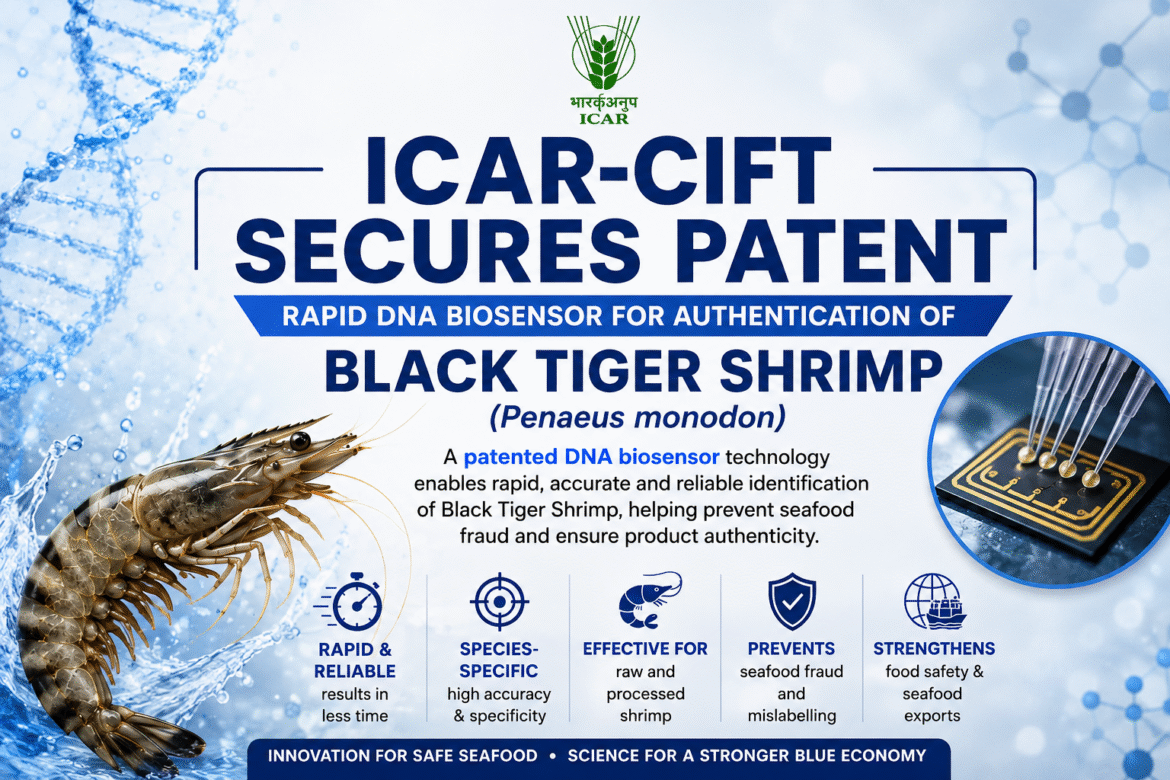
ICAR-CIFT scientists developed a rapid DNA biosensor for authenticating Black Tiger Shrimp (Penaeus monodon).
News

ICAR-CIFT Patents Rapid DNA Biosensor for Black Tiger Shrimp Authentication

by fishery news 07/08/2026
written by fishery news

In a significant advancement for India’s seafood sector, the ICAR-Central Institute of Fisheries Technology (ICAR-CIFT) has secured a patent for a rapid DNA biosensor capable of accurately identifying Black Tiger Shrimp (Penaeus monodon). The innovation is expected to improve seafood authentication, strengthen quality assurance, and support India’s growing seafood export industry. 

The patented biosensor has been developed to provide fast and species-specific identification of Black Tiger Shrimp in both raw and processed seafood products. By offering a reliable method for verifying shrimp species, the technology could help reduce product mislabelling and improve transparency throughout the seafood supply chain. 

Why Is Species Authentication Important? 

Black Tiger Shrimp is one of the world’s most valuable cultured shrimp species and is widely exported from India. Because of its premium market value, accurate species identification is important for processors, exporters, importers, regulators, and consumers. 

During processing and packaging, distinguishing one shrimp species from another can become difficult, especially when products are peeled, frozen, or processed. This creates the possibility of accidental misidentification or intentional substitution, commonly referred to as seafood fraud. 

Incorrect labelling can affect consumer confidence, create trade disputes, and lead to regulatory issues in international markets where seafood traceability standards continue to become more stringent. 

How Does the DNA Biosensor Help? 

Unlike conventional identification methods that often require lengthy laboratory procedures, the newly patented biosensor uses species-specific DNA detection to rapidly confirm whether a sample is genuinely Black Tiger Shrimp. 

According to ICAR-CIFT, the technology offers several advantages: 

  • Rapid and reliable identification in less time. 
  • High species specificity and accuracy. 
  • Suitable for both raw and processed shrimp. 
  • Helps prevent seafood fraud and product mislabelling. 
  • Supports food safety, quality assurance, and export compliance. 

Faster identification means seafood businesses can verify product authenticity more efficiently before products enter domestic or international markets. 

Supporting India’s Seafood Export Industry 

India is among the world’s leading shrimp-exporting nations, with seafood shipments reaching major markets such as the United States, the European Union, Japan, China, and Southeast Asia. These markets increasingly demand stronger traceability systems and stricter quality verification throughout the supply chain. 

Innovations such as DNA biosensors can help exporters demonstrate that the species declared on product labels matches the actual product being shipped. This strengthens buyer confidence, supports regulatory compliance, and enhances the credibility of Indian seafood in competitive global markets. 

As international buyers continue to emphasise product authenticity, scientific tools like DNA-based authentication are becoming an important part of modern seafood quality management. 

A Boost for Food Safety and Consumer Confidence 

Beyond exports, the technology also has the potential to benefit domestic seafood markets. Consumers are becoming more aware of food quality, authenticity, and labelling, particularly for premium seafood products. 

Rapid species verification can help processors, retailers, certification agencies, and food testing laboratories ensure that products sold as Black Tiger Shrimp are accurately labelled. This improves transparency throughout the supply chain while reducing the risk of fraudulent substitution. 

The biosensor could also support regulatory agencies in routine seafood inspections, helping strengthen food safety monitoring and quality control programmes. 

Developed by ICAR-CIFT Scientists 

The patented technology was developed by scientists from ICAR-Central Institute of Fisheries Technology (ICAR-CIFT). 

The inventors are: 

  • Dr. Lidiya Wilwet 
  • Dr. Toms C. Joseph 
  • Dr. P. Muhamed Ashraf 

The innovation reflects ICAR-CIFT’s continued focus on developing scientific solutions that improve seafood quality, strengthen traceability, and support the sustainable growth of India’s fisheries and aquaculture sector. 

Looking Ahead 

As seafood supply chains become increasingly global, the ability to verify species quickly and accurately is becoming more important than ever. Technologies such as rapid DNA biosensors can help bridge the gap between scientific research and commercial seafood production by providing reliable tools for authentication and quality assurance. 

The patent secured by ICAR-CIFT represents another step towards modernising India’s seafood sector. If adopted widely by testing laboratories, processors, and exporters, the technology could contribute to stronger consumer trust, reduced seafood fraud, and improved competitiveness for Indian seafood in international markets. 
07/08/2026 0 comment
0 FacebookTwitterPinterestEmail
Telangana Fisheries Minister announcing new fisheries welfare schemes for fishermen
News

Minister Holds Review Meeting with Fisheries Cooperative Leaders

by fishery news 07/08/2026
written by fishery news

The Telangana government has reaffirmed its commitment to strengthening the fisheries sector by announcing a series of welfare and development initiatives for fishermen across the state. Fisheries Minister Vakiti Srihari held a review meeting with presidents and promoters of district fisheries cooperative societies to discuss issues related to fishermen’s welfare, fisheries development, and the functioning of cooperative societies.
During the meeting, the minister reviewed ongoing programmes and sought suggestions from cooperative representatives to improve the implementation of government schemes aimed at benefiting fishing communities.

Focus on Expanding Fish Production


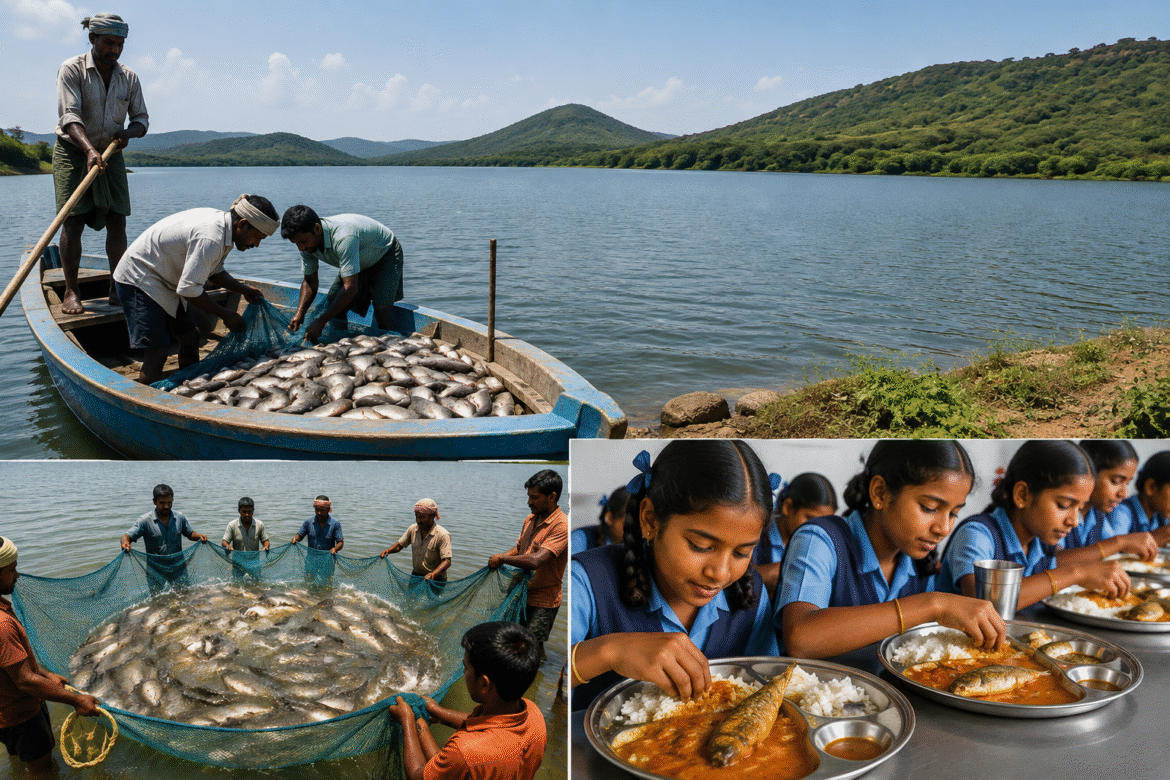
The minister said the government is focusing on increasing fish production by expanding fisheries activities in 26,000 tanks and 100 reservoirs across Telangana. The objective is to improve inland fish production while creating sustainable livelihood opportunities for fishermen cooperative societies.
He also assured that the government would continue the free fish seed distribution programme, which has been one of the state’s major fisheries development initiatives.

Insurance, Mopeds and Retail Fish Outlets for Fishermen

As part of its welfare measures, the government is planning several initiatives to improve the livelihoods of fishermen.
These include:
• Expansion of insurance coverage for fishermen.
• Support for mopeds to improve fish transportation and marketing.
• Establishment of retail fish outlets to help fishermen sell their produce directly to consumers.
These initiatives aim to improve market access, reduce post-harvest challenges, and enhance income opportunities for fishing communities.

Integrated Fish Market to Support Online Fish Sales

The minister also highlighted the Integrated Fish Market being developed at Koheda, stating that it is expected to create new marketing opportunities for fishermen.
Once operational, the facility is expected to support online fish sales, allowing fishermen to reach a wider customer base while improving the efficiency of fish marketing and distribution

Regular Meetings and Pending Issues
To strengthen communication with fishermen cooperative societies, Vakiti Srihari announced that special review meetings will be conducted once every three months to discuss sector-specific issues and monitor the implementation of welfare programmes.
The minister also assured that efforts would be made to release pending dues related to fisheries schemes and resolve issues concerning membership disputes in cooperative societies.
In addition, he mentioned that insurance claims worth ₹1.34 crore have been processed as part of the government’s welfare initiatives for fishermen.

Fish in Mid-Day Meals Under Consideration

The government is also examining the possibility of including fish in school mid-day meal programmes. If implemented, the initiative could improve nutritional intake among school children while creating an additional domestic market for fish producers across the state.

Looking Ahead

The discussions reflect Telangana’s continued focus on strengthening inland fisheries through infrastructure development, welfare schemes, and improved market access. With initiatives such as free fish seed distribution, insurance support, retail fish outlets, online fish marketing, and regular stakeholder consultations, the government aims to enhance the livelihoods of fishermen while promoting sustainable growth of the fisheries sector across the state.

07/08/2026 0 comment
0 FacebookTwitterPinterestEmail
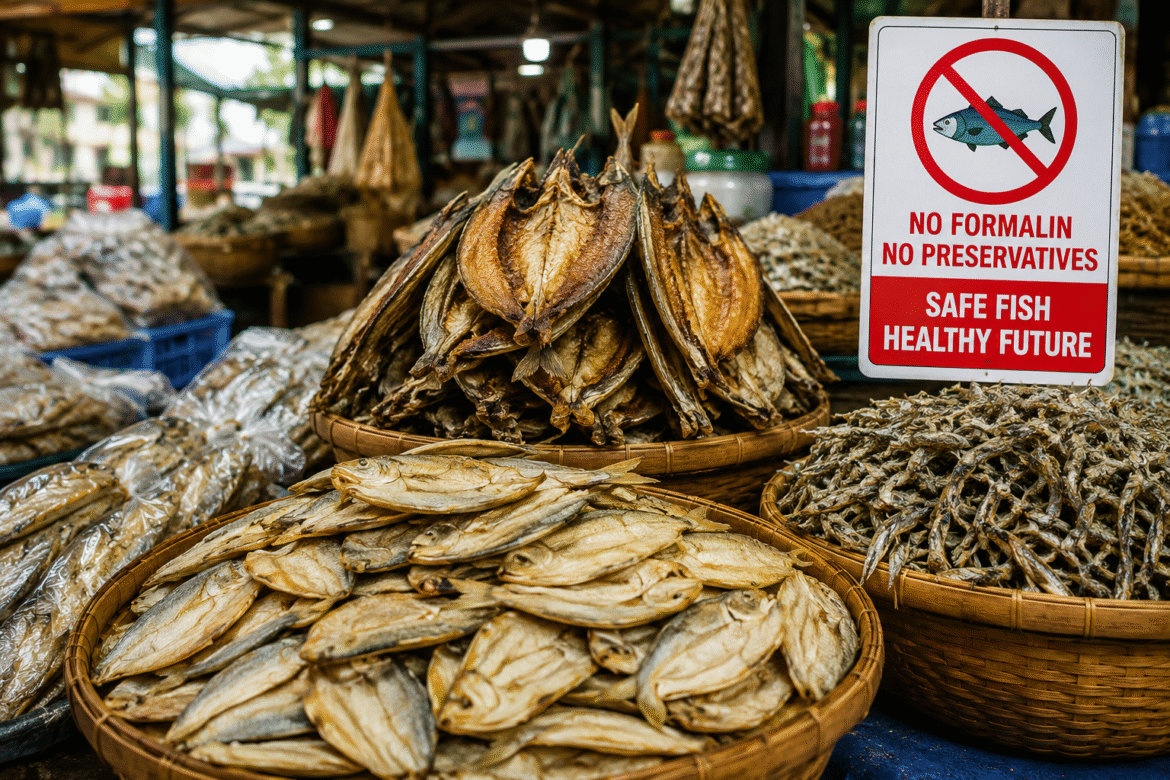
dry-fish-demand-nagaland-formalin-fish-ban.webp
News

Dry Fish Demand Surges Following Formalin Ban

by Fishery News 07/08/2026
written by Fishery News

The demand for dry fish increased significantly in Nagaland after the state government prohibited the storage, distribution, and sale of fresh fish treated with formalin and other chemical preservatives. The decision, introduced as a food safety measure, resulted in a temporary shortage of fresh fish in local markets, prompting consumers to shift towards dried fish as an alternative.
The prohibition came into effect after the state’s Food Safety Commissioner issued an order banning fresh fish products treated with formalin or similar preservatives for an initial period of three months, or until corrective measures were implemented.
As fresh fish supplies declined, dry fish quickly became the preferred option for many consumers, leading to concerns over rising demand and possible price increases.

Why Was Formalin Banned?


Formalin, a solution containing formaldehyde, is sometimes illegally used to preserve fresh fish during transportation and storage by delaying spoilage. However, the use of formalin as a preservative in fresh fish is prohibited because of its potential health risks.
Following reports of chemically treated fish entering markets, the Nagaland government imposed the ban to protect public health and ensure that only safe seafood products reached consumers.
The move reflected growing concerns across several Indian states over food safety and the misuse of chemical preservatives in perishable food products.

Demand Shifted Towards Dry Fish


With fresh fish becoming scarce after the ban, consumers increasingly turned to dry fish, which has traditionally been an important part of the diet in many northeastern states.
The sudden increase in demand raised concerns among traders that prices could rise if supplies became limited. Reports at the time suggested that some traders might attempt to create an artificial shortage by hoarding dry fish stocks.
To prevent unnecessary price escalation, the Dimapur Chamber of Commerce and Industry (DCCI) held discussions with dry fish wholesalers and urged them to maintain stable prices despite the increased demand. The organisation also appealed to traders to ensure adequate availability of dry fish while fresh fish supplies remained affected.

Importance of Dry Fish in Northeast India


Dry fish is an integral part of traditional cuisine across Nagaland and several other northeastern states. Unlike fresh fish, dried fish has a longer shelf life and can be stored without refrigeration, making it an important source of protein in regions where fresh seafood availability may fluctuate.
The availability of dry fish also helps maintain market supply during periods of transportation disruptions, seasonal shortages, or food safety restrictions.

Looking Ahead


The temporary increase in demand for dry fish following the formalin ban highlighted the close relationship between food safety regulations and seafood markets. It also demonstrated how consumer purchasing patterns can change rapidly when confidence in fresh seafood is affected.
The incident underscored the importance of strengthening food safety monitoring, improving seafood handling practices, and ensuring transparent supply chains so that consumers have access to safe, high-quality fish products while maintaining market stability.

07/08/2026 0 comment
0 FacebookTwitterPinterestEmail
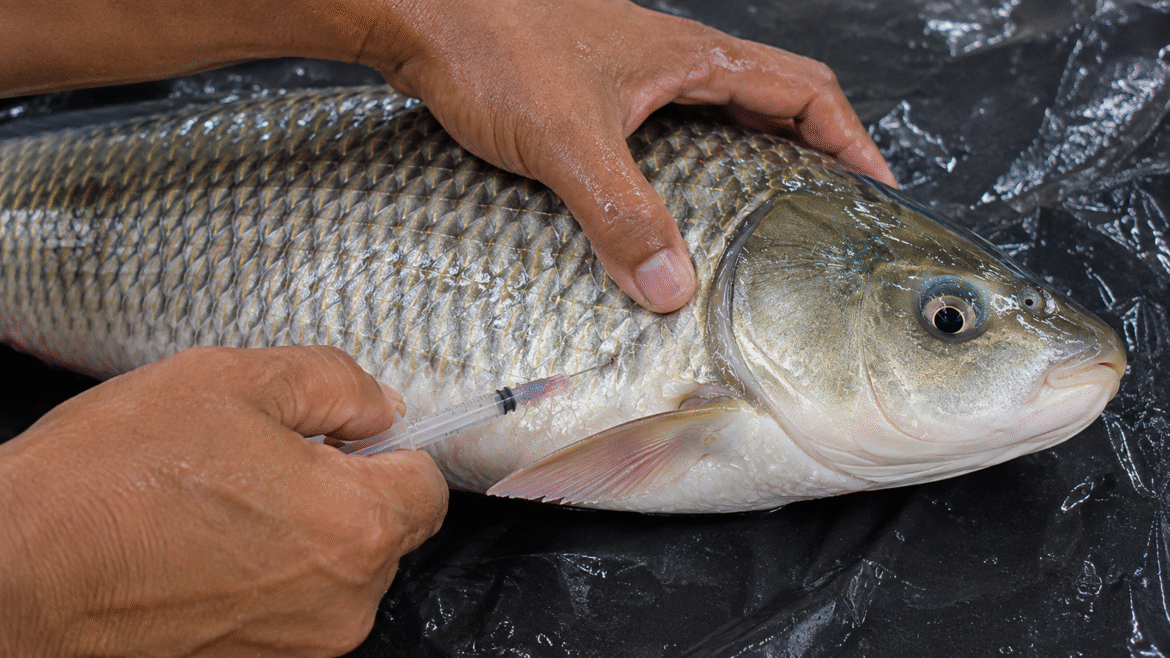
Rohu induced breeding process in a commercial fish hatchery
News

Rohu Breeding: A Complete Step-by-Step Guide to Successful Seed Production

by Fishery News 07/08/2026
written by Fishery News

Rohu (Labeo rohita) is one of India’s most important freshwater fish species and a key member of the Indian Major Carp (IMC) group, alongside Catla and Mrigal. Its fast growth, excellent consumer demand, and compatibility with composite fish farming have made it one of the most widely cultured fish in the country. Every year, millions of Rohu fingerlings are stocked in ponds, reservoirs, and other inland water bodies, making the production of quality seed an essential part of freshwater aquaculture.

While many fish farmers purchase seed from hatcheries, hatchery operators rely on induced breeding to ensure a continuous supply of healthy spawn and fingerlings. Producing quality seed not only supports higher fish production but also improves survival, growth, and overall farm profitability. However, successful Rohu breeding is much more than administering a hormone injection. It is a carefully planned process in which every stage—from broodstock selection to nursery management—plays an important role in determining breeding success.

A healthy brood fish may fail to spawn if it is poorly conditioned, and even successfully fertilized eggs can suffer heavy mortality if incubation or larval management is inadequate. For this reason, commercial hatcheries follow a systematic breeding protocol that focuses on maintaining healthy broodstock, providing suitable environmental conditions, and carefully managing each stage of seed production.

Why Rohu is an Ideal Species for Hatchery Production

Rohu naturally inhabits rivers, lakes, reservoirs, and other freshwater bodies across the Indian subcontinent. During its early life stages, it feeds mainly on zooplankton before gradually shifting to phytoplankton and aquatic vegetation as it grows. This flexible feeding habit allows the species to adapt well to pond culture while efficiently utilising naturally available food resources.

The species generally reaches sexual maturity at around 2 to 3 years of age, although hatcheries often prefer brood fish that are slightly older for breeding because of their better reproductive performance. Under favourable culture conditions, Rohu can grow up to 20 kg and has an estimated fecundity of around 100,000 eggs per kilogram of female body weight, making it highly suitable for commercial seed production.

Another advantage of Rohu is its role in composite fish farming. Since it feeds primarily in the middle water column, it can be cultured alongside surface-feeding Catla and bottom-feeding Mrigal without significant competition for food. This complementary feeding behaviour improves pond productivity and has contributed to Rohu becoming one of the most widely farmed freshwater fish species in South Asia.

Selecting Healthy Broodstock: The First Step Towards Better Seed Production

Every successful breeding programme begins with healthy broodstock. Brood fish are maintained specifically for reproduction and are expected to produce healthy eggs and milt capable of developing into vigorous larvae. Selecting poor-quality brood fish is one of the leading causes of low fertilization rates, reduced hatchability, and weak fry, making broodstock selection the foundation of successful hatchery operations.

Well-developed Rohu brood fish in the 3 to 5-year age group, weighing approximately 2 to 5 kg, are generally preferred for induced breeding. Although Rohu reaches maturity at around 2 to 3 years, slightly older brood fish usually produce better-quality eggs and sperm. Fish that are too young may not produce fully developed gametes, while over-aged brood fish often show reduced breeding performance.

Selecting brood fish is not based on age and weight alone. Every fish should be examined carefully before being included in the breeding programme. Healthy brood fish are active, swim normally, and have a well-proportioned body free from injuries, deformities, parasites, or visible signs of disease. Their scales should appear smooth and shiny, while the fins should be intact and undamaged. Fish showing signs of stress or poor health should be avoided because stress can reduce both egg quality in females and milt quality in males, ultimately affecting breeding success.

Experienced hatchery operators also consider the breeding history of brood fish whenever possible. Fish that have previously produced healthy eggs and successful spawn are generally preferred because they offer greater consistency during future breeding seasons. Maintaining genetic diversity is equally important, and brood fish from different genetic backgrounds are selected to minimise inbreeding and reduce the risk of poor-quality offspring.

Once suitable brood fish have been selected, the next step is identifying mature males and females before preparing them for induced breeding.

Identifying Male and Female Rohu Brood Fish

Correct identification of male and female brood fish is essential before hormone induction begins. Hatchery operators rely on a combination of physical characteristics rather than a single indicator to determine reproductive maturity.

A mature female Rohu typically has a soft, rounded abdomen due to the presence of fully developed eggs. As the breeding season approaches, the genital opening becomes slightly enlarged. Mature males, in contrast, usually have a slimmer body profile, and their pectoral fins become rough during the breeding season. Fully mature males may also release a small amount of milt when examined carefully.

Brood fish should always be handled gently during examination. Applying excessive pressure while checking maturity can injure valuable brood fish and reduce spawning performance. Hatchery operators therefore assess several maturity characteristics together before deciding whether a fish is ready for breeding.

Broodstock Conditioning: Preparing Fish for Induced Breeding

After selecting healthy brood fish, the next stage is broodstock conditioning. This is an important management practice that helps brood fish recover from handling stress before hormone administration. Fish that are stressed are less likely to respond effectively during induced breeding, even when the correct hormone dose is administered.

During conditioning, brood fish are transferred to a temporary conditioning unit or net enclosure with continuous aeration and good water quality. The recommended water temperature is maintained between 26°C and 29°C, while the pH ranges from 6.5 to 7.5. Brood fish are generally conditioned for about five hours before being transferred to the spawning tank.

A calm environment is equally important during this stage. Unnecessary handling, loud disturbances, or sudden changes in water quality should be avoided because they can increase stress and reduce breeding performance. Proper conditioning prepares brood fish both physiologically and behaviourally for successful spawning.

Hormone Injection: Triggering the Breeding Process

Once the brood fish have been properly conditioned and confirmed to be reproductively mature, the next step is hormone induction. Hormone injection is carried out to stimulate ovulation in females and milt release in males, allowing spawning to take place under controlled hatchery conditions. However, hormones should never be considered a shortcut to successful breeding. Healthy broodstock, proper conditioning, and favourable water quality remain equally important for achieving good fertilization and hatching rates.

Before administering the hormone, each brood fish should be weighed individually. The dosage is always calculated based on the actual body weight of the fish rather than an estimated weight, as incorrect dosing can affect breeding performance. In this breeding method, Ovaprim or Oviulin is used as the inducing hormone. Female Rohu receive 0.5 ml of hormone per kilogram of body weight, and the injection is administered into the pectoral fin muscle. Throughout the procedure, the fish should be handled gently to minimise stress and avoid physical injury.

Immediately after hormone administration, the brood fish are transferred to the spawning tank, where they are left undisturbed to allow the hormone to take effect naturally.

Preparing the Spawning Tank and Natural Spawning

A properly prepared spawning tank creates an environment that encourages natural breeding behaviour. Clean water, continuous aeration, gentle water circulation, and adequate swimming space are essential for successful spawning.

In this breeding system, a spawning tank of around 1,000 litres is used. Water temperature is maintained between 26°C and 28°C, while spawning materials such as hapa nets are placed inside the tank to provide favourable breeding conditions. Once the brood fish are introduced, unnecessary disturbance should be avoided because excessive movement or noise may interrupt spawning behaviour.

Under suitable conditions, spawning generally occurs during the evening. The female releases eggs while the male simultaneously releases milt into the water, allowing fertilization to occur naturally. In this breeding method, egg laying usually takes place between 8:00 PM and 10:00 PM. Once spawning is completed, the brood fish should be removed from the tank immediately to prevent accidental damage to the fertilized eggs.

Egg Collection, Incubation and Hatching

Following spawning, the fertilized eggs are carefully collected using the hapa net placed inside the spawning tank. Since the eggs are delicate at this stage, they should be handled with care to avoid mechanical damage.

The collected eggs are then transferred to hatchery jars, where continuous water circulation and adequate oxygen support embryo development. Before filling the jars, hatchery operators estimate the number of eggs using a small measured sample. This helps prevent overcrowding, ensuring sufficient water flow and oxygen are available to every developing embryo.

Embryonic development begins immediately after fertilization. Hatcheries often monitor the developing embryos under a microscope to assess normal cell division and confirm healthy development. Under suitable environmental conditions, Rohu eggs usually hatch within about 12 hours, producing primary larvae. These newly hatched larvae remain in the hatchery jars for approximately two to three days, during which they become more active, develop visible eyes, and gradually prepare for transfer to nursery ponds.

Nursery Pond Preparation and Early Larval Feeding

Proper nursery pond preparation is essential for achieving high larval survival. Before stocking, the pond should be completely drained, cleaned, and cleared of excess silt, weeds, and organic debris. The pond bottom is then exposed to sunlight before disinfection using bleaching powder (30–40 g/m²) or calcium carbonate (100–200 g/m²) to eliminate harmful organisms and improve pond hygiene. After treatment, fresh water is added, and a screen is fitted at the inlet to prevent wild fish, insects, and other unwanted organisms from entering the pond.

The primary larvae are transferred to the nursery pond after spending two to three days in the hatchery jars, once they begin swimming actively and show normal development. Early nutrition plays a critical role during this stage. Initially, the larvae are fed an egg solution, followed by soy milk, which serves as a protein-rich starter feed. Soy milk is prepared by soaking and grinding soybeans before mixing it into the rearing water in small quantities. Since excessive feeding can deteriorate water quality, hatchery operators provide several small feedings each day while regularly monitoring water quality parameters such as pH and dissolved oxygen.

Common Mistakes That Reduce Breeding Success

Even with good broodstock and quality hatchery facilities, breeding success can be affected by avoidable management mistakes. Selecting immature or unhealthy brood fish, estimating hormone dosage instead of weighing fish, rough handling during injection, inadequate aeration, overcrowding hatchery jars, or delaying the removal of brood fish after spawning can all reduce fertilization and hatching success.

Similarly, poor nursery pond preparation, overfeeding larvae, and neglecting water quality during the early rearing stage can increase mortality and affect the quality of seed produced. Successful hatchery management depends on maintaining consistency throughout the breeding cycle rather than focusing on only one stage.

Looking Ahead

Successful Rohu breeding is the result of careful planning and proper hatchery management rather than a single operation. Healthy broodstock, effective conditioning, accurate hormone administration, suitable spawning conditions, careful egg handling, and scientific larval management all contribute to producing high-quality spawn and fingerlings.

As the demand for quality fish seed continues to grow, adopting systematic breeding practices can help hatchery operators improve production efficiency while supplying healthier seed to fish farmers. When each stage of the breeding cycle is managed correctly, Rohu breeding becomes a reliable foundation for sustainable freshwater aquaculture and long-term farm productivity.

07/08/2026 0 comment
0 FacebookTwitterPinterestEmail
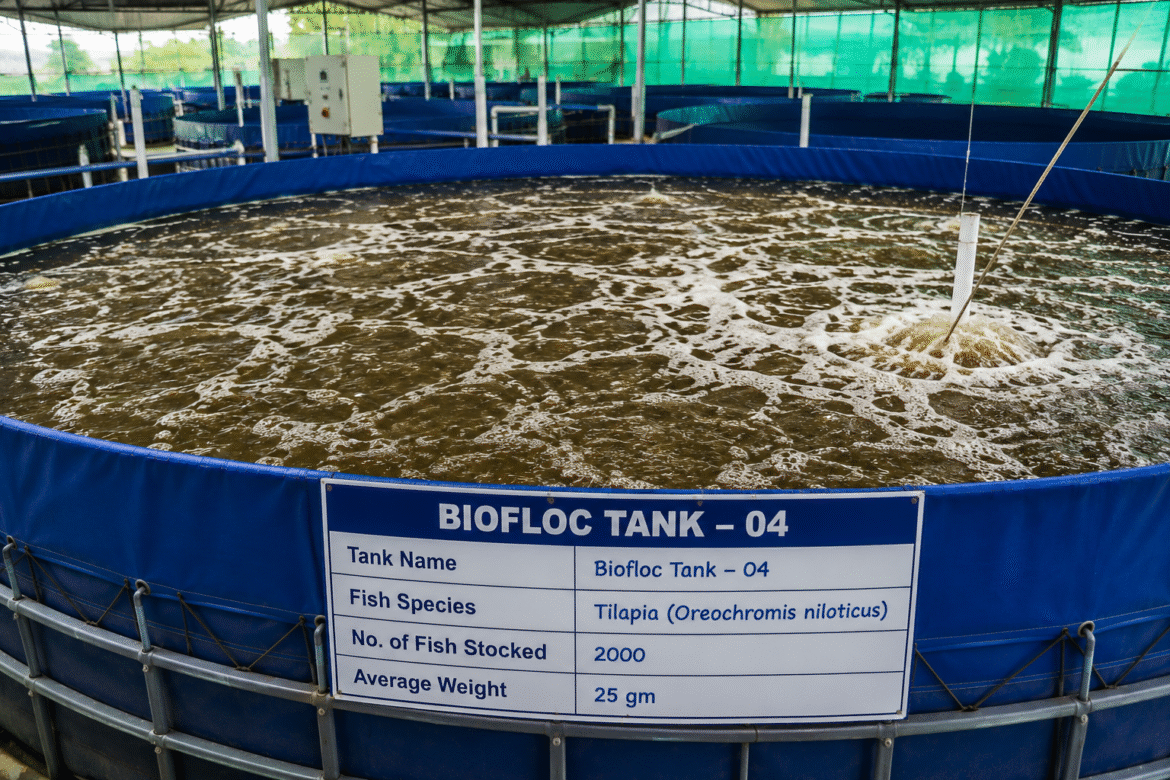
Biofloc Fish Farming
News

Biofloc Fish Farming: A Complete Guide for Beginners

by Fishery News 31/07/2026
written by Fishery News

Introduction

Biofloc fish farming has rapidly emerged as one of the most promising technologies in modern aquaculture. By allowing farmers to produce more fish in a limited space while using significantly less water, the technology has attracted the attention of both small-scale farmers and commercial aquaculture entrepreneurs.

However, despite its growing popularity, Biofloc is often misunderstood. While many farmers have achieved good production and profitability using this system, others may experience significant losses if they adopt it without fully understanding how it works. In most cases, the problem is not the technology itself but inadequate planning, poor management, and a lack of technical knowledge.

Before investing in a Biofloc system, it is important to understand how the technology works, the infrastructure it requires, and the daily management practices needed for successful fish farming. This guide explains every major aspect of Biofloc fish farming—from its basic principles to practical management—helping beginners make informed decisions before getting started.

What is Biofloc Fish Farming?

Biofloc fish farming is an intensive aquaculture system that uses beneficial microorganisms to maintain water quality and recycle nutrients within the culture tank. Instead of relying on frequent water exchange, the system converts organic waste into microbial biomass, creating a healthier environment for fish while improving resource efficiency.

One of the most common misconceptions among beginners is assuming that Biofloc and Biofloc Technology mean the same thing. Although closely related, they are different.

Biofloc Technology (BFT) is the complete farming system. It includes tank design, aeration, water quality management, carbon source management, feeding practices, stocking density, and other management techniques that work together to maintain a stable culture environment.

Biofloc, on the other hand, refers to the tiny aggregates of beneficial bacteria, algae, protozoa, organic particles, and other microorganisms suspended in the water. These microbial flocs recycle waste nutrients and also serve as a supplementary natural food source for cultured fish.

Simply installing tanks and aeration equipment does not create a Biofloc system. The success of the technology depends on establishing and maintaining a healthy microbial ecosystem inside the culture water.

How Does Biofloc Technology Work?

In conventional fish farming, uneaten feed and fish waste gradually accumulate in ponds or tanks. As this organic matter decomposes, it releases ammonia and other nitrogenous compounds that can become toxic to fish if they are allowed to build up.

Biofloc Technology manages this waste through naturally occurring beneficial bacteria. When an appropriate carbon source is available, these microorganisms utilize ammonia and other nitrogen compounds for their growth, converting dissolved waste into microbial biomass known as Bioflocs.

Continuous aeration keeps these Bioflocs suspended throughout the water column while maintaining adequate dissolved oxygen levels. Many cultured fish species naturally consume these microbial flocs, allowing them to obtain additional nutrients alongside their regular commercial feed. As a result, waste generated within the culture system is recycled into a useful biological resource instead of becoming a pollutant.

The efficiency of this biological process depends on maintaining the right balance between feeding, aeration, microbial activity, and water quality. If this balance is disturbed, the entire system can become unstable.

Why Are Farmers Adopting Biofloc Technology?

Biofloc Technology offers several practical advantages that have contributed to its increasing adoption across India’s aquaculture sector.

One of its biggest advantages is the ability to produce more fish in a relatively small area. Because water quality is maintained biologically, farmers can culture fish at higher stocking densities than many conventional systems, making better use of available land.

Another major benefit is reduced water consumption. Unlike traditional pond farming, which often requires regular water exchange, Biofloc systems operate with minimal or even zero water exchange under proper management. This makes the technology particularly useful in regions where freshwater availability is limited.

Bioflocs also provide supplementary natural nutrition. The microbial aggregates formed within the system contain protein and other nutrients that can be consumed by fish. However, Biofloc is not a replacement for commercial feed. A balanced formulated feed remains the primary source of nutrition, while Bioflocs serve as an additional food resource that may improve feed utilization.

In addition, Biofloc promotes a more sustainable approach to aquaculture by recycling nutrients within the culture system and reducing waste discharge into the surrounding environment.

Benefits and Challenges of Biofloc Fish Farming

Like any aquaculture technology, Biofloc offers both opportunities and challenges. Understanding both is essential before deciding to adopt the system.

Benefits

Biofloc Technology offers several advantages for fish farmers, including:

  • Higher production from limited land.
  • Reduced water exchange requirements.
  • Better nutrient recycling within the culture system.
  • Supplementary natural nutrition through microbial flocs.
  • Improved resource efficiency and environmental sustainability.
  • Potential for better feed utilization under proper management.

Challenges

Despite its advantages, Biofloc is not a low-maintenance farming system.

Continuous aeration is essential to keep Bioflocs suspended and maintain adequate dissolved oxygen levels. Any prolonged interruption in aeration can affect both fish and beneficial microorganisms. Regular monitoring of water quality, disciplined feeding practices, and consistent system management are equally important.

Many production failures occur not because Biofloc Technology is ineffective, but because the system is started without sufficient technical knowledge or managed without regular monitoring. Overfeeding, poor water quality management, inadequate aeration, and the absence of a reliable power backup are among the most common reasons for failure.

For this reason, Biofloc should be viewed as a scientifically managed biological system rather than simply another method of fish farming.

Tank Design and Infrastructure

The design of a Biofloc tank plays a critical role in maintaining water quality and ensuring the smooth functioning of the system. Unlike conventional ponds, where natural processes help manage waste, Biofloc systems depend on controlled conditions that support continuous microbial activity. A poorly designed tank can make water circulation, waste removal, and aeration less effective, increasing the risk of management problems.

Circular tanks are the most commonly used option because they allow water to circulate uniformly, preventing the accumulation of waste in one area. The tank floor is generally constructed with a gentle slope towards the centre, where a central drain is installed. This design helps remove settled solids whenever required without disturbing the entire culture system. Overflow arrangements are also provided to regulate water levels during heavy rainfall or accidental overfilling.

Biofloc tanks are commonly built using tarpaulin, HDPE liners, fibre-reinforced plastic (FRP), or other durable materials supported by a strong frame. Regardless of the material used, the structure should be leak-proof, easy to clean, and capable of withstanding continuous aeration and regular operation.

Before stocking fish, the tank is filled with water and aerated continuously for at least 24 hours. This conditioning period helps stabilize the water and prepares the system for the development of beneficial microorganisms.

Another essential requirement is uninterrupted aeration. Since Biofloc Technology relies on beneficial bacteria that require oxygen to remain active, air blowers, diffusers, or air stones must operate continuously. Maintaining dissolved oxygen at appropriate levels supports both microbial activity and fish health. A reliable power backup is equally important because even short interruptions in aeration can affect the biological balance of the system.

Preparing the Biofloc System

Setting up a tank is only the first step. Before fish can be stocked, the Biofloc system itself must be established by developing a healthy population of beneficial microorganisms.

This process begins with the preparation of a starter culture, also known as an inoculum. The purpose of the starter culture is to introduce and multiply beneficial bacteria that initiate the formation of Bioflocs inside the tank. Without these microorganisms, the system cannot effectively recycle waste nutrients.

Once the starter culture is added, the bacteria begin utilizing organic matter and nitrogenous waste in the presence of an appropriate carbon source. Over time, these microorganisms multiply and combine with suspended organic particles, forming the Bioflocs that characterize the system.

It is important to remember that Biofloc does not develop overnight. The microbial community requires time to establish itself before fish are stocked. Stocking fish too early, before the biological system has matured, may result in unstable water quality and increased stress on the cultured species.

For this reason, farmers should confirm that the Biofloc system has become biologically active before introducing fish seed.

Monitoring Biofloc Using an Imhoff Cone

Once Bioflocs begin developing, regular monitoring becomes an essential part of daily management. While several water quality parameters require routine testing, farmers also need to monitor the quantity of Biofloc present in the culture water.

The most commonly used tool for this purpose is the Imhoff Cone.

An Imhoff Cone is a transparent, cone-shaped measuring device used to estimate the volume of settleable Bioflocs present in the water. A water sample collected from the tank is poured into the cone and allowed to settle for a specified period. The settled Biofloc is then measured directly using the graduated markings on the cone.

Regular monitoring helps farmers determine whether the amount of Biofloc in the system is within the desired range. If the floc volume is too low, the microbial population may not be sufficiently developed. On the other hand, excessive Biofloc accumulation can increase suspended solids and affect water quality if not managed properly.

Rather than relying on visual observations alone, the Imhoff Cone provides a simple and practical method for tracking Biofloc development and supporting better management decisions.

Which Fish Species Are Suitable for Biofloc Farming?

Not every fish species performs equally well in a Biofloc system. Since the technology involves high stocking densities and elevated concentrations of suspended microbial flocs, suitable species should be capable of tolerating these conditions while efficiently utilizing the available natural food.

In general, species selected for Biofloc farming should have a good growth rate, adapt well to intensive culture, tolerate fluctuations in water quality, and be able to utilize Bioflocs as a supplementary food source. Consumer demand and market value are also important considerations when choosing a species.

Several freshwater fish species have demonstrated good performance under Biofloc culture. Among them, Tilapia is widely regarded as one of the most suitable species because of its ability to utilize Bioflocs efficiently and adapt to intensive farming conditions.

Other commonly cultured species include Pangasius, Common Carp, Rohu, Magur, Singhi, Koi (Anabas), Pabda, and Milkfish, depending on regional farming practices and market demand. In addition to fish, Biofloc Technology has also been successfully adopted for shrimp species such as Pacific White Shrimp (Litopenaeus vannamei) and Black Tiger Shrimp (Penaeus monodon) under appropriate culture conditions.

The choice of species should always be based on the farmer’s experience, infrastructure, local climate, seed availability, and market opportunities rather than simply selecting the most popular option.

Stocking Fish in a Biofloc System

Stocking is one of the most important stages in Biofloc fish farming. Even if the tank is well designed and the Biofloc system has been established successfully, poor stocking practices can affect fish health and overall production.

Fish should be stocked only after the Biofloc system has matured and beneficial microorganisms have developed in the culture water. Introducing fish too early may expose them to unstable water conditions, increasing stress and reducing survival.

Before stocking, farmers should ensure that the fingerlings are healthy, active, and free from visible signs of disease. Selecting uniform-sized seed helps reduce competition for feed and minimizes the risk of cannibalism in species where it may occur. Proper acclimatization is equally important to reduce stress caused by sudden changes in water temperature and other environmental conditions.

Stocking density should never be decided solely based on tank size. It should also consider the cultured species, tank volume, aeration capacity, water quality management, and the farmer’s experience. Higher stocking densities can increase production but also demand more efficient management and continuous monitoring.

Feeding Management

Although Biofloc provides an additional natural food source, it does not eliminate the need for commercial feed. A nutritionally balanced formulated feed remains the primary source of nutrition, while Bioflocs serve as supplementary feed that can improve nutrient utilization.

Feeding should be based on the size, age, and biomass of the fish. Providing more feed than required can result in excess organic waste, increasing the biological load on the system and affecting water quality. On the other hand, underfeeding can slow growth and reduce productivity.

Regular observation of fish feeding behaviour is essential. Reduced appetite often indicates changes in water quality or the onset of health problems. Farmers should therefore adjust feeding according to the condition of the fish rather than following a fixed routine throughout the production cycle.

Since Biofloc systems continuously recycle nutrients, maintaining the right balance between feed input and microbial activity is one of the most important aspects of successful management.

Water Quality Management

Water quality is the foundation of every successful Biofloc system. Unlike conventional pond farming, where water exchange can help correct problems, Biofloc relies on maintaining a stable biological environment. Even small changes in water quality can influence both fish health and microbial activity.

Among all water quality parameters, dissolved oxygen is one of the most critical because both fish and beneficial bacteria depend on adequate oxygen levels. Continuous aeration is therefore essential throughout the culture period.

Other important parameters include pH, temperature, ammonia, alkalinity, and Biofloc volume. These should be monitored regularly to ensure that the system remains biologically stable. Significant fluctuations in any of these parameters can affect fish growth, microbial performance, and overall production.

The Imhoff Cone is commonly used to monitor Biofloc volume, while standard water quality testing kits help assess chemical parameters. Together, these tools enable farmers to detect problems early and take corrective action before they affect the culture system.

One of the key principles of Biofloc farming is that fish health and water quality are closely interconnected. Healthy microbial activity supports better water quality, while stable water conditions help fish remain healthy and grow efficiently. For this reason, routine monitoring should become a daily management practice rather than an occasional activity.

Common Mistakes Beginners Should Avoid

Biofloc Technology offers several advantages, but it also requires careful management. Many production failures occur because of avoidable mistakes during planning or daily operation.

One of the most common mistakes is starting a Biofloc system without understanding how it works. Installing tanks and aeration equipment alone does not guarantee success. Farmers should first gain practical knowledge of water quality management, microbial activity, feeding, and routine monitoring before investing in the technology.

Overfeeding is another frequent problem. Excess feed increases organic waste, disturbs the biological balance of the system, and can lead to deterioration in water quality.

Many beginners also neglect regular monitoring of water quality and Biofloc volume. Without routine testing, problems such as low dissolved oxygen, ammonia accumulation, or excessive suspended solids may remain unnoticed until fish begin showing signs of stress.

Another critical mistake is operating the system without a reliable power backup. Since aeration must run continuously, power failures can quickly reduce dissolved oxygen levels and affect both fish and beneficial microorganisms.

Finally, some farmers respond to every problem by adding chemicals or medicines without identifying the actual cause. In many situations, improving aeration, adjusting feeding, or correcting water quality provides a more effective solution than unnecessary chemical treatments.

Before You Start Biofloc Fish Farming

Before setting up a Biofloc unit, farmers should honestly assess whether they are prepared for the daily responsibilities that come with this technology.

A continuous electricity supply with a dependable backup system is essential because uninterrupted aeration is the backbone of Biofloc farming. Farmers should also be willing to monitor the system every day, as Biofloc cannot be left unattended for long periods.

Equally important is acquiring basic knowledge of water quality management, feeding practices, and Biofloc biology. Investing time in training before investing money in infrastructure can significantly improve the chances of success.

Biofloc is not a shortcut to higher profits. Like any intensive aquaculture system, its performance depends on careful planning, scientific management, and timely decision-making.

Conclusion

Biofloc Technology has transformed the way fish can be cultured by converting waste into a valuable biological resource while reducing water use and supporting intensive production. However, the technology demands much more than tanks and aeration. Success depends on understanding the biological processes within the system, maintaining stable water quality, following disciplined feeding practices, and monitoring the culture environment consistently.

For farmers willing to adopt scientific management and invest time in learning the system, Biofloc offers a sustainable and efficient approach to modern aquaculture. With proper planning, regular monitoring, and good management practices, it can become a productive option for fish farming in areas where land and water resources are limited.


Source

  • National Fisheries Development Board (NFDB), Recent Trends in Aquaculture: Biofloc Fish Culture.
  • ICAR–Central Marine Fisheries Research Institute (CMFRI), Training Manual on Biofloc Culture.

31/07/2026 0 comment
0 FacebookTwitterPinterestEmail
News

India Approves 12 Integrated Aquaparks to Build a Modern Fisheries and Aquaculture Ecosystem 

by fishery news 30/07/2026
written by fishery news

The Government of India has approved 12 Integrated Aquaparks under the Pradhan Mantri Matsya Sampada Yojana (PMMSY), with a total investment of ₹713.80 crore. The initiative aims to create world-class fisheries hubs that strengthen production, processing, value addition, and exports while supporting the country’s Blue Economy. 

FN Network Analysis | Fisheries Infrastructure 

A Major Push Towards Integrated Fisheries Development 

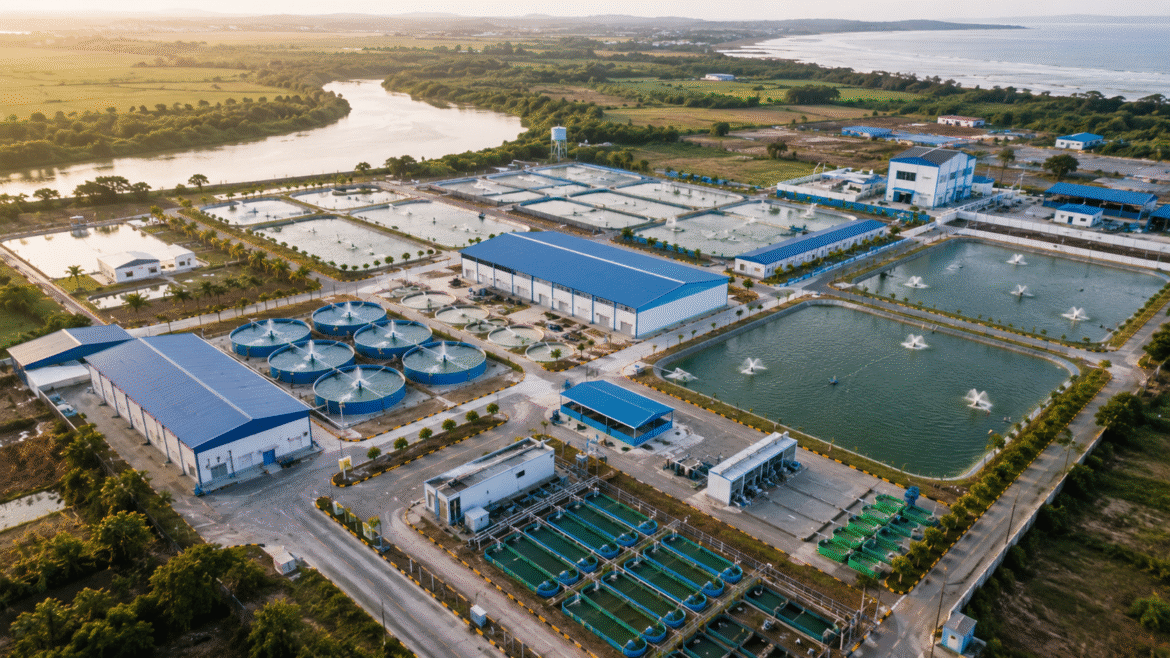
India is accelerating its efforts to modernise the fisheries and aquaculture sector through the approval of 12 Integrated Aquaparks under the Pradhan Mantri Matsya Sampada Yojana (PMMSY). Backed by a total investment of ₹713.80 crore, these Aquaparks are envisioned as comprehensive fisheries hubs that integrate every stage of the seafood value chain—from aquaculture production and processing to packaging, branding, logistics and exports. 

The initiative is designed to provide modern infrastructure that supports fish farmers, seafood processors, entrepreneurs and exporters while improving operational efficiency and increasing value addition across the sector. 

Andhra Pradesh Receives ₹88.08 Crore Integrated Aquapark 

Among the approved projects, Andhra Pradesh has been sanctioned an Integrated Aquapark worth ₹88.08 crore, reinforcing the state’s position as one of India’s leading aquaculture and seafood-producing regions. 

The Aquapark will include dedicated facilities for: 

  • Seafood processing 
  • Shrimp farming 
  • Marine finfish culture 
  • Crab farming 
  • Seaweed cultivation 
  • Ornamental fish production 

By bringing these activities together within a single integrated ecosystem, the project is expected to improve productivity, reduce operational costs and create new opportunities for value-added seafood production. 

Creating End-to-End Infrastructure for the Fisheries Value Chain 

The Government aims to develop the Aquaparks as end-to-end infrastructure hubs that address the needs of local fisheries industries while enhancing India’s competitiveness in international seafood markets. 

The integrated facilities are expected to: 

  • Reduce post-harvest losses 
  • Improve seafood handling and processing 
  • Strengthen cold chain infrastructure 
  • Promote value-added seafood products 
  • Enhance export readiness 
  • Generate employment across the fisheries sector 

The initiative also aligns with India’s broader vision of building a technology-driven and sustainable Blue Economy. 

Modern Fishing Harbours and Landing Centres Receive a Major Upgrade 

The Aquapark initiative is part of a broader fisheries infrastructure expansion under PMMSY. 

The Government has also approved: 

  • 11 new fishing harbours 
  • Modernisation of 11 existing fishing harbours 
  • 23 modern fish landing centres 

These projects are intended to improve hygienic fish handling, strengthen seafood logistics and provide better infrastructure for fishermen across coastal regions. 

Improved landing and harbour facilities are expected to reduce spoilage, improve product quality and increase returns for fishing communities. 

Strengthening Seafood Processing and Deep-Sea Fishing 

Infrastructure development extends beyond harbours and Aquaparks. 

Under various fisheries development programmes, support has also been approved for: 

  • 284 deep-sea fishing vessels 
  • 121 value-added seafood enterprises 
  • 18 fisheries infrastructure projects under the Fisheries and Aquaculture Infrastructure Development Fund (FIDF) 

These projects include investments in modern seafood processing plants, cold storage facilities and integrated supply chain infrastructure designed to improve efficiency from harvest to export. 

image 27

Building Skilled Fisheries Professionals 

Infrastructure alone cannot transform the fisheries sector without skilled manpower. 

Recognising this, the National Fisheries Development Board (NFDB) has organised 4,041 training programmes under PMMSY, benefiting more than 1.75 lakh fishers across India. 

The training programmes focus on modern aquaculture practices, fisheries management, post-harvest handling, entrepreneurship and technology adoption, helping farmers and fishers improve productivity while adopting sustainable practices. 

image 24

What It Means for India’s Blue Economy 

The approval of 12 Integrated Aquaparks represents a significant step in India’s long-term strategy to build a globally competitive fisheries industry. 

By combining modern production systems, seafood processing, cold chain infrastructure, value addition and skill development, the Government aims to create an integrated ecosystem that supports fish farmers, attracts private investment and expands seafood exports. 

As India’s fisheries sector continues to grow, these Aquaparks are expected to play a central role in improving seafood quality, generating employment, encouraging entrepreneurship and strengthening the country’s position in the global seafood trade. 

30/07/2026 0 comment
0 FacebookTwitterPinterestEmail
Vietnam Tilapia Exports
News

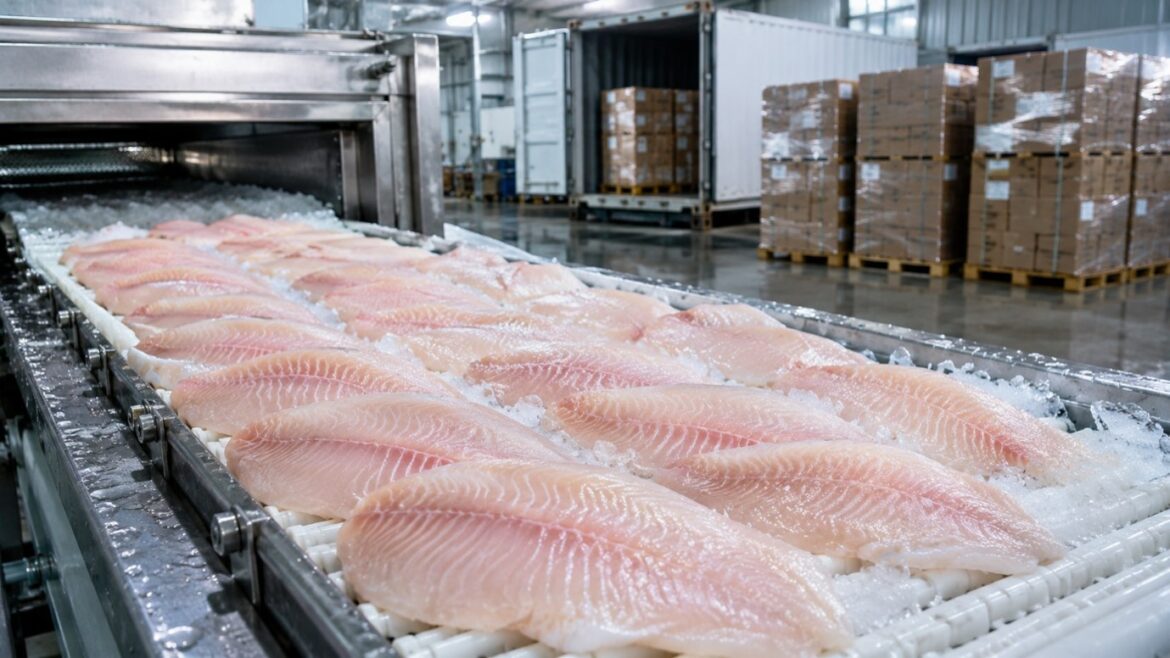
Brazil’s Appetite for Vietnamese Tilapia Is Reshaping the Global Whitefish Trade

by Fishery News 28/07/2026
written by Fishery News

Vietnam’s tilapia exports crossed USD 69 million in the first half of the year, with Brazil accounting for more than half of the total export value. The rapid rise highlights changing global seafood demand, the growing popularity of competitively priced whitefish, and Vietnam’s emergence as a major tilapia supplier.

Brazil Emerges as Vietnam’s Biggest Tilapia Customer

Global seafood trade is witnessing a major shift as Brazil has emerged as the largest importer of Vietnamese tilapia, purchasing seafood worth USD 34.9 million during the first six months of the year. According to the Vietnam Association of Seafood Exporters and Producers (VASEP), Brazil accounted for more than 50% of Vietnam’s total tilapia export earnings, helping the country’s overall exports reach USD 69.4 million during the same period.

Perhaps the most striking figure is the pace of growth. Brazilian imports of Vietnamese tilapia increased 289-fold compared with the same period in 2025, making Brazil the fastest-growing overseas market for Vietnam’s tilapia industry.

Why Brazil Is Buying More Vietnamese Tilapia

The surge reflects a broader change in global seafood consumption. Demand for affordable whitefish continues to increase as consumers and food businesses look for reliable alternatives to traditional species.

VASEP believes Vietnam is well positioned to meet this demand because of its favourable climate, extensive freshwater aquaculture resources and steadily improving farming systems. The country has also invested heavily in hatcheries, feed production, seafood processing and export infrastructure.

Vietnam produced around 420,000 tonnes of tilapia last year, providing a strong production base for future export growth.

Pangasius Experience Gives Vietnam a Competitive Advantage

One of Vietnam’s biggest strengths is the experience it has gained through its world-leading pangasius industry.

Over the years, seafood processors have developed expertise in:

  • Quality control
  • International food safety standards
  • Product traceability
  • Cold chain management
  • Value-added seafood processing

These capabilities are now being applied to tilapia production, allowing exporters to supply premium frozen fillets, breaded seafood products and retail-ready packaged fish to international buyers.

Vietnam Targets Higher-Value Markets

Vietnam is also expanding beyond volume exports by targeting premium seafood markets.

Recently, a Vietnamese seafood company exported its first shipment of tilapia fillets to Japan for use in sushi and sashimi. The company reportedly spent nearly six months refining its farming and processing methods to meet Japan’s strict quality standards.

Following positive feedback from Japanese buyers, the company plans to expand exports of value-added tilapia products to the United States, Canada and other international markets.

Tilapia Exports Continue to Grow

According to VASEP, Vietnam’s tilapia exports increased from around USD 41 million in 2024 to USD 99.3 million in 2025, with growth continuing this year.

The association expects international demand to remain strong, particularly for:

  • Frozen tilapia fillets
  • Breaded seafood products
  • Ready-to-cook packaged seafood
  • Other value-added fish products

Growing consumption across the United States, the European Union, the Middle East, Africa and Latin America is expected to create additional export opportunities for Vietnamese seafood companies.

What It Means for the Global Seafood Industry

Vietnam’s rapid success in the Brazilian market demonstrates how global seafood trade is evolving beyond traditional suppliers. As buyers increasingly seek affordable, high-quality whitefish with reliable supply chains, Vietnam is strengthening its position as one of the world’s fastest-growing tilapia exporters.

If current trends continue, tilapia could become the country’s next major aquaculture success story alongside pangasius, supported by investments in modern farming, processing technology and value-added seafood production.

28/07/2026 0 comment
0 FacebookTwitterPinterestEmail
Ornamental Fish Farming
News

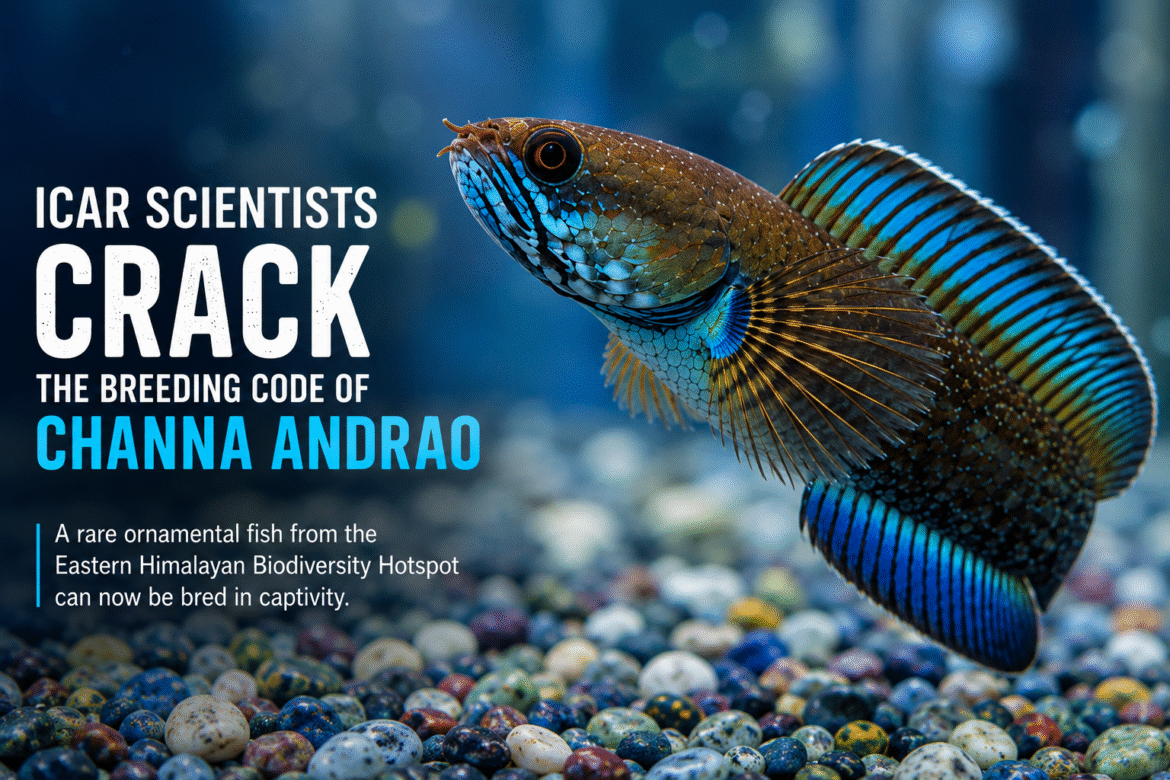
ICAR Scientists Crack the Breeding Code of Rare Himalayan Fish Channa andrao, Opening New Opportunities for Ornamental Fish Farming

by Fishery News 28/07/2026
written by Fishery News

A significant breakthrough in India’s ornamental fisheries sector could pave the way for the conservation and commercial farming of one of the country’s rare endemic fish species. Scientists from the ICAR–National Bureau of Fish Genetic Resources (ICAR-NBFGR), Lucknow, in collaboration with Gauhati University, have successfully developed a captive breeding protocol for Channa andrao, a rare ornamental snakehead native to the Eastern Himalayan Biodiversity Hotspot.

The research, published in the journal Fish Physiology and Biochemistry, marks an important step towards reducing dependence on wild collection while creating new opportunities for sustainable ornamental fish farming and commercial seed production.

A Rare Ornamental Fish from the Eastern Himalayas

Channa andrao is a small freshwater snakehead fish found in the streams and wetlands of the Eastern Himalayan Biodiversity Hotspot, one of the world’s most ecologically significant regions. The species is highly valued in the ornamental fish trade for its striking blue-green fins, vibrant body coloration, and unique appearance.

Until now, the availability of Channa andrao largely depended on collection from natural habitats, limiting its commercial availability and increasing pressure on wild populations. The absence of a reliable captive breeding technology also restricted its cultivation by ornamental fish farmers.

Captive Breeding Breakthrough

Researchers at ICAR-NBFGR have now developed a breeding protocol that enables Channa andrao to reproduce successfully under captive conditions. The achievement makes it possible to produce seed without relying on wild-caught broodstock for every production cycle.

The breakthrough provides a scientific foundation for commercial seed production, allowing hatcheries and ornamental fish breeders to multiply the species in a controlled environment while maintaining healthy broodstock.

Captive breeding also offers a practical alternative to harvesting fish directly from natural ecosystems, supporting both conservation and sustainable aquaculture.

Benefits for Conservation and Ornamental Fish Farming

The successful captive breeding of Channa andrao has important implications for India’s ornamental fisheries sector.

By enabling hatchery-based seed production, the technology can significantly reduce dependence on wild harvesting, helping conserve natural populations of this endemic species. At the same time, it creates opportunities for ornamental fish farmers to culture and market a high-value native species through sustainable production systems.

The development is also expected to strengthen India’s indigenous ornamental fish sector by expanding the range of native species available for commercial breeding. Promoting captive-bred ornamental fish can improve traceability, reduce pressure on biodiversity-rich ecosystems, and support responsible trade practices.

Supporting Sustainable Aquaculture

India’s ornamental fisheries industry has been steadily growing, with increasing interest in native fish species among hobbyists and exporters. Scientific breeding technologies such as this play an important role in supporting the sector by ensuring a consistent supply of quality seed while protecting natural fish populations.

For farmers and hatchery operators, the availability of a proven breeding protocol can reduce production uncertainty and encourage the adoption of native ornamental species with strong market potential.

The research also aligns with broader efforts to promote sustainable ornamental fish farming, where conservation and commercial production go hand in hand.

A Step Forward for Native Fish Conservation

The successful captive breeding of Channa andrao demonstrates how scientific research can contribute to both biodiversity conservation and livelihood development. By making commercial seed production possible, the technology offers an opportunity to conserve a rare Himalayan fish while reducing fishing pressure on wild stocks.

As demand for indigenous ornamental fish continues to grow in domestic and international markets, innovations such as this could encourage greater adoption of captive breeding technologies for other native ornamental species, strengthening India’s position in the ornamental fisheries sector.

28/07/2026 0 comment
0 FacebookTwitterPinterestEmail
Mud Crab Farming
News

Kerala Startup Wins National Recognition for Innovative Mud Crab Farming Technology

by Fishery News 28/07/2026
written by Fishery News

Reading Time: 6 Minutes

Standfirst

A Kochi-based aquaculture startup, STEM Systems, has won the Fisheries Startup Grand Challenge 2.0, organised by the Department of Fisheries, Government of India, securing a ₹10 lakh innovation grant for developing sustainable and farmer-friendly mud crab farming technologies. The startup’s innovations aim to make premium mud crab farming more affordable, profitable, and accessible for farmers across India.


Innovation is playing an increasingly important role in transforming India’s aquaculture sector, and a young startup from Kerala is proving how scientific research can solve practical challenges faced by farmers.

STEM Systems, founded by Arundas N. H. and Aswathy T., has been recognised at the national level after winning the Fisheries Startup Grand Challenge 2.0, organised by the Department of Fisheries, Government of India. The achievement comes with a ₹10 lakh innovation grant, awarded for the startup’s pioneering work in sustainable mud crab farming technologies.

The recognition highlights the growing importance of technology-driven solutions in diversifying India’s aquaculture industry while improving farmer incomes through sustainable production systems.

Turning Research into Entrepreneurship

The journey of STEM Systems began with a simple objective—to address some of the biggest challenges limiting the growth of mud crab farming in India.

Both founders are postgraduates from the Kerala University of Fisheries and Ocean Studies (KUFOS) and recognised the untapped potential of premium mud crab farming as a high-value aquaculture enterprise.

Established in 2022, the Kochi-based startup has spent the past four years conducting extensive research, field trials, and technology validation to develop affordable and scalable farming systems suitable for Indian conditions.

Their goal has been to simplify mud crab farming so that even small and medium-scale farmers can adopt profitable production practices without requiring high capital investment.

A Farmer-Friendly Mud Crab Fattening System

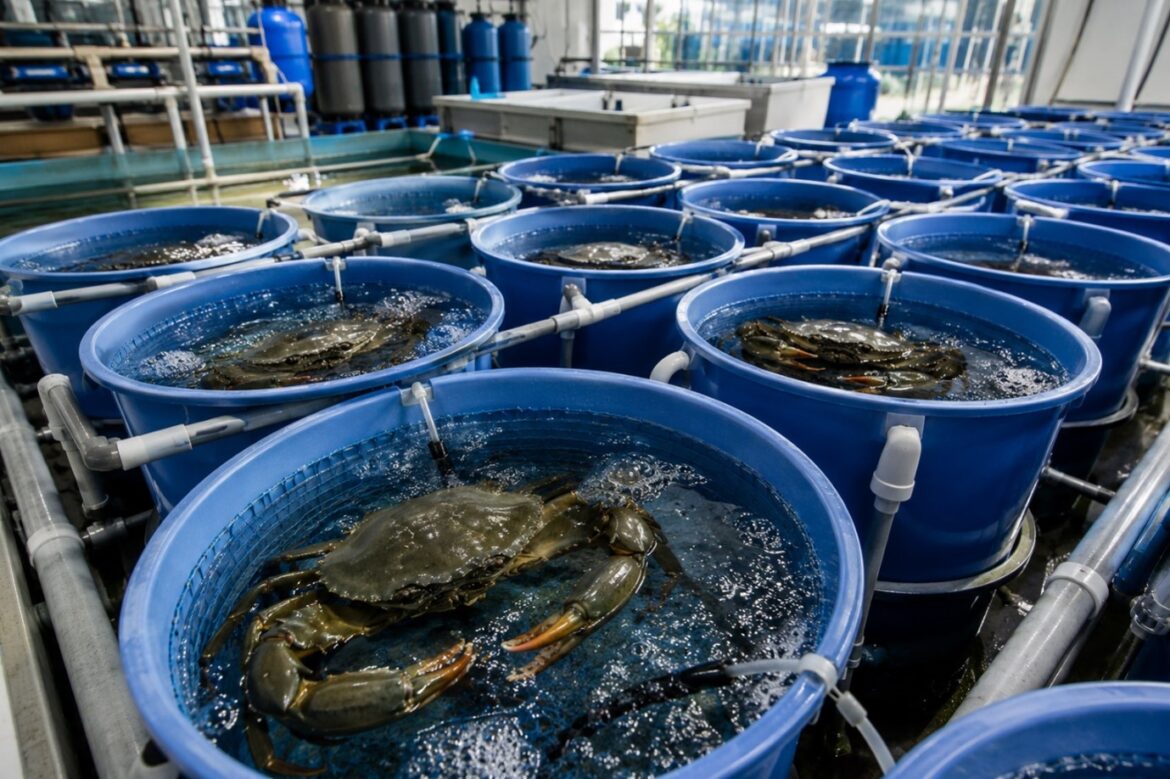
The startup’s flagship innovation is the Mud Crab Bucket Fattening System, a technology designed to improve the efficiency and profitability of mud crab farming.

Unlike conventional farming methods, the bucket-based system allows individual crabs to be fattened under controlled conditions, reducing aggressive interactions that often result in injuries and mortality.

According to the startup, the technology offers several advantages, including:

  • Higher survival rates
  • Improved meat recovery
  • Better-quality marketable crabs
  • Lower investment costs
  • Increased profitability for farmers

The system has been refined through continuous field testing, scientific validation, and direct participation from farmers, ensuring that it is practical and adaptable to commercial farming conditions.

By combining scientific research with on-ground feedback, STEM Systems has developed a solution that addresses real-world production challenges while remaining accessible to farmers.

Solving the Brackish Water Challenge

One of the major constraints in mud crab farming is the dependence on natural brackish water ecosystems.

Many inland farmers are unable to take up mud crab fattening because maintaining the ideal salinity and mineral balance required for healthy crab growth can be difficult outside coastal regions.

To overcome this limitation, STEM Systems developed Aquamin, an artificial brackish water mineral formulation that recreates the water conditions needed for successful mud crab fattening.

The formulation allows farmers to prepare suitable water for crab culture without relying entirely on naturally available brackish water sources.

This innovation has the potential to expand mud crab farming into new regions while improving production consistency and reducing environmental constraints.

Supporting Sustainable Aquaculture

Mud crab farming has emerged as one of the fastest-growing segments of high-value aquaculture due to strong domestic demand and export opportunities.

However, sustainable production technologies remain essential to ensure efficient resource utilisation, lower production costs, and better survival rates.

The technologies developed by STEM Systems focus on increasing productivity while reducing unnecessary resource use, making mud crab farming more economically viable for farmers.

Such innovations align with India’s broader efforts to promote sustainable aquaculture through improved farming practices, technology adoption, and entrepreneurship.

National Recognition for Fisheries Innovation

The Fisheries Startup Grand Challenge 2.0 recognises innovative startups that develop practical solutions for the fisheries and aquaculture sector.

Winning the competition places STEM Systems among a new generation of fisheries startups contributing to technological advancement, sustainable production, and rural entrepreneurship.

The ₹10 lakh innovation grant will help the startup further refine its technologies, expand farmer outreach programmes, and accelerate the commercial adoption of its mud crab farming solutions.

The recognition also demonstrates the increasing role of startup-led innovation in addressing long-standing production challenges across India’s fisheries sector.

Expanding Opportunities for Farmers

India has significant potential to expand mud crab farming, particularly in coastal states where suitable farming conditions already exist.

With growing demand for premium mud crabs in domestic and international markets, improved farming technologies can help farmers diversify beyond traditional aquaculture species.

Affordable production systems such as the Mud Crab Bucket Fattening System can lower entry barriers for new farmers while improving productivity for existing producers.

By reducing dependence on specialised infrastructure and natural brackish water, innovations like Aquamin may also encourage wider adoption of mud crab farming in suitable inland locations.

Driving the Future of Indian Aquaculture

The success of STEM Systems reflects a broader shift towards innovation-driven aquaculture in India.

As the sector continues to evolve, startups are increasingly developing practical technologies that address issues related to productivity, sustainability, and farmer profitability.

By combining scientific research, farmer participation, and scalable technologies, the Kochi-based startup has demonstrated how innovation can create meaningful impact across the aquaculture value chain.

Its national recognition serves as an example of how young entrepreneurs can contribute to strengthening India’s fisheries sector while creating new opportunities for farmers and promoting sustainable aquaculture development.

28/07/2026 0 comment
0 FacebookTwitterPinterestEmail
Mukhyamantri Machhuara Samman Nidhi Yojana
News

Himachal Pradesh Launches ₹3,500 Annual Support Scheme for Reservoir Fishermen During Fishing Ban

by Fishery News 28/07/2026
written by Fishery News

Reading Time: 6 Minutes

Standfirst

The Himachal Pradesh Government has launched the Mukhyamantri Machhuara Samman Nidhi Yojana, a new welfare scheme that provides ₹3,500 annually to eligible reservoir fishermen during the annual fishing ban. The initiative aims to protect the livelihoods of fishing families while supporting sustainable inland fisheries by ensuring financial assistance during the breeding season.


The Himachal Pradesh Government has introduced a dedicated financial assistance scheme to support reservoir fishermen during the annual fishing ban, a period when fishing activities are temporarily suspended to allow fish populations to breed and replenish naturally.

Named the Mukhyamantri Machhuara Samman Nidhi Yojana, the scheme provides ₹3,500 per year to eligible fishermen engaged in reservoir fisheries. By offering financial support during the lean fishing season, the initiative seeks to reduce income loss for fishing communities while reinforcing sustainable fisheries management practices across the state.

The programme reflects the government’s growing focus on balancing livelihood security with conservation, ensuring that fishing families receive financial stability without compromising the long-term health of inland fish resources.

Supporting Fishermen During the Lean Season

Every year, fishing activities in Himachal Pradesh’s major reservoirs are suspended for a fixed period to protect fish during their breeding season. While this seasonal ban is essential for maintaining healthy fish stocks, it also temporarily cuts off the primary source of income for thousands of fishermen.

The Mukhyamantri Machhuara Samman Nidhi Yojana has been introduced to address this challenge by providing direct financial assistance to eligible fishermen during the ban period.

The annual support of ₹3,500 is intended to help fishing families meet essential household expenses until fishing activities resume.

The initiative recognises that sustainable fisheries management must also consider the economic well-being of communities that depend on these water bodies for their livelihoods.

Who Is Eligible for the Scheme?

The financial assistance is available to fishermen who are actively engaged in reservoir fisheries through registered Fisheries Cooperative Societies and possess a valid fishing licence.

To receive the benefit, applicants must submit their applications through their respective cooperative societies along with the required documents.

These include:

  • Valid fishing licence
  • Aadhaar card
  • Parivar Register details
  • National Fisheries Digital Platform (NFDP) registration number
  • Fisheries Cooperative Society membership certificate

Once submitted, applications will undergo verification by the Fisheries Department before receiving approval at the district level.

This verification process is designed to ensure that the financial assistance reaches genuine beneficiaries.

Direct Benefit Transfer Ensures Transparency

To improve efficiency and eliminate delays, the financial assistance will be transferred directly into the bank accounts of eligible fishermen through the Direct Benefit Transfer (DBT) system.

The use of DBT is expected to ensure transparent fund disbursement while reducing administrative bottlenecks and leakages.

The Directorate of Fisheries will oversee the implementation of the scheme and carry out random verification of beneficiaries to maintain accountability and ensure that assistance reaches eligible fishing families.

Digital payment systems have increasingly become an important tool in delivering welfare benefits across India’s fisheries sector, enabling faster and more transparent financial support.

Around 3,700 Fishing Families to Benefit

According to the state government, the scheme is expected to benefit approximately 3,700 fishing families every year.

The beneficiaries are primarily associated with Himachal Pradesh’s major reservoirs, including:

  • Gobind Sagar Reservoir
  • Pong Dam Reservoir
  • Kol Dam Reservoir
  • Chamera Reservoir
  • Ranjit Sagar Reservoir

These reservoirs support a significant inland fisheries sector that provides employment and income to thousands of families across the state.

To implement the programme, the government has allocated approximately ₹1.20 crore annually, demonstrating its commitment to strengthening social security measures for fishing communities.

Strengthening Inland Fisheries Through Welfare Measures

The launch of the new scheme forms part of Himachal Pradesh’s broader efforts to improve the economic conditions of reservoir fishermen.

Chief Minister Sukhvinder Singh Sukhu stated that the initiative reflects the government’s commitment to enhancing the livelihoods of fishing communities while supporting sustainable fisheries development.

In recent years, the state has introduced several policy measures aimed at improving returns for reservoir fishermen.

One of the most significant initiatives has been the introduction of a Minimum Support Price (MSP) of ₹100 per kilogram for reservoir fish.

This move provides fishermen with greater income security by ensuring that they receive a fair price for their catch.

Additionally, the government has reduced royalty rates applicable to reservoir fisheries, lowering operational costs for fishermen.

Price Protection for Reservoir Fish

To further protect fishermen from market fluctuations, the state government has also introduced a subsidy mechanism linked to the Minimum Support Price.

If the market price of reservoir fish falls below the notified MSP, the government will provide financial support of up to ₹20 per kilogram through the Direct Benefit Transfer system.

This intervention aims to stabilise fishermen’s incomes during periods of weak market demand while encouraging continued participation in reservoir fisheries.

Combined with the newly launched annual assistance scheme, these measures represent a comprehensive approach to supporting inland fishing communities.

Promoting Sustainable Fisheries Management

Seasonal fishing bans remain one of the most effective fisheries management tools for conserving fish populations.

By temporarily restricting fishing during spawning periods, governments can improve breeding success, replenish fish stocks, and maintain long-term productivity of reservoirs.

However, the success of such conservation measures depends heavily on ensuring that affected fishing communities receive adequate livelihood support during the closure period.

The Mukhyamantri Machhuara Samman Nidhi Yojana addresses this balance by providing financial assistance that encourages compliance with fishing bans while reducing economic hardship.

Such welfare initiatives can strengthen community participation in fisheries conservation and contribute to more sustainable inland fisheries management.

A Positive Step for Fishing Communities

The introduction of the Mukhyamantri Machhuara Samman Nidhi Yojana marks an important step towards integrating social welfare with fisheries conservation in Himachal Pradesh.

By providing annual financial assistance, strengthening price support mechanisms, and promoting transparent benefit delivery through DBT, the state government is creating a more resilient support system for reservoir fishermen.

As inland fisheries continue to play an important role in rural livelihoods and food security, initiatives that combine economic assistance with sustainable resource management are likely to become increasingly important across India.


28/07/2026 0 comment
0 FacebookTwitterPinterestEmail
Newer Posts
Older Posts
  • Recent
  • Popular
  • ICAR-CIFT Patents Rapid DNA Biosensor for Black Tiger Shrimp Authentication

    07/08/2026
  • Minister Holds Review Meeting with Fisheries Cooperative Leaders

    07/08/2026
  • Dry Fish Demand Surges Following Formalin Ban

    07/08/2026
  • Rohu Breeding: A Complete Step-by-Step Guide to Successful Seed Production

    07/08/2026
  • 1

    Trout Fish Stocking Initiative Enhances Fisheries and Tourism Potential in Shopian, Jammu and Kashmir

    17/12/2023
  • 2

    BIGGEST FISH MARKETS IN INDIA

    07/09/2024
  • 3

    Brazil’s Appetite for Vietnamese Tilapia Is Reshaping the Global Whitefish Trade

    28/07/2026
  • 4

    Introducing Future Aquaculture Magazine: A New Voice Shaping the Future of Seafood

    13/02/2026

About Fishery News

FN Logo

Fishery.News is India’s leading digital media platform dedicated to fisheries, aquaculture, seafood, and marine industries. We deliver trusted news, expert insights, market intelligence, technology updates, research, government policies, and success stories that help fish farmers, shrimp farmers, seafood businesses, researchers, and industry professionals stay informed and grow sustainably

Categories

  • News
  • Aquaculture
  • Aquatic Health and Disease Management
  • Research and Innovation
  • Technology & Equipments

Social Networks

Facebook Twitter Instagram Linkedin Youtube
  • Facebook
  • Twitter
  • Instagram
  • Linkedin
  • Youtube

© 2026 Fishery.News – A BLIV Media Venture. All Rights Reserved.


Back To Top
Fishery News
  • E – Magazine
    • Aquaculture
    • Aqua Health & Disease Management
    • News
      • National
      • International
    • Farming
    • Research and Innovation
    • Sustainability
    • Technology & Equipments
    • This is Africa
    • Trade
  • Publications
  • Events
    • Expos
    • Trainings
    • Events by Month
  • Business Listings
    • List Your Business
    • Business Listings
    • Buy & Sell
    • Get Consultation
  • Employment
  • About Us
    • Founder
  • Contact