• E – Magazine
    • Aquaculture
    • Aqua Health & Disease Management
    • News
      • National
      • International
    • Farming
    • Research and Innovation
    • Sustainability
    • Technology & Equipments
    • This is Africa
    • Trade
  • Publications
  • Events
    • Expos
    • Trainings
    • Events by Month
  • Business Listings
    • List Your Business
    • Business Listings
    • Buy & Sell
    • Get Consultation
  • Employment
  • About Us
    • Founder
  • Contact
Fishery News
Aquaculture Media & Marketing Hub
Home » News » Page 68
Category:

News

Pozhiyoor Set to Become Keralas Second Largest Fishing Harbour with 346 Crores
NewsNational

Pozhiyoor Set to Become Kerala’s Second-Largest Fishing Harbour with 346 Crores

by Fishery News 2024-02-10
written by Fishery News

In a development sure to buoy the spirits of the local fishing community, plans are underway to establish a new fishing harbour in Pozhiyoor. With an allocation of Rs 5 crore from the state budget earmarked for initial work, Pozhiyoor is poised to claim the title of the state’s second-largest fishing harbour upon completion.

The long-anticipated project aims to fulfill the aspirations of the fishermen residing in the region, providing them with a modern harbour capable of facilitating boat launches in all weather conditions. For years, this has been a cherished dream among locals, who currently endure the inconvenience of traveling to distant harbours for their livelihoods.

Spanning from the Kollemcode region on the Kerala border to Pozhikkara in Poovar, the area is home to approximately 50 lakh fishermen. The majority of them rely on fishing harbours located far from their residences, with only a small fraction still engaged in traditional fishing methods to sustain their livelihoods.

Challenges such as the construction of a causeway in the sea in Tamil Nadu have exacerbated the difficulties faced by the fishermen, making it increasingly impractical to launch boats from Kollemcode. Additionally, changing weather patterns force fishermen to venture to remote areas, incurring extra expenses and substantial losses.

Preliminary studies have affirmed the suitability of the Pozhiyoor coastline for harbour construction, with ample outlying land available up to Kollemcode, Paruthiyur, and Poovar Pozhikkara. Leveraging the deeper waters in the Paruthiyur area promises to reduce construction costs.

The ambitious project, estimated at a total cost of Rs 346 crores, will be executed in two phases. Initially, a 200-meter-wide harbour capable of accommodating both small and large boats will be constructed, alongside 800-meter-wide embankments extending 300 meters into the sea. The second phase will focus on providing facilities for deep-sea fishing boats, further enhancing the harbour’s capabilities.

With a state share of Rs 146 crores and a centre share of Rs 200 crores, the construction of the Pozhiyoor fishing harbour marks a significant milestone in the development of coastal infrastructure. As plans progress, anticipation grows for the transformation of Pozhiyoor into a thriving hub for the local fishing industry.


2024-02-10 0 comment
0 FacebookTwitterPinterestEmail
ICAR CIBA Launches Geospatial Mapping Project to Promote Sustainable Aquaculture in Maharashtra
NewsNational

ICAR-CIBA Launches Geospatial Mapping Project to Promote Sustainable Aquaculture in Maharashtra

by Fishery News 2024-02-10
written by Fishery News

The Government of Maharashtra has initiated a significant step towards fostering responsible aquaculture practices with the launch of a project titled ‘Geospatial mapping of potential zones for expanding responsible aquaculture in Maharashtra’. Spearheaded by the ICAR-Central Institute of Brackishwater Aquaculture (CIBA), Mumbai, this endeavor is funded by the state government and aims to facilitate the expansion of aquaculture while ensuring environmental sustainability and mitigating multi-user conflicts.

Shri Sudhir Sachchidanand Mungantiwar, Union Cabinet Minister of Forest, Cultural Affairs, and Fisheries, emphasized the importance of leveraging Maharashtra’s resources for aquaculture development in an environmentally sustainable manner. He highlighted the project’s significance in fostering harmonious relationships between farmers, fisheries, and forests.

Dr. Kuldeep K. Lal, Director of ICAR-CIBA, underscored the project’s importance and the role of CIBA technologies in promoting eco-friendly aquaculture practices. He expressed gratitude to the Department of Fisheries for their support in advancing sustainable aquaculture initiatives.

Dr. Atul Patne, IAS, Commissioner of Fisheries, Government of Maharashtra, provided insights into the project’s objectives and its pivotal role in promoting responsible aquaculture practices in the state.

Dr. Ramo Rao, IAS, Additional Principal Conservator of Forest, highlighted the efforts of the mangrove cell and mangrove foundation in safeguarding Maharashtra’s mangroves. He stressed the importance of preserving these vital ecosystems for ecological balance and sustainability.

The launch event witnessed the participation of esteemed dignitaries, including Dr. C.N. Ravishankar, Director of ICAR-Central Institute of Fisheries Education (CIFE), Mr. Yuvraj Chougule, Joint Commissioner of the Department of Fisheries, and officials from the Department of Fisheries, Mangrove Cell, and Mangrove Foundation.

The project on geospatial mapping holds immense promise in guiding aquaculture expansion in Maharashtra while ensuring the preservation of critical ecosystems such as mangroves and agricultural fields. By leveraging advanced mapping technologies and interdisciplinary collaborations, the initiative aims to pave the way for sustainable and responsible aquaculture practices, contributing to the socio-economic development of the region while safeguarding its natural resources for future generations.

2024-02-10 0 comment
0 FacebookTwitterPinterestEmail
Maharashtra Feeds Inaugurates Cutting Edge Fish Feed Plant in Uttar Pradesh
NationalNews

Maharashtra Feeds Inaugurates Cutting-Edge Fish Feed Plant in Uttar Pradesh

by Fishery News 2024-02-10
written by Fishery News

Maharashtra Feeds, a leading player in the animal feed industry, has recently unveiled its newest venture with the inauguration of a state-of-the-art floating fish feed plant in Lucknow, Uttar Pradesh, India. With an impressive production capacity of 35,000 metric tons per year, the company aims to cater to the aquaculture needs of regions spanning North, Central, East, and parts of Western India.

Equipped with modern and fully automated machinery, the plant represents a significant advancement in feed production technology. Garvit Jain, Vice President at Maharashtra Feeds, emphasized the plant’s capabilities, stating, “Our advanced grinding, mixing, and extrusion technology, coupled with a 10 TPH twin screw extruder, ensures the production of premium hatchery feeds and grow-out floating fish feeds with sizes ranging from 0.6mm to 4mm.”

Maharashtra Feeds embarked on its journey in 1993, initially focusing on poultry feed production in Sonipat. Over the years, the company has witnessed rapid expansion, diversifying its operations to include cattle and pig feed. In 2019, Maharashtra Feeds ventured into the fish feed segment with the launch of its premium quality floating and sinking fish feed brand, Aquatech.

Jain elaborated on the nutritional profile of Maharashtra Feeds’ fish feed, highlighting its formulation to meet the specific requirements of various fish species across different stages of growth. The company’s commitment to quality extends to sourcing locally available ingredients, including maize, soybean meal, fish meal, and essential additives.

Despite facing challenges such as raw material price fluctuations and logistical hurdles, Maharashtra Feeds remains dedicated to supporting farmers in enhancing their productivity and profitability. With a technical team in place, the company conducts regular Farmer Group Meetings (FGMs) to impart knowledge on best farming practices and address seasonal challenges.

Jain emphasized Maharashtra Feeds’ commitment to ensuring access to high-quality feed and comprehensive training programs for fish farmers across India. By prioritizing affordability and effectiveness, the company aims to empower farmers to sustain and scale their operations, ultimately fostering profitability and growth in the aquaculture sector.

2024-02-10 0 comment
0 FacebookTwitterPinterestEmail
Lakshadweep Fisherfolk Struggle Amidst Lack of Infrastructure and Market Access
NewsNational

Lakshadweep Fisherfolk Struggle Amidst Lack of Infrastructure and Market Access

by Fishery News 2024-02-10
written by Fishery News

While Lakshadweep recently gained attention following Prime Minister Narendra Modi’s visit, the islands’ fishermen community is facing a battle for survival due to inadequate infrastructure and market access. Despite being surrounded by abundant fisheries resources, fishermen are finding it increasingly challenging to sustain their livelihoods.

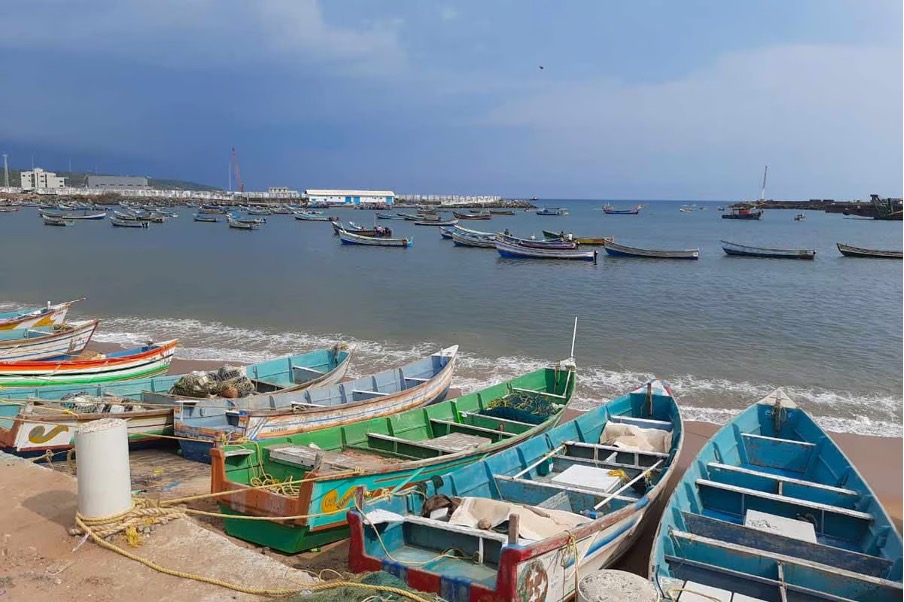
The majority of Lakshadweep’s population relies on fishing as their primary source of income, yet the absence of essential facilities such as cold storage and transportation options has severely hindered their ability to continue fishing operations. Many fishing boats remain idle on the shores, as the lack of infrastructure prevents fishermen from effectively storing or transporting their catch.

Local fishermen are expressing their frustration over the situation, highlighting the struggles they face in selling their catch at fair prices. With limited collection vessels from the mainland, fishermen are often compelled to sell their fish at prices dictated by buyers, leading to minimal profits.

Moreover, logistical challenges further exacerbate the situation, as only a small fraction of fishing boats possess the capacity to transport their catch to mainland markets like Kochi. The majority of boats are small-scale and rely solely on local island consumers, resulting in limited market access and low selling prices.

Traditionally, islanders supplemented their income by processing tuna into dried fish, known locally as ‘Mass,’ for sale on the mainland. However, dwindling demand and falling prices have rendered this practice economically unviable, leaving fishermen with few alternatives for maximizing their earnings.

Despite the challenges, some fishermen continue to convert tuna catch into ‘Mass’ to prevent spoilage and minimize wastage. However, the reliance on tuna fishing further limits their options, as other fish varieties often go unsold due to market constraints.

In contrast to Kerala fishermen who utilize nets, Lakshadweep fishermen primarily rely on angling boats for tuna fishing. However, the high cost of fuel on the island poses yet another obstacle, adding to the financial burden faced by local fishermen.

The plight of Lakshadweep fishermen underscores the urgent need for government intervention to address infrastructure deficiencies and improve market access. Without adequate support, the fishing community risks further economic hardship, jeopardizing their livelihoods and the sustainability of fisheries in the region.

2024-02-10 0 comment
0 FacebookTwitterPinterestEmail
Visakhapatnam Port Emerges as Indias Premier Hub for Marine Exports Led by Frozen Shrimp Dominance
NewsNational

Visakhapatnam Port Emerges as India’s Premier Hub for Marine Exports, Led by Frozen Shrimp Dominance

by Fishery News 2024-02-09
written by Fishery News

Visakhapatnam Port Authority (VPA) has secured its position as the foremost port for marine exports in India, boasting a commanding 26.36% share in the lucrative segment, according to recent data from the Marine Products Export Development Authority (MPEDA). In the fiscal year 2022-23, the port facilitated the smooth transit of 2.64 lakh metric tonnes of marine products valued at an impressive ₹16,877 crore.

Meanwhile, Krishnapatnam Port in Andhra Pradesh also made significant contributions, handling 18,832 metric tonnes of marine cargo valued at ₹1187.4 crores during the same period.

The success of Andhra Pradesh in seafood production and exports can be attributed to a confluence of factors, including robust government support, a steadfast commitment to quality products, adherence to stringent hygienic standards in packing areas, and proactive engagement through awareness campaigns and training sessions.

Central to Visakhapatnam’s prowess in marine exports is the concentration of a substantial number of marine product exporters, particularly those dealing in frozen shrimp. This strategic location has not only positioned the port as a preferred choice for exporters within Andhra Pradesh but has also garnered favour from neighbouring states such as Odisha.

Frozen shrimp continues to reign supreme as the leading item in India’s seafood export basket, commanding a significant share of 40.98% in quantity and a substantial 67.72% in total dollar earnings. Despite a marginal increase of 1.01% in rupee value, there was a slight downturn in Vannamei shrimp exports compared to the preceding year.

MPEDA Chairman D.V. Swamy underscored the resilience of India’s seafood export sector, noting that despite various challenges, the country managed to ship a staggering 17.36 lakh metric tons of seafood worth a formidable $8.09 billion during the fiscal year 2022-23.

The United States and China emerge as pivotal importers of India’s seafood, with frozen shrimp dominating the export landscape both in terms of quantity and value. This steadfast demand underscores the critical role layed by Visakhapatnam Port and other key players in sustaining India’s robust seafood export industry.


2024-02-09 0 comment
0 FacebookTwitterPinterestEmail
Neom Saudi Arabia Confirms 80000 Tonne Aquaculture Sector Plans
NewsInternational

Neom, Saudi Arabia Confirms 80,000 Tonne Aquaculture Sector Plans

by Fishery News 2024-02-09
written by Fishery News

Speaking at the prestigious SIMEC trade show, Dr. Juan-Carlos Motamayor, CEO of Topian, a Saudi company overseeing aquaculture development in the Neom region, unveiled an ambitious roadmap aimed at catapulting the region into a global aquaculture powerhouse. The company’s vision includes the production of 80,000 tonnes of seafood, leveraging a combination of cutting-edge land-based Recirculating Aquaculture Systems (RAS) and innovative marine enclosures.

Dr. Motamayor articulated Topian’s strategy, which encompasses various approaches to marine-based aquaculture, including open sea pens, submersible sea pens, and enclosed sea pens. Emphasizing the importance of sustainability, he highlighted ongoing efforts to identify the most cost-efficient and environmentally friendly methods for marine aquaculture.

The company’s collaboration efforts were underscored by the announcement of a strategic joint venture with Tabuk Fisheries, a leading producer of marine finfish in the Neom region. This partnership marks the beginning of Topian’s engagement with existing aquaculture operators and serves as a platform for pilot studies.

Central to Topian’s plans is the establishment of a state-of-the-art hatchery capable of producing an impressive 42 million fingerlings annually, positioning it as the largest facility of its kind in the MENA region.

In the realm of land-based farming, Topian aims to cater to local consumer preferences by focusing on species such as salmon, sea bream, sobaity, kingfish, amberjack, meagre, and hamour. The company envisions enhancing the market with diverse taste profiles while ensuring freshness, nutritional value, and quality.

Acknowledging the need for genetic advancements to optimize aquaculture efficiency, Dr. Motamayor revealed discussions with an American genetics company regarding a tailored breeding program for local species. Additionally, collaborations with feed suppliers like Irasco are underway to develop specialized formulations tailored to each species.

As Topian invites expressions of interest from stakeholders in the aquaculture sector, Dr. Motamayor expressed confidence in forging additional partnerships to realize their ambitious goal of producing 80,000 tonnes of seafood within 15 years. The company’s bold initiatives signal a transformative era for aquaculture in the Neom region, poised to deliver economic growth, sustainability, and culinary diversity.


2024-02-09 0 comment
0 FacebookTwitterPinterestEmail
Fish Kill Tragedy Strikes Ennore Gas Leak Claims Lives of 19 Species
NationalNews

Fish Kill Tragedy Strikes Ennore: Gas Leak Claims Lives of 19 Species

by Fishery News 2024-02-09
written by Fishery News

A recent gas leak in Ennore on has resulted in the death of over 187kg of fish belonging to 19 different species near nine fishing villages, as reported by the state fisheries department.

The incident occurred at 11:45 pm on December 26th, when a staggering 68 tonnes of ammonia leaked from a 2.5km-long subsea pipeline transporting liquid ammonia from Ennore minor port to Coromandel International Limited, a fertiliser factory in Periyakuppam. Shockingly, the amount of ammonia gas released far exceeded the safe limit prescribed by the Central Pollution Control Board (CPCB), according to a report by the TNPCB.

A field study conducted by the Dr MGR Fisheries College and Research Institute in Ponneri confirmed the grim reality of the situation. On December 27, the aftermath became tragically apparent as 1,860 dead fish washed ashore near nine fishing villages, including Nettukuppam, Kathivakkam Periyakuppam, Ernavoor Kuppam, and Bharathiyar Nagar beach. Among the casualties were eels, barracuda, sea bass, red snappers, pomfrets, carrangids, and flat fish, with an estimated market value of ₹46,750.

The catastrophe has dealt a severe blow to the livelihoods of local fishermen, with S. Vishanth from Ennore Makkal Padhukappu Kuzhu, a collective of fishermen, expressing the profound impact: “Our major livelihood is fishing. A hazard to the environment is a hazard to our livelihood.”

2024-02-09 0 comment
0 FacebookTwitterPinterestEmail
Kolleru Lakes Metamorphosis A Haunting Journey from Biodiversity Oasis to Fish Pond Wasteland
NationalNews

Kolleru Lake’s Metamorphosis: A Haunting Journey from Biodiversity Oasis to Fish Pond Wasteland

by Fishery News 2024-02-09
written by Fishery News

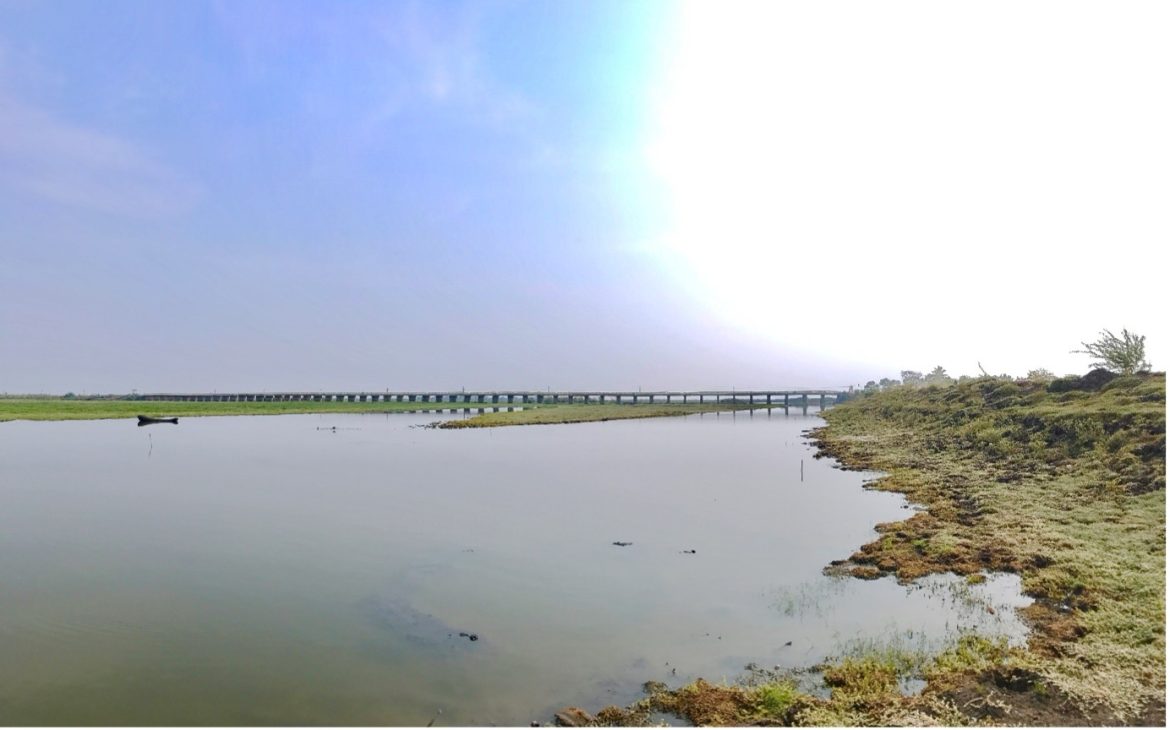
Kolleru Lake, once a sprawling freshwater haven teeming with biodiversity in Andhra Pradesh, has undergone a dramatic transformation over the decades. Until the 1980s, it spanned a vast 904 square kilometers, with shallow waters reaching a maximum depth of just 10 feet during the monsoon season. This natural marvel served as a crucial habitat for numerous bird species, including majestic flamingos, and sustained local communities through rice cultivation and fishing activities.

However, the landscape of Kolleru Lake has drastically changed. The expansion of the local carp and shrimp industries led to the conversion of vast areas of rice paddies into fish ponds, encroaching further into the lake’s territory. Today, the lake’s once-thriving ecosystem is under threat, with dwindling populations of flamingos and other bird species serving as poignant indicators of environmental degradation.

The rapid growth of aquaculture in the region, fuelled by government subsidies and increasing international demand for fish and shrimp products, has fundamentally altered the lake’s ecology. Fish ponds, once confined to the shoreline, now extend deep into the lake, disrupting natural habitats and severely degrading water quality. Consequently, the lake’s open water area has diminished significantly outside of the monsoon season, with dry marshlands and fish ponds dominating the landscape.

Efforts to address the environmental challenges facing Kolleru Lake have been met with complex socio-economic dynamics. While conservationists advocate for stricter regulations to mitigate pollution and habitat destruction, local communities heavily reliant on aquaculture for their livelihoods express concerns over potential economic repercussions.

The historical context of Kolleru Lake’s development sheds light on the tensions between economic growth and environmental preservation. Commercial fishing operations were introduced in 1975, gradually expanding over the years alongside government-backed initiatives to boost marine product production. Despite being designated as a sanctuary under India’s Wildlife Protection Act in 1999 and recognized as a Ramsar site in 2002, Kolleru Lake continues to face threats from unregulated aquaculture practices.

In response to mounting environmental concerns, the government initiated Operation Kolleru in 2006, aiming to dismantle unauthorized fish ponds within the sanctuary boundaries. However, the effectiveness of these efforts has been limited, with local farmers often rebuilding ponds without proper regulation.

The consequences of unchecked aquaculture expansion extend beyond environmental degradation to encompass public health risks and socio-economic disparities. Pollution from chemical treatments used in fish ponds contaminates water sources, posing health hazards to local communities reliant on groundwater for drinking purposes. Additionally, the decline of native fish species due to habitat loss and invasive species further exacerbates the ecological imbalance in the region.

As stakeholders grapple with competing interests, the future of Kolleru Lake hangs in the balance. While economic imperatives drive the expansion of aquaculture, scientists warn of irreversible ecological consequences if sustainable management practices are not implemented. Balancing the needs of local communities with the imperative to conserve biodiversity remains a formidable challenge, underscoring the complexities inherent in navigating the delicate balance between development and environmental stewardship.

By Editorial Team

2024-02-09 0 comment
0 FacebookTwitterPinterestEmail
Government Sanctions ₹6000 Crore Fisheries Development Scheme
NationalNews

Government Sanctions ₹6,000 Crore Fisheries Development Scheme

by Fishery News 2024-02-09
written by Fishery News

The Union Cabinet, led by Prime Minister Narendra Modi, has given the green light to the Pradhan Mantri Matsya Kisan Samridhi Sah-Yojana (PM-MKSSY), a subsidiary program falling under the Pradhan Mantri Matsya Sampada Yojana. This initiative targets micro and small enterprises operating within the fisheries sector and is poised to receive an estimated investment of ₹6,000 crore over the forthcoming four years.

Anurag Singh Thakur, the Union Minister for Information and Broadcasting, highlighted the move as a step towards formalizing the fisheries sector. The initiative includes the establishment of a National Fisheries Digital Platform to assign work-based identities to 40 lakh small and micro-enterprises.

During the meeting, the Cabinet also approved the extension of the Fisheries and Aquaculture Infrastructure Development Fund (FIDF) for an additional three years, extending its duration up to 2025-26. Initially set at ₹7,522.48 crore, with a budgetary support of ₹939.48 crore, the FIDF aims to bolster the development of various fisheries infrastructures.

Under the FIDF, approximately 121 fisheries infrastructure projects, amounting to ₹5,588.63 crore, have been sanctioned for the establishment of diverse facilities such as fishing harbours, fish landing centres, ice plants, cold storage, and fish transport facilities. The extension of the FIDF is anticipated to further amplify the development of fisheries and aquaculture infrastructure by leveraging financial resources and encouraging investments from both public and private sectors.

The sub-scheme PM-MKSSY is structured with 50% public financing, including contributions from the World Bank and the Agence Française de Développement (AFD), with the remaining 50% expected to be sourced from private sector investments. Scheduled for implementation over four years, from 2023-24 to 2026-27, across all States and union territories, this initiative is projected to benefit fishers, aquaculture farmers, fish workers, and fish vendors.

The primary objectives of PM-MKSSY include the gradual formalization of the fisheries sector and increased accessibility to institutional credit. The scheme is expected to support 6.4 lakh micro-enterprises and 5,500 fisheries cooperatives, facilitating access to institutional credit. Furthermore, it aims to foster business growth, job creation, and the emergence of new business opportunities.

The projected outcomes of PM-MKSSY indicate the creation of 1.7 lakh new jobs, with a particular focus on employing 75,000 women. Additionally, it aims to generate 5.4 lakh sustained employment opportunities within the micro and small enterprise value chain. The Centre asserts that this scheme will significantly contribute to the economic development of the fisheries sector while empowering various stakeholders within the industry.

2024-02-09 0 comment
0 FacebookTwitterPinterestEmail
Rising Sea Temperatures Spark 22Fish Drought22 Along Kerala Coast
NationalNews

Rising Sea Temperatures Spark “Fish Drought” Along Kerala Coast

by Fishery News 2024-02-09
written by Fishery News

Source: The Hindu

Recent weather patterns characterized by active El Nino conditions have led to a surge in sea surface temperatures, triggering what fishermen along the Kerala coast are referring to as a “fish drought.” This phenomenon, exacerbated by rising sea temperatures, has disrupted the annual cycle of fish availability between January and May, leaving traditional fishing vessels stranded onshore as fishermen seek alternative strategies to boost their catch.

The effects of rising sea temperatures are most palpable in the scarcity and price fluctuations of key fish species. Mackerel and sardines, staple catches for local fishermen, have seen a sharp decline in availability, with medium-sized sardines fetching prices as high as ₹280 per kilogram and mackerels selling at ₹300 to ₹320 per kilogram. However, reports indicate that while mackerels remain relatively abundant, sardine catches have dwindled significantly.

Fishermen operating along the Kerala coast are grappling with mounting losses, with daily operational costs reaching up to ₹45,000. Jackson Pollayil from Alappuzha recounts a challenging 11-day period at sea, marked by minimal sardine catches and sporadic mackerel hauls. In response, many daily wage fishermen have resorted to switching boats in hopes of improving their fortunes amidst the uncertain fishing conditions.

Experts attribute the decline in fish availability to the warming of sea waters, which prompts certain fish species to migrate to deeper areas. While a direct correlation between temperature and fish availability in nearshore waters remains elusive, rising temperatures have been linked to challenges in fish hatching and the survival of young fish, further exacerbating the situation.

The fluctuations in fish availability are not unprecedented, with the catch of oil sardines, a cornerstone of artisanal fisheries, experiencing significant variability over the years. The Central Marine Fisheries Research Institute (CMFRI) reported a notable recovery in oil sardine landings in 2022, with catches totalling 1.10 lakh tonnes. Similarly, Indian mackerel recorded a substantial catch of 1.01 lakh tonnes in the same year, nearly doubling the previous year’s estimates.

Charles George of the independent trade union Matsya Thozhilali Aikya Vedi underscores the need for proactive measures to address the challenges faced by traditional fishermen. While acknowledging the significance of self-regulation, particularly in curbing juvenile fishing practices, George emphasizes the role of government intervention in implementing effective measures to alleviate the impact of the fish drought.

As Kerala’s fishing communities navigate the uncertainties posed by rising sea temperatures and dwindling fish stocks, urgent action is needed to safeguard the livelihoods of thousands of fishermen and ensure the sustainability of coastal ecosystems. By fostering collaborative efforts between fishermen, scientific institutions, and government agencies, Kerala can strive towards a more resilient and equitable fishing sector in the face of evolving environmental challenges.

2024-02-09 0 comment
0 FacebookTwitterPinterestEmail
Newer Posts
Older Posts
image
  • Recent
  • Popular
  • 𝗜𝗻𝘁𝗿𝗼𝗱𝘂𝗰𝗶𝗻𝗴 Future Aquaculture Magazine: 𝗔 𝗡𝗲𝘄 𝗩𝗼𝗶𝗰𝗲 𝗦𝗵𝗮𝗽𝗶𝗻𝗴 𝘁𝗵𝗲 𝗙𝘂𝘁𝘂𝗿𝗲 𝗼𝗳 𝗦𝗲𝗮𝗳𝗼𝗼𝗱

    2026-02-13
  • Global Wisdom Meets Local Impact: Dr Manoj Sharma’s Powerful Keynote Ignites Change at APFA Symposium 2025.

    2025-08-07
  • Shocking! 40 Bonded Labourers Rescued from Shrimp Units in Andhra Pradesh Sent Home Safely With Wages Paid.

    2025-08-07
  • “Why Is Fish So Expensive in Goa?” CM Promises Subsidy & New Policy After Assembly Showdown!

    2025-08-07
  • 1

    Aar Tangra Fish: A Flavorful Treasure from Eastern Indian Rivers

    2024-07-12
  • 2

    ANNAMALAI UNIVERSITY Ph.D. ADMISSION NOTIFICATION 2024-25

    2024-06-13
  • 3

    BIOFLOC TECHNOLOGY: AN INNOVATIVE APPROACH FOR SUSTAINABLE AQUACULTURE

    2024-12-17
  • 4

    Invasion of Alien Fish Species Raises Concerns for Manipur’s Indigenous Breeds, Say Experts

    2024-01-10

About Fishery News

FN Logo

is the Best Blog & Magazine  illo inventore veritatis et quasi architecto. illo inventore veritatis et quasi architecto.

Categories

  • News
  • Aquaculture
  • Aquatic Health and Disease Management
  • Research and Innovation
  • Technology & Equipments

Social Networks

Facebook Twitter Instagram Linkedin Youtube
  • Facebook
  • Twitter

@2021 - All Right Reserved. Designed and Developed by PenciDesign


Back To Top
Fishery News
  • E – Magazine
    • Aquaculture
    • Aqua Health & Disease Management
    • News
      • National
      • International
    • Farming
    • Research and Innovation
    • Sustainability
    • Technology & Equipments
    • This is Africa
    • Trade
  • Publications
  • Events
    • Expos
    • Trainings
    • Events by Month
  • Business Listings
    • List Your Business
    • Business Listings
    • Buy & Sell
    • Get Consultation
  • Employment
  • About Us
    • Founder
  • Contact