• E – Magazine
    • Aquaculture
    • Aqua Health & Disease Management
    • News
      • National
      • International
    • Farming
    • Research and Innovation
    • Sustainability
    • Technology & Equipments
    • This is Africa
    • Trade
  • Publications
  • Events
    • Expos
    • Trainings
    • Events by Month
  • Business Listings
    • List Your Business
    • Business Listings
    • Buy & Sell
    • Get Consultation
  • Employment
  • About Us
    • Founder
  • Contact
Fishery News
Home » Farming » Page 3
Category:

Farming

Structural Concerns Arise at Kilkeel Harbour Amidst Worries Over Fish Run Integrity
FarmingInternationalNews

Structural Concerns Arise at Kilkeel Harbour Amidst Worries Over Fish Run Integrity

by Fishery News 19/03/2024
written by Fishery News

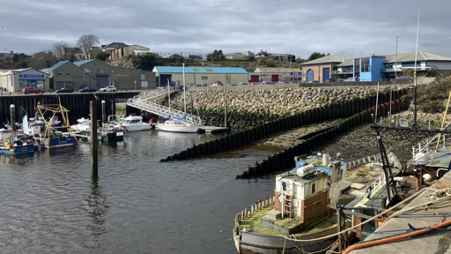
Worries have emerged over the stability of a crucial structure at Kilkeel Harbour, which facilitates the convergence of two rivers into the harbour. Located in County Down, Kilkeel boasts Northern Ireland’s largest fishing fleet, making the structural concerns particularly significant for both the fishing industry and conservationists.

Recent weeks have seen a section of the structure, where the rivers Kilkeel and Augh rim meet, suffer damage, raising alarms among locals. Of particular concern is the fish run situated within the structure, allowing species like salmon to transition from the harbour to the rivers for spawning.

Retired fisherman Leslie Girvan, with over 40 years of experience, expressed apprehension about the integrity of the structure, suggesting that the concrete of the fish pass appears to have been compromised. Observations of water draining out of the run and gushing from a hole further down the slope have heightened fears about potential structural damage.

Glyn Hanna, a Democratic Unionist Party councillor, echoed these concerns, highlighting the impact on both fisheries and the harbour’s infrastructure. Efforts are underway to ascertain responsibility for repairs, with the Harbour Authority and relevant government agencies being called upon to address the situation promptly.

The Department for Agriculture, Environment, and Rural Affairs, along with the Department for Infrastructure, have been reached out to for comment on the matter, as stakeholders collaborate to assess the situation and devise a solution, the safety and sustainability of Kilkeel Harbour and its surrounding ecosystem remain paramount. The resolution of this issue will not only safeguard the livelihoods of fishermen but also ensure the continued health of the region’s aquatic habitats.

Source-BBC NEWS
 

19/03/2024 0 comment
0 FacebookTwitterPinterestEmail
Invitation Training on Biofloc Based Production Technology
FarmingNationalNews

Invitation: Training on Biofloc-Based Production Technology

by Fishery News 10/03/2024
written by Fishery News

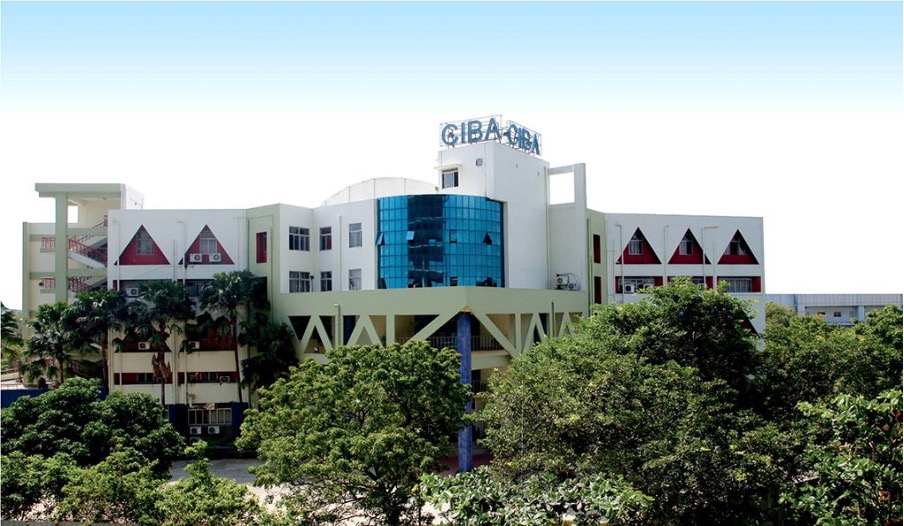
ICAR-CIBA, Chennai, invites applications for training on Biofloc-based Production Technology, From 04/04/24 – 07/04/24. which encompasses both theoretical learning and hands-on experience. Only 20 Candidates will be selected based on their exposure and interest.

Eligibility: Graduate in any discipline of science with aqua farming experience and State Fisheries officers, Farmers, Academicians and Research scholars can also apply

Important Dates: Last date of Application 02/04/2024

Fees: 8000 Per Person Including Course fee, Course Material, Working lunch and Refreshment

For Lodging and More Info: Contact Principal Scientist Dr. A. Panigrahi

Mobile: +91 9025739499

Email: apanigrahi2k@gmail.com

NOTE: First come; First serve


10/03/2024 0 comment
0 FacebookTwitterPinterestEmail
SeaFood Plaza BMCs Hit Among the Locals in Mumbai
Farming

SeaFood Plaza: BMC’s Hit Among the Locals in Mumbai

by Fishery News 21/02/2024
written by Fishery News

Mumbai’s BMC has created another feather to its cap with the latest attraction of ‘Sea Food Plaza’ at Mahim Beach. In the beginning, people were not enthusiastic but now it has become a local favourite, all credit goes to the 14 Women Self Help Groups (SHGs) from the Koli community.

At present, each of these self-help groups has 10 members who have brought to the fore the best of the Koli culinary tradition against the backdrop of the Arabian Sea. Dish selections like Fish Koliwada and Stuffed Pomfret blew the numbers up by over 30,000 visitors in three months. Each SHG got support from the BMC on the basis of Mahila Bal Kalyan Yojana to have their stalls open.

Ensuring safety through tight quality rules will guarantee that visitors can fully enjoy their meals without worry. The success of ‘Sea Food Plaza’s’ operation has brought some requests to let it be open daily. This program goes beyond just giving good food—it also offers women in the community job opportunities. With the BMC officials’ support, these women do not only sell fresh catches, but they also turn into yummy dishes and take orders even through Zomato (Online orders).

’SeaFood Plaza’, being so successful, the BMC is to roll out the concept in other sea facing points of Mumbai. This venture, in addition, to better tasty dinners, also confronts the existing restaurants near. The “Seafood Plaza ” isn’t just an eatery – it’s a project meant to both empower and engage the community and promote sustainable business while highlighting the culinary expertise of the Kolis and giving local women a break.

21/02/2024 0 comment
0 FacebookTwitterPinterestEmail
Young Aqua Farmer in Nellore Sets New Standards in Shrimp Production through Biofloc System
Farming

Young Aqua Farmer in Nellore Sets New Standards in Shrimp Production through Biofloc System

by Fishery News 13/02/2024
written by Fishery News

Nishanth Reddy Kavalreddy, a young aqua farmer from Nellore, has made waves in the industry by achieving unprecedented shrimp production levels. His farm, nestled in Thotapalligudur mandal, has attracted widespread attention for its exceptional output, boasting a staggering fivefold increase compared to traditional farms.

This achievement, made possible through innovative techniques and meticulous management, recently caught the eye of Union Minister of State for Fisheries, L Murugan, who visited Nishanth’s farm for an up-close look at his pioneering methods.

Nishanth has dedicated the past six years to cultivating white leg (vannamei) shrimp on his expansive 80-hectare farm. Over the years, he has honed his focus on intensive production methods, driving significant advancements in aquaculture practices.

Two years ago, Nishanth and his team embarked on a transformative journey, embracing both extensive and intensive farming approaches. Notably, their intensive production strategy centers around the innovative use of biofloc technology. This cutting-edge method enables a higher stocking density of 200 pieces per square meter, yielding an impressive average harvest volume of four kilograms per square meter.

Highlighting the significance of their achievements, Nishanth revealed that while India’s average shrimp production stands at a modest five metric tonnes per hectare, his farm has achieved an extraordinary ten to fifteenfold increase using biofloc technology. This groundbreaking accomplishment marks a watershed moment in the country’s aquaculture sector.

Biofloc technology, characterized by its eco-friendly composition comprising bacterial aggregates, algae, protozoa, and particulate organic matter, has revolutionized shrimp farming. By consuming the biofloc, shrimp reduce reliance on artificial feed, resulting in both cost savings and enhanced productivity.

Buoyed by their exceptional performance, the Union government has lauded Nishanth’s efforts and pledged unwavering support for his initiatives. Minister Murugan, during his recent visit, extended assurances of continued backing for Nishanth’s groundbreaking endeavours.


Delving into their production methodology, Nishanth outlined a sophisticated multi-phase system that facilitates the cultivation of four crops annually through a biofloc nursery. Their production infrastructure comprises HDPE-lined ponds ranging from 1000 to 2000 square meters, meticulously designed to provide optimal conditions for shrimp cultivation.


Nishanth’s success story serves as a beacon of inspiration within the aquaculture community, showcasing the transformative potential of innovative techniques and diligent management practices. With steadfast support and recognition, pioneers like Nishanth are spearheading a new era of sustainable and high-yield aquaculture, propelling the industry towards greater heights of success.


13/02/2024 0 comment
0 FacebookTwitterPinterestEmail
Azerbaijan Fish Farm Achieves Historic First Earns Best Aquaculture Practices Certification
Farming

Azerbaijan Fish Farm Achieves Historic First: Earns Best Aquaculture Practices Certification

by Fishery News 13/02/2024
written by Fishery News

Azerbaijan Fish Farm LLC (AFF) has become the world’s inaugural caviar producer to be awarded the prestigious Best Aquaculture Practices (BAP) certification. This remarkable recognition, conferred by the Global Seafood Alliance (GSA), highlights AFF’s unwavering commitment to sustainability and solidifies its leadership position in the aquaculture industry.

Since its inception in 2017, AFF has been a trailblazer in the realm of innovative and sustainable fish breeding, particularly in the production of sturgeon caviar in Azerbaijan. Mike Berthet, GSA’s market development representative in the UK, commended AFF’s milestone achievement, emphasizing the company’s dedication to responsible practices across environmental stewardship, social accountability, food safety, and animal welfare.

AFF’s approach to sustainable aquaculture integrates traditional methods with modern technologies, utilizing Recirculating Aquaculture Systems (RAS), cage culture models, and advanced seaside tanks to ensure optimal conditions for fish incubation and growth. Notably, AFF’s unique utilization of both freshwater from the Kura River and saltwater from the Caspian Sea mimics the natural habitat of sturgeons, ensuring the premium quality of their caviar.

Moreover, AFF distinguishes itself through its eco-friendly initiatives and conservation efforts. The company’s commitment to the preservation of endangered sturgeon populations is evident in its fish release events, where 10 sturgeons are released for every jar of caviar sold. This exemplifies AFF’s dedication to ecosystem sustainability and reinforces its brand ethos.

Currently, Azerbaijan Fish Farm LLC exports its premium caviar to esteemed markets worldwide, including the USA, UAE, Singapore, and Hong Kong. With the BAP certification underscoring its sustainability initiatives, AFF continues to lead by example in responsible caviar production, elevating Azerbaijan’s prominence in the global aquaculture arena.

The Best Aquaculture Practices (BAP) certification program, developed by the Global Seafood Alliance, is a third-party certification initiative aimed at promoting environmentally and socially responsible seafood practices. Through its standards, GSA has emerged as a leading organization in setting industry benchmarks for seafood sustainability and accountability.


13/02/2024 0 comment
0 FacebookTwitterPinterestEmail
Hendrix Genetics Spearheads Advancements in Indian Shrimp Farming with New Breeding Multiplication Centre
Farming

Hendrix Genetics Spearheads Advancements in Indian Shrimp Farming with New Breeding Multiplication Centre

by Fishery News 10/02/2024
written by Fishery News

Hendrix Genetics, a renowned global leader in animal breeding, has set its sights on revolutionizing the Indian shrimp farming landscape through the establishment of a cutting-edge Shrimp Breeding Multiplication Center (BMC) in Ranasthalam Mandal, Srikakulam District, nestled within the Andhra Pradesh region of India. The grand inauguration of this state-of-the-art facility witnessed a gathering of over 300 esteemed guests, signifying a momentous leap forward in the company’s expansion endeavors in the Indian market.

Under the adept management of Kona Bay, a distinguished subsidiary of Hendrix Genetics, the Indian BMC emerges as a beacon of innovation and excellence in shrimp breeding practices. With a robust broodstock production capacity of 150,000, meticulously overseen by local leader Deepak Patnaik, the center embodies a strategic vision aimed at decentralizing production processes. This strategic shift not only mitigates risks associated with high-risk export channels but also ensures a seamless and uninterrupted supply of premium products to discerning customers.

David Danson, the esteemed Director of Operations and Shrimp at Hendrix Genetics, delineated the operational roadmap for the BMC, stating, “The Parental Line (PPL) will be stocked in Q4 2023 from our Hawaii facility, with the first broodstock sales slated for Q2 2024. Furthermore, we have embarked on a mission to assemble a formidable local team, with aspirations to enlist up to 40 experts to drive our endeavors forward.”

Central to the BMC’s mission is the preservation of genetic integrity, with a steadfast commitment to maintaining Specific Pathogen Free (SPF) status synonymous with Hendrix Genetics’ esteemed lineage. Leveraging its strategic proximity to indigenous shrimp rearing conditions, the center facilitates seamless data transmission to the breeding nucleus in Hawaii, thereby facilitating continuous refinement and adaptation of shrimp genetics tailored to the unique demands of the Indian market.

The BMC’s unwavering dedication to biosecurity is exemplified through a comprehensive suite of measures, including its strategic location mere 1 kilometer from the ocean, coupled with a meticulously maintained 2-kilometer exclusion zone surrounding the site. Additionally, state-of-the-art water filtration systems, stringent effluent sterilization protocols, as well as internal quarantine and grow-out modules, underscore the centre’s unwavering commitment to upholding the highest standards of operational integrity.

The establishment of the Hendrix Genetics Shrimp Breeding Multiplication Centre heralds a new era of progress and prosperity in India’s aquaculture sector. With an unwavering focus on genetic advancement, biosecurity, and local adaptation, the centre stands poised to catalyse transformative change, fostering resilience and sustainability within India’s vibrant shrimp farming industry. By catering to the evolving needs of both domestic and international markets, the BMC emerges as a beacon of hope, driving positive change and ushering in a brighter future for Indian shrimp farming.


10/02/2024 0 comment
0 FacebookTwitterPinterestEmail
India Explores Revival of Black Tiger Shrimp Farming to Diversify Shrimp Offerings 1
Farming

India Explores Revival of Black Tiger Shrimp Farming to Diversify Shrimp Offerings

by Fishery News 10/02/2024
written by Fishery News

India, known as the world’s top exporter of whiteleg shrimp (Litopenaeus vannamei), is embarking on a strategic shift in its shrimp farming landscape, considering a return to cultivating black tiger shrimp (Penaeus monodon) to diversify its offerings and mitigate challenges faced by its shrimp industry.

Once a cornerstone of India’s coastal aquaculture, black tiger shrimp farming experienced a decline in recent years due to prevalent diseases that deterred investment and expansion. The advent of whiteleg shrimp in 2009 provided a viable alternative with higher productivity and better disease resilience, leading to a significant transition within the Indian shrimp farming community. However, this shift left black tiger shrimp production dwindling, reaching a mere 38,000 metric tons (MT) in the latest fiscal year, starkly contrasting the robust production levels exceeding 100,000 MT seen in the early 2010s.

India’s pivot to whiteleg shrimp proved lucrative, establishing the nation as the foremost exporter to the United States, where it captured a substantial market share for five consecutive years. Nonetheless, the COVID-19 pandemic inflicted severe disruptions on India’s shrimp sector, causing a notable decline in production and exports. Despite retaining its position as the primary shrimp exporter to the U.S., India grappled with reduced exports in 2020 and encountered exacerbated challenges in 2021 due to the pandemic’s lingering effects on the industry.

In response to these adversities, shrimp industry analyst Willem van der Pijl advocates for a resurgence in black tiger shrimp farming within India. He underscores diminishing profitability in whiteleg shrimp cultivation, attributable to declining prices and escalating disease concerns, rendering many farmers financially strained.

While some farmers have embraced the transition back to black tiger shrimp farming, others remain apprehensive due to the scarcity of specific pathogen-free (SPF) black tiger broodstock. To address this critical supply constraint, the Indian government authorized select international suppliers, namely Moana Technologies from Hawaii and Aquaculture de la Mahajambre from Madagascar, to furnish SPF black tiger broodstock to Indian farmers. These partnerships, facilitated through Indian hatcheries, have initiated deliveries of broodstock to local farmers, with plans for ramped-up production in the near future.

Van der Pijl suggests that increased black tiger shrimp production in India could unlock lucrative markets in Europe, Japan, and China. European buyers express readiness to consider Indian black tiger shrimp provided they meet stringent quality standards and remain competitive in pricing. Japan, a significant importer of Indian black tiger shrimp, has relaxed inspection restrictions, bolstering prospects for expanded exports. Furthermore, China emerges as a promising market, particularly if Indian producers adeptly brand and market their products to align with Chinese preferences and expectations.

As India navigates this transition back to black tiger shrimp farming, stakeholders are cautiously optimistic about revitalizing this sector and broadening India’s shrimp export portfolio. The industry’s adaptability and resilience, coupled with strategic initiatives to address key challenges, position India to reclaim its prominence in global shrimp markets through diversified offerings and sustainable growth.

10/02/2024 0 comment
0 FacebookTwitterPinterestEmail
Uttar Pradesh Initiates Unique Integrated Farming Project Combining Banana Cultivation and Fish Farming
Farming

Uttar Pradesh Initiates Unique Integrated Farming Project Combining Banana Cultivation and Fish Farming

by Fishery News 09/02/2024
written by Fishery News

Source: IANS

Basti district in Uttar Pradesh has launched a distinctive initiative combining banana cultivation with fish farming in rural areas. Under the aegis of the National Rural Employment Guarantee Scheme (NREGS), Basti district has implemented the development of ponds specifically tailored for this integrated farming approach.

The initiative, spearheaded by District Magistrate Andra Vamsi, seeks to provide economic security, employment, and diversified livelihood options to villagers while concurrently fostering agricultural innovation. By leveraging the natural synergy between horticulture and pisciculture, the project aims to bolster local economies while conserving precious natural resources.

A total of 1085 ponds have been meticulously constructed across 14 development blocks within Basti district, each serving as a dual-purpose space for both banana cultivation and fish rearing. The cost per pond varies between Rs 1.28 lakh to Rs 6 lakh, depending on its size and specific requirements.

Highlighting the tangible outcomes of the initiative, District Magistrate Andra Vamsi revealed that the project has generated an impressive 5,47,129 man-days of employment, providing valuable job opportunities to 9,150 individuals registered under the job card scheme.

Furthermore, a total of 42,493 banana plants have been strategically planted along the perimeters of these ponds, ensuring a robust yield of bananas alongside fish production. Initial projections estimate an average fish production of 682 kg per pond within the first year, with subsequent years anticipated to yield up to 1,364 kg per pond annually.

The integration of banana cultivation and fish farming not only promises increased agricultural productivity but also serves as a model for sustainable rural development. Through this forward-thinking initiative, Basti district is poised to achieve prosperity while concurrently addressing the pressing need for sustainable agricultural practices.


09/02/2024 0 comment
0 FacebookTwitterPinterestEmail
Misconception Debunked Aquaculture Land Proves Versatile for Agriculture Crops
Farming

Misconception Debunked: Aquaculture Land Proves Versatile for Agriculture Crops

by Fishery News 09/02/2024
written by Fishery News

The researchers at the Rajiv Gandhi Centre for Aquaculture (RGCA), a division of the Marine Products Export Development Authority (MPEDA), have demonstrated the multifaceted potential of lands designated for aquaculture. Through innovative practices, these lands are now supporting not only fish farming but also the cultivation of agriculture and horticulture crops, marking a significant stride towards sustainable land use.

At the heart of this initiative lies the Genetically Improved Farmed Tilapia (GIFT) project, situated in Manikonda village within Krishna district. Here, RGCA officials have pioneered the integration of horticulture and agriculture crops as inter-crops on the bunds between fish ponds.

By utilizing pond water and fish excreta, they have successfully nurtured a diverse array of crops, ranging from staple vegetables like tomatoes, chili, and brinjals to nutrient-rich options like spinach and various leafy greens. Notably, this cultivation is achieved without the use of pesticides, aligning with principles of sustainable agriculture.

This innovative approach challenges prevailing misconceptions that aquaculture lands are unfit for agriculture due to potential water pollution. Instead, MPEDA and RGCA are proving that these lands hold untapped potential for supporting a range of agricultural activities, thereby maximizing land utility and minimizing environmental impact.

Officials overseeing the project have praised MPEDA for its proactive efforts in promoting sustainable land use practices. By cultivating internal crops between aqua ponds, the project exemplifies a holistic approach to land management, effectively utilizing available resources to enhance productivity while minimizing ecological footprint.

Moving forward, MPEDA envisions broader adoption of these practices among aqua farmers, highlighting the potential for maximizing land efficiency and promoting environmental stewardship within the aquaculture sector. As the initiative gains momentum, it offers a promising blueprint for integrated land use practices that balance agricultural productivity with environmental sustainability.


09/02/2024 0 comment
0 FacebookTwitterPinterestEmail
Hyderabad Entrepreneur Vishwanadha Raju Transforms Aquaculture with Innovative RAS Method
Farming

Hyderabad Entrepreneur Vishwanadha Raju Transforms Aquaculture with Innovative RAS Method

by Fishery News 08/02/2024
written by Fishery News

Source: The Hans India

Vishwanadha Raju, a resident of Hyderabad, has emerged as a pioneering force in the realm of aquaculture. His journey, from humble beginnings to becoming a trailblazer in the industry, highlights the transformative potential of innovative approaches in addressing longstanding challenges.

Aquaculture, a traditional practice deeply rooted in Southern Asia, has witnessed a profound evolution in recent times. Once confined to small-scale fish farming in household ponds, it has now evolved into a significant economic activity, particularly in regions like Southern Asia. This transition underscores the critical role of aquaculture in meeting the escalating demand for protein and fostering economic development.

Vishwanadha Raju’s entry into the aquaculture sector was marked by a determination to overcome obstacles. Despite facing financial constraints that curtailed his formal education, Raju’s unwavering commitment to learning and innovation propelled him forward. Drawing upon his background in horticulture, he embarked on a journey to revolutionize aquaculture through the introduction of the Recirculating Aquaculture Systems (RAS) method.

Raju’s vision extended beyond personal endeavours as he founded Kravis Aqua Unit in Hyderabad, marking a significant milestone in his quest for innovation. The RAS method, championed by Raju, represents a paradigm shift in aquaculture practices, aiming to minimize manual labour while maximizing efficiency. Inspired by traditional techniques and informed by successful implementations abroad, Raju recognized the potential of RAS technology to address the challenges confronting fishermen.

Under Raju’s leadership, Kravis Aqua Unit has become a beacon of success, showcasing the transformative potential of RAS technology. Through meticulous environmental control and water reuse mechanisms, the unit has successfully cultivated a diverse array of fish species, including rainbow trout, desi koi, and sea bass.

08/02/2024 0 comment
0 FacebookTwitterPinterestEmail
Newer Posts
Older Posts
  • Recent
  • Popular
  • ICAR-CIFT Patents Rapid DNA Biosensor for Black Tiger Shrimp Authentication

    07/08/2026
  • Minister Holds Review Meeting with Fisheries Cooperative Leaders

    07/08/2026
  • Dry Fish Demand Surges Following Formalin Ban

    07/08/2026
  • Rohu Breeding: A Complete Step-by-Step Guide to Successful Seed Production

    07/08/2026
  • 1

    ICAR Scientists Crack the Breeding Code of Rare Himalayan Fish Channa andrao, Opening New Opportunities for Ornamental Fish Farming

    28/07/2026
  • 2

    Trout Fish Stocking Initiative Enhances Fisheries and Tourism Potential in Shopian, Jammu and Kashmir

    17/12/2023
  • 3

    BIGGEST FISH MARKETS IN INDIA

    07/09/2024
  • 4

    Introducing Future Aquaculture Magazine: A New Voice Shaping the Future of Seafood

    13/02/2026

About Fishery News

FN Logo

Fishery.News is India’s leading digital media platform dedicated to fisheries, aquaculture, seafood, and marine industries. We deliver trusted news, expert insights, market intelligence, technology updates, research, government policies, and success stories that help fish farmers, shrimp farmers, seafood businesses, researchers, and industry professionals stay informed and grow sustainably

Categories

  • News
  • Aquaculture
  • Aquatic Health and Disease Management
  • Research and Innovation
  • Technology & Equipments

Social Networks

Facebook Twitter Instagram Linkedin Youtube
  • Facebook
  • Twitter
  • Instagram
  • Linkedin
  • Youtube

© 2026 Fishery.News – A BLIV Media Venture. All Rights Reserved.


Back To Top
Fishery News
  • E – Magazine
    • Aquaculture
    • Aqua Health & Disease Management
    • News
      • National
      • International
    • Farming
    • Research and Innovation
    • Sustainability
    • Technology & Equipments
    • This is Africa
    • Trade
  • Publications
  • Events
    • Expos
    • Trainings
    • Events by Month
  • Business Listings
    • List Your Business
    • Business Listings
    • Buy & Sell
    • Get Consultation
  • Employment
  • About Us
    • Founder
  • Contact