• E – Magazine
    • Aquaculture
    • Aqua Health & Disease Management
    • News
      • National
      • International
    • Farming
    • Research and Innovation
    • Sustainability
    • Technology & Equipments
    • This is Africa
    • Trade
  • Publications
  • Events
    • Expos
    • Trainings
    • Events by Month
  • Business Listings
    • List Your Business
    • Business Listings
    • Buy & Sell
    • Get Consultation
  • Employment
  • About Us
    • Founder
  • Contact
Fishery News
Home » Aquaculture » Page 14
Category:

Aquaculture

Maharashtra Declares Silver Pomfret as State Fish to Boost Conservation Efforts
AquacultureNational

Maharashtra Declares Silver Pomfret as State Fish to Boost Conservation Efforts

by Fishery News 06/09/2023
written by Fishery News

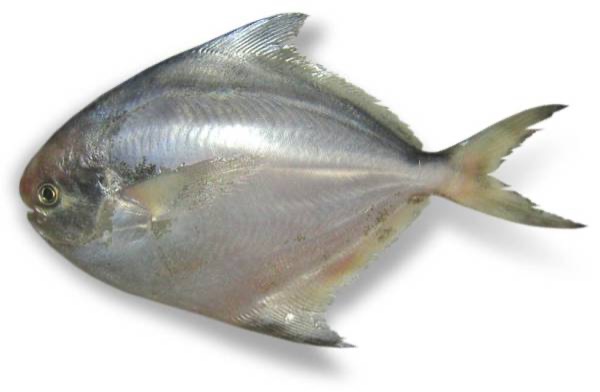
Pune: In a landmark move to preserve the rich marine biodiversity of Maharashtra’s coastal waters, Shri Sudhir Mungantiwar, the Honourable Minister of Forests, Cultural Affairs, and Fisheries, declared the Silver Pomfret (Pampus argenteus) as the official ‘State Fish’ of Maharashtra during the 1st National Conference on the Kisan Credit Card held in Mumbai on September 4, 2023. This announcement, made in the presence of central fisheries minister Parshottam Rupala, marks a significant step towards safeguarding this popular seafood choice, which has been facing threats from mechanized fishing practices.

Silver pomfret, renowned for its delectable taste and ease of preparation in coastal Maharashtrian cuisine, has long been a preferred seafood delicacy. However, in recent years, overfishing has led to a decline in its population, making it increasingly challenging for fishermen to catch fully grown specimens. In response to the concerns raised by local fishermen’s associations, Minister Mungantiwar emphasized that the designation of Silver Pomfret as the State Fish will aid in the conservation and revitalization of this cherished marine species.

“By declaring Silver Pomfret as the ‘State Fish’ of Maharashtra, we are taking a crucial step towards the preservation and sustainable management of this vital natural resource,” Minister Mungantiwar stated. This decision is expected to curtail premature fishing of the species and ultimately boost its numbers in Maharashtra’s coastal waters.

Fishermen’s associations have lauded this development, asserting that the decision comes at a pivotal moment to safeguard Silver Pomfret from the threat of overfishing, ensuring that future generations can continue to savor its unique taste. The soft, buttery flavor of Silver Pomfret, when prepared with care, has earned it a special place in the hearts and kitchens of the region.

With the addition of Silver Pomfret to the list of state symbols, including the mango as the state fruit, the giant squirrel as the state animal, Jarul as the state flower, and the yellow-footed green pigeon as the state bird, Maharashtra continues its commitment to the preservation of its natural heritage. This designation reaffirms the state’s dedication to protecting its diverse ecosystems and promoting sustainable practices for the benefit of its residents and future generations.
06/09/2023 0 comment
0 FacebookTwitterPinterestEmail
AquacultureAquatic Health and Disease ManagementFarming

A Detailed Walkthrough of Diseases and Treatments in Fish Farming

by Fishery News 06/09/2023
written by Fishery News

Aquaculture, the cultivation of aquatic organisms like fish, is a fascinating and economically significant industry that plays a pivotal role in meeting the world’s growing demand for seafood. However, just like any other form of agriculture, fish farming faces its fair share of challenges, and one of the most critical aspects is the health of the fish population. Fish are susceptible to a variety of diseases, infections, and parasites that can severely impact their growth and overall well-being. In this context, understanding different treatment methods, such as dip treatments and bath treatments, becomes paramount for fish farmers and aquaculture enthusiasts alike. In this guide, we will explore these treatment techniques, their applications, and the importance of precise execution in maintaining the health and vitality of your aquatic companions.

Bacterial Infections

  • Condition: Fin and Tail Erosion
  • Causative Agents: Aeromonas, Pseudomonas, and Vibrio
  • Indications: Appearance of a white border on fin margins; fragility and breakage of fin rays.
  • Remedies: Submerge the affected fish in a solution containing 500ppm copper sulfate for a brief 1-minute duration.


  • Condition: Ulcerative Lesions
  • Causative Agents: Aeromonas hydrophilla and Pseudomonas
  • Indications: Presence of open sores or ulcers on the body.
  • Remedies: Conduct a 1-minute immersion treatment using a 1:2000 copper sulfate solution for 3-4 days.


  • Condition: Dropsy
  • Causative Agent: Pseudomonas punctata
  • Indications: Accumulation of fluid within the body cavity; protruding scales; exophthalmic condition.
  • Remedies: Administer a 2-minute dip treatment in a 5ppm potassium permanganate solution.


  • Condition: Eye Ailment
  • Causative Agent: Aeromonas liquifaciens
  • Indications: Vascularization of the cornea followed by opacity and decay of the eyeball.
  • Remedies: Apply Chloromycetin (8-10 mg/liter) bath for 1 hour over 2-3 days.

Fungal Infections

  • Condition: Water Mold Infection (Saprolegniasis)
  • Causative Agent: Saprolegnia parasitica
  • Indications: Fish succumbs after skin ulceration or exfoliation, leading to hemorrhaging, blindness, and the emergence of white hair-like growths in affected areas.
  • Remedies: Submerge the fish for 3 seconds in a 1:10,000 malachite green solution or for 5-10 minutes in a 3% common salt solution or potassium permanganate solution.

Protozoan Diseases

  • Condition: Ichthyophthiriasis (White-Spot Disease)
  • Causative Agent: Ichthyophthirius multifilis
  • Indications: Small whitish cysts approximately 1mm in diameter on the skin, gills, and fins.
  • Remedies: Conduct a 5-day bath treatment in a 2ppm methylene blue solution, or use an hourly dip treatment in a 1:5,000 formalin solution for 7-10 days.


  • Condition: Boil Disease
  • Causative Agent: Myxobolus pfeifferi
  • Indications: Development of large boils ranging from the size of a nut to that of a hen’s egg on various parts of the body.
  • Remedies: Bathe the fish in a 3% common salt solution or a 1:2,500 formalin solution for 10 minutes.


  • Condition: Whirling Disease
  • Causative Agent: Myxobolus cerebralis
  • Indications: Caudal bending, deformities in the oral region, and darkening of the tail region.
  • Remedies: Eradicate all infected fish by applying quicklime (pond disinfectant) at a rate of 2 tons per hectare.


  • Condition: Costiasis
  • Causative Agent: Costia necatrix
  • Indications: Bluish coating on the skin, irregular patches of lesions.
  • Remedies: Perform a bath treatment in a 3% common salt solution or a 1:2,500 formalin solution for 10 minutes.

Trematode Infections

  • Condition: Gyrodactylosis
  • Causative Agent: Gyrodactylus sp.
  • Indications: Fading colors, drooping scales, and skin peeling.
  • Remedies: Conduct a dip treatment in a 5% common salt solution or a 1:5,000 formalin solution for 5 minutes.


  • Condition: Dactylogyrosis
  • Causative Agent: Dactylogyrus sp.
  • Indications: Fading colors, drooping scales, and skin peeling.
  • Remedies: Perform a dip treatment in a 5% common salt solution or a 1:5,000 formalin solution for 5 minutes.


  • Condition: Diplostomiasis (Black Spot Disease)
  • Causative Agent: Diplostomulum sp.
  • Indications: Small black nodules approximately 1-5mm in diameter in affected areas.
  • Remedies: Administer a dip treatment in a 3:1,00,000 picric acid solution for 1 hour or Di-n-butyl tin oxide at a rate of 250mg/kg fish.

Cestode Infections

  • Condition: Ligulosis
  • Causative Agent: Ligula sp.
  • Indications: Fish appears dull and sickly, with parts of the alimentary canal swollen or completely obstructed by cestode cysts or worms.
  • Remedies: Conduct a dip treatment in a 3:1,00,000 picric acid solution for 1 hour or Di-n-butyl tin oxide at a rate of 250mg/kg fish.

Nematode Infections

  • Causative Agents: Philometra sp., Camallanus sp.
  • Indications: Fish looks dull and sickly, with parts of the alimentary canal swollen or entirely obstructed by roundworms.
  • Remedies: Administer a dip treatment in a 3:1,00,000 picric acid solution for 1 hour or Di-n-butyl tin oxide at a rate of 250mg/kg fish.

Acanthocephala Infections

  • Causative Agent: Acanthogyrus sp.
  • Indications: Presence of yellowish-white fibro epithelioma on the lips, skin, and fins of the fish.
  • Remedies: Treatment with quicklime.

Hirudinea Infections

  • Causative Agent: Hemiclepsis sp.
  • Indications: Abnormal fish movements due to irritation as the parasites feed on the host’s blood.
  • Remedies: Conduct a dip treatment using a 1:100,000 solution of glacial acetic acid.

Copepod Infestations

  • Causative Agents: Argulus sp., Ergasilus sp., Lernea sp., Caligus sp., Pseudocycnus sp., Clavellisa sp.
  • Indications: Loss of scales, the presence of red spots, and damage to the gills.
  • Remedies: Treatment involving a half-hour immersion in a 500ppm formalin solution, mechanical removal using forceps followed by a bath in a weak potassium permanganate solution for 2-3 minutes, a bath in a 1:1,000 glacial acetic acid solution for 5 minutes, and subsequently, a bath in a 1% common salt solution for 1 hour. Pond disinfection can be achieved by applying lindane at a rate of 8ml per 1,000 liters.

Viral Infections

  • Disease: Lymphocystis
  • Causative Agent: Lymphocystis spp. (A DNA Iridovirus)
  • Indications: Lethargy and potential effects on balance and swimming control, especially along the lateral line.
  • Remedies: Promote frequent water changes and reduce ammonia and nitrite levels to alleviate stress, allowing the fish to combat the infection and shrink tumors naturally.


  • Disease: Infectious Pancreatic Necrosis (IPN)
  • Causative Agent: IPN virus
  • Indications: Darkening of color, tail-chasing, and spiral swimming behavior.
  • Remedies: Ensure a clean water supply and provide optimal nutrition.

Other Diseases

Gas Bubble Disease

Gas bubble disease may occur due to nitrogen saturation in water, often resulting from rapid temperature changes. Fish fry, in particular, can experience high mortality rates. Affected fish may exhibit an angled swimming posture with their heads pointing downward. Symptoms may also include the presence of bubbles beneath the skin, on fins, around the eyes, in the stomach and intestine, or in blood capillaries. Remedies include agitating the water to reduce nitrogen saturation or transferring affected fish to other ponds. Supersaturated levels of oxygen have also been linked to gas bubble disease in fish.

Vitamin Deficiencies

Symptoms of vitamin deficiencies in fish can include scoliosis (curved spine), reduced growth, and anorexia (lack or loss of appetite). Signs of these deficiencies may manifest as low fish weight and lethargy.

Varieties of Treatment:

Immersion Treatment:

In the immersion treatment, fish are exposed to a relatively concentrated chemical solution for a brief duration, typically less than one minute. Here’s the procedure:

  1. Prepare the chemical solution in a suitable container like a bucket, half-drum, or trough.
  2. Place the fish or a group of fish in a specialized dip net.
  3. Submerge the fish into the solution for the specified time frame
  4. Immediately after treatment, return the fish to well-oxygenated water.

Bathing Treatment:

During bath treatment, fish are immersed in a diluted solution of the chemical for an extended period, which can range from a few minutes to up to one hour for short baths or even 24 to 48 hours for longer baths, especially in cases of very low chemical concentrations. Follow these steps:

(a) Short Bath:

For a short bath, mix the required amount of chemical with water in a plastic watering can. Lower the water level in the tank or circular enclosure by one-third to one-half. Gradually reintroduce water while evenly distributing the previously mixed chemical over the entire water surface. If necessary, stir the water with a clean broom, an agitator, or an aerator to ensure thorough dispersion of the chemical throughout the water column. Once the water returns to its usual level, treat for the recommended duration. Afterward, drain two-thirds of the water while resuming water inflow.

(b) Long Bath:

In the case of a long bath, halt the water inflow into the tank or pond. Reduce the water volume by draining some water, ensuring it’s at an appropriate level for the stock density and water temperature conditions. Calculate the water volume and determine the necessary chemical quantity. Dilute this chemical amount considerably, often at least 100 times, by mixing it in several plastic containers before application. Add this diluted solution to the tank or pond, making an effort to evenly disperse it over the entire water surface and thoroughly incorporate it with the pond water. Treat for the recommended duration. Subsequently, reopen the water inflow and elevate the water level to its normal state. If required, repeat the draining and refilling process.

In conclusion, proper diagnosis and timely application of the appropriate treatments are crucial for maintaining the health and well-being of your fish. Whether it’s through dip treatments or bath treatments, the care you provide to address various infections and diseases can make a significant difference in the vitality of your aquatic companions. Always remember to follow recommended procedures and guidelines to ensure the best outcomes for your fish population.

06/09/2023 0 comment
0 FacebookTwitterPinterestEmail
CMFRI Joins Forces with SEAI
AquacultureNewsSustainability

CMFRI Joins Forces with SEAI to Enhance Sustainable Harvest of Key Kerala Fishery Resources

by Fishery News 05/09/2023
written by Fishery News

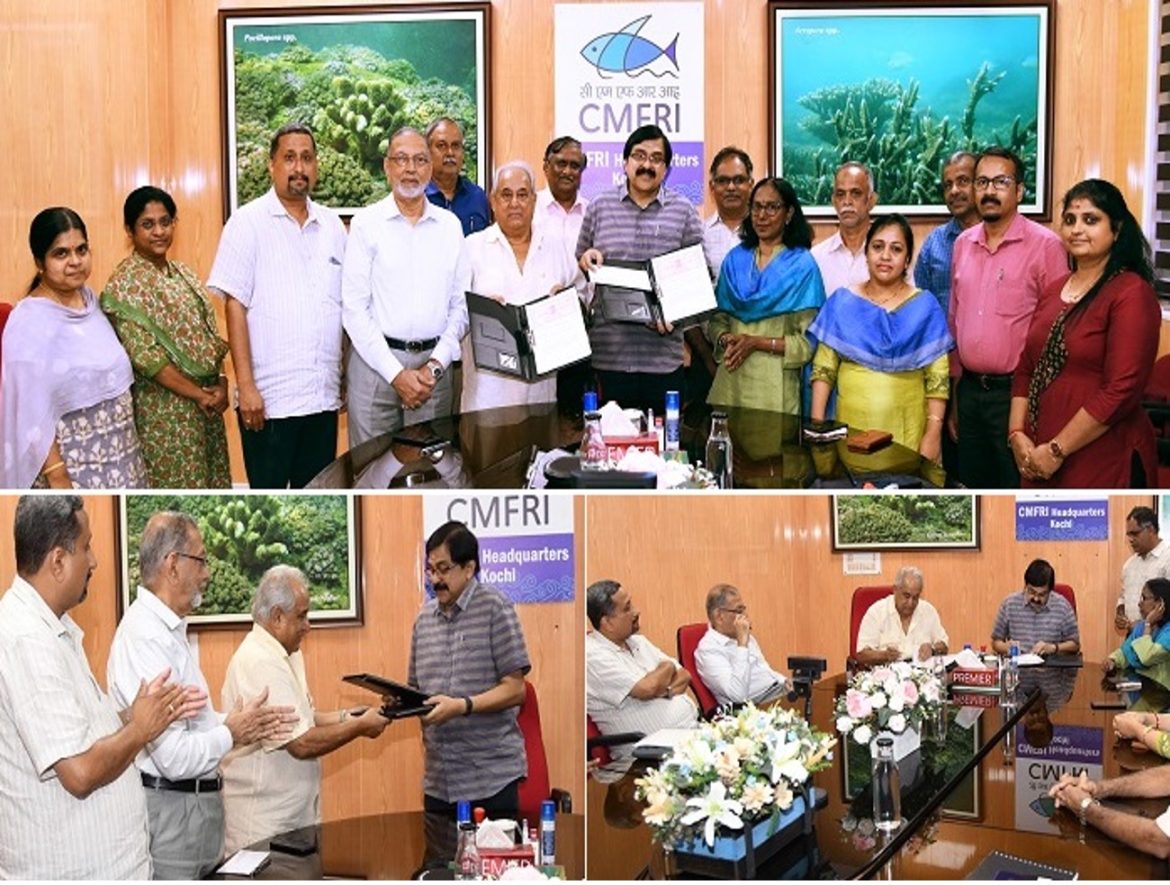
In a pivotal move towards bolstering sustainable fisheries practices in Kerala, the ICAR-Central Marine Fisheries Research Institute (CMFRI) has teamed up with the Seafood Exporters Association of India (SEAI). The collaborative effort seeks to provide technical expertise and support for the sustainable harvest of 11 selected shrimp and cephalopod trawl fishery resources.

The Initiative in Focus:

The CMFRI will spearhead a consultancy research project with a clear mandate: to assess the stock health and fishery performance of a diverse range of aquatic species. This includes popular catches such as the Kiddi (Karikadi) shrimp, Flower Tail (Poovalan) shrimp, Red Ring Deep-Sea shrimp, Nylon shrimp, Deep-Sea non-penaid shrimp, Squid, Cuttlefish, Octopus, Ribbon Fish, and two species of Threadfin Breams.

Sealing the Agreement:

The collaboration was formally cemented through the signing of a Memorandum of Understanding (MoU) on June 19, 2023. Dr. A Gopalakrishnan, Director of CMFRI, and A J Tharakan of SEAI put their signatures on this pivotal agreement, ushering in a new era of sustainable fisheries management in the region 

Project Objectives:

  • The consultancy research project is underpinned by a series of crucial objectives, including:
  • Stock Assessment: Evaluating the health and viability of the selected species’ populations to ensure sustainability.
  • Fishery Performance Analysis: Scrutinizing the performance of fisheries targeting these resources, including factors such as catch rates and fishing efforts.
  • Setting Management Targets: Establishing targeted levels for fisheries management to ensure sustainable exploitation of these vital marine resources.
  • Bycatch Reporting: Documenting and addressing the incidental capture of species like sawfish, guitarfish, and juvenile sharks in Kerala’s trawl fishery.
  • Indicative Management Actions: Providing recommendations for management actions aimed at maintaining sustainable fishing practices.

Global Perspective:

Dr. A Gopalakrishnan, Director of CMFRI, emphasized the global shift towards informed, healthy, and sustainable seafood consumption among consumers. It is in this context that ensuring seafood originates from sustainable fisheries becomes imperative. Enhanced management programs are poised to not only benefit the environment but also open doors for the marine fisheries sector to access seafood markets worldwide more effectively.

Tailored Approaches:

The research project will prioritize the application of models tailored to the unique life-history patterns of the selected species. This tailored approach acknowledges the distinct characteristics and behavior of each species, essential for effective fisheries management. Additionally, the project seeks to strengthen the existing database on bycatch, providing valuable insights into incidental catches and their impact on non-target species.

As this collaborative effort unfolds, it represents a significant stride towards promoting sustainable fisheries management in Kerala. By assessing stock health, fishery performance, and setting management targets, this initiative aims to ensure the long-term sustainability of 11 crucial marine resources. Moreover, it aligns with the global trend towards sustainable seafood consumption, contributing to environmental conservation and the prosperity of the fishing industry.

05/09/2023 0 comment
0 FacebookTwitterPinterestEmail
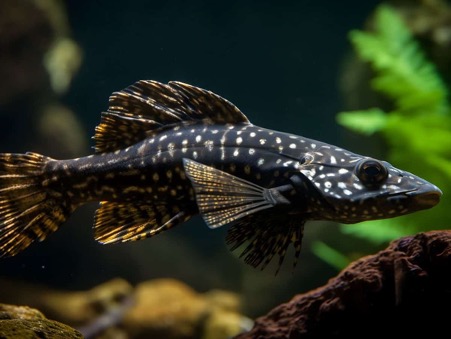
Pterygoplichthys Species
AquacultureNational

Resurgence of Invasive Pterygoplichthys Species in the Eastern Ghats: Genetic Study Reveals Alarming Presence

by Fishery News 04/09/2023
written by Fishery News

In a significant scientific revelation, a recent research endeavor led by the Hyderabad-based Laboratory for Conservation of Endangered Species (LaCONES) has unveiled the reemergence of the invasive sailfin catfish, scientifically known as Pterygoplichthys and colloquially referred to as the devilfish, in a striking 65% of the aquatic ecosystems within the Eastern Ghats region spanning Telangana and Andhra Pradesh.

This invasive species, first identified in the vicinity of the Krishna River in Vijayawada in 2016, has recently resurfaced, prompting considerable consternation among local fishing communities and igniting profound ecological concerns.

The Devilfish Phenomenon

Pterygoplichthys, with its origins traced to South America, holds no commercial value and is distinguished by its physical attributes, particularly its armored integument bristling with formidable spines. These spines confer upon it the ability to effortlessly dismantle fishing nets, rendering it an adversary to local fisheries. It is imperative to note that interactions with these fish species have led to injurious incidents among fishermen.

Remarkably, the devilfish exhibits resilience in hypoxic environments characterized by low oxygen levels and possesses the remarkable capability to ambulate on land through the utilization of robust fins.

LaCONES Research Findings

LaCONES, an integral component of the Center for Cellular and Molecular Biology (CCMB), undertook an exhaustive scientific inquiry that harnessed non-invasive genetic methodologies involving DNA analysis to ascertain the devilfish’s presence in the Eastern Ghats. The research outcomes divulge not only sightings in diverse aquatic locales but also infiltrations into the Godavari and Krishna rivers.

Of paramount concern is the predatory proclivity of the devilfish, which poses a substantive ecological threat to indigenous piscine species. The combined aquatic ecosystems of Telangana and Andhra Pradesh harbor a diverse ensemble of 152 distinct freshwater species, amplifying the urgency of requisite measures to regulate the devilfish population as an imperative facet of conservation.

The Predicament of Invasive Species

The study outcomes, disseminated via the online research repository bioRXIV on August 27, accentuate the broader quandary of invasive species within the Indian context. Notably, among the 14 species cataloged as invasive by the National Biodiversity Authority (NBA) of India, six were introduced primarily for ornamental fish trade. Intriguingly, four of these invasive species belong to the Pterygoplichthys genus, rendering it one of the most pervasive and consequential genera within the realm of invasive fish species.

Researchers ardently advocate the adoption of DNA-based methodologies as a potent and robust alternative to conventional modalities of detection, including visual surveys and netting. This non-invasive approach bestows a distinctive advantage by facilitating the identification of invasive species, even within locales where direct observation poses logistical challenges. It augments precision in estimating the spatial distribution of such species, thereby expediting early detection and facilitating ameliorative endeavors.

The resurgence of the devilfish within the precincts of the Eastern Ghats underscores the exigency for preemptive conservation endeavors and accentuates the profound significance of comprehending and mitigating the repercussions of invasive species on the intricate tapestry of fragile ecosystems.

04/09/2023 0 comment
0 FacebookTwitterPinterestEmail
Shrimp Farming scaled
Aquaculture

India Achieves Pinnacle in Shrimp Farming: Decoding P. Indicus Genome Sparks Self-Sufficiency

by Fishery News 04/09/2023
written by Fishery News

In an extraordinary scientific triumph, aquaculture savants in India have triumphantly unraveled the intricate genome of an indigenous white shrimp variant known as P. indicus. This monumental feat promises to usher in a paradigm shift within India’s shrimp farming domain, mitigating dependence on imported species and galvanizing the nation’s seafood exports.

India’s prodigious seafood exports currently command a staggering Rs 42,000 crore. Nonetheless, the aquaculture sector has long been tethered to the imported Pacific white shrimp, Vannamei, which has undergone selective genetic augmentation over the years. Vannamei looms large on the global shrimp export stage, contributing prodigiously to India’s seafood export tally, accounting for nearly 70% of the total.

In a bid to herald diversity and champion indigenous shrimp ecotypes, the Indian Council of Agricultural Research-Central Institute for Brackishwater Aquaculture (ICAR-CIBA) has embarked on a resolute endeavor under the aegis of the Make in India flagship initiative. The focal point of this audacious undertaking is the Indian white shrimp, P. indicus. As a pivotal component of the Pradhan Mantri Matsya Sampada Yojana, the inaugural phase of this pioneering project has been endowed with a commendable allocation of Rs 25.04 crore, with a grand aggregate of Rs 100 crore earmarked for this audacious expedition.

Shrimp Farming 2

Kuldeep Kumar Lal, the erudite Director of CIBA, Chennai, underscored the profound significance of emancipating the shrimp industry from unilateral dependence while ardently championing indigenous shrimp strains for the greater good of India’s shrimp sector and its indefatigable farmers. With unwavering resolve, the Indian Council of Agricultural Research-Central Institute for Brackishwater Aquaculture (ICAR-CIBA) has enshrined the Indian white shrimp, P. indicus, as a preeminent national priority species under the aegis of the Make in India flagship program. This resounding declaration underscores an unswerving commitment to elevating indigenous species over their exotic counterparts, thereby fortifying India’s shrimp industry and ameliorating the plight of shrimp farmers.

The momentous feat of elucidating the P. indicus genome stands as an unparalleled achievement, distinguished by its status as the pioneering endeavor of its kind for this particular species. Akshaya Panigrahi, the venerable principal scientist at ICAR-CIBA, elucidated the profound import of this milestone in the context of native shrimp genetic selection. Even before domestication, P. indicus had exhibited prodigious potential, manifesting a production capacity spanning 3 to 7 tons per hectare per crop at a judicious stocking density. Through the agency of a rigorous genetic enhancement program, the erudite coterie of scientists anticipates an incremental genetic yield of 4-7% per generation, a transformative prospect that envisages a twofold surge in productivity, a remarkable augmentation in feed conversion efficiency, and an unprecedented upswing in the profitability quotient for farmers.

Dr. Panigrahi further accentuated the salience of this nascent shrimp species, extolling its potential to position India as a pioneering proponent of selectively bred Indian white shrimp for a global audience. Savants in the scientific fraternity firmly believe that the potential of this genetically enhanced shrimp strain will attain zenith status with the seamless assimilation of modern smart farming paradigms. Conspicuously, the establishment of a nuclear breeding center stands as tangible evidence of progress, supported by a comprehensive scientific framework for genetic selection. Furthermore, the labyrinthine genetic attributes of shrimps hailing from a kaleidoscope of global regions have been meticulously charted and documented.

The exigency for self-reliance in the realm of shrimp farming assumed an unassailable stature during the crucible of the COVID-19 pandemic, when piscatorial custodians grappled with logistical tribulations in procuring mother shrimp for the rigors of farming. The triumphant decoding of the P. indicus genome furnishes an auspicious panacea to confront and surmount such adversities, catalyzing the advent of a more sustainable and lucratively remunerative chapter for India’s resplendent shrimp industry.

04/09/2023 0 comment
0 FacebookTwitterPinterestEmail
Redtail Garra
Aquaculture

New Fish Species “Redtail Garra” Discovered in Remote Thai-Myanmar Border Region

by Fishery News 04/09/2023
written by Fishery News

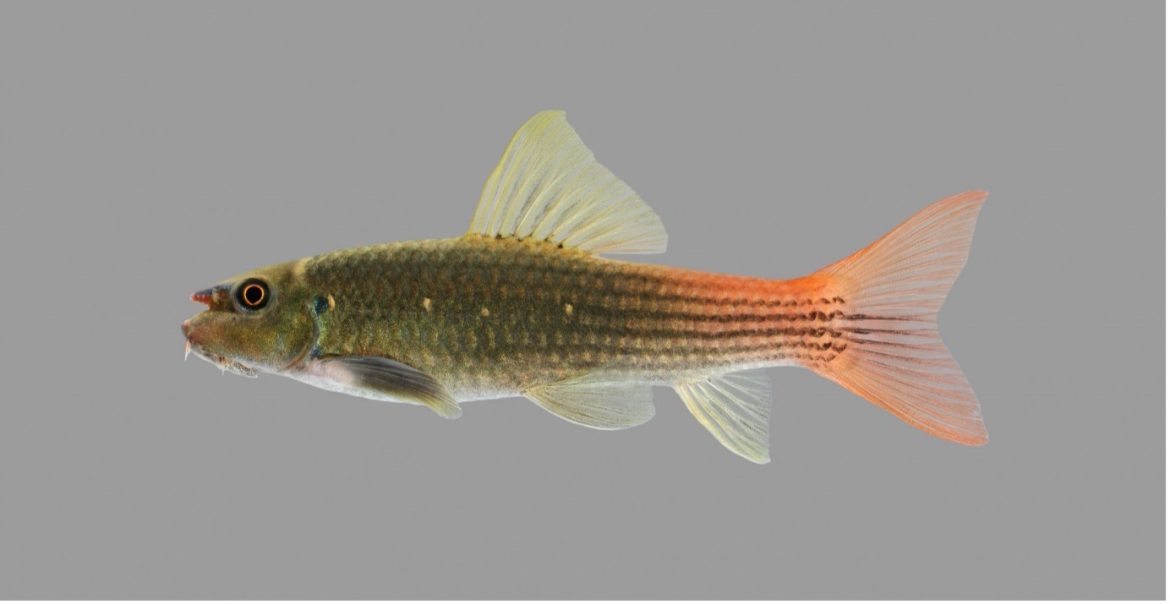
In a surprising discovery, researchers have identified a previously unknown fish species, the “Redtail Garra,” found along the remote border between Thailand and Myanmar. This fish, which has gained popularity in the aquarium trade since the early 2000s, was officially described as a new species by Larry Page, the curator of ichthyology at the Florida Museum of Natural History, and his colleagues in a recent publication in the journal Zootaxa.

Rediscovering a Hidden Gem

While Redtail Garras have been sought-after by aquarium enthusiasts, their existence was not officially recognized by science until now. The elusive fish had been peripherally known to researchers, but scientific classification and description require specimens collected from their natural habitat. The redtail garra’s habitat, located in a remote stretch of river straddling the Thailand-Myanmar border, is challenging to access, leading to its obscurity in the scientific community.

Larry Page, who has been conducting fish surveys in Thailand since 2007, stumbled upon a population of Redtail Garras while conducting fieldwork along the Kasat River, a tributary of the Ataran River in Myanmar. This discovery led to the official recognition of the new species.

A Unique Addition to the Garra Genus

The newly described Redtail Garra joins a diverse group of fish species belonging to the Garra genus, which spans various regions, including western Africa, the Middle East, India, and parts of Asia. Despite their widespread distribution, there has been a surprising lack of research on this fish group, with limited information available about their natural history and relationships within the genus.

Redtail Garras, like their counterparts in the Garra genus, primarily feed on algae and occasional arthropods. They possess a distinctive feature—a disclike structure formed from a modification of their lower lip—which acts as an adhesive pad to cling to rocks in fast-moving water. Intriguingly, they lack stomachs and have a snout covered in hardened scales called tubercles, which are used as permanent weapons.

What sets the Redtail Garra apart is its elongated snout adorned with even more tubercles, which it can raise or lower as a means of intimidation during confrontations. Additionally, their striking red tails have made them a highly sought-after addition to aquariums worldwide 

A Wider Perspective on Biodiversity

The belated description of the Redtail Garra underscores a recurring pattern in Southeast Asia, where species have been mistaken for those from other regions due to their similar appearances. Larry Page and his colleagues named the new species “Garra panitvongi” in honor of Nonn Panitvong, a prominent figure in Thailand’s biodiversity conservation efforts. Panitvong, an entrepreneur and naturalist, has played a vital role in promoting environmental awareness and sharing knowledge about Thailand’s flora and fauna.

Panitvong’s dedication to nature conservation led to the official naming of the Redtail Garra, shedding light on the rich biodiversity of Thailand’s aquatic ecosystems. As the world gains a clearer understanding of such hidden treasures, efforts to protect and preserve these unique species become even more critical.

04/09/2023 0 comment
0 FacebookTwitterPinterestEmail
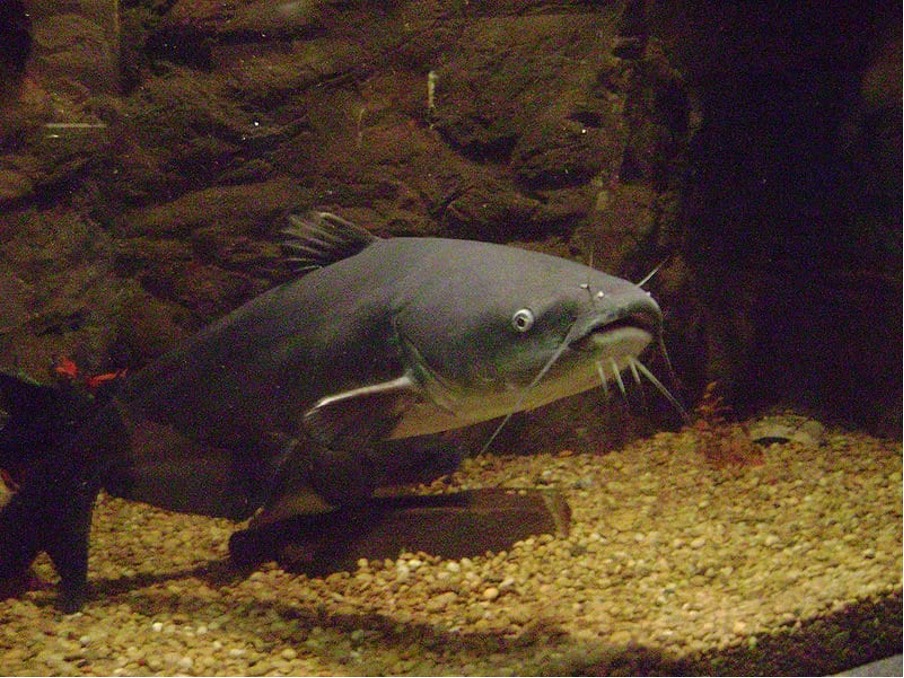
Innovative Solution Alligator DNA Injected into Catfish to Boost Disease Resistance
NewsAquacultureInternationalResearch and Innovation

Innovative Solution: Alligator DNA Injected into Catfish to Boost Disease Resistance

by Fishery News 03/09/2023
written by Fishery News

In the United States, where catfish is a popular choice for consumption, fish farms produced approximately 307 million pounds of catfish for human consumption in 2021. However, infections and diseases pose a significant challenge to aquaculture, leading to the loss of millions of farmed fish annually.

Researchers have now introduced a novel solution to this problem: injecting alligator DNA into farm-raised catfish to enhance their disease resistance.

While this innovation may sound like the premise of a Southern gothic horror thriller, the scientists leading the project assure the public that there is no cause for alarm.

In initial trials, the introduction of alligator genes appeared to increase the catfish’s resistance to infection. In the future, this approach could potentially reduce the environmental impact of fish farming, decrease waste, and make the process more resource-efficient. Importantly, experts suggest that diners are unlikely to notice any difference when consuming genetically modified catfish.

“I would eat it in a heartbeat,” says Rex Dunham, an aquaculture scientist at Auburn University, who contributed to the project.

Although their work has yet to undergo peer review, the scientists have published a paper detailing their findings on the preprint server bioRxiv.

Alligators possess a gene responsible for producing an antimicrobial protein known as cathelicidin. This protein helps prevent infections in wounds sustained by alligators during combat.

The researchers hypothesized that this same gene could enhance catfish’s ability to resist diseases. To test their theory, they used the CRISPR gene-editing tool to insert the alligator gene containing the blueprint for cathelicidin into the genomes of catfish.

To prevent the genetically modified catfish from reproducing, which could have ecological consequences if released into the wild, the researchers strategically injected the alligator gene into the part of the catfish genome regulating a hormone necessary for spawning.

In experiments assessing disease resistance, the genetically modified catfish demonstrated survival rates two to five times higher than their unedited counterparts when exposed to two types of bacteria known to cause infections.

However, gene editing is a complex and challenging process, and repeating it for each new generation of fish may be necessary. Furthermore, gaining approval from the U.S. Food and Drug Administration for the consumption of genetically modified catfish will require a lengthy and rigorous process. Convincing consumers to embrace transgenic fish may also prove to be a challenge.

Despite these obstacles, experts see promise in this concept. While it remains uncertain whether genetically modified catfish will find their way to dinner plates, this research represents a “breakthrough in aquaculture genetics,” according to the scientists. Last year, Auburn researchers also mapped the genome of the blue catfish for the first time.

Beyond catfish, gene-editing technologies have been applied to improve various areas, including agriculture, disease treatment, and cancer research, though they remain the subject of ethical and regulatory discussions.

03/09/2023 0 comment
0 FacebookTwitterPinterestEmail
Newer Posts
Older Posts
  • Recent
  • Popular
  • ICAR-CIFT Patents Rapid DNA Biosensor for Black Tiger Shrimp Authentication

    07/08/2026
  • Minister Holds Review Meeting with Fisheries Cooperative Leaders

    07/08/2026
  • Dry Fish Demand Surges Following Formalin Ban

    07/08/2026
  • Rohu Breeding: A Complete Step-by-Step Guide to Successful Seed Production

    07/08/2026
  • 1

    ICAR Scientists Crack the Breeding Code of Rare Himalayan Fish Channa andrao, Opening New Opportunities for Ornamental Fish Farming

    28/07/2026
  • 2

    Trout Fish Stocking Initiative Enhances Fisheries and Tourism Potential in Shopian, Jammu and Kashmir

    17/12/2023
  • 3

    BIGGEST FISH MARKETS IN INDIA

    07/09/2024
  • 4

    Introducing Future Aquaculture Magazine: A New Voice Shaping the Future of Seafood

    13/02/2026

About Fishery News

FN Logo

Fishery.News is India’s leading digital media platform dedicated to fisheries, aquaculture, seafood, and marine industries. We deliver trusted news, expert insights, market intelligence, technology updates, research, government policies, and success stories that help fish farmers, shrimp farmers, seafood businesses, researchers, and industry professionals stay informed and grow sustainably

Categories

  • News
  • Aquaculture
  • Aquatic Health and Disease Management
  • Research and Innovation
  • Technology & Equipments

Social Networks

Facebook Twitter Instagram Linkedin Youtube
  • Facebook
  • Twitter
  • Instagram
  • Linkedin
  • Youtube

© 2026 Fishery.News – A BLIV Media Venture. All Rights Reserved.


Back To Top
Fishery News
  • E – Magazine
    • Aquaculture
    • Aqua Health & Disease Management
    • News
      • National
      • International
    • Farming
    • Research and Innovation
    • Sustainability
    • Technology & Equipments
    • This is Africa
    • Trade
  • Publications
  • Events
    • Expos
    • Trainings
    • Events by Month
  • Business Listings
    • List Your Business
    • Business Listings
    • Buy & Sell
    • Get Consultation
  • Employment
  • About Us
    • Founder
  • Contact