
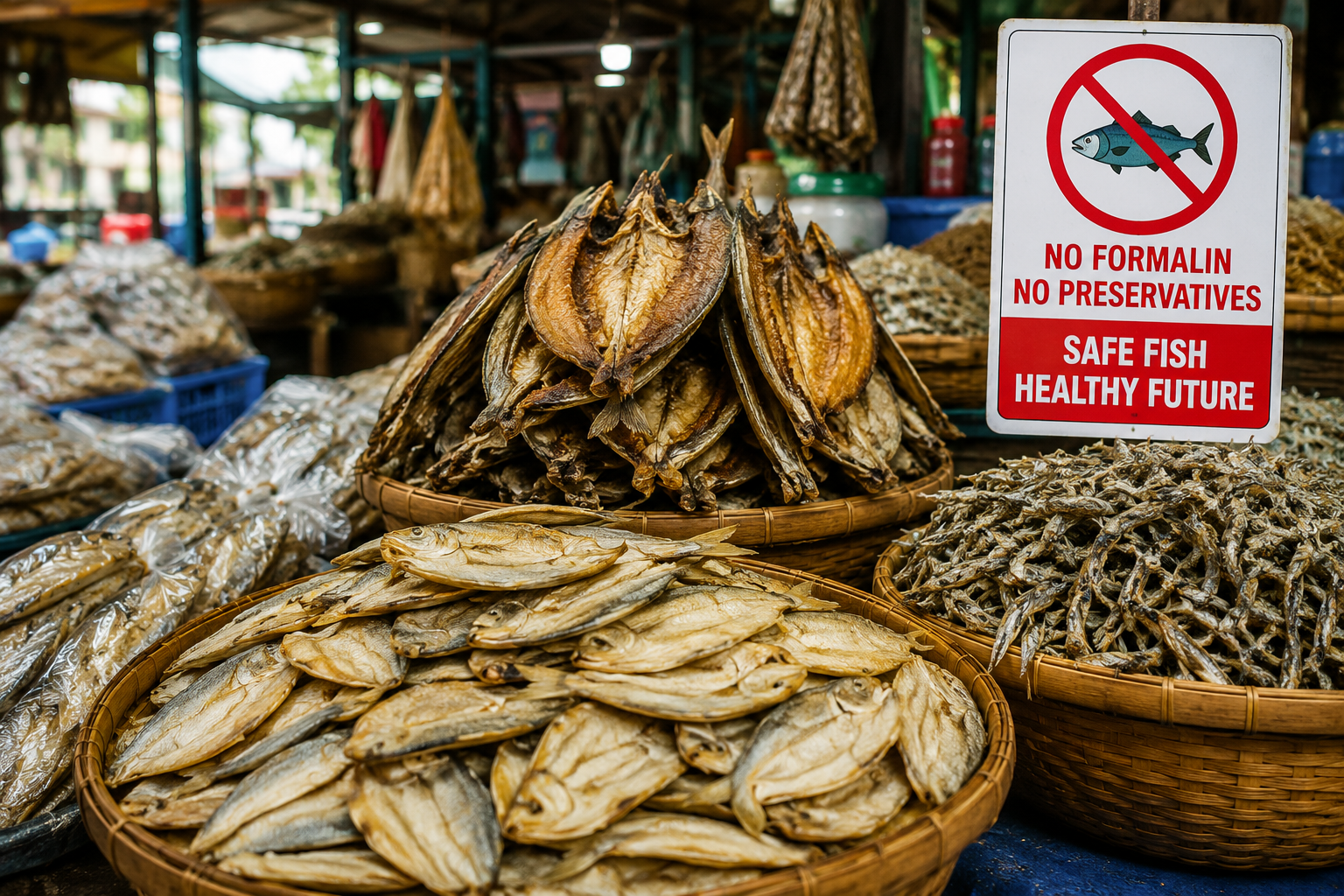
The demand for dry fish increased significantly in Nagaland after the state government prohibited the storage, distribution, and sale of fresh fish treated with formalin and other chemical preservatives. The decision, introduced as a food safety measure, resulted in a temporary shortage of fresh fish in local markets, prompting consumers to shift towards dried fish as an alternative.
The prohibition came into effect after the state’s Food Safety Commissioner issued an order banning fresh fish products treated with formalin or similar preservatives for an initial period of three months, or until corrective measures were implemented.
As fresh fish supplies declined, dry fish quickly became the preferred option for many consumers, leading to concerns over rising demand and possible price increases.
Why Was Formalin Banned?
Formalin, a solution containing formaldehyde, is sometimes illegally used to preserve fresh fish during transportation and storage by delaying spoilage. However, the use of formalin as a preservative in fresh fish is prohibited because of its potential health risks.
Following reports of chemically treated fish entering markets, the Nagaland government imposed the ban to protect public health and ensure that only safe seafood products reached consumers.
The move reflected growing concerns across several Indian states over food safety and the misuse of chemical preservatives in perishable food products.
Demand Shifted Towards Dry Fish
With fresh fish becoming scarce after the ban, consumers increasingly turned to dry fish, which has traditionally been an important part of the diet in many northeastern states.
The sudden increase in demand raised concerns among traders that prices could rise if supplies became limited. Reports at the time suggested that some traders might attempt to create an artificial shortage by hoarding dry fish stocks.
To prevent unnecessary price escalation, the Dimapur Chamber of Commerce and Industry (DCCI) held discussions with dry fish wholesalers and urged them to maintain stable prices despite the increased demand. The organisation also appealed to traders to ensure adequate availability of dry fish while fresh fish supplies remained affected.
Importance of Dry Fish in Northeast India
Dry fish is an integral part of traditional cuisine across Nagaland and several other northeastern states. Unlike fresh fish, dried fish has a longer shelf life and can be stored without refrigeration, making it an important source of protein in regions where fresh seafood availability may fluctuate.
The availability of dry fish also helps maintain market supply during periods of transportation disruptions, seasonal shortages, or food safety restrictions.
Looking Ahead
The temporary increase in demand for dry fish following the formalin ban highlighted the close relationship between food safety regulations and seafood markets. It also demonstrated how consumer purchasing patterns can change rapidly when confidence in fresh seafood is affected.
The incident underscored the importance of strengthening food safety monitoring, improving seafood handling practices, and ensuring transparent supply chains so that consumers have access to safe, high-quality fish products while maintaining market stability.
