• E – Magazine
    • Aquaculture
    • Aqua Health & Disease Management
    • News
      • National
      • International
    • Farming
    • Research and Innovation
    • Sustainability
    • Technology & Equipments
    • This is Africa
    • Trade
  • Publications
  • Events
    • Expos
    • Trainings
    • Events by Month
  • Business Listings
    • List Your Business
    • Business Listings
    • Buy & Sell
    • Get Consultation
  • Employment
  • About Us
    • Founder
  • Contact
Fishery News
Home » Aquatic Health and Disease Management » Page 3
Category:

Aquatic Health and Disease Management

Outbreak of Tilapia Parvovirus TiPV Hits Indian Tilapia Farms Raises Concerns
Aquatic Health and Disease Management

Outbreak of Tilapia Parvovirus (TiPV) Hits Indian Tilapia Farms, Raises Concerns

by Fishery News 16/10/2023
written by Fishery News

The occurrence of Tilapia Parvovirus (TiPV) has been reported for the first time in India, affecting farm-bred tilapia, a popular freshwater fish species. The outbreak, causing significant mortality rates, was identified in ponds located in Walajah in Ranipet district.

Dr. Sahul Hameed, Director of the Aquatic Animal Health Laboratory (AAHL) at C. Abdul Hakeem College (CAHC) in Melvisharam, revealed that fish samples collected from ten ponds in the affected farm showed TiPV-positive results by PCR. The DNA virus led to mortality ranging from 30 to 50% in the farm and 100% mortality in laboratory settings.

Mozambique tilapia, colloquially known as “Jilabi” in Tamil, was introduced to Indian freshwater bodies in the 1950s and is considered a “poor-man’s fish.” Known for its ability to survive in low-oxygen water conditions, this fish has become invasive across the country. Nile tilapia, introduced in the 1970s, is larger and extensively cultured, available in the market for ₹100 to ₹150 per kg.

Dr. Sahul Hameed highlighted that among tilapia species, the Indian government had authorized the import of Oreochromis niloticus and red hybrids in 1970 due to their fast growth and market demand.

Tilapia farming is carried out in various parts of Andhra Pradesh and Kerala, with the fish sold in domestic markets as whole fish. In 2022, tilapia production in India was estimated at about 70,000 tonnes, with 30,000 tonnes coming from aquaculture.

The AAHL at C. Abdul Hakeem College has been regularly screening tilapia for viral pathogens under an R&D program funded by the Department of Biotechnology, Government of India, aiming to develop vaccines against such pathogens.

Dr. Sahul Hameed, leading the research team, stated that during screening in February and March 2023, the team reported the occurrence of Tilapia Parvovirus. TiPV was first reported in China in 2019 and Thailand in 2021, making India the third country to report its occurrence.

The research findings have been validated by ICAR-National Bureau of Fish Genetic Resources, Lucknow, ICAR-Central Institute of Freshwater Aquaculture, Bhubaneswar, and Kerala University of Fisheries and Ocean Studies, Cochin. The findings are now under consideration for publication in the Archives of Virology (Springer Nature Switzerland AG).

Dr. Sahul Hameed emphasized the need for research to develop a vaccine against TiPV to assist fish farmers in preventing losses. Urgent actions are also recommended to prevent the spread of TiPV to other regions of India.

Source: The Hindu

16/10/2023 0 comment
0 FacebookTwitterPinterestEmail
Novel Brazilian Bioparticle Offers Dual Solution for Fish Health and Environmental Impact
Aquatic Health and Disease Management

Novel Brazilian Bioparticle Offers Dual Solution for Fish Health and Environmental Impact

by Fishery News 12/10/2023
written by Fishery News

Researchers at the Federal University of São Paulo (UNIFESP) in Brazil have developed a groundbreaking biomaterial with the potential to address two critical issues in fish health and aquaculture sustainability. This bioparticle, featured in the journal Biomaterials Advances, serves as an efficient drug carrier for delivering medication directly to the gastrointestinal tract of fish, overcoming antibiotic resistance. Moreover, administered orally in powder form, it proves highly palatable to fish, maximizing treatment effectiveness while minimizing waste and pollution associated with traditional medication methods.

The key ingredient in this innovative bioparticle is a combination of chitosan and alginate, naturally derived polysaccharides from crustacean shells and seaweed, respectively. The formulation also includes arginine, an amino acid commonly found in protein-rich foods, and an antimicrobial peptide sourced from a Brazilian arachnid.

Co-author Patrick D. Mathews emphasizes the potential of this bioparticle to enhance drug efficacy in the face of bacterial resistance. Unlike conventional methods that mix medication into fish feed, the bioparticle can be administered directly in water, ensuring precise consumption by the fish and reducing environmental pollution. The research primarily focused on Schwartz’s catfish, an ornamental species native to the Amazon, with promising results in terms of the bioparticle’s penetration into the intestine without causing cytotoxic effects.

The researchers had previously demonstrated the bioparticle’s efficacy against parasites infecting ornamental fish. By delivering the anthelmintic drug praziquantel, the bioparticle successfully targeted parasites, offering potential applications in treating other fish species. An applied patent reflects the promising nature of these formulations.

With plans to extend the research to commercially farmed fish, such as Nile tilapia and Tambaqui, the team aims to address the substantial economic losses in Brazil’s freshwater fish farming industry due to diseases, estimated at USD 84 million annually. The non-toxic nature of the bioparticle to fish and its positive implications for human consumption highlight its potential for widespread application in aquaculture.

12/10/2023 0 comment
0 FacebookTwitterPinterestEmail
Ancient Cancer Discovery in Shellfish Sparks Paradigm Shift in Understanding and Treating the Disease
Research and InnovationAquatic Health and Disease ManagementInternationalNews

Ancient Cancer Discovery in Shellfish Sparks Paradigm Shift in Understanding and Treating the Disease

by Fishery News 11/10/2023
written by Fishery News

Scientists have uncovered evidence that cancers have been spreading for centuries among shellfish, particularly cockles. This discovery, published in the peer-reviewed journal Nature, has the potential to reshape the way cancer is perceived and treated.

Researchers from the UK’s Wellcome Sanger Institute and the Universidade de Santiago de Compostela in Spain, in collaboration with experts from various countries, utilized DNA sequencing to examine the historical transmission of certain cancers among cockles. Cockles, belonging to one of the oldest groups of animals on Earth, have been found to host contagious cancers known as bivalve transmissible neoplasia (BTN).

Similar to how cancers spread in Tasmanian devils and dogs, BTN is transmitted among cockles through seawater, carrying living cancer cells that multiply and replicate within the host, akin to leukemia, before spreading to infect others.

The international research team collected around 7,000 cockles from 36 locations across 11 countries, including Spain, Portugal, the UK, Ireland, and Morocco. Their findings unveiled the existence of two independent transmissible cancers, hinting at the possibility of more diverse types yet to be discovered.

Dr. Alicia Bruzos, co-first author of the study, remarked, “Having a wider view of the different types of transmissible cancers can give us more insight into the conditions necessary for tumours to evolve and survive long-term.”

Remarkably, these cockle tumours displayed high genetic instability, containing varying numbers of chromosomes—an unusual characteristic for cancers. Dr. Daniel Garcia-Souto, co-first author, noted that the cells in these tumours underwent extreme chromosomal changes and continuous genetic reorganization over hundreds or thousands of years, challenging the notion that cancers require stable genomes to survive long-term.

This unique feature suggests that these transmissible cancers in cockles differ from other known animal cancers, as they do not necessitate a stable genome for survival. Understanding how these cancerous cells tolerate genetic instability could provide valuable insights for developing innovative approaches to treating human cancers.

In an unexpected twist, the researchers identified instances where cockles were co-infected by cells from both types of cancers simultaneously, further deepening the complexity of these transmissible cancers.

Dr. Adrian Baez-Ortega, joint senior author, emphasized that unraveling the origins and evolution of cockle transmissible cancers and understanding their interaction with marine environments could aid in protecting animal populations. Simultaneously, this research offers valuable insights into the survival mechanisms of cancers as marine parasites for thousands of years.

Source: New York Post

11/10/2023 0 comment
0 FacebookTwitterPinterestEmail
Alarming Discovery of Antibiotic Resistant Genes in Aquaculture Farms Raises Health Concerns
AquacultureAquatic Health and Disease ManagementNewsResearch and Innovation

Alarming Discovery of Antibiotic Resistant Genes in Aquaculture Farms Raises Health Concerns

by Fishery News 07/10/2023
written by Fishery News

Researchers at the Cochin University of Science and Technology (Cusat) have uncovered compelling evidence of antibiotic resistant genes (ARGs) and bacterial pathogens in fish farms that claim to be antibiotic-free. The investigation, based on samples from an aquaculture farm in Kochi, highlights a concerning trend that necessitates immediate action to prevent the transmission of ARGs from aquafarms to humans and the environment.

As part of an ongoing study by the School of Industrial Fisheries at Cusat, researchers are examining farms across Kerala. The pilot study focused on testing water samples for antibiotic residue in soil, water, and bacteria, under the project titled ‘Mapping Antimicrobial Use and Antimicrobial Resistance in Aquaculture Farming in Kerala.’ Reshma Silvester, who received the Nava Kerala fellowship for the project, emphasized the importance of scrutinizing aquaculture environments as potential hotspots for clinically relevant ARGs.

The findings revealed the presence of human pathogens such as Pseudomonas aeruginosa, Escherichia coli, Salmonella enterica, and Klebsiella pneumoniae in the study area. Resistome analysis demonstrated a high contamination of the farm environment with antibiotic resistant genes, conferring resistance to multiple antibiotic classes, including aminoglycoside, amphenicol, beta-lactam, fluoroquinolone, glycopeptide, macrolide, tetracycline, polymyxin, sulfonamide, among others.

Reshma Silvester expressed concerns about medical waste, including that from hospitals and homes, contaminating water bodies and entering aquafarms. Unlike farms focused on exports adhering to stringent international regulations, open water body farms face greater risks. Professor Mohammed Hatha from the Department of Marine Biology at Cusat emphasized the urgent need for awareness among farmers, highlighting the serious health threat posed by antibiotic resistance. He stressed the necessity for stricter monitoring and surveillance to address this growing concern.”

07/10/2023 0 comment
0 FacebookTwitterPinterestEmail
Environmental Crisis Unfolds in Brazilian Amazon as Drought and High Temperatures Claim Lives of Over 100 Dolphins and Thousands of Fish
NewsAquacultureAquatic Health and Disease ManagementInternational

Environmental Crisis Unfolds in Brazilian Amazon

by Fishery News 04/10/2023
written by Fishery News

The Brazilian Amazon is facing an unprecedented environmental crisis as more than 100 dolphins and thousands of fish are discovered dead due to severe drought and record-breaking high temperatures gripping the region. Experts attribute the dire situation to water temperatures reaching a historic 39°C (102°F) in some parts of the Amazon, making it increasingly challenging for wildlife to endure.

The Mamiraua Institute, a Brazilian government-funded research facility, reported the distressing findings of dead dolphins in Lake Tefe, located in the northern part of the country. While it is still early to pinpoint the exact cause of this extreme event, experts believe it is linked to the ongoing drought period and the soaring temperatures in Lake Tefe.

Concerns mount as scientists fear the possibility of additional dolphin and wildlife casualties, with the severe drought conditions expected to persist over the next couple of weeks. Dead fish are accumulating in rivers flowing through the Amazon rainforest, impacting water quality and contaminating supplies for over 110,000 people.

The drought has led to a significant drop in water levels, making it harder for both wildlife and communities to access essential resources. Reports from the Brazilian city Manacapuru describe fish attempting to escape the increasingly shallow, scorching waters.

Scientists point to the El Niño weather phenomenon as a contributing factor, intensifying the pressure on the region. This phenomenon, originating in the Pacific Ocean, adds to the warming of the world by generating increased heat. The northern Amazon is experiencing below-average rainfall, exacerbating the challenges faced by the ecosystem.

The Amazon Working Group, representing 503 organizations, highlights a daily drop of 20cm (8 inches) in water levels along one tributary of the Amazon River. Ane Alencar, science director at the Institute for Amazonian Environmental Research, underscores the impact of climate change on the region, suggesting that the current situation may foreshadow the new normal faced by the Amazon in the future.

Source: SKYNEWS

04/10/2023 0 comment
0 FacebookTwitterPinterestEmail
Revolutionary Technology Transforms Fish Farming Waste into Valuable Seaweed The SeaFree Project
AquacultureAquatic Health and Disease ManagementFarmingNationalNews

Revolutionary Technology Transforms Fish Farming Waste into Valuable Seaweed: The SeaFree Project

by Fishery News 01/10/2023
written by Fishery News

A consortium led by the University of Copenhagen, in collaboration with Aarhus University and several industry partners, embarks on a pioneering four-year project named SeaFree. This initiative is designed to advance a closed, eco-friendly cycle on land, leveraging residual nutrients and CO2 from shrimp and fish farming to cultivate seaweed for applications in the food and healthcare sectors.

Professor Marianne Thomsen from the University of Copenhagen’s Department of Food Science emphasized the project’s core objective in a recent press release. SeaFree aims to harness seaweed production as a means to absorb and convert emissions from land-based aquaculture into a valuable product. The harvested seaweed will be utilized for dietary supplements, with potential applications in preventing diabetes and innovating sustainable food products. Beyond mitigating emissions, the seaweed produced is not only environmentally friendly but also rich in umami flavor.

The project kicks off with a container setup utilizing Plug’n’Play technology, featuring eight 1,000-liter tanks within a 40ft container. This innovative system, combining saltwater, CO2, nutrients, and LED lights, can generate a full batch of seaweed in just one week, showcasing promising export potential. Thomsen highlighted that SeaFree integrates cutting-edge recycling technology for land-based shrimp and fish farming. Beyond emission capture, the system recirculates surplus heat from the plants to the Plug’n’Play technology. Additionally, the project introduces a novel technology to use surplus heat for drying seaweed, which is then supplied to the healthcare industry.

The end product encompasses climate-friendly fish, shrimp, and sea lettuce—a nutritious, fiber- and protein-rich seaweed variety. Sea lettuce, in particular, serves a dual purpose as both a dietary supplement and an edible accompaniment to seafood.

Professor Thomsen envisions significant global impact if this method is adopted universally by land-based shrimp and fish farms. The SeaFree project, funded with DKK14.4 million (€1.9 million) by Innovation Fund Denmark, has garnered collaboration from industry partners including Pure Algae, DryingMate, Food Diagnostics, Sigrid Therapeutics, XOventure GmbH/Rigi Care, KOST, SOF Odden Caviar, and HanseGarnelen.

01/10/2023 0 comment
0 FacebookTwitterPinterestEmail
Promising Advances in Oral Vaccines for Fish Farming Potential Solutions to Improve Effectiveness
Aquatic Health and Disease ManagementNationalNewsResearch and Innovation

Promising Advances in Oral Vaccines for Fish Farming: Potential Solutions to Improve Effectiveness

by Fishery News 25/09/2023
written by Fishery News

Oral vaccines hold significant promise for fish farmers due to their ease of administration, especially for small fish that are challenging to vaccinate via injection. However, their effectiveness has been limited, primarily due to the hostile environment of fish stomachs, which can degrade the vaccine components before they take effect.

A recent analysis by scientists in India suggests that innovative stomach-resistant designs for oral vaccines could address this challenge. One approach involves encapsulating oral vaccines to protect them from gastric acids and digestive enzymes. This protective layer aims to ensure that the vaccines reach the hindgut, where immune cells can respond to the antigens and provide protection against target pathogens.

Traditionally, oral vaccines are mixed into fish feed, offering cost and labor savings, as well as stress-free vaccination for fish. However, the protective coating is crucial for overcoming the stomach’s destructive effects.

Among the promising encapsulation options are nanomaterial-based coatings, including chitosan, a biodegradable polymer derived from natural sources like crustacean shells. Early studies have shown stability in stomach acid and release in the intestine for such coatings.

Another approach involves delivering vaccines through live feed, such as artemia, daphnia, and rotifers. These “bioencapsulated” vaccines are not only stomach-resistant but also suitable for fish larvae, which are too small for injection. They have demonstrated effectiveness in reducing bacterial and viral infections in fish larvae.

Looking ahead, researchers are exploring various coating options, including algae-based biopolymers and liposomes, as well as engineered microorganisms like yeast for vaccine delivery.

The future of oral vaccines in aquaculture holds promise, potentially enabling mass vaccination through live feeds. This approach could offer cost savings compared to injection and immersion immunization methods while improving efficacy. To enhance the effectiveness of oral vaccines, further research is needed to optimize dosage, antigen nature, formulations, immune response processes, and the ideal age for vaccinating different fish species.

25/09/2023 0 comment
0 FacebookTwitterPinterestEmail
DNA Sampling from Aquaculture Environment Aids Early Detection of Scale Drop Disease in Barramundi
Aquatic Health and Disease ManagementNationalNews

DNA Sampling from Aquaculture Environment Aids Early Detection of Scale Drop Disease in Barramundi

by Fishery News 25/09/2023
written by Fishery News

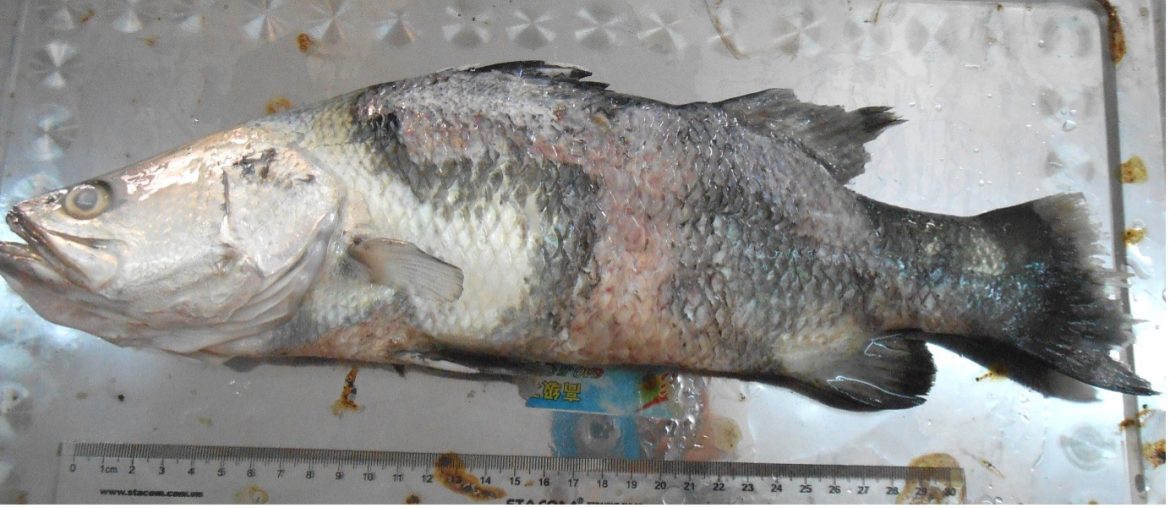
Scientists at the National University of Singapore have made strides in early diagnosis and management of scale drop disease, a viral condition that poses a significant threat to farmed barramundi in Asia. While the disease was first observed in the 1990s, the causative pathogen was only identified in 2015, and it can lead to mortality rates of up to 50% in barramundi production facilities in Asia.

To address this challenge, researchers utilized two distinct testing methods on water samples collected randomly from flow-through tank systems previously reported to have barramundi infected with the scale drop disease virus (SDDV).

Their findings, published in the journal Aquaculture, revealed that digital droplet PCR tests outperformed quantitative PCR tests in detecting SDDV in environmental samples. The digital droplet PCR tests displayed greater sensitivity, enabling the detection of lower virus levels.

The implications of this research are significant, as it can aid farms and research facilities in developing improved biosecurity management strategies to control and prevent scale drop disease outbreaks in aquaculture.

The study also uncovered a correlation between high rainfall during the monsoon season and reduced water salinity entering the tanks, resulting in a notably higher presence of the virus. This highlights the influence of seasonal conditions on virus prevalence.

Additionally, the research provided evidence supporting the notion that SDDV can be horizontally transmitted from asymptomatic fish to their tankmates. Higher virus levels were detected on fin clips from juvenile fish in areas with an increased virus presence.

While these findings offer valuable insights, the researchers acknowledge the need for further studies to fully comprehend the dynamics of SDDV throughout the year and its relationship with the water microbiome and other water-quality parameters, particularly in commercial aquaculture farms.

25/09/2023 0 comment
0 FacebookTwitterPinterestEmail
Threat of Viruses Looms Over Keralas Ornamental Fish Industry Warns ICAR NBFGRs PAGR Centre
Aquatic Health and Disease ManagementNationalNews

Threat of Viruses Looms Over Kerala’s Ornamental Fish Industry, Warns ICAR-NBFGR’s PAGR Centre

by Fishery News 19/09/2023
written by Fishery News

The Centre for Peninsular and Marine Fish Genetic Resources (PAGR), a division of ICAR-National Bureau of Fish Genetic Resources (NBFGR) based in Kochi, has identified three concerning viruses – Infectious spleen and kidney necrosis virus (ISKNV), Cyprinid herpesvirus-2 (CyHV-2), and Carp edema virus (CEV) – posing a potential threat to Kerala’s thriving ornamental fish industry. These viruses are not typically found in Kerala, but without containment measures, they could jeopardize the industry’s health.

Director of PAGR, U.K. Sarkar, disclosed that the center is actively engaged in disease surveillance within ornamental fish farms across the state. This effort is part of the nationwide initiative known as the National Surveillance for Aquatic Animal Diseases (NSPAAD), which receives support under the Pradhan Mantri Matsya Sampada Yojana (PMMSY).

Sources indicate that these viruses have the potential to cause severe diseases in various ornamental fish species, including koi, goldfish, and cichlid, often leading to widespread fatalities. Such outbreaks can result in significant economic losses for ornamental fish farmers and traders operating in Kerala. Additionally, these diseases pose a considerable risk to the international trade of ornamental fish, impacting the industry’s reputation and sustainability.

In response to this emerging threat, the PAGR center is collaborating closely with local fish farmers, traders, and regulatory authorities to devise effective strategies for disease prevention and management. The aim is to safeguard the continued growth and prosperity of Kerala’s ornamental fish industry, which contributes significantly to the region’s economy.

19/09/2023 0 comment
0 FacebookTwitterPinterestEmail
Study Reveals Over the Counter Fish Oil Supplements Lack of Proven Cardiovascular Benefits Despite Health Claims
Aquatic Health and Disease ManagementNews

Study Reveals Over-the-Counter Fish Oil Supplements

by Fishery News 12/09/2023
written by Fishery News

Despite the widespread belief that over-the-counter fish oil supplements offer significant cardiovascular benefits, a new study published in JAMA Cardiology exposes the disconnect between marketing claims and scientific evidence.

The sale of fish oil supplements has grown into a multibillion-dollar industry, with many individuals incorporating fish oil capsules into their daily routines in the hope of improving their overall health, particularly their heart health.

While it is well-established that individuals who consume seafood regularly may have a reduced risk of heart disease, research has not shown the same advantages for fish oil supplements. Nevertheless, marketers in the fish oil industry continue to make health claims that suggest a wide range of benefits, as revealed by the recent study.

Researchers analyzed labels from over 2,000 fish oil supplements that made health claims, discovering that more than 80 percent of these products utilized what is known as a “structure and function claim.” These claims offer a general description of the role of omega-3 fatty acids in the body, such as “promotes heart health” or “supports heart, mind, and mood.” Cardiovascular health claims, accounting for 62 percent, were the most prevalent.

Fish oil contains two essential omega-3 fatty acids, EPA and DHA, naturally found in fatty fish like salmon. Elevated levels of these omega-3s have been associated with a lower risk of cardiovascular disease, but the observational findings are based on dietary intake, not supplement use. In fact, recent large clinical trials have shown that over-the-counter fish oil supplements do not lead to improved cardiovascular outcomes.

The study highlights the vagueness of the wording used by fish oil marketers, which could potentially misinform consumers about the dietary supplement’s role. Ann Marie Navar, associate professor of cardiology at the University of Texas Southwestern Medical Center and senior author of the study, expressed concern about the situation.

“It is true that omega-3 fatty acids are present in the brain and are important for all sorts of brain functions,” Navar explained. “What has not been consistently shown with high-quality trials is that taking more of it in the form of a fish oil supplement leads to improved performance or prevention of disease.”

Navar and her colleagues conducted the inventory of claims made on fish oil supplement labels after noting that patients were often taking fish oil for heart health benefits despite the lack of solid evidence.

The study’s findings underscore the need for consumers to exercise caution when interpreting health claims related to dietary supplements and to consult healthcare professionals for evidence-based guidance.

Previous research on fish oil supplements has yielded conflicting results regarding their effectiveness for heart health, and recent scientific data have cast further doubts. A randomized trial involving over 15,000 patients with diabetes, a cardiovascular disease risk factor, showed no significant difference in the risk of a serious cardiovascular event between those taking an omega-3 supplement and those who were not. Another randomized trial with over 25,000 participants found that supplementation did not reduce the risk of major cardiovascular events or cancer.

12/09/2023 0 comment
0 FacebookTwitterPinterestEmail
Newer Posts
Older Posts
  • Recent
  • Popular
  • ICAR-CIFT Patents Rapid DNA Biosensor for Black Tiger Shrimp Authentication

    07/08/2026
  • Minister Holds Review Meeting with Fisheries Cooperative Leaders

    07/08/2026
  • Dry Fish Demand Surges Following Formalin Ban

    07/08/2026
  • Rohu Breeding: A Complete Step-by-Step Guide to Successful Seed Production

    07/08/2026
  • 1

    BIGGEST FISH MARKETS IN INDIA

    07/09/2024
  • 2

    Trout Fish Stocking Initiative Enhances Fisheries and Tourism Potential in Shopian, Jammu and Kashmir

    17/12/2023
  • 3

    ICAR Scientists Crack the Breeding Code of Rare Himalayan Fish Channa andrao, Opening New Opportunities for Ornamental Fish Farming

    28/07/2026
  • 4

    Introducing Future Aquaculture Magazine: A New Voice Shaping the Future of Seafood

    13/02/2026

About Fishery News

FN Logo

Fishery.News is India’s leading digital media platform dedicated to fisheries, aquaculture, seafood, and marine industries. We deliver trusted news, expert insights, market intelligence, technology updates, research, government policies, and success stories that help fish farmers, shrimp farmers, seafood businesses, researchers, and industry professionals stay informed and grow sustainably

Categories

  • News
  • Aquaculture
  • Aquatic Health and Disease Management
  • Research and Innovation
  • Technology & Equipments

Social Networks

Facebook Twitter Instagram Linkedin Youtube
  • Facebook
  • Twitter
  • Instagram
  • Linkedin
  • Youtube

© 2026 Fishery.News – A BLIV Media Venture. All Rights Reserved.


Back To Top
Fishery News
  • E – Magazine
    • Aquaculture
    • Aqua Health & Disease Management
    • News
      • National
      • International
    • Farming
    • Research and Innovation
    • Sustainability
    • Technology & Equipments
    • This is Africa
    • Trade
  • Publications
  • Events
    • Expos
    • Trainings
    • Events by Month
  • Business Listings
    • List Your Business
    • Business Listings
    • Buy & Sell
    • Get Consultation
  • Employment
  • About Us
    • Founder
  • Contact