• E – Magazine
    • Aquaculture
    • Aqua Health & Disease Management
    • News
      • National
      • International
    • Farming
    • Research and Innovation
    • Sustainability
    • Technology & Equipments
    • This is Africa
    • Trade
  • Publications
  • Events
    • Expos
    • Trainings
    • Events by Month
  • Business Listings
    • List Your Business
    • Business Listings
    • Buy & Sell
    • Get Consultation
  • Employment
  • About Us
    • Founder
  • Contact
Fishery News
Home » National » Page 90
Category:

National

Unexpected Bonanza for Kasimedu Fishermen as Leather Jacket Fishes Make Rare Appearance
NationalAquacultureNews

Unexpected Bonanza for Kasimedu Fishermen as Leather Jacket Fishes Make Rare Appearance

by Fishery News 01/10/2023
written by Fishery News

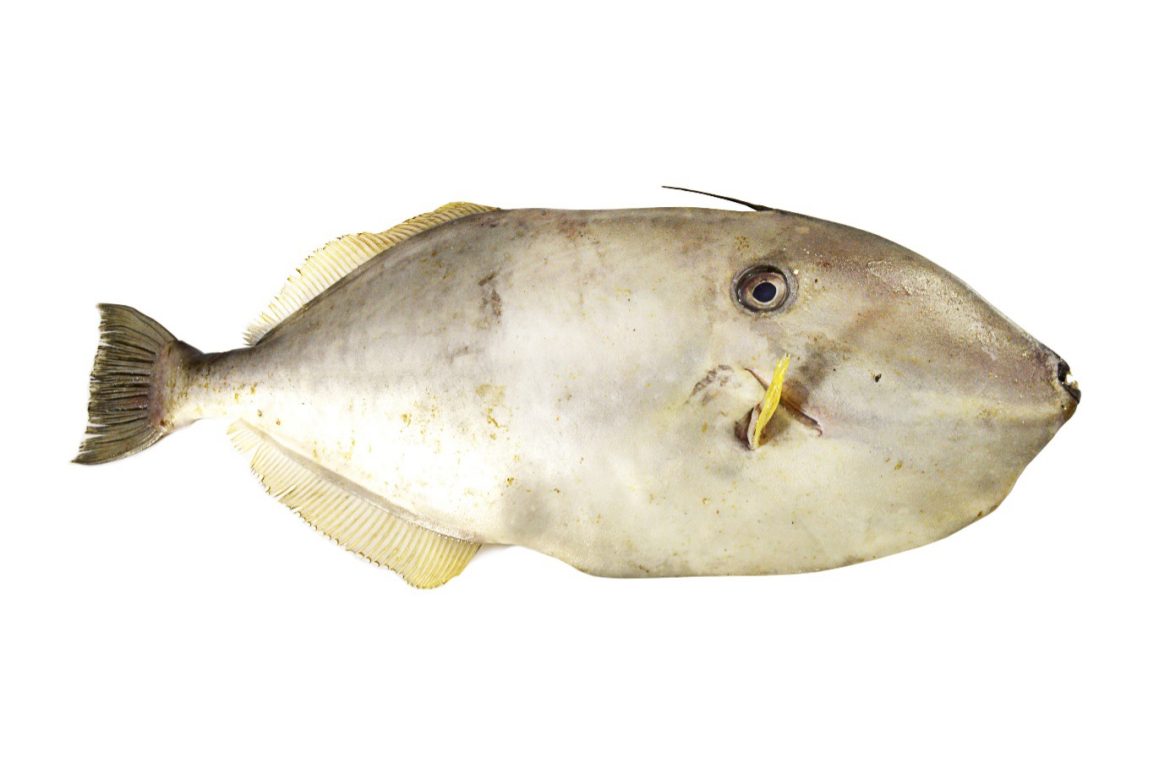
Kasimedu fishing harbor in North Chennai is abuzz with excitement as an unusual phenomenon unfolds – the sudden appearance of leather jacket fishes, a rare catch in these waters. In a surprising turn of events, fishermen have reeled in more than 1000 tonnes of these unique fishes over the past few weeks, marking a significant and unexpected boon for the local fishing community.

This unexpected bounty is particularly noteworthy as leather jacket fishes have been scarce in Kasimedu harbor since 2010, making this recent influx a rare occurrence. The leather jacket fishes, known for their thick skin, have become a lucrative catch for the fishermen, bringing considerable financial gains.

The Fisheries Department revealed that, on average, one trawler has been bringing in approximately 10 tonnes of these leather jacket fishes. A trawler owner shared that one of his boats alone brought in more than 5 tonnes of this unique species, highlighting the magnitude of this recent occurrence.

The economic impact is substantial, given that leather jacket fishes are in demand, especially by restaurants. The wholesale market sees these fishes being sold at Rs 230 per kilogram, while the retail market prices them at Rs 300 per kilogram. The lucrative nature of this catch has not only brought financial relief to the fishermen but has also sparked interest in the export market, further enhancing the economic prospects for the local fishing community.

The versatile nature of leather jacket fishes is also notable, as their thick skin can be repurposed for making filters and sieves, adding an additional dimension to the economic value derived from this unexpected surge in their catch. As Kasimedu harbor enjoys this rare abundance, stakeholders are keenly observing the dynamics and anticipating a positive impact on the local fishing economy.
01/10/2023 0 comment
0 FacebookTwitterPinterestEmail
Climate Change Driven Fish Migration Poses Threat to Goa Fisheries
NationalAquacultureNews

Climate Change-Driven Fish Migration Poses Threat to Goa Fisheries

by Fishery News 01/10/2023
written by Fishery News

The impact of climate change on India’s east and west coasts is becoming increasingly evident as fishes, driven by changing environmental conditions, are migrating towards polar regions. This migration trend has been observed along both the east and west coasts of India, disrupting local fisheries.

Speaking at an event on the BITS Pilani KK Birla Goa campus, Sunil Kumar Singh, Director of CSIR-National Institute of Oceanography (NIO), expressed concerns about the implications for Goa’s fisheries. Singh noted that the recent increase in the catch of mackerel and other fishes in Goa was a consequence of the migration patterns shifting from the Kerala coast towards Goa due to climate change.

Singh explained, “Because of climate change, fishes are moving towards the poles, so oil sardine and other fishes are reducing along the Kerala coast and are slowly coming towards Goa. But they will move further towards the polar regions.”

Highlighting the broader impact, Singh mentioned that fish migration is a phenomenon extending across the entire Atlantic. He warned that the ‘dead zone’ along Goa’s coast, where dead fish wash ashore, is expected to increase in the coming years.

Describing a concerning annual phenomenon, Singh stated, “We have already witnessed a chaotic problem during the monsoon, with intermediate water getting into the coastal region. We observe tonnes of fishes dying in the estuary of the Mandovi near Caranzalem.” He attributed this to the reduction in deepwater formation caused by climate change, leading to lower oxygen levels and an expansion of the ‘dead zone.’

Given Goa’s heavy dependence on fisheries, Singh emphasized the potential for a chaotic situation if the trend continues. He framed the issue as a global problem with far-reaching consequences.

The Director shared his insights during the half-day Youth 20 event, part of G20 initiatives, organized by BITS Pilani Goa campus in collaboration with Goa State Biodiversity Board (GSBB) and Goa State Climate Change Cell. The discussion shed light on the urgent need for climate-conscious policies to mitigate the impact on coastal ecosystems and fisheries.

01/10/2023 0 comment
0 FacebookTwitterPinterestEmail
New Edible Fish Species Discovered in Odishas Kolab River
NationalAquacultureFarmingNews

New Edible Fish Species Discovered in Odisha’s Kolab River

by Fishery News 01/10/2023
written by Fishery News

Researchers from the Central University of Odisha and the Zoological Survey of India have identified a new species of freshwater fish in the Kolab river, located in the Koraput district of Odisha. The discovery, named Garra laishrami, was made during an ichthyological survey by Supriya Surachita, a Department of Science & Technology Inspire Fellow.

Surachita’s research, conducted under the supervision of Prof. Sharat Kumar Palita, Dean of the School of Biodiversity and Conservation of Natural Resources at CUO, focuses on the diversity, distribution, and threats to fishes in the freshwater bodies of Koraput in the Eastern Ghats of Odisha.

The newly discovered cyprinid, or freshwater fish, has been named after Dr. Laishram Kosygin of ZSI, in recognition of his contributions to the study of Indian freshwater fishes. The fish category Garra is known for its elongated shape, varying in size from small to medium, and is characterized by the presence of a gular disc. Typically found in regions from Borneo to West Africa, this particular variety, Garra laishrami, is unique to the Kolab river in Odisha’s Eastern Ghats.

The fish, ranging from 76 mm to 95.5 mm in length, has an added significance – it is edible, and local communities in the region consume it. Garra laishrami is usually found beneath rocks and among stones and boulders in torrential streams and rivers.

The discovery highlights the rich biodiversity of the Kolab river, and researchers believe that a more in-depth study of Koraput is essential to uncover various types of organisms in the region. Prof. Palita expressed optimism about the possibility of finding more new fish species in the area.

Details of the study on this new fish species have been published in the taxonomy journal “Ichthyological Exploration of Freshwaters” in Germany.

01/10/2023 0 comment
0 FacebookTwitterPinterestEmail
Innovative Fish Farming Initiative Turns Abandoned Mines into Livelihood Hubs in Jharkhand
NationalAquacultureFarmingNews

Innovative Fish Farming Initiative Turns Abandoned Mines into Livelihood Hubs in Jharkhand

by Fishery News 30/09/2023
written by Fishery News

The district administration in West Singhbhum, Jharkhand, is utilizing abandoned mines to generate livelihood opportunities for the youth through fish farming. The innovative move not only fosters self-reliance among the youth but also curbs the migration of the workforce to other states, addressing socio-economic challenges in the rebel-hit region.

Officials report that the initiative, launched during the COVID-19 pandemic, has proven instrumental in tackling rampant malnutrition in the area. A society of displaced individuals was formed, and fish farming, specifically using cage culture, was initiated in abandoned limestone mines at Kamarhatu and Karanjia. The endeavor, spanning 8-10 acres of land, has successfully generated income for the community, providing a sustainable source of livelihood.

District Fishery Officer Jayant Ranjan highlights the dual benefit of fish farming in these mines. It not only creates a livelihood for the local population but also contributes to addressing malnutrition concerns by providing abundant fish for consumption. Boating activities in the mines further contribute to the community’s earnings.

Ranjan expresses the administration’s commitment to expanding the initiative throughout the district, given the abundance of mines in West Singhbhum. Residents are encouraged to form societies to facilitate the implementation of fish farming in their respective areas.

Beneficiaries, mainly original landowners displaced due to mining activities, praise the initiative. Each society, comprising around 50 members, registers with the cooperative society. In one abundant mine, approximately 25 cages yield 2-3 tonnes of fish per season, with two caging seasons annually. The district administration provides comprehensive support for cage culture, enabling individuals to earn around 1.5 lakh per head per annum.

Arjun Mahapatra, a beneficiary, notes that the initiative has not only reduced migration but has also empowered local youth to become self-sufficient through fish farming. Chief Minister Hemant Soren has lauded the effort as a commendable step toward making the region’s youth self-reliant. The success of this project demonstrates the transformative impact of repurposing abandoned mines for sustainable and community-centric initiatives.

30/09/2023 0 comment
0 FacebookTwitterPinterestEmail
Optimal Fish Choices for Uric Acid Management in Indian Diets
NationalNews

Optimal Fish Choices for Uric Acid Management in Indian Diets

by Fishery News 30/09/2023
written by Fishery News

In the pursuit of maintaining healthy uric acid levels through dietary choices, health experts are often recommending the incorporation of specific Indian fish, with “Mackerel” taking the spotlight. Mackerel is lauded for its relatively low purine content, a factor associated with the development of uric acid. For individuals prone to high uric acid levels or conditions like gout, consuming fish like mackerel can aid in mitigating the risk of uric acid buildup in the body.

Here’s why mackerel, and other recommended Indian fish, make the cut for uric acid-friendly diets:

Low Purine Content: Mackerel stands out for containing fewer purines compared to certain seafood and meats. Given that high-purine foods can contribute to elevated uric acid levels, opting for lower-purine choices like mackerel is deemed beneficial.

Rich in Omega-3 Fatty Acids: Mackerel boasts an impressive profile of omega-3 fatty acids, known for their anti-inflammatory properties. As inflammation is often linked to gout, incorporating omega-3-rich foods such as mackerel may assist in alleviating the severity of gout symptoms.

Protein Source: Mackerel provides high-quality protein, serving as a valuable alternative to higher-purine red meat, which can contribute to uric acid buildup.

In addition to mackerel, other Indian fish options recommended for managing uric acid levels include:

Sardines: Another low-purine fish rich in omega-3 fatty acids, sardines are a favourable addition to a uric acid-friendly diet.

Pomfret: Widely accepted in Indian cuisine, pomfret is considered safe for those with high uric acid levels, being a lean source of protein and low in purines.

Catfish: A common freshwater fish in India, catfish is low in purines, making it a suitable choice for those monitoring their uric acid intake.

Tilapia: Although not native to India, tilapia, a readily available fish, is generally low in purines and can be easily incorporated into various dishes.

Rohu: As an Indian freshwater fish, rohu is recognized as suitable for individuals with high uric acid levels, offering essential nutrients along with protein.

Anchovies: Small, oily fish like anchovies are low in purines and high in omega-3 fatty acids, providing both flavour and health benefits.

Maintaining a balanced diet that includes a variety of foods is crucial for managing uric acid levels effectively. By integrating these fish into meals, alongside ample vegetables, whole grains, and hydration, individuals can take proactive steps in regulating uric acid levels for overall health.

30/09/2023 0 comment
0 FacebookTwitterPinterestEmail
Indian Coast Guard Rescues Stranded Fishing Boat and Crew off New Mangalore Coast
NationalNews

Indian Coast Guard Rescues Stranded Fishing Boat and Crew off New Mangalore Coast

by Fishery News 30/09/2023
written by Fishery News

In a seamless coordination between the Indian Coast Guard and the Fisheries Department, a successful rescue operation was carried out on Thursday to save a stranded fishing boat, “Thiruchendur Murugan,” along with its ten-member crew from deep waters off the New Mangalore Coast.

The fishing boat, which set sail for a fishing expedition on September 20, encountered distress on September 24 due to a broken engine shaft, leaving it stranded at a distance of 39 nautical miles. The ten fishermen on board found themselves adrift in the challenging waters of the Arabian Sea.

Upon receiving the distress signal, the Maritime Rescue Coordination Centre in Mumbai promptly alerted the Coast Guard District Headquarters (Karnataka) on Thursday. Recognizing the urgency of the situation, the Indian Coast Guard swiftly initiated action by deploying Coast Guard vessels C-448 and C-446 to assist the stranded “Thiruchendur Murugan.”

Equipped with advanced navigation and towing capabilities, these vessels closely monitored the towing process, ensuring the safety of the distressed fishing boat throughout the journey. In a well-coordinated operation involving the Indian Coast Guard, the Fisheries Department, and the boat owner, the “Thiruchendur Murugan” was safely towed to Old New Mangalore Harbour. The rescue operation proved timely and effective, preventing the drifting boat from facing further challenges posed by the unpredictable sea conditions.

30/09/2023 0 comment
0 FacebookTwitterPinterestEmail
Secretary of Fisheries Unveils Ambitious Plan to Double Income of Fish Farmers
NationalAquacultureFarmingNews

Secretary of Fisheries Unveils Ambitious Plan to Double Income of Fish Farmers

by Fishery News 30/09/2023
written by Fishery News

Dr. Abhilaksh Likhi, Secretary of the Department of Fisheries, undertook a visit to shrimp farms in Lahli village, Rohtak, and the Regional Centre of ICAR-CIFE, Rohtak, Haryana. Engaging directly with shrimp farmers, Dr. Likhi delved into the grassroots challenges faced by those involved in saline water shrimp farming.

As part of the National Agricultural Higher Education Project (NAHEP) scheme, the Secretary distributed pedigreed common carp seed to selected farmers—an initiative pioneered by ICAR-CIFE. The move is set to bolster the aquaculture sector and enhance the quality of produce.

During discussions, Dr. Likhi underscored the imperative of converting barren land into lucrative aquafarming ventures. Scientists at ICAR-CIFE, during the visit, highlighted the extensive impact of groundwater salinization in inland states, affecting millions of hectares primarily in Haryana, Punjab, Rajasthan, and Uttar Pradesh. Proposing aquaculture as a sustainable solution, Dr. Likhi emphasized its economic viability, foreseeing it as a key player in generating income through fish, prawn, and shrimp crops.

Presently, the four north Indian states mentioned produce 8554.15 metric tons annually from 2167 hectares of saline water aquaculture. However, the untapped potential spans 58,000 hectares in these states. Under the Pradhan Mantri Matsya Sampada Yojana (PMMSY), the Department of Fisheries has approved a substantial project for the Genetic Improvement of Common Carp in Inland Saline Aquaculture, with an investment of Rs. 9.29 Crore.

Commending ICAR-CIFE for its commendable genetic improvement program, Dr. Likhi reviewed various activities undertaken by the institution. The Centre’s breakthrough technology, fortifying deficient ions in inland saline water, has been extended to thousands of acres across Haryana, Punjab, Rajasthan, and Uttar Pradesh, contributing to a significant increase in production areas.

Expressing congratulations for this technological breakthrough, Dr. Likhi urged for greater awareness and widespread adoption of the technology in the four states boasting suitable acreage for saline water aquaculture. This strategic initiative aligns with the Government of India’s commitment to harnessing the full potential of 58,000 hectares, with the ultimate goal of doubling the income of fish farmers. The plan aims to revolutionize aquaculture practices, breathing new life into saline areas, turning them into thriving hubs of sustainable fish and shrimp farming.

30/09/2023 0 comment
0 FacebookTwitterPinterestEmail
Indian Aqua Feed Sector Explores Benefits of Genetically Modified GM Crops for Enhanced Productivity
NationalAquacultureNews

Indian Aqua-Feed Sector Explores Benefits of Genetically Modified (GM) Crops for Enhanced Productivity

by Fishery News 30/09/2023
written by Fishery News

In a recent workshop organized by the Biotech Consortium India Ltd (BCIL) and the Central Marine Fisheries Research Institute (CMFRI) under the Indian Council of Agricultural Research, experts discussed the potential advantages of incorporating genetically modified (GM) crops and their derivatives in the Indian aqua-feed sector. The adoption of GM crops is seen as a strategic move to augment the supply of feeding ingredients, leading to improved growth, disease resistance in aqua products, and a reduction in overall production costs.

Dr. Vibha Ahuja, Chief General Manager of BCIL, highlighted the positive impact of using GM crops on aquatic yield. Specifically, she emphasized the role of dried distilleries grains with soluble (DDGS), a by-product of cereals in the distillery industry. DDGS, often derived from GM corn produced in other countries, has the potential to lower shrimp feed prices. Dr. Ahuja pointed out that local production of DDGS for shrimp farms could not only increase profits for feed producers but also contribute to the overall economic growth of the country.

Dr. A. Gopalakrishnan, Director of CMFRI, emphasized the nutritional benefits of incorporating GM crops into aqua-feed. He mentioned GM soybeans as an example, which can produce omega-3 fatty acids crucial for the growth and health of farmed fish. Given that feed constitutes a substantial portion (50-55%) of the total input cost in aquaculture, the efficient use of GM crops in feed production holds the potential to significantly reduce overall production costs.

The workshop participants collectively agreed that the adoption of GM crops in the aqua-feed sector could alleviate pressure on India’s fishmeal and fish oil sectors. This shift aligns with the goal of maintaining a sustainable aquaculture industry while simultaneously benefiting fish farmers and consumers.

30/09/2023 0 comment
0 FacebookTwitterPinterestEmail
Urgent Call for Action on Invasive Aquatic Species Scientists and Policymakers Advocate Policy Framework
NationalAquacultureInternationalNews

Urgent Call for Action on Invasive Aquatic Species: Scientists and Policymakers Advocate Policy Framework

by Fishery News 30/09/2023
written by Fishery News

In a one-day workshop at the Laboratory for the Conservation of Endangered Species (LaCONES-CCMB), scientists and policymakers emphasized the pressing need for an overarching policy to address the looming threat of invasive species, particularly in aquatic ecosystems. The workshop, titled “Collaborative Strategies for Managing Aquatic Biological Invasions,” was organized as part of the CSIR-Centre for Cellular and Molecular Biology (CCMB) ‘One Week, One Lab’ program, with participants calling for a comprehensive strategy to ensure a sustainable future.

“Invasive species, intentionally or otherwise, have caused havoc to the flora and fauna across the country, affecting even the pristine riverine systems in both eastern and western ghats, putting heavy pressure on biodiversity systems,” remarked S. Umapathy from CCMB. Alarming levels of African and American catfish among other aquatic species were noted as a cause for concern.

Karthikeyan Vasudevan, another expert from CCMB, highlighted the accidental introduction of invasive species, such as bullfrogs, spotted deers, giant snails, mynah, and house sparrows in the Andaman Islands, resulting in damage to local flora and fauna. Urging quick interventions, Vasudevan also acknowledged the ethical challenges in removing invasive species, emphasizing ongoing efforts in exploring biological controls.

Kallicharan S. Khartade from TS Biodiversity Board highlighted that 25 out of 432 aquatic species have been identified as invasive, underscoring the threats posed by pollution, over-exploitation, encroachments, and tourism-recreation to biodiversity preservation. While stressing the importance of community participation, Khartade called for improvements in the functioning of biodiversity management councils.

Special Chief Secretary Rajat Kumar expressed concern over the economic impact, stating that “biological invasions” have cost the country USD 127 billion, with only a fraction of invasive species studied. He emphasized the need for a concerted scientific effort to understand the comparative dangers posed by aquatic and terrestrial invasive species.


CSIR-CCMB Director Vinay K. Nandicoori highlighted the outcomes of LaCONES research, emphasizing the necessity for ground-level interventions to monitor and eradicate aquatic invasive species. The meeting, attended by over 60 participants from various scientific institutions and voluntary bodies, underscored the importance of protecting native biodiversity, safeguarding the rural economy, and promoting sustainable aquaculture practices.

30/09/2023 0 comment
0 FacebookTwitterPinterestEmail
Landmark NGT Ruling Puts Nationwide Aquaculture Industry Under Stricter Environmental Scrutiny
NationalAquacultureFarmingNewsSustainability

Landmark NGT Ruling Puts Nationwide Aquaculture Industry Under Stricter Environmental Scrutiny

by Fishery News 30/09/2023
written by Fishery News

National Green Tribunal (NGT), the aquaculture industry in India is set to face enhanced regulatory oversight with the application of Environment Impact Assessment Notification and inclusion under the consent regime of the Water Act. The NGT’s ruling, dated February 27, stems from an execution application filed by Mumbai-based NGO Vanashakti, which had previously secured an order in May 2021, prompting the formation of a committee to assess the sustainability of inland aquaculture practices.

The NGT has mandated comprehensive regulation, urging authorities to enforce environmental safeguards and scrutinize the impact of aquaculture on water bodies. The ruling emphasizes the need to align inland aquaculture practices with the Environment Impact Assessment regime.

Vanashakti, the NGO behind the legal efforts, underscored the lack of a policy in Maharashtra to regulate inland aquaculture, calling attention to the absence of provisions assessing environmental impacts before granting licenses. The expert committee formed by NGT found tangible evidence of environmental impact in Vadivale Lake, including elevated pollution levels attributed to cage aquaculture activities.

The NGT’s ruling directs the Central Pollution Control Board (CPCB) and Maharashtra Pollution Control Board (MPCB) to bring cage aquaculture under the consent regime within three months. Additionally, the NGT instructs the MPCB to take swift action against individuals contributing to pollution from such activities.

Stalin D, director of Vanashakti, praised the judgment, emphasizing the importance of adapting environmental laws to address emerging sources of pollution. Aquaculture, promoted for enhancing food security and livelihoods, will now undergo increased monitoring, reflecting the evolving landscape of environmental regulations in the country.

30/09/2023 0 comment
0 FacebookTwitterPinterestEmail
Newer Posts
Older Posts
  • Recent
  • Popular
  • ICAR-CIFT Patents Rapid DNA Biosensor for Black Tiger Shrimp Authentication

    07/08/2026
  • Minister Holds Review Meeting with Fisheries Cooperative Leaders

    07/08/2026
  • Dry Fish Demand Surges Following Formalin Ban

    07/08/2026
  • Rohu Breeding: A Complete Step-by-Step Guide to Successful Seed Production

    07/08/2026
  • 1

    ICAR Scientists Crack the Breeding Code of Rare Himalayan Fish Channa andrao, Opening New Opportunities for Ornamental Fish Farming

    28/07/2026
  • 2

    Trout Fish Stocking Initiative Enhances Fisheries and Tourism Potential in Shopian, Jammu and Kashmir

    17/12/2023
  • 3

    BIGGEST FISH MARKETS IN INDIA

    07/09/2024
  • 4

    Introducing Future Aquaculture Magazine: A New Voice Shaping the Future of Seafood

    13/02/2026

About Fishery News

FN Logo

Fishery.News is India’s leading digital media platform dedicated to fisheries, aquaculture, seafood, and marine industries. We deliver trusted news, expert insights, market intelligence, technology updates, research, government policies, and success stories that help fish farmers, shrimp farmers, seafood businesses, researchers, and industry professionals stay informed and grow sustainably

Categories

  • News
  • Aquaculture
  • Aquatic Health and Disease Management
  • Research and Innovation
  • Technology & Equipments

Social Networks

Facebook Twitter Instagram Linkedin Youtube
  • Facebook
  • Twitter
  • Instagram
  • Linkedin
  • Youtube

© 2026 Fishery.News – A BLIV Media Venture. All Rights Reserved.


Back To Top
Fishery News
  • E – Magazine
    • Aquaculture
    • Aqua Health & Disease Management
    • News
      • National
      • International
    • Farming
    • Research and Innovation
    • Sustainability
    • Technology & Equipments
    • This is Africa
    • Trade
  • Publications
  • Events
    • Expos
    • Trainings
    • Events by Month
  • Business Listings
    • List Your Business
    • Business Listings
    • Buy & Sell
    • Get Consultation
  • Employment
  • About Us
    • Founder
  • Contact