• E – Magazine
    • Aquaculture
    • Aqua Health & Disease Management
    • News
      • National
      • International
    • Farming
    • Research and Innovation
    • Sustainability
    • Technology & Equipments
    • This is Africa
    • Trade
  • Publications
  • Events
    • Expos
    • Trainings
    • Events by Month
  • Business Listings
    • List Your Business
    • Business Listings
    • Buy & Sell
    • Get Consultation
  • Employment
  • About Us
    • Founder
  • Contact
Fishery News
Home » News » Page 10
Category:

News

CMFRI TO HOST SHORT COURSE ON MARINE BIODIVERSITY CONSERVATION IN FEBRUARY
NationalNews

CMFRI TO HOST SHORT COURSE ON MARINE BIODIVERSITY CONSERVATION IN FEBRUARY

by Fishery News 17/12/2024
written by Fishery News

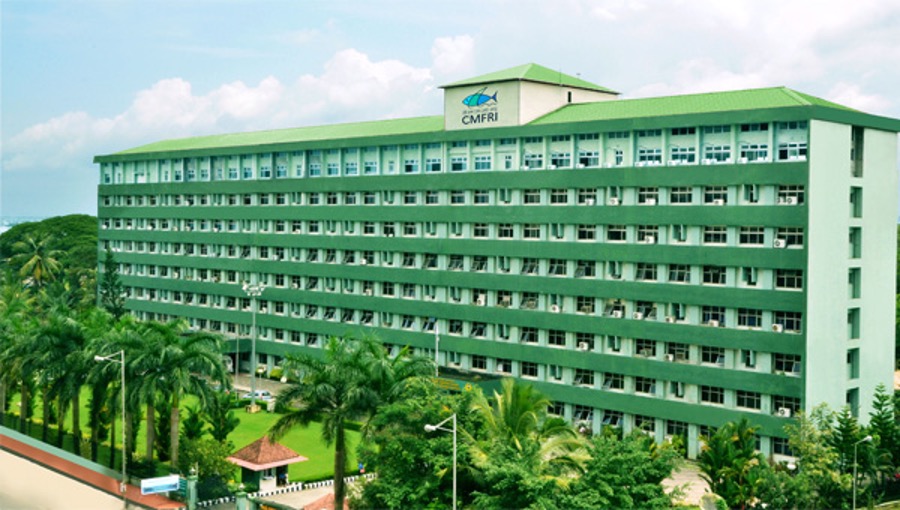
The ICAR-Central Marine Fisheries Research Institute (CMFRI) is set to organize a short course on “Taxonomic Techniques for Marine Biodiversity Conservation” from February 18 to 28, 2025. Sponsored by the Indian Council of Agricultural Research (ICAR), the program aims to equip National Agricultural Research System (NARS) professionals with advanced knowledge and practical skills in taxonomy to bolster fisheries development.

The course will encompass both theoretical and practical modules, including hands-on sessions with software tools. Additionally, participants will explore the role of statistics in taxonomy and its applications in fisheries research, CMFRI stated in a press release on Monday, December 16.

This initiative aligns with the United Nations Decade of Ocean Science for Sustainable Development, emphasizing the importance of marine taxonomy in conserving biodiversity and maintaining ocean ecosystem health. It also highlights taxonomy’s pivotal role in discoveries related to biotechnology, medicine, and marine resource management.

Interested candidates must submit their applications by January 22, 2025. For further details, visit the CMFRI website at www.cmfri.org.in or contact 9446415736.
17/12/2024 0 comment
0 FacebookTwitterPinterestEmail
AP Government Transfers Fisheries University OSD Sudhakar Appoints Suguna as OSD
NationalNews

AP Government Transfers Fisheries University OSD Sudhakar, Appoints Suguna as OSD

by Fishery News 17/12/2024
written by Fishery News

In a major administrative reshuffle, the Andhra Pradesh government has transferred Dr. Sudhakar, who has been serving as the Officer on Special Duty (OSD) at the Andhra Pradesh Fisheries University, to a new role as the Chief Scientist at the Fisheries Research Center in Kakinada. This move aligns with the government’s strategic efforts to strengthen research and innovation in the fisheries sector.

To fill the vacancy left by Dr. Sudhakar, the government has appointed Dr. T. Suguna, the University’s Director of Research, as the new OSD of the Fisheries University. Dr. Suguna is a seasoned academic and research leader, and her appointment is expected to further enhance the university’s contributions to fisheries education, research, and outreach in the state.

The government has also announced an extension of the tenure for the official in charge of the Andhra Pradesh Fishermen’s Cooperative Federation (APFCF) for another six months. This decision aims to ensure continuity in leadership and effective management of cooperative initiatives benefiting the fishing community across the state.

In another significant decision, the Andhra Pradesh government has approved a loan guarantee of ₹300 crore for the Andhra Pradesh State Cooperative Marketing Federation (AP Markfed). The loan, secured from the Bank of Baroda, will be utilized to support crop procurement activities, enabling farmers to get fair prices for their produce. This guarantee will remain in effect for one year, demonstrating the government’s commitment to empowering the agricultural and allied sectors.


17/12/2024 0 comment
0 FacebookTwitterPinterestEmail
PASSING OUT CEREMONY OF TH BATCH OF MARINE ENGINEERS AT COCHIN SHIPYARD
NationalNews

PASSING-OUT CEREMONY OF 50TH BATCH OF MARINE ENGINEERS AT COCHIN SHIPYARD

by Fishery News 16/12/2024
written by Fishery News

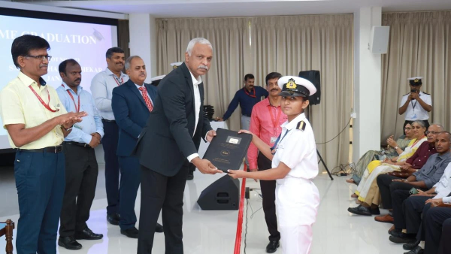
The Cochin Shipyard Marine Engineering Training Institute celebrated a significant milestone with the passing-out ceremony of its 50th batch of graduate marine engineers. The event took place on Friday at the institute’s campus, marking a proud moment for the trainees, faculty, and the marine engineering community.

Suresh Parameswara Kurup, Managing Director of Synergy Oceanic Private Limited, honored the occasion as the chief guest. His presence added inspiration and prestige to the event. Representatives from the Cochin Shipyard management, various shipping companies, and the faculty members also attended the ceremony, emphasizing the collaborative effort in nurturing marine engineering talent, as stated in an official release.

The highlight of the event was the announcement that all 40 marine engineers of the graduating batch had secured placements in leading shipping companies, showcasing the institute’s commitment to delivering industry-ready professionals.

The institute also revealed details of its upcoming batch, set to commence on January 1, 2025. The new intake will include 40 trainees, all of whom will benefit from 100% sponsorship provided by renowned shipping companies, underscoring the strong industry ties and trust in the institute’s training programs.

This ceremony reflects the institute’s longstanding dedication to excellence in marine engineering education, shaping skilled professionals for the shipping industry.

Source: The Hindu

16/12/2024 0 comment
0 FacebookTwitterPinterestEmail
ICAR ATARI KOLKATA SIGNS MOU WITH BENJHARC TO TRANSFORM AQUACULTURE IN RURAL AREAS
NationalNews

ICAR-ATARI KOLKATA SIGNS MOU WITH BENJHARC TO TRANSFORM AQUACULTURE IN RURAL AREAS

by Fishery News 16/12/2024
written by Fishery News

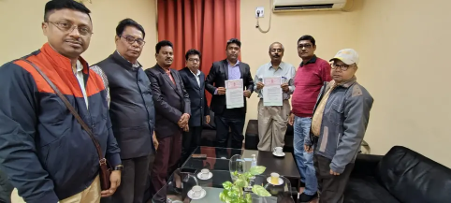
In a significant step towards advancing aquaculture and rural development, a Memorandum of Understanding (MoU) was signed today between ICAR-Agricultural Technology Application Research Institute (ICAR-ATARI), Kolkata, and Bengal-Jharkhand Development Cooperative Ltd. (BENJHARC).

The agreement was formalized by Dr. Pradip Dey, Director, ICAR-ATARI, Kolkata, and Shri Subhoday Pandit, Chairman, BENJHARC, representing their respective organizations.

This collaboration aims to facilitate the dissemination of advanced technologies in fish and shrimp farming, empowering rural communities with innovative solutions to enhance production and productivity. The initiative will emphasize sustainable practices and aquaculture-based livelihoods, fostering self-reliance among rural populations.

Dr. Pradip Dey highlighted the transformative potential of the partnership, stating, “This collaboration will bridge the gap between cutting-edge research and practical implementation, enabling rural communities to harness the benefits of scientific aquaculture practices.”

Shri Subhoday Pandit, Chairman of BENJHARC, echoed this sentiment, emphasizing the cooperative’s commitment to sustainable development. “By combining ICAR-ATARI’s expertise in research with BENJHARC’s grassroots approach, we aim to revolutionize fisheries and aquaculture in rural areas, ensuring economic growth while preserving ecological balance,” he said.

The partnership will focus on improving fish farming techniques, promoting scientific shrimp culture practices, and creating aquaculture-based livelihood opportunities. This initiative aligns with the shared mission of both organizations to turn challenges into opportunities, fostering a brighter future for rural communities through innovation and cooperation.

With this MoU, ICAR-ATARI and BENJHARC have set the stage for a collaborative effort to strengthen the cooperative movement and boost the aquaculture sector, ensuring sustainable growth and prosperity for rural India.


16/12/2024 0 comment
0 FacebookTwitterPinterestEmail
RIVER RANCHING INITIATIVE LAUNCHED IN BHOJPUR LAKH FINGERLINGS RELEASED INTO GANGA
NationalNews

RIVER RANCHING INITIATIVE LAUNCHED IN BHOJPUR, 4 LAKH FINGERLINGS RELEASED INTO GANGA

by Fishery News 16/12/2024
written by Fishery News

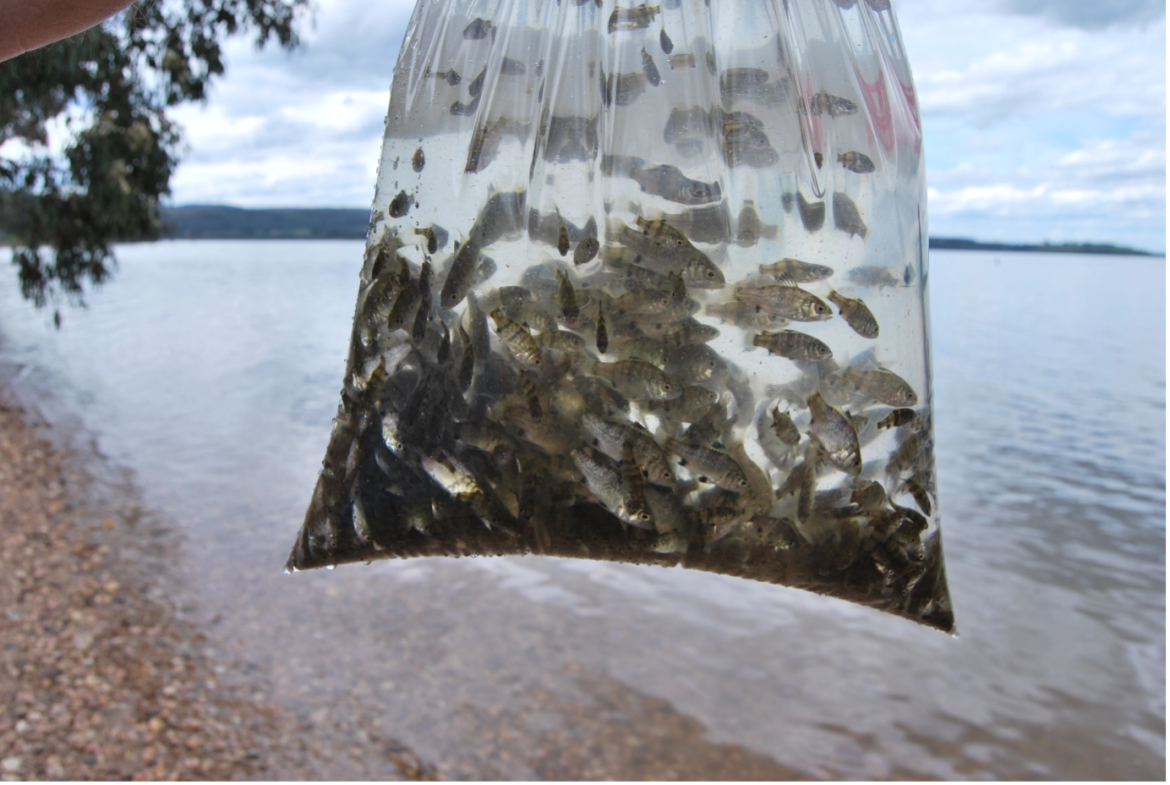
In a significant move aimed at enhancing aquatic biodiversity and improving the livelihoods of local fishermen, the Fisheries Department launched a River Ranching program in Bhojpur district on Saturday. As part of the initiative, around four lakh fingerlings of specially bred fish species were released into the Ganga River at Mahuli Ghat in the Barhara block. This initiative aligns with the Bihar government’s ambitious Saat Nischay-2 program.

The fingerlings, comprising different species of fish, were bred at a state-of-the-art five-star fish hatchery located in Ranigaon village, Bhojpur district. This facility ensures high-quality breeding of fish, which are nurtured for about three months before being released into natural water bodies. The concept of River Ranching, a sustainable aquaculture practice, involves releasing young fish into rivers, where they grow to maturity in their natural habitat. Once fully grown, these fish are harvested, benefiting local fishermen economically while simultaneously contributing to ecological sustainability.

Benefits of the Program

Bhojpur District Magistrate Tanai Sultania outlined the multiple advantages of the River Ranching initiative. Speaking at the launch, he said, “This initiative will not only enhance the fish population in the Ganga River but also provide significant employment opportunities for fishermen and others involved in the fisheries trade. Moreover, the increased fish population will aid in maintaining the river’s biodiversity and contribute to its cleanliness by feeding on organic remnants, which helps reduce habitat degradation.”

The program also aligns with the broader goals of environmental conservation. By focusing on sustainable fish production, it aims to strike a balance between ecological health and economic growth. The district administration hopes that such efforts will transform Bhojpur into a model district for aquaculture development.

Boost to Rural Economy and Fisheries Sector

According to fisheries officials, the River Ranching program is poised to play a crucial role in increasing fish production in Bhojpur. This, in turn, is expected to strengthen the rural economy by boosting incomes for those dependent on fishing and allied activities. With the adoption of scientific fish farming techniques, the program ensures that local fishermen have access to a reliable and sustainable source of livelihood.

The Fisheries Department has further emphasized that the program will benefit not just fishermen but also those involved in the processing, marketing, and distribution of fish. Additionally, it aims to rejuvenate the ecological balance of the Ganga River, which plays a pivotal role in the lives of millions across the region.

A Step Towards Sustainability

River Ranching is more than just an aquaculture practice; it is a comprehensive approach to environmental sustainability and rural development. By focusing on breeding high-quality fingerlings and releasing them into the Ganga River, the program seeks to address multiple issues, including declining fish populations, habitat degradation, and economic hardships faced by fishermen.

This launch is expected to inspire similar initiatives across other districts of Bihar, setting a precedent for innovative and sustainable aquaculture practices in the region. With government support and the active involvement of the local community, River Ranching holds the potential to transform Bhojpur into a hub for fisheries development, ensuring long-term benefits for both people and the environment.

The Fisheries Department has expressed confidence in the program’s success and pledged continued efforts to promote sustainable fisheries practices under the Saat Nischay-2 initiative. This move signals a brighter future for aquaculture in Bihar and the preservation of its vital water resources.


16/12/2024 0 comment
0 FacebookTwitterPinterestEmail
INTERNATIONAL CONFERENCE ON FISHERIES BIOTECHNOLOGY ADVANCING CULTIVATED SEAFOOD AND THE BLUE REVOLUTION
NationalNews

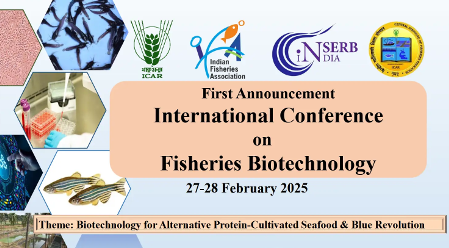
INTERNATIONAL CONFERENCE ON FISHERIES BIOTECHNOLOGY: ADVANCING CULTIVATED SEAFOOD AND THE BLUE REVOLUTION

by Fishery News 16/12/2024
written by Fishery News

The Fish Genetics and Biotechnology Division of ICAR-CIFE, Mumbai, has previously organized two National Conferences on Fisheries Biotechnology. This third conference aims to sustain the dialogue on advancements in fisheries biotechnology and address challenges while exploring future opportunities in the field.

Key topics include:

  • Cultivated Seafood as an Alternative Smart Protein
  • Advancements in Omics Technology
  • Fish Genetic Improvement Programmes
  • Cell Culture for Nutritional and Health Management
  • Biotechnological Innovations for the Blue Economy

With global food security challenges and climate-related concerns, cultivated seafood emerges as a promising smart protein alternative. The conference provides a platform for academics, researchers, students, entrepreneurs, and farmers to discuss fisheries biotechnology and map a sustainable future for aquaculture and fisheries.


Technical Sessions

  1. Biotechnology for Development of Cultivated Seafood: Prospects & Challenges
  2. Advancements in Omics Technologies for High-Tech Aquaculture and Fisheries
  3. Biotechnological Innovations for Seafood Quality & Safety
  4. Advances in Fish Genetic Improvement Programmes
  5. Cell Culture: Nutritional & Health Management
  6. Farmer-Industry-Academia Interaction
  7. Panel Discussion


Theme: Biotechnology for Alternative Protein – Cultivated Seafood & Blue Revolution
Organised by:
ICAR-CIFE, Mumbai
and
Indian Fisheries Association, Mumbai


Conference Details

  • Date: 27-28 February 2025
  • Location: ICAR-Central Institute of Fisheries Education, Panch Marg, Off. Yari Road, Andheri West, Mumbai – 400061


Important Dates

  • Abstract Submission Deadline: 25 January 2025
  • Abstract Acceptance Notification: 1 February 2025
  • Early Bird Registration Deadline: 25 January 2025


Registration Fees

Early bird registration fees are as follows:

  • Faculty/Researcher: ₹3000
  • Accompanying Person: ₹2000
  • Student: ₹1000

For late or spot registration after 25 January 2025, the fees will be ₹3500 for faculty/researchers, ₹2500 for accompanying persons, and ₹1500 for students.


Payment Information

The registration fee should be sent to the Indian Fisheries Association,
Account Number: 10132355347, State Bank of India, Versova Branch, IFSC Code: SBIN0003117.


Awards

  • Young Scientist Award
  • Best Oral Presentation (for each session)
  • Best Poster Presentation (for each session)


Contact Information

Dr. Mukunda Goswami
Convenor, Principal Scientist & Head, FGB Division
📞 +91 9082976774 | 📧 icfb@cife.edu.in

Dr. Shrinivas Jahageerdar
Organising Secretary, Principal Scientist, FGB Division
📞 +91 9969300125


Abstract Submission

Submit abstracts (200-250 words in English) highlighting the presenting and corresponding author to: icfb@cife.edu.in.

Abstracts should align with the conference theme. Selected submissions will be invited for oral or poster presentations, and full-length papers will be referred for peer-reviewed publication.


Join Now!
📧 icfb@cife.edu.in
🌐 www.cife.edu.in
📍 Google Maps Link

Let’s shape the future of fisheries biotechnology together!


16/12/2024 0 comment
0 FacebookTwitterPinterestEmail
Fisheries College Students and Alumni Demand Immediate Action on Faculty Shortages in Rajasthan
NationalNews

Fisheries College Students and Alumni Demand Immediate Action on Faculty Shortages in Rajasthan

by Fishery News 16/12/2024
written by Fishery News

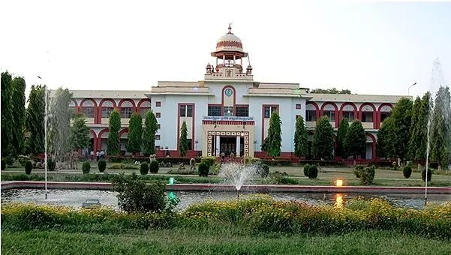
A delegation of students from Maharana Pratap University of Technology’s (MPUT) Fisheries College, alongside members of the College of Fisheries Udaipur Alumni Association, submitted a memorandum to the Chief Minister’s office on Monday. The delegation demanded urgent steps to address the long-standing shortage of academic and non-academic staff at the college.

Despite being established 15 years ago, the Fisheries College has struggled to meet the minimum faculty and staff requirements set by the Indian Council of Agricultural Research (ICAR). The college currently operates with just two full-time professors, with the bulk of teaching responsibilities being handled by guest faculty. As several professors have recently retired, the shortage has become even more critical, jeopardizing the institution’s ability to function effectively.

The lack of faculty has led to the suspension of Postgraduate (PG) and Doctoral (Ph.D.) programs at the college. Students who aspire to pursue higher education in fisheries are now compelled to seek admission in institutions outside the state, resulting in a significant drain of talent and resources. The suspension has also halted crucial research in areas such as climate-based fish seed selection, integrated fish farming, and cost-effective aquaculture methods, which are essential for advancing fisheries in Rajasthan.

The delegation pointed out that previous meetings with state government officials had yielded only verbal assurances, with no concrete actions taken to address the issue. “Despite our repeated appeals, the vacancies remain unfilled. We hope this time the government takes our demands seriously,” said Ajay Meena, a representative of the Alumni Association.

In their memorandum, the students and alumni have issued a 15-day ultimatum to the government and the university administration to initiate the recruitment process. They warned that failure to address the issue within this period would result in a large-scale movement and an awareness campaign to highlight the plight of the college.

The memorandum was submitted by key representatives, including Ajay Meena and Mukesh Ghasal from the Alumni Association, alongside several fourth-year Bachelor of Fisheries Science (BFSc) students.

The students emphasized that filling these vacancies is not only essential for the academic future of the college but also for the development of fisheries in Rajasthan. Without adequate faculty and resources, the college’s ability to contribute to sustainable aquaculture practices and fisheries research in the state remains severely compromised.

The ball is now in the government’s court to take immediate steps to secure the future of the Fisheries College and its students.

Source: GMCH Stories

16/12/2024 0 comment
0 FacebookTwitterPinterestEmail
WHAT IS CAGE CULTURE? A BEGINNER'S GUIDE TO AQUACULTURE IN MESH ENCLOSURES
NationalNews

WHAT IS CAGE CULTURE? A BEGINNER’S GUIDE TO AQUACULTURE IN MESH ENCLOSURES

by Fishery News 15/12/2024
written by Fishery News

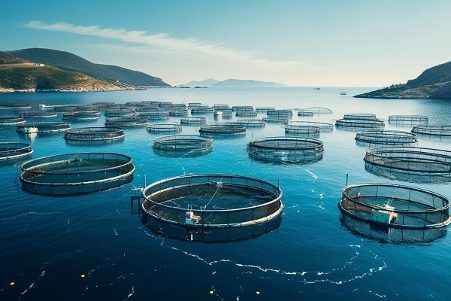
Fish can be cultured in one of four systems: ponds, raceways, recirculating systems, or cages. A cage or net pen confines fish or shellfish within a mesh enclosure. By definition, a cage has a rigid frame on all sides, while a net pen has a rigid frame only around the top. However, the terms “cage” and “net pen” are often used interchangeably.

Cage culture employs existing water resources (ponds, rivers, estuaries, oceans) while confining fish in a mesh enclosure, making feeding, observation, and harvesting easier. The mesh allows water to flow freely, maintaining water quality and removing wastes.

The origins of cage culture trace back to fishermen using cages to accumulate fish for market. In Southeast Asia, the first true culture cages, made from wood or bamboo, emerged in the late 18th century. In the U.S., modern cage culture began in the 1950s with synthetic materials, and freshwater cage culture research followed in the 1960s. Today, freshwater cage culture is practiced on a limited scale in the southern U.S., offering alternative agricultural opportunities.

ADVANTAGES OF CAGE CULTURE

  1. Resource Use Flexibility: Cage culture can utilize various water bodies, including ponds, rivers, and lakes, provided water quality and legal permissions are in place.
  2. Low Initial Investment: Relative to pond construction, cage culture requires minimal infrastructure and investment, making it an accessible entry point.
  3. Simplified Cultural Practices: Fish behavior can be easily observed, helping anticipate issues such as stress or disease.
  4. Simplified Harvesting: Harvesting is straightforward by crowding fish in cages and using nets for removal.
  5. Multi-Use of Water Resources: Cages do not hinder other uses of water bodies, such as recreation or irrigation.

DISADVANTAGES OF CAGE CULTURE

  1. Complete Diets Needed: Caged fish depend entirely on nutritionally complete feeds, which must be fresh and properly stored.
  2. Water Quality Problems: High densities and feeding rates can lead to reduced oxygen levels and increased ammonia near cages.
  3. Disease Susceptibility: Crowded conditions and proximity to wild fish increase disease risks.
  4. Vandalism and Poaching: Cages are vulnerable to unauthorized access and predation.
  5. Limited Production: Cage culture typically yields fewer fish per acre than open-pond systems due to stress and water quality challenges.
  6. Overwintering Issues: Warm-water fish in cages face high mortality during winter due to diseases.

SPECIES SELECTION FOR CAGE CULTURE Species suitable for cage culture must thrive in confined conditions, have known culture requirements, and access to appropriate feeds. Common species include hybrid striped bass, rainbow trout, carp, tilapia, channel catfish, and sunfish. Unsuitable species, like blue catfish, cannot tolerate necessary crowding levels.

CONSIDERATIONS BEFORE IMPLEMENTATION Producers should evaluate market demand, site suitability, water quality, construction and production costs, and legal requirements before adopting cage culture. Markets are often overlooked but play a critical role in determining success.

GUIDE TO SUCCESSFUL CAGE CULTURE

  1. Site Selection and Water Quality: Choose sites with appropriate depth, flow, and water quality. Ensure legal permissions.
  2. Cage Construction and Placement: Use durable materials for cages and strategically position them in the water body to optimize flow and accessibility.
  3. Species Selection: Select species based on market demand, environmental conditions, and nutritional availability.
  4. Feeding and Observation: Use high-quality feeds and monitor fish behavior closely to mitigate stress and disease.
  5. Harvesting: Plan efficient harvesting techniques, including partial harvesting for niche markets.
  6. Risk Management: Address potential risks like poaching, predation, and water quality degradation through strategic planning and regular monitoring.

FUTURE PROSPECTS OF CAGE CULTURE As wild-capture fisheries decline and aquaculture expands, niche markets for cage-cultured fish are growing. By leveraging underutilized water resources, cage culture can provide sustainable fish production opportunities. Careful planning, species selection, and management practices can enhance profitability and environmental sustainability.

For more information about aquaculture, follow FisheryNews

15/12/2024 0 comment
0 FacebookTwitterPinterestEmail
webp ()
NationalNews

ADVANCING AQUACULTURE WELFARE: BUILDING A BRIGHTER FUTURE WITH AQUA PROFESSION WELFARE ASSOCIATION

by Fishery News 14/12/2024
written by Fishery News

Fish welfare remains an underrepresented yet critical topic in both aquaculture and wild fisheries. Public awareness of fish welfare standards is scarce, and misconceptions abound, leading to widespread challenges in the industry. In highly intensive food production systems with minimal welfare considerations, this issue becomes even more pressing.

apwa logo final 1 removebg preview

The aquaculture industry in Andhra Pradesh provides direct and indirect livelihoods to approximately 1.45 million people, including professionals and farmers who form the majority. Despite welfare associations for workers in various sectors of the state, it is noteworthy that until 2012, there was no association exclusively dedicated to safeguarding the interests of employees in the aquaculture sector—a sector that generates an annual income of over ₹1,95,000 crore for the country.

To bridge this gap, the Aqua Profession Welfare Association (APWA) was established. Founded in 2012, APWA focuses not only on protecting aquaculture professionals but also on the overall welfare of farmers and the integrated development of the aquaculture industry.

ABOUT AQUA PROFESSION WELFARE ASSOCIATION

APWA is the first welfare association for aquaculture professionals in India, boasting over 400 members. The association actively works to empower industry professionals, promote skill development, and assist farmers with practical knowledge and innovative technologies.

Key contributions by APWA include:

  • Introducing advanced aquaculture technologies to farmers.
  • Providing information about feed management.
  • Raising awareness about disease prevention and management.
  • Conducting impactful training programs and workshops.

With a successful 12-year journey, APWA has earned numerous accolades. Some milestones and notable events include:

November 8 Event in Bhimavaram: During this event, all members unanimously elected Mr. Tetali Srinivas as the new President of APWA. Former President Mr. Amarneni Srinivas, along with former Secretary R. Srinivas, Treasurer S. Rajaramam, and EC Members, participated in the event.

In his speech, Mr. Tetali Srinivas acknowledged the dedication of the previous committee under Mr. Amarneni Srinivas’s leadership in ensuring the stability and progress of APWA. He emphasized the importance of their invaluable guidance and experience for the future growth of the association.

The newly elected General Secretary, Mr. Bodapati Vijaya Satish Kumar, and Treasurer, Mr. Palasala Venkata Subrahmanyam, expressed their commitment to strengthening APWA’s connection with aquaculture professionals and farmers. They outlined plans to significantly increase membership and develop a new agenda focused on inclusivity, skill development, and job creation.

FUTURE VISION

The new committee aims to:

  • Create a comprehensive agenda for involving every aquaculture professional in APWA.
  • Prioritize skill development and job creation to empower members.
  • Enhance the association’s role in supporting India’s aquaculture sector to achieve sustainable growth and global recognition.

Addressing these issues requires a holistic approach that integrates animal welfare into sustainable development policies. This includes improving nutrition, food security, ecosystem health, Conducting a membership drive.


MEMBERSHIP DRIVE DETAILS

  • Event Name: Aqua Profession Welfare Association (APWA) Membership Drive
  • Date: Saturday, 14 December 2024
  • Venue: Comfort Inn, Kaikaluru
  • Time: 2:00 PM to 5:00 PM


POST-EVENT SCHEDULE

  • 5:00 PM – 7:00 PM: Membership Registration
  • 7:00 PM Onwards: Dinner

Aqua Profession Welfare Association

Together for a better tomorrow!


14/12/2024 0 comment
0 FacebookTwitterPinterestEmail
Crab Farmers’ and Exporters’ Meet Held to Boost Mud Crab Farming in Odisha
NationalNews

Crab Farmers’ and Exporters’ Meet Held to Boost Mud Crab Farming in Odisha

by Fishery News 14/12/2024
written by Fishery News

The State Project Management Unit of the Enhancing Climate Resilience of India’s Coastal Communities (ECRICC) project organized the Crab Farmers’ and Exporters’ Meet today at the State Institute of Rural Development (SIRD) Campus, Bhubaneswar. The event aimed to promote sustainable aquaculture practices, strengthen market linkages, and highlight mud crab farming as a viable livelihood for Odisha’s coastal communities.

In his inaugural address, Prem Kumar Jha, Director (Environment) and Special Secretary to the Government and State Project Director, ECRICC Project, Odisha, emphasized the importance of mud crab aquaculture in the state’s fisheries sector. He highlighted that this initiative would provide a sustainable income source for coastal communities while ensuring environmental sustainability.

Dr. Archiman Lahiri, Deputy Director of the Marine Products Export Development Authority (MPEDA), stressed the growing global demand for high-quality mud crabs and Odisha’s potential to become a key player in the international export market.

The ECRICC project, funded by the Green Climate Fund, is currently being implemented in Odisha, Maharashtra, and Andhra Pradesh, with a focus on enhancing the resilience of vulnerable coastal communities to climate change. In Odisha, the project covers seven landscapes across the districts of Puri, Ganjam, Kendrapara, and Balasore.

Key discussions at the meet revolved around scaling crab aquaculture, overcoming export challenges, and establishing a dedicated crab hatchery by 2025 to ensure a steady seed supply. The event also addressed strategies to improve farmers’ access to global markets, uphold quality standards, and streamline export documentation.

Representatives from MPEDA, the Fisheries and Animal Resource Development Department (F&ARD), exporters from West Bengal and Tamil Nadu, and various NGOs participated in the event. Dr. Spandita Kar, State Project Manager, ECRICC, and her team ensured the smooth execution of the meet.

The partnerships formed among the government, NGOs, and exporters are expected to significantly benefit Odisha’s coastal communities, paving the way for sustainable and profitable aquaculture practices in the region.


14/12/2024 0 comment
0 FacebookTwitterPinterestEmail
Newer Posts
Older Posts
  • Recent
  • Popular
  • ICAR-CIFT Patents Rapid DNA Biosensor for Black Tiger Shrimp Authentication

    07/08/2026
  • Minister Holds Review Meeting with Fisheries Cooperative Leaders

    07/08/2026
  • Dry Fish Demand Surges Following Formalin Ban

    07/08/2026
  • Rohu Breeding: A Complete Step-by-Step Guide to Successful Seed Production

    07/08/2026
  • 1

    Trout Fish Stocking Initiative Enhances Fisheries and Tourism Potential in Shopian, Jammu and Kashmir

    17/12/2023
  • 2

    BIGGEST FISH MARKETS IN INDIA

    07/09/2024
  • 3

    Brazil’s Appetite for Vietnamese Tilapia Is Reshaping the Global Whitefish Trade

    28/07/2026
  • 4

    Introducing Future Aquaculture Magazine: A New Voice Shaping the Future of Seafood

    13/02/2026

About Fishery News

FN Logo

Fishery.News is India’s leading digital media platform dedicated to fisheries, aquaculture, seafood, and marine industries. We deliver trusted news, expert insights, market intelligence, technology updates, research, government policies, and success stories that help fish farmers, shrimp farmers, seafood businesses, researchers, and industry professionals stay informed and grow sustainably

Categories

  • News
  • Aquaculture
  • Aquatic Health and Disease Management
  • Research and Innovation
  • Technology & Equipments

Social Networks

Facebook Twitter Instagram Linkedin Youtube
  • Facebook
  • Twitter
  • Instagram
  • Linkedin
  • Youtube

© 2026 Fishery.News – A BLIV Media Venture. All Rights Reserved.


Back To Top
Fishery News
  • E – Magazine
    • Aquaculture
    • Aqua Health & Disease Management
    • News
      • National
      • International
    • Farming
    • Research and Innovation
    • Sustainability
    • Technology & Equipments
    • This is Africa
    • Trade
  • Publications
  • Events
    • Expos
    • Trainings
    • Events by Month
  • Business Listings
    • List Your Business
    • Business Listings
    • Buy & Sell
    • Get Consultation
  • Employment
  • About Us
    • Founder
  • Contact