• E – Magazine
    • Aquaculture
    • Aqua Health & Disease Management
    • News
      • National
      • International
    • Farming
    • Research and Innovation
    • Sustainability
    • Technology & Equipments
    • This is Africa
    • Trade
  • Publications
  • Events
    • Expos
    • Trainings
    • Events by Month
  • Business Listings
    • List Your Business
    • Business Listings
    • Buy & Sell
    • Get Consultation
  • Employment
  • About Us
    • Founder
  • Contact
Fishery News
Home » News » Page 122
Category:

News

Invasive Alligator Gar Fish Sparks Concern in Dal Lake Jammu and Kashmir
NationalAquacultureFarmingNews

Invasive Alligator Gar Fish Sparks Concern in Dal Lake, Jammu and Kashmir

by Fishery News 01/10/2023
written by Fishery News

The Jammu and Kashmir Lake Conservation and Management Authority (LCMA) found an alligator gar fish during routine cleaning of Dal Lake ahead of the G20 meeting in Srinagar. The large, carnivorous fish native to North America, with a potential length of up to eight feet, poses a significant threat to local fish species.

Government officials and scientists express alarm at the potential impact of the alligator gar on Dal Lake’s ecosystem. Shafeeqa Peer, a scientist with LCMA, emphasizes the fish’s predatory nature and its ban in certain parts of India, raising concerns about its threat to the natural species of Dal Lake.

The unexpected discovery has heightened fears of biodiversity disruption in Dal Lake, home to 17 distinct fish species vital for the livelihoods of 2,100 families. Local fishermen, known as “mahageers,” have witnessed a drastic decline in fish productivity, jeopardizing their traditional livelihoods.

Masood-ul-Hassan Balkhi, former dean of the faculty of fisheries at Sher-e-Kashmir University, expresses concern about the potential disruption to the lake’s ecology. LCMA, in collaboration with SKUAST’s Department of Fisheries and Aquaculture, is launching an investigation into the appearance of the invasive gar fish.

Authorities are actively searching for the source of the fish and examining whether its presence is an isolated incident, an accident, or an intentional act. The Fisheries Department is treating the matter seriously, conducting a thorough investigation to determine the origins of the alligator gar in Dal Lake.

01/10/2023 0 comment
0 FacebookTwitterPinterestEmail
AISHA Hosts Two Day Event with Indian and International Experts
NationalInternationalNews

AISHA Hosts Two-Day Event with Indian and International Experts

by Fishery News 01/10/2023
written by Fishery News

The Radisson Blu Resort in Rushikonda witnessed the commencement of a two-day international conference focusing on ‘Shrimp Breeding, Husbandry, and Nutrition,’ organized by the All India Shrimp Hatcheries Association (AISHA). The conference, inaugurated on Friday, brought together experts from India and abroad to discuss crucial aspects of the shrimp industry.

Distinguished guests at the event included Beeda Mastan Rao, a Rajya Sabha Member renowned for his contributions to aquaculture, and Vaddi Raghuram, the co-chairman of the AP State Aquaculture Development Authority (APSADA).

AISHA President Yellanki Ravikumar set the tone for the conference with an inaugural address that emphasized the significance of the topics at hand. The first session of the conference delved into ‘Vannamei breeding,’ while the second session explored the ‘Breeding of native species.’

Throughout the event, Indian and international experts engaged in comprehensive discussions on various issues affecting the shrimp industry, including breeding methodologies, husbandry practices, and nutritional considerations.

The conference aims to foster collaboration and knowledge exchange among professionals in the field, providing a platform for addressing challenges and exploring innovative solutions within the shrimp breeding and aquaculture domain. The diverse range of topics covered reflects the industry’s commitment to sustainable practices and continuous improvement in shrimp farming.

01/10/2023 0 comment
0 FacebookTwitterPinterestEmail
UN Data Platform Exposes Alarming Impact of Marine Dredging on Global Sand Extraction
NewsAquacultureFarmingInternational

UN Data Platform Exposes Alarming Impact of Marine Dredging on Global Sand Extraction

by Fishery News 01/10/2023
written by Fishery News

A newly launched UN data platform, Marine Sand Watch, reveals shocking statistics about the marine dredging industry’s impact, extracting a staggering six billion tons of sand and sediment annually. Developed by the UN Environment Programme (UNEP), the platform employs artificial intelligence and ship signals to monitor sand, clay, silt, gravel, and rock extraction in marine environments. The data underscores the urgent need for improved management of marine sand resources and a reduction in the environmental impacts of shallow sea mining.

While the platform is groundbreaking, it currently cannot detect artisanal and small-scale mining along shallow coastlines, despite its intensity in some regions. Pascal Peduzzi, Director of GRID-Geneva at UNEP, emphasizes the alarming environmental impacts of shallow sea mining and dredging, including biodiversity loss, water turbidity, and noise effects on marine mammals.

Between four and eight billion tons of sediment are dredged annually from marine and coastal environments, perilously close to the natural replenishment rate needed to sustain coastal and marine ecosystems. The report calls for better management practices, treating sand as a strategic material, and international standards governing marine sand extraction. It also recommends enhanced monitoring, ending sand extraction from beaches, and discouraging mining in active beach-nearshore sand systems. The findings emphasize the global threat to coastal communities and ecosystems, urging swift action to address the crisis.

01/10/2023 0 comment
0 FacebookTwitterPinterestEmail
Unexpected Bonanza for Kasimedu Fishermen as Leather Jacket Fishes Make Rare Appearance
NationalAquacultureNews

Unexpected Bonanza for Kasimedu Fishermen as Leather Jacket Fishes Make Rare Appearance

by Fishery News 01/10/2023
written by Fishery News

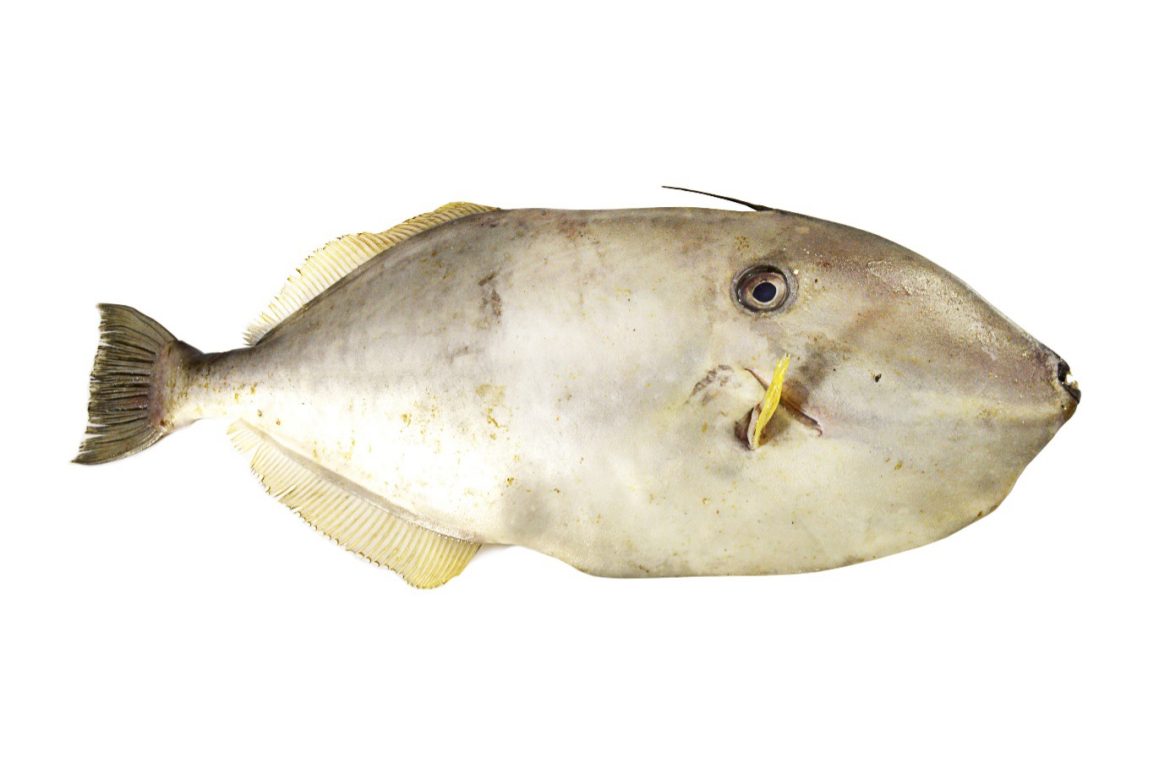
Kasimedu fishing harbor in North Chennai is abuzz with excitement as an unusual phenomenon unfolds – the sudden appearance of leather jacket fishes, a rare catch in these waters. In a surprising turn of events, fishermen have reeled in more than 1000 tonnes of these unique fishes over the past few weeks, marking a significant and unexpected boon for the local fishing community.

This unexpected bounty is particularly noteworthy as leather jacket fishes have been scarce in Kasimedu harbor since 2010, making this recent influx a rare occurrence. The leather jacket fishes, known for their thick skin, have become a lucrative catch for the fishermen, bringing considerable financial gains.

The Fisheries Department revealed that, on average, one trawler has been bringing in approximately 10 tonnes of these leather jacket fishes. A trawler owner shared that one of his boats alone brought in more than 5 tonnes of this unique species, highlighting the magnitude of this recent occurrence.

The economic impact is substantial, given that leather jacket fishes are in demand, especially by restaurants. The wholesale market sees these fishes being sold at Rs 230 per kilogram, while the retail market prices them at Rs 300 per kilogram. The lucrative nature of this catch has not only brought financial relief to the fishermen but has also sparked interest in the export market, further enhancing the economic prospects for the local fishing community.

The versatile nature of leather jacket fishes is also notable, as their thick skin can be repurposed for making filters and sieves, adding an additional dimension to the economic value derived from this unexpected surge in their catch. As Kasimedu harbor enjoys this rare abundance, stakeholders are keenly observing the dynamics and anticipating a positive impact on the local fishing economy.

01/10/2023 0 comment
0 FacebookTwitterPinterestEmail
Climate Change Driven Fish Migration Poses Threat to Goa Fisheries
NationalAquacultureNews

Climate Change-Driven Fish Migration Poses Threat to Goa Fisheries

by Fishery News 01/10/2023
written by Fishery News

The impact of climate change on India’s east and west coasts is becoming increasingly evident as fishes, driven by changing environmental conditions, are migrating towards polar regions. This migration trend has been observed along both the east and west coasts of India, disrupting local fisheries.

Speaking at an event on the BITS Pilani KK Birla Goa campus, Sunil Kumar Singh, Director of CSIR-National Institute of Oceanography (NIO), expressed concerns about the implications for Goa’s fisheries. Singh noted that the recent increase in the catch of mackerel and other fishes in Goa was a consequence of the migration patterns shifting from the Kerala coast towards Goa due to climate change.

Singh explained, “Because of climate change, fishes are moving towards the poles, so oil sardine and other fishes are reducing along the Kerala coast and are slowly coming towards Goa. But they will move further towards the polar regions.”

Highlighting the broader impact, Singh mentioned that fish migration is a phenomenon extending across the entire Atlantic. He warned that the ‘dead zone’ along Goa’s coast, where dead fish wash ashore, is expected to increase in the coming years.

Describing a concerning annual phenomenon, Singh stated, “We have already witnessed a chaotic problem during the monsoon, with intermediate water getting into the coastal region. We observe tonnes of fishes dying in the estuary of the Mandovi near Caranzalem.” He attributed this to the reduction in deepwater formation caused by climate change, leading to lower oxygen levels and an expansion of the ‘dead zone.’

Given Goa’s heavy dependence on fisheries, Singh emphasized the potential for a chaotic situation if the trend continues. He framed the issue as a global problem with far-reaching consequences.

The Director shared his insights during the half-day Youth 20 event, part of G20 initiatives, organized by BITS Pilani Goa campus in collaboration with Goa State Biodiversity Board (GSBB) and Goa State Climate Change Cell. The discussion shed light on the urgent need for climate-conscious policies to mitigate the impact on coastal ecosystems and fisheries.

01/10/2023 0 comment
0 FacebookTwitterPinterestEmail
Global Study Reveals Widespread Species Shrinking Particularly in Fish
NewsAquacultureInternational

Global Study Reveals Widespread Species Shrinking, Particularly in Fish

by Fishery News 01/10/2023
written by Fishery News

A comprehensive global analysis of thousands of animal and plant species has unveiled a concerning trend of species shrinking, with a notable impact on fish sizes. Researchers have observed changes in the body size of various species, most prominently in fish populations. The study, conducted by an international team of scientists from 17 universities, compiled data on 4,292 mammals, invertebrates, plants, fish, amphibians, and reptiles.

Fish species, including the thorny skate in the North Atlantic, have shown a trend toward smaller sizes, while smaller-bodied species like mackerel are increasing in abundance. The findings suggest a significant shift in the composition and functioning of ecosystems globally. Although fish exhibited the most noticeable size reduction, the phenomenon was also recorded in some plants and invertebrate species.

Researchers propose that global heating and overconsumption, characteristic features of the Anthropocene era, may be driving these changes. The study supports previous observations of shrinking fish sizes in the North Sea and smaller Pacific salmon in Alaska, potentially linked to the climate crisis.

Lead researcher Dr. Inês Martins from York University emphasized that the core finding indicates not just a predominant shrinking but a combination of species replacement and changes within species populations contributing to smaller organisms. The study revealed that within some species, individuals are progressively becoming smaller, and larger species are being replaced by smaller ones when they disappear.

The senior author of the paper, Prof Maria Dornelas of St Andrews University, highlighted the complexity of the observed changes, suggesting that when large organisms vanish, others attempt to fill their ecological niches and utilize the available resources. This phenomenon, known as species replacement, keeps the biomass constant, indicating that ecosystems are compensating for these alterations.

Dr. Franziska Schrodt from Nottingham University emphasized the need for more comprehensive data on various organisms beyond fish to draw clearer conclusions. The researchers stressed the importance of understanding the mechanisms involved in these changes, as shrinking body sizes can have significant consequences on how ecosystems function and how humans benefit from them. The study underscores the urgency for increased investment in research to explore food webs and other species interactions beyond fish.

01/10/2023 0 comment
0 FacebookTwitterPinterestEmail
New Edible Fish Species Discovered in Odishas Kolab River
NationalAquacultureFarmingNews

New Edible Fish Species Discovered in Odisha’s Kolab River

by Fishery News 01/10/2023
written by Fishery News

Researchers from the Central University of Odisha and the Zoological Survey of India have identified a new species of freshwater fish in the Kolab river, located in the Koraput district of Odisha. The discovery, named Garra laishrami, was made during an ichthyological survey by Supriya Surachita, a Department of Science & Technology Inspire Fellow.

Surachita’s research, conducted under the supervision of Prof. Sharat Kumar Palita, Dean of the School of Biodiversity and Conservation of Natural Resources at CUO, focuses on the diversity, distribution, and threats to fishes in the freshwater bodies of Koraput in the Eastern Ghats of Odisha.

The newly discovered cyprinid, or freshwater fish, has been named after Dr. Laishram Kosygin of ZSI, in recognition of his contributions to the study of Indian freshwater fishes. The fish category Garra is known for its elongated shape, varying in size from small to medium, and is characterized by the presence of a gular disc. Typically found in regions from Borneo to West Africa, this particular variety, Garra laishrami, is unique to the Kolab river in Odisha’s Eastern Ghats.

The fish, ranging from 76 mm to 95.5 mm in length, has an added significance – it is edible, and local communities in the region consume it. Garra laishrami is usually found beneath rocks and among stones and boulders in torrential streams and rivers.

The discovery highlights the rich biodiversity of the Kolab river, and researchers believe that a more in-depth study of Koraput is essential to uncover various types of organisms in the region. Prof. Palita expressed optimism about the possibility of finding more new fish species in the area.

Details of the study on this new fish species have been published in the taxonomy journal “Ichthyological Exploration of Freshwaters” in Germany.

01/10/2023 0 comment
0 FacebookTwitterPinterestEmail
Innovative Fish Farming Initiative Turns Abandoned Mines into Livelihood Hubs in Jharkhand
NationalAquacultureFarmingNews

Innovative Fish Farming Initiative Turns Abandoned Mines into Livelihood Hubs in Jharkhand

by Fishery News 30/09/2023
written by Fishery News

The district administration in West Singhbhum, Jharkhand, is utilizing abandoned mines to generate livelihood opportunities for the youth through fish farming. The innovative move not only fosters self-reliance among the youth but also curbs the migration of the workforce to other states, addressing socio-economic challenges in the rebel-hit region.

Officials report that the initiative, launched during the COVID-19 pandemic, has proven instrumental in tackling rampant malnutrition in the area. A society of displaced individuals was formed, and fish farming, specifically using cage culture, was initiated in abandoned limestone mines at Kamarhatu and Karanjia. The endeavor, spanning 8-10 acres of land, has successfully generated income for the community, providing a sustainable source of livelihood.

District Fishery Officer Jayant Ranjan highlights the dual benefit of fish farming in these mines. It not only creates a livelihood for the local population but also contributes to addressing malnutrition concerns by providing abundant fish for consumption. Boating activities in the mines further contribute to the community’s earnings.

Ranjan expresses the administration’s commitment to expanding the initiative throughout the district, given the abundance of mines in West Singhbhum. Residents are encouraged to form societies to facilitate the implementation of fish farming in their respective areas.

Beneficiaries, mainly original landowners displaced due to mining activities, praise the initiative. Each society, comprising around 50 members, registers with the cooperative society. In one abundant mine, approximately 25 cages yield 2-3 tonnes of fish per season, with two caging seasons annually. The district administration provides comprehensive support for cage culture, enabling individuals to earn around 1.5 lakh per head per annum.

Arjun Mahapatra, a beneficiary, notes that the initiative has not only reduced migration but has also empowered local youth to become self-sufficient through fish farming. Chief Minister Hemant Soren has lauded the effort as a commendable step toward making the region’s youth self-reliant. The success of this project demonstrates the transformative impact of repurposing abandoned mines for sustainable and community-centric initiatives.

30/09/2023 0 comment
0 FacebookTwitterPinterestEmail
Driven by Rising Seafood Demand and Sustainable Practices
NewsInternationalTrade

Global Frozen Giant Tiger Shrimp Market Set to Reach USD 3.85 Billion by 2030

by Fishery News 30/09/2023
written by Fishery News

In a recent report by Virtue Market Research, the Global Frozen Giant Tiger Shrimp Market, valued at USD 2.2 billion, is projected to surge to USD 3.85 billion by the end of 2030, with a notable CAGR of 7.25% during the forecast period of 2023-2030.

A major factor propelling the market is the escalating worldwide demand for seafood products, with giant tiger shrimp gaining popularity due to its nutritional value and distinctive taste. This sustained demand has stimulated growth in shrimp farming and processing industries.

While the COVID-19 pandemic initially impacted the market negatively, causing disruptions in supply chains and altering consumption patterns, a resilient adaptation emerged. Focusing on frozen products for retail consumption helped stabilize the market, meeting the heightened demand for seafood in home-cooked meals during lockdowns.

In the short term, the rise of e-commerce and online grocery shopping is driving the Frozen Giant Tiger Shrimp Market. Companies are strategically investing in online presence and distribution networks to cater to consumers who prefer the convenience of ordering frozen shrimp and other food products online.

An exciting opportunity in the market revolves around sustainability and responsible sourcing. As consumers increasingly consider the environmental impact of their food choices, companies embracing sustainable shrimp farming practices and obtaining certifications like Aquaculture Stewardship Council (ASC) or Global Aquaculture Alliance (GAA) can tap into this growing market segment.

A notable trend is the emphasis on value-added products in the Frozen Giant Tiger Shrimp Market. Shrimp processors are innovating by offering pre-marinated, pre-cooked, or seasoned shrimp, providing quick and easy meal solutions. The introduction of new flavors and culinary inspirations is captivating food enthusiasts, driving further market growth.

In terms of farming methods, conventional shrimp farming remains the largest segment, owing to its well-established and widely adopted practices. However, the fastest-growing segment is organic shrimp, aligning with the increasing consumer preference for healthier and environmentally friendly choices. Organic shrimp farming, avoiding synthetic chemicals and antibiotics, resonates with the growing emphasis on eco-conscious food consumption.

30/09/2023 0 comment
0 FacebookTwitterPinterestEmail
Optimal Fish Choices for Uric Acid Management in Indian Diets
NationalNews

Optimal Fish Choices for Uric Acid Management in Indian Diets

by Fishery News 30/09/2023
written by Fishery News

In the pursuit of maintaining healthy uric acid levels through dietary choices, health experts are often recommending the incorporation of specific Indian fish, with “Mackerel” taking the spotlight. Mackerel is lauded for its relatively low purine content, a factor associated with the development of uric acid. For individuals prone to high uric acid levels or conditions like gout, consuming fish like mackerel can aid in mitigating the risk of uric acid buildup in the body.

Here’s why mackerel, and other recommended Indian fish, make the cut for uric acid-friendly diets:

Low Purine Content: Mackerel stands out for containing fewer purines compared to certain seafood and meats. Given that high-purine foods can contribute to elevated uric acid levels, opting for lower-purine choices like mackerel is deemed beneficial.

Rich in Omega-3 Fatty Acids: Mackerel boasts an impressive profile of omega-3 fatty acids, known for their anti-inflammatory properties. As inflammation is often linked to gout, incorporating omega-3-rich foods such as mackerel may assist in alleviating the severity of gout symptoms.

Protein Source: Mackerel provides high-quality protein, serving as a valuable alternative to higher-purine red meat, which can contribute to uric acid buildup.

In addition to mackerel, other Indian fish options recommended for managing uric acid levels include:

Sardines: Another low-purine fish rich in omega-3 fatty acids, sardines are a favourable addition to a uric acid-friendly diet.

Pomfret: Widely accepted in Indian cuisine, pomfret is considered safe for those with high uric acid levels, being a lean source of protein and low in purines.

Catfish: A common freshwater fish in India, catfish is low in purines, making it a suitable choice for those monitoring their uric acid intake.

Tilapia: Although not native to India, tilapia, a readily available fish, is generally low in purines and can be easily incorporated into various dishes.

Rohu: As an Indian freshwater fish, rohu is recognized as suitable for individuals with high uric acid levels, offering essential nutrients along with protein.

Anchovies: Small, oily fish like anchovies are low in purines and high in omega-3 fatty acids, providing both flavour and health benefits.

Maintaining a balanced diet that includes a variety of foods is crucial for managing uric acid levels effectively. By integrating these fish into meals, alongside ample vegetables, whole grains, and hydration, individuals can take proactive steps in regulating uric acid levels for overall health.

30/09/2023 0 comment
0 FacebookTwitterPinterestEmail
Newer Posts
Older Posts
  • Recent
  • Popular
  • ICAR-CIFT Patents Rapid DNA Biosensor for Black Tiger Shrimp Authentication

    07/08/2026
  • Minister Holds Review Meeting with Fisheries Cooperative Leaders

    07/08/2026
  • Dry Fish Demand Surges Following Formalin Ban

    07/08/2026
  • Rohu Breeding: A Complete Step-by-Step Guide to Successful Seed Production

    07/08/2026
  • 1

    BIGGEST FISH MARKETS IN INDIA

    07/09/2024
  • 2

    Trout Fish Stocking Initiative Enhances Fisheries and Tourism Potential in Shopian, Jammu and Kashmir

    17/12/2023
  • 3

    National Coastal Mission Scheme (NCM) Enhances Coastal Management Efforts

    07/08/2024
  • 4

    Brazil’s Appetite for Vietnamese Tilapia Is Reshaping the Global Whitefish Trade

    28/07/2026

About Fishery News

FN Logo

Fishery.News is India’s leading digital media platform dedicated to fisheries, aquaculture, seafood, and marine industries. We deliver trusted news, expert insights, market intelligence, technology updates, research, government policies, and success stories that help fish farmers, shrimp farmers, seafood businesses, researchers, and industry professionals stay informed and grow sustainably

Categories

  • News
  • Aquaculture
  • Aquatic Health and Disease Management
  • Research and Innovation
  • Technology & Equipments

Social Networks

Facebook Twitter Instagram Linkedin Youtube
  • Facebook
  • Twitter
  • Instagram
  • Linkedin
  • Youtube

© 2026 Fishery.News – A BLIV Media Venture. All Rights Reserved.


Back To Top
Fishery News
  • E – Magazine
    • Aquaculture
    • Aqua Health & Disease Management
    • News
      • National
      • International
    • Farming
    • Research and Innovation
    • Sustainability
    • Technology & Equipments
    • This is Africa
    • Trade
  • Publications
  • Events
    • Expos
    • Trainings
    • Events by Month
  • Business Listings
    • List Your Business
    • Business Listings
    • Buy & Sell
    • Get Consultation
  • Employment
  • About Us
    • Founder
  • Contact