• E – Magazine
    • Aquaculture
    • Aqua Health & Disease Management
    • News
      • National
      • International
    • Farming
    • Research and Innovation
    • Sustainability
    • Technology & Equipments
    • This is Africa
    • Trade
  • Publications
  • Events
    • Expos
    • Trainings
    • Events by Month
  • Business Listings
    • List Your Business
    • Business Listings
    • Buy & Sell
    • Get Consultation
  • Employment
  • About Us
    • Founder
  • Contact
Fishery News
Home » News » Page 20
Category:

News

Experts Warn of Hepatitis A Threat from Shellfish in the Philippines
NationalNews

Experts Warn of Hepatitis A Threat from Shellfish in the Philippines

by Fishery News 17/10/2024
written by Fishery News

Researchers are raising concerns about the spread of Hepatitis A virus (HAV) through shellfish in the Philippines, urging more research and stricter monitoring measures. Experts from Ateneo de Manila University, the University of the Philippines, Monash University Malaysia, and the Bureau of Fisheries and Aquatic Resources caution that the risks associated with HAV remain poorly understood, despite the popularity of locally farmed oysters and mussels.

Although Filipinos are familiar with seafood hazards like “red tide,” awareness about viral contamination, including HAV, remains low. HAV can spread through food and water contaminated by fecal matter, with improperly prepared shellfish posing a particular risk. As filter feeders, oysters and mussels absorb pollutants from surrounding waters, increasing the likelihood of harbouring viruses. Once inside these shellfish, the virus can remain viable for up to ten weeks, significantly raising the chances of transmission.

The supply chain offers multiple points for contamination, from the farms where shellfish are cultivated to household cooking practices. Farms are often situated in coastal areas near industrial or residential zones prone to pollution. Additionally, little is known about whether traditional cooking methods like boiling or steaming are effective in eliminating HAV, leaving gaps in food safety practices.

At present, the Philippines focuses on testing for bacterial pathogens such as E. coli and salmonella to assess shellfish safety. However, these tests do not detect HAV or other viruses, creating blind spots in monitoring efforts. The absence of a consistent surveillance program for HAV in shellfish or the environment further limits the country’s ability to detect potential outbreaks.

Researchers stress the need for deeper investigation into the “farm-to-fork” journey of shellfish and more targeted public awareness campaigns to address the risks posed by viral contamination. They also recommend the implementation of dedicated monitoring programs to better safeguard public health and prevent future outbreaks.
 

17/10/2024 0 comment
0 FacebookTwitterPinterestEmail
Chennai Undertakes Drive to Remove Invasive Tilapia from Adyar Creek
NationalNews

Chennai Undertakes Drive to Remove Invasive Tilapia from Adyar Creek

by Fishery News 17/10/2024
written by Fishery News

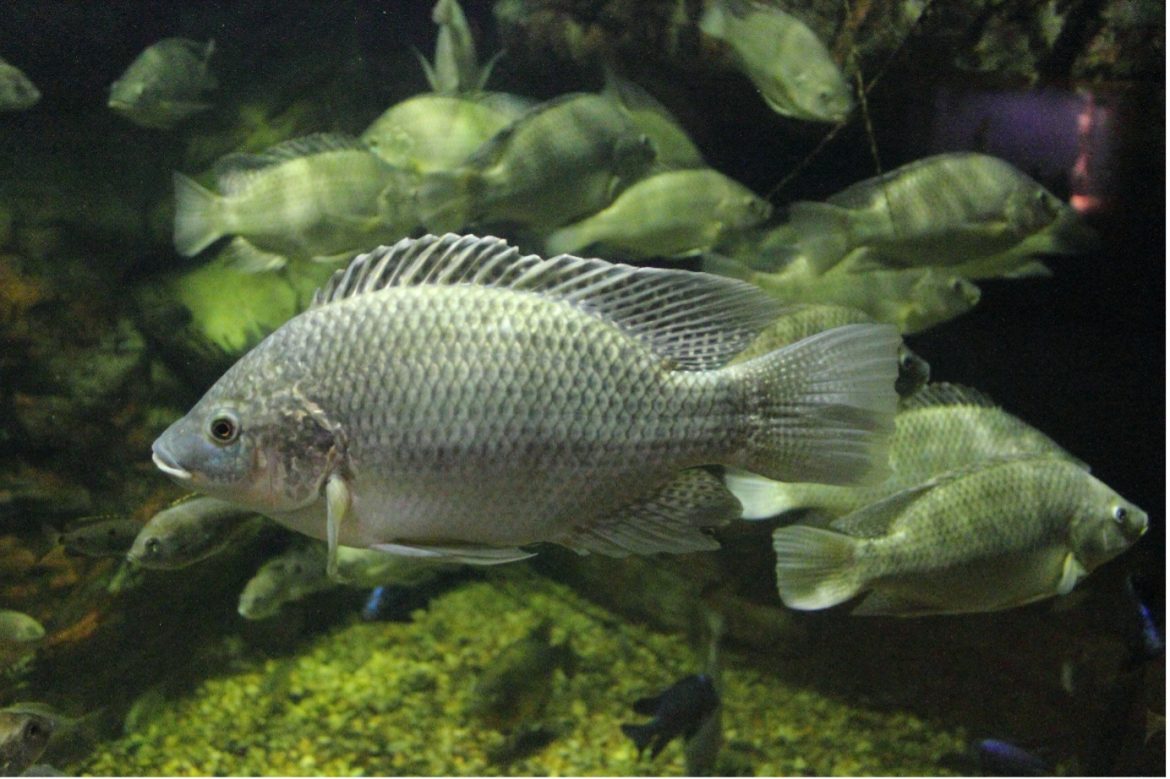
Chennai: The state government has launched a campaign to control the spread of invasive African-origin Tilapia in Adyar Creek, aiming to protect local fish species and restore ecological balance. Originally introduced to Tamil Nadu in the 1950s as an affordable protein source, Tilapia quickly established itself in the state’s water bodies due to its ability to thrive in polluted environments with low oxygen levels.

Tilapia’s dominance is largely due to its mouthbrooding reproduction strategy, where eggs are incubated in the parent’s mouth until hatching. This, along with its aggressive behaviour and habit of preying on larvae of native fish, has caused a decline in indigenous species. The introduction of Genetically Improved Farmed Tilapia (GIFT) in the early 2000s worsened the situation, as this variety spread even more rapidly.

To combat the issue, the Chennai River Restoration Trust (CRRT) initiated a targeted effort at Adyar Creek, a 358-acre area, using nets to capture adult Tilapia and reduce their population. An increase in salinity levels earlier this year also triggered a significant Tilapia die-off, initially misinterpreted as a pollution event. The CRRT later clarified the cause in a report to the National Green Tribunal (NGT), which had taken independent notice of the incident near Kotturpuram Bridge.

Following four months of culling efforts, the return of around 40 native species has been observed, including pacific tarpon (peri meen), milkfish (pokaan), and flatfish (padugai meen).

While this strategy has shown promise in smaller water bodies, experts caution that controlling invasive species in larger ecosystems is more challenging. They emphasize the need for a comprehensive policy to address invasive fish such as Tilapia, suckerfish, and catfish. With the shrinking number of smaller water bodies due to urbanization, pollution threatening native fish populations, and insufficient upkeep of larger lakes, experts advocate for an integrated management approach.

In addition to policy development, specialists highlight the importance of conducting detailed surveys of native fish species. Such research is crucial not only for conservation efforts but also for fostering awareness among future generations about the region’s aquatic biodiversity.

Source: Times of India


17/10/2024 0 comment
0 FacebookTwitterPinterestEmail
ASU Researcher Garima Jain Explores Sustainable Aquaculture Solutions Amid Climate Challenges
News

ASU Researcher Garima Jain Explores Sustainable Aquaculture Solutions Amid Climate Challenges

by Fishery News 16/10/2024
written by Fishery News

Garima Jain, a PhD candidate in geography at Arizona State University (ASU), is making strides in understanding the socio-environmental impacts of aquaculture in India, following her 13 years of research experience in her home country and other regions of the Global South. With the increasing salinity of soil due to frequent storm surges, many local farmers have transitioned from traditional rice farming to aquaculture, raising concerns about the sustainability of these practices.

Jain’s research, which has recently received recognition through two prestigious grants—the U.S. National Science Foundation Doctoral Dissertation Research Improvement grant and the Horowitz Foundation for Social Policy grant—aims to develop strategies for disaster recovery and climate-resilient development in vulnerable coastal areas. The funding will support Jain in collecting critical primary data on the socioeconomic and environmental factors that influence the adoption of aquaculture, as well as its effects on local communities.

“I am extremely grateful to the National Science Foundation and the Horowitz Foundation for supporting my fieldwork,” said Jain. “The primary data that I’m collecting will be the first of its kind. Even after my research is complete, others can access it for developing new research, ideas, and hopefully more insights in the future.”

Her work focuses on practical applications that engage local communities and policymakers. By collaborating with community members, government officials, and experts, Jain plans to host workshops aimed at addressing the dual challenges of climate-induced soil salinity and population growth in coastal regions. “One thing that’s currently lacking is the sense of alternatives for these communities. They know their areas better than I ever will. Through these workshops, they can identify and develop more sustainable solutions themselves,” Jain explained.

Beyond her dissertation, Jain is committed to ensuring that her findings are accessible to a wider audience. She plans to publish her research in open-access journals and produce a short film and graphic anthology to share her insights with non-academic stakeholders. These creative initiatives aim to foster informed policymaking on sustainable aquaculture practices.

Jain’s fieldwork exemplifies the potential of research-driven solutions to help coastal communities adapt to climate-induced vulnerabilities. By examining the expanding aquaculture sector in India, her work provides valuable insights that can inform sustainable practices worldwide, ultimately contributing to the resilience of communities facing environmental challenges.


16/10/2024 0 comment
0 FacebookTwitterPinterestEmail
Telangana Government Urged to Introduce Aquaculture Courses at Young India Skills University
NationalNews

Telangana Government Urged to Introduce Aquaculture Courses at Young India Skills University

by Fishery News 16/10/2024
written by Fishery News

Hyderabad: Pittala Ravinder, the founder-president of the Telangana Fisheries Society and former chairman of the Telangana State Fisheries Federation, has called on the state government to offer aquaculture-related courses at the newly inaugurated Young India Skills University.

Ravinder highlighted the importance of incorporating programs focused on aquaculture, value-added fisheries products, fish food exports, and contemporary fish farming technologies. He emphasized that these initiatives would empower young professionals with the expertise needed to thrive in the evolving fisheries industry.

In a public statement, Ravinder pointed out the vast potential of Telangana’s freshwater resources and advocated for specialised education that would enable the younger generation to tap into modern fisheries practices. Additionally, he urged the government to consider establishing a separate university dedicated to inland fisheries education to further boost the sector.

Submitting a memorandum to Chief Minister A. Revanth Reddy, Ravinder underscored the significance of fisheries in Telangana’s economy. He noted that more than 12 percent of the state’s population depends on this sector for their livelihood, and strategic development in this area would have far-reaching economic benefits.

Ravinder reiterated the necessity for institutional reforms, suggesting that skill-based education in fisheries would play a pivotal role in enhancing productivity, expanding exports, and driving sustainable economic growth.


16/10/2024 0 comment
0 FacebookTwitterPinterestEmail
Gujarat Allocates ₹ Crore to Upgrade Fishing Harbours and Landing Centres
NationalNews

Gujarat Allocates ₹54.50 Crore to Upgrade Fishing Harbours and Landing Centres

by Fishery News 16/10/2024
written by Fishery News

Gandhinagar: The Gujarat government has earmarked ₹54.50 crore for modernizing key fishing harbours and landing centres, a move expected to enhance infrastructure for thousands of fishermen and improve the operations of fishing vessels in the coastal regions of Porbandar and Gir Somnath.

Announcing the initiative, Fisheries Minister Raghavji Patel shared that the revitalization efforts will focus on three key locations: Navibandar in Porbandar district, along with Dhamlej and Hirakot in Gir Somnath district. The Dhamlej fish landing centre will receive ₹26.40 crore, while ₹14.60 crore and ₹13.48 crore have been allocated for Hirakot and Navibandar, respectively.

The investment aims to bolster the livelihoods of over 35,000 fishermen and upgrade facilities for more than 8,000 fishing vessels. Planned improvements include construction of protective bunds, internal roads, auction halls, boat repair yards, maritime security infrastructure, and essential amenities such as water supply, lighting, fire-fighting systems, and rest shelters for fishermen.

With Gujarat’s coastline extending nearly 1,600 kilometres along the Arabian Sea, the fishing sector plays a pivotal role in the state’s economy. Over 3.5 lakh fishermen depend on marine resources for their livelihood, with Gujarat boasting more than 107 operational harbours and fish landing centres along its coast.

The state is home to 121 fish landing sites, including major hubs like Veraval, Mangrol, Porbandar, Okha, and Jakhau. These centres not only support domestic fishing activities but also contribute to India’s thriving seafood export industry.

As a leading player in India’s fisheries sector, Gujarat accounts for nearly 30% of the country’s seafood exports, shipping fish products to global markets such as Japan, the United States, China, and Southeast Asia. The state’s robust exports have become a crucial source of foreign exchange, further boosting Gujarat’s economy.

Among the species that dominate catches along Gujarat’s coast are pomfret, ribbonfish, mackerel, shrimp, crab, and Bombay duck, all of which enjoy strong demand both domestically and internationally.

This ambitious infrastructure upgrade is expected to not only support the local fishing community but also enhance Gujarat’s standing in the global seafood market.


16/10/2024 0 comment
0 FacebookTwitterPinterestEmail
Massive Grant Paves the Way for Cochin Fisheries Harbour Overhaul
NationalNews

Massive Grant Paves the Way for Cochin Fisheries Harbour Overhaul

by Fishery News 16/10/2024
written by Fishery News

Kochi: Under the Sagarmala project, the Union government has released ₹169 crore to modernize and upgrade the Cochin Fisheries Harbour. The Cochin Port Authority, responsible for implementing the project, reported that construction is already underway, with the newly sanctioned funds set to speed up the work for completion within the next few months.

First announced in the Union Budget 2022, the project is poised to benefit 700 fishing vessels and directly support the livelihoods of nearly 10,000 fishermen. The modernization aims to improve hygiene standards and boost profits from the export of fish and related products.

The revamped harbour will feature air-conditioned auction halls, fish processing and packaging units, internal roads, loading bays, offices, dormitories, and a food court.

A public-private partnership (PPP) component worth ₹55.85 crore will also bring in additional facilities, including cold storages, slurry and tube ice plants, multi-level parking, a reverse osmosis water plant, a retail fish market, and an extended food court. Once completed, the upgraded harbour is expected to increase efficiency and enhance income for the local fishing community.

16/10/2024 0 comment
0 FacebookTwitterPinterestEmail
CMFRI Introduces Fish Walk Initiative in Kochi to Promote Marine Biodiversity Awareness
NationalNews

CMFRI Introduces Fish Walk Initiative in Kochi to Promote Marine Biodiversity Awareness

by Fishery News 15/10/2024
written by Fishery News

Kochi will soon witness the launch of its first-ever “Fish Walk,” a unique educational program by the Central Marine Fisheries Research Institute (CMFRI) aimed at increasing public understanding of marine biodiversity. Much like popular birdwatching tours, the Fish Walk initiative will offer participants a hands-on experience, introducing them to the region’s marine life and ecosystems.

The inaugural walk is scheduled for October 19, with additional sessions planned on October 26, November 16, and November 23.

Participants, including students and marine life enthusiasts, will join experts on guided field visits to fish landing centers, where they will observe and document various marine species. The program promises an immersive learning experience by blending field research with biodiversity education. It also emphasizes the importance of conservation efforts, CMFRI noted in a press release.

“Fish Walk is an innovative step aligned with the citizen science model, aimed at sparking curiosity and fostering a deeper appreciation for marine life,” said CMFRI Director Grinson George.

“This initiative serves not only to spread scientific knowledge but also to raise public awareness about the challenges faced by the fisheries sector. By actively involving citizens in marine research, we aim to create a collaborative environment to support biodiversity conservation efforts,” he added.

The initiative is open to students and individuals passionate about marine biology, though participation is limited. Applicants must submit their name, age, Aadhaar number, affiliation, and a brief statement explaining their interest in the Fish Walk. Applications should be sent to fishwalkcmfri@gmail.com by October 17, and queries can be directed to 83010-48849.

Through the Fish Walk, CMFRI hopes to inspire public engagement with marine science, promoting a collective approach to addressing ecological challenges and fostering sustainable fisheries management.


15/10/2024 0 comment
0 FacebookTwitterPinterestEmail
Mass Fish Death at Upputeru Sparks Outrage Over Pharmaceutical Pollution
NationalNews

Mass Fish Death at Upputeru Sparks Outrage Over Pharmaceutical Pollution

by Fishery News 14/10/2024
written by Fishery News

Anakapalli: A significant environmental crisis has emerged as tonnes of dead fish washed ashore at Upputeru, a tidal basin in Nakkapalli mandal, allegedly due to untreated pharmaceutical waste being discharged into the water. A drug manufacturing company operating in the nearby Rajayyapeta mandal is reported to be releasing chemical effluents directly into the basin without proper treatment, causing severe ecological harm and impacting local livelihoods.

Fishermen have expressed deep concern over the incident, citing the contamination’s damaging effects on both the marine ecosystem and their economic well-being. The untreated effluents have not only reduced fish populations but also affected the quality of the catch, resulting in substantial financial losses for the fishing community.

Protesting against the pollution, the fishermen gathered at Upputeru, demanding urgent government intervention. They called for strict action against the pharmaceutical company and urged the authorities to enforce environmental regulations to prevent further damage. The community also sought compensation to mitigate the economic impact on affected families.

Despite repeated complaints over time, the problem remains unresolved, with concerns that the lack of action from regulatory bodies, such as the Andhra Pradesh Pollution Control Board (APPCB), is exacerbating the situation. Fishermen emphasized that the degradation of the marine environment threatens not only their livelihoods but also the biodiversity of the region.

The protestors urged the government to hold the responsible parties accountable and implement effective measures to restore the health of the tidal basin, ensuring sustainable fishing in the future.


14/10/2024 0 comment
0 FacebookTwitterPinterestEmail
Ecuador Ratifies the WTO Agreement on Fisheries Subsidies
InternationalNews

Ecuador Ratifies the WTO Agreement on Fisheries Subsidies

by Fishery News 11/10/2024
written by Fishery News

Ecuador has officially ratified the World Trade Organization’s (WTO) Agreement on Fisheries Subsidies, marking a significant step in global efforts to regulate harmful fishing practices. Ambassador José Valencia presented Ecuador’s instrument of acceptance to WTO Director-General Ngozi Okonjo-Iweala, further cementing the country’s commitment to sustainable fisheries management.

Director-General Okonjo-Iweala lauded Ecuador’s decision, highlighting its role as a major tuna exporter and custodian of the Galapagos Islands. She emphasized that the agreement would not only protect marine ecosystems but also provide long-term economic benefits for Ecuador by curbing detrimental subsidies that contribute to overfishing and depletion of fish stocks.

Ambassador Valencia reaffirmed Ecuador’s dedication to ocean sustainability, noting that the agreement aligns with Sustainable Development Goal 14.6, which calls for the conservation of marine resources. He emphasized that the deal would enhance the livelihoods of those reliant on fishing, particularly vulnerable communities, by prohibiting subsidies that fuel illegal, unreported, and unregulated (IUU) fishing.

Ecuador’s ratification brings the total number of WTO members who have accepted the agreement to 84. The treaty will take effect once it is ratified by two-thirds of the WTO’s 164 members, requiring 27 more acceptances.

Originally adopted during the WTO’s 12th Ministerial Conference in June 2022, the Agreement on Fisheries Subsidies establishes binding international rules to limit harmful subsidies, which are a major contributor to overfishing. The agreement also addresses the needs of developing and least-developed countries by creating a fund to provide technical assistance and capacity-building for implementing the new regulations. Further negotiations are ongoing to expand and strengthen the agreement’s provisions.

11/10/2024 0 comment
0 FacebookTwitterPinterestEmail
Karnataka Fisheries Department Invites Bids for Sea Ambulance Procurement
NationalNews

Karnataka Fisheries Department Invites Bids for Sea Ambulance Procurement

by Fishery News 11/10/2024
written by Fishery News

Karnataka is set to enhance its coastal emergency response by introducing sea ambulances, with the Fisheries Department now seeking bids for their construction. Three high-speed ambulances, equipped with medical facilities, will be deployed at Mangaluru, Malpe, and Tadadi harbours to address medical emergencies at sea.

As part of the state budget announcement earlier this year, these sea ambulances aim to provide immediate medical attention and evacuation services to those in distress at sea. Each ambulance will be outfitted with essential medical and safety equipment, including life jackets, oxygen cylinders, electrocardiogram machines, and defibrillators, as well as firefighting appliances. The boats will have the capacity to accommodate five patients, one paramedic, and six crew members.

The high-speed ambulances, made from marine-grade steel, will be capable of reaching speeds of 14 knots and are expected to be fully operational by the end of 2025. The total estimated cost for all three vessels is around Rs 5 crore, with the department planning to release payments to the contractors in stages as construction progresses.

The tender submission deadline is set for the last week of October, with technical bids to be opened by October 25. Contractors are required to complete the initial construction phase within three months, with full commissioning to be completed within nine months.


11/10/2024 0 comment
0 FacebookTwitterPinterestEmail
Newer Posts
Older Posts
  • Recent
  • Popular
  • ICAR-CIFT Patents Rapid DNA Biosensor for Black Tiger Shrimp Authentication

    07/08/2026
  • Minister Holds Review Meeting with Fisheries Cooperative Leaders

    07/08/2026
  • Dry Fish Demand Surges Following Formalin Ban

    07/08/2026
  • Rohu Breeding: A Complete Step-by-Step Guide to Successful Seed Production

    07/08/2026
  • 1

    BIGGEST FISH MARKETS IN INDIA

    07/09/2024
  • 2

    Trout Fish Stocking Initiative Enhances Fisheries and Tourism Potential in Shopian, Jammu and Kashmir

    17/12/2023
  • 3

    National Coastal Mission Scheme (NCM) Enhances Coastal Management Efforts

    07/08/2024
  • 4

    Brazil’s Appetite for Vietnamese Tilapia Is Reshaping the Global Whitefish Trade

    28/07/2026

About Fishery News

FN Logo

Fishery.News is India’s leading digital media platform dedicated to fisheries, aquaculture, seafood, and marine industries. We deliver trusted news, expert insights, market intelligence, technology updates, research, government policies, and success stories that help fish farmers, shrimp farmers, seafood businesses, researchers, and industry professionals stay informed and grow sustainably

Categories

  • News
  • Aquaculture
  • Aquatic Health and Disease Management
  • Research and Innovation
  • Technology & Equipments

Social Networks

Facebook Twitter Instagram Linkedin Youtube
  • Facebook
  • Twitter
  • Instagram
  • Linkedin
  • Youtube

© 2026 Fishery.News – A BLIV Media Venture. All Rights Reserved.


Back To Top
Fishery News
  • E – Magazine
    • Aquaculture
    • Aqua Health & Disease Management
    • News
      • National
      • International
    • Farming
    • Research and Innovation
    • Sustainability
    • Technology & Equipments
    • This is Africa
    • Trade
  • Publications
  • Events
    • Expos
    • Trainings
    • Events by Month
  • Business Listings
    • List Your Business
    • Business Listings
    • Buy & Sell
    • Get Consultation
  • Employment
  • About Us
    • Founder
  • Contact