• E – Magazine
    • Aquaculture
    • Aqua Health & Disease Management
    • News
      • National
      • International
    • Farming
    • Research and Innovation
    • Sustainability
    • Technology & Equipments
    • This is Africa
    • Trade
  • Publications
  • Events
    • Expos
    • Trainings
    • Events by Month
  • Business Listings
    • List Your Business
    • Business Listings
    • Buy & Sell
    • Get Consultation
  • Employment
  • About Us
    • Founder
  • Contact
Fishery News
Home » Technology & Equipments » Page 3
Category:

Technology & Equipments

Fuel Techs DGI® Technology Revolutionizes Shrimp Farming Promising Results Unveiled
Technology & Equipments

Fuel Tech’s DGI® Technology Revolutionizes Shrimp Farming: Promising Results Unveiled

by Fishery News 07/02/2024
written by Fishery News

Warrenville, Illinois: Fuel Tech, Inc. (NASDAQ: FTEK), renowned for its advanced engineering solutions, has unveiled a game-changing development in shrimp farming. The company’s patented Dissolved Gas Infusion (DGI®) technology, initially tailored for water and wastewater treatment, has demonstrated remarkable efficacy in enhancing shrimp production while ensuring optimal health conditions for the crustaceans.

The recent release of a white paper by Fuel Tech, titled “Demonstration of the Fuel Tech, Inc. Dissolved Gas Infusion (DGI®) Technology for the Royal Caridea Aquaculture Raceway,” marks a significant milestone in the evolution of aquaculture practices. The collaborative trial, conducted in partnership with shrimp farm technology provider Royal Caridea, presents compelling evidence of DGI®’s potential to revolutionize shrimp farming operations.

The trial, conducted at a domestic shrimp farming facility, focused on growing Pacific whiteleg shrimp (Litopenaeus Vannamei) in a raceway system employing Fuel Tech’s DGI® gas infusion system. Notably, the study showcased the ability of DGI® to reliably dose and maintain dissolved oxygen (DO) levels, thereby significantly increasing total shrimp production compared to conventional aeration methods.

Shrimp farming is gaining momentum globally in response to burgeoning consumer demand, necessitating innovative solutions to optimize production efficiency. The trial, conducted over two consecutive growth cycles, yielded promising results in terms of shrimp survival, growth, and overall health.

During the first growth cycle, traditional bubble aeration was utilized until the oxygen demand of the water surpassed sustainable levels, necessitating partial shrimp harvesting to maintain acceptable DO concentrations. In contrast, the second growth cycle employed Fuel Tech’s DGI® technology, ensuring DO concentrations at 150% of atmospheric saturation. This approach not only facilitated higher shrimp densities but also led to likely health improvements for the crustaceans.

The white paper underscores the transformative potential of DGI® in shrimp production, emphasizing its adaptability across diverse water and wastewater processes, environmental remediation endeavours, and industrial applications. The innovative technology, originally designed for water treatment, has seamlessly transitioned into aquaculture, promising multifaceted benefits for producers and the environment alike.

John M. Boyle, PhD, Senior Director of Technology Development at Fuel Tech, is set to present the trial results at Aquaculture America on February 21, 2024, in San Antonio, Texas. Co-author Maurice Kemp, President of Royal Caridea, will also be in attendance, further highlighting the collaborative spirit driving innovation in aquaculture.

Bill Decker, Vice President of Water and Wastewater Treatment Technologies at Fuel Tech, expressed enthusiasm about the trial outcomes, emphasizing the significant benefits of deploying DGI® for oxygen injection in aquaculture applications. With global shrimp demand on the rise, DGI® offers a compelling solution to enhance stock health, optimize yields, and promote sustainable shrimp farming practices.

Fuel Tech’s DGI® technology, validated through rigorous testing methodologies endorsed by industry experts, promises unparalleled oxygen transfer efficiency, surpassing 99%. With its innovative approach and tangible results, DGI® heralds a new era of sustainable shrimp farming, propelling the industry towards greater efficiency, profitability, and environmental stewardship.

07/02/2024 0 comment
0 FacebookTwitterPinterestEmail
Human Generated Noise Threatens Marine Life Impact on Physiology Behaviour and Survival Revealed
Technology & Equipments

AI Revolutionizing Fisheries Management: Innovative Solutions to Enhance Ocean Health

by Fishery News 30/01/2024
written by Fishery News

As the global demand for seafood continues to rise amidst declining fish populations, experts are turning to computer science and artificial intelligence (AI) to revolutionize commercial fishing practices. AI-driven technologies are emerging as powerful tools to address critical challenges facing the fishing industry, offering solutions to enhance fisheries management and promote a sustainable future for our oceans.

In the Netherlands, Edwin van Helmond from Wageningen University and Research is at the forefront of utilizing AI to tackle unwanted catches in EU fisheries. Through the Fully Documented Fisheries (FDF) project, van Helmond and his team have developed an AI-based tool to streamline catch documentation onboard vessels. This innovative tool automatically identifies fish species, size, and weight, providing real-time analysis to help fishers make informed decisions and comply with regulations.

Meanwhile, in the Western Indian Ocean, a collaborative effort led by researchers from Wildlife Conservation Society (WCS), Lancaster University, Macquarie University, and ENTROPIE has yielded another AI breakthrough. By leveraging satellite data and machine learning algorithms, the team has developed a model capable of accurately estimating coastal fish stocks with 85 percent accuracy. This groundbreaking model provides valuable insights for small-scale fishers, empowering them with critical information to manage their fisheries effectively.

The application of AI in fisheries management is not without its challenges. Tim McClanahan, director of marine science at WCS, highlights the importance of addressing data issues and ensuring the relevance of AI-driven predictions to stakeholders. Despite these challenges, the potential of AI to revolutionize fisheries operations and promote sustainable practices is undeniable.

As AI technologies continue to evolve, experts emphasize the need for interdisciplinary collaboration and effective coordination to maximize their benefits in fisheries management. By harnessing the power of AI, stakeholders can work towards a future where healthy fish stocks and thriving ecosystems coexist, ensuring the long-term viability of our oceans and the communities dependent on them.

30/01/2024 0 comment
0 FacebookTwitterPinterestEmail
Indonesian Shrimp Producer Implements Genetic Technology for Enhanced Breeding Programs
Technology & Equipments

Indonesian Shrimp Producer Implements Genetic Technology for Enhanced Breeding Programs

by Fishery News 27/01/2024
written by Fishery News

Prima Larvae Bali (PLB) has embarked on a venture to integrate genetic technology into its breeding programs to address the challenges faced by shrimp farmers in Indonesia. Recognizing the significance of fast growth and disease resistance in shrimp farming, PLB has partnered with the U.S.-based Centre for Aquaculture Technologies (CAT) to elevate the quality and resilience of its shrimp stocks.

The collaboration between PLB and CAT marks a significant milestone in the quest for sustainable aquaculture practices. Leveraging CAT’s expertise in genetics solutions, PLB aims to refine its selection of genetic lines for shrimp that exhibit rapid growth and thrive in commercial settings. Through the utilization of molecular markers and cutting-edge technologies, PLB endeavours to produce genetically diverse and adaptable shrimp lines that are robust in various environmental conditions.

According to Debbie Plouffe, VP of business development-genetics at CAT, the tools provided by CAT enable precise and accurate selection of shrimp with desirable traits while maintaining overall genetic diversity. This approach not only enhances the resilience of shrimp populations but also prepares them for future challenges. Plouffe emphasizes the importance of locally improved genetics, considering Indonesia’s diverse environmental conditions and the risks associated with importing broodstock.

Alejandro Gutierrez, director of breeding at CAT, underscores the necessity of selecting shrimp strains that are robust in specific environments, particularly in light of the emergence of diseases in Indonesian shrimp farming. He emphasizes the importance of communication between scientists and farmers to ensure the success of breeding programs.

Henry Wijaya, director of PLB, expresses optimism about the partnership with CAT and its potential to revolutionize Indonesian shrimp farming. With robust communication and cutting-edge genetic technologies, PLB aims to deliver fast-growing and resilient shrimp, paving the way for expansion into new markets across Indonesia.

The integration of genetic technology into shrimp breeding programs heralds a new era of innovation and sustainability in Indonesian aquaculture, promising significant benefits for both shrimp producers and consumers alike.

Source: Global Seafood Alliance


27/01/2024 0 comment
0 FacebookTwitterPinterestEmail
Odisha Invites Bids for Conversion of DieselPetrol Fishing Boats to Solar Boats at Chilika Lake
Technology & Equipments

Odisha Invites Bids for Conversion of Diesel/Petrol Fishing Boats to Solar Boats at Chilika Lake

by Fishery News 25/01/2024
written by Fishery News

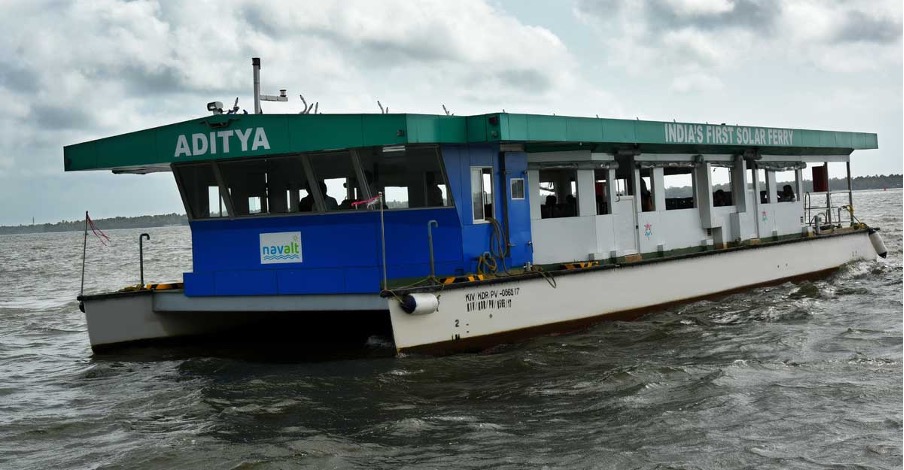
The Odisha Renewable Energy Development Agency (OREDA) has issued a tender aimed at accelerating the adoption of solar boats in Chilika Lake, Odisha. The tender specifically seeks solar developers to handle the design, engineering, and retrofitting of 28 tourist boats and 100 fishing boats currently powered by diesel and petrol. The primary objective is to convert these boats into solar-powered vessels, marking a transition towards more sustainable and eco-friendly transportation on Chilika Lake.

OREDA’s tender focuses on various aspects of the conversion process, including technical, operational, and maintenance considerations. Through a consultative process, the agency aims to gain insights into the challenges and opportunities associated with shifting from fossil fuel-powered boats to electric or solar-powered alternatives. This holistic approach is expected to inform the retrofitting process and ensure the successful integration of solar propulsion systems into the existing boat fleet.

The selected solar developers will play a crucial role in conducting surveys and collecting essential data related to the existing operational boats under entities such as the Odisha Tourism Development Centre (OTDC), Chilika Development Authority (CDA), and fishing boats. Additionally, the developers will be tasked with providing comprehensive design specifications for retrofitting the boats with solar-powered electric propulsion systems, ensuring compatibility with the required operational duration and speed.

Furthermore, the tender mandates that the chosen developers establish charging infrastructure both onshore and onboard, facilitating efficient and sustainable energy use. The creation of on-shore charging stations and infrastructure is pivotal to supporting the operational needs of the solar-powered boats. As part of their responsibilities, the developers will also oversee the installation of all equipment in accordance with the provided design specifications.

While the opening date and time for the technical bid are yet to be announced, OREDA’s initiative represents a significant step towards fostering renewable energy adoption in the transportation sector, contributing to the overall sustainability goals of the region.

25/01/2024 0 comment
0 FacebookTwitterPinterestEmail
Indonesian Shrimp Farmers Embrace UV Disinfection to Improve Pond Health and Sustainability
Technology & Equipments

Indonesian Shrimp Farmers Embrace UV Disinfection to Improve Pond Health and Sustainability

by Fishery News 24/01/2024
written by Fishery News

Shrimp farmers in Indonesia are increasingly adopting ultraviolet (UV) treatment as a sustainable alternative to chemical options for reducing Vibrio presence in their ponds. Initially successful in shrimp hatcheries, UV technology is now being considered for use in grow-out ponds, offering benefits such as enhanced biosecurity, decreased shrimp diseases, reduced long-term water management expenses, and environmental friendliness.

Farmers, including Sidiq Bayu Kurniawan in Bali, have reported significant reductions in Vibrio presence and increased efficiencies in space and expenses with UV treatment. The technology eliminates the need for separate treatment ponds, providing a direct and more efficient treatment process. The integrated UV system with a sand filter enhances water clarity and maximizes effectiveness.

Recognizing the potential for substantial long-term savings, shrimp farmers in Indonesia are exploring UV technology as a viable option compared to traditional chemical disinfectants like chlorine or hydrogen peroxide. The Aquaculture Technology and Development (ATD) PT Suri Tani Pemuka, a subsidiary of Japfa Group, is actively exploring UV technology’s development and implementation in ponds to enhance biosecurity without leaving residues that could lead to pathogen resistance.

However, it’s essential to note that UV disinfection complements biological approaches, with chemicals still playing a role in water treatment sequences. UV treatment, particularly UVC with a wavelength between 250 and 265 nm, damages pathogens’ DNA structure, preventing replication and preserving water quality without producing residues.

Farmers are considering UV as a sustainable alternative, emphasizing the importance of maintaining specific water quality parameters for optimal UV effectiveness. While UV disinfection requires careful consideration of factors like UV intensity, retention time, and dosage, experts suggest that the initial investment in UV technology offers long-term cost-effectiveness, making it a preferred choice for environmentally conscious shrimp farmers in Indonesia.


24/01/2024 0 comment
0 FacebookTwitterPinterestEmail
AquaExchange Raises 6M in Series A Funding Round to Expand Aquaculture Technology Platform
Technology & Equipments

AquaExchange Raises $6M in Series A Funding Round to Expand Aquaculture Technology Platform

by Fishery News 23/01/2024
written by Fishery News

Hyderabad-based aquaculture startup, AquaExchange, has successfully secured $6 million in its Series A funding round led by London-based private equity firm Ocean 14, with participation from existing investors Endiya Partners and Accion Venture Labs. The funds will be utilized to scale up the adoption of AquaExchange’s platform and explore opportunities in select international markets for exports.

Founded in 2020 by Pavan Kosaraju, AquaExchange specializes in full-stack aquaculture solutions, offering Internet of Things (IoT)-powered feed automation and power management devices controlled by farmers through a mobile app. The startup also operates a marketplace for aqua farmers, facilitating seed, feed, and product deliveries, providing a platform for manufacturers to showcase their products and enabling processors to connect with farmers for procurement.

Pavan Kosaraju, CEO of AquaExchange, expressed that the funding round strengthens their position as leaders in aquaculture technology and fintech. The goal is to equip more aquaculture farmers with technology to enhance productivity, reduce costs, and contribute to global protein sustainability.

Piers Lakin, Senior Associate at Ocean 14 Capital, commended AquaExchange’s rapid growth, noting its deployment of technology across a significant portion of India’s aquaculture landscape. The startup claims to have automated over 10% of all shrimp farms in India, covering thousands of acres.

India’s aquaculture sector, with fish and shrimp as major species, recorded shrimp production of 9 lakh tonnes in 2022 and fish production of 131.13 lakh tonnes in FY23. With rising consumer demand and seafood exports, the country’s aquaculture industry is poised to reach a market size of $29.37 billion by 2028. This growth presents opportunities for startups like AquaExchange to leverage technology for streamlined procurement, informed decision-making, and predicting market trends.

Hyderabad-based aquaculture startup, AquaExchange, has successfully secured $6 million in its Series A funding round led by London-based private equity firm Ocean 14, with participation from existing investors Endiya Partners and Accion Venture Labs. The funds will be utilized to scale up the adoption of AquaExchange’s platform and explore opportunities in select international markets for exports.

Founded in 2020 by Pavan Kosaraju, AquaExchange specializes in full-stack aquaculture solutions, offering Internet of Things (IoT)-powered feed automation and power management devices controlled by farmers through a mobile app. The startup also operates a marketplace for aqua farmers, facilitating seed, feed, and product deliveries, providing a platform for manufacturers to showcase their products and enabling processors to connect with farmers for procurement.

Pavan Kosaraju, CEO of AquaExchange, expressed that the funding round strengthens their position as leaders in aquaculture technology and fintech. The goal is to equip more aquaculture farmers with technology to enhance productivity, reduce costs, and contribute to global protein sustainability.

Piers Lakin, Senior Associate at Ocean 14 Capital, commended AquaExchange’s rapid growth, noting its deployment of technology across a significant portion of India’s aquaculture landscape. The startup claims to have automated over 10% of all shrimp farms in India, covering thousands of acres.

India’s aquaculture sector, with fish and shrimp as major species, recorded shrimp production of 9 lakh tonnes in 2022 and fish production of 131.13 lakh tonnes in FY23. With rising consumer demand and seafood exports, the country’s aquaculture industry is poised to reach a market size of $29.37 billion by 2028. This growth presents opportunities for startups like AquaExchange to leverage technology for streamlined procurement, informed decision-making, and predicting market trends.

23/01/2024 0 comment
0 FacebookTwitterPinterestEmail
Breakthrough Biosensor by Te Herenga Waka Researcher Poised to Detect Toxins
Technology & Equipments

Breakthrough Biosensor by Te Herenga Waka Researcher Poised to Detect Toxins

by Fishery News 19/01/2024
written by Fishery News

Dr. Balam Jimenez, a researcher at Te Herenga Waka—Victoria University in Wellington, has developed a user-friendly biosensor with the potential to revolutionize the aquaculture industry by detecting harmful toxins in seafood.

Inspired by his Whakatōhea-Mexican daughter, Hinemoana, and prompted by a personal experience with an E-coli outbreak, Jimenez embarked on research using synthetic DNA and RNA strands to create a technology capable of identifying specific toxins in seafood.

The biosensor, based on short single strands of synthetic nucleic acids that bind to target toxins, serves as the foundation for a toxin monitoring tool designed for use by iwi, communities, and industry. Seafood contamination, particularly from harmful algal blooms or paralytic shellfish poisoning (PSP), costs the global aquaculture industry an estimated $8 billion annually.

Jimenez’s tool aims to enable accessible point-of-care testing, addressing the ongoing health risks associated with seafood toxins. The prototype of the toxin monitoring tool is currently undergoing calibration and trials within the aquaculture industry, with an expected release date in July.

Jimenez emphasizes the significance of a healthy environment for ensuring the well-being of communities, emphasizing the need to create a tool that contributes to overall environmental and community health.

19/01/2024 0 comment
0 FacebookTwitterPinterestEmail
AIMPLAS EcoeFISHent Project Transforming Fish By Products into Sustainable Packaging
Technology & Equipments

AIMPLAS’ EcoeFISHent Project: Transforming Fish By-Products into Sustainable Packaging

by Fishery News 18/01/2024
written by Fishery News

AIMPLAS, a key participant in the EcoeFISHent project, envisions a transformative journey for fish gelatine and fishing nets. The global fish industry is expected to produce a staggering 194 million tonnes by 2026, with approximately 20 million tonnes used for fishmeal and fish oil. AIMPLAS is strategically tapping into the circular economy by extracting bioactive compounds from residual fish by-products, a cost-effective move toward sustainability.

The EcoeFISHent project, a European initiative, aims to safeguard marine ecosystems and protected areas. Focusing on bio, blue, green, and circular economy principles, it establishes six circular value chains to repurpose waste, extract bioactive components, and recycle end-of-life fishing gear for applications in packaging, food, automotive, and agriculture.

AIMPLAS plans to utilize fish gelatine side streams to create a compostable, gas-barrier biopolymer coating for packaging sensitive foods like meat, cheese, and fish. Scaling up to industrial pilot production, the process aims to achieve true sustainability with functional and non-harmful utility.

Additionally, AIMPLAS will extrude polyethylene from fishing nets, subject it to injection molding and lamination processes, and produce cosmetic packaging. This initiative includes a comprehensive program for collecting, recovering, and recycling abandoned fishing nets, along with a sustainability-focused fishing program.

The EcoeFISHent project involves collaboration among thirty-four partners across seven countries, coordinated by FILSE spa and funded by the European Union’s Horizon 2020 research and innovation program (grant agreement ID 101036428).

In a parallel effort, Tesco has joined forces with Keep Sea Blue to integrate recycled plastics into fresh fish packaging, aiming to keep 500 tonnes of discarded plastic out of the ocean. This move aligns with global initiatives targeting sustainability in the packaging industry.

18/01/2024 0 comment
0 FacebookTwitterPinterestEmail
Kings Infra Ventures and Atmoes Group Collaborate for Antibiotic Free Aquaculture in India
Technology & Equipments

Kings Infra Ventures and Atmoes Group Collaborate for Antibiotic-Free Aquaculture in India

by Fishery News 10/01/2024
written by Fishery News

Kings Infra Ventures Ltd., specializing in aquaculture farming, seafood processing, and international trade of marine products, has entered into a Memorandum of Understanding (MoU) with Atmoes Group to promote sustainable and traceable aquaculture practices in India. The collaboration aims to develop and promote antibiotic-free aquaculture, addressing the growing concerns over antibiotic-resistant bacteria and meeting global quality standards.

The MoU grants Kings Infra and its subsidiary, SISAT360, exclusive rights for utilizing Atmoes products in the Indian aquaculture industry. This strategic partnership seeks to introduce antibiotic-free aquaculture products, enhancing access and acceptability in international markets. The elimination of antibiotic residue from food products, including aquaculture, has become a crucial criterion in developed markets, reflecting the global commitment to health and sustainability.

Under the agreement, Kings Infra will undertake joint technology trials to customize Atmoes products and packaging to suit Indian conditions. The company will also enjoy exclusive rights to appoint distributors, agents, or sell directly to end-use customers. Atmoes Group, with a global presence in various sectors such as public hygiene, animal health, agriculture, and more, will provide training and technical support to farmers and dealers through seminars and presentations.

Atmoes India Chemicals Private Limited, the Indian arm of the Canadian-based Atmoes Group, brings years of research and expertise in biochemical products, covering animal health care, water and wastewater treatment, agriculture, and pulp paper. The collaboration also includes MEPCO Limited, a Gulf-based company with over two decades of experience in Pulp and Paper trading, the petroleum industry, and the biochemical business.

The joint efforts of Kings Infra Ventures and Atmoes Group aim to contribute to the development of antibiotic-free, sustainable, and traceable aquaculture practices in India. This collaboration aligns with the global shift towards responsible and environmentally friendly approaches in the food and aquaculture industries.

10/01/2024 0 comment
0 FacebookTwitterPinterestEmail
Indian Scientists Unveil Fish Adulteration Sensor for Global Food Safety
Technology & Equipments

Indian Scientists Unveil Fish Adulteration Sensor for Global Food Safety

by Fishery News 06/01/2024
written by Fishery News

Scientists in India have introduced an innovative, low-cost sensor capable of detecting adulteration in fish sold globally. Recently endorsed by India’s Ministry of Science and Technology, this technology is designed to identify the presence of formaldehyde, a substance employed by fish exporters and sellers to prolong the shelf life of their products and enhance their visual appeal to unsuspecting consumers.

Formaldehyde’s use in food is prohibited in numerous countries due to its potential to cause cancer. Despite this, unscrupulous fishmongers and exporters often continue its use, exploiting the gas’s challenging detection, particularly in small quantities.

The newly developed Indian sensor is equipped to identify formalin adulteration in fish at room temperature through a non-invasive method, even after formaldehyde has evaporated, according to the Ministry. This pioneering invention emerged from the Nanomaterials and Nanoelectronics Laboratory at Guwahati University in Assam, spearheaded by Dr. Hemen Kalita, an Assistant Professor of Physics.

Traditionally, the detection of formalin adulteration relied on invasive techniques such as electrochemical or calorimetric sensors. In stark contrast, the Indian sensor offers a non-invasive and cost-effective solution, making it accessible even to small-scale fishmongers. Notably, the device operates at room temperature.

The Indian Ministry expressed optimism, stating that the sensor’s prototype would pave the way for affordable formalin detection devices, significantly impacting public health. This breakthrough in the realm of food adulteration is set to revolutionize the approach to ensuring the integrity of fish products worldwide.

06/01/2024 0 comment
0 FacebookTwitterPinterestEmail
Newer Posts
Older Posts
  • Recent
  • Popular
  • ICAR-CIFT Patents Rapid DNA Biosensor for Black Tiger Shrimp Authentication

    07/08/2026
  • Minister Holds Review Meeting with Fisheries Cooperative Leaders

    07/08/2026
  • Dry Fish Demand Surges Following Formalin Ban

    07/08/2026
  • Rohu Breeding: A Complete Step-by-Step Guide to Successful Seed Production

    07/08/2026
  • 1

    BIGGEST FISH MARKETS IN INDIA

    07/09/2024
  • 2

    Trout Fish Stocking Initiative Enhances Fisheries and Tourism Potential in Shopian, Jammu and Kashmir

    17/12/2023
  • 3

    ICAR Scientists Crack the Breeding Code of Rare Himalayan Fish Channa andrao, Opening New Opportunities for Ornamental Fish Farming

    28/07/2026
  • 4

    Introducing Future Aquaculture Magazine: A New Voice Shaping the Future of Seafood

    13/02/2026

About Fishery News

FN Logo

Fishery.News is India’s leading digital media platform dedicated to fisheries, aquaculture, seafood, and marine industries. We deliver trusted news, expert insights, market intelligence, technology updates, research, government policies, and success stories that help fish farmers, shrimp farmers, seafood businesses, researchers, and industry professionals stay informed and grow sustainably

Categories

  • News
  • Aquaculture
  • Aquatic Health and Disease Management
  • Research and Innovation
  • Technology & Equipments

Social Networks

Facebook Twitter Instagram Linkedin Youtube
  • Facebook
  • Twitter
  • Instagram
  • Linkedin
  • Youtube

© 2026 Fishery.News – A BLIV Media Venture. All Rights Reserved.


Back To Top
Fishery News
  • E – Magazine
    • Aquaculture
    • Aqua Health & Disease Management
    • News
      • National
      • International
    • Farming
    • Research and Innovation
    • Sustainability
    • Technology & Equipments
    • This is Africa
    • Trade
  • Publications
  • Events
    • Expos
    • Trainings
    • Events by Month
  • Business Listings
    • List Your Business
    • Business Listings
    • Buy & Sell
    • Get Consultation
  • Employment
  • About Us
    • Founder
  • Contact