• E – Magazine
    • Aquaculture
    • Aqua Health & Disease Management
    • News
      • National
      • International
    • Farming
    • Research and Innovation
    • Sustainability
    • Technology & Equipments
    • This is Africa
    • Trade
  • Publications
  • Events
    • Expos
    • Trainings
    • Events by Month
  • Business Listings
    • List Your Business
    • Business Listings
    • Buy & Sell
    • Get Consultation
  • Employment
  • About Us
    • Founder
  • Contact
Fishery News
Home » Technology & Equipments » Page 5
Category:

Technology & Equipments

CSIRO Advances Water Quality Monitoring for Australian Seafood Farms
Technology & Equipments

CSIRO Advances Water Quality Monitoring for Australian Seafood Farms

by Fishery News 13/12/2023
written by Fishery News

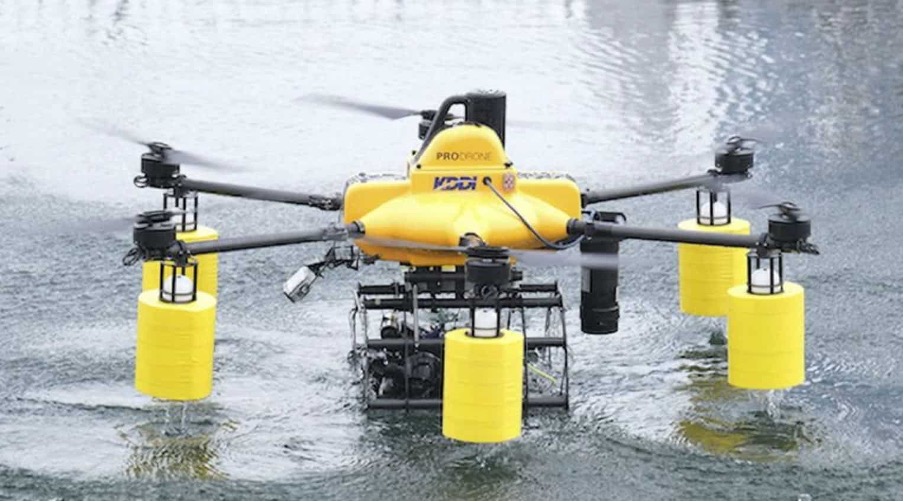
Australia’s National Science Agency, CSIRO, has successfully conducted initial testing of a cutting-edge “weather service” designed for water quality in the vital Spencer Gulf, a major source of the country’s seafood. Plans are underway to implement this innovative technology in local seafood farms, aiming to enhance the sustainability of aquaculture practices.

Known as the AquaWatch Australia Mission, the project integrates data from water sensors and satellites. Through the application of computer models and artificial intelligence, CSIRO provides near-real-time water quality monitoring and forecasts. The Spencer Gulf, often referred to as “Australia’s seafood basket,” is a key contributor to the nation’s seafood production, valued at over $238 million annually.

Collaborating with SmartSat CRC and the South Australian Research and Development Institute (SARDI), CSIRO’s AquaWatch technology has proven its effectiveness in the Spencer Gulf, marking a significant milestone for Australian aquaculture. The system aims to offer early warnings to the thriving aquaculture industry, enabling proactive measures against harmful marine events, such as algal blooms.

Andy Koronios, CEO of SmartSat CRC, highlighted the project’s role in establishing critical infrastructure using state-of-the-art data systems and national water sensor networks. This, he believes, will enhance Australia’s resilience to extreme weather and marine challenges while presenting commercial opportunities in aquaculture and fisheries.

Nagur Cherukuru, CSIRO senior scientist, emphasized the invitation to industry stakeholders to become early adopters of AquaWatch. By monitoring and forecasting water quality, the system aims to support the industry in building resilience against potential threats.

According to Mark Doubell, SARDI oceanographer, the AquaWatch partnership significantly advances water quality monitoring, providing real-time data and improved satellite observations crucial for the sustainable growth of aquaculture in the region.

Kirsten Rough, research scientist at the Australian Southern Bluefin Tuna Industry Association, highlighted the importance of real-time monitoring in the Spencer Gulf. While the area typically boasts good water quality for healthy fish, the ability to scale up surveillance and receive early warnings through AquaWatch can aid in proactive decision-making, particularly in dealing with threats like harmful algal blooms.

CSIRO is now engaging with Traditional Custodians and industry partners to co-design the next phase, extending water quality monitoring in the Spencer Gulf and delivering critical data to decision-makers and Elders.
13/12/2023 0 comment
0 FacebookTwitterPinterestEmail
Utilizing Drones and Remote Sensing India Aims to Lead in Aquatic Disease Surveillance
Technology & Equipments

Utilizing Drones and Remote Sensing, India Aims to Lead in Aquatic Disease Surveillance

by Fishery News 11/12/2023
written by Fishery News

India is poised to emerge as a global leader in aquatic disease surveillance by harnessing the potential of drones and remote sensing technology, according to Kenton L Morgan, former professor of epidemiology at the University of Liverpool. Speaking at the AquaEpi III conference in Lucknow, organized by the International Society of Aquatic Animal Epidemiology, Morgan highlighted India’s substantial investments, trained scientific workforce, and high aquatic animal production capacity.

The application of drones and remote sensing technology in the aquaculture sector can revolutionize disease surveillance in fish and other aquatic animals. Morgan emphasized that India, being the second-largest country globally in terms of aquatic animal production after China, possesses the necessary resources and expertise to lead in this critical field.

In addition to disease surveillance, Morgan suggested the incorporation of advanced technologies such as quantum computers, big data analysis, remote sensing, and machine learning in India’s aquaculture sector. These technologies can play a pivotal role in enhancing efficiency and sustainability.

Morgan underscored the potential use of satellite-based technologies to locate aqua farmers and ponds, a practice already underway in Taiwan, China, and Japan on an experimental basis. The ability to pinpoint farming locations through satellite technology contributes to improved monitoring and management practices.

The AquaEpi III conference witnessed the participation of 24 internationally renowned experts and scientists, who shared insights and experiences to address current challenges in aquatic animal health. The collaborative effort between the National Fisheries Development Board and the Aquatic Biodiversity Conservation Society aimed to provide recommendations for disease risk reduction and sustainable growth in the aquaculture sector.

Uttam Kumar Sarkar, Director of ICAR-National Bureau of Fish Genetic Resources (NBFGR), highlighted the conference’s objective of delivering pertinent recommendations for the aquaculture sector’s sustainable development. J.K. Jena, Deputy Director General at ICAR, and Edgar Brun, Director at the Norwegian Veterinary Institute, also emphasized the crucial role of epidemiology in aquaculture diversification and development.

11/12/2023 0 comment
0 FacebookTwitterPinterestEmail
Siemens and Nasekomo Partner for Sustainable Insect Protein Production
Technology & Equipments

Siemens and Nasekomo Partner for Sustainable Insect Protein Production

by Fishery News 11/12/2023
written by Fishery News

Siemens and Nasekomo have joined forces in a strategic partnership unveiled during COP28 to drive the digitalization of insect biotransformation, focusing on sustainable protein production.

The collaboration, announced at the UN Climate Change Conference, aims to establish an intelligent insect industry 4.0, integrating industrial cybersecurity to meet the growing demand for protein quality and quantity.

The initiative will leverage digitalization to enhance capacity and expedite the expansion of the insect industry, particularly for aquaculture feed. The collaborative initiatives include the development of a data-driven franchising business model, the establishment of a state-of-the-art breeding center, and the integration of digitalization into all biological and technological operations.

Siemens’ support will enable Nasekomo to integrate systems and data from up to 200 planned production sites globally, ensuring intelligently managed operations, reliable AI analytics, and sustainable management.

The partnership aligns with Siemens’ commitment to technology with a purpose and Nasekomo’s strategy, emphasizing biology, technology, digitalization, and partnership.

The insect industry, utilizing low-value organic products through the biotransformation capabilities of insects, is poised to revolutionize the human food chain and contribute significantly to decarbonization, especially in aquaculture through innovative protein feed solutions.

Market expectations predict a sixfold increase in demand for insect protein by 2030, surpassing current production levels. Insect protein production offers a sustainable solution, saving substantial CO2 emissions through bioconversion.

Maria Alexandrova, Head of Innovative Projects and Sustainability at Nasekomo, highlighted the transformative approach’s environmental contribution, with each facility projected to counterbalance 100,000 tonnes of CO2 emissions annually.

The collaboration represents a harmonious blend of Siemens’ global technological expertise and Nasekomo’s innovative approach, aiming to lead the digital transformation in the burgeoning insect biotransformation sector with a specific focus on advancing sustainable aquaculture practices.

11/12/2023 0 comment
0 FacebookTwitterPinterestEmail
Phage Based Food Processing Aid 22SalmoRid22 Launched by Mangaluru Startup
Technology & Equipments

Phage-Based Food Processing Aid “SalmoRid” Launched by Mangaluru Startup

by Fishery News 11/12/2023
written by Fishery News

A startup incubated at the Advanced Biotech Innovation Centre for Aquamarine (ABIC-AM) of the College of Fisheries in Mangaluru has introduced “SalmoRid,” a revolutionary phage-based food processing aid. Developed by GeoPhage Biotech Private Limited, this innovative product has the potential to transform food safety and quality in the fisheries industry.

HN Anjaneyappa, Dean of Fisheries and Chairman of ABIC-AM, highlighted the significance of SalmoRid as a game-changer in food processing. The College of Fisheries, through ABIC-AM, is dedicated to supporting startups and entrepreneurs with the backing of the Karnataka Innovation and Technology Society (KITS) under the Government of Karnataka. An allocation of Rs 6 crore has been made to boost the marine biotech sector and provide cutting-edge infrastructure for marine biotechnology-based industries.

The product launch occurred during a national workshop hosted by the College of Fisheries Alumni Association, showcasing the spirit of innovation, resilience, and the transformative impact of a supportive entrepreneurial community. The event reflects the incubation centre’s commitment to fostering success stories and propelling startups toward a promising future.

L Narashima Murthy, Senior Executive Director of the National Fish Development Board; Dinesh Kumar Kaller, Director of the Department of Fisheries; Chythanya R Das, Founder & CEO of GeoPhage Biotech; and Lakshmisha IP, Head of ABIC-AM, were present at the SalmoRid product launch.

11/12/2023 0 comment
0 FacebookTwitterPinterestEmail
West Bengal Fisheries Department Initiates Pollution Testing Lab to Boost Fish Exports
Technology & Equipments

West Bengal Fisheries Department Initiates Pollution Testing Lab to Boost Fish Exports

by Fishery News 08/12/2023
written by Fishery News

The State Fisheries Department in West Bengal has established a fish-testing laboratory in Junput, East Midnapore, aimed at assisting exporters in evaluating the pollution levels in fish, particularly prawns.

The facility is designed to enable exporters to pre-emptively assess the quality of their consignments, mitigating the risk of rejections from foreign countries on pollution grounds. State Fisheries Minister Biplab Roy Chowdhury expressed optimism that this initiative would significantly enhance fish exports from the region.

Acknowledging instances of exported prawn consignments facing rejections due to pollution concerns, the minister highlighted the need for a modern testing facility. The laboratory is equipped with state-of-the-art facilities for comprehensive fish testing and is set to become operational soon.

Chowdhury emphasized that the unscientific practices in fish cultivation by certain farmers prompted the department to conduct meetings at both the state and district levels. These meetings aimed to encourage fish farmers to adopt scientific methods in pisciculture, promoting sustainable and high-quality fish production.

According to data from the Marine Products Export Development Authority (MPEDA) for the fiscal year 2021-22, West Bengal exported 105,080 tonnes of frozen shrimp, generating revenue of Rs 5,827.61 crore. The total marine product exports from the state during the same period amounted to 124,337 tonnes, with a total revenue of Rs 6,183.09 crore.

The bulk of frozen fish exports, primarily comprising shrimp, is transported in reefer containers via sea routes to various global destinations, including Japan, the USA, the European Union, China, South East Asia, the Middle East, and other countries. Reportedly, 85% of shrimps from Bengal are exported, with only 15% reserved for domestic consumption.

Shyamsundar Das, the General Secretary of the Digha Fisherman and Fish Traders Association, noted challenges in the export market, citing reduced interest from several countries in procuring fish. Meanwhile, the Fisheries Department has initiated the installation of modern technological devices in trawlers for deep-sea fishing, facilitating centralized tracking of their locations by department officials.


08/12/2023 0 comment
0 FacebookTwitterPinterestEmail
NSF Grants 1 Million for BioSPACE Project Advanced Biosensors to Safeguard Aquaculture Environments
Technology & Equipments

NSF Grants $1 Million for BioSPACE Project: Advanced Biosensors to Safeguard Aquaculture Environments

by Fishery News 07/12/2023
written by Fishery News

The National Science Foundation (NSF) has awarded a three-year, $1 million grant to a team led by Electrical Engineering Prof. Yan Luo at University of  Massachusetts Lowell, to develop an innovative data analytics platform named BioSPACE. The project aims to employ biosensors for the real-time detection of harmful organisms, specifically Vibrio and Pseudomonas, in aquaculture farms and coastal waters.

BioSPACE, short for Biosensing Surveillance of Pathogens in Aquaculture and Coastal Environments, seeks to provide continuous water monitoring. In the event of detection, the platform will promptly alert local and state agencies, enabling swift preventive measures against disease spread.

Luo emphasizes the critical role of this initiative in safeguarding public health, particularly in vulnerable coastal regions that serve communities with food, recreation, and protection from storms. The project addresses the need for real-time monitoring to prevent disease outbreaks that can devastate entire aquaculture farms.

Aquaculture involves breeding, rearing, and harvesting aquatic organisms, and it has become a crucial industry. In 2020, aquaculture farms in the United States produced 658 million pounds of fish, crustaceans, shellfish, and algae valued at $1.5 billion. Bivalve mollusks like oysters, clams, and mussels, along with salmon and shrimp, constitute over 80% of the aquaculture output by value.

Waterborne pathogens, whether natural or transmitted from various sources, pose a significant threat to aquaculture. Human pathogens, such as norovirus and E. coli, enter aquatic ecosystems through sewage discharges and farm runoff, jeopardizing the sustainability of the industry. The economic burden of waterborne diseases in the United States alone exceeds $3 billion annually, with global aquaculture losses surpassing $6 billion each year.

BioSPACE aims to provide an early warning system for pathogens, offering a rapid, portable, cost-effective, and user-friendly monitoring solution. The research team will initially focus on detecting bacterial and viral pathogens, such as Vibrio, prevalent in shrimp aquaculture and coastal waters.


Luo’s team includes co-principal investigators Assoc. Prof. Sheree Pagsuyoin and Assoc. Prof. Frederic Chain, along with senior personnel Asst. Prof. Sarah Gignoux-Wolfsohn. External collaborators include Northeastern University, the University of Arizona, and Woodpecker Microsystems.

This project marks a departure for Luo’s team, primarily focused on biosensor technology for public health applications, into the complex setting of seawater. The team will assess the performance and accuracy of biosensors in detecting specific aquatic pathogens, paving the way for a more resilient and sustainable aquaculture industry.

07/12/2023 0 comment
0 FacebookTwitterPinterestEmail
Canada Invests Over 6.7 Million in High Tech Equipment for True North Salmons Processing Plant in St. George New Brunswick
Technology & Equipments

Canada Invests Over $6.7 Million in High-Tech Equipment for True North Salmon’s Processing Plant in St. George, New Brunswick

by Fishery News 05/12/2023
written by Fishery News

Canada, boasting the world’s longest coastline, places significant reliance on the fish and seafood sector, considering it a vital contributor to local and regional economies. In recognition of this, the Government of Canada and the Province of New Brunswick have unveiled financial backing for True North Salmon Limited Partnership and Cooke Aquaculture Inc. This support is extended through the Atlantic Fisheries Fund (AFF).

The AFF is providing a repayable contribution exceeding $6.7 million towards a project totaling over $15.6 million. This funding will facilitate the acquisition of cutting-edge equipment for True North Salmon’s processing plant in St. George, NB. The new equipment is designed to enhance value-added processing capabilities and allow for individual product portioning.

True North Salmon, a key player within the Cooke Aquaculture group, is undergoing a substantial plant expansion that will double its processing plant’s size. This expansion aims to address market demands, tackle labor shortages, and enhance overall company productivity.

The contribution from AFF, part of the $400 million initiative jointly funded by the federal and provincial governments, seeks to enable Cooke Aquaculture to consolidate local salmon processing capacity. The objective is to create a more flexible product mix better suited to consumer needs.

Introduced in 2017, the AFF has a seven-year duration and focuses on increasing opportunities and market value for sustainably sourced, high-quality fish and seafood products from Atlantic Canada. The fund welcomes applications from various sectors, including the commercial fisheries and aquaculture industry, Indigenous groups, universities, academia, and industry associations.

Source: Fisheries and Oceans Canada

05/12/2023 0 comment
0 FacebookTwitterPinterestEmail
Goa to Pioneer State of the Art Aquatic Referral Laboratory for Fish Health
Technology & Equipments

Goa to Pioneer State-of-the-Art Aquatic Referral Laboratory for Fish Health

by Fishery News 30/11/2023
written by Fishery News

Panaji: Goa is set to inaugurate its inaugural aquatic referral laboratory in Old Goa, dedicated to comprehensive disease analysis in fish species. This cutting-edge facility aims to focus on the health assessment of cage-cultured fish, ensuring a robust and disease-free harvest. The project not only promises to revolutionize the local aquaculture industry but also stands as a critical asset for monitoring and safeguarding the overall well-being of aquatic fish.

The laboratory encourages active citizen participation, urging them to promptly alert scientists to any observed changes in marine fish health or appearance. Deepesh Priolkar, the fisheries director, emphasized the importance of local expertise and a well-equipped laboratory to investigate inexplicable fish deaths or parasitical growth on their bodies.

Chief Minister Pramod Sawant unveiled this significant initiative during his annual budget speech earlier this year. The absence of a dedicated aquatic referral laboratory in the state has previously compelled the fisheries department to seek assistance from external institutions like the Central Marine Fisheries Research Institute (CMFRI) and the National Institute of Oceanography (NIO). The establishment of this new laboratory is poised to strengthen Goa’s ability to monitor and protect its aquatic resources while enhancing the health and productivity of the local aquaculture industry.

“We are in the process of preparing the detailed project report (DPR), which will be submitted to the state government. Upon approval and the release of funds, we anticipate establishing the laboratory within a year,” stated Priolkar, expressing optimism about swift progress. The DPR is expected to be approved within this financial year, paving the way for the laboratory’s establishment. The necessary modifications to existing rooms at Ela, Old Goa, are already in motion, with assistance sought from the Public Works Department (PWD). The selection of scientists for the laboratory will be conducted by the central government, further underscoring the collaborative efforts underway to propel this transformative project into action.

30/11/2023 0 comment
0 FacebookTwitterPinterestEmail
ISROs Nabhmitra Device Ushers in a New Era in Maritime Safety
Technology & Equipments

ISRO’s Nabhmitra Device Ushers in a New Era in Maritime Safety

by Fishery News 28/11/2023
written by Fishery News

Indian Space Research Organisation’s (ISRO) Space Applications Centre in Ahmedabad successfully tested the ‘Nabhmitra’ device at Neendakara on Saturday. Engineered for the safety of fishermen, this satellite-based communication system introduces sophisticated two-way messaging capabilities between fishing vessels and maritime authorities.

Nabhmitra, harnessing state-of-the-art satellite communication technology, demonstrated its effectiveness during the trial on a fishing vessel in Neendakara. The device boasts a myriad of features and functionalities aimed at elevating communication channels and safety protocols for fishermen during their maritime journeys.

Nabhmitra facilitates the seamless transmission of crucial meteorological updates and cyclone warnings to fishing vessels, presented in the local language. This empowers fishermen with real-time data to make judicious decisions regarding their activities, especially in regions prone to potentially perilous conditions.

During critical situations such as vessel capsizing or fires, fishermen can promptly dispatch distress messages to the relevant authorities with a single button activation. This immediate alert to the control centre includes precise location data of the distressed fishing vessel.

Upon receipt of a distress signal, the control centre is promptly informed, and the distressed vessel’s crew receives a responsive message from the control centre, assuring them that assistance is underway.

Nabhmitra functions as a sophisticated navigational tool, delivering vital information about shipping lanes and maritime boundaries. This feature aids fishermen in navigating through challenging waters with enhanced precision.

Beyond safety considerations, Nabhmitra significantly contributes to optimizing fishing operations by assisting in the identification of productive fishing zones.

The successful trial of Nabhmitra signifies a monumental leap in leveraging advanced technology to enhance the safety and operational efficiency of the fishing community. This underscores ISRO’s unwavering commitment to pioneering solutions that positively impact diverse sectors of society.


28/11/2023 0 comment
0 FacebookTwitterPinterestEmail
Entobel Inaugurates Asias Largest Insect Protein Production Facility in Vietnam Aiming at Aquaculture Market
Technology & Equipments

Entobel Inaugurates Asia’s Largest Insect Protein Production Facility in Vietnam, Aiming at Aquaculture Market

by Fishery News 24/11/2023
written by Fishery News

Singapore-based company Entobel has launched a state-of-the-art black soldier fly larvae (BSL) production facility in Vietnam, boasting an impressive capacity to yield 10,000 tons of protein meal annually. Touted as the “world’s most CAPEX-efficient BSF production facility,” the plant produces protein meal, oil, and fertilizer (insect frass/waste), establishing itself as one of the largest insect production facilities globally and certainly in the Asian region, according to cofounder Alexandre de Caters.

In comparison, Innovafeed’s BSL facility in Nesle, France, produces 15,000 tons of protein yearly, while Aspire’s plant in Canada is gearing up to manufacture 12,000 tons of cricket protein annually. Meanwhile, Cricket One’s newly established cricket plant in Vietnam starts with a capacity of 1,000 tons, with aspirations to expand to 10,000 tons in the next five years.

Key players in the Vietnamese feed industry have extensively tested Entobel’s products over the past four years across various applications, from shrimp and sea bass to pigs. The demand for volume has been eagerly awaited, with Entobel’s facility expected to meet this need.

Alexandre de Caters noted, “The insect protein industry was quite trendy a few years ago, and there were some big funding rounds in Europe. And then I think the industry disappointed a little bit in that milestones were not achieved. So, at Entobel, we’ve stayed under the radar and focused on execution, not making too much noise until we had something to say. But I hope that now, it’s time for Entobel to shine a bit more and demonstrate it’s possible to produce industrial volumes of insect protein at a competitive cost.”

Entobel anticipates profitability for the facility by early next year, and CFO Sandy Singh Sandhu emphasized the significance of demonstrating tangible achievements in an industry where capital has often not yielded anticipated outcomes.

24/11/2023 0 comment
0 FacebookTwitterPinterestEmail
Newer Posts
Older Posts
  • Recent
  • Popular
  • ICAR-CIFT Patents Rapid DNA Biosensor for Black Tiger Shrimp Authentication

    07/08/2026
  • Minister Holds Review Meeting with Fisheries Cooperative Leaders

    07/08/2026
  • Dry Fish Demand Surges Following Formalin Ban

    07/08/2026
  • Rohu Breeding: A Complete Step-by-Step Guide to Successful Seed Production

    07/08/2026
  • 1

    BIGGEST FISH MARKETS IN INDIA

    07/09/2024
  • 2

    Trout Fish Stocking Initiative Enhances Fisheries and Tourism Potential in Shopian, Jammu and Kashmir

    17/12/2023
  • 3

    ICAR Scientists Crack the Breeding Code of Rare Himalayan Fish Channa andrao, Opening New Opportunities for Ornamental Fish Farming

    28/07/2026
  • 4

    Introducing Future Aquaculture Magazine: A New Voice Shaping the Future of Seafood

    13/02/2026

About Fishery News

FN Logo

Fishery.News is India’s leading digital media platform dedicated to fisheries, aquaculture, seafood, and marine industries. We deliver trusted news, expert insights, market intelligence, technology updates, research, government policies, and success stories that help fish farmers, shrimp farmers, seafood businesses, researchers, and industry professionals stay informed and grow sustainably

Categories

  • News
  • Aquaculture
  • Aquatic Health and Disease Management
  • Research and Innovation
  • Technology & Equipments

Social Networks

Facebook Twitter Instagram Linkedin Youtube
  • Facebook
  • Twitter
  • Instagram
  • Linkedin
  • Youtube

© 2026 Fishery.News – A BLIV Media Venture. All Rights Reserved.


Back To Top
Fishery News
  • E – Magazine
    • Aquaculture
    • Aqua Health & Disease Management
    • News
      • National
      • International
    • Farming
    • Research and Innovation
    • Sustainability
    • Technology & Equipments
    • This is Africa
    • Trade
  • Publications
  • Events
    • Expos
    • Trainings
    • Events by Month
  • Business Listings
    • List Your Business
    • Business Listings
    • Buy & Sell
    • Get Consultation
  • Employment
  • About Us
    • Founder
  • Contact