• E – Magazine
    • Aquaculture
    • Aqua Health & Disease Management
    • News
      • National
      • International
    • Farming
    • Research and Innovation
    • Sustainability
    • Technology & Equipments
    • This is Africa
    • Trade
  • Publications
  • Events
    • Expos
    • Trainings
    • Events by Month
  • Business Listings
    • List Your Business
    • Business Listings
    • Buy & Sell
    • Get Consultation
  • Employment
  • About Us
    • Founder
  • Contact
Fishery News
Home » This is Africa » Page 4
Category:

This is Africa

West Africas Fishmeal and Fish Oil Industry Raises Human Rights and Environmental Concerns
This is Africa

West Africa’s Fishmeal and Fish Oil Industry Raises Human Rights and Environmental Concerns

by Fishery News 09/12/2023
written by Fishery News

A recently released human rights impact assessment has shed light on the adverse consequences of the burgeoning fishmeal and fish oil industry in West Africa.

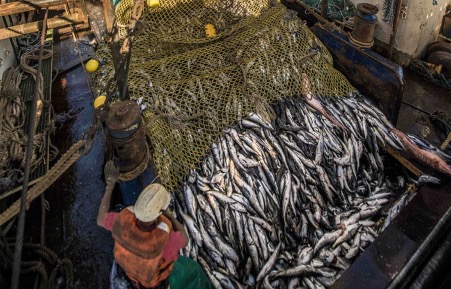
The report, commissioned by the Global Roundtable on Marine Ingredients, revealed that the industry’s focus on export markets is leading to diminishing fish supplies for local consumption, environmental degradation, and reduced income for fishers and factory workers in Mauritania and Senegal.

Senegal and Mauritania, contributing 1.12 percent and 0.22 percent of global fishmeal and fish oil output, respectively, are grappling with the consequences of this growing industry.

The assessment focused on the small pelagic value chain in these countries, uncovering a significant rise in fish prices that has compelled local consumers to exclude seafood from their diets.

In Mauritania, the price of sardinella has surged from MRO 100 (USD 0.26, EUR 0.25) per kilogram to MRO 600 (USD 1.60, EUR 1.50) in recent years. This drastic increase disproportionately affects the poorer population in Mauritania, who are the primary consumers of this species, according to the report.

The escalating prices are attributed to a higher portion of the catch being directed towards the fishmeal and fish oil (FMFO) industry and export markets, which offer more lucrative prices, thereby leaving the local market undersupplied.

Furthermore, the report highlighted detrimental environmental practices employed by fishmeal factories in both countries. Unregulated emissions and the discharge of wastewater into the sea pose risks to local communities, fishers, and factory workers.

The findings underscore the urgent need for measures to address these concerns, ensuring a balance between economic interests and the well-being of local communities, fisheries, and the environment.
09/12/2023 0 comment
0 FacebookTwitterPinterestEmail
Namibia Grapples with Alarming Economic Losses due to Rampant Illegal Fishing Activities
This is Africa

Namibia Grapples with Alarming Economic Losses due to Rampant Illegal Fishing Activities

by Fishery News 09/12/2023
written by Fishery News

Namibia faces an annual financial setback of approximately 1.5 billion Namibian dollars (N$) due to the pervasive issue of illegal, unreported, and unregulated (IUU) fishing along its coastline, as estimated by The Confederation of Namibian Fishing Associations (CNFA).

The country’s Fisheries Minister, Derek Klazen, expressed the ongoing challenge of unbridled exploitation of Namibia’s resources, with neighboring countries implicated in illicit activities both inland and at sea. Addressing fishing industry stakeholders in Walvis Bay, Klazen underscored the substantial economic and environmental impact of illegal fishing, lamenting the loss of revenue and the disruption to sustainable management systems.

Klazen voiced deep concern about the involvement of citizens from neighboring countries in these illicit practices and announced plans to engage counterparts for the harmonization of laws and enforcement measures. “We have received alarming reports of an increase in incidents linked to or potentially linked to IUU at our northern coastal border,” he stated.

To address this pressing issue, the ministry has decided to allocate up to 50% of its control, monitoring, and surveillance sea operations to the northern border with Angola. Klazen emphasized the commitment to deploying all available resources to combat IUU fishing within Namibia’s jurisdiction.

The CNFA disclosed that six or seven foreign trawlers, allegedly operating under Angolan licenses, harvest over 100,000 tonnes of fish in Namibia’s northern waters annually. CNFA chairperson Matti Amukwa urgently called for intervention to halt illegal fishing, emphasizing the need for immediate action against well-known IUU vessels. He stressed that relying solely on other countries’ governments is insufficient to combat the pilferage of Namibia’s valuable resources.

As Namibia grapples with these economic losses and environmental threats, the call for international collaboration and swift enforcement measures grows louder to safeguard the sustainability of its aquatic living resources and the viability of its fishing sector.


09/12/2023 0 comment
0 FacebookTwitterPinterestEmail
Morocco and Japan Forge Partnership to Boost Aquaculture and Blue Economy
NewsInternationalThis is Africa

Morocco and Japan Forge Partnership to Boost Aquaculture and Blue Economy

by Fishery News 25/11/2023
written by Fishery News

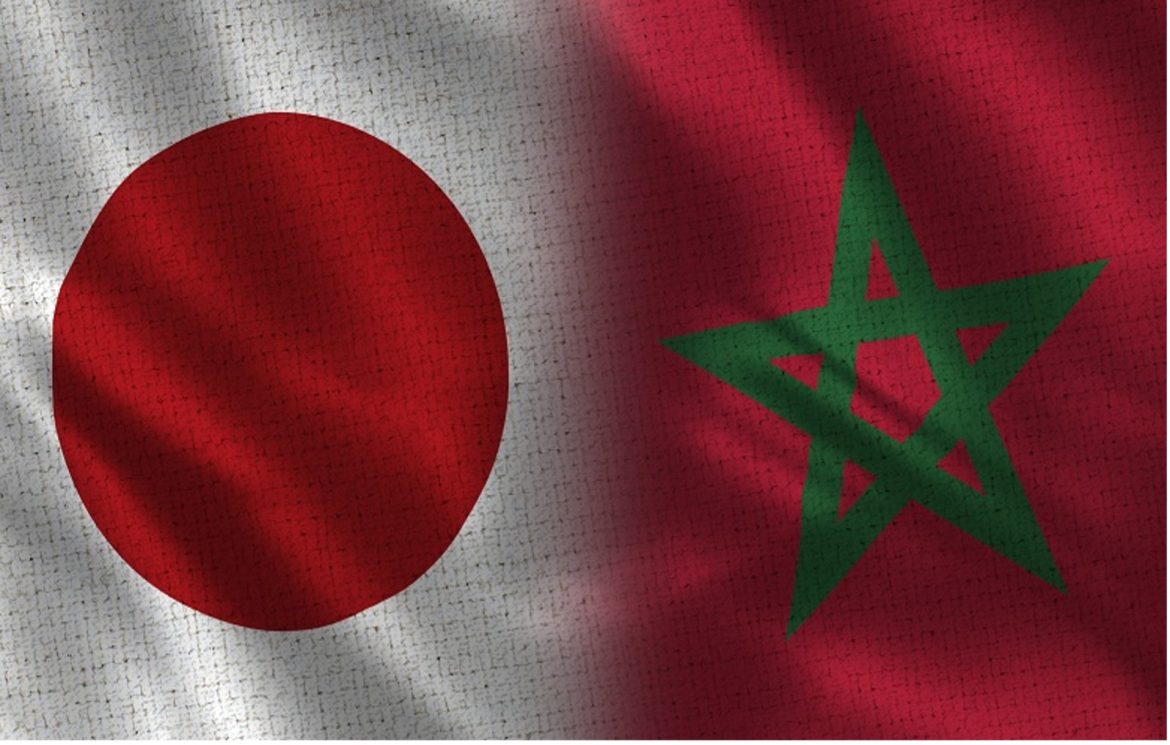
Morocco is set to expand and diversify its aquaculture activities in coastal villages through a collaborative effort with Japan. The North African Kingdom aims to leverage Japan’s advanced expertise in aquafarming and scientific research within the industry to achieve this objective.

The collaborative initiative, outlined in a three-year cooperation program beginning in 2023, was formalized during the 37th annual consultation meeting. This meeting is an integral component of the fisheries agreement inked between Morocco and Japan back in September 1985.

As part of the agreement, the two nations have established various technical and financial provisions, along with defining the fishing modalities for Japanese vessels operating in the tuna longline fishery in Moroccan waters for the fiscal year 2023.

Both parties conducted a comprehensive review of ongoing cooperation projects within Morocco, including the “Souiria Kdima” new-generation fishing village initiative and the aquaculture development project for blue growth. The discussions also touched upon the deployment of a long-term Japanese expert in the field.

Emphasizing the significance of partnership, especially involving private operators from both nations, the agreement underscores the commitment to promoting collaboration in maritime fisheries and related activities.

Moroccan authorities highlighted the imperative to revive tripartite cooperation in the fisheries sector, involving Morocco, Japan, and African partners, showcasing the commitment to fostering mutually beneficial relationships.

With a history of over 40 years, Moroccan-Japanese cooperation in maritime fisheries has been focused on aquaculture research, training, and the development of fishing villages. Aquaculture in Morocco traces back to 1950 with the initiation of oyster farming in the Oualidia lagoon. The sector gained momentum over the years, with the introduction of shrimp farming at Moulouya River in 1995 and shellfish farming in Dakhla Bay in 2000. The Halieutis plan, implemented a decade later, further propelled the fisheries and aquaculture sector, reinforcing production and performance.


25/11/2023 0 comment
0 FacebookTwitterPinterestEmail
Zambia to Host Second Annual International Aquaculture Conference AFRAQ2023
NewsInternationalThis is Africa

Zambia to Host Second Annual International Aquaculture Conference, AFRAQ2023

by Fishery News 31/10/2023
written by Fishery News

Following the success of the World Aquaculture Conference in Darwin, Australia, last May, the spotlight now shifts to Lusaka, Zambia, for the Second Annual International Conference and Exposition of the African Chapter of the World Aquaculture Society (WAS), AFRAQ2023. Scheduled for November 13 to 16, the event is set to attract thousands of delegates worldwide.

The conference aims to celebrate achievements in all facets of aquaculture development in Africa while addressing challenges hindering sector growth and exploring new opportunities. Institutions and organizations worldwide have shown increased interest in attending AFRAQ2023, a trend observed during recent regional aquaculture conferences in East Africa (Kenya) and West Africa (Nigeria), as well as WAS outreach events in Africa.

Aller Aqua, a company with one of the largest aquafeeds plants in Africa located in Zambia, has stepped up as a Gold Sponsor for AFRAQ2023, reflecting the growing industry support for the event.

The Mulungushi International Convention Centre (MICC), renowned as Zambia’s premier Conferencing Centre, will serve as the venue, offering world-class facilities for meetings, exhibitions, and social activities.

AFRAQ2023 is poised to provide numerous educational, networking, and collaboration opportunities, with sponsorship and exhibition slots still available. Details can be found on the

WAS website: www.was.org/meeting/code/AFRAQ23

The conference offers a unique platform for aquaculture researchers, practitioners, decision-makers, and stakeholders to converge, network, and discuss various aspects of aquaculture in Africa. A diverse range of exhibitors from across the globe will showcase their products at the MICC exhibition.

Building on the success of the First Aquaculture Africa Conference in Egypt in 2022, Zambia, one of Africa’s leading and fastest-growing aquaculture producers, is set to share valuable insights. The country recently launched its Fisheries and Aquaculture Policy 2022-2026, anticipating significant contributions to food and nutrition security, employment, and foreign earnings through fish exports.


Zambia’s commitment to creating an enabling environment for private sector investments is evident, with strategic public-private sector projects underway to strengthen the aquaculture value chains. The nation’s aquafarming landscape, spanning small to large-scale operations, continues to flourish as a result.

31/10/2023 0 comment
0 FacebookTwitterPinterestEmail
De Heus Animal Nutrition Initiates Construction of the first Aquafeed Plant in Uganda
TradeThis is Africa

De Heus Animal Nutrition Initiates Construction of the first Aquafeed Plant in Uganda

by Fishery News 31/10/2023
written by Fishery News

De Heus Animal Nutrition has taken a significant step forward with the groundbreaking ceremony for its state-of-the-art dedicated aquafeed plant in Njeru, Uganda. This advanced facility is set to have an annual production capacity of 50,000 tonnes of fish feed, addressing the rising demand in the East African market.

With the majority of fish feeds currently being imported, the new plant aims to establish a more efficient and flexible supply chain locally. De Heus Animal Nutrition emphasizes the strategic importance of this move, as it aligns with their commitment to investing in Africa’s potential. The company has been expanding its presence across the continent, with notable investments in South Africa, Egypt, Ethiopia, Ghana, and Ivory Coast.

Theo Smalbraak, Business Group Director for Africa & Middle East at De Heus, highlighted the broader impact of the plant, extending beyond the facility itself. The initiative is expected to positively influence employment among fish farmers and suppliers. By replacing imports and sourcing raw materials locally, such as maize, cassava, soy, and others, the project aims to contribute to the economic growth of the region.

De Heus Animal Nutrition, known as an international producer of a comprehensive range of compound feed, premixes, concentrates, and feed specialties, reinforces its commitment to enhancing local production and fostering sustainable agriculture practices in Uganda.

31/10/2023 0 comment
0 FacebookTwitterPinterestEmail
Nigeria Becomes Second African Nation to Accept WTO Agreement on Fisheries Subsidies
NewsInternationalThis is Africa

Nigeria Becomes Second African Nation to Accept WTO Agreement on Fisheries Subsidies

by Fishery News 12/10/2023
written by Fishery News

Nigeria has officially accepted the World Trade Organization’s (WTO) Agreement on Fisheries Subsidies, becoming the second African country to do so. The announcement was made by the WTO after Nigeria deposited its instrument of acceptance for the Agreement in Geneva, Switzerland. The Agreement is designed to combat illegal, unreported, and unregulated (IUU) fishing, prohibit support for overfished stocks, and end subsidies for fishing in unregulated high seas.

The WTO emphasized that Nigeria’s acceptance, deposited on June 12, is a crucial step toward the Agreement’s entry into force, requiring acceptance from two-thirds of WTO members. Approximately one-third of the necessary acceptances are now in hand.

WTO Director-General Ngozi Okonjo-Iweala expressed gratitude to Nigeria for its commitment to sustainable development and stated that Nigeria’s acceptance contributes to the growing support for the Agreement. She hopes it inspires other governments in Africa and globally to swiftly implement the Agreement for the benefit of shared global resources.

Ambassador Adamu Mohammed Abdulhamid, representing Nigeria, highlighted the unique opportunity the Agreement presents for Nigeria to promote sustainable use of ocean resources, fostering economic growth while preserving the health of the ocean ecosystem. He emphasized that the Agreement will put an end to harmful fisheries subsidies and reaffirms Nigeria’s commitment to a rule-based multilateral trading system.

Abdulhamid called for other WTO members to ratify the Agreement promptly, contributing to the global effort to preserve fish stocks. Nigeria, as the fifth-largest African fishing nation, faces an annual loss of approximately $70 million due to illegal fishing, making the Agreement crucial for protecting the sector that contributes around 5 percent to Nigeria’s GDP and supports the livelihoods of about 24 million people.

The Agreement on Fisheries Subsidies was initially adopted at the WTO’s 12th Ministerial Conference in June 2022. It aims to establish multilateral rules to curb harmful subsidies, recognizing the needs of developing and least-developed countries. Negotiations for additional provisions are ongoing, with the aim of making recommendations by the 13th Ministerial Conference in February 2024 in Abu Dhabi, UAE.

12/10/2023 0 comment
0 FacebookTwitterPinterestEmail
Global Effort to Safeguard High Seas Biodiversity Over 60 Nations sign UN Ocean Treaty
SustainabilityInternationalThis is Africa

Global Effort to Safeguard High Seas Biodiversity: Over 60 Nations sign UN Ocean Treaty

by Fishery News 12/10/2023
written by Fishery News

More than 60 countries have recently signed a United Nations Ocean Treaty after two decades of intense negotiations. The treaty, aimed at conserving biodiversity on the high seas, covers ocean areas that are not under the direct ownership or regulation of any specific country, constituting two-thirds of Earth’s oceans and providing 90% of available life habitats.

The treaty, celebrated as a milestone, addresses the pressing issue of unregulated resource use in these expansive and ungoverned spaces. With an estimated 90% of the world’s marine fish stocks fully exploited, overexploited, or depleted, the need for conservation measures is urgent.

Comprising 76 articles, the treaty’s objectives include the protection and sustainable management of the marine environment, the preservation of ocean ecosystems such as coral reefs, and the conservation of biological diversity. Once ratified, it will enable the establishment of marine protected areas in the high seas.

While the treaty doesn’t explicitly ban commercial fishing in the high seas, it incorporates language suggesting the possibility of “sustainable use.” This offers hope for addressing unsustainable fishing activities in the region, contingent upon full implementation.

Concerns, however, arise regarding the treaty’s potential impact on distant water fleets, which may be driven closer to land, particularly in lucrative fishing grounds belonging to African countries. Critics argue that the treaty’s broad nature lacks specificity, necessitating clear regulations from its implementing agency, which is yet to be determined.

To safeguard Africa’s vulnerable fish stocks, experts advocate for stringent regulations, including the reduction of fisheries subsidies to vessels once reliant on the high seas. The loss of access to high seas fish may drive fleets to exploit rich and diverse species in African waters, where monitoring is often lax, risking further illegal, unreported, and unregulated fishing.

Notably, about 97% of high-seas fishing is conducted by vessels flagged to high-income countries, with China, Taiwan, Japan, South Korea, and Spain accounting for the majority. These nations already have fisheries arrangements with African countries, contributing to both legal and illegal fishing activities.

The issue of harmful subsidies, a key driver of overfishing, is not explicitly addressed in the treaty, leaving the door open for increased fishing activities within the jurisdictions of coastal countries. Experts stress the need for international support for regional fisheries bodies in Africa, enhanced monitoring, and cooperation to strike a balance between implementing the treaty and ensuring sustainable fishing practices in the continent’s oceans.

12/10/2023 0 comment
0 FacebookTwitterPinterestEmail
Report Highlights Urgency for Improved Aquatic Health Management in Sub Saharan African Aquaculture
NationalNewsThis is Africa

Report Highlights Urgency for Improved Aquatic Health Management in Sub-Saharan African Aquaculture

by Fishery News 09/10/2023
written by Fishery News

A collaborative effort led by William Leschen, CEO of Casammak Aquaculture, and Anton Immink, CEO of ThinkAqua, supported by the Food and Agriculture Organization of the United Nations (FAO), has produced a groundbreaking report focusing on the state of aquatic health in sub-Saharan African aquaculture.

The report, titled “Aquatic Health in Sub-Saharan African Aquaculture: Perceptions and recommendations for evidence-based sector strengthening,” delves into the findings of an open-access online survey involving individuals and organizations from four key stakeholder groups: private sector, government, education training research, and NGOs.

While the survey encompassed insights from various stakeholders, its primary emphasis was on comprehending the activities and needs within the private sector to enhance support for the burgeoning commercial aquaculture sector across the continent. Notably, countries such as Nigeria, Ghana, Uganda, Kenya, and Zambia have witnessed a significant uptick in aquaculture commercialization.

The escalating commercialization of aquaculture in sub-Saharan Africa has underscored the pressing necessity for a deeper understanding of aquatic animal health management, biosecurity, and disease control in fish and shrimp farms. The report points to existing evidence from Egypt and Ghana, highlighting the adverse impacts and costs of diseases on the commercial finfish aquaculture sector and the broader value chain. Additionally, commercial shrimp farming in Mozambique and Madagascar has experienced substantial economic losses due to specific shrimp viral pathogens.

Key findings from the report offer valuable insights for individuals and organizations within the private sector, government, research, and NGO sectors. The objective is to enhance and develop necessary infrastructure to prevent or significantly reduce the impact and risks associated with aquatic animal diseases in sub-Saharan Africa.

Leschen and Immink note that this report represents the first open-access online survey aimed at understanding and documenting the perspectives of various private sector stakeholders in sub-Saharan African aquaculture, whose work is intricately linked with and impacted by aquatic animal health.

For those interested in delving into the comprehensive findings and recommendations, the full report is available for download on the Casammak Aquaculture website.

Source: The Fish Site

09/10/2023 0 comment
0 FacebookTwitterPinterestEmail
Iran Explores Fisheries Cooperation with Russia and African Nations
NewsInternationalThis is Africa

Iran Explores Fisheries Cooperation with Russia and African Nations

by Fishery News 07/10/2023
written by Fishery News

Iran’s Deputy Minister of Agriculture, Seyed Hossein Hosseini, highlighted the nation’s significant capabilities in aquaculture, expressing readiness to collaborate with neighboring states, including Russia and African nations, in the fisheries sector. In a meeting with the Russian Deputy Minister of Agriculture and Head of the Federal Agency for Fishery, Ilya Shestakov, in Tehran, Hosseini emphasized the importance of expanding cooperation between Iran and Russia in fisheries.

Hosseini extended an invitation for the Russian delegation to participate in the upcoming International Fisheries Exhibition scheduled to take place in Tehran later this year. He underscored the longstanding history of cooperation between Iran and Russia in fisheries, referencing the Iran-Russia Joint Fisheries Commission held in Astrakhan, Russia, in April 2023.

The deputy minister highlighted key areas of collaboration, including trade, scientific-research cooperation, fishing activities, and investment. Hosseini applauded the organization of the International Fisheries Exhibition in St. Petersburg and invited the Russian side to attend the Iran International Fisheries Exhibition.

In response, the Head of the Russian Federal Agency for Fishery, Ilya Shestakov, acknowledged the historical cooperation between the two countries in trade, research, aquaculture, and investment. He expressed Russia’s keen interest in expanding collaboration with Iran in the field of aquaculture and fisheries. The meeting emphasized the potential for mutual growth and partnership in the vital sector of fisheries between the two nations.

07/10/2023 0 comment
0 FacebookTwitterPinterestEmail
Screenshot 2023 10 10 at 4.25.32 PM
NewsAquacultureInternationalThis is Africa

Astonishing Discovery: Rare African Lungfish Can Hibernate for Years without Water

by Fishery News 04/10/2023
written by Fishery News

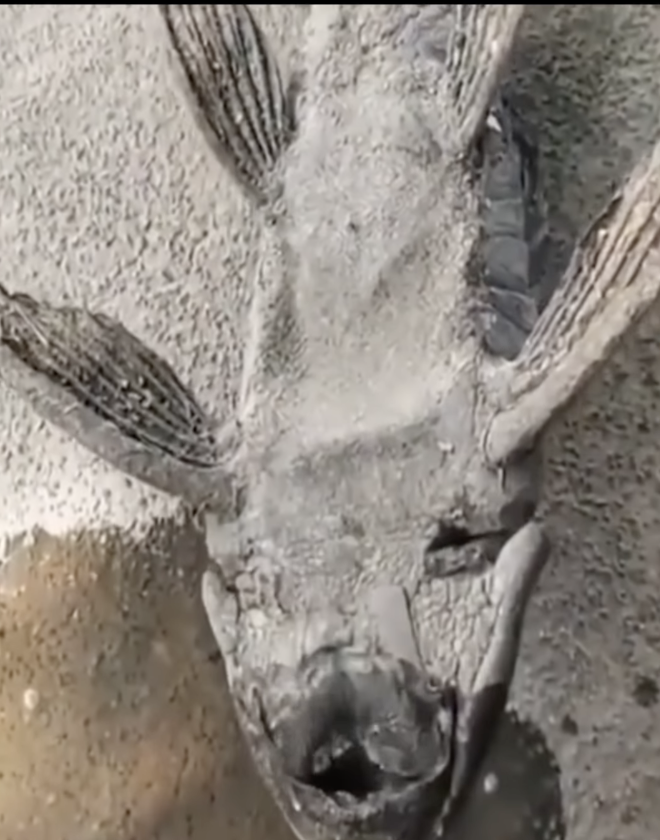
A video circulating on social media has captivated users worldwide, showcasing the extraordinary abilities of the African lungfish. Unlike most fish that depend on water for survival, this rare species has the incredible capacity to hibernate for three to five years without food or water.

The viral video, shared on Instagram by user Views Addict, highlights the resilience of Plecos and Lungfish, emphasizing their ability to endure months or even years in dried mud without the need for water. The fish showcased in the footage, also known as the suckermouth catfish, stands out as one of the few species that have evolved to enter a hibernation-like state.

The accompanying caption explains that these remarkable fish can survive under dry and hardened mud for months, only awakening when freshwater surroundings become available. The revelation that the African lungfish can live out of water for up to four years has left internet users in awe.

Expressing shock and amazement, many users on social media conveyed their surprise at the existence of such resilient creatures. One user marveled at the wonders of nature, citing examples like wood frogs that can freeze themselves without harm and alligators that hibernate under dried-up mud. The adaptability of roaches and tardigrades was also noted in the context of these remarkable aquatic beings.

Adding to the fascination, a user shared a personal experience of keeping an African lungfish as a pet for an impressive 25 years. The fish, despite occasionally jumping out of the tank and being found dried up on the floor, exhibited an astonishing ability to survive when returned to its aquatic environment.

The revelation of the African lungfish’s unique hibernation capabilities has sparked a wave of appreciation for the wonders of nature and the resilience of life in unexpected conditions.

Source

04/10/2023 0 comment
0 FacebookTwitterPinterestEmail
Newer Posts
Older Posts
  • Recent
  • Popular
  • ICAR-CIFT Patents Rapid DNA Biosensor for Black Tiger Shrimp Authentication

    07/08/2026
  • Minister Holds Review Meeting with Fisheries Cooperative Leaders

    07/08/2026
  • Dry Fish Demand Surges Following Formalin Ban

    07/08/2026
  • Rohu Breeding: A Complete Step-by-Step Guide to Successful Seed Production

    07/08/2026
  • 1

    ICAR Scientists Crack the Breeding Code of Rare Himalayan Fish Channa andrao, Opening New Opportunities for Ornamental Fish Farming

    28/07/2026
  • 2

    Trout Fish Stocking Initiative Enhances Fisheries and Tourism Potential in Shopian, Jammu and Kashmir

    17/12/2023
  • 3

    BIGGEST FISH MARKETS IN INDIA

    07/09/2024
  • 4

    Introducing Future Aquaculture Magazine: A New Voice Shaping the Future of Seafood

    13/02/2026

About Fishery News

FN Logo

Fishery.News is India’s leading digital media platform dedicated to fisheries, aquaculture, seafood, and marine industries. We deliver trusted news, expert insights, market intelligence, technology updates, research, government policies, and success stories that help fish farmers, shrimp farmers, seafood businesses, researchers, and industry professionals stay informed and grow sustainably

Categories

  • News
  • Aquaculture
  • Aquatic Health and Disease Management
  • Research and Innovation
  • Technology & Equipments

Social Networks

Facebook Twitter Instagram Linkedin Youtube
  • Facebook
  • Twitter
  • Instagram
  • Linkedin
  • Youtube

© 2026 Fishery.News – A BLIV Media Venture. All Rights Reserved.


Back To Top
Fishery News
  • E – Magazine
    • Aquaculture
    • Aqua Health & Disease Management
    • News
      • National
      • International
    • Farming
    • Research and Innovation
    • Sustainability
    • Technology & Equipments
    • This is Africa
    • Trade
  • Publications
  • Events
    • Expos
    • Trainings
    • Events by Month
  • Business Listings
    • List Your Business
    • Business Listings
    • Buy & Sell
    • Get Consultation
  • Employment
  • About Us
    • Founder
  • Contact