• E – Magazine
    • Aquaculture
    • Aqua Health & Disease Management
    • News
      • National
      • International
    • Farming
    • Research and Innovation
    • Sustainability
    • Technology & Equipments
    • This is Africa
    • Trade
  • Publications
  • Events
    • Expos
    • Trainings
    • Events by Month
  • Business Listings
    • List Your Business
    • Business Listings
    • Buy & Sell
    • Get Consultation
  • Employment
  • About Us
    • Founder
  • Contact
Fishery News
Home » Trade » Page 9
Category:

Trade

unnamed file
NationalNewsTrade

Aquaconnect Expands its Aquatech Platform into West Bengal and Uttar Pradesh

by Fishery News 30/09/2023
written by Fishery News

Aquaconnect, an India-based aquaculture technology platform, has announced its expansion into West Bengal and Uttar Pradesh. The platform utilizes satellite remote sensing and artificial intelligence to facilitate market linkage for stakeholders in the fish and shrimp farming industry. The expansion aims to solidify Aquaconnect’s footprint across six major aquaculture production states, including Andhra Pradesh, Tamil Nadu, Odisha, and Gujarat.

Under its AquaPartners scheme, Aquaconnect provides crucial support to farmers by offering farm advice and access to essential inputs, serving as a vital point of contact for aquaculture producers. The company’s goal is to optimize its service offerings and enable market access for farmers to access innovative farm input brands.

By tripling its AquaPartners network by the end of the year, Aquaconnect aims to enhance its presence in the pre-harvest aquaculture value chain, strengthening its impact across India with a robust ground network.

With this expansion, Aquaconnect now extends its reach to nine districts in West Bengal and spans eight districts across Uttar Pradesh. West Bengal, being the second-largest fish-producing state contributing 14 percent to India’s total production, and Uttar Pradesh, the third-largest with a seven percent contribution, present significant opportunities for disruption in the domestic seafood market.

Karthivelan Selvaraj, Chief Operating Officer at Aquaconnect, stated, “Expanding into these states is a strategic move to address this untapped potential. It aligns with our vision of establishing the largest aquaculture platform through our robust phygital distribution network.”

He added, “Combining satellite remote sensing technologies with artificial intelligence and amplifying our AquaPartners network, we are committed to bringing transparency to the aquaculture value chain and enabling market linkage between stakeholders. By pioneering this transformative approach in these states, we are making a significant stride towards creating a more interconnected and streamlined ecosystem.
30/09/2023 0 comment
0 FacebookTwitterPinterestEmail
Bangladesh Approves Hilsa Fish Exports to India Ahead of Durga Puja
NewsInternationalTrade

Bangladesh Approves Hilsa Fish Exports to India Ahead of Durga Puja

by Fishery News 27/09/2023
written by Fishery News

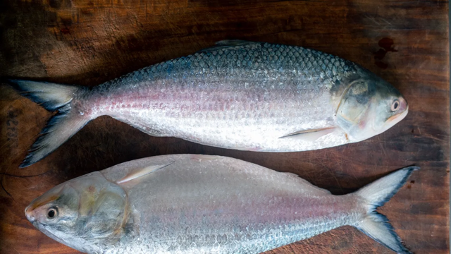
In anticipation of the festive season of Durga Puja in India, the demand for Hilsa fish has soared, leading to a significant move by Bangladesh. Traders in Bangladesh have received authorization to export approximately 4,000 metric tons of Hilsa fish to India, sourced from the pristine waters of Bangladesh’s Padma and Meghna rivers, with a particular focus on the Chandpur region where these two rivers intersect. Hilsa fish is highly esteemed by connoisseurs and is regarded as one of the most delectable varieties of fish available.

The Bangladesh Commerce Ministry has taken action by granting approval to 79 business organizations for the export of a total of 3,950 metric tonnes of Hilsa to India. Each approved exporter will have the privilege to export up to 50 metric tonnes of this prized fish. This authorization is valid until October 30, aligning with the festive season of Durga Puja in India, as stated in the official release from the administration led by Prime Minister Sheikh Hasina.

To facilitate the smooth export of fish, traders are required to strictly adhere to the Export Policy-2021-24 and permit customs authorities to conduct comprehensive physical inspections of the shipments. It’s important to note that only approved exporters are eligible to participate in the exportation of Hilsa fish, and this approval is non-transferrable.

As the prime breeding season for Hilsa approaches, the Ministry of Fisheries and Livestock in Bangladesh has announced a 22-day ban on Hilsa fishing, effective from October 12. This nationwide prohibition encompasses various activities related to Hilsa fish, including procurement, marketing, purchasing, selling, transportation, stocking, and exchange.

Notably, Indian traders had previously submitted a proposal at the Bangladesh High Commission in Kolkata, seeking a substantial quantity of Hilsa fish (5,000 tonnes) in anticipation of the upcoming Hindu festival, highlighting the cultural significance and demand for this exquisite delicacy during the festive season.

27/09/2023 0 comment
0 FacebookTwitterPinterestEmail
India Urges EU to Allow Shrimp Exports from Newly Listed Fishery Firms and Reduce Inspection Sampling Frequency
InternationalNationalNewsTrade

India Urges EU to Allow Shrimp Exports from Newly-Listed Fishery Firms and Reduce Inspection Sampling Frequency

by Fishery News 19/09/2023
written by Fishery News

India has formally requested the European Union (EU) to permit newly-listed fishery companies to export farmed shrimps to the EU market and to lower the current stringent sampling frequency for inspections at border posts, according to the Ministry of Fisheries, Animal Husbandry, and Dairying.

India is advocating for a reduction in the sampling frequency from the current 50% to revert to the previous norm of 10%. Additionally, India is seeking the re-listing of previously de-listed fishery establishments and urging the EU to grant export permission for aquaculture shrimps produced by newly-listed fishery companies in India.

Parshottam Rupala, the Union Minister of Fisheries, Animal Husbandry, and Dairying, articulated these vital concerns during a meeting with a delegation from the EU led by Virginijus Sinkevičius, the European Commissioner for Environment, Ocean, and Fisheries.

The bilateral meeting aimed to address several issues related to fisheries and aquaculture while exploring opportunities for collaboration between the two parties.

In response to the EU’s request, both sides have agreed to engage in bilateral discussions on crucial matters, including the port state measure agreement, fisheries subsidies issues within the World Trade Organization (WTO), Indian Ocean Tuna Commission (IOTC) affairs, ‘Ocean and Fisheries Dialogue,’ combatting illegal, unreported, and unregulated (IUU) fishing, and addressing market access-related concerns. These discussions will take place within the framework of a joint working group dedicated to fisheries.

As an extension of India’s diplomatic outreach, the EU has also received an invitation to participate in any aspect of the Indo-Pacific Oceans Initiative (IPOI). This invitation was originally extended during the India-EU Leaders’ Summit in May 2021, underscoring India’s commitment to fostering cooperation in the vital domain of maritime affairs.

19/09/2023 0 comment
0 FacebookTwitterPinterestEmail
Chilean Salmon Farmers Eye Major Export Market in India
InternationalNewsTrade

Chilean Salmon Farmers Eye Major Export Market in India

by Fishery News 19/09/2023
written by Fishery News

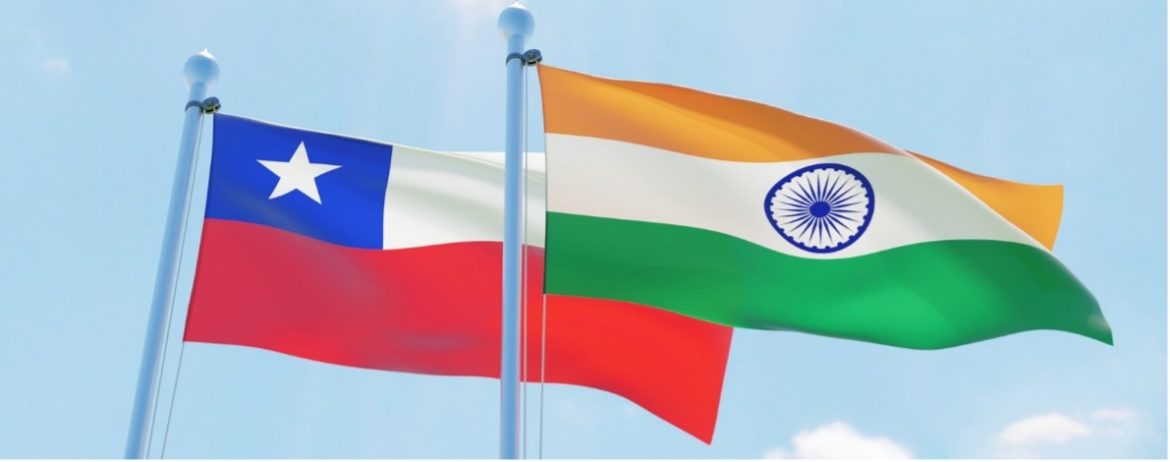
Chilean salmon farmers are poised to tap into India, the world’s most populous nation, following a recent agreement between the two countries. Chile’s state aquaculture agency, Sernapesca, and India’s Food Safety and Standards Authority (FSSAI) have finalized conditions for the official certification of frozen and refrigerated salmonid products and crustaceans sent to India. These products will be processed in establishments already registered for the Indian market.

Loreto Seguel, executive director of the Salmon Council, representing key Chilean salmon producers like AquaChile, Cermaq, Australis, Mowi, and Salmones Aysén, emphasized the collaborative efforts of various government and commercial entities in achieving this certification. Seguel noted that this milestone opens up exciting prospects for the Chilean salmon industry by expanding its reach to a market with substantial growth potential.

India, with a population of 1.49 billion and a rapidly growing middle class of around 264 million, offers a promising market for Chilean salmon exports. Trade between Chile and India in 2022 amounted to $2.77 billion. Advances in the Chile-India trade agreement have resulted in significant tariff benefits for Chilean salmon, including an effective 15% reduction in import duties.

The opening of the Indian market and the reduction in import taxes will make Chilean salmon more competitive compared to salmon from other countries facing higher tariffs. Chile, the world’s second-largest producer of Atlantic salmon after Norway, is set to leverage this opportunity in a country that remains neutral in the ongoing Russia-Ukraine conflict.

19/09/2023 0 comment
0 FacebookTwitterPinterestEmail
India Aims to Make Waves in Global Seafood Market with Ambitious Export Plans
NewsTrade

India Aims to Make Waves in Global Seafood Market with Ambitious Export Plans

by Fishery News 19/09/2023
written by Fishery News

India, already a major player in the global seafood industry, has set its sights on becoming an even more significant force in the sector. Anupriya Patel, India’s Minister of State for Commerce and Industry, unveiled an ambitious plan to propel the country’s seafood exports beyond USD 14 billion (EUR 13.2 billion) by 2025.

India, the world’s third-largest fish producer, second-largest in aquaculture, and fourth-largest seafood exporter, has been steadily increasing its seafood exports. Between 2016 and 2021, these exports recorded an impressive compound annual growth rate (CAGR) of 17.2 percent. In the fiscal year 2020-2021, India’s seafood export value more than doubled to USD 6.68 billion (EUR 6.3 billion) from USD 2.9 billion (EUR 2.7 billion) in 2010. For the fiscal year 2022, India is poised to reach USD 8 billion (EUR 7.6 billion) in total seafood exports, despite the global demand dampened by inflation, which has put some strain on the sector.

Minister Patel emphasized a keen focus on the U.S. market, expressing the government’s determination to regain market share there. This ambitious vision is backed by substantial investments and policy measures.

Starting from April 1st, the Indian government is injecting USD 271.7 million (EUR 256.5 million) into its Department of Fisheries, marking a notable 38.4 percent year-on-year increase. Furthermore, the fishery sector will benefit from USD 725 million (EUR 684.4 million) through the newly established Pradhan Mantri Matsya Kisan Samridhi Sah-Yojana (PM-MKSSY), a sub-scheme of the Pradhan Mantri Matsya Sampada Yojana (PMMSY) program. This program, initiated in 2020, has already allocated USD 2.4 billion (EUR 2.3 billion) to promote sustainable and responsible development within India’s fisheries sector.

In addition to these financial commitments, the Indian government has slashed import duties on aquafeed, reducing taxes on fishmeal and vitamin premixes from 15 percent to 5 percent and taxes on fish oil and algal prime from 30 percent to 15 percent. The extension of the export-promotion scheme, the Remission of Duties and Taxes on Exported Products (RoDTEP), ensures that exporters receive refunds on certain taxes and duties, further incentivizing seafood exports.

To bolster India’s seafood promotion initiatives, a central quarantine facility has been established in Chennai, ensuring that shrimp shipments from the country meet stringent pathogen-free standards. Moreover, the Marine Products Export Development Authority (MPEDA) research unit, the Rajiv Gandhi Centre for Aquaculture, will receive funding for a black tiger shrimp Broodstock multiplication center pilot in Visakhapatnam.


As part of India’s commitment to enhancing seafood trade, a conference focused on harmonizing regulations for seafood trading is set to take place in the latter half of 2023, coinciding with India’s G-20 activities. This conference will bring together ambassadors from the top 20 markets for marine products, fostering discussions on improving trade regulations and export prospects for India’s thriving shrimp industry.


In tandem with these efforts, MPEDA has arranged approximately 40 virtual buyer-seller meetings with key trading partners, including Japan, China, Russia, the U.K., Vietnam, Germany, Malaysia, South Korea, Oman, Singapore, and Spain. These meetings aim to strengthen partnerships and expand India’s footprint in the global seafood market. With such substantial investments, policy adjustments, and strategic initiatives, India’s ambitious goal of becoming a USD 14 billion seafood export powerhouse by 2025 appears well within reach.

19/09/2023 0 comment
0 FacebookTwitterPinterestEmail
Indian Soymeal Exports Surge 110 in First Half of 2022 23 Driven by Robust Demand from Vietnam and Neighbouring Nations
NewsTrade

Indian Soymeal Exports Surge 110% in First Half of 2022-23

by Fishery News 17/09/2023
written by Fishery News

In a remarkable uptrend, India witnessed a 110 percent surge in the export of soymeal and value-added soy products during the initial six months of the 2022-23 oil year, commencing in October. This substantial growth was primarily propelled by significant purchases made by Vietnam, as well as India’s neighbouring nations, Nepal and Bangladesh.

The Soyabean Processors Association of India (SOPA) reported that soymeal shipments reached 9.99 lakh tonnes for the October to March period in the 2022-23 oil year, compared to 4.74 lakh tonnes during the same period in the previous year.

The production of soyameal during this period also witnessed a notable increase, reaching 48.59 lakh tonnes, compared to 33.52 lakh tonnes in the previous year. However, a slowdown in crushing was observed in March due to reduced market arrivals of soybeans.

According to DN Pathak, Executive Director of SOPA, the dip in soybean prices led farmers to hold stocks, resulting in lower arrivals in March. Consequently, soybean crushing also experienced a decline. Demand for soybean food products was similarly subdued. Pathak expressed optimism, stating, “We expect to meet or slightly surpass the export target for soybean meal, which stands at 14 lakh tonnes.”

Vietnam emerged as a prominent buyer, procuring over 4.34 lakh tonnes of soyameal, accounting for approximately 43 percent of India’s total shipments. Nepal followed as the second-largest buyer, with Bangladesh also featuring prominently.

The United States, Japan, Sri Lanka, and Thailand were among the other major purchasers of Indian soyameal. SOPA has set an export target of 14 lakh tonnes, a significant increase from the 6.44 lakh tonnes achieved in the previous year.

SOPA’s projections for soybean production during the 2022 kharif season stand at 120.4 lakh tonnes. When considering carry-forward stocks of 25.15 lakh tonnes and anticipated imports of 2 lakh tonnes, the total availability is projected to reach 147.55 lakh tonnes.

Market arrivals of soybeans from October to March increased by 26 percent, reaching 77 lakh tonnes compared to 61 lakh tonnes in the previous year. Import figures for soybeans were lower, standing at 1.57 lakh tonnes compared to 2.48 lakh tonnes in the previous year.

17/09/2023 0 comment
0 FacebookTwitterPinterestEmail
Bhubaneswars Innovative Solution Start Up Converts Household Waste into Insect Larvae for Poultry and Fish Feed
NationalNewsTrade

Bhubaneswar’s Innovative Solution

by Fishery News 15/09/2023
written by Fishery News

A local startup, Insectika Biotech Pvt Ltd, has received substantial investment backing from an Israeli serial entrepreneur to advance the commercialization of its groundbreaking product: the cultivation of insect larvae from household waste, intended for use as feed in the poultry and fish industries.

This startup has pioneered India’s first auto-climatized and decentralized insect farming bioreactor, revolutionizing the upcycling of municipal bio-waste and streamlining insect farming with cost-effectiveness. Leveraging innovative technology, it cultivates insect larvae within food or kitchen waste.

The bioreactor-based technology boasts impressive efficiency, enabling economically viable mass production of insect larvae for both the natural feed and biofuel sectors, as well as producing insect frass for the organic fertilizer industry.

Arun Kumar Das, Founder and CEO of Insectika, explained that this innovation facilitates the upcycling of municipal waste while simultaneously bolstering natural feed resources for poultry, fish, shrimp, and pig farming. “This is a waste-to-value concept. We take wet waste and cultivate insect larvae by utilizing this waste. Once the larvae reach a size of half a centimeter, they are rich in protein (40 percent) and fat (20 percent), making them ideal as feed. We have already commenced larva production and aim to produce 100 tonnes of feed per week,” he emphasized.

The innovative technology has captured the attention of Israeli investor Benjamin Elad Rubin, the Co-Founder and CEO of Giggd, a disruptive freelancer accounting solution. Rubin has committed to invest INR 100 crore to scale up production.

Rubin recently held discussions with Housing and Urban Development Minister Usha Devi and officials from the Bhubaneswar Municipal Corporation (BMC), which has agreed to supply wet waste for the venture. Rubin stated, “Typically, insects thrive on refuse, while chickens and fish relish insects, and humans savor fish and poultry. Our collaboration with Insectika will enhance the natural process and enable industrial-scale insect farming using technology.”

In addition to larvae production, the startup has plans to manufacture insect frass, a second-generation organic fertilizer that will contribute to soil enrichment and enhance natural farming practices, leading to increased productivity. Das remarked, “The bioreactor technology can be replicated worldwide and significantly enhance biowaste management, food security, and employment opportunities. As part of our project, we will engage youth in collecting household waste for the bioreactor.”

To streamline operations and reduce transportation costs, the company intends to decentralize the process by establishing bioreactors near daily vegetable markets. This approach aims to address a significant portion of the expenses incurred by the BMC, which accounts for approximately 70 percent of waste disposal costs. Bioreactors, covering an area of 170 sq ft, will process the waste and yield larvae. Das added that approximately 40 tonnes of fish feed can be generated daily from the waste collected in Bhubaneswar.

15/09/2023 0 comment
0 FacebookTwitterPinterestEmail
Indias Leading Fish Exports A Comprehensive Analysis e1695809750267
Trade

India’s Leading Fish Exports

by Fishery News 14/09/2023
written by Fishery News

Frozen fish reigns supreme as the most prominent category in India’s thriving fish export market. Let’s delve into the essential insights regarding India’s top 10 fish species, underpinned by comprehensive shipping data.

Fish is systematically categorized according to Harmonized System Codes, primarily falling into four distinct categories:

  • 0301 (Live Fish)
  • 0302 (Fish, Fresh or Chilled)
  • 0303 (Frozen Fish)
  • 0304 (Fish Fillets and Other Fish Meat)

These categories provide a structured framework for understanding and tracking India’s robust fish export industry. Let’s check the top ten fish species that are exported from the nation.

  1. Ribbonfish

Ribbonfish, belonging to the family Trachipteridae, are characterized by their sleek, ribbon-like appearance. India, a prominent exporter of ribbonfish, saw its exports soar to a substantial sum of US$ 93.8 million. This amounted to a significant 27.3% contribution to the overall exports of fish species. Notably, China emerged as the foremost importer of Indian ribbonfish, with a substantial value of US$ 69.1 million, commanding a 20% share in terms of value.

These ribbonfish thrive abundantly along the coastal regions of Andhra Pradesh, Tamil Nadu, Kerala, Maharashtra, and Gujarat. It is worth mentioning that large-headed ribbonfish, a specific variety, enjoys considerable popularity on the global stage.

  1. Croaker

Croaker fish, a noteworthy export from India, secured the position of the second-largest exporter of fish species, contributing an impressive 14.2% to the total fish exports. India’s exports of croaker fish amounted to US$ 48.8 million, with a substantial portion, totaling US$ 44 million, finding its way to China. Other nations such as South Korea, Bangladesh, Malaysia, and Vietnam also joined the list of importers of Indian croaker fish.

  1. Pomfret

Pomfret fishes, members of the perciform family Bramidae, witnessed India’s exports reach a commendable US$ 47.3 million. China, by importing a substantial portion, played a pivotal role, contributing about 8% to the total value of fish shipments. Additionally, major importers of India’s Pomfret fishes included Hong Kong, Australia, Bangladesh, Singapore, and Taiwan.

  1. Jack

Jackfish, belonging to the Carangidae family, can be found in temperate and tropical regions of the Indian, Pacific, and Atlantic oceans. India’s jackfish exports amounted to US$ 34.5 million. Leading the importers’ list, China showcased a market share of 7%. Other significant markets for Indian jackfish encompass Hong Kong, Indonesia, Singapore, Taiwan, and Vietnam.

  1.  Sole

Sole fishes, renowned in India, contributed approximately 3% to the total value of fish exports. The country’s export data indicates sole fish shipments worth US$ 10.6 million. Remarkably, China ranked as the primary importer, followed by South Korea, New Zealand, and Hong Kong.

  1. Surimi Fish

India made notable strides in surimi fish exports, with figures reaching US$ 7.2 million. Of this, US$ 0.5 million worth of surimi fish found its way to South Korea. Other prominent importers of Indian surimi fishes included China, Malaysia, Russia, Singapore, and Taiwan.

  1. Grouper

Characterized by their large mouths and robust bodies, groupers were a part of India’s fish exports, amounting to US$ 5 million. The top importer countries for Indian grouper fishes included China (US$ 1.6 million), Hong Kong (US$ 0.9 million), Vietnam (US$ 0.3 million), and Taiwan (US$ 0.1 million).

  1. Catla Fish

Catla fish, a significant freshwater species in South Asia, commanded exports worth US$ 4.8 million. The primary recipients of Indian catla fish were Bangladesh (US$ 4.7 million), Bhutan (US$ 26,344), and Singapore (US$ 14,030).

  1. Seer Fish

Seer fish, also known as the Indo-Pacific King Mackerel, found favor in the Indian subcontinent, including countries such as India, Bangladesh, Pakistan, and Sri Lanka. India’s seer fish exports reached US$ 4.3 million, with China (US$ 2.2 million) and Taiwan (US$ 1.5 million) leading the list of importers.

  1. Cod Fish

Codfish emerged as another noteworthy Indian export, with total shipments valued at US$ 4.1 million. Major importers included China, South Korea, Hong Kong, Malaysia, Singapore, and Taiwan.

India’s stature as one of the world’s leading fish-producing nations, accounting for approximately 8% of global production, underscores its prominence in the industry. Coastal states such as Andhra Pradesh, Goa, Kerala, Karnataka, West Bengal, Odisha, and Gujarat play a pivotal role in the nation’s thriving fishing sector, offering a diverse range of sought-after fish species.

14/09/2023 0 comment
0 FacebookTwitterPinterestEmail
Marine Heat
Aquatic Health and Disease ManagementInternationalTrade

Marine Heat Waves Show Limited Lasting Impact on Fisheries, Rutgers-Led Study Finds

by Fishery News 11/09/2023
written by Fishery News

A recent study led by researchers at Rutgers University has revealed that marine heat waves, prolonged periods of abnormally warm ocean temperatures, have not had a significant and lasting impact on the fish communities that support much of the world’s food supply. This discovery stands in stark contrast to the devastating consequences observed in other marine ecosystems following similar warming events, including widespread coral bleaching and harmful algal blooms.

Continue Reading
11/09/2023 0 comment
0 FacebookTwitterPinterestEmail
Market
InternationalTrade

Andhra Pradesh Unveils Multi-Pronged Strategy to Boost Domestic Seafood Market

by Fishery News 08/09/2023
written by Fishery News

Despite its extensive coastline spanning nearly 1,000 kilometers and the opportunity for fishing within the Exclusive Economic Zone (EEZ) up to 200 nautical miles, Andhra Pradesh faces a significant challenge in establishing a reliable and robust domestic market for its abundant seafood products. In response, the state government has devised a comprehensive marketing strategy that encompasses seafood festivals and the establishment of branded retail outlets, aiming to transform the dynamics of the seafood industry.

According to VV Rao, Joint Director of the Fisheries Department, the absence of a strong domestic market has left aquaculture entrepreneurs, particularly those involved in shrimp farming, at the mercy of a “buyer’s market.” To tackle this issue, the Fisheries Department is partnering with Bhoomi Organics to organize seafood festivals. These festivals are envisioned to promote seafood consumption, stimulate demand, and connect entrepreneurs with consumers.

Rao emphasized the abundance of marine fish, natural water bodies, and shrimp production in Andhra Pradesh. The state boasts 5.75 lakh tonnes of marine fish, 4.75 lakh hectares of natural water bodies (including reservoirs, lakes, and ponds), and up to 20 lakh tonnes of cultured shrimp, resulting in an annual production of 52 lakh tonnes of fish, shrimp, and aquaculture products from various sources.

Despite being a major exporter of shrimp, with approximately 15 lakh tonnes shipped abroad, Andhra Pradesh consumes only three to four lakh tonnes of shrimp locally. This export-oriented approach raises concerns about the sustainability and profitability of aquaculture entrepreneurs within the state. To counter this trend, the government seeks to boost local consumption of seafood.

With mutton prices soaring to ₹1,000 per kilogram and concerns surrounding poultry, Rao sees seafood as a natural, nutritious, and affordable alternative. He highlighted the health benefits of seafood, which is rich in nutrients and available for as low as ₹50.

Raghuram from Bhoomi Organics stressed that the term “organic food” extends beyond groceries and plant-based products to include anything free of chemicals. He argued that fish from the sea and natural water bodies qualify as organic, as they rely on a natural food chain, beginning with plankton and aquatic organisms.

He also raised concerns about hormones in chicken and milk, which he believes contribute to hormonal imbalances and health issues such as polycystic ovarian disease (PCOD).

Fisheries Commissioner K Kanna Babu reported that seafood festivals have already gained traction, with thousands of food enthusiasts relishing unlimited seafood buffets priced at ₹699 per head. These festivals have attracted substantial footfall, and plans are underway to host them in various locations across the state.

Additionally, the government is actively establishing “Fish Andhra” retail outlets under a hub-and-spoke model. Currently, three are operational, and 15 are under construction out of a total of 26 hubs. The goal is to increase the number of retail outlets from 2,000 to 4,000 by March next year. These outlets will offer online ordering options and provide seafood in live and packaged formats. Entrepreneurs can benefit from generous subsidy schemes, training, and guidance to set up their outlets.

Despite these endeavors, Commissioner Babu acknowledged that there is still much work to be done. While non-vegetarian cuisine enjoys immense popularity in Andhra Pradesh, the average seafood consumption per person per annum stands at less than 8 kilograms, signaling an untapped domestic market.

He also emphasized the importance of not leaving entrepreneurs at the mercy of international markets and the need to foster a thriving domestic seafood industry.

08/09/2023 0 comment
0 FacebookTwitterPinterestEmail
Newer Posts
Older Posts
  • Recent
  • Popular
  • ICAR-CIFT Patents Rapid DNA Biosensor for Black Tiger Shrimp Authentication

    07/08/2026
  • Minister Holds Review Meeting with Fisheries Cooperative Leaders

    07/08/2026
  • Dry Fish Demand Surges Following Formalin Ban

    07/08/2026
  • Rohu Breeding: A Complete Step-by-Step Guide to Successful Seed Production

    07/08/2026
  • 1

    Trout Fish Stocking Initiative Enhances Fisheries and Tourism Potential in Shopian, Jammu and Kashmir

    17/12/2023
  • 2

    BIGGEST FISH MARKETS IN INDIA

    07/09/2024
  • 3

    ICAR Scientists Crack the Breeding Code of Rare Himalayan Fish Channa andrao, Opening New Opportunities for Ornamental Fish Farming

    28/07/2026
  • 4

    Introducing Future Aquaculture Magazine: A New Voice Shaping the Future of Seafood

    13/02/2026

About Fishery News

FN Logo

Fishery.News is India’s leading digital media platform dedicated to fisheries, aquaculture, seafood, and marine industries. We deliver trusted news, expert insights, market intelligence, technology updates, research, government policies, and success stories that help fish farmers, shrimp farmers, seafood businesses, researchers, and industry professionals stay informed and grow sustainably

Categories

  • News
  • Aquaculture
  • Aquatic Health and Disease Management
  • Research and Innovation
  • Technology & Equipments

Social Networks

Facebook Twitter Instagram Linkedin Youtube
  • Facebook
  • Twitter
  • Instagram
  • Linkedin
  • Youtube

© 2026 Fishery.News – A BLIV Media Venture. All Rights Reserved.


Back To Top
Fishery News
  • E – Magazine
    • Aquaculture
    • Aqua Health & Disease Management
    • News
      • National
      • International
    • Farming
    • Research and Innovation
    • Sustainability
    • Technology & Equipments
    • This is Africa
    • Trade
  • Publications
  • Events
    • Expos
    • Trainings
    • Events by Month
  • Business Listings
    • List Your Business
    • Business Listings
    • Buy & Sell
    • Get Consultation
  • Employment
  • About Us
    • Founder
  • Contact