• E – Magazine
    • Aquaculture
    • Aqua Health & Disease Management
    • News
      • National
      • International
    • Farming
    • Research and Innovation
    • Sustainability
    • Technology & Equipments
    • This is Africa
    • Trade
  • Publications
  • Events
    • Expos
    • Trainings
    • Events by Month
  • Business Listings
    • List Your Business
    • Business Listings
    • Buy & Sell
    • Get Consultation
  • Employment
  • About Us
    • Founder
  • Contact
Fishery News
Home » Aquaculture » Page 13
Category:

Aquaculture

Genetic Breakthrough Researchers Identify Key Genes to Help Fish Thrive in Changing Water Conditions
AquacultureNationalNews

Genetic Breakthrough: Researchers Identify Key Genes to Help Fish Thrive in Changing Water Conditions

by Fishery News 25/09/2023
written by Fishery News

Researchers in Tokyo have identified candidate genes that could enhance fish’s ability to thrive in warmer and saltier water. These findings have the potential to be a valuable resource for freshwater aquaculture breeding programs, especially in a world grappling with the effects of global warming on water quality and availability. The study’s results were recently published in the journal ‘Genomics.’

Freshwater aquaculture is a crucial source of essential nutrients and protein, and one popular species for such farming is Nile tilapia (Oreochromis niloticus). These fish have gained popularity due to their adaptability to various water conditions and production systems.

However, rising global temperatures have led to dwindling freshwater resources, putting pressure on fish farms and the people who depend on them for sustenance. The urgent need is for fish strains that can thrive despite increased salinity and water temperature.

To address this challenge, a team of researchers from the Earlham Institute, the University of East Anglia, and the University of Stirling delved into the tilapia genome. They aimed to identify genetic changes responsible for the species’ increased tolerance to changing water conditions.

The research focused on the gills, a vital organ for osmoregulation in fish, and involved the generation of DNA and RNA sequence data to study gene activity, regulation, and function. The team specifically looked for genetic differences in gene regulatory regions between Nile tilapia and 27 other tilapia species, assuming that these differences could be linked to the fish’s adaptation to varying water environments.

The researchers employed a genome sequencing approach to uncover potential transcription factor binding sites and genetic switches responsible for controlling gene expression. They pinpointed regions of the genome believed to control the activity of osmoregulatory genes, which influence gill function and how the fish responds to changing water conditions.

Several genes relevant to traits that enable tilapia to tolerate saltier water and adapt to freshwater were identified. These genes included those involved in metabolism and essential processes that help the fish maintain balance in response to environmental changes.

Dr. Tarang Mehta, a study author and postdoctoral research scientist at the Earlham Institute, emphasized the importance of these findings for breeders in need of genomic resources to enhance selective breeding programs and develop more resilient fish strains.
25/09/2023 0 comment
0 FacebookTwitterPinterestEmail
Ancient Fossil Fish Sheds New Light on Evolution of Brain Protection in Vertebrates
AquacultureInternationalNews

Ancient Fossil Fish Sheds New Light on Evolution of Brain Protection in Vertebrates

by Fishery News 25/09/2023
written by Fishery News

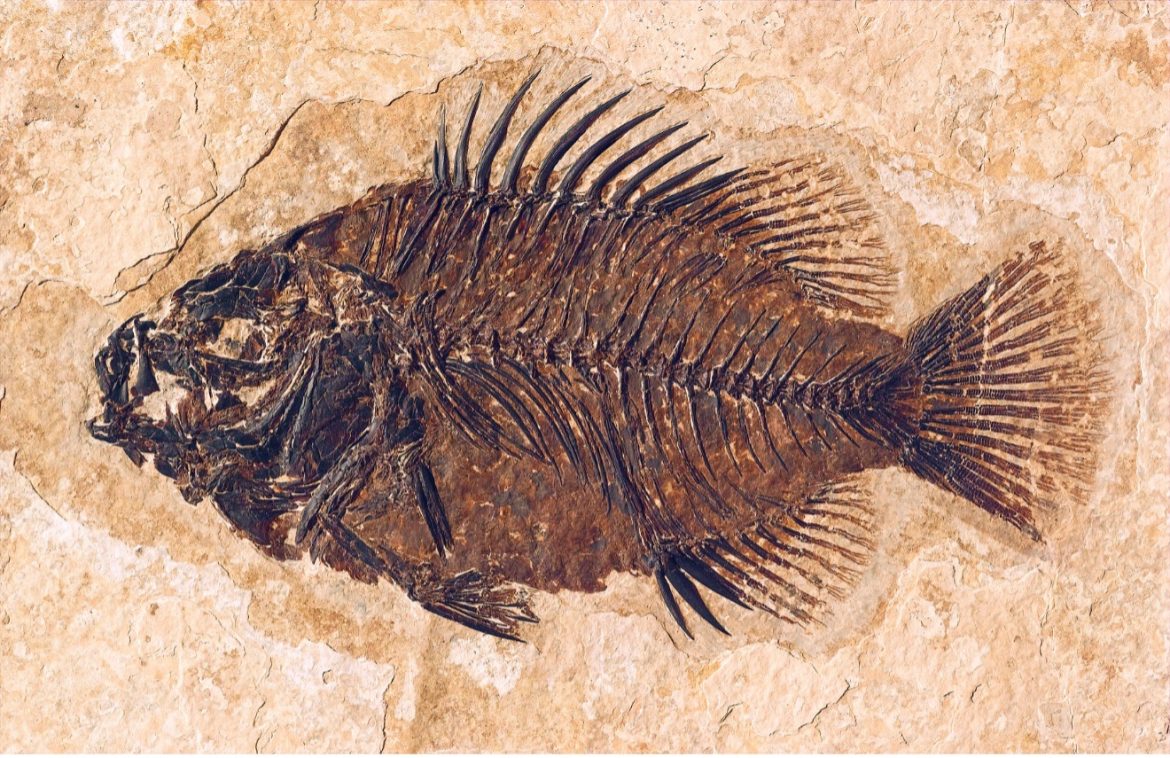
In a groundbreaking discovery, a 455-million-year-old fossil fish has provided valuable insights into the evolution of brain protection mechanisms in vertebrates. The findings, detailed in a paper published in the journal Nature Today on Wednesday, September 20th, were the result of collaborative research conducted by scientists from the University of Birmingham, the Naturalis Biodiversity Centre in Leiden, Netherlands, and the Natural History Museum.

The research, generously funded by the Leverhulme Trust, focused on the fossilized remains of Eriptychius americanus, an ancient jawless fish discovered in ancient deposits located in Colorado, USA. What sets this fossil apart is its uniquely preserved skull, which differs significantly from any previously documented specimens. This discovery has filled a 100-million-year gap in the evolutionary history of vertebrate skulls.

Using advanced computed tomography, a sophisticated x-ray technique, scientists were able to create a highly detailed 3D representation of Eriptychius’s skull. This groundbreaking reconstruction marks the first time such a comprehensive analysis has been conducted on this specimen, which was originally collected in the 1940s, described in the 1960s, and is now housed in the Field Museum of Natural History in Chicago.

What sets Eriptychius apart is the presence of separated, independent cartilages that encase the brain, in contrast to the solid bone or cartilage structures found in later jawless and jawed fish species. While subsequent species developed a fully enclosed cartilage cage to protect the brain, this discovery suggests that the early stages of brain protection mechanisms may have begun with Eriptychius.

Dr. Ivan Sansom, Senior Lecturer in Palaeobiology at the University of Birmingham and senior author of the study, expressed his excitement about these findings, emphasizing their potential to unveil the early evolutionary history of how primitive vertebrates safeguarded their brains. He also underscored the importance of museum collections and the application of cutting-edge techniques in paleontological research.

Dr. Richard Dearden, Postdoctoral Research Fellow in Palaeobiology at the Naturalis Biodiversity Center and lead author of the paper, highlighted the significance of this discovery, despite Eriptychius not being the most visually striking fossil. He noted that modern imaging techniques revealed the unique preservation of the oldest three-dimensionally preserved vertebrate head in the fossil record, addressing a substantial gap in our understanding of skull evolution across all vertebrates, including humans.

Source: Nature Today


25/09/2023 0 comment
0 FacebookTwitterPinterestEmail
Endangered Indias Barca Snakehead Fish Faces Extinction Threat from Illegal Hunting
AquacultureNationalNews

Endangered: India’s Barca Snakehead Fish Faces Extinction Threat from Illegal Hunting

by Fishery News 17/09/2023
written by Fishery News

Illegal hunting, commonly referred to as poaching, presents a grave and escalating danger to a multitude of animal species worldwide. This unlawful practice, involving the unlawful hunting, capturing, or gathering of animals without the requisite authorization, is driven by various factors, including the lucrative commercial trade, trophy hunting, and cultural customs. The devastating consequences of poaching stretch to the precipice of species extinction and disrupt the intricate balance of ecosystems.

Among the many species at risk due to illegal hunting, Channa Barca, a fish species native to India, confronts an exceptionally precarious predicament. Esteemed for its succulent flesh in specific Indian regions and sought after for its fins and scales in traditional medicinal practices, Channa Barca remains an enticing target for collectors and enthusiasts. Its distinctive capacity to breathe air and navigate on land further amplifies its desirability.

Despite the presence of legal safeguards, illegal hunting persists as a severe threat to Channa Barca. The International Union for Conservation of Nature (IUCN) has categorized this fish as endangered, and its populations are dwindling at an alarming pace. The potential loss of Channa barca carries significant ecological repercussions, given its role as a top predator in its habitat, a critical factor in maintaining the populations of other species.

Channa Barca represents merely one illustration of an animal species teetering on the brink of extinction due to illegal hunting. Majestic creatures like tigers, rhinoceroses, and elephants also confront severe dangers stemming from poaching. The insatiable demand for animal parts and products in the illicit wildlife trade fuels a relentless hunting industry estimated to be worth billions of dollars annually.

To combat the menace of illegal hunting and shield endangered species like Channa Barca, governments and conservation organizations must take swift and comprehensive actions. This entails fortifying laws and regulations, intensifying enforcement endeavours, and addressing the root causes of poaching, such as poverty and the absence of alternative livelihoods. Furthermore, public awareness and education regarding the importance of safeguarding endangered species and the dire repercussions of illegal hunting can contribute to curbing the demand for animal products and deterring poaching activities.

In conclusion, the plight of Channa Barca serves as a poignant reminder of the compelling necessity for worldwide collaboration in the preservation of our planet’s diverse wildlife. By uniting efforts to tackle the underlying issues propelling poaching and by heightening enforcement measures, we can aspire to ensure the enduring existence of these extraordinary species for the benefit and admiration of future generations.

17/09/2023 0 comment
0 FacebookTwitterPinterestEmail
AquacultureNationalNews

Two New Species of Spiny Clam Shrimps Discovered in Karnataka and Goa Rock Pools

by Fishery News 17/09/2023
written by Fishery News

Two New Species of Spiny Clam Shrimps Discovered in Karnataka and Goa Rock PoolsIndian zoologists have unearthed two previously unknown species of spiny clam shrimps thriving in dry rock pools within Karnataka and Goa. These newly identified species exhibit genetic distinctiveness from other clam shrimps found in India, shedding light on crucial insights for local conservation efforts.
Contrary to their name, clam shrimps are not related to clams. They possess a protective carapace that resembles a clamshell, which they close when disturbed, giving them their clam-like appearance.

The international team of researchers, led by Sameer M. Padhye and Mihir R. Kulkarni, embarked on their mission to uncover the diversity of these intriguing creatures in India. They meticulously isolated adult clam shrimp specimens from the rock pools and preserved them in ethanol for further analysis. Under a specialized microscope, they examined and photographed these remarkable creatures.

This dedicated team, collaborating with experts from Biologia Life Science LLP in Ahmednagar and the CSIR-Centre for Cellular and Molecular Biology in Hyderabad, successfully identified and named two new species: Leptestheria chalukyae and Leptestheria gomantaki. These distinctions were based on unique characteristics in their head and tail structures, as well as DNA sequence data. chalukyae, paying homage to the ancient Chalukya dynasty that once ruled large parts of southern India, stands out for its distinct dorsal head and tail spines, particularly in males. Meanwhile, L. gomantaki, named after the scenic state of Goa, exhibits a one-of-a-kind head morphology in its female population.

These spiny clam shrimps have developed the ability to produce resting eggs capable of enduring arid environments. These eggs can be dispersed by wind and birds, contributing to the species’ survival. Remarkably, clam shrimps have withstood geological challenges on the Indian subcontinent, enduring events like the Deccan Volcanism and the formation of the Himalayas, as highlighted by the researchers.

This groundbreaking discovery not only enriches our understanding of India’s biodiversity but also provides valuable insights for the design of conservation measures to protect these delicate creatures and their habitats. Stay tuned for further developments on this exciting find.

17/09/2023 0 comment
0 FacebookTwitterPinterestEmail
blue crabs
AquacultureInternational

Invasive Blue Crabs Threaten Italian Fishing Communities and Clam Production

by Fishery News 11/09/2023
written by Fishery News

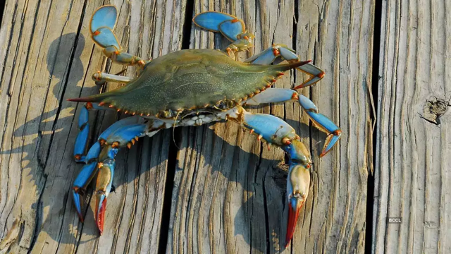
Italy – Italian fishing communities in the northern regions of the country are facing a serious threat from invasive blue crabs, originating from the coasts of North and South America. These predatory crabs have rapidly spread across various lagoon-like areas in Italy over the past year, posing a significant risk to the local shellfish population and endangering Italy’s status as one of the world’s leading clam producers.

Continue Reading
11/09/2023 0 comment
0 FacebookTwitterPinterestEmail
Poison Fishing
AquacultureInternational

Poison Fishing Persists in Bangladesh’s Sundarbans Despite Court Verdict

by Fishery News 09/09/2023
written by Fishery News

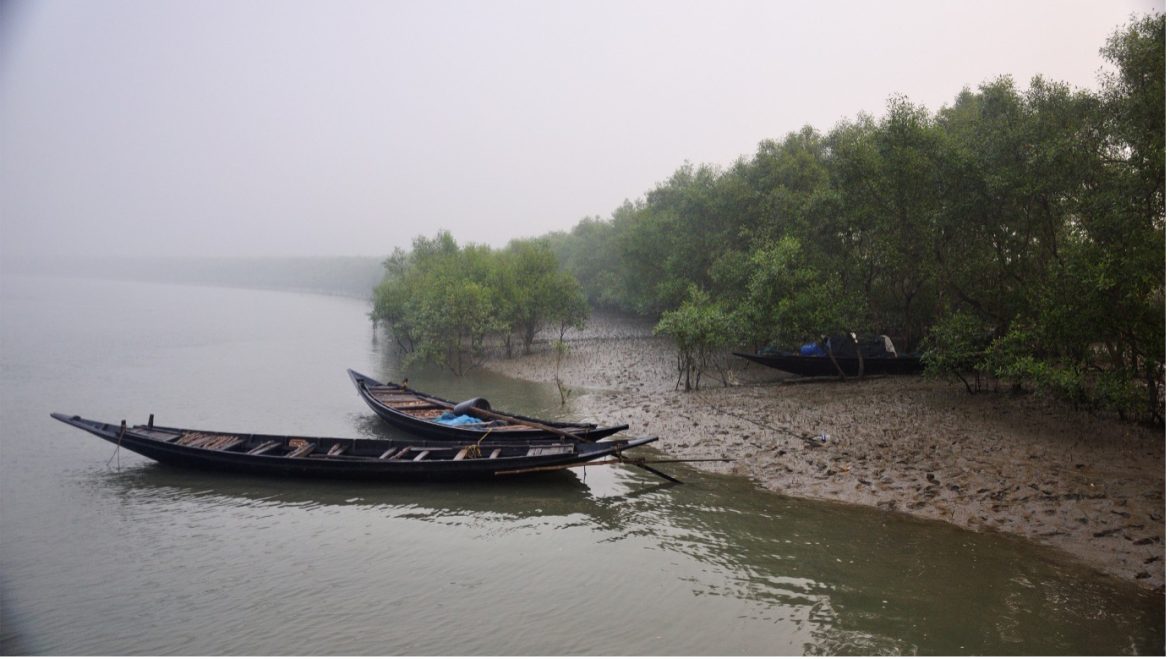
Khulna District, Bangladesh – The world-renowned Sundarbans, the largest mangrove forest on the planet, has long provided livelihoods to countless people who rely on its abundant natural resources, including fish, crabs, honey, and timber. To strike a balance between resource extraction and forest preservation, the Bangladesh Forest Department has issued fee-based permits for resource harvesting in specific areas of the Sundarbans, with the exception of the annual wildlife breeding season from June to August.

Continue Reading
09/09/2023 0 comment
0 FacebookTwitterPinterestEmail
Pulasa
AquacultureTechnology & Equipments

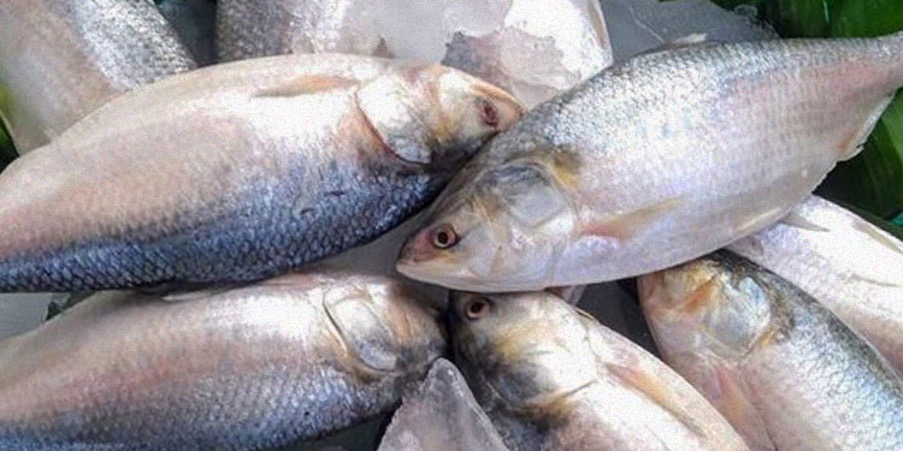
Pulasa Fish, a Delicacy in Godavari Districts, Fetches Record Prices as Rare Catch

by Fishery News 09/09/2023
written by Fishery News

Yanam, Union Territory near Kakinada – The anticipation for the coveted Pulasa fish in the Godavari districts has reached a fever pitch as red waters begin to flow in the Godavari river. This year, however, the fervor seems tinged with disappointment as the Pulasa catch has been relatively scarce compared to previous years. Local fishermen report that only one or two-kilogram fish have made their way to the market in recent weeks.

Continue Reading
09/09/2023 0 comment
0 FacebookTwitterPinterestEmail
Uttar Pradesh Fisheries Department Initiates River
AquacultureNational

Uttar Pradesh Fisheries Department Initiates River Ranching Program to Save Endangered Chitala Fish

by Fishery News 08/09/2023
written by Fishery News

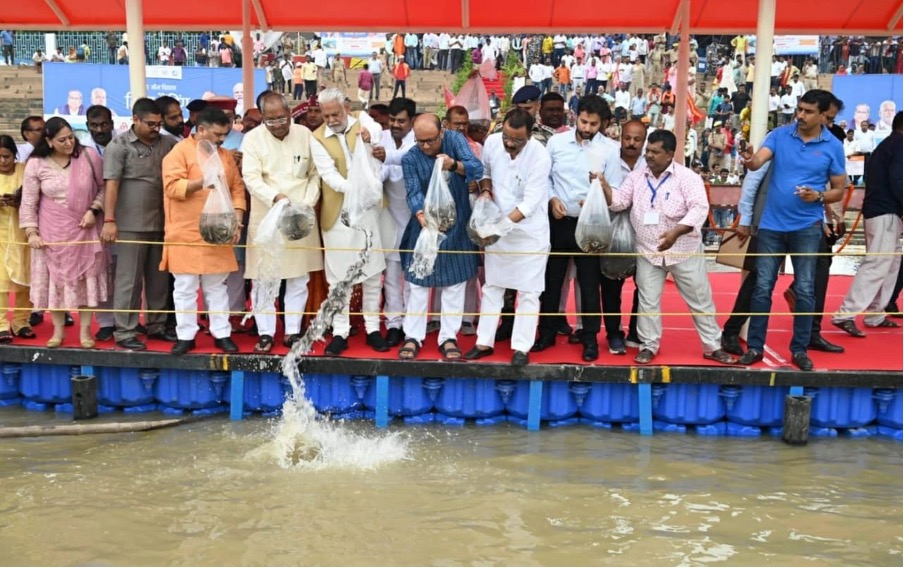
Varanasi: In a concerted effort to bolster fish production and maintain a healthy aquatic ecosystem, the Uttar Pradesh Fisheries Department orchestrated a river ranching program at Sant Ravidas Ghat along the Ganga River this Tuesday.

During the event, Union Minister for Fisheries, Livestock, and Dairying, Parshottam Rupala, announced the commencement of river ranching activities for the State fish Chitala. This endeavor is aimed at reviving the Chitala population, which faces the brink of extinction in the state.

Balancing the aquatic ecosystem and mitigating micro-pollution in the Ganga River are among the primary goals of this event, with the participation of Uttar Pradesh Fisheries Minister Dr. Sanjay Kumar Nishad underscoring its significance.

The river ranching event witnessed the release of over one lakh Chitala fish into the Ganga, a move that holds promise in saving this endangered species from further decline and bolstering the income of fish farmers. This effort falls under the ‘Chitala Conservation and Promotion Project,’ as stated by Sanjay Kumar Nishad.

Prashant Sharma, Director Fisheries, highlighted the importance of the river ranching event, which is designed to conserve and promote the state fish Chitala. The Chitala species recently earned the classification of ‘near threatened’ by the International Union for Conservation of Nature (IUCN), emphasizing the need for conservation measures and ecological balance.

The Uttar Pradesh Fisheries Department has introduced various schemes to stimulate fish production within the state. One notable initiative is the Chief Minister Matsya Sampada Yojana, which has allocated grants totaling 8.5 crore to support 650 fish farmers to date. This program was established to provide financial support to fish farmers engaged in community ponds across villages.

This river ranching program represents a crucial step toward conserving the Chitala fish, promoting biodiversity, and enhancing the livelihoods of fish farmers in Uttar Pradesh.


08/09/2023 0 comment
0 FacebookTwitterPinterestEmail
Breakthrough Reverse Pressure Sterilization May Reduce Allergenicity of Shrimp
AquacultureAquatic Health and Disease ManagementFarming

Breakthrough: Reverse-Pressure Sterilization May Reduce Allergenicity of Shrimp

by Fishery News 06/09/2023
written by Fishery News

A groundbreaking study published in the Journal of Agricultural and Food Chemistry has revealed a potential game-changer for those with shrimp allergies. Researchers at Dalian Polytechnic University’s National Engineering Research Center of Seafood conducted experiments using reverse-pressure sterilization on shrimp, exposing them to high pressure and steam. The result: a less-allergenic roasted shrimp product.

When mice with shellfish-consumption sensitivities were fed shrimp treated with reverse-pressure sterilization, they experienced milder allergic reactions and less organ damage compared to those fed raw or conventionally roasted shrimp. The study, supported by the American Chemical Society, highlights the possibility of using this technique to reduce allergenicity in other foods.

This breakthrough holds promise for addressing food allergies, potentially leading to the development of hypoallergenic versions of commonly allergenic foods like dairy, nuts, wheat, and various seafood. It sheds light on how the human immune system responds to foods it mistakenly perceives as threats

Food allergies affect millions of people, resulting in thousands of emergency department visits and hundreds of deaths annually in the United States alone. Reverse-pressure sterilization alters problematic proteins in a way that prevents overreactions from the immune system, potentially offering a safer future for allergy sufferers.

While roasting can achieve similar results in some foods, reverse-pressure sterilization appears to be particularly effective in inhibiting antibodies from latching onto allergenic proteins. This innovative technique may pave the way for a new era of hypoallergenic food products, offering relief to those living with food allergies.

06/09/2023 0 comment
0 FacebookTwitterPinterestEmail
Mysterious Blue Jellyfish Invasion Baffles Beachgoers in Uttara Kannada District
AquacultureNational

Mysterious Blue Jellyfish Invasion Baffles Beachgoers in Uttara Kannada District

by Fishery News 06/09/2023
written by Fishery News

Hundreds of blue jellyfish have washed ashore at Tonka beach near Honnavar in Uttara Kannada district, leaving both locals and visitors perplexed. This phenomenon comes shortly after a Bryde’s whale washed ashore at the same location.

This unusual occurrence has raised questions, as it marks the first time such a large number of blue jellyfish have been spotted at Tonka beach. The influx began a few days ago, and these distinctive blue jellyfish now scatter the entire beach.

Marine experts suggest that temperature variations in the sea may be a key factor behind this phenomenon. Warmer temperatures are known to promote jellyfish blooms, increasing food availability and encouraging jellyfish reproduction.

Blue jellyfish are a type of hydroid that float on water and feed on crabs, prawns, and fish. They can spread across several miles of the sea, forming a deep blue carpet. This influx of jellyfish can disrupt the food chain, affecting prominent species such as dolphins.

Jellyfish tend to attach themselves to the fins of larger fish and dolphins, hindering their swimming abilities. As fast swimmers, dolphins may find it challenging to navigate in waters filled with jellyfish. This temporary scarcity of fish in the region can have implications for the local marine ecosystem.

The presence of these blue jellyfish serves as a reminder of the intricate relationships and delicate balance within marine ecosystems, highlighting the impact of environmental factors on sea life.

06/09/2023 0 comment
0 FacebookTwitterPinterestEmail
Newer Posts
Older Posts
  • Recent
  • Popular
  • ICAR-CIFT Patents Rapid DNA Biosensor for Black Tiger Shrimp Authentication

    07/08/2026
  • Minister Holds Review Meeting with Fisheries Cooperative Leaders

    07/08/2026
  • Dry Fish Demand Surges Following Formalin Ban

    07/08/2026
  • Rohu Breeding: A Complete Step-by-Step Guide to Successful Seed Production

    07/08/2026
  • 1

    ICAR Scientists Crack the Breeding Code of Rare Himalayan Fish Channa andrao, Opening New Opportunities for Ornamental Fish Farming

    28/07/2026
  • 2

    Trout Fish Stocking Initiative Enhances Fisheries and Tourism Potential in Shopian, Jammu and Kashmir

    17/12/2023
  • 3

    BIGGEST FISH MARKETS IN INDIA

    07/09/2024
  • 4

    Introducing Future Aquaculture Magazine: A New Voice Shaping the Future of Seafood

    13/02/2026

About Fishery News

FN Logo

Fishery.News is India’s leading digital media platform dedicated to fisheries, aquaculture, seafood, and marine industries. We deliver trusted news, expert insights, market intelligence, technology updates, research, government policies, and success stories that help fish farmers, shrimp farmers, seafood businesses, researchers, and industry professionals stay informed and grow sustainably

Categories

  • News
  • Aquaculture
  • Aquatic Health and Disease Management
  • Research and Innovation
  • Technology & Equipments

Social Networks

Facebook Twitter Instagram Linkedin Youtube
  • Facebook
  • Twitter
  • Instagram
  • Linkedin
  • Youtube

© 2026 Fishery.News – A BLIV Media Venture. All Rights Reserved.


Back To Top
Fishery News
  • E – Magazine
    • Aquaculture
    • Aqua Health & Disease Management
    • News
      • National
      • International
    • Farming
    • Research and Innovation
    • Sustainability
    • Technology & Equipments
    • This is Africa
    • Trade
  • Publications
  • Events
    • Expos
    • Trainings
    • Events by Month
  • Business Listings
    • List Your Business
    • Business Listings
    • Buy & Sell
    • Get Consultation
  • Employment
  • About Us
    • Founder
  • Contact