• E – Magazine
    • Aquaculture
    • Aqua Health & Disease Management
    • News
      • National
      • International
    • Farming
    • Research and Innovation
    • Sustainability
    • Technology & Equipments
    • This is Africa
    • Trade
  • Publications
  • Events
    • Expos
    • Trainings
    • Events by Month
  • Business Listings
    • List Your Business
    • Business Listings
    • Buy & Sell
    • Get Consultation
  • Employment
  • About Us
    • Founder
  • Contact
Fishery News
Home » Aquaculture » Page 4
Category:

Aquaculture

ICAR CIBA and SRMIST Collaborate on Engineering Techniques for Fish Breeding
Aquaculture

ICAR-CIBA and SRMIST Collaborate on Engineering Techniques for Fish Breeding

by Fishery News 26/12/2023
written by Fishery News

Chennai: The ICAR-Central Institute of Brackishwater Aquaculture (ICAR-CIBA) has recently formalized a collaborative effort with the SRM Institute of Science and Technology (SRMIST), Chennai, through the signing of a Memorandum of Understanding (MOU). The primary focus of this collaboration is the development of a cutting-edge, deep learning-based ultrasound non-invasive tool for assessing the gonadal maturity of brackishwater fish species.

Dr. Kuldeep K Lal, Director of CIBA, underscored the significance of incorporating the latest engineering techniques into aquaculture during his introductory talk. He specifically emphasized the importance of leveraging these techniques in fish reproduction and breeding. Dr. T. Senthil Murugan, Principal Scientist and team leader at CIBA, provided detailed insights into the proposed plan of work, outlining the steps to develop a non-invasive ultrasound tool for assessing the gonadal maturity of brackishwater fishes.

Dr. R. Gopal, the Dean of the College of Engineering and Technology at SRMIST, elaborated on the available facilities related to image pre-processing and processing using Artificial Intelligence (AI) and Deep Neural Networks (DNN). Dr. Revathi Venkataraman, Chairperson of the School of Computing at SRMIST, detailed the department’s facilities, while Dr. Annie Uthra, Professor and Head of CINTEL, explained the execution techniques and the expertise of the faculty from SRMIST that will be involved in this collaborative venture.

This collaborative effort brings together the expertise of ICAR-CIBA and SRMIST, combining their resources to advance research in aquaculture, with a specific focus on developing innovative tools for assessing the gonadal maturity of brackishwater fish species. The MOU marks a significant step toward fostering advancements in aquaculture practices through interdisciplinary collaboration and technological integration.


26/12/2023 0 comment
0 FacebookTwitterPinterestEmail
SKUAST K Launches Ornamental Fisheries Training Program Sponsored by MSME
Aquaculture

SKUAST-K Launches Ornamental Fisheries Training Program Sponsored by MSME

by Fishery News 23/12/2023
written by Fishery News

Srinagar: The Faculty of Fisheries at Sher-e-Kashmir University of Agricultural Sciences and Technology Kashmir (SKUAST-K) initiated a week-long training initiative titled “Entrepreneurship Development in Ornamental Fish Culture, Management, and Aquarium Trade” at Rangil on Friday.

This program, backed by the Ministry of Micro, Small & Medium Enterprises (MSME), sees the participation of 25 unemployed graduates with diverse backgrounds.

Dr. Anayitullah Chesti, Head of the Division of Aquaculture, provided an overview of the workshop, emphasizing the significance of the ornamental fisheries sector in livelihood improvement and entrepreneurial growth.

Presiding over the event, Prof. (Dr.) Farooz Ahmad Bhat, Dean of FoFy, highlighted the global, national, and local importance of ornamental fisheries. Dr. Bhat discussed the fabrication of aquariums, selection of ornamental fish species, feed management, disease control, and water quality management.

During the inauguration session, Dr. Bhat welcomed Heads of Departments, faculty members, participants, and invited speakers from across India, giving special recognition to Dr. Debtanu Barman (CEO, Aqua Doctor solutions).

Congratulating the Division of Aquaculture for organizing the program, Dean Bhat praised the efforts towards the promotion of sustainable entrepreneurship.

Dr. Mansoor Ahmad, the Training Coordinator, explained that the seven-day program aims to highlight the significance and potential of the ornamental fish sector as a source of income and employment. The program includes lectures, practical sessions, and exposure visits.

Expressing gratitude, Dr. Ahmad thanked Prof. Nazir Ahmad Ganie, the Hon’ble Vice Chancellor of SKUAST-K, for his vision and efforts in fostering a conducive environment for sustainable entrepreneurship in the Union Territory of Jammu and Kashmir. He also extended thanks to the Ministry of Micro, Small & Medium Enterprises (MSME), Government of India, for sponsoring the program.

23/12/2023 0 comment
1 FacebookTwitterPinterestEmail
North Eastern States Witness Robust Growth in Inland Fish Production Over the Last Nine Years
Aquaculture

North Eastern States Witness Robust Growth in Inland Fish Production Over the Last Nine Years

by Fishery News 23/12/2023
written by Fishery News

In the period from 2014-15 to 2022-23, the inland fish production in North Eastern States has experienced an impressive average annual growth rate of 5.38%. According to data from the Department of Fisheries, Ministry of Fisheries, Animal Husbandry, and Dairying, the total fish production in the region escalated from 4.03 lakh tonnes in 2014-15 to its highest recorded production of 6.04 lakh tonnes during the fiscal year 2022-23.

To bolster the development of fisheries and aquaculture in the country, the Ministry implemented the Blue Revolution, a Centrally Sponsored Scheme, from 2015-16 to 2019-20. A substantial project worth Rs. 391.95 crore was sanctioned specifically for the North Eastern States.

Building on the success of the Blue Revolution, the Government of India launched another flagship scheme in the fiscal year 2020-21, namely the Pradhan Mantri Matsya Sampada Yojana (PMMSY). This initiative, with an investment of Rs. 20,050 crore over a 5-year period (from FY 2020-21 to 2024-25), aims to holistically develop fisheries and aquaculture.

PMMSY focuses on enhancing fish production by establishing new freshwater finfish hatcheries, constructing rearing ponds, biofloc ponds, Re-circulatory Aquaculture System (RAS), ornamental fish rearing units, and providing support such as boats and nets for traditional fishermen. Notably, a minimum of 10% of the annual allocation under the scheme has been earmarked for the North Eastern Region.

Under PMMSY, a total of Rs. 1391.62 crore worth of projects have been approved for the North Eastern States from 2020-21 to 2023-24 (as of the current date).

In addition to these initiatives, the government extended the facility of Kisan Credit Card (KCC) to fisher and fish farmers in 2018-19, aiming to facilitate easy access to credit for aquaculture farmers, fish farms, and fishing activities. To date, a total of 1,70,674 KCCs, with a loan amount of Rs. 1893.43 crore, have been issued, including 16,870 KCCs in the North Eastern Region.


23/12/2023 0 comment
0 FacebookTwitterPinterestEmail
Tezpur University Training Program on Induced Breeding of Indian Magur Fish Marks a Milestone
Aquaculture

Tezpur University:Training Program on Induced Breeding of Indian Magur Fish Marks a Milestone

by Fishery News 23/12/2023
written by Fishery News

A two-day training program on the induced breeding of Indian Magur fish recently unfolded in Golaghat, Assam, funded by the Department of Science and Technology (DST), India. Spearheaded by Dr. Mrigakhi Borah, DST Women’s Scientist-B, under the mentorship of Dr. Ashalata Devi, Professor at the Department of Environmental Science, Tezpur University, the program aimed to boost entrepreneurship among the unemployed men and women in the villages of Golaghat district.

A total of 22 participants from 10 different villages actively engaged in learning the intricacies of induced breeding techniques for the Indian Magur fish. Dr. Rimen Bordoloi, retired Professor of Golaghat Debraj Roy College, served as the resource person, imparting valuable knowledge to the participants.

Dr. Borah emphasized the significance of the training program, stating, “The aim is to encourage self-employment opportunities in magur seed production through induced breeding techniques, addressing the absence of commercial seed production of indigenous magur in Assam. This not only opens avenues for income generation but also contributes to the conservation of this nutritionally rich fish species, threatened by invasive magur (Clariasgariepinus).”

Highlighting the urgency of induced breeding, Dr. Bordoloi remarked, “The availability of indigenous magur fish is decreasing, making induced breeding crucial for the species’ survival. The training program couldn’t have come at a more opportune time.” He emphasized the potential for magur seed markets, presenting a viable alternative livelihood for unemployed youths.

Upon completion of the training, participants were equipped with ‘Ovafish hormonesso’ to initiate their own induced breeding trials within the current breeding season. The successful training program lays the foundation for sustainable aquaculture practices, empowering local communities and contributing to the preservation of indigenous fish species.

23/12/2023 0 comment
0 FacebookTwitterPinterestEmail
Telangana Witnesses Unprecedented Surge in Fish Farming by 119 Percent
Aquaculture

Telangana Witnesses Unprecedented Surge in Fish Farming by 119 Percent

by Fishery News 22/12/2023
written by Fishery News

Hyderabad: Telangana is undergoing a remarkable surge in fish farming, marking a true “blue revolution” for the state. The fish production for 2022-23 has reached an impressive value of Rs.6,191 crore, reflecting a staggering 193 percent increase from Rs.2,111 crore in 2016-17.

The growth is attributed to the success of the fish seedlings distribution scheme initiated in 2017-18, which reported a fish production worth Rs.3,419 crore in its first year. In terms of quantity, fish production soared from 1,93,732 tonnes in 2016-17 to 2,62,252 tonnes in 2017-18, reaching an impressive 4,24,327 tonnes in 2022-23. According to a recent report by the Directorate of Statistics and Economics, the fish production increased by 119 percent.

Telangana, as the country’s third-largest inland water spread covering 5.73 lakh sq km, holds the fifth position nationally in terms of inland fish production. The state government’s initiative to distribute free fish seedlings across approximately 11,067 water bodies in 2017-18 has played a pivotal role in this success. With an investment of Rs.44.6 crore, around 51.08 crore fish seedlings were released, resulting in a fish production of 2.62 lakh tonnes within 8-10 months.

The last fiscal year witnessed even more impressive growth, with 77.14 crore fishlings valued at Rs.62.79 crore released in 23,799 water bodies, leading to a record-breaking 4.24 lakh tonnes of fish production valued at Rs.6,191 crore. Officials predict that Telangana is poised to surpass its own record in the current fiscal year, with fish production estimated to reach Rs.6,500 crore.

During the same period, prawn cultivation has also experienced substantial growth, recording a production of 14,142 tonnes valued at Rs.465 crore in 2022-23 across 279 water bodies. State government interventions have not only contributed to this boom in fish production but have also led to a significant increase in the average income levels of Fishermen Cooperative Societies (FCS) and their members.

The number of FCSs has grown by 15 percent, from 4,002 in 2016-17 to 4,604 in 2020-21, with membership rising by eight percent during the same period, from 2.85 lakh in 2016-17 to 3.09 lakh in 2020-21. Key statistics include fishlings distribution growing from 27.85 crore in 2016-17 to 77.14 crore in 2022-23, fish production shooting up from 1.93 lakh tonnes in 2016-17 to 4.24 lakh tonnes in 2022-23, and prawn production increasing from 7,783 tonnes in 2017-18 to 14,142 tonnes in 2022-23, with the production value escalating from Rs.171.23 crore in 2017-18 to Rs.465 crore in 2022-23.

22/12/2023 0 comment
0 FacebookTwitterPinterestEmail
Cage Fishery Pilot Project Launched to Boost Income in Tribal Community
Aquaculture

Cage Fishery Pilot Project Launched to Boost Income in Tribal Community

by Fishery News 20/12/2023
written by Fishery News

Under the Rashtriya Krishi Vikas Yojana, the Fisheries department has initiated a pilot project for cage fishery in the Indravati reservoir. Designed to elevate the income of fish producer groups within the tribal community, the project involves the installation of two rectangular and one circular cage constructed from high-density polyethylene and PVC.

Thirty members of Khambeswari fisheries societies have been granted leases by the department to set up these cages. The primary objective is to achieve a fish production of 20 tonnes within eight months. With an installation cost of approximately Rs 15 lakh, beneficiaries receive a 100% subsidy, amounting to Rs 7.5 lakh, to support the venture.

Pangassius, a selected fish variety, is being cultivated in these cages, with the anticipation that this choice will significantly impact the livelihoods and economic well-being of society members. Draupadi Majhi, the District Fisheries Officer, is optimistic about the project’s potential to provide a sustainable source of income and elevate the overall economic status of the tribal community through cage fishery.

20/12/2023 0 comment
0 FacebookTwitterPinterestEmail
Bangladeshs Aquaculture Success Raises Concerns Over Chemical Use and Food Safety
Aquaculture

Bangladesh’s Aquaculture Success Raises Concerns Over Chemical Use and Food Safety

by Fishery News 11/12/2023
written by Fishery News

Bangladesh has garnered global recognition for its remarkable success in freshwater fish production, securing the third position globally. However, concerns are emerging regarding the extensive use of antibiotics, pesticides, and hormones in the country’s aquaculture practices, raising questions about food safety.

According to the United Nations Food and Agriculture Organization’s 2022 report on global fisheries and aquaculture, Bangladesh produced over 1.25 million metric tons of freshwater fish in 2020, marking a significant increase from 440,000 metric tons in 1980.

To meet the protein demand of its growing population, Bangladesh has been utilizing antibiotics, pesticides, and hormones in fish farming, contributing to potential food safety issues. Aqua-chemicals are commonly employed to prevent and treat diseases in fish farming, enhance water quality, and boost productivity. However, their indiscriminate use has raised environmental and health concerns.

A 2021 survey conducted in Rajshahi district highlighted that, farmers lacked proper knowledge of aqua-chemicals and antibiotics, with a significant percentage unaware of effective dosages. The study emphasized the need for strict monitoring to address potential ecological risks and adverse health implications.

While the study indicated that antibiotic concentrations in cultured fish did not pose an immediate risk to human health, further research is recommended. The rapid surge in chemical use in aquaculture could threaten aquatic species and human health, considering that over 80% of Bangladesh’s population relies on fish as a primary source of animal protein.

The use of hormones in fish farming for induced breeding has also come under scrutiny, with potential risks identified for human and environmental health. Bangladesh’s hatcheries, which contribute significantly to fish seed production, have been using inducing agents to boost reproduction. The use of hormonal products in fish farming has been associated with endocrine disorders and negative health impacts.

The release of untreated industrial waste and chemicals into open waters, including rivers, further compounds the issue. Approximately 200 rivers in Bangladesh receive untreated industrial waste, posing risks to fish diversity and human health. Chemical pollutants and heavy metals, including lead, mercury, cadmium, and zinc, can accumulate in fish, affecting local food sources.

Efforts are underway to address these concerns, with authorities urging fish farmers and hatcheries to exercise caution in chemical use. The Fisheries Department emphasizes the potential hazards of antibiotics and chemicals, urging responsible practices to ensure both environmental sustainability and public health.

11/12/2023 0 comment
0 FacebookTwitterPinterestEmail
ICAR CIFRI to Share Bengals Successful Fisheries Models with Southeast Asian Nations
Aquaculture

ICAR-CIFRI to Share Bengal’s Successful Fisheries Models with Southeast Asian Nations

by Fishery News 09/12/2023
written by Fishery News

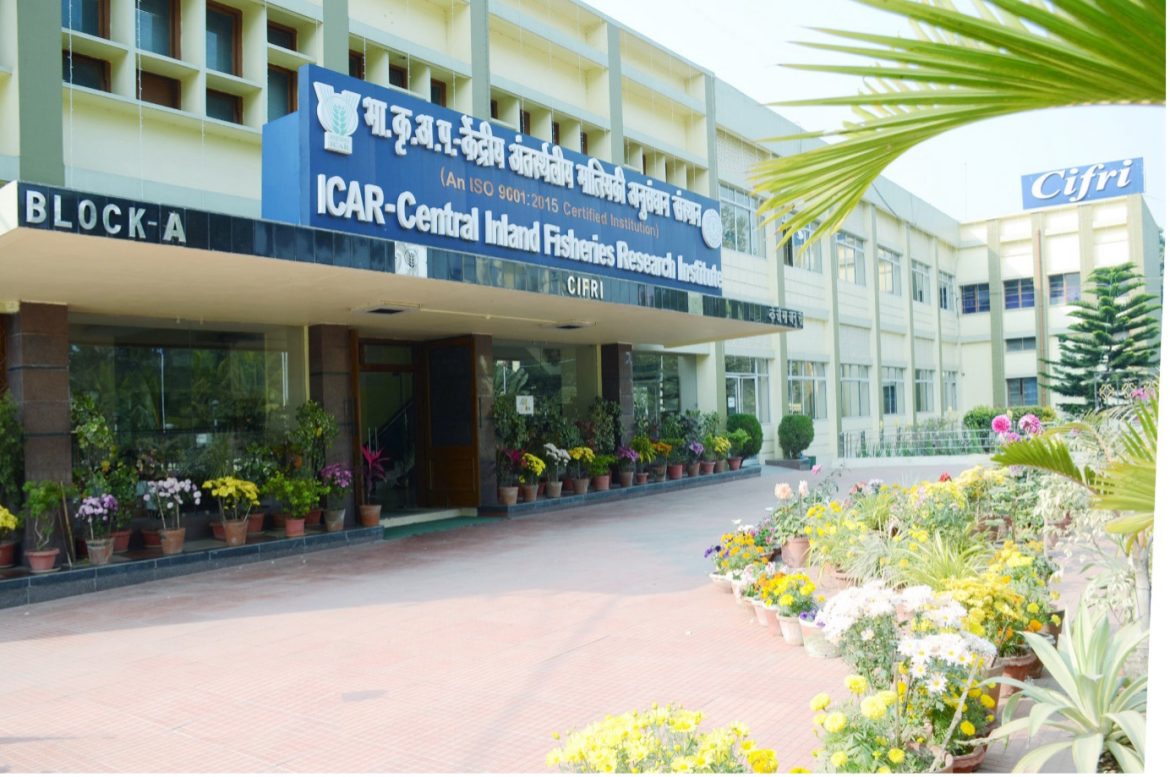
The ICAR-Central Inland Fisheries Research Institute (CIFRI) based in Barrackpore, Kolkata, is poised to impart successful fisheries management models to Southeast Asian countries with robust fishing economies. Acknowledged as a knowledge hub on fisheries, ICAR-CIFRI will share expertise on fish population enhancement in rivers, alongside fish cultivation in wetlands and dams, with 24 international delegates hailing from Cambodia, Lao PDR, Myanmar, and Vietnam.

During the upcoming workshop, the institute will spotlight three major projects:

Ranching: This project involves capturing adult fish from rivers, breeding them in controlled environments to ensure prolific spawning, and subsequently releasing fingerlings back into the river. Over the past five years, ICAR-CIFRI has released an impressive 92 lakh fingerlings of various fish varieties into the Ganga. The initiative has resulted in a significant enhancement of fish population and diversity along the course of the river.

Pen Culture: Executed in the East Kolkata Wetlands and other water bodies, this project focuses on growing fish in pens until they reach sizes of 35-40 cm before releasing them into the wetland. This successful approach has led to a remarkable 2.5-3 times increase in overall fish production.

Cage Culture: Implemented in reservoirs such as Maithon in Damodar and Mukutmanipur in Subarnarekha, cage culture has proven highly effective in significantly augmenting downstream fish production.


ICAR-CIFRI Director B K Das emphasized the success of these projects, resulting in an extension of the fish ranching initiative for an additional two and a half years.

The 13-day international workshop and training program at the Barrackpore campus will encompass dairy enhancement training by the National Dairy Research Institute and Indian Veterinary Research Institute, Kalyani. The comprehensive program aims to review current management practices, address constraints and risks, propose improvements, and demonstrate essential technologies and skills for fisheries enhancement and dairy production within the framework of food and nutritional security.

09/12/2023 0 comment
0 FacebookTwitterPinterestEmail
Directorate of Fisheries in Panaji Proposes Shift to Culture Fishing for Sustainable Aquaculture Growth
Aquaculture

Directorate of Fisheries in Panaji Proposes Shift to Culture Fishing for Sustainable Aquaculture Growth

by Fishery News 05/12/2023
written by Fishery News

Panaji: The Directorate of Fisheries has submitted a proposal to the Central Government under the Pradhan Mantri Matsya Sampada Yojana (PMMSY) to embrace culture fishing. Deepesh Priolkar, the Director of Fisheries, highlighted that the conventional practice of capture fishing is on the decline.

Priolkar pointed out the drawbacks of traditional capture fishing, emphasizing its tendency to lead to overfishing and the gradual depletion of fish populations in open sea waters. Moreover, the limited preservation window for caught fish often results in surplus catch either going to waste or needing to be exported.

Recognizing these challenges, the Directorate of Fisheries advocates for a significant shift towards culture fishing, presenting it as a sustainable and environmentally friendly alternative aligned with the objectives of the PMMSY. Culture fishing involves the cultivation and breeding of fish in controlled environments such as ponds, tanks, and cages, allowing for better management of fish populations and increased production.

Priolkar emphasized the ample potential for culture fishing in Goa, underscoring the need for widespread awareness about this sustainable practice. He stated, “Fish farmers will be invited to attend workshops and seminars on aquaculture, educating them about various department schemes.” This proactive approach aims to promote sustainable practices, ensuring the growth of the aquaculture industry in the region.

05/12/2023 0 comment
0 FacebookTwitterPinterestEmail
Odisha Signs Tripartite Agreement to Boost Climate Resilient Aquaculture
Aquaculture

Odisha Signs Tripartite Agreement to Boost Climate-Resilient Aquaculture

by Fishery News 27/11/2023
written by Fishery News

A tripartite Memorandum of Agreement (MoA) has been inked among Odisha Integrated Irrigation Project for Climate Resilient Agriculture (OIIPCRA), the Director of Fisheries, and WorldFish. The agreement aims to bolster climate-resilient aquaculture practices in the state.

The MoA signing ceremony took place in the presence of key officials, including Development Commissioner-cum-ACS Department of Water Resources Anu Garg, Principal Secretary of Fisheries and ARD Suresh Kumar Vashisth, and Principal Secretary of A&FE Dr. Arabinda Kumar Padhee, at the DoWR Conference Hall of Rajiv Bhawan.

Notably, OIIPCRA is a World Bank-supported initiative being implemented in 15 districts of the state through the Odisha Community Tank Development & Management Society (OCTDMS), a Special Purpose Vehicle (SPV) under DoWR. The project focuses on intensifying and diversifying agricultural production while enhancing climate resilience through various components such as climate-smart intensification, improving irrigation access, institutional capacity strengthening, and project management.

The Fisheries sector, under the aquaculture production sub-component, is actively promoting climate-resilient aquaculture practices in 263 Managed Irrigation Projects (MIPs). These efforts aim to empower small-scale farmers and encourage species diversification through polyculture.

The project has facilitated capacity building among stakeholders, enhancing knowledge on aquatic food production systems and strengthening community-based institutional architecture. Innovations such as bio-floc fish farming technology have been adopted, and initiatives like freshwater prawn nurseries and the provision of water testing kits to monitor water quality parameters have been implemented.

The signed MoA is expected to facilitate the implementation of various activities and promote best practices in the sector. It will enable real-time tracking through the integration of the Decision Support System of the Fisheries and Animal Resources Development (FARD) with the OIIPCRA application. Additionally, the agreement includes provisions for orientations, workshops, and the preparation of technical content for communication materials related to the project.

The collaboration will also involve conducting exposure visits, reviewing the aquaculture sub-component, and assessing project interventions through crop outcome surveys. The agreement aims to ensure effective monitoring and evaluation, fostering the sustainable growth of climate-resilient aquaculture practices in Odisha.

27/11/2023 0 comment
0 FacebookTwitterPinterestEmail
Newer Posts
Older Posts
  • Recent
  • Popular
  • ICAR-CIFT Patents Rapid DNA Biosensor for Black Tiger Shrimp Authentication

    07/08/2026
  • Minister Holds Review Meeting with Fisheries Cooperative Leaders

    07/08/2026
  • Dry Fish Demand Surges Following Formalin Ban

    07/08/2026
  • Rohu Breeding: A Complete Step-by-Step Guide to Successful Seed Production

    07/08/2026
  • 1

    Trout Fish Stocking Initiative Enhances Fisheries and Tourism Potential in Shopian, Jammu and Kashmir

    17/12/2023
  • 2

    BIGGEST FISH MARKETS IN INDIA

    07/09/2024
  • 3

    Brazil’s Appetite for Vietnamese Tilapia Is Reshaping the Global Whitefish Trade

    28/07/2026
  • 4

    Introducing Future Aquaculture Magazine: A New Voice Shaping the Future of Seafood

    13/02/2026

About Fishery News

FN Logo

Fishery.News is India’s leading digital media platform dedicated to fisheries, aquaculture, seafood, and marine industries. We deliver trusted news, expert insights, market intelligence, technology updates, research, government policies, and success stories that help fish farmers, shrimp farmers, seafood businesses, researchers, and industry professionals stay informed and grow sustainably

Categories

  • News
  • Aquaculture
  • Aquatic Health and Disease Management
  • Research and Innovation
  • Technology & Equipments

Social Networks

Facebook Twitter Instagram Linkedin Youtube
  • Facebook
  • Twitter
  • Instagram
  • Linkedin
  • Youtube

© 2026 Fishery.News – A BLIV Media Venture. All Rights Reserved.


Back To Top
Fishery News
  • E – Magazine
    • Aquaculture
    • Aqua Health & Disease Management
    • News
      • National
      • International
    • Farming
    • Research and Innovation
    • Sustainability
    • Technology & Equipments
    • This is Africa
    • Trade
  • Publications
  • Events
    • Expos
    • Trainings
    • Events by Month
  • Business Listings
    • List Your Business
    • Business Listings
    • Buy & Sell
    • Get Consultation
  • Employment
  • About Us
    • Founder
  • Contact