• E – Magazine
    • Aquaculture
    • Aqua Health & Disease Management
    • News
      • National
      • International
    • Farming
    • Research and Innovation
    • Sustainability
    • Technology & Equipments
    • This is Africa
    • Trade
  • Publications
  • Events
    • Expos
    • Trainings
    • Events by Month
  • Business Listings
    • List Your Business
    • Business Listings
    • Buy & Sell
    • Get Consultation
  • Employment
  • About Us
    • Founder
  • Contact
Fishery News
Home » Aquaculture » Page 9
Category:

Aquaculture

Telangana Fisheries Federation Chairman Urges Action Against Industrial Pollution Threatening Fish Survival
NationalAquacultureNews

Telangana Fisheries Federation Chairman Urges Action Against Industrial Pollution Threatening Fish Survival

by Fishery News 08/10/2023
written by Fishery News

Owing to growing concerns over the detrimental impact of industrial pollution on local fish populations, Pittala Ravinder, Chairman of the Telangana State Fisheries Federation (TSFF), has directed officials to take immediate measures to prevent fish deaths in tanks. During a visit to various tanks in the Patancheru mandal, Ravinder observed a significant number of fish fatalities attributed to effluents discharged by industries into these water bodies.

Expressing the urgent need for a coordinated effort between the Industries department and the Pollution Control Board (PCB), Ravinder emphasized the importance of protecting fish from the adverse effects of pollution. He highlighted the indiscriminate release of pollutants by industries, leading to the demise of fish and causing hardships for fishing-dependent families.

Ravinder called upon PCB officials to initiate legal action against industries found responsible for polluting the tanks. This directive underscores the chairman’s commitment to safeguarding the aquatic ecosystem and ensuring the well-being of communities reliant on fisheries in the region.

The move aims to address environmental concerns, uphold sustainable fishing practices, and hold accountable those industries that neglect responsible waste disposal, emphasizing the broader significance of environmental protection and the welfare of local livelihoods.

08/10/2023 0 comment
0 FacebookTwitterPinterestEmail
Alarming Discovery of Antibiotic Resistant Genes in Aquaculture Farms Raises Health Concerns
AquacultureAquatic Health and Disease ManagementNewsResearch and Innovation

Alarming Discovery of Antibiotic Resistant Genes in Aquaculture Farms Raises Health Concerns

by Fishery News 07/10/2023
written by Fishery News

Researchers at the Cochin University of Science and Technology (Cusat) have uncovered compelling evidence of antibiotic resistant genes (ARGs) and bacterial pathogens in fish farms that claim to be antibiotic-free. The investigation, based on samples from an aquaculture farm in Kochi, highlights a concerning trend that necessitates immediate action to prevent the transmission of ARGs from aquafarms to humans and the environment.

As part of an ongoing study by the School of Industrial Fisheries at Cusat, researchers are examining farms across Kerala. The pilot study focused on testing water samples for antibiotic residue in soil, water, and bacteria, under the project titled ‘Mapping Antimicrobial Use and Antimicrobial Resistance in Aquaculture Farming in Kerala.’ Reshma Silvester, who received the Nava Kerala fellowship for the project, emphasized the importance of scrutinizing aquaculture environments as potential hotspots for clinically relevant ARGs.

The findings revealed the presence of human pathogens such as Pseudomonas aeruginosa, Escherichia coli, Salmonella enterica, and Klebsiella pneumoniae in the study area. Resistome analysis demonstrated a high contamination of the farm environment with antibiotic resistant genes, conferring resistance to multiple antibiotic classes, including aminoglycoside, amphenicol, beta-lactam, fluoroquinolone, glycopeptide, macrolide, tetracycline, polymyxin, sulfonamide, among others.

Reshma Silvester expressed concerns about medical waste, including that from hospitals and homes, contaminating water bodies and entering aquafarms. Unlike farms focused on exports adhering to stringent international regulations, open water body farms face greater risks. Professor Mohammed Hatha from the Department of Marine Biology at Cusat emphasized the urgent need for awareness among farmers, highlighting the serious health threat posed by antibiotic resistance. He stressed the necessity for stricter monitoring and surveillance to address this growing concern.”

07/10/2023 0 comment
0 FacebookTwitterPinterestEmail
CMFRI Initiates Mega Seaweed Cultivation Mission Along Andhra Pradesh Coast
NationalAquacultureFarmingNews

CMFRI Initiates Mega Seaweed Cultivation Mission Along Andhra Pradesh Coast

by Fishery News 07/10/2023
written by Fishery News

Central Marine Fisheries Research Institute (CMFRI) has launched an extensive initiative to cultivate seaweed along the coastal belt of Andhra Pradesh (AP). Traditionally popular in South East Asian cuisine, seaweed is now gaining popularity among residents of AP and other parts of India.

Acknowledging the rising local demand and the pharmaceutical industry’s interest in certain seaweed types, authorities are expanding cultivation efforts. The Central government is actively promoting seaweed cultivation by providing subsidies, particularly to fisherfolk, utilizing methods such as rafts or tube-net.

A pilot project is underway at Mangamaripeta coast, near Bheemili beach, where local fisherfolk are involved in a 30-day seaweed cultivation in nets. The CMFRI scientists have identified 27 potential sites in four undivided north coastal districts, and cultivation will span 49 locations covering more than 1,200 hectares.

Under the Pradhan Mantri Matsya Sampada Yojana (PMMSY), the Central government has supported the establishment of approximately 10,000 seaweed culture units in AP, including 2,700 units in the Visakhapatnam and Anakapalli districts.

Seaweed, a versatile marine plant, finds applications in food, pharmaceuticals, textiles, fertilizers, cattle feed, and the biofuel industry. The most commonly cultivated species include Kappaphycus alvarezii, gracilaria, saccharina japonica, pyropia, and sargassum fusiform.

Project Manager P. Krishna, overseeing the PMMSY, stated that seaweed cultivation would employ methods such as raft cultivation using high-density polyvinyl pipes or the tube-net method. Training programs for farmers will be provided by CMFRI and PMMSY. The pilot project at Mangamaripeta beach involves 10 rafts, with an expected yield in 50 days.

07/10/2023 0 comment
0 FacebookTwitterPinterestEmail
Training Program on Sustainable Aquaculture Organized by AAUs College of Fish
SustainabilityAquacultureNews

Training Program on Sustainable Aquaculture Organized by AAU’s College of Fisheries in Assam

by Fishery News 05/10/2023
written by Fishery News

The Department of Aquaculture at the College of Fisheries, AAU, Raha, orchestrated a comprehensive training program and exposure visit on sustainable aquaculture. This initiative targeted Fishery Demonstrators from Karbi Anglong, Assam, and fish farmers from Kiphire district, Nagaland. The event, held at Kolong Kapili, aimed to enhance participants’ knowledge and skills in sustainable aquaculture practices.

Welcoming the attendees, Jyotish Talukdar, Director of Kolong Kapili, shed light on the NGO’s focus on training and skill development in fisheries and sustainable aquaculture for entrepreneurship development. Dr. Kamaleswar Kalita, Professor & Head of the Department of Aquaculture, COF, AAU, Raha, underscored the significance of the fisheries sector in entrepreneurship development in Assam. He encouraged participants to embrace an entrepreneurial mindset by adopting scientific approaches in fish farming.

Dr. Pabitra Kr Saharia, Associate Professor at COF, Raha, emphasized the importance of integrated farming systems and highlighted the developmental activities of Kolong Kapili in supporting entrepreneurship and livelihoods through sustainable aquaculture in the state. Kaustubh Bhagawati, Assistant Professor in the Department of Aquaculture, COF, Raha, shared scientific insights on elevating the fisheries and aquaculture scenario in Assam. He focused on the potential of small indigenous fish culture in Assam, emphasizing its significant medicinal value for human nutrition.

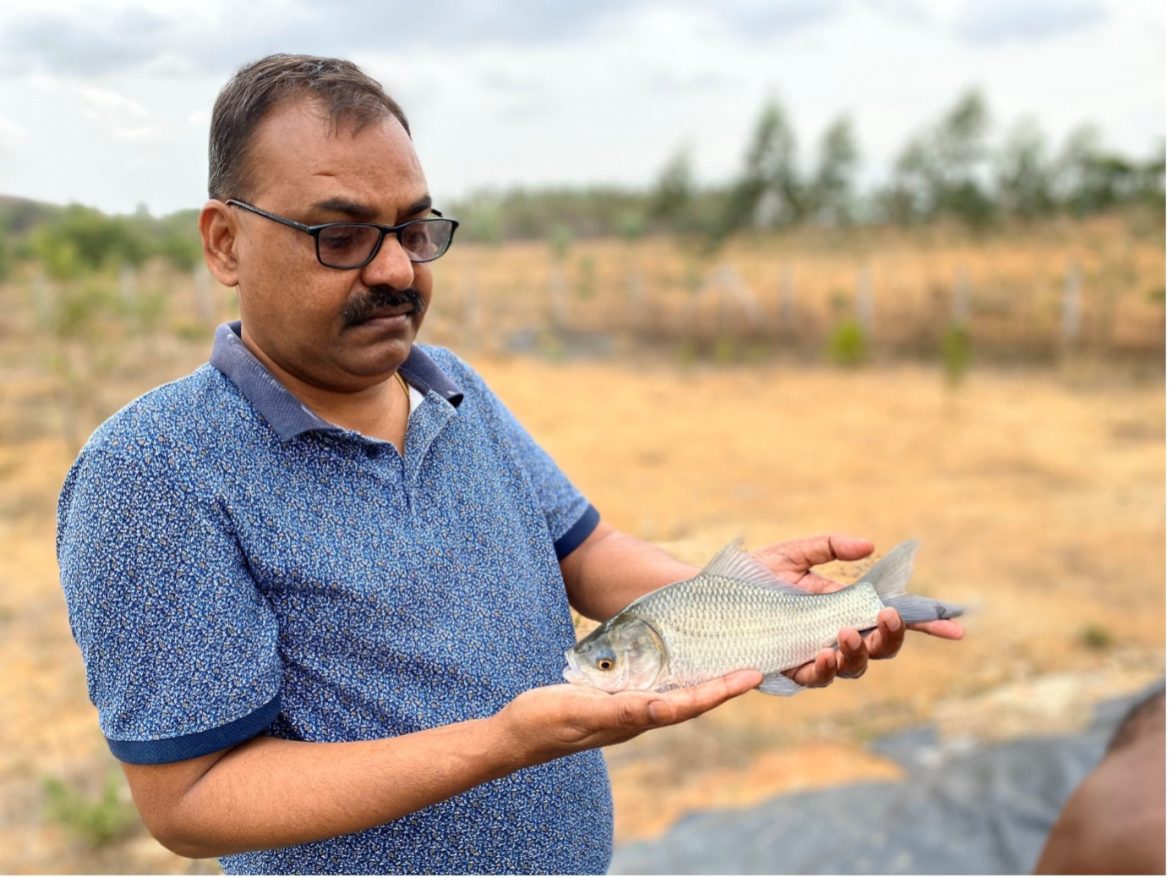
As part of the program, the Department of Aquaculture, COF, AAU, Raha, released 2,000 fish seed (fingerlings) of Cirrhinus reba, commonly known as Lashim Bhangon, at the ICAR-CIFA recognized aquaculture field school of Kolong Kapili, Bagibari. The College of Fisheries has successfully developed breeding and seed production technology for the high-value indigenous fish C. reba (Reba carp) with support from the Department of Fisheries, Government of Assam, under the Gene Bank Project.

05/10/2023 0 comment
0 FacebookTwitterPinterestEmail
ICAR CMFRIs 100 Day Coastal Survey Aims to Unravel Mysteries of Marine Mammals Amid Whale Strandings
NationalAquacultureNews

ICAR-CMFRI’s 100-Day Coastal Survey Aims to Unravel Mysteries of Marine Mammals Amid Whale Strandings

by Fishery News 05/10/2023
written by Fishery News

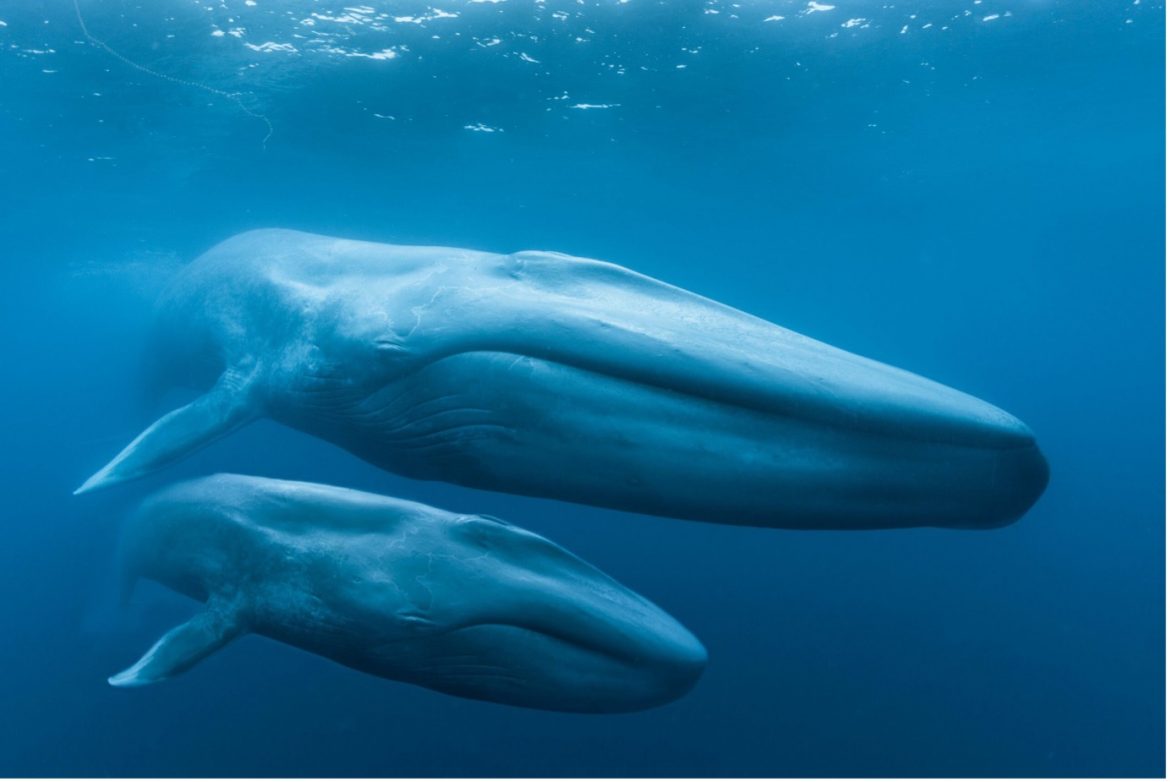
Kochi – In response to the concerning rise in whale stranding events along the Indian coast, a dedicated research team from the ICAR-Central Marine Fisheries Research Institute (CMFRI) has launched a comprehensive 100-day coastal survey. This initiative, part of a collaborative research project with the Fishery Survey of India under the Ministry of Fisheries, focuses on assessing the stock and population of marine mammals in Indian waters.

Commencing the survey from Kochi, researchers will delve into understanding the diversity and distribution of marine mammals within 12 nautical miles of the Indian coast. The primary objective is to analyse the correlation between stranding events and changing climatic conditions, employing habitat modelling and recording stranding incidents.

The joint project aspires to garner a holistic understanding of marine mammal behaviour, population dynamics, and ecology. This knowledge is considered pivotal in formulating effective conservation measures for India’s marine mammal populations.

R Ratheesh Kumar, Principal Investigator of the project, highlighted the potential impact of extreme climatic events on the behaviour and distribution patterns of marine mammals. Kumar emphasized that species in these ecosystems are highly sensitive to environmental factors such as habitat changes, shifts in distribution, alteration in migration routes, and climatic conditions like rising ocean temperatures, changing cyclonic patterns, and storm surges.

The increased frequency of cyclones and storm surges, according to Kumar, might be contributing to the rising incidents of whale strandings. To address this, the CMFRI team aims to closely monitor such occurrences at sea and gather crucial data for in-depth analysis.

The marine mammal assessment project was initiated by the institute in 2021, during which 16 marine mammal species were recorded within the Indian Exclusive Economic Zone (EEZ) through on-board visual surveys. After a temporary hiatus, the project has been resumed in 2023, employing the line transect methodology for sighting and species-level counting of animals. The well-trained observers use binoculars and the naked eye alternately during the survey, systematically sampling specific areas for marine mammals to ensure representative coverage of the entire region.

05/10/2023 0 comment
0 FacebookTwitterPinterestEmail
Fish Exhibition Features International Fish Varieties and a Plethora of Entertainment in Godavarikhani
NationalAquacultureNews

Fish Exhibition Features International Fish Varieties and a Plethora of Entertainment in Godavarikhani

by Fishery News 05/10/2023
written by Fishery News

Godavarikhani’s annual fish exhibition has taken a plunge into the extraordinary this year with a captivating Fish Exhibition at its heart. Showcasing hundreds of exotic fish varieties from around the globe, this two-month-long event, which kicked off on September 10, has firmly established itself as one of the district’s largest and most eagerly awaited happenings.

Drawing a diverse crowd that includes residents from various regions and even national visitors, the exhibition offers not only a mesmerizing aquatic display but also an array of stalls featuring toys, play equipment, thrilling games, and delectable snacks—all meticulously designed to bring joy and entertainment to the local community.

Ensuring a hassle-free experience, the organizers have gone the extra mile by installing green mats throughout the venue and providing free Wi-Fi to facilitate digital payments. Notably, the entry ticket price has been adjusted to 100 rupees this year, reflecting the enhanced offerings.

A unique underwater tunnel setup provides visitors with an unparalleled opportunity to observe a diverse array of aquatic life in one location. With over 2,000 fish on display, the Fish Expo has become a must-see attraction, attracting crowds eager to witness this extraordinary aquatic showcase.

Godavarikhani’s annual exhibition continues to evolve, becoming a hub for not only local and nationally recognized brands but also a platform for unique and unforgettable experiences. The Fish Exhibition stands as a testament to the organizers’ commitment to pushing boundaries and providing the community with an unparalleled blend of entertainment and cultural enrichment.

05/10/2023 0 comment
0 FacebookTwitterPinterestEmail
Ecuadors Shrimp Sector Faces Crisis as Operating Costs Surge and Prices Plummet
AquacultureInternationalNewsTrade

Ecuador’s Shrimp Sector Faces Crisis as Operating Costs Surge and Prices Plummet

by Fishery News 04/10/2023
written by Fishery News

Ecuador’s shrimp sector is grappling with a crisis marked by soaring operating costs and a drastic decline in international prices, according to concerns raised by the National Chamber of Aquaculture (CNA). The industry has witnessed an alarming decrease in liquidity, with a USD 0.98 (EUR 0.90) reduction for each pound of shrimp produced, equating to a year-to-date economic impact surpassing USD 1 billion (EUR 917 million), as reported by the chamber.

Over the last 15 months, the export price for shrimp has experienced a significant drop of USD 0.70 (EUR 0.64) per pound, severely impacting the sector’s revenues. The primary factor contributing to this decline is lower consumption in major markets like China, posing challenges to the production chain and rendering the industry incapable of covering production costs. Remarkably, current prices are even lower than those witnessed during the pandemic in 2020, presenting an unprecedented challenge for the sector.

Ecuador has been a key shrimp supplier to China, its largest market, with 70 percent of China’s imported shrimp in 2022 originating from Ecuador. However, changes in China’s import policies, particularly related to zero-Covid restrictions, prompted Ecuador to shift focus to the U.S. and European markets. Despite this diversification strategy, Ecuador’s shrimp sector has not escaped the global oversupply of shrimp, leading to diminished demand and lower prices for producers.

The crisis highlights the vulnerability of Ecuador’s shrimp industry, emphasizing the need for strategic measures and support to navigate through the challenging market conditions

04/10/2023 0 comment
0 FacebookTwitterPinterestEmail
River Ranching Initiative Launched to Revitalize Aquatic Life in Namchucha River
AquacultureInternationalNews

River Ranching Initiative Launched to Revitalize Aquatic Life in Namchucha River

by Fishery News 04/10/2023
written by Fishery News

In a significant move to revive the fragile aquatic ecosystem of the Namchucha river, a major tributary of the Chatjo river near Namsang village, the Fisheries department, in collaboration with the district administration, has initiated a river ranching project. This proactive step aims to counter the adverse effects of rampant battery fishing that has significantly diminished fish populations in rivers and streams across Tirap district.

The 60s, 70s, and 80s witnessed rivers teeming with diverse fish species in Tirap district. However, the indiscriminate use of battery fishing techniques, involving the use of electrocution, has led to a drastic decline or even annihilation of fish populations in water bodies. The recent river ranching initiative seeks to address this ecological imbalance and rejuvenate aquatic life in the Namchucha river.

The destructive impact of electrocution on fish populations calls for increased awareness campaigns to educate communities about the harmful consequences. The Fisheries department emphasizes the need for mass awareness and urges local villagers to volunteer in monitoring and reporting instances of battery fishing. Traditional fishing methods such as Ngah chaen, Jochaen, Haptang, Longphongtuuk, or Longtak are encouraged as eco-friendly and sustainable alternatives.

The administration, concerned departments, Community-Based Organizations (CBOs), Non-Governmental Organizations (NGOs), village elders, Panchayat Members, and student leaders are called upon to play pivotal roles in discouraging destructive fishing practices. The community-driven approach is crucial, and villagers are encouraged to implement self-imposed bans on harmful fishing methods.

Suggestions include the imposition of stringent punishments for those caught engaging in destructive fishing practices, especially during breeding seasons. Many districts have successfully enforced such bans, relying on traditional fishing methodologies. The plea for a pragmatic approach to safeguard rivers highlights the vulnerability of rain-fed rivers in Tirap district, distinct from snow-fed rivers like Kameng, Lohit, Siang, and Subansiri.

While the river ranching initiative is a positive step forward, concerns persist about the continued use of battery fishing in the Chatjo river, particularly during the breeding season. The urgency to address these issues and implement sustainable practices underscores the collective responsibility to preserve and enrich the region’s rivers.

04/10/2023 0 comment
0 FacebookTwitterPinterestEmail
Screenshot 2023 10 10 at 4.25.32 PM
NewsAquacultureInternationalThis is Africa

Astonishing Discovery: Rare African Lungfish Can Hibernate for Years without Water

by Fishery News 04/10/2023
written by Fishery News

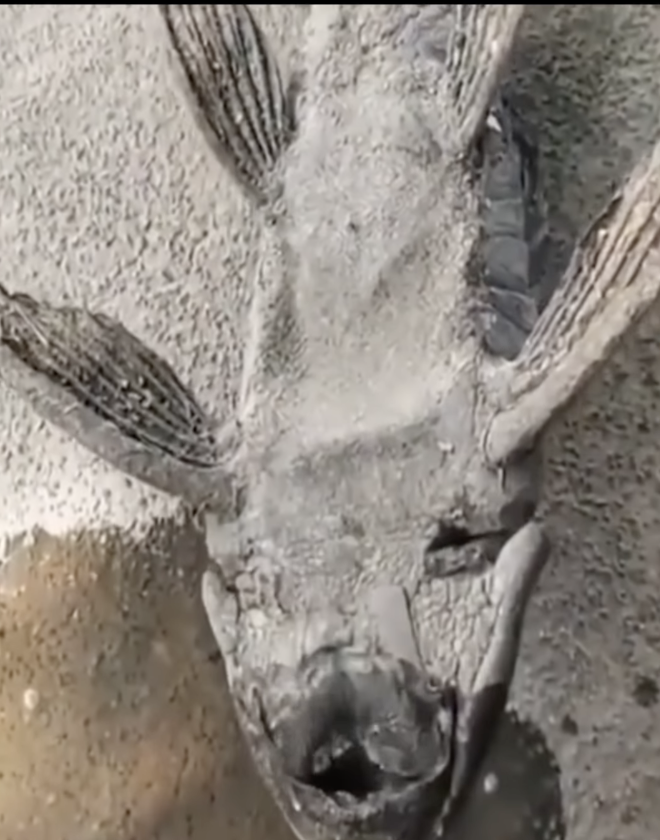
A video circulating on social media has captivated users worldwide, showcasing the extraordinary abilities of the African lungfish. Unlike most fish that depend on water for survival, this rare species has the incredible capacity to hibernate for three to five years without food or water.

The viral video, shared on Instagram by user Views Addict, highlights the resilience of Plecos and Lungfish, emphasizing their ability to endure months or even years in dried mud without the need for water. The fish showcased in the footage, also known as the suckermouth catfish, stands out as one of the few species that have evolved to enter a hibernation-like state.

The accompanying caption explains that these remarkable fish can survive under dry and hardened mud for months, only awakening when freshwater surroundings become available. The revelation that the African lungfish can live out of water for up to four years has left internet users in awe.

Expressing shock and amazement, many users on social media conveyed their surprise at the existence of such resilient creatures. One user marveled at the wonders of nature, citing examples like wood frogs that can freeze themselves without harm and alligators that hibernate under dried-up mud. The adaptability of roaches and tardigrades was also noted in the context of these remarkable aquatic beings.

Adding to the fascination, a user shared a personal experience of keeping an African lungfish as a pet for an impressive 25 years. The fish, despite occasionally jumping out of the tank and being found dried up on the floor, exhibited an astonishing ability to survive when returned to its aquatic environment.

The revelation of the African lungfish’s unique hibernation capabilities has sparked a wave of appreciation for the wonders of nature and the resilience of life in unexpected conditions.

Source

04/10/2023 0 comment
0 FacebookTwitterPinterestEmail
Cochin International Airport Ventures into Aquaculture for Sustainable Business Diversification
NationalAquacultureFarmingNews

Cochin International Airport Ventures into Aquaculture for Sustainable Business Diversification

by Fishery News 04/10/2023
written by Fishery News

Cochin International Airport Limited (CIAL) has introduced aquaculture practices at its golf club in Nedumbassery. Collaborating with the Marine Products Export Development Authority (MPEDA) and the Rajiv Gandhi Centre for Aquaculture (RGCA), CIAL aims to implement eco-friendly and sustainable cage farming in the water bodies of its golf club.

CIAL Managing Director S Suhas highlighted the environmental benefits of aquaculture, emphasizing its reduced carbon footprint and sustainable practices. Over the past five years, the aquaculture industry has made significant strides in adopting new production systems that decrease greenhouse gas emissions, optimize freshwater usage, enhance feed management practices, and incorporate innovative farming methods.

The CIAL Golf Club features seven water bodies covering nearly 16 acres, with deep and sizable ponds that require specialized farming practices. Traditional pond culture methods are not suitable for these conditions. Cage fish farming offers a flexible and environmentally friendly solution, eliminating the need to drain water bodies while allowing for easy and cost-effective harvesting.

As part of the collaboration, MPEDA and RGCA will contribute to the project by conducting periodic disease diagnosis of fish, analyzing water quality, and providing seeds at subsidized rates from their hatchery at Vallarpadom. The pilot project will focus on species recommended by MPEDA-RGCA, including GIFT tilapia, seabass, and pearl spot.

Suhas highlighted CIAL’s commitment to sustainability and climate-friendly practices, referencing the successful implementation of total sustainability management (TSM) in the airport’s golf course. Treated water from the airport’s sewage treatment plant is utilized for water harvesting through 12 artificial lakes, exemplifying CIAL’s dedication to sustainable environmental, social, and economic outcomes.

04/10/2023 0 comment
0 FacebookTwitterPinterestEmail
Newer Posts
Older Posts
  • Recent
  • Popular
  • ICAR-CIFT Patents Rapid DNA Biosensor for Black Tiger Shrimp Authentication

    07/08/2026
  • Minister Holds Review Meeting with Fisheries Cooperative Leaders

    07/08/2026
  • Dry Fish Demand Surges Following Formalin Ban

    07/08/2026
  • Rohu Breeding: A Complete Step-by-Step Guide to Successful Seed Production

    07/08/2026
  • 1

    ICAR Scientists Crack the Breeding Code of Rare Himalayan Fish Channa andrao, Opening New Opportunities for Ornamental Fish Farming

    28/07/2026
  • 2

    Trout Fish Stocking Initiative Enhances Fisheries and Tourism Potential in Shopian, Jammu and Kashmir

    17/12/2023
  • 3

    BIGGEST FISH MARKETS IN INDIA

    07/09/2024
  • 4

    Introducing Future Aquaculture Magazine: A New Voice Shaping the Future of Seafood

    13/02/2026

About Fishery News

FN Logo

Fishery.News is India’s leading digital media platform dedicated to fisheries, aquaculture, seafood, and marine industries. We deliver trusted news, expert insights, market intelligence, technology updates, research, government policies, and success stories that help fish farmers, shrimp farmers, seafood businesses, researchers, and industry professionals stay informed and grow sustainably

Categories

  • News
  • Aquaculture
  • Aquatic Health and Disease Management
  • Research and Innovation
  • Technology & Equipments

Social Networks

Facebook Twitter Instagram Linkedin Youtube
  • Facebook
  • Twitter
  • Instagram
  • Linkedin
  • Youtube

© 2026 Fishery.News – A BLIV Media Venture. All Rights Reserved.


Back To Top
Fishery News
  • E – Magazine
    • Aquaculture
    • Aqua Health & Disease Management
    • News
      • National
      • International
    • Farming
    • Research and Innovation
    • Sustainability
    • Technology & Equipments
    • This is Africa
    • Trade
  • Publications
  • Events
    • Expos
    • Trainings
    • Events by Month
  • Business Listings
    • List Your Business
    • Business Listings
    • Buy & Sell
    • Get Consultation
  • Employment
  • About Us
    • Founder
  • Contact