• E – Magazine
    • Aquaculture
    • Aqua Health & Disease Management
    • News
      • National
      • International
    • Farming
    • Research and Innovation
    • Sustainability
    • Technology & Equipments
    • This is Africa
    • Trade
  • Publications
  • Events
    • Expos
    • Trainings
    • Events by Month
  • Business Listings
    • List Your Business
    • Business Listings
    • Buy & Sell
    • Get Consultation
  • Employment
  • About Us
    • Founder
  • Contact
Fishery News
Home » Aquaculture » Page 8
Category:

Aquaculture

Innovative Strides State Fisheries Cooperative Societies to Introduce Solar and Wave Powered Hybrid Fishing Boats
AquacultureNationalNews

Innovative Strides: State Fisheries Cooperative Societies to Introduce Solar and Wave-Powered Hybrid Fishing Boats

by Fishery News 11/10/2023
written by Fishery News

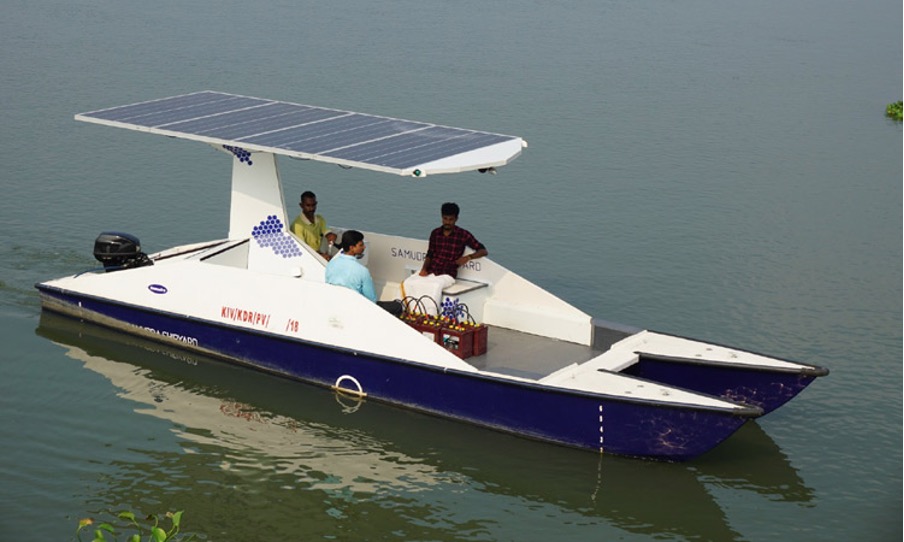
The State Fisheries Cooperative Societies Federation Limited of Telangana is gearing up to introduce hybrid fishing boats powered by both solar and wave energy across all reservoirs in the state.

Federation Chairman Pittala Ravinder recently engaged in discussions with experts from BITS Pilani, Hyderabad, seeking insights into the advantages of employing hybrid fishing boats. The federation is now poised to collaborate with the Central Institute of Fisheries Technology, Cochin, to spearhead the implementation of these environmentally conscious vessels in the state.

Ravinder expressed his intention to visit the institute soon, where he plans to confer with scientists and experts to gain a comprehensive understanding of the benefits associated with the utilization of hybrid boats. Motivated by a commitment to environmental sustainability, the federation has chosen to embrace hybrid-powered boats over conventional fossil fuel options.

Currently, fishermen grapple with challenges while using rafts for deep reservoir fishing, facing safety concerns and logistical issues in carrying catches and nets. Ravinder highlighted rafts, particularly during summer, expose fishermen to direct sunlight, making fishing operations arduous and hazardous.

With an eye on resolving these challenges and fostering a more eco-friendly approach, the federation is embracing the concept of hybrid boats. The move is not only expected to enhance the safety and efficiency of fishing operations but also reflects a conscientious effort to reduce the ecological footprint associated with traditional fishing practices.

As the state Fisheries Cooperative Societies Federation embraces this initiative, it marks a significant stride towards a more sustainable and technologically advanced future in the fishing industry.

11/10/2023 0 comment
0 FacebookTwitterPinterestEmail
Telangana State Fisheries Federation Explores Innovative uses for Fish Waste
NationalAquacultureNews

Telangana State Fisheries Federation Explores Innovative uses for Fish Waste

by Fishery News 11/10/2023
written by Fishery News

Telangana State Fisheries Federation (TSFF) is actively working towards utilizing fish waste as a valuable resource. TSFF chairman, Pittala Ravinder, announced plans to convert fish waste into raw materials for fish and chicken feed, as well as nutritional supplements for children and pregnant women.

Ravinder recently engaged in discussions with a team of young scientists from the Bengaluru-based waste management company “Eco Vaidya” to explore effective ways of repurposing waste generated during the fish cleaning process. The collaboration aims to conduct a comprehensive study with the involvement of voluntary organizations to maximize the potential of these waste materials.

A pilot project is on the horizon, with the Fisheries Federation partnering with Eco Vaidya to utilize fish waste sourced from the Ram Nagar and Begambazar fish markets. Following the success of the pilot, plans are in place to establish similar units in all districts of the state. Notably, these units will be operated by women’s fisheries cooperative societies, fostering both environmental sustainability and women’s empowerment.

This innovative approach not only addresses waste management concerns but also presents an opportunity to create valuable products that contribute to the well-being of communities, especially children and pregnant women. The TSFF’s commitment to exploring sustainable solutions reflects a progressive step towards responsible resource utilization in the fisheries sector.

11/10/2023 0 comment
0 FacebookTwitterPinterestEmail
AI Identifies Soniferous Fish Species Revealing Healthy Marine Ecology off Goa Coast
NationalAquacultureTechnology & Equipments

AI Identifies Soniferous Fish Species, Revealing Healthy Marine Ecology off Goa Coast

by Fishery News 10/10/2023
written by Fishery News

Scientists from the CSIR-National Institute of Oceanography (NIO) leverage Artificial Intelligence (AI) to detect the presence of soniferous (grunting) fish species off the coast of Goa. The study, published in the Journal of the Acoustical Society of America, reveals the positive health of Goa’s marine ecology, highlighting Tiger Perch, Croaker, and Snapping Shrimp.

The researchers identified four species—Terapon theraps (Tiger Perch or Korkoro), Sciaenidae (Croaker), and Snapping Shrimp—by analyzing their sounds using AI-based algorithms. Conducted underwater from Grande Island within the Zuari estuary, the study was particularly focused on the pre-monsoon period.

Traditionally, decoding such findings would have taken months, but the team achieved swift results by employing an AI algorithm that accurately identified the fish species in a matter of minutes using recorded sounds.

Bishwajit Chakraborty, former Chief Scientist of NIO, explained, “Our main objective for the AI/Machine Learning-based study was to identify fish sound from recorded data collected using passive acoustic techniques. The presence of these fish species in Goa was confirmed using passive acoustic sensors combined with AI. We could study the primary sources of biological sounds and differentiate between marine mammals, soniferous fish, and invertebrates.”

The study not only achieved its primary goal of identifying fish species but also provided insights into the health of Goa’s marine ecology.

Chakraborty emphasized, “The presence of these fish species off Goa’s coast indicates the health of our coastal reef system and the overall marine ecology. If the coral reefs are dead, then the fish won’t be active and produce sound.”

The researchers advocate for further studies and increased passive acoustic data collection, especially in shallow water regions like coral reefs, to monitor and safeguard the health of these vital ecosystems. They underscore the importance of programs and funding from various sources for ongoing research in ocean health using remote sensing techniques.

This pioneering research positions CSIR-NIO at the forefront of marine ecology studies in India, alongside the National Institute of Ocean Technology (NIOT), Chennai, showcasing the potential of AI in advancing our understanding of underwater ecosystems.

10/10/2023 0 comment
0 FacebookTwitterPinterestEmail
Breakthrough Discovery New Coral Reef Fish Species Unveiled in Southern Great Barrier Reef
NewsAquacultureInternational

Breakthrough Discovery: New Coral Reef Fish Species Unveiled in Southern Great Barrier Reef

by Fishery News 10/10/2023
written by Fishery News

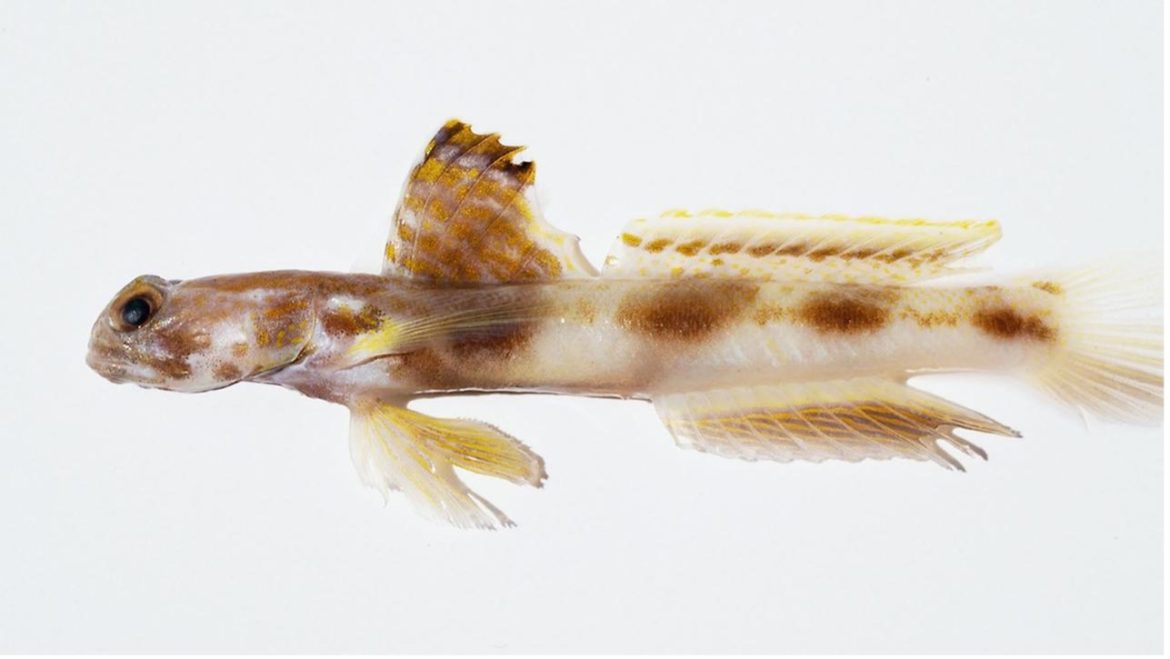
Researchers have made a remarkable find—uncovering a previously unknown species of coral reef fish in the southern waters of the Great Barrier Reef. Named the “Lady Elliot Shrimp Goby,” this discovery is part of a University of the Sunshine Coast-led project focused on mapping changing biodiversity around Lady Elliot Island, a small coral cay at the reef’s southern tip.

The Lady Elliot Shrimp Goby, described in a recent release from the Journal of the Ocean Science Foundation, is a small, white fish adorned with brown spots, yellow-orange bands, and a distinctive sail-like dorsal fin. The research team, engaged in the collaborative Leaf to Reef project, is now tasked with confirming the potential novelty of up to seven other unidentified marine creatures discovered during underwater surveys, including dwarf and pygmy gobies and damselfish.

Dr. Chris Dudgeon, a marine biologist and co-author, expressed excitement over this significant discovery. While the Great Barrier Reef has been extensively studied, finding a new fish species in the shallow waters is considered unique. Dr. Dudgeon noted that the Lady Elliot Shrimp Goby is likely to be found across the Capricorn-Bunker reefs and possibly throughout the entire Great Barrier Reef.

Confirming new species involves a complex process, including genetic comparisons and consultations with global experts. Lead author Dr. Gerry Allen, a prominent Australian ichthyologist, emphasized the intricate and time-consuming nature of this process, involving collaboration with experts like Dr. David Greenfield of the California Academy.

Lady Elliot Island, already known as a critical habitat and refuge for over 1,200 marine species, gains added importance with this discovery. Anna Marsden, Managing Director of the Great Barrier Reef Foundation, underscored the significance of protecting such ecosystems as crucial refuges for marine life against the impacts of climate change. The Lady Elliot Shrimp Goby’s revelation adds a new chapter to the ongoing efforts to safeguard the Great Barrier Reef’s extraordinary biodiversity.

Source: PHYS.ORG

10/10/2023 0 comment
0 FacebookTwitterPinterestEmail
CIBAs Groundbreaking Research Aims to Genetically Enhance Indian White Shrimp for Sustainable Aquaculture
AquacultureSustainability

CIBA’s Groundbreaking Research Aims to Genetically Enhance Indian White Shrimp for Sustainable Aquaculture

by Fishery News 10/10/2023
written by Fishery News

Chennai-based Central Institute of Brackishwater Aquaculture (CIBA) is spearheading pioneering research to genetically enhance the Indian white shrimp, scientifically known as P. Indicus, a national priority species under the Make in India initiative. This initiative is part of the Pradhan Mantri Matsya Sampada Yojana (PMMSY), with Rs 25 crore sanctioned in phase-1 and an additional Rs 33 crore in the pipeline for phase-2.

India stands as one of the world’s largest producers and exporters of farmed shrimp, with nearly 70% of seafood exports valued at Rs 42,000 crore attributed to shrimp exports. However, the sector heavily relies on a single exotic genetically improved shrimp, the Pacific white shrimp or ‘Vannamei.’ To diversify and reduce dependence on this single species, CIBA has taken up the challenge to genetically enhance the indigenous Indian white shrimp.

Genetic improvement is crucial for enhancing traits such as disease resistance, faster growth rates, and improved feed conversion efficiency. The globally successful Pacific white shrimp achieved this through genetic modification and selective breeding techniques.

CIBA’s director, Kuldeep Kumar Lal, stated, “It is to break the dependence on this single species and to promote our indigenous species vis-a-vis exotic species for the benefit of shrimp industry and shrimp farmers that CIBA has taken Indian white shrimp, P indicus, as a national priority species under the Make in India.” The initiative was recently launched by Union Minister of Fisheries, Animal Husbandry, and Dairying Purshotam Rupala.

Previously, CIBA achieved a significant milestone by decoding the complete genome of P indicus, a global first. This decoding is a fundamental step in the genetic selection of the indigenous shrimp. The director highlighted that P indicus has demonstrated a potential production capacity of 3-7 tonnes per hectare per crop at moderate stocking density even before domestication.

A Panigrahi, scientist and principal investigator of the project, emphasized that the genetic improvement program could result in a genetic gain of 4-7% per generation, doubling productivity, improving feed conversion efficiency, and enhancing profitability for farmers. India’s pioneering efforts in selectively breeding the Indian white shrimp may also open up new opportunities to supply selectively bred parent stocks globally.

10/10/2023 0 comment
0 FacebookTwitterPinterestEmail
Aquaculture Innovation in Thoothukudi Tamil Nadu
AquacultureNationalNews

Aquaculture Innovation in Thoothukudi, Tamil Nadu

by Fishery News 09/10/2023
written by Fishery News

To support rain-fed farmers cultivating chilli and horticultural crops, Chief General Manager of NABARD, R. Sankar Narayanan, inaugurated a solar drier in Sinnur near Vilaathikulam. The solar drier, covering 400 square feet and costing ₹3.05 lakh, is dedicated to efficiently drying chillies without pollution from dust and sand. NABARD allocated funds for this initiative through its Sinnur watershed restoration program, totaling about ₹1.73 crore.

Mr. Sankar Narayanan emphasized NABARD’s commitment to funding watershed development and restoration programs in areas facing water scarcity. The creation of farm ponds, sustained by monsoon water, has positively impacted rural livelihoods, enhancing farmers’ productivity. Watersheds developed through NABARD funding are now managed jointly by local watershed management committees for long-term sustainability.

As part of the silver jubilee celebrations of Vidiyel Trust, the organization implementing the Sinnur watershed development program, Mr. Sankar Narayanan distributed country chickens, bio-fertilizers, and tree saplings to women’s self-help groups. Additionally, he reviewed the progress of Sinnur watershed restoration and approved the formation of ‘Vidiyel Farm Producers Company Limited’ for cattle breeding by farmers in Sinnur and nearby villages.

Continuing the development streak, District Revenue Officer C. Ajay Srinivasan, in the presence of Mr. Sankar Narayanan, launched open sea cage fish farming under the ‘Integrated multi-tropic aquaculture (IMTA) farming’ initiative at Tsunami Nagar and Pullaveli near Thoothukudi. This collaborative program between NABARD and the Central Marine Fisheries Research Institute’s Thoothukudi Research Station aims to train beneficiary fishermen in cultivating Asian Sea Bass in two floating sea cages.

During the launch, 1,000 fish seeds, mussel seeds, and seaweed seedlings were released into each cage, showcasing NABARD’s commitment to innovative and sustainable aquaculture practices. The CMFRI’s successful demonstration of IMTA technology in Palk Bay has provided an eco-friendly and sustainable option, generating additional revenue for coastal fishers through increased yields. This initiative not only aligns with aquaculture innovation but also serves as an alternative livelihood, contributing to the economic upliftment of coastal communities.


09/10/2023 0 comment
0 FacebookTwitterPinterestEmail
Illegal Cultivation of Banned Thai Magur Fish Sparks Ecological and Health Concerns in Punjab
NationalAquacultureNews

Illegal Cultivation of Banned Thai Magur Fish Sparks Ecological and Health Concerns in Punjab

by Fishery News 09/10/2023
written by Fishery News

The illicit cultivation of the banned Thai Magur fish in village ponds across Punjab is causing alarm over potential threats to the state’s ecosystem and public health. This carnivorous species, known for its rapid growth and adaptability, poses a significant danger to native fish and aquatic life when it infiltrates natural water bodies such as rivers and canals.

Despite a clear ban imposed by the National Green Tribunal (NGT) in 2000, the unlawful production of Thai Magur persists in various parts of the country, with Punjab emerging as a prominent hotspot for this illegal activity.

The cultivation of Thai Magur in contaminated ponds exacerbates the issue, as the fish thrives on a diet of poultry waste, pesticides, and human waste, leading to serious health risks, including cancer. Despite fines of up to ₹10,000 and repeated warnings from environmental experts, the illicit trade in Punjab continues, placing significant strain on authorities’ efforts to curb its production.

Punjab’s fisheries sector heavily relies on panchayat ponds, which have historically played a crucial role in rural society. However, increasing pollution from human waste, chemicals, and pesticides has rendered these ponds unsuitable for traditional fishing practices, impacting the socio-economic well-being of rural communities.

Dalbir Singh, the district in charge of the state fisheries department, acknowledged the cultivation of the banned fish in the region and the challenges faced in curbing its illegal trade. Singh highlighted the difficulties in conducting regular raids due to a shortage of manpower. The logistical challenges involved in transporting confiscated consignments nearly 30 km away to Mullanpur farm for proper disposal, as per government protocols, further compound the issue.

Environmental experts have issued warnings about the dire consequences of cultivating the banned fish in polluted ponds. The predatory nature of Thai Magur disrupts the delicate balance of pond ecosystems by preying on other aquatic insects and small fish. This ecological disturbance has far-reaching implications, particularly in the aftermath of floods that have facilitated the spread of this variety to fresh water sources, including the Sutlej river. Authorities are grappling with the urgent need to address this issue to safeguard both the environment and public health in Punjab.

09/10/2023 0 comment
0 FacebookTwitterPinterestEmail
Ancient Southeast Asian Rice Animal Co Culture Farming Could Address Global Food Demands and Boost Income
AquacultureFarming

Ancient Southeast Asian Rice-Animal Co-Culture Farming Could Address Global Food Demands and Boost Income

by Fishery News 09/10/2023
written by Fishery News

A traditional Southeast Asian farming technique, known as rice-animal co-culture, has the potential to address global food demands, improve environmental health, and generate an additional $150 billion annually for producers, according to a new study. The research, supported by the Food and Agriculture Organization of the United Nations (FAO), reveals that this ancient practice enhances rice yields, reduces nitrogen runoff, leaching, and methane emissions compared to monoculture farming.

Rice, a staple for about half of the world’s population, is predominantly grown as a single-crop species. However, rice-animal co-culture involves raising fish, shrimp, and ducks alongside rice paddies and has existed for over 1,000 years. Despite its historical roots, only 1% of global rice production comes from co-culture farms.

The study, published in AGU’s journal Earth’s Future, draws from an open-access online survey involving individuals and organizations from the private sector, government, education training research, and NGOs. It underscores the potential of this farming method to efficiently utilize land, reduce the need for commercial fertilizers and pesticides, and contribute to food security.

Key findings from the study show that rice-animal co-culture systems increase annual rice yields by 4%, reduce nitrogen runoff by 16%, and decrease leaching by 13% compared to rice monocultures. These systems also contribute to diversifying food types and nutrient sources.

The research indicates that the adoption of rice-animal co-culture could benefit producers globally by providing an additional $152 billion to $171 billion in revenue annually. Producers in Asia, particularly China and India, are estimated to earn an extra $34.8 billion to $52.8 billion per year, while countries like Indonesia, Bangladesh, and Thailand could see an additional $10.4 billion to $18.9 billion in revenue.

Despite the potential benefits, global adoption of rice-animal co-culture has been slow due to the need for specific technologies, resources, and challenging national policies that favor rice monocultures. The study calls for a shift in agricultural policies to encourage the adoption of sustainable farming practices that align with the ancient wisdom of rice-animal co-culture.

09/10/2023 0 comment
0 FacebookTwitterPinterestEmail
Experts Advocate for the Use of GM Crops in Aqua Feed to Boost Sustainable Aquaculture
NationalAquacultureNews

Experts Advocate for the Use of GM Crops in Aqua-Feed to Boost Sustainable Aquaculture

by Fishery News 09/10/2023
written by Fishery News

Puducherry: Union Minister of Fisheries, Parshottam Rupala, emphasized the government’s commitment to addressing the challenges faced by fishermen nationwide during a visit to the Thengaithittu fishing harbour in Puducherry on Sunday.

As part of the Sagar Parikrama Yatra, Minister Rupala toured coastal areas on both the east and west coasts to assess the progress of various Central schemes and engage with fishermen to better understand their issues and experiences.

Highlighting the significance of the Pradhan Mantri Matsya Sampada Yojana (PMMSY), Mr. Rupala urged fishermen, women self-help group members, cooperative societies, and entrepreneurs to take advantage of the benefits offered under this scheme.

During his visit to the Cuddalore fishing harbour, the Minister interacted with local fishermen, accompanied by L. Murugan, Union Minister of State for Fisheries, Animal Husbandry, and Dairying, along with senior officials from the Fisheries Department.

The presence of Puducherry Chief Minister N. Rangasamy and Lieutenant Governor Tamilasai Soundararajan underscored the significance of the government’s commitment to addressing the concerns of the fishing community. Minister Rupala’s coastal tour serves as a proactive approach to ensure the effective implementation of policies and schemes aimed at benefiting fishermen across the nation.

09/10/2023 0 comment
0 FacebookTwitterPinterestEmail
Northeast Indias Culinary Delight First Ever Study Reveals Market Insights on Freshwater Snails
NationalAquacultureNews

Northeast India’s Culinary Delight

by Fishery News 08/10/2023
written by Fishery News

A recent study by researchers from the Ashoka Trust for Research in Ecology and the Environment (ATREE) and collaborators have unveiled a detailed list of freshwater molluscs harvested in Northeast India. The study, led by Anushree Jadhav and published in the Indian Journal of Traditional Knowledge, marks the inaugural documentation of the diversity of freshwater molluscs, shedding light on their traditional use and availability in local markets.

Spanning Assam, Meghalaya, Mizoram, Manipur, Nagaland, Tripura, and West Bengal, the study surveyed 23 markets to understand the types and quantities of freshwater molluscs traded. Strikingly, none of the species sold in these markets are categorized as Threatened according to the IUCN Red List, with all falling under Least Concern (LC) or Data Deficient (DD) categories.

The research uncovered 18 species of freshwater molluscs, emphasizing their significant role as a cheap protein source, offering food security, livelihoods, and even medicinal uses for tribal and economically disadvantaged communities.

Mizoram emerged as the hotspot for mollusc trade, boasting the sale of seven species, closely followed by Meghalaya with six. The study highlights that local communities exclusively utilize freshwater molluscs, with no indication of the use of terrestrial snails.

Market dynamics revealed that snails are sold in various forms, either pre-packed in one-kilogram packets or sold loose based on weight. Prices remained consistent across northeastern states for specific species but varied seasonally. For instance, prices for certain species ranged between Rs 20 and Rs 50 during monsoon, escalating to Rs 100 per mug during the off-season.

A noteworthy finding was that nearly 63% of vendors selling edible molluscs in the region are women, underlining their crucial role in the trade. The researchers also advocated for exploring snail farming as a potential avenue for income generation, citing its higher protein content compared to poultry. With snail farming being a low-maintenance venture, it could serve as a sustainable substitute in the face of global climate change concerns associated with conventional livestock farming. The study suggests that embracing edible snails could not only address food and nutritional insecurity but also elevate snail cuisine to a unique selling point for tourism in Northeast India.

08/10/2023 0 comment
0 FacebookTwitterPinterestEmail
Newer Posts
Older Posts
  • Recent
  • Popular
  • ICAR-CIFT Patents Rapid DNA Biosensor for Black Tiger Shrimp Authentication

    07/08/2026
  • Minister Holds Review Meeting with Fisheries Cooperative Leaders

    07/08/2026
  • Dry Fish Demand Surges Following Formalin Ban

    07/08/2026
  • Rohu Breeding: A Complete Step-by-Step Guide to Successful Seed Production

    07/08/2026
  • 1

    ICAR Scientists Crack the Breeding Code of Rare Himalayan Fish Channa andrao, Opening New Opportunities for Ornamental Fish Farming

    28/07/2026
  • 2

    Trout Fish Stocking Initiative Enhances Fisheries and Tourism Potential in Shopian, Jammu and Kashmir

    17/12/2023
  • 3

    BIGGEST FISH MARKETS IN INDIA

    07/09/2024
  • 4

    Introducing Future Aquaculture Magazine: A New Voice Shaping the Future of Seafood

    13/02/2026

About Fishery News

FN Logo

Fishery.News is India’s leading digital media platform dedicated to fisheries, aquaculture, seafood, and marine industries. We deliver trusted news, expert insights, market intelligence, technology updates, research, government policies, and success stories that help fish farmers, shrimp farmers, seafood businesses, researchers, and industry professionals stay informed and grow sustainably

Categories

  • News
  • Aquaculture
  • Aquatic Health and Disease Management
  • Research and Innovation
  • Technology & Equipments

Social Networks

Facebook Twitter Instagram Linkedin Youtube
  • Facebook
  • Twitter
  • Instagram
  • Linkedin
  • Youtube

© 2026 Fishery.News – A BLIV Media Venture. All Rights Reserved.


Back To Top
Fishery News
  • E – Magazine
    • Aquaculture
    • Aqua Health & Disease Management
    • News
      • National
      • International
    • Farming
    • Research and Innovation
    • Sustainability
    • Technology & Equipments
    • This is Africa
    • Trade
  • Publications
  • Events
    • Expos
    • Trainings
    • Events by Month
  • Business Listings
    • List Your Business
    • Business Listings
    • Buy & Sell
    • Get Consultation
  • Employment
  • About Us
    • Founder
  • Contact