
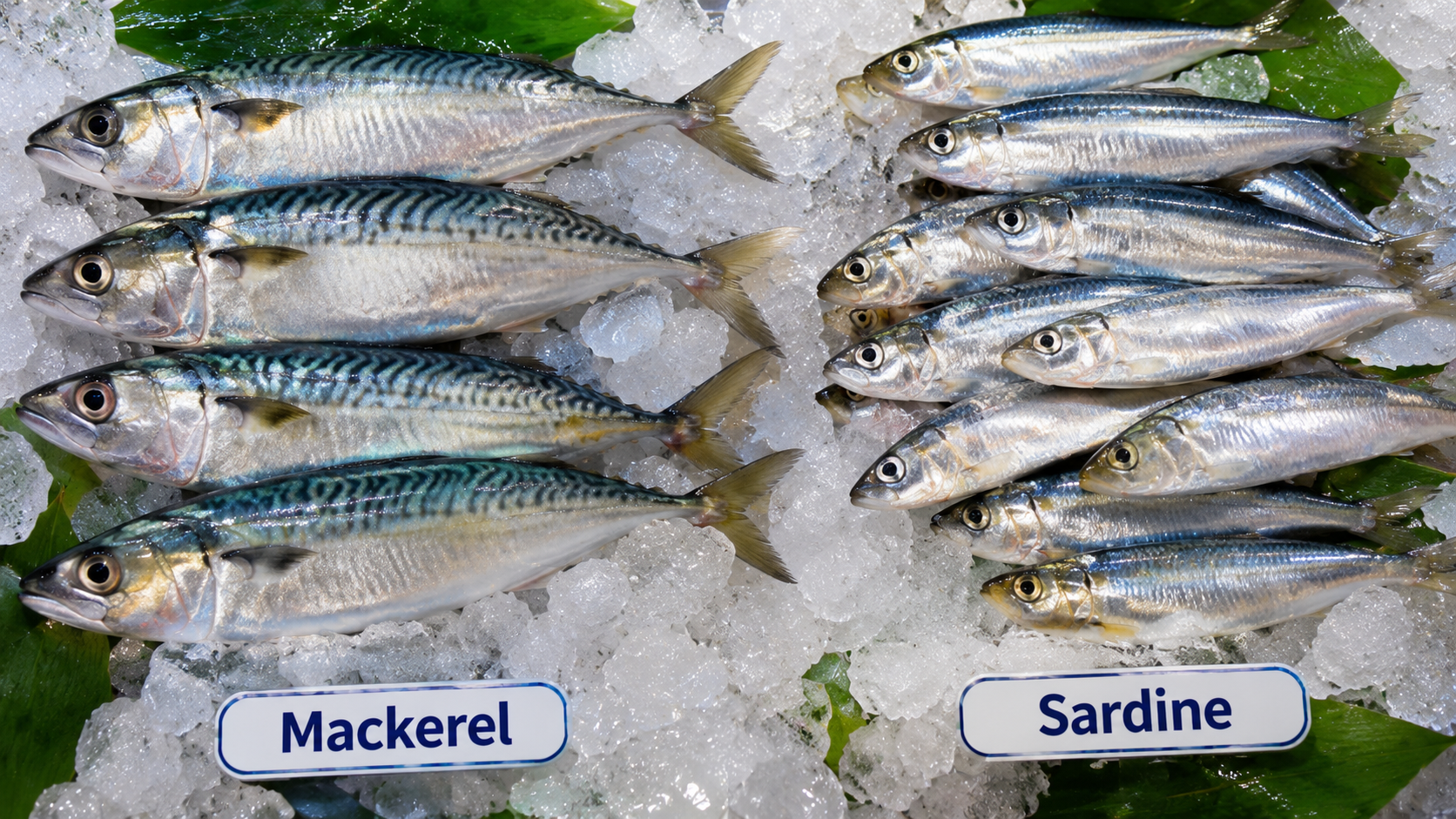
India’s fishing communities could face another challenge as El Niño strengthens across the Pacific Ocean. Rising ocean temperatures and changing marine conditions may affect the availability, distribution and average size of commercially important fish species, particularly Indian oil sardine and Indian mackerel.
The Indian National Centre for Ocean Information Services (INCOIS) has warned that El Niño-related warming could lead to a modest decline in landings of these two species during the upcoming fishing season. The agency has also highlighted the possibility of fish moving towards more suitable habitats and changes in their average size.
For fishing communities that depend on regular sardine and mackerel catches, these changes could create uncertainty in the months ahead.
How Does El Niño Affect Fish Populations?
El Niño is a climate phenomenon characterised by unusually warm surface waters in the central and eastern equatorial Pacific. Although it develops in the Pacific, its influence can extend across the world’s oceans through changes in atmospheric circulation, winds and ocean conditions.
One important process affected by these changes is upwelling.
Upwelling brings cold, nutrient-rich water from deeper ocean layers towards the surface. These nutrients support phytoplankton, microscopic organisms that form the foundation of the marine food chain.
When ocean temperatures and circulation patterns change, nutrient supply and plankton productivity can also be affected. This may influence fish feeding, growth, reproduction and the survival of young fish.
The effects can take several months to become visible in commercial catches.
Why Are Indian Oil Sardines at Risk?
Indian oil sardine (Sardinella longiceps) is one of India’s important small pelagic fish species, supporting coastal fishing communities, particularly along the southwest coast.
Research indicates that sardine populations are sensitive to changes in ocean temperature, atmospheric pressure, monsoon winds and food availability.
An analysis of 53 years of fish-landing data from India’s west coast found that atmospheric and oceanic changes associated with El Niño can influence sardine biomass and availability.
During the 2015 El Niño, sardine landings fell by 82% compared with 2012. This historical decline illustrates the potential vulnerability of the fishery, although it should not be interpreted as a forecast of an identical decline in 2027.
Fishermen along Kerala’s coast have also reported unusual changes in catches. One fisherman interviewed in November 2026 said his sardine catch had fallen by around half compared with the usual September–October season.
Could Indian Mackerel Also Be Affected?
Indian mackerel (Rastrelliger kanagurta) is another commercially important small pelagic species found in Indian coastal waters.
INCOIS has identified both Indian oil sardine and Indian mackerel as species that could experience reduced landings under the developing El Niño conditions.
Higher ocean temperatures may influence fish distribution, pushing populations towards deeper or cooler waters. Changes in plankton availability and recruitment may also affect their growth and population strength.
As a result, fishermen could find fish less consistently in traditional fishing grounds. Even when catches remain available, changes in average fish size could affect the quantity and value of landings.
Why Could This Affect Fishing Communities?
The impact of changing fish availability extends beyond fishermen.
Lower or less predictable catches can affect auction prices, traders, transporters, processors and seafood markets. Coastal communities that depend heavily on sardines and mackerel may face reduced fishing income if these species become harder to locate.
Consumers could also experience changes in local fish availability and prices. However, the extent of any price increase will depend on regional catches, alternative supplies, demand and market conditions.
The effects will not necessarily be uniform across India’s coastline.
What Should the Fisheries Sector Prepare For?
Monitoring ocean conditions and fish distribution will be important as El Niño develops.
INCOIS has recommended that fishermen and maritime stakeholders closely follow its ocean services, including Potential Fishing Zone advisories, Ocean State Forecasts, High Wave Alerts and other relevant warnings.
Fishing communities may also need to consider alternative fish varieties during periods of lower sardine availability. Aquaculture and seaweed farming have been suggested as possible livelihood alternatives, although their suitability will depend on local conditions, investment requirements and market demand.
The Fisher Friend Mobile Application, used by fishing communities in Tamil Nadu, provides information on potential fishing zones, wave height, wind speed, rainfall and other weather conditions. However, highly localised weather changes may not always be captured by such tools.
Monitoring Will Be Critical in 2027
El Niño is not the only factor influencing fish populations. Long-term ocean warming, marine heatwaves, fishing pressure and habitat changes can also affect fish distribution and abundance.
For India, the coming months will be important for monitoring sea temperatures, marine productivity, sardine and mackerel landings, and changes in fish size and distribution.
The concern is not that these fish will disappear from Indian waters, but that changing ocean conditions could make their availability less predictable.
For India’s fishing communities, the next El Niño season could be a test of how well fisheries monitoring, early advisories and livelihood planning can respond to a changing ocean.
