• E – Magazine
    • Aquaculture
    • Aqua Health & Disease Management
    • News
      • National
      • International
    • Farming
    • Research and Innovation
    • Sustainability
    • Technology & Equipments
    • This is Africa
    • Trade
  • Publications
  • Events
    • Expos
    • Trainings
    • Events by Month
  • Business Listings
    • List Your Business
    • Business Listings
    • Buy & Sell
    • Get Consultation
  • Employment
  • About Us
    • Founder
  • Contact
Fishery News
Home » Farming » Page 8
Category:

Farming

Goa Fish Farmers Reap Profits with Biofloc Innovation
Farming

Goa Fish Farmers Reap Profits with Biofloc Innovation

by Fishery News 02/12/2023
written by Fishery News

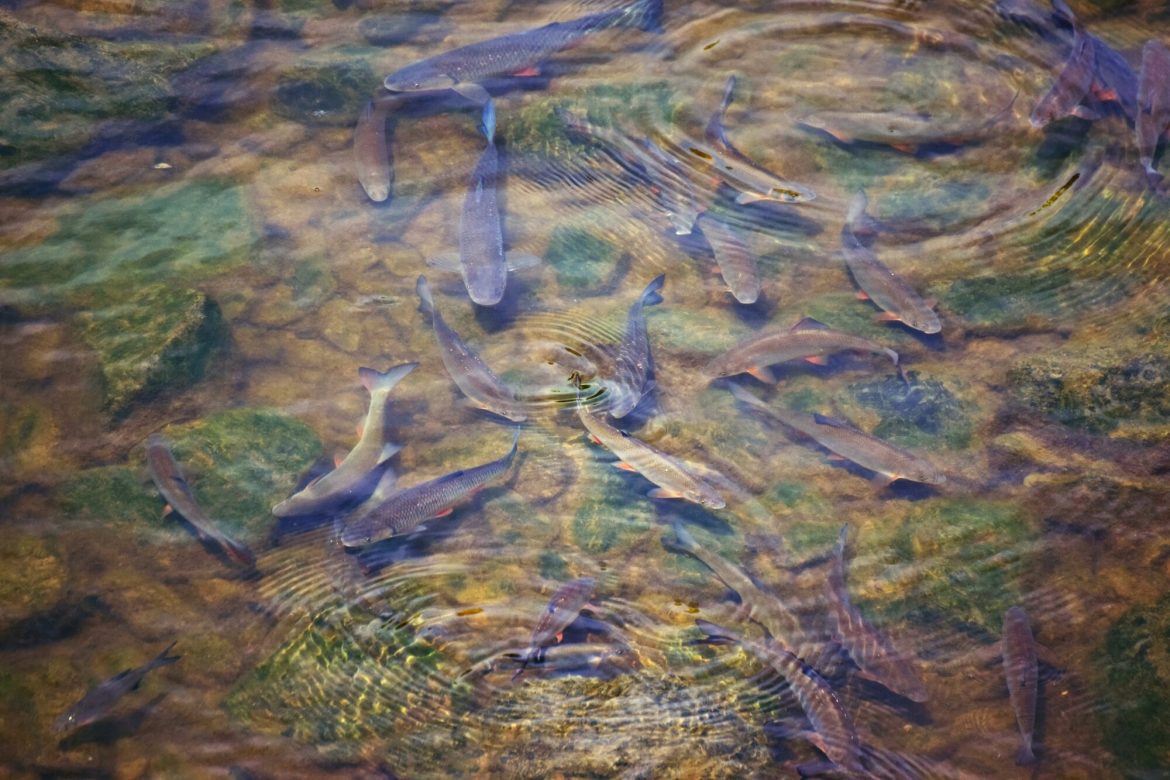
The fish farmers in Goa are experiencing significant gains through the innovative practice of biofloc fish farming. Supported by the fisheries department’s financial assistance scheme for biofloc, farmers in the region witnessed a remarkable increase in fish harvest – from two tonnes in the financial year 2021-22 to an impressive 22.2 tonnes in 2022-23. This transformative approach has enabled farmers to cultivate species such as seabass, genetically improved fish tilapia (GIFT), and murrel fish.

Highlighting the shift from traditional methods to technology-driven aquaculture, fisheries director Shamila Monteiro stated, “Aquaculture is getting transformed from conventional systems to a technology-driven one.” The fisheries department has played a pivotal role in raising awareness about biofloc by providing farmers with essential technical knowledge, sparking widespread interest in adopting this advanced aquaculture technique.

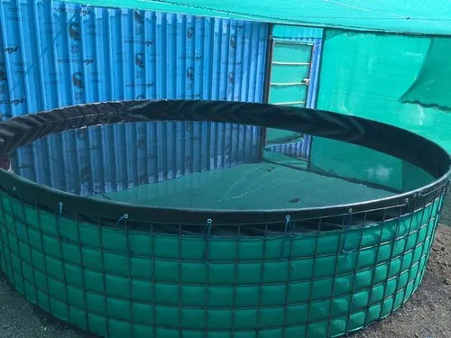
Biofloc, a method involving living and dead organic matter, phytoplankton, bacteria, and their grazers, produces protein-rich live feed by converting unused feed and excreta into natural food in a controlled environment. This composition significantly reduces the feeding costs for fish farmers.

For beginners, aquaculture experts from the fisheries department recommend several techniques for preparing biofloc. The simplest method involves using good-quality soil, carbon sources like molasses, probiotics, yeast, and urea, followed by adequate aeration. This process results in the formation of yellowish bacteria. Fish seed is then added to this mixture, with the amount being 5% of the body weight of the fish biomass. Pelleted feed is introduced to the fish, and as they consume it, the biofloc reacts with the excreta, converting it into a high-quality feed.

The meticulous preparation of the floc is crucial, emphasized a fisheries official. This scientific approach not only provides farmers with a superior quality feed for their fish but also reduces dependence on externally sourced feed. Additionally, enterprising fish farmers can explore opportunities to sell the biofloc feed to others in the industry.

Looking ahead, the fisheries department’s sub-office at Sanqueli is set to initiate a new batch of fish at an existing biofloc unit. Following the successful biofloc culture of Tilapia fish in September 2022, the unit carried out a harvest in January and February 2023, demonstrating the sustainability and profitability of this innovative approach in the aquaculture sector.

02/12/2023 0 comment
0 FacebookTwitterPinterestEmail
Coastal First Nations in B.C. Propose Responsible and Achievable Plan for Modernizing Salmon Farming
Farming

Coastal First Nations in B.C. Propose Responsible and Achievable Plan for Modernizing Salmon Farming

by Fishery News 29/11/2023
written by Fishery News

Coastal First Nations in British Columbia are urging provincial and federal collaboration to modernize fish farming in B.C. waters. The Coalition of First Nations for Finfish Stewardship has unveiled a comprehensive plan for salmon aquaculture that prioritizes responsibility and achievability. The plan aims to drive positive outcomes for rural communities, including wild salmon revitalization, economic reconciliation, an Indigenous-led blue economy, social and ecological well-being for territories and communities, and enhanced food security and affordability.

The coalition emphasizes that the plan ensures the future of salmon farming in the province is led by the Nations operating in the respective territories. Additionally, the proposal integrates a vision for a new Indigenous Centre for Aquatic Health Sciences, located in Campbell River. Following recent fish farm closures that resulted in the loss of nearly 400 jobs and impacts on small businesses, the coalition highlights the importance of new technology in achieving their goals.

Dallas Smith, spokesperson for the coalition, emphasizes the desire for continued collaboration with the industry to maximize the potential of marine spaces. Smith states, “Our nations want to keep working with the industry to truly elevate the potential of our rich marine spaces. To do that, we need the government to also partner with us and sit together at the table to implement this plan for modern, sustainable, in-ocean salmon farming that provides a realistic solution for our Nations.”

The coalition has submitted its Indigenous-led Finfish Aquaculture Transition Framework to the Minister of the Department of Fisheries and Oceans (DFO). Key requests include an immediate renewal of long-term salmon farm licensing for nine years, increased trust and transparency, and the completion of social and economic impact studies to support the success of the proposed framework.

29/11/2023 0 comment
0 FacebookTwitterPinterestEmail
Jharkhand Launches Pilot Project for Maha Prawn Farming to Boost Tribal Livelihoods
Farming

Jharkhand Launches Pilot Project for Maha Prawn Farming to Boost Tribal Livelihoods

by Fishery News 28/11/2023
written by Fishery News

Oceans, known for their rich soundscapes created by natural phenomena, are increasingly impacted by human-generated noise, posing serious threats to marine life. The ability of animals to produce and detect sound is vital for communication, feeding, predator avoidance, and navigation in underwater habitats. Human activities such as shipping, infrastructure development, and industrial operations contribute unintentional noise, while deliberate actions like naval sonar and seismic airguns add to the acoustic disturbance.

he consequences of this noise pollution are far-reaching, with evidence suggesting permanent hearing loss, tissue damage, and even death in marine animals exposed to the intense sounds produced by seismic airguns. Seismic surveys have been linked to mass mortalities of squid and zooplankton, highlighting the lethal impact of human-generated noise in the open ocean.

Chronic noise exposure has also been found to affect animal behaviour and physiology. Laboratory studies on sea hares, a marine slug, revealed a 21% reduction in successful embryo development and a 22% higher death rate when exposed to boat noise. The negative effects observed in controlled environments raise concerns about potential threats to entire populations in natural settings.

Marine mammals, relying on sound for communication, foraging, and navigation, are particularly vulnerable to noise pollution. Shipping noise, overlapping with the vocal frequencies of large mammals like blue whales, has led to altered vocalization patterns and increased physiological stress. Changes in vocal behaviour, feeding patterns, and increased stress have been observed in response to shipping noise.

Efforts to mitigate noise pollution include technological developments in ship design, such as reduced propeller cavitation, and adjustments in ship speed. Studies suggest that even a modest reduction in the average speed of commercial ships can significantly lower underwater noise pollution. While technological solutions exist, there is a need for global awareness and more rigorous policies to manage and reduce noise pollution in oceans, ensuring a quieter and healthier future for marine life.

Source: Graeme Shannon, Bangor University

28/11/2023 0 comment
0 FacebookTwitterPinterestEmail
Tripura Government to Invest Rs 20.67 Crore in Cage Culture for Enhanced Fish Production
Farming

Tripura Government to Invest Rs 20.67 Crore in Cage Culture for Enhanced Fish Production

by Fishery News 28/11/2023
written by Fishery News

Agartala: Tripura government has unveiled plans to invest Rs 20.67 crore over the next two years in the implementation of cage culture in Dumbur Lake, situated in the Dhalai district. The initiative, integrated into the Rural Infrastructure Development program, seeks to elevate the productivity and sustainability of fisheries within the state.

Presently, 1512 cages have been deployed in Dumbur Lake, with fish cultivation already underway. As part of an experimental approach, the Fisheries Department is adopting pan-culture techniques to further augment fish cultivation in the lake. This strategic investment aligns with Tripura’s aim to reduce dependence on fish imports from neighboring regions, including Bangladesh, West Bengal, and Andhra Pradesh.

Fisheries Minister Sudhangshu Das highlighted that approximately 3,032 fishermen in the Gandacherra area, surrounding Dumbur Lake, earn an average monthly income ranging from Rs 8,000 to Rs 14,000 through fishery activities. Acknowledging the seasonal challenges posed by heavy monsoon water flow, the state government supports fishermen by providing a monthly allowance of Rs 1,000 during the suspension of fishing activities.

Dumbur Lake, a significant water body in the region under the jurisdiction of the Tripura Tribal Areas Autonomous District Council (TTAADC), has been utilized by the state government for fish cultivation in the past three financial years, cultivating 24 lakh, 29 lakh, and 22 lakh fishlings, respectively.

In addition to the cage culture initiative, the Fisheries Department has taken measures to produce fishlings of locally available varieties across 75 water bodies, covering 10.32 hectares of land and benefiting 1769 families. These comprehensive efforts aim to boost overall fish production in Tripura, ultimately reducing the state’s reliance on fish imports and promoting sustainable aquaculture practices.

28/11/2023 0 comment
0 FacebookTwitterPinterestEmail
Singapores First Urban Fish Farm in a Shipping Container Aims to Enhance Food Security
Farming

Human-Generated Noise Threatens Marine Life: Impact on Physiology, Behaviour, and Survival Revealed

by Fishery News 25/11/2023
written by Fishery News

Singapore has revealed its first urban fish farm, housed within a nondescript grey shipping container, aiming to contribute to the city-state’s ambitious goal of producing 30% of its food by 2030. The project, named ‘Our Fish Storey,’ is initiated by start-up Aqualita Ecotechnology in collaboration with the local council. Situated in Tampines, a central Singapore suburb, the farm will focus on cultivating jade perch as a “litmus test” to assess consumer interest and feasibility.

Goh Chin Heng, the director of Aqualita Ecotechnology, emphasized the flexibility of the urban fish farm model, utilizing underutilized spaces within the city for fish cultivation. The approach, known as a recirculating aquaculture system, not only enhances fishing efficiency but also reduces pollution caused by uneaten feed and eliminates the need for antibiotics, crucial for combating antibiotic resistance.

The start-up estimates that one shipping container, costing nearly £18,000 to set up (excluding land costs), could yield up to 1,200kg of jade perch annually, with the potential for cultivating other fish varieties like barramundi, tilapia, and red snapper. The project’s innovative use of recirculating aquaculture technology has drawn praise for its application in Singapore’s context, characterized by land scarcity.

Dr Essam Yassin Mohammed, a senior director of Aquatic Food Systems at CGIAR and Director General of WorldFish, hailed the initiative as a great application of recirculating aquaculture technologies to Singapore’s unique challenges. While acknowledging setup costs and technical expertise requirements, Dr. Mohammed highlighted the critical role such initiatives can play in bolstering global and national food security.

Singapore’s move towards urban farming, including vertical farms, aligns with the government’s ’30 by 30′ food goal, aiming to reduce reliance on imports. With only about 10% of food currently produced domestically, the high-tech, resource-efficient agriculture industry is seen as pivotal to achieving this target. The urban fish farm in a shipping container represents a novel and sustainable approach to addressing food insecurity and climate change challenges.

25/11/2023 0 comment
0 FacebookTwitterPinterestEmail
US Consulate in Lahore Facilitates Seminar to Boost Pakistans Fish Industry
Farming

US Consulate in Lahore Facilitates Seminar to Boost Pakistan’s Fish Industry

by Fishery News 24/11/2023
written by Fishery News

The US Consulate in Lahore took a proactive step in supporting Pakistan’s fish industry by organizing a seminar focused on the development of aqua and animal feed manufacturing units. The event, a collaboration between the United States Pakistan’s Foreign Commercial Service Section and Kansas-based Extru-Tech, aimed to enhance fish production in Pakistan.

Deputy Political and Economic Chief of the US Consulate Lahore, Douglas Johnston, and Public Engagement Officer Matthew Wilson graced the occasion. The seminar attracted a diverse audience, including feed millers, poultry farmers, fish farmers, fisheries officials from across Pakistan, as well as representatives from academia and corporate sectors.

The seminar shed light on the importance of a robust extrusion system in producing high-quality fish and shrimp feed, particularly in the context of diminishing river and ocean fish resources in Pakistan. Dr. Yaqoob, a representative from Extru-Tech, emphasized that climatic changes have adversely impacted fish production in natural water bodies, underscoring the urgent need to develop inland aqua produce. He highlighted the crucial role of feed in fish and shrimp production, emphasizing the significance of floating feed technology in the country.

Douglas Johnston, Deputy Political and Economic Chief of the US Consulate Lahore, highlighted the substantial role played by US companies in Pakistan’s business environment. With over 65 US companies registered and operating in Pakistan, he noted that the bilateral trade volume between the two nations stood at 9.9 billion dollars.

24/11/2023 0 comment
0 FacebookTwitterPinterestEmail
Groundbreaking Cultivation System Converts Shipworms into 22Naked Clams22 A Fresh Paradigm for Eco Friendly Aquafarming
Farming

Groundbreaking Cultivation System Converts Shipworms into “Naked Clams”: A Fresh Paradigm for Eco-Friendly Aquafarming

by Fishery News 23/11/2023
written by Fishery News

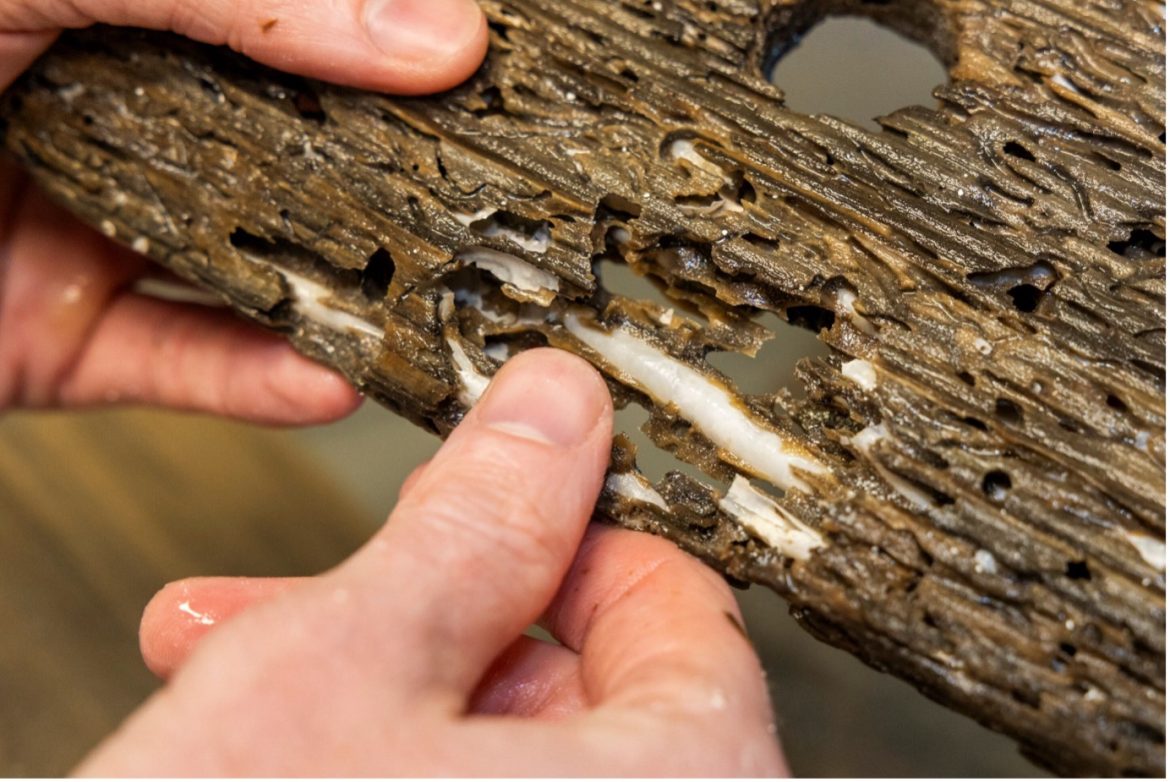
Researchers have successfully developed the world’s first system for farming shipworms, rebranded as “Naked Clams.” These long, white saltwater clams, notorious for boring through wood immersed in seawater, are now being cultivated as a sustainable protein source.

The Naked Clams, recognized as the world’s fastest-growing bivalve, can reach 30cm in length within just six months. By burrowing into waste wood, they convert it into highly nutritious protein. The researchers discovered that Naked Clams boast higher levels of Vitamin B12 compared to most other bivalves, nearly doubling the amount found in blue mussels. Additionally, with the incorporation of an algae-based feed, the clams can be enriched with omega-3 polyunsaturated fatty acids, essential for human health.

Traditionally viewed as pests due to their damage to wood structures in seawater, shipworms have been successfully reimagined as a valuable food source. The researchers have devised a fully-enclosed aquaculture system that eliminates concerns related to water quality and food safety, commonly associated with mussel and oyster farming. The modular design enables the system’s application in urban settings, distant from the sea.

Dr. David Willer, Henslow Research Fellow at the University of Cambridge’s Department of Zoology and the first author of the report, emphasized the appeal of Naked Clams, stating, “They taste like oysters, are highly nutritious, and can be produced with minimal environmental impact.” The innovative aquaculture approach utilizes wood that would otherwise end up in landfills or be recycled.

Scientifically known as Teredinids, Naked Clams belong to the bivalve shellfish category, sharing ancestry with oysters and mussels. Their rapid growth, attributed to not investing energy in shell development, outpaces traditional mussels and oysters, which can take up to two years to reach harvestable size.

The study, published in the journal Sustainable Agriculture, highlights the potential of Naked Clams as a sustainable food source. The researchers envision their popularity in processed foods like fish fingers and fishcakes, offering a “white meat” substitute.

Dr. Reuben Shipway at the University of Plymouth’s School of Biological & Marine Sciences, the senior author of the report, emphasized the urgent need for alternative food sources that mimic the nutrient profile of meat and fish without the associated environmental costs. The ongoing trials involving different waste wood and algal feed aim to optimize the growth, taste, and nutritional content of Naked Clams, with plans to scale up and commercialize the system in collaboration with Cambridge Enterprise.

23/11/2023 0 comment
0 FacebookTwitterPinterestEmail
Lagos State Empowers Fish Farmers with Innovative Blast Freezer to Curb Post Harvest Losses
Farming

Lagos State Empowers Fish Farmers with Innovative Blast Freezer to Curb Post-Harvest Losses

by Fishery News 16/11/2023
written by Fishery News

Fish farmers in Lagos, united under the Lagos State Catfish and Allied Association of Nigeria (LASCAFAN), have received a significant boost from the state government’s Agro-Productivity, Processing, Enhancement, and Livelihood Support (APPEALS) project, a World Bank-funded initiative. The project involves the provision of a blast freezer to aid in the preservation of catfish, addressing post-harvest losses and empowering fish farmers against the challenges posed by fish mongers.

The blast freezer, launched in the Ikorodu division, is part of a broader effort to combat yearly post-harvest losses in the catfish subsector. The LASCAFAN Ikorodu blast freezer centre aims to introduce frozen catfish products, offering an alternative to the prevailing practice where fish mongers dictate prices without considering production costs.

Commissioning the blast freezer centre, Abisola Olusanya, the Commissioner for Agriculture, emphasized the project’s focus on promoting value addition. By incorporating frozen catfish into the market, the initiative seeks to liberate fish farmers from the undue influence of fish mongers and stabilize prices based on production costs.

The blast freezer centre utilizes plastic waste collection, recycling, and repurposing efforts in collaboration with Keep Sea Blue, aligning with sustainability goals. The use of recycled coastal plastic contributes to environmental conservation while addressing the critical issue of post-harvest losses.

The launch ceremony included the introduction of frozen catfish products, marking a milestone in the efforts to revolutionize the catfish farming industry in Lagos. The initiative is expected to prevent further exploitation of fish farmers, ensuring a fair pricing mechanism and reducing the environmental impact of plastic waste.

The LASCAFAN President, Sejiro Michael-Oketojinu, highlighted the transformative potential of the project, predicting positive outcomes for market dynamics, production viability, and employment opportunities within the aquaculture sector. The use of the blast freezer not only curtails post-harvest losses but also introduces a more controlled and sustainable approach to fish marketing.

The frozen catfish products are positioned as an affordable and locally produced alternative, fostering a shift towards supporting indigenous species and promoting research in the cultivation of local fish varieties. The initiative signifies a collaborative effort between government, farmers, and non-profit organizations to create a more resilient and sustainable fish farming ecosystem in Lagos.

16/11/2023 0 comment
0 FacebookTwitterPinterestEmail
CMFRI Proposes Mariculture Parks to Boost Coastal Fish Production
Farming

CMFRI Proposes Mariculture Parks to Boost Coastal Fish Production

by Fishery News 13/10/2023
written by Fishery News

The ICAR-Central Marine Fisheries Research Institute (CMFRI) has suggested the establishment of mariculture parks aimed at enhancing the country’s coastal fish production. The proposal was discussed at the 16th Agricultural Science Congress, emphasizing the need for organized and sustainable expansion in the face of growing challenges.

The CMFRI has identified potential sites totalling 46,823.2 hectares for marine cage fish farming and 333 sites covering 23,950 hectares for seaweed farming along Indian territorial waters. Notably, Andhra Pradesh, Gujarat, and Tamil Nadu emerge as the top three coastal states with substantial areas suitable for sea cage farming.

Scientists advocate for mariculture parks as a strategic move to prevent haphazard expansion, which could disrupt ecosystems and lead to social conflicts. The parks are envisioned to foster comprehensive planning, integrate new production technologies, develop infrastructure, and enhance policy-making for the mariculture sector.

Dr Suresh Kumar Mojjada, presenting the CMFRI’s paper at the congress, emphasized that establishing mariculture technology parks aligns with the Prime Minister’s vision for a sustainable blue economy. The integration of indigenous mariculture technologies and strengthened legislation, along with ocean accounting, is seen as pivotal for achieving socio-economic and ecological goals.

CMFRI has pioneered indigenous mariculture technologies covering offshore and nearshore cage fish farming, bivalve farming, seaweed farming, integrated multi-trophic aquaculture practices, and combined farming approaches. The institute underscores the necessity of incorporating fisheries management into climate adaptation plans, emphasizing collaboration among scientists, fishers, traders, processors, policymakers, and other stakeholders to address challenges posed by the climate crisis.

13/10/2023 0 comment
0 FacebookTwitterPinterestEmail
Worlds First Integrated Offshore Wind and Aquaculture Facility Unveiled in Fujian Province
AquacultureFarmingTechnology & Equipments

World’s First Integrated Offshore Wind and Aquaculture Facility Unveiled in Fujian Province

by Fishery News 12/10/2023
written by Fishery News

A wind power facility off the coast of Fujian province, known as “Guoneng Sharing,” is pioneering an innovative approach by utilizing spare space at its base for fish farming. This facility, the world’s first of its kind, seeks to enhance green development in the ocean.

Situated in Putian, “Guoneng Sharing” is designed as an integrated system that combines deep-sea floating wind power with aquaculture. The facility comprises a floating platform, a 4-megawatt wind turbine, and a sophisticated mooring and anchoring system.

The floating platform features a semisubmersible structure with three columns forming an equilateral triangle, standing at a height of 28 meters with a draft of 14 meters. Within this structure lies a net cage designed for aquaculture, utilizing a volume of water totaling 10,000 cubic meters—a capacity sufficient to nurture medium-sized fish fry for over a year.

To ensure safe and stable operations at sea, the platform is secured with nine anchor chains, each approximately 431 meters long. Each column is connected to three mooring cables, contributing to the overall stability of the structure.

Feng Xiaoxing, Deputy Chief Engineer of Jiangsu Longyuan Zhenhua Marine Engineering Co, the developer of the facility, highlighted the choice of Putian due to its abundant wind resources. The current phase involves fine-tuning and testing the equipment, with expectations that it will commence power generation by the end of this year.

The “Guoneng Sharing” initiative marks a significant stride toward sustainable energy and aquaculture practices, showcasing the potential for innovative, integrated solutions to promote green development in ocean environments.

Source: China Daily

12/10/2023 0 comment
0 FacebookTwitterPinterestEmail
Newer Posts
Older Posts
  • Recent
  • Popular
  • ICAR-CIFT Patents Rapid DNA Biosensor for Black Tiger Shrimp Authentication

    07/08/2026
  • Minister Holds Review Meeting with Fisheries Cooperative Leaders

    07/08/2026
  • Dry Fish Demand Surges Following Formalin Ban

    07/08/2026
  • Rohu Breeding: A Complete Step-by-Step Guide to Successful Seed Production

    07/08/2026
  • 1

    Trout Fish Stocking Initiative Enhances Fisheries and Tourism Potential in Shopian, Jammu and Kashmir

    17/12/2023
  • 2

    BIGGEST FISH MARKETS IN INDIA

    07/09/2024
  • 3

    Brazil’s Appetite for Vietnamese Tilapia Is Reshaping the Global Whitefish Trade

    28/07/2026
  • 4

    Introducing Future Aquaculture Magazine: A New Voice Shaping the Future of Seafood

    13/02/2026

About Fishery News

FN Logo

Fishery.News is India’s leading digital media platform dedicated to fisheries, aquaculture, seafood, and marine industries. We deliver trusted news, expert insights, market intelligence, technology updates, research, government policies, and success stories that help fish farmers, shrimp farmers, seafood businesses, researchers, and industry professionals stay informed and grow sustainably

Categories

  • News
  • Aquaculture
  • Aquatic Health and Disease Management
  • Research and Innovation
  • Technology & Equipments

Social Networks

Facebook Twitter Instagram Linkedin Youtube
  • Facebook
  • Twitter
  • Instagram
  • Linkedin
  • Youtube

© 2026 Fishery.News – A BLIV Media Venture. All Rights Reserved.


Back To Top
Fishery News
  • E – Magazine
    • Aquaculture
    • Aqua Health & Disease Management
    • News
      • National
      • International
    • Farming
    • Research and Innovation
    • Sustainability
    • Technology & Equipments
    • This is Africa
    • Trade
  • Publications
  • Events
    • Expos
    • Trainings
    • Events by Month
  • Business Listings
    • List Your Business
    • Business Listings
    • Buy & Sell
    • Get Consultation
  • Employment
  • About Us
    • Founder
  • Contact