• E – Magazine
    • Aquaculture
    • Aqua Health & Disease Management
    • News
      • National
      • International
    • Farming
    • Research and Innovation
    • Sustainability
    • Technology & Equipments
    • This is Africa
    • Trade
  • Publications
  • Events
    • Expos
    • Trainings
    • Events by Month
  • Business Listings
    • List Your Business
    • Business Listings
    • Buy & Sell
    • Get Consultation
  • Employment
  • About Us
    • Founder
  • Contact
Fishery News
Home » Farming » Page 7
Category:

Farming

Bono East Regional Fisheries Commission Drives Initiatives for Enhanced Fish Production
Farming

Bono East Regional Fisheries Commission Drives Initiatives for Enhanced Fish Production

by Fishery News 16/12/2023
written by Fishery News

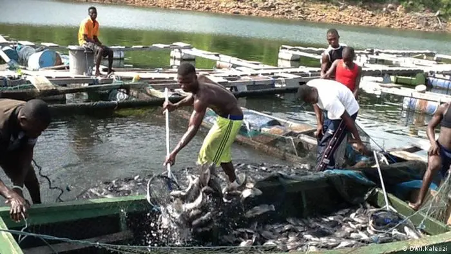
In order to fortify fish production in the recently formed Bono East Region, the Regional Fisheries Commission has initiated comprehensive measures and specialized projects. The commission is actively engaged in training fish farmers to independently produce fingerlings, formulate local fish feed for cost reduction, and impart knowledge on proper and hygienic fish handling practices, especially focusing on fingerlings.

One notable intervention involves the region’s enthusiastic participation in the government’s flagship program, “Aquaculture for Food and Jobs.” This initiative, designed to foster aquaculture production and create employment opportunities for the region’s youth, aligns with the commission’s commitment to boosting the local aquaculture sector.

The commission is also dedicated to recruiting new fish farmers as part of its strategy to increase the overall farmer population. These recruits undergo training not only in fish farming techniques but also in effective marketing strategies to enhance their ability to promote and sell their products successfully.

According to data provided by the Bono East Regional Fisheries Commission, the region achieved a fish production of 77.93 metric tonnes in 2021 out of the national production of 89,375.48 metric tonnes. However, there was a decline in 2022, with the region contributing 36.2 metric tonnes. It’s worth noting that the 2022 national aquaculture production figures are pending certification by the Food and Agriculture Organisation (FAO).

To further streamline and organize fish production efforts, the region has categorized its fish production districts into four zones: Techiman Zone, Nkoranza Zone, Kintampo Zone, and Atebubu-Amantin Zone. Each zone is actively involved in fish production, contributing to the overall output of the region.

In 2022, the Techiman Zone recorded a fish production of 21.3 metric tonnes, with 5.30 metric tonnes of tilapia and 16 metric tonnes of catfish. Similarly, the Nkoranza Zone achieved a total fish production of 7.2 metric tonnes, comprising 1.5 metric tonnes of tilapia and 5 metric tonnes of catfish. The Kintampo Zone contributed 7.7 metric tonnes, including 2.7 metric tonnes of tilapia and 5 metric tonnes of catfish.

With 104 fish farmers managing 213 fishponds across the four zones, the region is making concerted efforts to expand its aquaculture footprint. While the Techiman Zone boasts 49 farmers with 130 fishponds, the Nkoranza Zone accommodates 30 farmers with 26 fishponds. Additionally, the Atebubu-Amantin Zone, newly introduced to fish farming in 2023, currently has two farmers with three fishponds.

The Bono East Regional Fisheries Commission’s multifaceted approach underscores its commitment to fortifying the aquaculture sector, ensuring sustainable practices, and ultimately contributing to the economic development of the region. As the region endeavours to introduce additional districts to fish farming, the commission aims to alleviate challenges faced by fisherfolk during closed seasons and foster a thriving and resilient aquaculture industry.

16/12/2023 0 comment
0 FacebookTwitterPinterestEmail
Substantial Increase in Green Mussel Production Recorded in Malabar Region in 2022
Farming

Substantial Increase in Green Mussel Production Recorded in Malabar Region in 2022

by Fishery News 15/12/2023
written by Fishery News

The Malabar region, encompassing Malappuram, Kozhikode, Kannur, and Kasaragod districts, witnessed a significant surge in green mussel production in 2022, thanks to active participation by farmers.

According to a study report presented by the Central Marine Fisheries Research Institute (CMFRI), mussel farming saw a remarkable 160% increase compared to 2021, while green mussel landings increased by 15%.

Padanna in Kasaragod district contributed significantly to the production, with major landings recorded at Moodadi beach in Kozhikode, followed by Thalassery, Kozhikode south beach, and Elathur. The availability of mussel spats in the sea encouraged more farmers to engage in mussel farming.

However, researchers expressed concern about the decline in mussel prices and suggested addressing this issue through the production and marketing of value-added products from green mussels.

In addition to the boost in mussel production, marine fish landings in the Malabar region increased by 38%, reaching a total production of 1.99 lakh tonnes in 2022. This rise was attributed to increased landings of Indian oil sardine and mackerel.

The Malabar region, comprising four districts, contributed 29% to the state’s marine fish landings, which total`ed 6.87 lakh tonnes in 2022. The figures were presented by CMFRI’s principal scientist T.M. Najmudeen and scientist V. Mahesh, with the presence of representatives from various sectors in the fisheries industry.

15/12/2023 0 comment
0 FacebookTwitterPinterestEmail
Successful Pearl Farming Venture Empowers Farmer in Aivarnadu Karnataka
Farming

Successful Pearl Farming Venture Empowers Farmer in Aivarnadu, Karnataka

by Fishery News 14/12/2023
written by Fishery News

A farmer in Aivarnadu, Sullia taluk, has ventured into pearl farming, inspired by the freshwater aquaculture initiatives promoted by S. Angara, the Minister for Port, Fisheries, and Inland Water, who also represents the Sullia constituency. Naveen Chathubai, a farmer by profession, embraced freshwater mussel cultivation for pearl farming, ultimately achieving success by selling approximately 300 pearls to a dealer in Hyderabad.

Motivated by the minister’s insights on freshwater pearl farming, Naveen attended the Krishi Mela organized by the Gandhi Krishi Vigyan Kendra in Bengaluru in 2021. At the event, he discovered a stall dedicated to creating awareness about pearl farming using freshwater mussels. Intrigued, he promptly registered for a five-day training program, which proved instrumental in kickstarting his pearl farming venture.

Recalling his journey, Naveen shared, “I received 100 freshwater mussels after the training, and I released them in a small lake on my farmland. About 90% of them survived. Subsequently, I procured 500 mussels from Bengaluru to scale up my cultivation efforts.”

Naveen, who now boasts two small tanks with a capacity of 5,000 liters each for mussel cultivation, emphasized the simplicity and space efficiency of freshwater aquaculture. Employing innovative techniques, such as laying plastic sheets beneath the water tanks to minimize evaporation, he successfully cultivates designer pearls used in jewellery.

Expressing the practicality of the cultivation process, Naveen stated, “The round pearl takes two years to cultivate, and with proper care, one can produce pearls within 10 to 12 months.” He highlighted the importance of scientific knowledge, including tank cleaning and protection from direct sunlight, for optimal results.

Naveen’s success has not only provided him with additional income but has also attracted visitors curious about the innovative farming techniques employed. While he eagerly awaits a new batch of freshwater mussels for the next harvest, his journey stands as a testament to the potential of embracing modern aquaculture practices to empower farmers and diversify income streams.

14/12/2023 0 comment
0 FacebookTwitterPinterestEmail
ACC Empowers Rural Women in Odisha Through Bio floc Fish Farming
Farming

ACC Empowers Rural Women in Odisha Through Bio-floc Fish Farming

by Fishery News 13/12/2023
written by Fishery News

ACC, the cement and building material company within the Adani Group, is championing the adoption of bio-floc technology in local communities of Odisha, India. This eco-friendly fish farming method utilizes microorganisms to establish a harmonious aquatic ecosystem, offering farmers a lucrative, space-saving, and low-maintenance solution.

One beneficiary of this initiative is Mamata Bhoi from Piplipali village in Bargarh district, Odisha. With support from ACC and Pratigya Trust, Mamata diversified her income by setting up a small bio-floc fish farming unit. Taking advantage of the government subsidy for the “Promotion of Intensive Aquaculture through Introduction of Bio-floc Technology,” Mamata, along with many other farmers, embraced this new and effective method.

Mamata initially invested Rs. 2.5 lakhs, covering essential components like concrete tanks, a green net shed, an inverter, shrimp, feed, technical support, and water testing equipment. She sourced shrimp varieties from Kakinada and Bhadrak, underwent training from scientists at the Central Institute of Freshwater Aquaculture (CIFA), and anticipates harvesting her first shrimp batch soon, with an expected profit of Rs. 1.75 lakhs.

Bio-floc fish farming, with its focus on nutrient recycling and water quality maintenance through microorganisms, aligns well with Odisha’s abundant freshwater resources and high demand for fish.

ACC’s initiative plays a pivotal role in uplifting rural communities, with a specific focus on empowering women. By promoting the adoption of bio-floc technology, ACC provides a gateway for women like Mamata Bhoi to break traditional barriers and actively contribute to the sustainable development of their communities. The initiative goes beyond economic diversification; it serves as a catalyst for social transformation.

Through empowering women in rural Odisha with the tools and knowledge needed for successful bio-floc fish farming, ACC creates a positive ripple effect, ultimately enriching the fabric of these communities.

Source: The CSR Journal

13/12/2023 0 comment
0 FacebookTwitterPinterestEmail
Mussel Farming Gains Momentum in Goa as Fisheries Department Promotes Entrepreneurship
Farming

Mussel Farming Gains Momentum in Goa as Fisheries Department Promotes Entrepreneurship

by Fishery News 11/12/2023
written by Fishery News

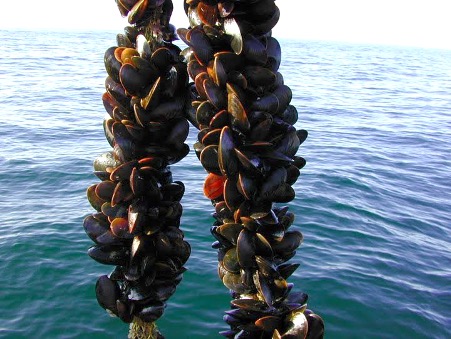
The Fisheries Department in Goa recently conducted an awareness program on mussel farming, showcasing a demonstration unit installed at St Estevam. During the event, fisheries experts demonstrated the process of releasing 35 ropes carrying mussel seeds into the waterbody, enlightening nearly 100 farmers on the intricacies of mussel rearing and harvesting.

Fisheries Director Shamila Monteiro expressed optimism about the increasing interest in mussel culture, noting that farmers can harvest fully grown mussels within a span of five months. A single rope of mussel seeds can yield approximately 1 to 1.5 kg of fully grown mussels. With the current market price at Rs 400 per kg in Goa, mussel farming emerges as a lucrative venture for farmers.

Encouraging attendees to capitalize on this opportunity, Monteiro highlighted the profitability of mussel farming for unemployed youth and farmers residing near river areas. Under the Pradhan Mantri Matsya Sampada Yojana (PMMSY) scheme, general category beneficiaries can receive financial assistance of 40% of the unit cost, up to Rs 20,000. ST/SC/women beneficiaries are eligible for a higher assistance of 60% of the unit cost, also up to Rs 20,000, for bivalve cultivation.

To qualify for mussel cultivation in Goa, rivers must have a salinity level above 27 parts per thousand (ppt). The Fisheries Department aims to stimulate mussel farming by encouraging fish farmers in areas with suitable salinity levels. The program emphasizes the potential for fisheries entrepreneurship, particularly targeting unemployed youth and farmers near river regions, making mussel farming an attractive and profitable endeavour.

11/12/2023 0 comment
0 FacebookTwitterPinterestEmail
Japanese Technology Revolutionizes Trout Fish Farming in Himachal Pradesh
Farming

Japanese Technology Revolutionizes Trout Fish Farming in Himachal Pradesh

by Fishery News 07/12/2023
written by Fishery News

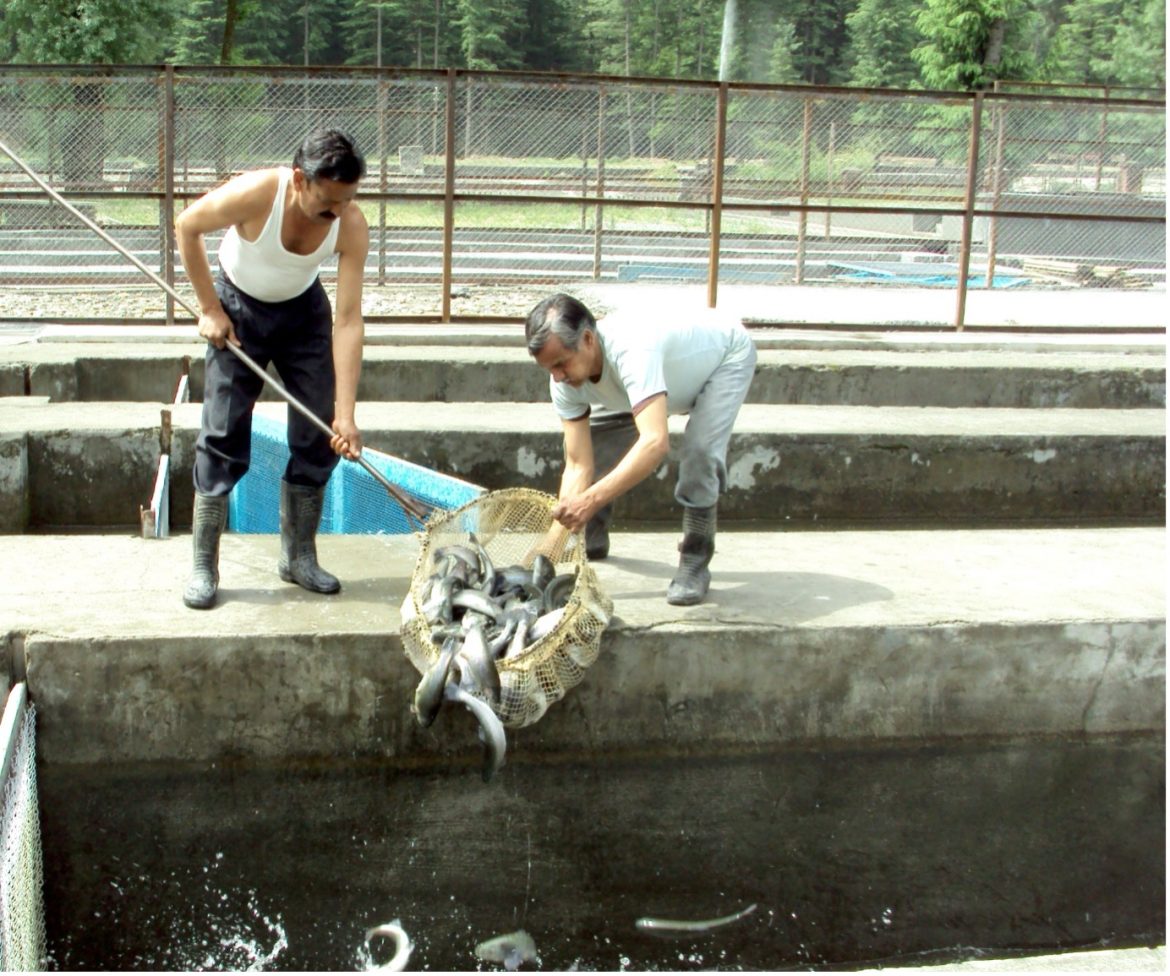
Himachal Pradesh is poised for a significant transformation in trout fish farming through the adoption of cutting-edge Japanese technology at the Indo-Norway Trout Fish Farm in Patlikuhal, Kullu district. The innovative “recirculating aquaculture system” from Japan is set to revolutionize fish production, anticipating a fourfold increase while optimizing water and space utilization.

The Japanese technology features a water recycling and filtration system in fish farming tanks, allowing the efficient reuse of water for fish production. This advancement not only enhances production capacity but also ensures sustainability by conserving water resources and space. Notably, the technology enables the fish farm to operate seamlessly even in polluted waters resulting from periodic flooding of the Beas River.

The ambitious project, under planning for a year, is on track for completion by March 2024, marking a significant milestone in fisheries innovation. Khem Singh Thakur, Deputy Director of the Department of Fisheries, expressed confidence in the transformative impact of this technology, anticipating a revolution in fish production.

The trout fish farm in Patlikuhal has been a crucial supplier to renowned hotels in the country. Originating between 1988 and 1991, the collaboration between Norway and India introduced commercial trout production.

With the import of brown and rainbow trout seeds from Denmark, the farm has achieved an annual production of 15 to 20 tonnes, contributing approximately ₹2 crore annually to the state government’s revenue. Trout fish consumption is associated with various health benefits, including cancer risk reduction and cognitive function enhancement.

The Fisheries Department has demonstrated progress in trout fish cultivation in warm water conditions in the Gobind Sagar and Kol dam reservoirs in Bilaspur district. The installation of fish cages at the Kol dam reservoir in Kasol, particularly for rainbow trout, under the CSS-Blue Revolution initiative in 2020 has yielded promising results.

The rapid growth of fish, gaining nearly 1 kg in eight months compared to the typical 2 to 2.5 years required in cold-water regions, indicates the success of the experiment.

This breakthrough opens avenues for trout fish cultivation in warm districts during the favourable water temperature span of 5 to 9 months. The Kol dam currently produces around eight metric tonnes of trout fish, with an average weight of 300gm and a maximum weight of 1 kg.

The success of this initiative is expected to lead to a harvest of approximately 100 metric tonnes of trout fish in the coming years, contributing significantly to the growth of the fishery industry. With over 12,000 registered fishermen and numerous households reliant on fisheries for livelihood, this success story underscores the positive impact of innovation in the fisheries sector.

Source: Hindustan Times

07/12/2023 0 comment
0 FacebookTwitterPinterestEmail
Partnership Between Oceanfarmr and Coast 4C Aims to Boost Sustainable S
Farming

Partnership Between Oceanfarmr and Coast 4C Aims to Boost Sustainable Seaweed Farming in Southeast Asia

by Fishery News 07/12/2023
written by Fishery News

Seaweed Farming in Southeast Asia

Sydney, Australia: Oceanfarmr, a leading provider of solutions for ocean farm operations, and Coast 4C, a social enterprise dedicated to regenerative seaweed farming, have joined hands to empower small-scale seaweed producers in Southeast Asia through the development of cutting-edge mobile technologies.

Coast 4C’s mission revolves around establishing the world’s largest supply chain for regenerative seaweed, focusing on bringing benefits to Communities, Commerce, Conservation, and Climate. With 500 registered farms contributing to the $1 billion Carrageenan market, Coast 4C provides extensive support, including marketing assistance, farm start-up packages, disaster relief, and crucial research and development guidance.

Oceanfarmr specializes in comprehensive ocean farm operations management, offering a sophisticated system with smartphone apps and web-based dashboards. The collaboration’s primary goal is to create technologies that enhance the performance of farm operations, improve financial aspects, and enable ESG (Environmental, Social, and Governance) monetization for seaweed farmers across Southeast Asia.

In the initial phase, the focus is on capturing and validating seaweed conditions using scoring methodologies based on photos and manager reviews. This data will lay the groundwork for developing an AI scoring algorithm, streamlining the data collection process for Coast 4C’s research and development initiatives related to seaweed strains and cultivation methods.

Nicholas Hill, Co-founder & CEO of Coast 4C, expressed excitement about the collaboration, emphasizing its focus on optimizing operations, addressing challenges, and fostering sustainable growth within the seaweed industry. The partnership aims to leverage Oceanfarmr’s technological prowess to enhance efficiency, provide effective solutions, and contribute to a prosperous and environmentally friendly future for the sector.

As part of the collaboration, Oceanfarmr will lead the development of a scoring methodology for encoding seaweed conditions within the app, paving the way for future integration of an AI algorithm. Coast 4C will oversee and manage nurseries and field sites, contribute valuable insights for seaweed condition scoring, provide training, and offer supervision during implementation.

Ewan McAsh, CEO of Oceanfarmr, expressed enthusiasm about the collaboration’s potential to elevate crop yields, financial security, and sustainability for small-scale seaweed producers in Southeast Asia. The partnership aligns seamlessly with Oceanfarmr’s mission to utilize technology for promoting sustainable ocean farming practices and contributing to positive social and environmental impacts in the region.


The collaboration signifies a significant stride towards advancing regenerative seaweed farming practices and supporting the well-being of small-scale producers across Southeast Asia.

07/12/2023 0 comment
0 FacebookTwitterPinterestEmail
Blue Revolution Transforms Naxal Affected Bastar into Thriving Fish Farming Hub
Farming

Blue Revolution Transforms Naxal-Affected Bastar into Thriving Fish Farming Hub

by Fishery News 04/12/2023
written by Fishery News

BASTAR: Once notorious as a Naxal-affected region, Bastar is undergoing a remarkable transformation with the Blue Revolution, focusing on fish farming. The Koylibeda development block in Kanker district is at the forefront of this change, emerging as a significant region for fish production. This positive shift is attributed to the collective efforts of farmers in Pankhajoor, leveraging government schemes.

Under the leadership of Chief Minister Mr. Bhupesh Baghel, Chhattisgarh has witnessed rapid progress, establishing a new identity for the state. Over five thousand fish farmers in Pakhanjur, associated with fish farming, have propelled the region’s annual turnover to more than Rs 500 crore. With approximately 19,700 ponds, nearly 99 percent are utilized for fish farming.

The success story in Pakhanjur is a result of hardworking farmers and support from government schemes. The cluster approach to fish farming has triggered a revolution in the region. The profitability has encouraged the expansion of fish farming to surrounding villages, transforming traditional farming into a lucrative business.

In Badekapsi village, farmers from five nearby villages collaborate in fish farming, utilizing 1700 ponds to produce 30 thousand metric tonnes of fish. Villagers highlight the shift from traditional farming to fish farming, considering it a low-cost, high-profit venture. Many fields have been converted into ponds to facilitate fish farming.

The cluster approach to fish farming is gaining popularity in Pakhanjur, covering 12,500 hectares of water area. The region boasts 27 hatcheries, 45 farms, 1623 ponds, and 1132 hatchery breeding ponds. A total of 72 crore fish seeds are produced, with 64 crores being supplied to different states.

Chhattisgarh’s focus on fish farming is evident in its ranking as the sixth-largest fish producer and fifth in fish seed production in the country. Government schemes, including the National Agricultural Development Scheme, Pradhan Mantri Matsya Sampada Yojana, and Blue Revolution, have played a pivotal role in the success of fisheries in Pakhanjoor. With fisheries gaining agricultural status, farmers receive loans at zero percent interest, making it an attractive and thriving business.

04/12/2023 0 comment
0 FacebookTwitterPinterestEmail
Groundbreaking Approach Mangrove Plantation Enhances Sustainable Shrimp Farming in West Bengal
Farming

Groundbreaking Approach: Mangrove Plantation Enhances Sustainable Shrimp Farming in West Bengal

by Fishery News 03/12/2023
written by Fishery News

Approximately 35 farmers in Chaital village, situated in West Bengal’s North 24 Parganas district, have successfully incorporated mangrove plantation into their shrimp cultivation practices. This innovative method garnered praise from experts who visited the village recently on the occasion of International Day for the Conservation of the Mangrove Ecosystem.

Pintu Das, owner of a 12 bigha pond in Chaital, has transformed his aquaculture landscape by introducing clusters of trees, primarily the Avicennia marina, commonly known as the bain tree. Notably, mangrove expert K. Kathiresan commended the remarkable growth of these trees, emphasizing the suitability of Avicennia for the region due to its unique ability to absorb salinity from the soil.

During the visit, international mangrove management specialist Ravi Shankar Thupalli underscored the manifold benefits of mangroves. Beyond serving as a natural feed source for shrimp through leaf litter, the increased presence of trees attracts birds, subsequently enhancing shrimp yields. Encouraged by these observations, experts advised local shrimp farmers to intensify mangrove plantation for denser foliage and, consequently, higher yields.

Farmers in Chaital, including Pintu Das and Ashok Das, attested to the economic advantages of using mangrove leaf litter as a sustainable shrimp feed alternative. Significantly, this innovative approach has proven effective in mitigating viral infections that previously posed challenges to shrimp yields.

The cultivated shrimp species include Penaeus monodon (tiger prawn), Penaeus indicus (chapra chingri), and Macrobrachium rosenbergii (golda chingri), contributing substantially to the economic well-being of local farmers alongside indigenous fish varieties.

In the context of frequent cyclones and high tides affecting the Sundarbans, a prominent shrimp cultivation region, mangrove trees play a pivotal role. Their intricate root system helps stabilize the soil and serves as a natural barrier against storm surges, thereby preventing significant losses during adverse weather conditions.

This groundbreaking initiative to integrate shrimp cultivation with mangrove plantation is part of the Sustainable Aquaculture In Mangrove Ecosystem (SAIME) project initiated in 2020 by the Nature Environment and Wildlife Society (NEWS), an NGO dedicated to the preservation of natural ecosystems. Supported by funding from the Government of Germany (BMZ) and the Global Nature Fund, the project aims to restore a harmonious balance between aquaculture and mangrove conservation in the ecologically fragile Sundarbans region.

Experts believe that this nature-centric approach, emphasizing the integration of mangroves with fisheries, signifies a positive shift towards sustainable practices, rectifying the environmental impact caused by the displacement of traditional methods when aquaculture initially gained prominence in the Sunderbans.

Source: The Hindu

03/12/2023 0 comment
0 FacebookTwitterPinterestEmail
West Bengal Fisheries Department Expands Cage Culture to Boost Fish Production
Farming

West Bengal Fisheries Department Expands Cage Culture to Boost Fish Production

by Fishery News 02/12/2023
written by Fishery News

The Fisheries Department of West Bengal is set to introduce cage culture at two distinct water bodies—one located in New Town and another in the Kumari area along the Kangsabati River in Bankura district. State Fisheries Minister Biplab Roy Chowdhury announced the upcoming adoption of cage culture, focusing on cultivating the Pangasius pangasius variety in ponds at Nawabpur in New Town and Kumari in Kangsabati, Bankura.

This initiative follows the successful implementation of cage culture at the Kangsabati Reservoir in Mukutmanipur, Bankura, in May. The groundbreaking project featured 32 cages measuring 5×5 meters and 4 meters in depth, equipped with plastic sheets to ensure buoyancy. Fingerlings were released into these cages, marking a pioneering effort in the state’s aquaculture landscape.

Minister Roy Chowdhury is scheduled to visit the cage culture site on December 2, coinciding with the harvesting and sale of the cultivated fish. The Pangas variety released in Kangsabati Reservoir has shown significant growth, reaching weights of around 700-800 grams.

The state Directorate of Fisheries, in collaboration with ICAR-Central Inland Fisheries Research Institute, Barrackpore, signed an MoU in March to promote cage culture. The project aims to disseminate table fish production through cage culture, strengthen the capacity of the Directorate of Fisheries, and empower resource user communities and cooperatives.

In a bid to address challenges related to fish theft, the Fisheries Department is contemplating the implementation of a new policy titled ‘Earn Your Wages.’ This policy is designed to counteract unfair practices by some Daily Rated Workers (DRWs), who are responsible for monitoring fishing activities. The proposed policy aims to utilize revenue generated from pond-based pisciculture, monitored by DRWs, to cover their wages. This innovative approach is expected to discourage fish theft and ensure fair compensation for the diligent workers.

During a recent session in the state Assembly, Minister Roy Chowdhury revealed that the Fisheries Department has initiated fish cultivation in 23 abandoned coal pits across seven blocks in West Burdwan, including locations like Raniganj, Andal, Barabani, Salanpur, and Jamuria. This move underscores the department’s commitment to exploring new avenues for sustainable aquaculture and addressing challenges in the fisheries sector.

02/12/2023 0 comment
0 FacebookTwitterPinterestEmail
Newer Posts
Older Posts
  • Recent
  • Popular
  • ICAR-CIFT Patents Rapid DNA Biosensor for Black Tiger Shrimp Authentication

    07/08/2026
  • Minister Holds Review Meeting with Fisheries Cooperative Leaders

    07/08/2026
  • Dry Fish Demand Surges Following Formalin Ban

    07/08/2026
  • Rohu Breeding: A Complete Step-by-Step Guide to Successful Seed Production

    07/08/2026
  • 1

    Trout Fish Stocking Initiative Enhances Fisheries and Tourism Potential in Shopian, Jammu and Kashmir

    17/12/2023
  • 2

    BIGGEST FISH MARKETS IN INDIA

    07/09/2024
  • 3

    Brazil’s Appetite for Vietnamese Tilapia Is Reshaping the Global Whitefish Trade

    28/07/2026
  • 4

    Introducing Future Aquaculture Magazine: A New Voice Shaping the Future of Seafood

    13/02/2026

About Fishery News

FN Logo

Fishery.News is India’s leading digital media platform dedicated to fisheries, aquaculture, seafood, and marine industries. We deliver trusted news, expert insights, market intelligence, technology updates, research, government policies, and success stories that help fish farmers, shrimp farmers, seafood businesses, researchers, and industry professionals stay informed and grow sustainably

Categories

  • News
  • Aquaculture
  • Aquatic Health and Disease Management
  • Research and Innovation
  • Technology & Equipments

Social Networks

Facebook Twitter Instagram Linkedin Youtube
  • Facebook
  • Twitter
  • Instagram
  • Linkedin
  • Youtube

© 2026 Fishery.News – A BLIV Media Venture. All Rights Reserved.


Back To Top
Fishery News
  • E – Magazine
    • Aquaculture
    • Aqua Health & Disease Management
    • News
      • National
      • International
    • Farming
    • Research and Innovation
    • Sustainability
    • Technology & Equipments
    • This is Africa
    • Trade
  • Publications
  • Events
    • Expos
    • Trainings
    • Events by Month
  • Business Listings
    • List Your Business
    • Business Listings
    • Buy & Sell
    • Get Consultation
  • Employment
  • About Us
    • Founder
  • Contact