• E – Magazine
    • Aquaculture
    • Aqua Health & Disease Management
    • News
      • National
      • International
    • Farming
    • Research and Innovation
    • Sustainability
    • Technology & Equipments
    • This is Africa
    • Trade
  • Publications
  • Events
    • Expos
    • Trainings
    • Events by Month
  • Business Listings
    • List Your Business
    • Business Listings
    • Buy & Sell
    • Get Consultation
  • Employment
  • About Us
    • Founder
  • Contact
Fishery News
Home » National » Page 92
Category:

National

New Species of Vibrant Orange Deep Sea Fish Discovered off West Bengal Coast
NationalAquacultureNews

New Species of Vibrant Orange Deep-Sea Fish Discovered off West Bengal Coast

by Fishery News 26/09/2023
written by Fishery News

Scientists from the Zoological Survey of India (ZSI) have made a remarkable discovery – a new species of vibrant orange-colored deep-water marine fish found off the coast of Digha Mohana in West Bengal.

The newly identified species, which belongs to the family Triglidae and is commonly known as gurnards or sea-robins, has been named Pterygotrigla Intermedica. It exhibits characteristics closely resembling another species, Pterygotrigla Hemisticta, according to Anil Mohapatra, a senior scientist and the leader of the discovery team from ZSI’s Estuarine Biology Regional Center in Gopalpur, Odisha.

New Species of Vibrant Orange Deep Sea Fish Discovered off West Bengal CoastThis new discovery marks the fourth species of the Pterygotrigla genus reported in India to date, with a total of 178 species in the Triglidae family worldwide.

The fish specimen was caught by a local fisherman on October 20, 2018, alongside other marine life. The research team collected a total of 24 specimens from the Digha Mohana fishing harbor during their study of by-catch components along the northern part of India’s east coast.

Upon rigorous examination, the distinctive characteristics of this fish species became evident, setting it apart from other gurnard species. Notable distinctions included snout length, the shape of the internuchal space, and the size of the cleithral spine, as pointed out by Mohapatra.

Details about this new fish species have been published in the marine science journal Thalassas on September 20, 2023.

Of the 24 collected specimens, 23 have been preserved at ZSI’s Estuarine Biology Regional Center in Gopalpur, while one specimen is housed in the Marine Fish Section in Kolkata, where further studies will be conducted.

Among the key characteristics of the new species noted by scientists are a distinct pectoral-fin with black membranes on the inner surface, a white posterior margin, and three small white spots at its base. Each ray of the fin is creamy white.


The species also features a unique combination of traits, such as a long opercular spine and a very short cleithral spine, a lateral line, gill rakers on the upper limb and 12–13 on the lower limb of the first gill arch, as well as a prominent black blotch located between the 4th and 6th spines of the first dorsal fin, as outlined in the research findings.

26/09/2023 0 comment
0 FacebookTwitterPinterestEmail
NationalNews

Confiscation of Machinery Follows Mass Fish Deaths in Anantnag, South Kashmir

by Fishery News 26/09/2023
written by Fishery News

A day after a tragic incident led to the death of trout fish worth lakhs, the Department of Fisheries in South Kashmir’s Anantnag has taken swift action. They not only confiscated the walnut peeling machinery belonging to a negligent walnut businessman but also ordered an immediate halt to the operation of these machines along the banks of water bodies.

The machinery seizure was carried out under the supervision of Deputy Director Fisheries Anantnag, Muhammad Sidiq.

Confiscation of Machinery Follows Mass Fish Deaths in Anantnag South KashmirThe incident occurred at Dalseer Wahdhan area near the Pahalgam health resort, where trout fish worth 20 lakhs suffocated due to the contamination of water from a stream by Walnut Green Husk extract. Many walnut business operators have set up machinery along the streams, allowing walnut husks to flow directly into water bodies, posing a significant threat to aquatic life.
In response to the tragedy, Deputy Director Fisheries Anantnag, Muhammad Sidiq, issued a circular directing all Circle in charges to conduct an extensive survey to locate walnut peeling machine operators in their jurisdictions and serve notices to them. He emphasized the immediate cessation of machine operations until further orders.

Deputy Director Sidiq highlighted the environmental concerns associated with these machines, explaining that the green husk extract contains harmful chemicals that can pollute water and harm aquatic life. While acknowledging the livelihoods of walnut traders, he stressed the need for responsible practices, urging operators to find suitable locations and adopt proper disposal mechanisms.

Furthermore, Deputy Director Fisheries Anantnag confirmed the confiscation of the machinery belonging to the individual responsible for the trout fish deaths, and he affirmed the suspension of machine operations. The department is determined to prevent any harm to the trout business in the district.

26/09/2023 0 comment
0 FacebookTwitterPinterestEmail
NationalNews

Crackdown on Illegal Fishing of Juvenile Fish Intensifies off Kozhikode Coast

by Fishery News 26/09/2023
written by Fishery News

The Fisheries department’s Marine Enforcement squads have escalated their efforts to combat suspected attempts by mechanized fishing boats to catch juvenile fish in violation of Minimum Legal Size (MLS) regulations along the Kozhikode coast. Stringent measures, including intensified flash checks and harbor stock monitoring, are now in place to apprehend suspected violators.

The motive behind large-scale collection of juvenile fish appears to be driven by the demand from fertilizer factories. Reports suggest that both local and migrant fish workers engage in these illegal activities to supplement their income. Fertilizer companies located outside the state are allegedly procuring these stocks to meet their production needs.

Fisheries department officials have confirmed the impoundment of nine boats in Kozhikode as part of their concerted crackdown on all forms of illegal fishing activities. The Marine Enforcement squad boasts an adequate resource base, including patrol boats, to effectively monitor and curtail unlawful practices within the fishing industry.

In addition to hefty fines, boat registration suspension looms as a punitive measure against those engaged in illegal fishing. The department is actively seeking information from fishermen who support the strict enforcement of MLS rules and oppose the actions of fertilizer companies.

A leader from a fishermen association in Vellayil disclosed that numerous boat operators around Beypore and Puthiyappa harbors had previously collaborated in the commercial collection of inedible fish varieties for fertilizer companies. However, these operators have withdrawn from such activities as the Marine Enforcement squads have successfully impounded multiple boats. The operators had aligned with fertilizer companies due to declining revenue from daily fishing.

The Fisheries department has already compiled a list of approximately 60 fish varieties subject to MLS regulations, in line with recommendations from the Central Marine Fisheries Research Institute. Officials emphasize the critical importance of preventing the hunting of juvenile fish to preserve fisheries resources and safeguard spawning stocks.

26/09/2023 0 comment
0 FacebookTwitterPinterestEmail
World Environmental Health Day 2023 A Call to Improve Our Surroundings
NationalNewsSustainability

World Environmental Health Day 2023: A Call to Improve Our Surroundings

by Fishery News 26/09/2023
written by Fishery News

World Environmental Health Day serves as a yearly reminder, falling this year on September 26th, that we have a collective responsibility to enhance our surroundings for a better quality of life. It underscores the pressing issue of climate change, not just as a threat to human life and health, but as a detriment to our overall environment. When our environment suffers, so do we. The day, established in 2011 by the International Federation of Environmental Health (IFEH), aims to raise awareness about environmental health through various events and activities.

This observance underscores the intrinsic connection between humanity and our environment, emphasizing the need to safeguard both. Each year, World Environmental Health Day adopts a unique theme to focus on. In 2023, our theme is “Global Environmental Public Health,” concentrating on enhancing health and eradicating life-threatening diseases. Environmental health constitutes a significant domain within public health, addressing the multifaceted ways external factors influence how people live, eat, and grow. This encompasses issues like access to clean water and sanitation, as well as the consequences of human actions on our surroundings.

On this day, environmental groups and organizations across the globe come together to foster discussions on environmental health and explore strategies to protect our environment. United Nations Secretary-General António Guterres recently took to the social media platform X to amplify the voices of those dedicated to addressing the escalating climate crisis. He voiced his unwavering support for those advocating real climate action: “To all those working for, marching for & championing real #ClimateAction: I want you to know that you are on the right side of history. I am with you. I won’t give up this fight of our lives.”

FISHERY.NEWS wishes its readers a happy World Environmental Health Day 2023.

26/09/2023 0 comment
0 FacebookTwitterPinterestEmail
Global Aquatic Food Production Highly Vulnerable to Environmental Change Study Finds
NationalNewsSustainability

Global Aquatic Food Production Highly Vulnerable to Environmental Change, Study Finds

by Fishery News 26/09/2023
written by Fishery News

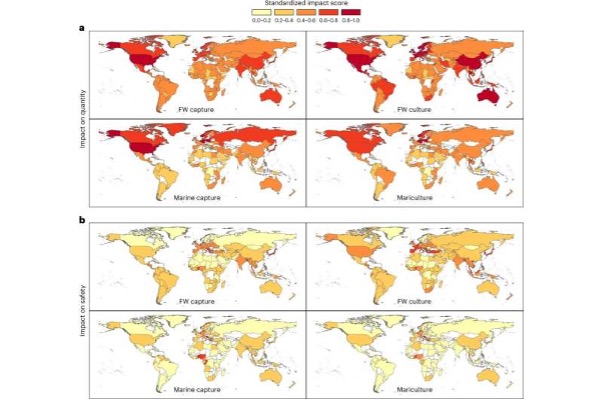
A landmark study reveals that many of the world’s largest aquatic food producers are at high risk from human-induced environmental changes, with countries in Asia, Latin America, and Africa having the lowest adaptation capacity. Over 90% of global “blue” food production, encompassing capture fisheries and aquaculture, faces substantial risks from environmental shifts, including algal blooms, sea level rise, changing temperatures, and pesticide exposure.

Published in Nature Sustainability, the research is the first-ever global analysis of environmental stressors affecting blue food production. It ranks countries according to their exposure to these stressors. Notably, even major blue food producers like Norway, China, and the United States are vulnerable. The study highlights a lack of understanding regarding the complex interplay of stressors causing environmental change.

Key threats identified include species invasion, eutrophication, ocean warming, and sea level rise. Marine fisheries are more vulnerable to climate-related stressors, while aquaculture faces risks from diseases and low oxygen levels. Countries with high exposure and low adaptation capacity, such as Bangladesh, Eswatini, Guatemala, Honduras, and Uganda, require special attention.

The report urges transboundary collaboration, diversification of blue food production, and greater stakeholder engagement to address these challenges. Indigenous knowledge is seen as crucial in mitigating and adapting to environmental changes in artisanal fisheries and marine-dependent countries.

This study is part of the broader Blue Food Assessment (BFA) initiative aimed at informing aquatic food sustainability.

26/09/2023 0 comment
0 FacebookTwitterPinterestEmail
Unveiling the Unseen Impact of Artisanal Fish Fences
NationalNews

Unveiling the Unseen Impact of Artisanal Fish Fences

by Fishery News 26/09/2023
written by Fishery News

In the tranquil waters of tropical seas, where pristine marine ecosystems thrive, a seemingly innocuous fishing method has been quietly causing havoc beneath the surface. Traditional fishing gears, often referred to as artisanal fish fences, have long been used by coastal communities. These structures, constructed from wooden poles and locally sourced nets, are strategically placed in shallow waters, particularly within the intricate web of mangroves. As the tide recedes, they function like underwater labyrinths, funnelling a variety of marine species into holding structures.

For years, these artisanal fish fences were considered a sustainable alternative to industrialized fishing techniques, assumed to have a lower environmental footprint. However, a recent study published in Nature Communications has shed light on the grim reality. Contrary to previous beliefs, these unassuming fishing gears are, in fact, posing a significant threat to marine ecosystems and fisheries sustainability.

The Hidden Impact

The study, led by researchers from various institutions, including Swansea University, employed a multifaceted approach, combining ecological assessments, social analysis, and remote sensing. Over a span of more than 15 years, they meticulously examined the landings from fish fences across the Pacific, Atlantic, and Indian Oceans. The results were startling.

One of the most alarming findings was the indiscriminate nature of these artisanal fish fences. They ensnare over 500 different species, including many as juveniles and others that are of conservation concern. “Because they are unselective, they catch more than 500 species, many as babies or which are of conservation concern,” explains Richard Unsworth from Swansea University.

Furthermore, the study revealed that these traditional fishing practices have a profound impact on marine habitats. Seagrass meadows, mangroves, and coral reefs, which are the lifeblood of many coastal regions, are under siege. The fish fences disrupt vital ecological connectivity, strip away juvenile fish crucial for replenishing populations, and directly damage seagrass ecosystems. The ripple effects extend to connected coral reefs and mangroves, which suffer as a result.

Unseen Consequences

Over a decade, these traditional fishing gears have caused a staggering 50% reduction in the density of local reef fish, a fact that highlights the severity of their impact. “We find fish fences to disrupt vital ecological connectivity, exploit more than 500 species with high juvenile removal, and directly damage seagrass ecosystems with cascading impacts on connected coral reefs and mangroves,” the researchers noted in their study.

The findings emphasize the need for immediate action to address the unintended consequences of artisanal fish fences. It’s no longer a matter of merely counting fish caught; it’s about understanding the far-reaching repercussions of a single fishing technique

Charting a Sustainable Future

Dan Exton from Operation Wallacea, a conservation research organization, underscores the importance of directing management efforts toward fishing techniques that are causing the most harm. Governments, national organizations, and local communities must come together to identify solutions that support traditional practices while promoting sustainable fisheries and equitable benefits for people.

The revelation of the true impact of traditional fishing gears serves as a stark reminder that protecting our oceans and their fragile ecosystems requires a holistic approach. It’s not just about the fish we catch; it’s about how we catch them and the intricate balance of life that thrives beneath the surface. As we navigate the challenges of our changing world, preserving the wonders of our seas becomes an urgent mission for the sake of future generations and the health of our planet.

26/09/2023 0 comment
0 FacebookTwitterPinterestEmail
Parshottam Rupala Unveils Upgraded Marine Museum at Visakhapatnams Fishery Survey of India Base
NationalNews

Parshottam Rupala Unveils Upgraded Marine Museum at Visakhapatnam’s Fishery Survey of India Base

by Fishery News 26/09/2023
written by Fishery News

Parshottam Rupala, the Union Minister for Fisheries, Animal Husbandry, and Dairying, formally inaugurated the refurbished Marine Museum located at the Visakhapatnam Base of the Fishery Survey of India (FSI) on Monday. This renovated museum houses a collection of roughly 250 specimens, all meticulously displayed within a climate-controlled hall. An interesting development is that FSI has embarked on the task of assigning QR codes to each exhibit, with the entire project slated for completion in approximately one month.

During the inauguration ceremony, Mr. Parshottam, accompanied by Rajya Sabha Member G.V.L. Narasimha Rao, took a tour of the exhibits, showing great interest in the specimens on display. FSI’s Director General, R. Jeyabaskaran, provided insights into the significance of the various fish species showcased.

Following this, Minister Parshottam engaged with representatives from the aquaculture and poultry sectors, underscoring the government’s unwavering commitment to addressing industry challenges and stimulating fish production, consumption, and exports.

Pavan Kumar, President of the Seafood Exporters Association, expressed concerns about export-related hurdles faced by Andhra Pradesh, largely due to the absence of government incentives, which is impeding the state’s competitiveness in the global market. He advocated for the need to establish more Free Trade Agreements (FTAs) to counter practices like the dumping of seafood by countries such as Ecuador. Additionally, he put forth suggestions for shrimp-specific disease surveillance, the development of disease-resistant broodstock by research institutions, and the promotion of fish consumption through public awareness campaigns.

Minister Parshottam proposed that industry stakeholders could effectively promote the health benefits of fish consumption through targeted campaigns, drawing parallels to the successful promotion of dairy products by ‘Amul.’

Srinath, a representative of the AP Chambers, requested the establishment of the National Fisheries Development Board in Andhra Pradesh, as it had relocated to Telangana following the state’s bifurcation. The Minister assured that the proposal would be given due consideration once it was officially submitted by the State government.

26/09/2023 0 comment
0 FacebookTwitterPinterestEmail
Fish Mint The Herb with Health Benefits Hidden in Its Unique Flavour
NationalNewsResearch and Innovation

Fish Mint: The Herb with Health Benefits Hidden in Its Unique Flavour

by Fishery News 25/09/2023
written by Fishery News

Fish mint, also known as Houttuynia cordata, may not resemble its name in appearance with its beautiful white flowers and heart-shaped leaves, but it certainly lives up to its distinct fish-like smell and taste. Originating from Southeast Asia, this herb grows well in moist soils and is resistant to flooding.

Fish mint comes in two primary flavors. The Chinese variety has a strong coriander-like aroma and is known for its roots, used as a vegetable. Meanwhile, the Japanese variety offers a lemon- or ginger-like aroma, with its leaves being favored for salads and fish recipes. While its strong scent and fish-like taste may not make it as popular as mint or coriander, fish mint finds its place in the cuisines of northeastern Indian states.

In traditional Chinese, Japanese, Ayurvedic, and Siddha medicine, fish mint’s medicinal properties have been recognized for centuries. It is used to treat asthma, thanks to its anti-allergic and anti-inflammatory properties. Modern research has validated these benefits, suggesting that fish mint may offer relief for asthma symptoms.

Furthermore, recent studies highlight its potential in alleviating symptoms of jaundice, pneumonia, and stomach infections. Fish mint’s underground stem and roots contain essential medicinal components with anti-inflammatory, antibacterial, and antiviral effects.

Research from Taiwan also shows that fish mint may help suppress the impact of fever on various organs, particularly the upper respiratory tract. In Japan, a decoction of dried fish mint leaves is consumed as herbal tea to control dental biofilms, preventing dental caries, periodontal disease, and oral candidiasis.

Fish mint has demonstrated antimicrobial effects against methicillin-resistant Staphylococcus aureus (MRSA) and other oral microorganisms, making it a potential solution for infectious oral diseases.

Additionally, the herb shows promise in managing COVID-19 symptoms, such as pneumonia and acute respiratory distress syndrome. It is suggested as a potential nutraceutical agent for therapy against various viruses, including SARS-CoV-2, HIV, herpes simplex, and influenza.

Fish mint offers a range of health benefits, from weight management to skincare. Its leaves are even used in cosmetics for acne-prone irritated skin. Including fish mint in your diet could provide numerous advantages for your health and well-being.

25/09/2023 0 comment
0 FacebookTwitterPinterestEmail
Promising Advances in Oral Vaccines for Fish Farming Potential Solutions to Improve Effectiveness
Aquatic Health and Disease ManagementNationalNewsResearch and Innovation

Promising Advances in Oral Vaccines for Fish Farming: Potential Solutions to Improve Effectiveness

by Fishery News 25/09/2023
written by Fishery News

Oral vaccines hold significant promise for fish farmers due to their ease of administration, especially for small fish that are challenging to vaccinate via injection. However, their effectiveness has been limited, primarily due to the hostile environment of fish stomachs, which can degrade the vaccine components before they take effect.

A recent analysis by scientists in India suggests that innovative stomach-resistant designs for oral vaccines could address this challenge. One approach involves encapsulating oral vaccines to protect them from gastric acids and digestive enzymes. This protective layer aims to ensure that the vaccines reach the hindgut, where immune cells can respond to the antigens and provide protection against target pathogens.

Traditionally, oral vaccines are mixed into fish feed, offering cost and labor savings, as well as stress-free vaccination for fish. However, the protective coating is crucial for overcoming the stomach’s destructive effects.

Among the promising encapsulation options are nanomaterial-based coatings, including chitosan, a biodegradable polymer derived from natural sources like crustacean shells. Early studies have shown stability in stomach acid and release in the intestine for such coatings.

Another approach involves delivering vaccines through live feed, such as artemia, daphnia, and rotifers. These “bioencapsulated” vaccines are not only stomach-resistant but also suitable for fish larvae, which are too small for injection. They have demonstrated effectiveness in reducing bacterial and viral infections in fish larvae.

Looking ahead, researchers are exploring various coating options, including algae-based biopolymers and liposomes, as well as engineered microorganisms like yeast for vaccine delivery.

The future of oral vaccines in aquaculture holds promise, potentially enabling mass vaccination through live feeds. This approach could offer cost savings compared to injection and immersion immunization methods while improving efficacy. To enhance the effectiveness of oral vaccines, further research is needed to optimize dosage, antigen nature, formulations, immune response processes, and the ideal age for vaccinating different fish species.

25/09/2023 0 comment
0 FacebookTwitterPinterestEmail
DNA Sampling from Aquaculture Environment Aids Early Detection of Scale Drop Disease in Barramundi
Aquatic Health and Disease ManagementNationalNews

DNA Sampling from Aquaculture Environment Aids Early Detection of Scale Drop Disease in Barramundi

by Fishery News 25/09/2023
written by Fishery News

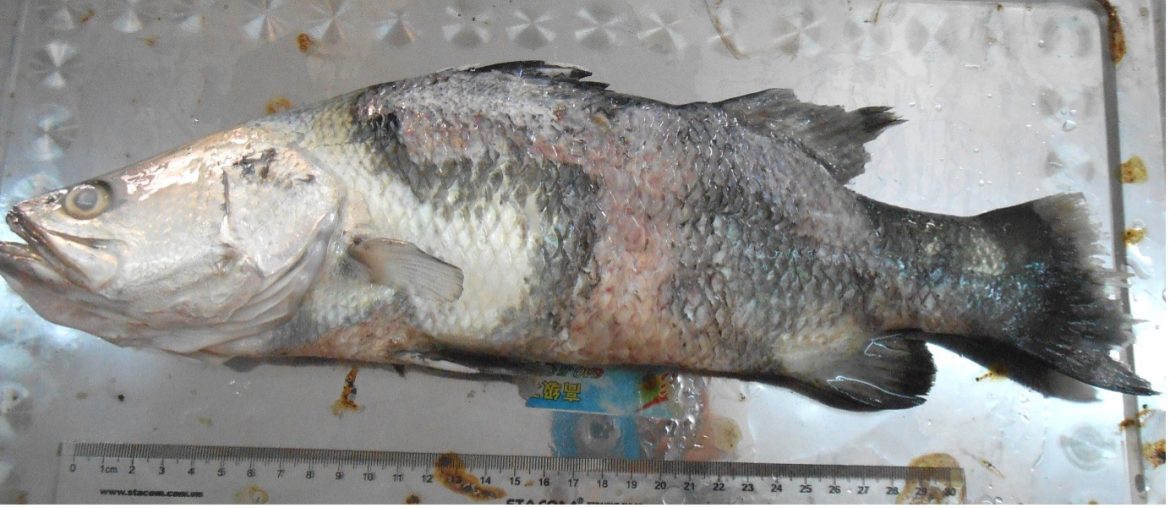
Scientists at the National University of Singapore have made strides in early diagnosis and management of scale drop disease, a viral condition that poses a significant threat to farmed barramundi in Asia. While the disease was first observed in the 1990s, the causative pathogen was only identified in 2015, and it can lead to mortality rates of up to 50% in barramundi production facilities in Asia.

To address this challenge, researchers utilized two distinct testing methods on water samples collected randomly from flow-through tank systems previously reported to have barramundi infected with the scale drop disease virus (SDDV).

Their findings, published in the journal Aquaculture, revealed that digital droplet PCR tests outperformed quantitative PCR tests in detecting SDDV in environmental samples. The digital droplet PCR tests displayed greater sensitivity, enabling the detection of lower virus levels.

The implications of this research are significant, as it can aid farms and research facilities in developing improved biosecurity management strategies to control and prevent scale drop disease outbreaks in aquaculture.

The study also uncovered a correlation between high rainfall during the monsoon season and reduced water salinity entering the tanks, resulting in a notably higher presence of the virus. This highlights the influence of seasonal conditions on virus prevalence.

Additionally, the research provided evidence supporting the notion that SDDV can be horizontally transmitted from asymptomatic fish to their tankmates. Higher virus levels were detected on fin clips from juvenile fish in areas with an increased virus presence.

While these findings offer valuable insights, the researchers acknowledge the need for further studies to fully comprehend the dynamics of SDDV throughout the year and its relationship with the water microbiome and other water-quality parameters, particularly in commercial aquaculture farms.

25/09/2023 0 comment
0 FacebookTwitterPinterestEmail
Newer Posts
Older Posts
  • Recent
  • Popular
  • ICAR-CIFT Patents Rapid DNA Biosensor for Black Tiger Shrimp Authentication

    07/08/2026
  • Minister Holds Review Meeting with Fisheries Cooperative Leaders

    07/08/2026
  • Dry Fish Demand Surges Following Formalin Ban

    07/08/2026
  • Rohu Breeding: A Complete Step-by-Step Guide to Successful Seed Production

    07/08/2026
  • 1

    National Coastal Mission Scheme (NCM) Enhances Coastal Management Efforts

    07/08/2024
  • 2

    Trout Fish Stocking Initiative Enhances Fisheries and Tourism Potential in Shopian, Jammu and Kashmir

    17/12/2023
  • 3

    BIGGEST FISH MARKETS IN INDIA

    07/09/2024
  • 4

    Introducing Future Aquaculture Magazine: A New Voice Shaping the Future of Seafood

    13/02/2026

About Fishery News

FN Logo

Fishery.News is India’s leading digital media platform dedicated to fisheries, aquaculture, seafood, and marine industries. We deliver trusted news, expert insights, market intelligence, technology updates, research, government policies, and success stories that help fish farmers, shrimp farmers, seafood businesses, researchers, and industry professionals stay informed and grow sustainably

Categories

  • News
  • Aquaculture
  • Aquatic Health and Disease Management
  • Research and Innovation
  • Technology & Equipments

Social Networks

Facebook Twitter Instagram Linkedin Youtube
  • Facebook
  • Twitter
  • Instagram
  • Linkedin
  • Youtube

© 2026 Fishery.News – A BLIV Media Venture. All Rights Reserved.


Back To Top
Fishery News
  • E – Magazine
    • Aquaculture
    • Aqua Health & Disease Management
    • News
      • National
      • International
    • Farming
    • Research and Innovation
    • Sustainability
    • Technology & Equipments
    • This is Africa
    • Trade
  • Publications
  • Events
    • Expos
    • Trainings
    • Events by Month
  • Business Listings
    • List Your Business
    • Business Listings
    • Buy & Sell
    • Get Consultation
  • Employment
  • About Us
    • Founder
  • Contact