• E – Magazine
    • Aquaculture
    • Aqua Health & Disease Management
    • News
      • National
      • International
    • Farming
    • Research and Innovation
    • Sustainability
    • Technology & Equipments
    • This is Africa
    • Trade
  • Publications
  • Events
    • Expos
    • Trainings
    • Events by Month
  • Business Listings
    • List Your Business
    • Business Listings
    • Buy & Sell
    • Get Consultation
  • Employment
  • About Us
    • Founder
  • Contact
Fishery News
Home » National » Page 98
Category:

National

Ludhiana Veterinary University Experts Educate Farmers on Monsoon Fish Pond Care
Aquatic Health and Disease ManagementNational

Ludhiana Veterinary University Experts Educate Farmers on Monsoon Fish Pond Care

by Fishery News 06/09/2023
written by Fishery News

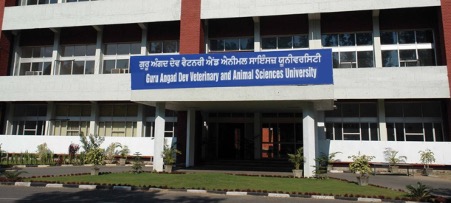
During the monthly meeting of the Innovative Fish Farmers Association (IFFA) at the College of Fisheries, Guru Angad Dev Veterinary and Animal Sciences University, Ludhiana, farmers were educated on the management of fish ponds, with special emphasis on environmental fluctuations during the monsoons.

The monsoon season management practices, including freeboard to accommodate rainwater, a maximum level sieved outlet to prevent stock escape/loss due to overflow, liming for pH control, dyke height to prevent flood water, along with unwanted polluting materials, from entering the catchment area, dyke strength to prevent dyke breach and stock loss, and entry of predatory/weed fish in the pond with canal water, were discussed by Vaneet Inder Kaur.

Abhishek Srivastava educated farmers about the significance of maintaining water quality to ensure the well-being and growth of fish. Meanwhile, Amit Mandal informed farmers about diverse approaches to sustainably develop aquaculture ponds and maintain an ideal population of natural food to boost productivity. Furthermore, they offered practical solutions and strategies to tackle snail infestations in fish ponds during the monsoon season in response to farmers’ inquiries.

Meera D Ansal, the College of Fisheries dean, highlighted that the monthly gatherings of IFFA serve as a means for farmers to stay engaged with the university, ensuring they receive regular technical updates and prompt solutions to their issues and inquiries. Furthermore, she emphasized that the valuable feedback provided by farmers aids in the development of targeted, regionally relevant problem-solving research.

Parkash Singh Brar, Director of Extension Education, mentioned that the forthcoming IFFA meeting will coincide with the upcoming Pashu Palan Mela at the university from September 14-15. During this event, the association will establish an exhibition booth to engage with fish farmers and other stakeholders involved in the fisheries supply chain. This interaction will benefit those looking to venture into fish farming as a primary enterprise or as an integrated subsidiary activity to enhance their income.

06/09/2023 0 comment
0 FacebookTwitterPinterestEmail
Breakthrough at Kerala Fisheries University Indigo Barb Successfully Bred in Captivity
NationalNewsResearch and Innovation

Breakthrough at Kerala Fisheries University: Indigo Barb Successfully Bred in Captivity

by Fishery News 06/09/2023
written by Fishery News

Scientists at Kerala Fisheries University (KUFOS) have unveiled a technology for the captive breeding of the Indigo Barb (Pethia setnai), an exquisite ornamental fish native to western India. This rare species, distinguished by its olive-grey body adorned with two distinctive vertical bands, has been facing the threat of extinction due to rampant overfishing.

Once exclusively found in the freshwater streams of Goa and Karnataka, the Indigo Barb has become a highly sought-after commodity in the international ornamental fish market, with a value of approximately $3 per seedling. However, its population has dwindled due to unregulated aquarium trade and mounting pressures on its natural habitat from tourism, urbanization, and agricultural pollution, earning it a place on the International Union for Conservation of Nature (IUCN) Red List of threatened species.

In a remarkable two-year research initiative, Kerala Fisheries University joined forces with the Central Coastal Agricultural Research Institute (CCARI) in Goa to develop artificial breeding technology for the Indigo Barb. Anvar Ali, an assistant professor in the Department of Fisheries Resources Management at KUFOS, led the project, with crucial support from CCARI, which provided brood stock fishes (parent fishes) sourced from the freshwater streams in the backwaters of Goa. The research team painstakingly developed the technology through a series of experiments conducted at the KUFOS hatchery.

The successful breeding of the Indigo Barb in captivity was achieved under various conditions, with and without hormone induction, both indoors and outdoors, while the larvae were cultivated in mixed zooplankton cultures. This user-friendly technology can now yield an impressive 75-100 fishlings from a single mother fish.

Anvar Ali emphasized that the seed production practices devised by KUFOS will not only contribute to the conservation of this endangered species but also offer alternative livelihood opportunities to local communities in Goa and potentially other regions across the country.

This pioneering project received significant support from the Kerala government, with funding allocated from its plan fund. The research team included junior research fellow Melbinlal, alongside CCARI scientists Sreekanth G B and Trivesh Mayekar. In a symbolic gesture of progress, the seeds generated at the KUFOS hatchery were formally handed over to CCARI Director Parveen Kumar by KUFOS Director of Extension, Daisy C Kappan, during a special event held on the campus this Tuesday.

The successful captive breeding of the Indigo Barb marks a critical step forward in the conservation efforts for this endangered species and represents a shining example of collaborative research and innovation in the field of fisheries management.


06/09/2023 0 comment
0 FacebookTwitterPinterestEmail
Mysterious Blue Jellyfish Invasion Baffles Beachgoers in Uttara Kannada District
AquacultureNational

Mysterious Blue Jellyfish Invasion Baffles Beachgoers in Uttara Kannada District

by Fishery News 06/09/2023
written by Fishery News

Hundreds of blue jellyfish have washed ashore at Tonka beach near Honnavar in Uttara Kannada district, leaving both locals and visitors perplexed. This phenomenon comes shortly after a Bryde’s whale washed ashore at the same location.

This unusual occurrence has raised questions, as it marks the first time such a large number of blue jellyfish have been spotted at Tonka beach. The influx began a few days ago, and these distinctive blue jellyfish now scatter the entire beach.

Marine experts suggest that temperature variations in the sea may be a key factor behind this phenomenon. Warmer temperatures are known to promote jellyfish blooms, increasing food availability and encouraging jellyfish reproduction.

Blue jellyfish are a type of hydroid that float on water and feed on crabs, prawns, and fish. They can spread across several miles of the sea, forming a deep blue carpet. This influx of jellyfish can disrupt the food chain, affecting prominent species such as dolphins.

Jellyfish tend to attach themselves to the fins of larger fish and dolphins, hindering their swimming abilities. As fast swimmers, dolphins may find it challenging to navigate in waters filled with jellyfish. This temporary scarcity of fish in the region can have implications for the local marine ecosystem.

The presence of these blue jellyfish serves as a reminder of the intricate relationships and delicate balance within marine ecosystems, highlighting the impact of environmental factors on sea life.

06/09/2023 0 comment
0 FacebookTwitterPinterestEmail
Maharashtra Declares Silver Pomfret as State Fish to Boost Conservation Efforts
AquacultureNational

Maharashtra Declares Silver Pomfret as State Fish to Boost Conservation Efforts

by Fishery News 06/09/2023
written by Fishery News

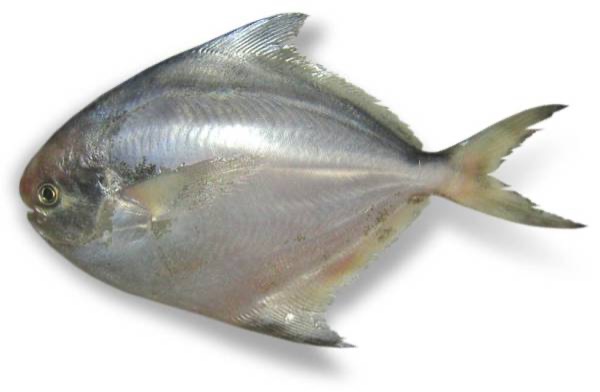
Pune: In a landmark move to preserve the rich marine biodiversity of Maharashtra’s coastal waters, Shri Sudhir Mungantiwar, the Honourable Minister of Forests, Cultural Affairs, and Fisheries, declared the Silver Pomfret (Pampus argenteus) as the official ‘State Fish’ of Maharashtra during the 1st National Conference on the Kisan Credit Card held in Mumbai on September 4, 2023. This announcement, made in the presence of central fisheries minister Parshottam Rupala, marks a significant step towards safeguarding this popular seafood choice, which has been facing threats from mechanized fishing practices.

Silver pomfret, renowned for its delectable taste and ease of preparation in coastal Maharashtrian cuisine, has long been a preferred seafood delicacy. However, in recent years, overfishing has led to a decline in its population, making it increasingly challenging for fishermen to catch fully grown specimens. In response to the concerns raised by local fishermen’s associations, Minister Mungantiwar emphasized that the designation of Silver Pomfret as the State Fish will aid in the conservation and revitalization of this cherished marine species.

“By declaring Silver Pomfret as the ‘State Fish’ of Maharashtra, we are taking a crucial step towards the preservation and sustainable management of this vital natural resource,” Minister Mungantiwar stated. This decision is expected to curtail premature fishing of the species and ultimately boost its numbers in Maharashtra’s coastal waters.

Fishermen’s associations have lauded this development, asserting that the decision comes at a pivotal moment to safeguard Silver Pomfret from the threat of overfishing, ensuring that future generations can continue to savor its unique taste. The soft, buttery flavor of Silver Pomfret, when prepared with care, has earned it a special place in the hearts and kitchens of the region.

With the addition of Silver Pomfret to the list of state symbols, including the mango as the state fruit, the giant squirrel as the state animal, Jarul as the state flower, and the yellow-footed green pigeon as the state bird, Maharashtra continues its commitment to the preservation of its natural heritage. This designation reaffirms the state’s dedication to protecting its diverse ecosystems and promoting sustainable practices for the benefit of its residents and future generations.

06/09/2023 0 comment
0 FacebookTwitterPinterestEmail
AP CM Jaganmohan Reddy congratulates the team of Aqua Exchange e1695646558195
NationalNews

AP CM Jaganmohan Reddy congratulates the team of Aqua Exchange

by Fishery News 06/09/2023
written by Fishery News

Aqua Exchange, a technology firm specializing in aquaculture solutions, achieved a significant milestone as it clinched the Global Award at the G20 Digital Innovation Alliance Summit 2023 held in Bangalore. The award was presented by Union Minister Ashwini Vaishnav, signifying Aqua Exchange’s outstanding contributions to the aquaculture industry.

The prestigious award ceremony witnessed the participation of top leaders and innovators from the global digital ecosystem, celebrating breakthrough innovations and groundbreaking initiatives. Aqua Exchange’s exceptional efforts in revolutionizing aquaculture technology and improving the lives of aqua farmers worldwide were acknowledged with this accolade.

In a heartwarming gesture, Chief Minister Shri YS Jagan congratulated the Co-founder of Aqua Exchange, Bandi Kiran Kumar and CEO, Pawan Krishna who were accompanied by AP State Aquaculture Development Authority Vice Chairman Vaddi Raghuram, on their remarkable achievement. During his address, he emphasized the need for innovative solutions to address the challenges faced by small and marginal aqua farmers.

“Today, we recognize Aqua Exchange not just for their global recognition but also for their unwavering commitment to solving real-world problems. Small and marginal aqua farmers are the backbone of our aquaculture industry, and it is imperative that we find effective solutions to alleviate their challenges”, said Y.S Jagan.

Aqua Exchange has been at the forefront of developing cutting-edge technologies and digital tools to empower aqua farmers, enhance their productivity, and improve the sustainability of the aquaculture sector. Their innovative solutions have enabled farmers to monitor water quality, manage feeding schedules, and optimize farm operations, leading to increased yields and reduced environmental impact.

06/09/2023 0 comment
0 FacebookTwitterPinterestEmail
Lulu Groups State of the Art Seafood  e1695646281775
NationalNewsResearch and Innovation

Lulu Group’s State-of-the-Art Seafood Processing Hub

by Fishery News 05/09/2023
written by Fishery News

In a significant development for Kerala’s seafood export sector, the multinational conglomerate Lulu Group has inaugurated its new processing and export hub in Aroor, Alappuzha. The facility was inaugurated by Industries Minister P. Rajeeve, and it is expected to bring about a transformative change in the state’s seafood industry.

Lulu Group Chairman, M. A. Yusuffali, emphasized that fishermen would be the primary beneficiaries of this mega project. He stated, “The hub will pave the way for fisherfolk to get a better price and create more job opportunities for skilled workers.”

The state-of-the-art center, established at a cost of Rs 150 crore, is equipped with cutting-edge facilities and marks the first fish processing unit for the Lulu Group in the state. Apart from processing raw seafood, the facility will also produce value-added products like squid rings, buttered shrimp, and shrimp salad.

The venture is set to significantly boost Kerala’s seafood export capacity, with plans to export 2,500 metric tonnes of processed seafood every month initially. These exports will target more than 250 Lulu hypermarkets across the Gulf, Egypt, Indonesia, and Malaysia. In subsequent phases, the hub intends to expand its reach to new markets, including the US, the UK, Europe, Japan, South Korea, and China. To ensure seamless operations, the center will

05/09/2023 0 comment
0 FacebookTwitterPinterestEmail
Heavy Rainfall Turns a Trump card for Telangana Aquafarmers
NationalNews

Heavy Rainfall Turns a Trump card for Telangana Aquafarmers

by Fishery News 05/09/2023
written by Fishery News

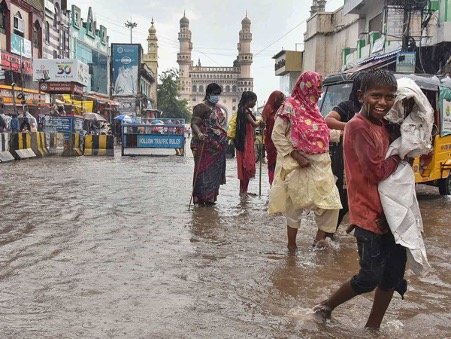
In the wake of Telangana’s recent spell of heavy rains, nature has unveiled an unexpected boon for farmers and fishermen alike. Lakes, ponds, and farmlands are now teeming with fish, a delightful consequence of abundant rains providing breeding opportunities for aquatic life. However, this phenomenon is not merely a stroke of luck but a testament to Telangana’s visionary efforts to boost fish production and support the sustainable livelihoods of fishermen. In this article, we explore Telangana’s “Blue Revolution” – a transformative initiative that has elevated the state’s status in freshwater fish production, benefiting both the environment and its people.

In Vemulawada town and nearby areas, the recent heavy rains have led to rivers, streams, and rivulets overflowing. This has resulted in a unique opportunity for local fishermen as large fish have become trapped in their nets. On July 28th, a significant gathering of fishermen and residents took place around Vemulawada temple Cheruvu, also known as Gudi Cheruvu and Moolavagu, to engage in fishing. Surprisingly, they managed to catch fishes weighing over 15 kilograms in the pond.

Karimnagar’s fishermen have also capitalized on the overflowing water bodies. They took the unconventional approach of laying down nets on main roads where water was overflowing, and this tactic proved highly successful. The video of their unconventional fishing method went viral on social media platforms recently.

The Genesis of Telangana’s Blue Revolution:

Telangana’s journey towards becoming a hub for freshwater fish production was carefully orchestrated. In 2017, the Telangana Government initiated the distribution of free fish seedlings in approximately 11,067 water bodies, setting in motion a chain of remarkable events. This endeavor involved stocking around 51.08 crore fish seedlings at a cost of Rs 44.6 crore, with a promising outcome of 2.62 lakh tonnes of fish production within 8-10 months. Since then, the state has witnessed a substantial increase in the release of fishlings and shrimp into its water bodies, including reservoirs and tanks.

Telangana’s Abundant Water Resources:

Telangana proudly boasts of being home to the country’s third-largest inland water spread, encompassing an expansive 5.73 lakh square km. This extensive network of water bodies, including reservoirs, forms the canvas upon which the “Blue Revolution” is painted. In 2023, the state initiated the release of fish seedlings as early as February, harnessing its water resources to the fullest. The government’s steadfast commitment to this initiative is evident in the substantial investment of Rs 415 crore allocated thus far.

The Phenomenal Growth in Fish Production:

The results of Telangana’s “Blue Revolution” are staggering. In 2022-23, the state ascended to the fifth position in India in terms of freshwater fish production, contributing to an estimated value of Rs 6,100 crore. This remarkable achievement signifies a three-fold growth compared to the fish production worth Rs 1,993 crore recorded in 2017-18. Over the past seven years, Telangana has witnessed a remarkable 195 percent increase in fish production.

Economic Upliftment through Aquaculture:

The Fisheries Department of Telangana has not only contributed to environmental sustainability but also catalyzed economic prosperity. In 2016-17, the department reported a revenue of a modest Rs 2,252 crore, which has surged to an impressive Rs 6,656 crore by 2022-23. Such remarkable growth in revenue is a testament to the state’s commitment to fostering sustainable aquaculture practices

Prawn Production:

Prawn production in Telangana has also experienced substantial growth, mirroring the broader success of the “Blue Revolution.” From a modest 7.78 tonnes valued at Rs 171.23 crore in 2017-18, prawn production has soared to a staggering 11,734 tonnes, worth approximately Rs 425 crore in 2022-23. This remarkable growth illustrates the diversified and inclusive approach of Telangana’s aquaculture initiatives.

Empowering Fishermen and Cooperative Societies:

Beyond statistics, the impact of Telangana’s aquaculture efforts is profoundly felt by the fishing community. Various intervention programs implemented by the State Government have significantly elevated both the average income levels of the Fishermen Cooperative Societies (FCS) and their members. The number of FCSs has surged by 15 percent from 4,002 in 2016-17 to 4,604 in 2020-21. Moreover, membership in these cooperatives has increased by eight percent during the same period, from 2.85 lakh in 2016-17 to 3.09 lakh in 2020-21. This surge in cooperative participation underscores the socio-economic impact of Telangana’s aquaculture initiatives, bringing economic empowerment to the grassroots level.

In totality, Telangana’s “Blue Revolution” is a remarkable testament to what strategic planning, environmental stewardship, and government commitment can achieve. It has transformed the state into a freshwater fish production powerhouse, benefiting farmers, fishermen, and the environment alike. As Telangana continues its journey towards sustainable aquaculture, it sets a precedent for other regions to emulate, demonstrating that harmonizing economic growth with environmental sustainability is not only possible but also imperative for the future. The “Blue Revolution” not only enriches the waters of Telangana but also the lives and aspirations of its people.

05/09/2023 0 comment
0 FacebookTwitterPinterestEmail
Innovation and Sustainable Expansion
NationalNews

Advancing India’s Mariculture: Minister Calls for Innovation and Sustainable Expansion

by Fishery News 05/09/2023
written by Fishery News

In a visionary address during his visit to the Vizhinjam Regional Centre of the ICAR-Central Marine Fisheries Research Institute (CMFRI), India’s Fisheries Minister, Shri Parshottam Rupala unveiled a strategic vision for the evolution of India’s aquaculture sector. The minister articulated that the time had come to transcend the limitations of nearshore cage fish farming by venturing into offshore waters with advanced cage designs, boasting impressive diameters of 30 meters or more. These pioneering cages, capable of accommodating lakhs of juvenile fish, mark a revolutionary step towards transforming mariculture production in the country.

Currently, cage farming in India predominantly takes place in nearshore waters, employing cages with a modest 6-meter diameter. Shri Rupala highlighted that it was imperative for the CMFRI to spearhead research and development endeavors in creating these state-of-the-art cages. The expansion of cage farming into offshore waters holds immense promise, promising to catapult mariculture production to unprecedented heights.

“This strategic shift is poised to significantly elevate mariculture production in the country,” emphasized the minister, reflecting the far-reaching impact of such a transformation on India’s fisheries industry.

Innovation and Sustainable Expansion 2

In addition to pioneering cage designs, Shri Rupala underscored the importance of expanding seed production technologies for finfish across all coastal states, utilizing the synergy of public-private partnerships (PPPs). This collaborative approach aims to alleviate seed constraints and ensure a steady supply of quality seeds to fish farmers nationwide.

The minister also offered a glimpse into the central government’s forthcoming mariculture leasing policy, a strategic move to ensure the responsible and sustainable utilization of mariculture resources. He emphasized that this policy would designate suitable areas for mariculture operations while mitigating potential environmental repercussions.

“The objective is to harmonize mariculture activities with environmental conservation,” the minister explained, underlining the government’s commitment to fostering responsible aquaculture practices.

Shri Rupala, recognizing the untapped potential of pearl oyster production, urged the CMFRI to play a proactive role in expanding this sector. Highlighting the pivotal role of hatchery technologies in supporting large-scale pearl oyster production, he stressed the imperative need for research and innovation in this domain.

Furthermore, the minister proposed an ambitious sea ranching program, aimed at cultivating hatchery-produced pearl oyster spats along the Tuticorin coast. This groundbreaking initiative, to be executed under the guidance of the CMFRI, promises to rejuvenate the pearl oyster industry.

Effective marketing strategies also found their place in Shri Rupala’s vision. He suggested the development of robust marketing avenues for marine ornamentals and urged the CMFRI to collaborate with relevant stakeholders to devise and implement effective marketing strategies. This holistic approach is poised to elevate the marine ornamental sector, providing a well-deserved boost to India’s marine ornamental industry.

Shri Parshottam Rupala’s forward-looking directives signal a transformative phase for India’s aquaculture and mariculture sectors. With innovations in cage design, enhanced seed production, sustainable leasing policies, and a commitment to nurturing niche sectors like pearl oyster production and marine ornamentals, the vision outlined by the minister promises to reshape India’s aquaculture landscape and ensure a sustainable and prosperous future for the sector.

05/09/2023 0 comment
0 FacebookTwitterPinterestEmail
The Fisheries Sector in Andhra Pradesh A Comprehensive Overview
NationalNews

The Fisheries Sector in Andhra Pradesh: A Comprehensive Overview

by Fishery News 05/09/2023
written by Fishery News

Andhra Pradesh, with its extensive coastline, fertile rivers, and thriving aquaculture industry, has positioned itself as a prominent player in India’s fisheries sector. Over the years, the state has harnessed its aquatic wealth, encompassing marine, inland fisheries, and manufacturing capabilities, to create opportunities for economic growth and enhance the welfare of its fishing communities. In this comprehensive article, we will delve into the multifaceted fisheries sector of Andhra Pradesh, including its development, opportunities, manufacturing scene, and vital statistics such as production, catch, and exports.

Marine Fisheries: Sailing Towards Prosperity

Andhra Pradesh’s marine fisheries sector has been a cornerstone of economic growth, providing sustenance to coastal communities. The state’s vast coastline spanning 974 kilometers offers a diverse array of marine resources, making it a significant contributor to India’s marine fish production. In recent years, the sector has witnessed remarkable development, driven by several key factors. Sustainable fishing practices have taken precedence to ensure the long-term health of marine ecosystems. These practices, combined with increased mechanization and modernization of fishing vessels, have resulted in higher yields and greater revenue generation.

Key Statistics: Marine Fisheries

  • Let’s take a closer look at some crucial statistics that highlight the significance of marine fisheries in Andhra Pradesh:
  • Marine fish production in the state reached a remarkable 7.4 lakh metric tonnes during the fiscal year 2020-2021.
  • This prodigious production translated into a substantial gross value of approximately INR 12,000 crore.
  • Andhra Pradesh’s marine fisheries sector has been consistently ranked among the top contributors to India’s seafood exports, further solidifying its economic importance.

Inland Fisheries: The Bounteous Inland Waters

While marine fisheries often take the limelight, the inland fisheries of Andhra Pradesh are equally pivotal. The state’s rivers, lakes, ponds, and reservoirs provide fertile grounds for freshwater fish production. The cultivation of various fish species in these inland waters has been a catalyst for rural employment and a vital source of protein for the state’s population.

The government’s emphasis on promoting sustainable and scientific aquaculture practices has propelled the growth of the inland fisheries sector. Integrated fish farming systems, which combine aquaculture with other agricultural activities, have emerged as a model for maximizing productivity and diversifying income sources for farmers.

Key Statistics: Inland Fisheries

  • Here are some vital statistics that underscore the importance of inland fisheries in Andhra Pradesh:
  • The state recorded an impressive production of approximately 4.1 lakh metric tonnes of freshwater fish during the fiscal year 2020-2021.
  • This substantial inland fish production translated into revenue streams totaling INR 4,000 crore, further bolstering rural economies.
  • Inland fisheries have been instrumental in providing employment opportunities to local communities, particularly in rural areas.

Opportunities Abound: Exploring the Fisheries Sector

The fisheries sector in Andhra Pradesh offers a plethora of opportunities for individuals, entrepreneurs, investors, and organizations looking to engage and invest. These opportunities encompass various facets of the sector, each presenting its own potential for growth and contribution to the state’s economy.

The Fisheries Sector in Andhra Pradesh A Comprehensive Overview 2

Aqua Culture: With a thriving aquaculture industry, there is ample scope for shrimp and fish farming. The state’s supportive policies, coupled with its robust infrastructure, make it an attractive destination for aquaculture ventures.

Processing and Export: Andhra Pradesh’s marine catch can be processed and exported, tapping into the global seafood market. There is considerable potential for value addition and export-oriented activities, bolstering the state’s foreign exchange earnings.

Research and Technology: Fisheries research and technology adoption are essential for sustainable growth. Individuals and organizations engaged in research and technology development can contribute to the sector’s advancement by enhancing breeding techniques, developing disease-resistant strains, and promoting responsible aquaculture practices.

Manufacturing in Fisheries: A Value-Adding Dimension

The manufacturing sector in Andhra Pradesh’s fisheries industry plays a pivotal role in adding value to the seafood products before they reach domestic and international markets. This value addition not only enhances product quality but also increases the revenue generated from the sector.

The state boasts a network of modern seafood processing units that adhere to stringent quality and hygiene standards. These units are equipped with state-of-the-art machinery and technologies for cleaning, filleting, freezing, and packaging seafood products. Additionally, there is a growing emphasis on developing value-added seafood products such as ready-to-cook and ready-to-eat items to cater to changing consumer preferences.

Key Statistics: Manufacturing in Fisheries

  • To appreciate the significance of the manufacturing sector in Andhra Pradesh’s fisheries, let’s delve into some notable statistics:
  • The state houses a substantial number of seafood processing units, contributing significantly to the state’s industrial landscape.
  • The processing units employ a large workforce, creating employment opportunities across various skill levels, from manual labor to skilled technicians.
  • The value-added seafood products, including frozen fillets, marinated seafood, and seafood snacks, have gained popularity in both domestic and international markets, increasing the sector’s revenue.

Welfare Schemes: Empowering Fishing Communities

The government of Andhra Pradesh, under the visionary leadership of Chief Minister Y.S Jaganmohan Reddy, has introduced several welfare schemes to empower those engaged in the fisheries sector. These schemes not only provide economic support but also enhance social security for fishermen and aquaculturists. These initiatives reflect the government’s commitment to ensuring the well-being of the fishing community.

Key Welfare Schemes

  • YSR Matsyakara Nestham: Launched in 2019, this scheme provides financial assistance to fishermen during fishing ban periods, offering them INR 10,000 annually. This support helps them sustain their families during these lean periods.
  • YSR Matsyakara Bharosa: This scheme offers comprehensive insurance coverage to fishermen and their families, providing up to INR 10 lakh in case of accidents, natural disasters, or losses at sea. This safety net provides a sense of security to the fishing community, reducing the financial burden during challenging times.
  • Loan Subsidies: Subsidies on loans for aquaculture ventures encourage investment in modern, sustainable aquaculture practices. This financial support enables entrepreneurs and farmers to adopt advanced technologies and expand their operations.
  • Infrastructure Development: The government continues to invest in the development of fishing harbors, landing centers, and fish markets to improve the infrastructure for fishermen. This ensures that they have access to modern facilities and equipment to enhance their productivity.
  • Training and Skill Development: Skill development programs are conducted to train fishermen and aquaculturists in best practices, modern fishing techniques, and aquaculture methods. These programs empower them with the knowledge and skills required to succeed in their endeavors.

Crucial Statistics: Production, Catch, and Exports

  • To gain a comprehensive understanding of the fisheries sector in Andhra Pradesh, it’s essential to consider key statistics related to production, catch, and exports:
  • The combined fish production (marine and inland) in the state exceeded 11.5 lakh metric tonnes during the fiscal year 2020-2021, marking a significant contribution to the country’s seafood production.
  • Andhra Pradesh’s catch from the sea, comprising a wide variety of fish species, caters to both domestic and international markets.
  • The state’s seafood exports have consistently ranked among the highest in India. The export of products such as shrimp, fish fillets, and value-added seafood items has contributed substantially to the state’s foreign exchange earnings.
  • The sector’s contribution to employment is noteworthy, with numerous individuals engaged in various aspects of fisheries, including fishing, aquaculture, processing, and marketing.

A Flourishing Fisheries Sector

The fisheries sector in Andhra Pradesh, encompassing marine and inland fisheries, manufacturing, and welfare schemes, stands as a robust contributor to the state’s economy and the welfare of its communities. With a commitment to sustainable practices, modernization, and the empowerment of fishing communities, Andhra Pradesh’s fisheries sector has evolved into a dynamic engine of economic growth.

As opportunities continue to abound in aquaculture, processing, and export, the sector offers a promising future for entrepreneurs, investors, and local communities alike. The government’s welfare schemes ensure that the fishing community enjoys both social security and economic stability, fostering a thriving and sustainable fisheries sector.

With a rich tapestry of aquatic resources, responsible management practices, and a commitment to inclusive development, Andhra Pradesh’s fisheries sector continues to chart a course of prosperity for itself and the state as a whole.

05/09/2023 0 comment
0 FacebookTwitterPinterestEmail
Pterygoplichthys Species
AquacultureNational

Resurgence of Invasive Pterygoplichthys Species in the Eastern Ghats: Genetic Study Reveals Alarming Presence

by Fishery News 04/09/2023
written by Fishery News

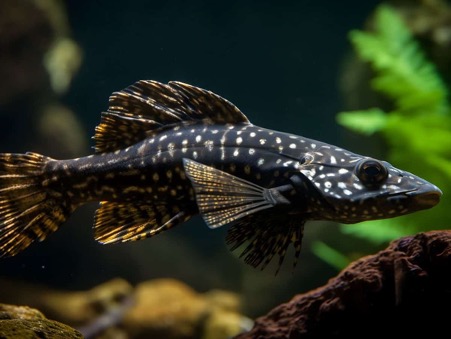
In a significant scientific revelation, a recent research endeavor led by the Hyderabad-based Laboratory for Conservation of Endangered Species (LaCONES) has unveiled the reemergence of the invasive sailfin catfish, scientifically known as Pterygoplichthys and colloquially referred to as the devilfish, in a striking 65% of the aquatic ecosystems within the Eastern Ghats region spanning Telangana and Andhra Pradesh.

This invasive species, first identified in the vicinity of the Krishna River in Vijayawada in 2016, has recently resurfaced, prompting considerable consternation among local fishing communities and igniting profound ecological concerns.

The Devilfish Phenomenon

Pterygoplichthys, with its origins traced to South America, holds no commercial value and is distinguished by its physical attributes, particularly its armored integument bristling with formidable spines. These spines confer upon it the ability to effortlessly dismantle fishing nets, rendering it an adversary to local fisheries. It is imperative to note that interactions with these fish species have led to injurious incidents among fishermen.

Remarkably, the devilfish exhibits resilience in hypoxic environments characterized by low oxygen levels and possesses the remarkable capability to ambulate on land through the utilization of robust fins.

LaCONES Research Findings

LaCONES, an integral component of the Center for Cellular and Molecular Biology (CCMB), undertook an exhaustive scientific inquiry that harnessed non-invasive genetic methodologies involving DNA analysis to ascertain the devilfish’s presence in the Eastern Ghats. The research outcomes divulge not only sightings in diverse aquatic locales but also infiltrations into the Godavari and Krishna rivers.

Of paramount concern is the predatory proclivity of the devilfish, which poses a substantive ecological threat to indigenous piscine species. The combined aquatic ecosystems of Telangana and Andhra Pradesh harbor a diverse ensemble of 152 distinct freshwater species, amplifying the urgency of requisite measures to regulate the devilfish population as an imperative facet of conservation.

The Predicament of Invasive Species

The study outcomes, disseminated via the online research repository bioRXIV on August 27, accentuate the broader quandary of invasive species within the Indian context. Notably, among the 14 species cataloged as invasive by the National Biodiversity Authority (NBA) of India, six were introduced primarily for ornamental fish trade. Intriguingly, four of these invasive species belong to the Pterygoplichthys genus, rendering it one of the most pervasive and consequential genera within the realm of invasive fish species.

Researchers ardently advocate the adoption of DNA-based methodologies as a potent and robust alternative to conventional modalities of detection, including visual surveys and netting. This non-invasive approach bestows a distinctive advantage by facilitating the identification of invasive species, even within locales where direct observation poses logistical challenges. It augments precision in estimating the spatial distribution of such species, thereby expediting early detection and facilitating ameliorative endeavors.

The resurgence of the devilfish within the precincts of the Eastern Ghats underscores the exigency for preemptive conservation endeavors and accentuates the profound significance of comprehending and mitigating the repercussions of invasive species on the intricate tapestry of fragile ecosystems.

04/09/2023 0 comment
0 FacebookTwitterPinterestEmail
Newer Posts
Older Posts
  • Recent
  • Popular
  • ICAR-CIFT Patents Rapid DNA Biosensor for Black Tiger Shrimp Authentication

    07/08/2026
  • Minister Holds Review Meeting with Fisheries Cooperative Leaders

    07/08/2026
  • Dry Fish Demand Surges Following Formalin Ban

    07/08/2026
  • Rohu Breeding: A Complete Step-by-Step Guide to Successful Seed Production

    07/08/2026
  • 1

    BIGGEST FISH MARKETS IN INDIA

    07/09/2024
  • 2

    Trout Fish Stocking Initiative Enhances Fisheries and Tourism Potential in Shopian, Jammu and Kashmir

    17/12/2023
  • 3

    National Coastal Mission Scheme (NCM) Enhances Coastal Management Efforts

    07/08/2024
  • 4

    Brazil’s Appetite for Vietnamese Tilapia Is Reshaping the Global Whitefish Trade

    28/07/2026

About Fishery News

FN Logo

Fishery.News is India’s leading digital media platform dedicated to fisheries, aquaculture, seafood, and marine industries. We deliver trusted news, expert insights, market intelligence, technology updates, research, government policies, and success stories that help fish farmers, shrimp farmers, seafood businesses, researchers, and industry professionals stay informed and grow sustainably

Categories

  • News
  • Aquaculture
  • Aquatic Health and Disease Management
  • Research and Innovation
  • Technology & Equipments

Social Networks

Facebook Twitter Instagram Linkedin Youtube
  • Facebook
  • Twitter
  • Instagram
  • Linkedin
  • Youtube

© 2026 Fishery.News – A BLIV Media Venture. All Rights Reserved.


Back To Top
Fishery News
  • E – Magazine
    • Aquaculture
    • Aqua Health & Disease Management
    • News
      • National
      • International
    • Farming
    • Research and Innovation
    • Sustainability
    • Technology & Equipments
    • This is Africa
    • Trade
  • Publications
  • Events
    • Expos
    • Trainings
    • Events by Month
  • Business Listings
    • List Your Business
    • Business Listings
    • Buy & Sell
    • Get Consultation
  • Employment
  • About Us
    • Founder
  • Contact