• E – Magazine
    • Aquaculture
    • Aqua Health & Disease Management
    • News
      • National
      • International
    • Farming
    • Research and Innovation
    • Sustainability
    • Technology & Equipments
    • This is Africa
    • Trade
  • Publications
  • Events
    • Expos
    • Trainings
    • Events by Month
  • Business Listings
    • List Your Business
    • Business Listings
    • Buy & Sell
    • Get Consultation
  • Employment
  • About Us
    • Founder
  • Contact
Fishery News
Home » News » Page 114
Category:

News

Aquaculture Boom Drives Significant Growth in Fish Production in Bangladesh
AquacultureInternationalNews

Aquaculture Boom Drives Significant Growth in Fish Production in Bangladesh

by Fishery News 12/10/2023
written by Fishery News

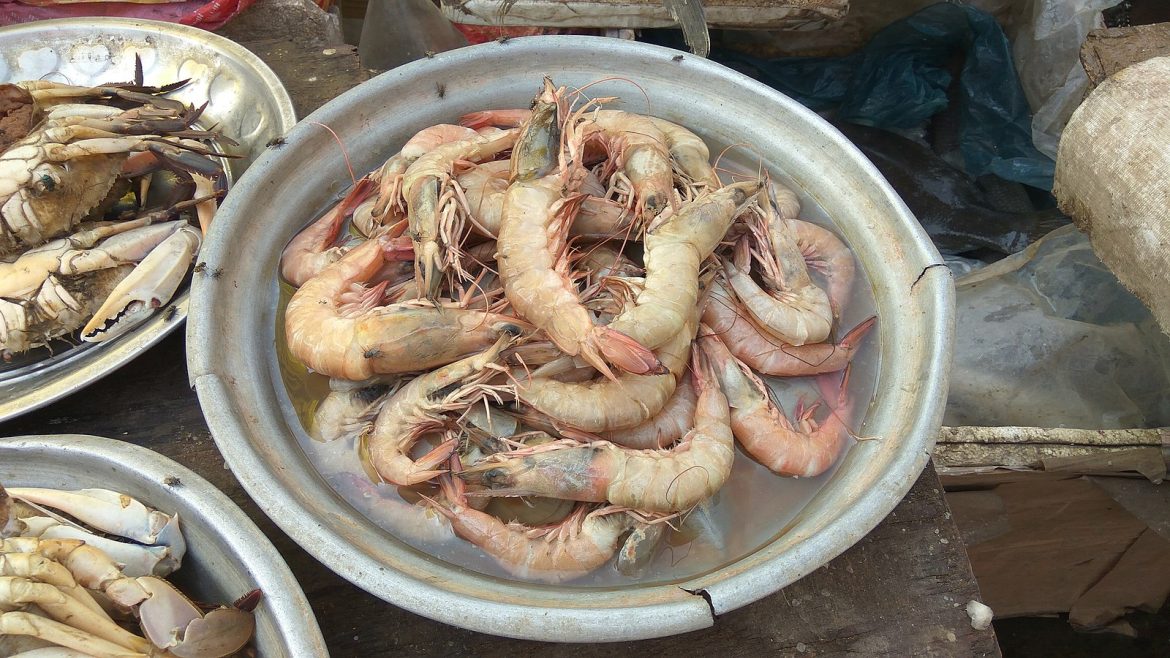
Bangladesh has experienced a remarkable surge in fish production over the last 12 years, primarily driven by the growth in aquaculture, specifically in three key fish varieties—pangas, tilapia, and climbing fish (koi). This boost has not only made these varieties a major source of protein for low-income families but has also generated job opportunities and income for thousands in rural and suburban areas.

According to the Department of Fisheries, the annual production of cultured pangas rose from 1.55 lakh tonnes in 2010-11 to 3.95 lakh tonnes in the 2021-22 fiscal year. Similarly, the output of tilapia increased 3.36 times to 3.29 lakh tonnes, and climbing fish production saw a 350 percent jump to 57,244 tonnes during the same period. Overall, fish production through cultured processes nearly doubled in Bangladesh, increasing from 11.99 lakh tonnes to 21.66 lakh tonnes between fiscal years 2011 and 2022.

Aquaculture, or fish culture, involves raising fish species in captivity and managing their environment for improved growth and reproduction. Professor Mohammad Mahfujul Haque, an expert in aquaculture at Bangladesh Agriculture University, attributed the success to factors such as the availability of fish fries, the intake of artificial foods, and market demands.

Pangas, introduced to Bangladesh in the 1990s by the Bangladesh Fisheries Research Institute (BFRI), has become particularly popular due to its high survival rate of almost 100 percent. This has attracted farmers in various regions of the country.

The contribution of fish farming to job creation surpasses other agricultural sectors, according to Professor Mahfujul Haque, emphasizing the substantial manpower involved in every step of fish farming and marketing.

Fish farming of pangas, tilapia, and climbing fish has played a pivotal role in boosting the total fish production in Bangladesh, which reached 47.59 lakh tonnes in the 2021-22 fiscal year—an increase of over 55 percent from 30.62 lakh tonnes in fiscal year 2011. Cultured fish now accounts for about 45 percent of the overall output.


Bangladesh, being the fifth-largest African fishing nation, faces an annual loss of approximately $70 million due to illegal fishing. The success of pangas, tilapia, and climbing fish farming is considered crucial for protecting the sector, which contributes around 5 percent to Bangladesh’s GDP and supports the livelihoods of approximately 24 million people.

BFRI Director General Yahia Mahmud sees potential for Bangladesh to make pangas a value-added product for export. The introduction of “white pangas” seven years ago is gaining attention, and Mahmud believes Bangladesh can easily enter the export market, especially since white pangas has higher demand in other countries.

The success of aquaculture in Bangladesh underscores the significance of innovative and sustainable approaches in meeting food security and economic development goals.

Image Source

12/10/2023 0 comment
0 FacebookTwitterPinterestEmail
Nigeria Becomes Second African Nation to Accept WTO Agreement on Fisheries Subsidies
NewsInternationalThis is Africa

Nigeria Becomes Second African Nation to Accept WTO Agreement on Fisheries Subsidies

by Fishery News 12/10/2023
written by Fishery News

Nigeria has officially accepted the World Trade Organization’s (WTO) Agreement on Fisheries Subsidies, becoming the second African country to do so. The announcement was made by the WTO after Nigeria deposited its instrument of acceptance for the Agreement in Geneva, Switzerland. The Agreement is designed to combat illegal, unreported, and unregulated (IUU) fishing, prohibit support for overfished stocks, and end subsidies for fishing in unregulated high seas.

The WTO emphasized that Nigeria’s acceptance, deposited on June 12, is a crucial step toward the Agreement’s entry into force, requiring acceptance from two-thirds of WTO members. Approximately one-third of the necessary acceptances are now in hand.

WTO Director-General Ngozi Okonjo-Iweala expressed gratitude to Nigeria for its commitment to sustainable development and stated that Nigeria’s acceptance contributes to the growing support for the Agreement. She hopes it inspires other governments in Africa and globally to swiftly implement the Agreement for the benefit of shared global resources.

Ambassador Adamu Mohammed Abdulhamid, representing Nigeria, highlighted the unique opportunity the Agreement presents for Nigeria to promote sustainable use of ocean resources, fostering economic growth while preserving the health of the ocean ecosystem. He emphasized that the Agreement will put an end to harmful fisheries subsidies and reaffirms Nigeria’s commitment to a rule-based multilateral trading system.

Abdulhamid called for other WTO members to ratify the Agreement promptly, contributing to the global effort to preserve fish stocks. Nigeria, as the fifth-largest African fishing nation, faces an annual loss of approximately $70 million due to illegal fishing, making the Agreement crucial for protecting the sector that contributes around 5 percent to Nigeria’s GDP and supports the livelihoods of about 24 million people.

The Agreement on Fisheries Subsidies was initially adopted at the WTO’s 12th Ministerial Conference in June 2022. It aims to establish multilateral rules to curb harmful subsidies, recognizing the needs of developing and least-developed countries. Negotiations for additional provisions are ongoing, with the aim of making recommendations by the 13th Ministerial Conference in February 2024 in Abu Dhabi, UAE.

12/10/2023 0 comment
0 FacebookTwitterPinterestEmail
Educational Reforms in Indian Fisheries Sector Doctoral Requirement for Agricultural Research Exam to be Withdrawn
NewsNational

Educational Reforms in Indian Fisheries Sector: Doctoral Requirement for Agricultural Research Exam to be Withdrawn

by Fishery News 12/10/2023
written by Fishery News

Himanshu Pathak, Secretary of the Department of Agricultural Research and Education and Director General of the Indian Council of Agricultural Research (ICAR), announced a significant change in the eligibility criteria for the Agricultural Research Service (ARS) examination. The requirement for a doctoral degree will be withdrawn, and starting next year, a master’s degree will be the basic qualification for candidates.

Dr. Pathak also highlighted the ICAR’s intention to formally request the Union Public Service Commission (UPSC) to permit fisheries graduates to apply for the Indian Forest Service examination. Additionally, he advocated for the inclusion of fisheries science as a subject in civil service exams, recognizing the growing importance of the fisheries sector in India.

During an interactive session at the Kerala University of Fisheries and Ocean Studies (Kufos), Dr. Pathak emphasized the need for a realignment of key positions within the fisheries sector. Currently, many crucial roles in the sector are occupied by individuals without a fisheries degree or with minimal qualifications in fisheries. Dr. Pathak expressed the view that over time, key positions should be filled by fisheries graduates, acknowledging that a sudden transformation might not be feasible.

Optimistic about the future of fisheries education in India, Dr. Pathak welcomed suggestions and recommendations from experts. The ICAR is open to refining and enhancing fisheries education in the country.

During his visit to Kufos laboratories, Dr. Pathak informed university authorities about additional support from the ICAR for improved functioning. He expressed his wishes for the success of the international fisheries meet scheduled at Kufos in January 2024.

12/10/2023 0 comment
0 FacebookTwitterPinterestEmail
Microplastic Pollution in Worlds Largest Mangrove Forest Sundarbans Study Reveals Impact on Estuarine Fish
NewsInternationalSustainability

Microplastic Pollution in World’s Largest Mangrove Forest – Sundarbans Study Reveals Impact on Estuarine Fish

by Fishery News 12/10/2023
written by Fishery News

The Sundarbans Biosphere Reserve, home to the world’s largest mangrove forest, is grappling with the global issue of microplastic pollution, according to a recent study. The research, conducted in the estuarine waters of the Indian Sundarbans, focuses on 13 fish species from the Saptamukhi River near Lothian Island, India.

The primary objective of the study is to identify the occurrence of microplastics (MPs) in the gastro-intestinal tract (GI tract) of these estuarine fish and understand the relationship between the presence of MPs and the morphological and feeding characteristics of the fish.

Various morphological parameters, including body size, mouth aperture length, eyeball diameter, and GI tract length, were measured for the 13 fish species. The study also analyzed the niche breadths and niche overlapping of these species using Levin niche breadth and Pianka niche-overlap indices.

Results revealed the pervasive presence of fiber-shaped microplastics in the GI tracts of all fish species, with films and fragments also commonly detected. The size of these microplastics ranged from 100µm to <5mm. Significantly, the study found a variation (p<0.0001) in the trophic morphology of the fish concerning the length of microplastics (p<0.05).

The research indicated a positive correlation between the length of microplastics and body size as well as mouth aperture, while the correlation was negative concerning GI tract length and eyeball diameter. Interestingly, despite the presence of microplastics in the GI tracts, the study noted that it did not significantly impact the niche breadth and niche overlap of the 13 estuarine fish species.

This study sheds light on the intricate relationship between microplastic pollution and the morphological characteristics of fish in the Sundarbans, emphasizing the need for continued research and conservation efforts to safeguard this vital mangrove ecosystem.

Image source

12/10/2023 0 comment
0 FacebookTwitterPinterestEmail
Proposed India Shrimp Tariff Act by U.S. Senator Sparks Worries in Indian Seafood Industry
AquacultureNationalNews

Proposed India Shrimp Tariff Act by U.S. Senator Sparks Worries in Indian Seafood Industry

by Fishery News 12/10/2023
written by Fishery News

In a move that has raised concerns in India’s seafood sector, Louisiana Senator Bill Cassidy has proposed the India Shrimp Tariff Act, aiming to impose duties on shrimp imports from India. The Southern Shrimp Alliance (SSA), representing shrimp industry stakeholders in eight warm-water shrimp-producing U.S. states, has expressed support for the proposal.
Frozen shrimp, constituting nearly 70 percent of India’s seafood exports, achieved a record $8.09 billion in FY23, with the United States being the largest market for Indian seafood, predominantly shrimp.

Senator Cassidy alleges that highly subsidized Indian aquaculture shrimp accounts for 40 percent of all shrimp imports into the U.S., impacting the local shrimp industry, which now represents less than 10 percent of the shrimp consumed in the country. The proposed India Shrimp Tariff Act suggests a phased imposition of duties, starting at 10 percent in 2024, escalating to 20 percent in 2025, and reaching 40 percent from 2026 onwards, mirroring India’s duty rate on shrimp imports.
SSA Executive Director John Williams has welcomed the proposal, seeking support from other senators, citing what he perceives as unaddressed unfair trade practices by Indian shrimp exporters.

President of the All India Shrimp Hatcheries Association (AISHA), Ravi Kumar Yellanki, has urged the Indian government to respond proactively to counter potential challenges. However, the Seafood Exporters Association of India President Jagdish V Fofandi remains cautious, adopting a “wait and watch” policy.

The seafood industry has argued against the notion of heavy subsidies in aquaculture, with D Ramraj, past president of AISHA, asserting that subsidies available to Indian shrimp farmers are comparable to other aquaculture shrimp-producing nations.

Senator Cassidy’s claims also extend to the environmental and social sustainability of Indian shrimp aquaculture, citing issues such as deforestation, the use of banned antibiotics, and child labor. The proposed India Shrimp Tariff Act includes provisions to eliminate the exemption of cooked shrimp from the requirements of the U.S. Department of Agriculture’s country-of-origin labeling (COOL) requirements.

As the proposal unfolds, concerns are voiced over its potential impact on the consumption of value-added Indian shrimps in the U.S. Moreover, this development comes at a challenging time for India’s seafood exports, with a downturn in FY23 due to poor demand and low prices in major importing markets such as the U.S., China, and Europe. Stakeholders are closely monitoring the situation as the industry faces potential disruptions and explores strategies to navigate the changing trade landscape.

Image source

12/10/2023 0 comment
0 FacebookTwitterPinterestEmail
Lake Victorias Remarkable Cichlids A Rapid Evolutionary Marvel
NewsAquacultureInternational

Lake Victoria’s Remarkable Cichlids: A Rapid Evolutionary Marvel

by Fishery News 12/10/2023
written by Fishery News

Lake Victoria, the largest lake in Africa, has been revealed as the stage for an extraordinary example of adaptive radiation, an evolutionary phenomenon where one animal group gives rise to numerous species. Recent studies, published in Science and Nature, highlight that around 500 species of cichlids, a type of fish, emerged from just three swamp-dwelling cichlid populations in a remarkably brief 16,000 years. In contrast, Darwin’s finches took millions of years to evolve into 18 distinct species.

This rapid adaptive radiation among Lake Victoria’s cichlids occurred through swift hybridization, where two species create offspring with a mix of traits. The genetic differences resulting from this process allowed cichlids to occupy every niche in the lake’s ecosystem, from algae-consuming bottom feeders to large, sharp-toothed predators. Professor Ole Seehausen from the University of Bern and the Swiss water research Institute, EAWAG, noted that preserving diverse cichlid species creates a resource pool enabling adaptation to environmental changes, such as coping with rising temperatures through occasional hybridization and sharing adaptations.

Researchers, analyzing 464 cichlid genomes in Lake Victoria and the Great African Lakes region, uncovered a fascinating ecological narrative. Initially supplied by three swamp-dwelling cichlid species when Lake Victoria refilled about 16,000 years ago, the fish shared the same gene pool. As populations merged, they produced hybrid fish and different gene variants, leading to a diverse array of traits, including predation strategies and dietary preferences.

One noteworthy example involves Zooplanktivores blending with genes of large predator cichlids to create dwarf predators, representing a successful amalgamation of the parent species’ traits. This process of “genetic recycling” enabled cichlids to rapidly, in evolutionary terms, occupy every ecological niche within Lake Victoria. The cichlids of Lake Victoria, with their swift diversification, stand as a testament to the extraordinary pace of evolutionary change in response to environmental challenges.

Source: Darren Orf for Popular Mechanics

12/10/2023 0 comment
0 FacebookTwitterPinterestEmail
Fisheries Department Empowers Grassroots Matsya Karmadakshya Workshops Spearhead Boost in Fish Production and Employment
NationalNews

Fisheries Department Empowers Grassroots

by Fishery News 12/10/2023
written by Fishery News

Kolkata: To enhance fish production and foster employment opportunities in the fisheries sector, the Fisheries Department is embarking on a grassroots outreach program. The initiative involves direct interactions with newly-elected Matsya Karmadakshya (fisheries supervisors) in every district, emphasizing the need for a comprehensive understanding of their roles and the effective utilization of departmental schemes.

Biplab Roy Chowdhury, State Fisheries Minister, articulated the department’s mission during a workshop at the administrative building of South 24-Parganas district. “Our aim is to deliver the message to every supervisor, right up to the block level, that they should have a fair understanding of their responsibility and ensure that the fish farmers derive benefits from all the existing schemes of the department,” he stated.

The department plans to conduct similar workshops in districts associated with pisciculture, where higher officials will engage with rural-level officers to address challenges and facilitate the growth of fish production.

The role of Karmadakshya includes the allotment of block-wise quotas for beneficiary selection under various developmental schemes, ensuring the smooth implementation of all schemes in the district, and overseeing processes such as the issuance of Fishermen Registration Cards (FRC). The Matsyajeebi Bandhu (Death Benefit) Scheme, 2023, also falls under their purview, with a focus on assisting the family members or nominees of deceased fish farmers.

Avanindra Singh, Secretary of the department, highlighted the importance of tapping into the vast number of unused water bodies. Despite having 18.75 lakh water bodies, the highest in the country, Bengal lags behind Andhra Pradesh, which has one-third of the water bodies but triple the fish production. Singh emphasized, “We have to exploit the water bodies in an effective manner, providing employment to the unemployed in rural areas and simultaneously increasing the income level of existing fishermen.”

In South 24-Parganas, where 66996 hectares are available for pisciculture and the total number of fishermen stands at 4.98 lakhs, initiatives like the issuance of 2.30 lakh Fishermen Registration Cards aim to bolster the fisheries sector and uplift rural livelihoods.

12/10/2023 0 comment
0 FacebookTwitterPinterestEmail
Revolutionizing Indias Fish and Meat Market in Less than 5 Years
NewsInternationalTrade

Revolutionizing India’s Fish and Meat Market in Less than 5 Years

by Fishery News 11/10/2023
written by Fishery News

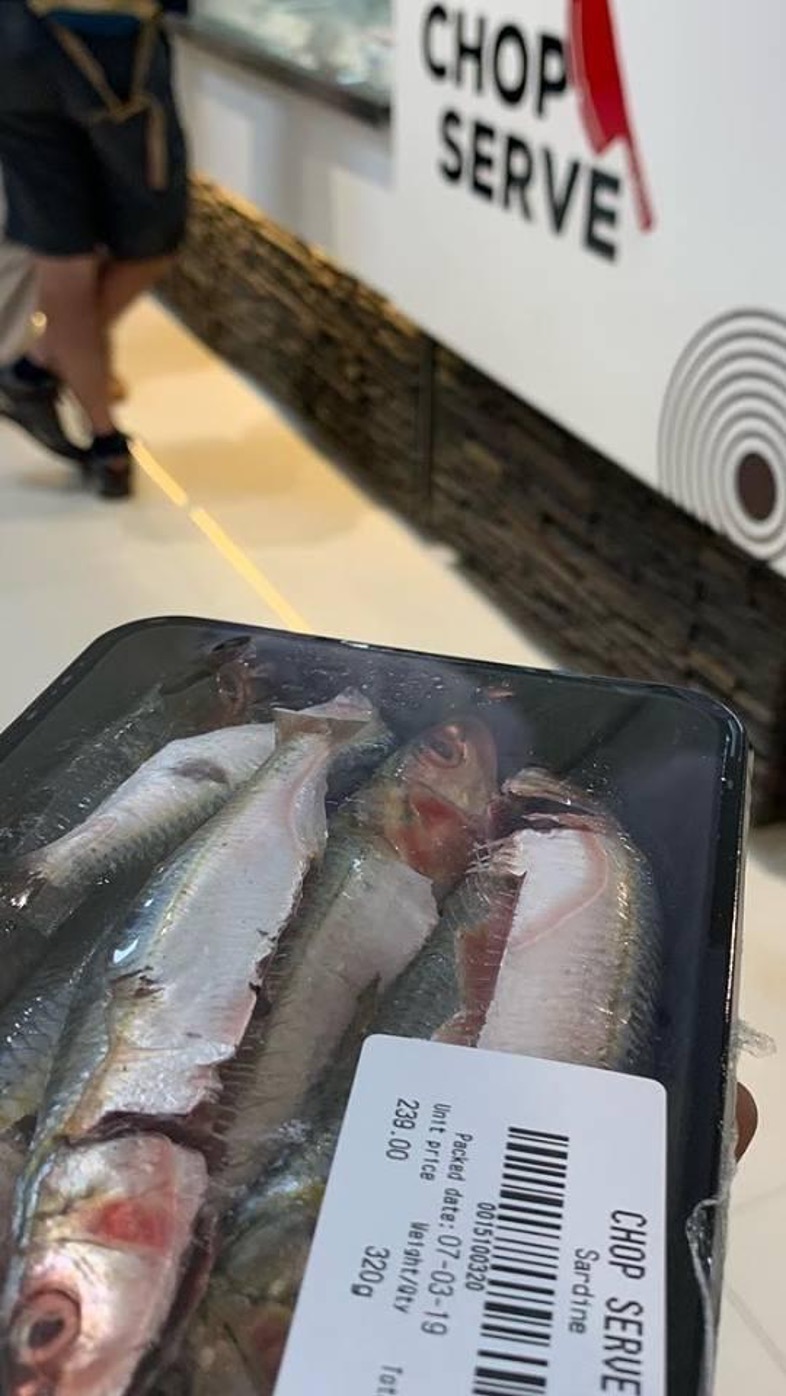
In 2018, three IIM-Lucknow batch mates embarked on an entrepreneurial journey that would reshape India’s fish and meat market. Karthik Regunathan, CEO of ChopServe, along with his co-founders, recognized a gap in the industry and set out to create a modern retail platform for fresh fish, seafood, mutton, and poultry products.

Identifying Market Gap:

The trio observed that while various industries had evolved, the fish and meat category in India remained largely untouched and fragmented. Traditional butcher shops and local fish markets lacked hygiene and product quality, and supermarkets offered limited selections. Online meat platforms faced challenges in providing fresh, customizable products.

Strategic Pivot:

ChopServe initially supplied fish and seafood to B2B customers but faced rejections. Adapting swiftly, the founders decided to reach end-customers directly. Recognizing the need for customization in the diverse culinary landscape of India, they embraced an omni-channel approach.

Omni-channel Revolution:

ChopServe’s journey began with a 1050 sq. ft. store in Bengaluru’s Koramangala, combining brick-and-mortar with robust online capabilities. The store featured live processing sections, enabling customers to customize orders on the spot. This fusion of technology and traditional retail marked the birth of a modern identity for ChopServe.

Expansion and Success:

With approximately 94 stores across South India and Dubai, ChopServe’s success lies in its commitment to positive cash flows and measured growth. The brand’s outlets in Chennai, Bengaluru, Hyderabad, and other cities have become go-to destinations for fresh and hygienic meat products.

International Ventures:

ChopServe’s foray into Dubai serves as a test run for further expansion into the Gulf Cooperation Council (GCC) market. While maintaining focus in South India, the company eyes opportunities in eastern, western, and northern regions of the country.

 Future Growth and Funding:

As ChopServe explores new horizons, plans for expansion and fundraising efforts are underway. The company, with its steady approach to profitability, aims to continue its trajectory of sustainable growth.

ChopServe’s transformative journey stands as a testament to entrepreneurial vision, adaptability, and a commitment to revolutionizing an industry that was long overdue for innovation.

11/10/2023 0 comment
0 FacebookTwitterPinterestEmail
Innovative Strides State Fisheries Cooperative Societies to Introduce Solar and Wave Powered Hybrid Fishing Boats
AquacultureNationalNews

Innovative Strides: State Fisheries Cooperative Societies to Introduce Solar and Wave-Powered Hybrid Fishing Boats

by Fishery News 11/10/2023
written by Fishery News

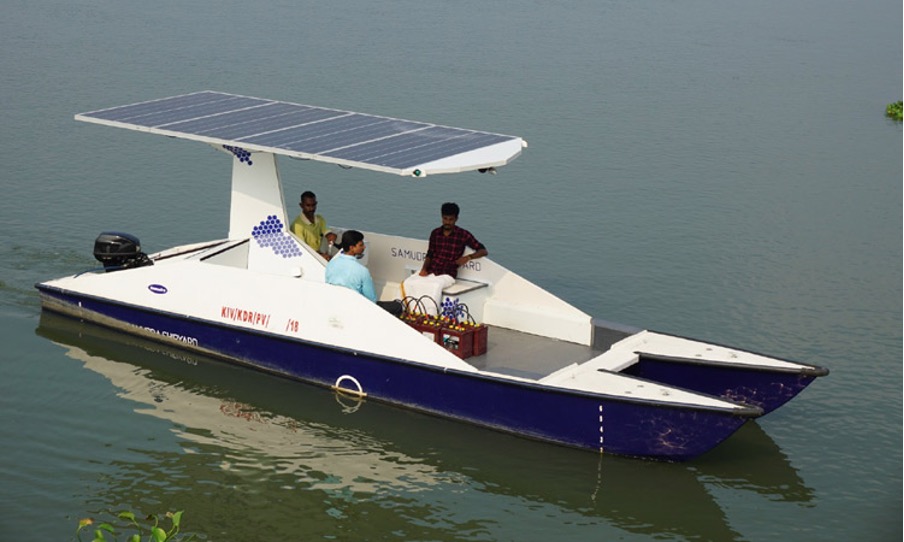
The State Fisheries Cooperative Societies Federation Limited of Telangana is gearing up to introduce hybrid fishing boats powered by both solar and wave energy across all reservoirs in the state.

Federation Chairman Pittala Ravinder recently engaged in discussions with experts from BITS Pilani, Hyderabad, seeking insights into the advantages of employing hybrid fishing boats. The federation is now poised to collaborate with the Central Institute of Fisheries Technology, Cochin, to spearhead the implementation of these environmentally conscious vessels in the state.

Ravinder expressed his intention to visit the institute soon, where he plans to confer with scientists and experts to gain a comprehensive understanding of the benefits associated with the utilization of hybrid boats. Motivated by a commitment to environmental sustainability, the federation has chosen to embrace hybrid-powered boats over conventional fossil fuel options.

Currently, fishermen grapple with challenges while using rafts for deep reservoir fishing, facing safety concerns and logistical issues in carrying catches and nets. Ravinder highlighted rafts, particularly during summer, expose fishermen to direct sunlight, making fishing operations arduous and hazardous.

With an eye on resolving these challenges and fostering a more eco-friendly approach, the federation is embracing the concept of hybrid boats. The move is not only expected to enhance the safety and efficiency of fishing operations but also reflects a conscientious effort to reduce the ecological footprint associated with traditional fishing practices.

As the state Fisheries Cooperative Societies Federation embraces this initiative, it marks a significant stride towards a more sustainable and technologically advanced future in the fishing industry.

11/10/2023 0 comment
0 FacebookTwitterPinterestEmail
Milestone Achievement as Fish Andhra Unit Inaugurated by Former Deputy Chief Minister Dharmana Krishnadas in Srikakulam
NationalNews

Milestone Achievement as Fish Andhra Unit Inaugurated by Former Deputy Chief Minister Dharmana Krishnadas in Srikakulam

by Fishery News 11/10/2023
written by Fishery News

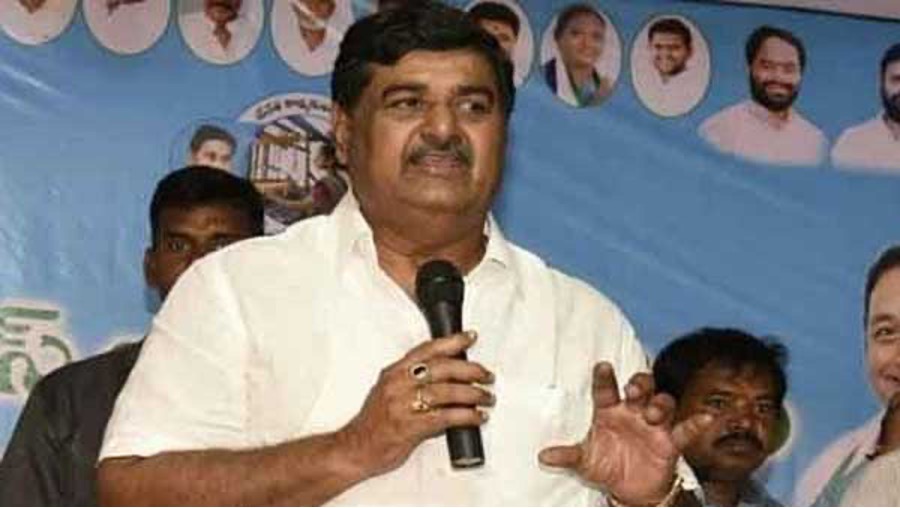
Former Deputy Chief Minister of Andhra Pradesh and Narasannapeta MLA Dharmana Krishnadas inaugurated the state’s maiden Fish Andhra unit at Challabandha Addu Road, under Polaki mandal in Srikakulam district.

Addressing a gathering of locals and fisheries department officials, Krishnadas lauded the initiative as a commendable start for fishermen, emphasizing the potential to deliver quality fish to consumers at reasonable prices. He credited Chief Minister Y.S. Jagan Mohan Reddy for conceptualizing the ‘Fish Andhra Fit Andhra’ program, aiming to make nutritious meals accessible to the public at affordable rates.

The inaugural unit, costing ₹20 lakhs, was entrusted to Pyla Raju, the wife of Thaviti Naidu. Stall owners, benefiting from a 60% subsidy, received a one-tonne capacity freezer along with the unit. The District Cooperative Central Bank (DCCB) played a pivotal role by providing the necessary financial support through a loan. The ceremony witnessed the presence of DCCB Chairman Karimi Rajeswara Rao, the Deputy Director of Fisheries, and other esteemed department officials.

Underlining the government’s commitment to inclusive development, Krishnadas highlighted that a 60% subsidy would be extended to Scheduled Caste (SC) and women beneficiaries, while beneficiaries from other communities would receive a 40% subsidy on each unit. Additionally, the government is providing incentives through the Pradhan Mantri Matsya Sampada Yojana.

The inauguration marks a crucial step towards realizing the vision of providing affordable and nutritious seafood, ensuring economic empowerment for fishermen and contributing to the overall well-being of the communities in Andhra Pradesh.

11/10/2023 0 comment
0 FacebookTwitterPinterestEmail
Newer Posts
Older Posts
  • Recent
  • Popular
  • ICAR-CIFT Patents Rapid DNA Biosensor for Black Tiger Shrimp Authentication

    07/08/2026
  • Minister Holds Review Meeting with Fisheries Cooperative Leaders

    07/08/2026
  • Dry Fish Demand Surges Following Formalin Ban

    07/08/2026
  • Rohu Breeding: A Complete Step-by-Step Guide to Successful Seed Production

    07/08/2026
  • 1

    ICAR Scientists Crack the Breeding Code of Rare Himalayan Fish Channa andrao, Opening New Opportunities for Ornamental Fish Farming

    28/07/2026
  • 2

    Trout Fish Stocking Initiative Enhances Fisheries and Tourism Potential in Shopian, Jammu and Kashmir

    17/12/2023
  • 3

    BIGGEST FISH MARKETS IN INDIA

    07/09/2024
  • 4

    Introducing Future Aquaculture Magazine: A New Voice Shaping the Future of Seafood

    13/02/2026

About Fishery News

FN Logo

Fishery.News is India’s leading digital media platform dedicated to fisheries, aquaculture, seafood, and marine industries. We deliver trusted news, expert insights, market intelligence, technology updates, research, government policies, and success stories that help fish farmers, shrimp farmers, seafood businesses, researchers, and industry professionals stay informed and grow sustainably

Categories

  • News
  • Aquaculture
  • Aquatic Health and Disease Management
  • Research and Innovation
  • Technology & Equipments

Social Networks

Facebook Twitter Instagram Linkedin Youtube
  • Facebook
  • Twitter
  • Instagram
  • Linkedin
  • Youtube

© 2026 Fishery.News – A BLIV Media Venture. All Rights Reserved.


Back To Top
Fishery News
  • E – Magazine
    • Aquaculture
    • Aqua Health & Disease Management
    • News
      • National
      • International
    • Farming
    • Research and Innovation
    • Sustainability
    • Technology & Equipments
    • This is Africa
    • Trade
  • Publications
  • Events
    • Expos
    • Trainings
    • Events by Month
  • Business Listings
    • List Your Business
    • Business Listings
    • Buy & Sell
    • Get Consultation
  • Employment
  • About Us
    • Founder
  • Contact