• E – Magazine
    • Aquaculture
    • Aqua Health & Disease Management
    • News
      • National
      • International
    • Farming
    • Research and Innovation
    • Sustainability
    • Technology & Equipments
    • This is Africa
    • Trade
  • Publications
  • Events
    • Expos
    • Trainings
    • Events by Month
  • Business Listings
    • List Your Business
    • Business Listings
    • Buy & Sell
    • Get Consultation
  • Employment
  • About Us
    • Founder
  • Contact
Fishery News
Home » News » Page 126
Category:

News

Parshottam Rupala Unveils Upgraded Marine Museum at Visakhapatnams Fishery Survey of India Base
NationalNews

Parshottam Rupala Unveils Upgraded Marine Museum at Visakhapatnam’s Fishery Survey of India Base

by Fishery News 26/09/2023
written by Fishery News

Parshottam Rupala, the Union Minister for Fisheries, Animal Husbandry, and Dairying, formally inaugurated the refurbished Marine Museum located at the Visakhapatnam Base of the Fishery Survey of India (FSI) on Monday. This renovated museum houses a collection of roughly 250 specimens, all meticulously displayed within a climate-controlled hall. An interesting development is that FSI has embarked on the task of assigning QR codes to each exhibit, with the entire project slated for completion in approximately one month.

During the inauguration ceremony, Mr. Parshottam, accompanied by Rajya Sabha Member G.V.L. Narasimha Rao, took a tour of the exhibits, showing great interest in the specimens on display. FSI’s Director General, R. Jeyabaskaran, provided insights into the significance of the various fish species showcased.

Following this, Minister Parshottam engaged with representatives from the aquaculture and poultry sectors, underscoring the government’s unwavering commitment to addressing industry challenges and stimulating fish production, consumption, and exports.

Pavan Kumar, President of the Seafood Exporters Association, expressed concerns about export-related hurdles faced by Andhra Pradesh, largely due to the absence of government incentives, which is impeding the state’s competitiveness in the global market. He advocated for the need to establish more Free Trade Agreements (FTAs) to counter practices like the dumping of seafood by countries such as Ecuador. Additionally, he put forth suggestions for shrimp-specific disease surveillance, the development of disease-resistant broodstock by research institutions, and the promotion of fish consumption through public awareness campaigns.

Minister Parshottam proposed that industry stakeholders could effectively promote the health benefits of fish consumption through targeted campaigns, drawing parallels to the successful promotion of dairy products by ‘Amul.’

Srinath, a representative of the AP Chambers, requested the establishment of the National Fisheries Development Board in Andhra Pradesh, as it had relocated to Telangana following the state’s bifurcation. The Minister assured that the proposal would be given due consideration once it was officially submitted by the State government.

26/09/2023 0 comment
0 FacebookTwitterPinterestEmail
Fish Mint The Herb with Health Benefits Hidden in Its Unique Flavour
NationalNewsResearch and Innovation

Fish Mint: The Herb with Health Benefits Hidden in Its Unique Flavour

by Fishery News 25/09/2023
written by Fishery News

Fish mint, also known as Houttuynia cordata, may not resemble its name in appearance with its beautiful white flowers and heart-shaped leaves, but it certainly lives up to its distinct fish-like smell and taste. Originating from Southeast Asia, this herb grows well in moist soils and is resistant to flooding.

Fish mint comes in two primary flavors. The Chinese variety has a strong coriander-like aroma and is known for its roots, used as a vegetable. Meanwhile, the Japanese variety offers a lemon- or ginger-like aroma, with its leaves being favored for salads and fish recipes. While its strong scent and fish-like taste may not make it as popular as mint or coriander, fish mint finds its place in the cuisines of northeastern Indian states.

In traditional Chinese, Japanese, Ayurvedic, and Siddha medicine, fish mint’s medicinal properties have been recognized for centuries. It is used to treat asthma, thanks to its anti-allergic and anti-inflammatory properties. Modern research has validated these benefits, suggesting that fish mint may offer relief for asthma symptoms.

Furthermore, recent studies highlight its potential in alleviating symptoms of jaundice, pneumonia, and stomach infections. Fish mint’s underground stem and roots contain essential medicinal components with anti-inflammatory, antibacterial, and antiviral effects.

Research from Taiwan also shows that fish mint may help suppress the impact of fever on various organs, particularly the upper respiratory tract. In Japan, a decoction of dried fish mint leaves is consumed as herbal tea to control dental biofilms, preventing dental caries, periodontal disease, and oral candidiasis.

Fish mint has demonstrated antimicrobial effects against methicillin-resistant Staphylococcus aureus (MRSA) and other oral microorganisms, making it a potential solution for infectious oral diseases.

Additionally, the herb shows promise in managing COVID-19 symptoms, such as pneumonia and acute respiratory distress syndrome. It is suggested as a potential nutraceutical agent for therapy against various viruses, including SARS-CoV-2, HIV, herpes simplex, and influenza.

Fish mint offers a range of health benefits, from weight management to skincare. Its leaves are even used in cosmetics for acne-prone irritated skin. Including fish mint in your diet could provide numerous advantages for your health and well-being.

25/09/2023 0 comment
0 FacebookTwitterPinterestEmail
Promising Advances in Oral Vaccines for Fish Farming Potential Solutions to Improve Effectiveness
Aquatic Health and Disease ManagementNationalNewsResearch and Innovation

Promising Advances in Oral Vaccines for Fish Farming: Potential Solutions to Improve Effectiveness

by Fishery News 25/09/2023
written by Fishery News

Oral vaccines hold significant promise for fish farmers due to their ease of administration, especially for small fish that are challenging to vaccinate via injection. However, their effectiveness has been limited, primarily due to the hostile environment of fish stomachs, which can degrade the vaccine components before they take effect.

A recent analysis by scientists in India suggests that innovative stomach-resistant designs for oral vaccines could address this challenge. One approach involves encapsulating oral vaccines to protect them from gastric acids and digestive enzymes. This protective layer aims to ensure that the vaccines reach the hindgut, where immune cells can respond to the antigens and provide protection against target pathogens.

Traditionally, oral vaccines are mixed into fish feed, offering cost and labor savings, as well as stress-free vaccination for fish. However, the protective coating is crucial for overcoming the stomach’s destructive effects.

Among the promising encapsulation options are nanomaterial-based coatings, including chitosan, a biodegradable polymer derived from natural sources like crustacean shells. Early studies have shown stability in stomach acid and release in the intestine for such coatings.

Another approach involves delivering vaccines through live feed, such as artemia, daphnia, and rotifers. These “bioencapsulated” vaccines are not only stomach-resistant but also suitable for fish larvae, which are too small for injection. They have demonstrated effectiveness in reducing bacterial and viral infections in fish larvae.

Looking ahead, researchers are exploring various coating options, including algae-based biopolymers and liposomes, as well as engineered microorganisms like yeast for vaccine delivery.

The future of oral vaccines in aquaculture holds promise, potentially enabling mass vaccination through live feeds. This approach could offer cost savings compared to injection and immersion immunization methods while improving efficacy. To enhance the effectiveness of oral vaccines, further research is needed to optimize dosage, antigen nature, formulations, immune response processes, and the ideal age for vaccinating different fish species.

25/09/2023 0 comment
0 FacebookTwitterPinterestEmail
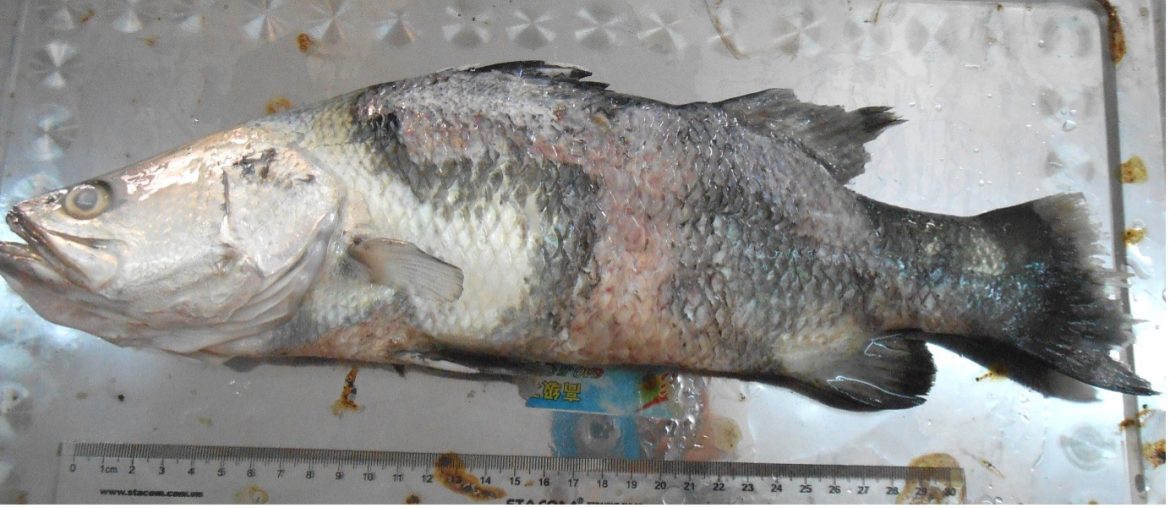
DNA Sampling from Aquaculture Environment Aids Early Detection of Scale Drop Disease in Barramundi
Aquatic Health and Disease ManagementNationalNews

DNA Sampling from Aquaculture Environment Aids Early Detection of Scale Drop Disease in Barramundi

by Fishery News 25/09/2023
written by Fishery News

Scientists at the National University of Singapore have made strides in early diagnosis and management of scale drop disease, a viral condition that poses a significant threat to farmed barramundi in Asia. While the disease was first observed in the 1990s, the causative pathogen was only identified in 2015, and it can lead to mortality rates of up to 50% in barramundi production facilities in Asia.

To address this challenge, researchers utilized two distinct testing methods on water samples collected randomly from flow-through tank systems previously reported to have barramundi infected with the scale drop disease virus (SDDV).

Their findings, published in the journal Aquaculture, revealed that digital droplet PCR tests outperformed quantitative PCR tests in detecting SDDV in environmental samples. The digital droplet PCR tests displayed greater sensitivity, enabling the detection of lower virus levels.

The implications of this research are significant, as it can aid farms and research facilities in developing improved biosecurity management strategies to control and prevent scale drop disease outbreaks in aquaculture.

The study also uncovered a correlation between high rainfall during the monsoon season and reduced water salinity entering the tanks, resulting in a notably higher presence of the virus. This highlights the influence of seasonal conditions on virus prevalence.

Additionally, the research provided evidence supporting the notion that SDDV can be horizontally transmitted from asymptomatic fish to their tankmates. Higher virus levels were detected on fin clips from juvenile fish in areas with an increased virus presence.

While these findings offer valuable insights, the researchers acknowledge the need for further studies to fully comprehend the dynamics of SDDV throughout the year and its relationship with the water microbiome and other water-quality parameters, particularly in commercial aquaculture farms.

25/09/2023 0 comment
0 FacebookTwitterPinterestEmail
Genetic Breakthrough Researchers Identify Key Genes to Help Fish Thrive in Changing Water Conditions
AquacultureNationalNews

Genetic Breakthrough: Researchers Identify Key Genes to Help Fish Thrive in Changing Water Conditions

by Fishery News 25/09/2023
written by Fishery News

Researchers in Tokyo have identified candidate genes that could enhance fish’s ability to thrive in warmer and saltier water. These findings have the potential to be a valuable resource for freshwater aquaculture breeding programs, especially in a world grappling with the effects of global warming on water quality and availability. The study’s results were recently published in the journal ‘Genomics.’

Freshwater aquaculture is a crucial source of essential nutrients and protein, and one popular species for such farming is Nile tilapia (Oreochromis niloticus). These fish have gained popularity due to their adaptability to various water conditions and production systems.

However, rising global temperatures have led to dwindling freshwater resources, putting pressure on fish farms and the people who depend on them for sustenance. The urgent need is for fish strains that can thrive despite increased salinity and water temperature.

To address this challenge, a team of researchers from the Earlham Institute, the University of East Anglia, and the University of Stirling delved into the tilapia genome. They aimed to identify genetic changes responsible for the species’ increased tolerance to changing water conditions.

The research focused on the gills, a vital organ for osmoregulation in fish, and involved the generation of DNA and RNA sequence data to study gene activity, regulation, and function. The team specifically looked for genetic differences in gene regulatory regions between Nile tilapia and 27 other tilapia species, assuming that these differences could be linked to the fish’s adaptation to varying water environments.

The researchers employed a genome sequencing approach to uncover potential transcription factor binding sites and genetic switches responsible for controlling gene expression. They pinpointed regions of the genome believed to control the activity of osmoregulatory genes, which influence gill function and how the fish responds to changing water conditions.

Several genes relevant to traits that enable tilapia to tolerate saltier water and adapt to freshwater were identified. These genes included those involved in metabolism and essential processes that help the fish maintain balance in response to environmental changes.

Dr. Tarang Mehta, a study author and postdoctoral research scientist at the Earlham Institute, emphasized the importance of these findings for breeders in need of genomic resources to enhance selective breeding programs and develop more resilient fish strains.

25/09/2023 0 comment
0 FacebookTwitterPinterestEmail
South Australian Seaweed Extracts Show Promise in Boosting Skin Health and Fighting Aging
InternationalNews

South Australian Seaweed Extracts Show Promise in Boosting Skin Health and Fighting Aging

by Fishery News 25/09/2023
written by Fishery News

A recent study conducted by a research group at Flinders University in South Australia has revealed the potential anti-aging qualities of extracts from indigenous South Australian seaweeds. South Australia boasts a remarkably high diversity of seaweed species, with around 1500 described, of which approximately 62 percent are unique to the region.

The research focused on extracts from three specific South Australian brown seaweeds: Ecklonia Radiata, Cystophora moniliformis, and Cystophora Siliquosa. The study found that these extracts had a positive impact on skin health, particularly in relation to collagen levels and the protection of collagen and elastin, two vital proteins that contribute to skin structure.

Collagen serves as a foundational component for bones, teeth, muscles, skin, joints, and connective tissue, while elastin is responsible for providing skin with its elasticity and strength. Both these proteins are often promoted by the beauty industry as essential for maintaining youthful and healthy skin.

Professor Wei Zhang, a member of the research team, highlighted the significance of the findings. The study demonstrated that extracts from South Australia’s brown seaweeds not only stimulated collagen growth but also inhibited glycation, a process known to lead to the deterioration of collagen and elastin.

Glycation is a crucial target for anti-aging strategies, and previous anti-glycation agents have had limited success in making a substantial impact on skin aging. Professor Zhang expressed excitement about the discovery, stating that it opens the door to the development of more potent anti-glycation extracts derived from brown seaweed.

The researchers believe that their findings will contribute to bridging knowledge gaps and facilitating the sustainable development of brown seaweed-based skincare products, both in topical and supplement forms. A patent related to this discovery has been filed, and the research team is actively seeking investors and industry partners for potential collaborations to further commercialize this breakthrough.

Source: The Fish Site

25/09/2023 0 comment
0 FacebookTwitterPinterestEmail
MPEDA Recommends Expansion of Tilapia Fungus Cultivation and Scampi Shrimp Farming in Telangana for Export
NationalNews

MPEDA Recommends Expansion of Tilapia, Fungus Cultivation, and Scampi Shrimp Farming in Telangana for Export

by Fishery News 25/09/2023
written by Fishery News

In a bid to boost the fishing sector in Telangana, the Marine Products Exports Development Authority (MPEDA) has advised focusing on the commercial cultivation of Tilapia and fungus species, in addition to scampi shrimps, in the state’s reservoirs. The aim is to prepare treated fish for export to other countries.

MPEDA officials have lauded the efforts of Industries Minister KT Rama Rao in attracting investments from fishing companies and encouraging them to establish a plant near Mid Manair in Rajanna Sircilla, which they consider a significant milestone in the development of the state’s fishing industry.

These recommendations were put forth during a study tour by Pittla Ravinder, Chairman of the State Fisheries Cooperative Societies Federation Limited, to Kerala. The delegation also included officials from the Society for Assistance to Fisherwomen (SAF), the National Institute of Food and Agriculture, and the Central Institute of Fisheries Technology in Kochi.

During the tour, Chairman Ravinder explored the possibility of introducing hybrid fishing boats powered by solar and wave energy in all of Telangana’s reservoirs, aiming to enhance the convenience of local fishermen.

Scientists and technicians from the Central Institute of Fisheries Technology (CIFT) pledged their full support for the development of Telangana’s fisheries sector. They offered scientific and technological cooperation to assist in the production of high-quality fish food items that have international popularity. Additionally, they expressed their willingness to provide technical support for the utilization of solar energy in cleaning and processing small fish, which are abundant in Telangana.

The CIFT technical department also committed to supporting the activities carried out by the Telangana Fisheries Federation in fish processing and value addition processes.

25/09/2023 0 comment
0 FacebookTwitterPinterestEmail
Ancient Fossil Fish Sheds New Light on Evolution of Brain Protection in Vertebrates
AquacultureInternationalNews

Ancient Fossil Fish Sheds New Light on Evolution of Brain Protection in Vertebrates

by Fishery News 25/09/2023
written by Fishery News

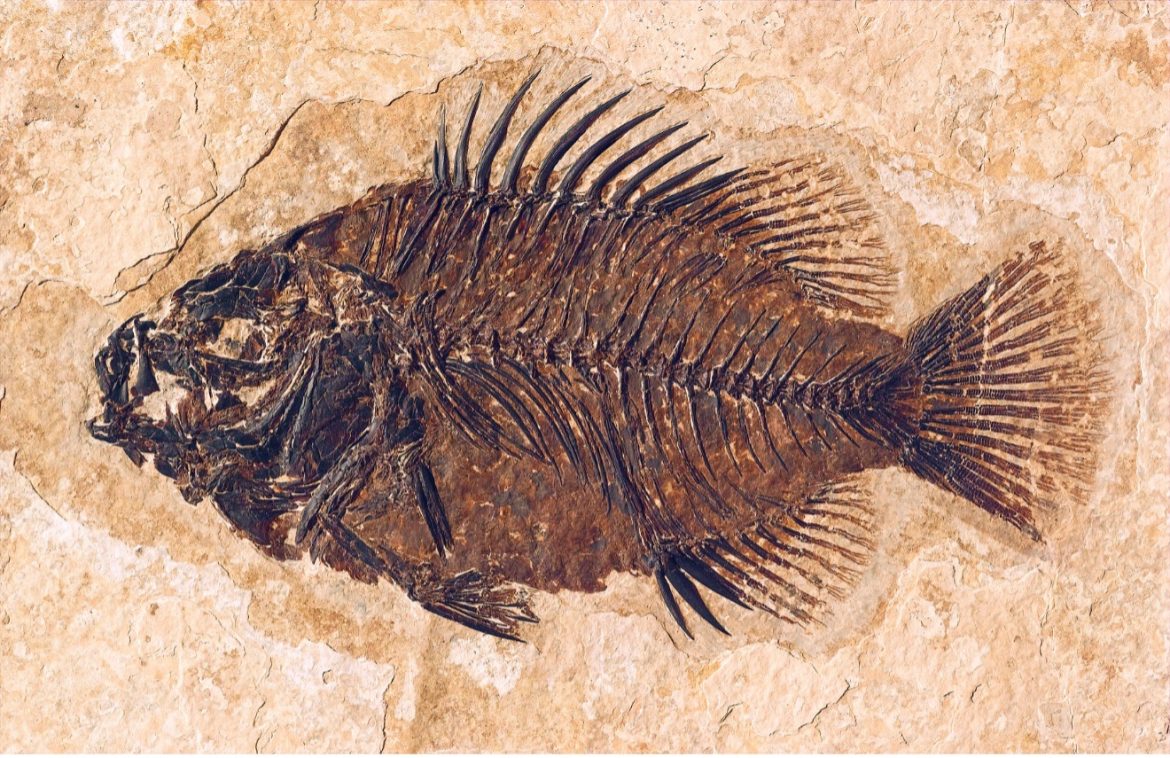
In a groundbreaking discovery, a 455-million-year-old fossil fish has provided valuable insights into the evolution of brain protection mechanisms in vertebrates. The findings, detailed in a paper published in the journal Nature Today on Wednesday, September 20th, were the result of collaborative research conducted by scientists from the University of Birmingham, the Naturalis Biodiversity Centre in Leiden, Netherlands, and the Natural History Museum.

The research, generously funded by the Leverhulme Trust, focused on the fossilized remains of Eriptychius americanus, an ancient jawless fish discovered in ancient deposits located in Colorado, USA. What sets this fossil apart is its uniquely preserved skull, which differs significantly from any previously documented specimens. This discovery has filled a 100-million-year gap in the evolutionary history of vertebrate skulls.

Using advanced computed tomography, a sophisticated x-ray technique, scientists were able to create a highly detailed 3D representation of Eriptychius’s skull. This groundbreaking reconstruction marks the first time such a comprehensive analysis has been conducted on this specimen, which was originally collected in the 1940s, described in the 1960s, and is now housed in the Field Museum of Natural History in Chicago.

What sets Eriptychius apart is the presence of separated, independent cartilages that encase the brain, in contrast to the solid bone or cartilage structures found in later jawless and jawed fish species. While subsequent species developed a fully enclosed cartilage cage to protect the brain, this discovery suggests that the early stages of brain protection mechanisms may have begun with Eriptychius.

Dr. Ivan Sansom, Senior Lecturer in Palaeobiology at the University of Birmingham and senior author of the study, expressed his excitement about these findings, emphasizing their potential to unveil the early evolutionary history of how primitive vertebrates safeguarded their brains. He also underscored the importance of museum collections and the application of cutting-edge techniques in paleontological research.

Dr. Richard Dearden, Postdoctoral Research Fellow in Palaeobiology at the Naturalis Biodiversity Center and lead author of the paper, highlighted the significance of this discovery, despite Eriptychius not being the most visually striking fossil. He noted that modern imaging techniques revealed the unique preservation of the oldest three-dimensionally preserved vertebrate head in the fossil record, addressing a substantial gap in our understanding of skull evolution across all vertebrates, including humans.

Source: Nature Today


25/09/2023 0 comment
0 FacebookTwitterPinterestEmail
Fish Curry Considered for School Midday Meals in Karnataka and Telangana Amid Nutritional and Economic Benefits Discussion
NationalNews

Fish Curry Considered for School Midday Meals in Karnataka and Telangana

by Fishery News 25/09/2023
written by Fishery News

Governments of Telangana and Karnataka are contemplating the inclusion of fish curry in their respective Midday Meal Schemes (MMS), sparking discussions about the nutritional and economic advantages of this potential addition.

The Karnataka government has recently expanded the distribution of eggs to twice a week in the MMS. Meanwhile, the Telangana government is deliberating a proposal put forth by the Telangana State Fishermen Cooperative Federation. Experts have emphasized the potential benefits of introducing fish as a protein source for schoolchildren, aligning their diets with locally available food resources.

According to Development Educationist Dr. VP Niranjanaradhya, the inclusion of protein in children’s diets is essential as per the Food Security Act. An absence of protein can lead to an imbalance in their nutrition, primarily comprising carbohydrates and fats. Dr. Niranjanaradhya believes that children should have the option to choose their food and should be sensitized from an early age about dietary choices. In coastal regions like Mangaluru and Udupi, fish is a staple part of daily meals, and its inclusion can be cost-effective while benefiting local fishermen.

Dr. Sylvia Karpagam, a public health doctor and researcher, echoes this sentiment, emphasizing that promoting local fish consumption can boost the local economy and support sustainability. Introducing fish in school meals, particularly in coastal areas and regions where dry fish is a dietary staple, could yield positive outcomes. However, Dr. Karpagam notes that Karnataka faced challenges when attempting to incorporate eggs into midday meals, and there was hesitation with similar initiatives like the Indira Canteens due to criticism.

Rishikesh Kashyap, Managing Director of the National Federation of Fishers Cooperatives, highlighted that the Telangana proposal includes various plans to promote the state’s fishing industry, such as introducing fish curry in midday meals. Similar proposals are under consideration in states like Bihar and Uttar Pradesh. Although the Karnataka government has not taken this step yet, a potential collaboration with local fishermen could facilitate the implementation of such a program, supporting the growth of the fishing industry in the state.

Source: Indian Express

25/09/2023 0 comment
0 FacebookTwitterPinterestEmail
Parshottam Rupala Announces 239 Fisheries Projects Worth Rs 103 Crores Under PMMSY for Multiple States
InternationalNews

Parshottam Rupala Announces 239 Fisheries Projects Worth Rs 103 Crores Under PMMSY for Multiple States

by Fishery News 19/09/2023
written by Fishery News

Union Minister Purushottam Rupala, overseeing fisheries, animal husbandry, and dairy, has announced the approval of 239 new fisheries projects worth over Rs 103 crores under the Pradhan Mantri Matsya Sampada Yojana (PMMSY). These projects will be implemented in states including Madhya Pradesh, encompassing diverse areas such as prawn farming, pearl farming, cage culture, and cold storage facilities. Notably, Madhya Pradesh has witnessed a remarkable threefold increase in fish production over the past three years.

Furthermore, the Central government has given the green light for the construction of an Aqua Park in Bhopal, with an estimated cost of Rs 25 crores. This aquatic park will feature a research center, processing facility, water tourism attractions, and exotic fish farming initiatives.

Union Minister Rupala emphasized the importance of promoting shrimp farming to sustain India’s global standing in this sector. Under the leadership of Prime Minister Narendra Modi, amendments to the Coastal Aquaculture Act have been approved to facilitate the growth of this industry.

These announcements were made during a program celebrating the completion of three years of the Pradhan Mantri Matsya-Sampada Yojana’s implementation across the country. The event, held at the Brilliant Convention Center, was inaugurated by Union Minister Rupala and attended by several dignitaries, including Madhya Pradesh’s Water Resources and Fishermen Welfare Minister Tulsiram Silawat, Union Minister of State for Fisheries Dr. Sanjeev Kumar Balyan, Union Minister Dr. L Murugan, Chairman of Madhya Pradesh Fisheries Welfare Board Sitaram Batham, Arunachal Pradesh’s Agriculture, Horticulture, Animal Husbandry, and Fisheries Minister Tage Taki, and Member of Parliament Shankar Lalwani.

19/09/2023 0 comment
0 FacebookTwitterPinterestEmail
Newer Posts
Older Posts
  • Recent
  • Popular
  • ICAR-CIFT Patents Rapid DNA Biosensor for Black Tiger Shrimp Authentication

    07/08/2026
  • Minister Holds Review Meeting with Fisheries Cooperative Leaders

    07/08/2026
  • Dry Fish Demand Surges Following Formalin Ban

    07/08/2026
  • Rohu Breeding: A Complete Step-by-Step Guide to Successful Seed Production

    07/08/2026
  • 1

    Trout Fish Stocking Initiative Enhances Fisheries and Tourism Potential in Shopian, Jammu and Kashmir

    17/12/2023
  • 2

    BIGGEST FISH MARKETS IN INDIA

    07/09/2024
  • 3

    Brazil’s Appetite for Vietnamese Tilapia Is Reshaping the Global Whitefish Trade

    28/07/2026
  • 4

    Introducing Future Aquaculture Magazine: A New Voice Shaping the Future of Seafood

    13/02/2026

About Fishery News

FN Logo

Fishery.News is India’s leading digital media platform dedicated to fisheries, aquaculture, seafood, and marine industries. We deliver trusted news, expert insights, market intelligence, technology updates, research, government policies, and success stories that help fish farmers, shrimp farmers, seafood businesses, researchers, and industry professionals stay informed and grow sustainably

Categories

  • News
  • Aquaculture
  • Aquatic Health and Disease Management
  • Research and Innovation
  • Technology & Equipments

Social Networks

Facebook Twitter Instagram Linkedin Youtube
  • Facebook
  • Twitter
  • Instagram
  • Linkedin
  • Youtube

© 2026 Fishery.News – A BLIV Media Venture. All Rights Reserved.


Back To Top
Fishery News
  • E – Magazine
    • Aquaculture
    • Aqua Health & Disease Management
    • News
      • National
      • International
    • Farming
    • Research and Innovation
    • Sustainability
    • Technology & Equipments
    • This is Africa
    • Trade
  • Publications
  • Events
    • Expos
    • Trainings
    • Events by Month
  • Business Listings
    • List Your Business
    • Business Listings
    • Buy & Sell
    • Get Consultation
  • Employment
  • About Us
    • Founder
  • Contact