• E – Magazine
    • Aquaculture
    • Aqua Health & Disease Management
    • News
      • National
      • International
    • Farming
    • Research and Innovation
    • Sustainability
    • Technology & Equipments
    • This is Africa
    • Trade
  • Publications
  • Events
    • Expos
    • Trainings
    • Events by Month
  • Business Listings
    • List Your Business
    • Business Listings
    • Buy & Sell
    • Get Consultation
  • Employment
  • About Us
    • Founder
  • Contact
Fishery News
Home » News » Page 127
Category:

News

India Urges EU to Allow Shrimp Exports from Newly Listed Fishery Firms and Reduce Inspection Sampling Frequency
InternationalNationalNewsTrade

India Urges EU to Allow Shrimp Exports from Newly-Listed Fishery Firms and Reduce Inspection Sampling Frequency

by Fishery News 19/09/2023
written by Fishery News

India has formally requested the European Union (EU) to permit newly-listed fishery companies to export farmed shrimps to the EU market and to lower the current stringent sampling frequency for inspections at border posts, according to the Ministry of Fisheries, Animal Husbandry, and Dairying.

India is advocating for a reduction in the sampling frequency from the current 50% to revert to the previous norm of 10%. Additionally, India is seeking the re-listing of previously de-listed fishery establishments and urging the EU to grant export permission for aquaculture shrimps produced by newly-listed fishery companies in India.

Parshottam Rupala, the Union Minister of Fisheries, Animal Husbandry, and Dairying, articulated these vital concerns during a meeting with a delegation from the EU led by Virginijus Sinkevičius, the European Commissioner for Environment, Ocean, and Fisheries.

The bilateral meeting aimed to address several issues related to fisheries and aquaculture while exploring opportunities for collaboration between the two parties.

In response to the EU’s request, both sides have agreed to engage in bilateral discussions on crucial matters, including the port state measure agreement, fisheries subsidies issues within the World Trade Organization (WTO), Indian Ocean Tuna Commission (IOTC) affairs, ‘Ocean and Fisheries Dialogue,’ combatting illegal, unreported, and unregulated (IUU) fishing, and addressing market access-related concerns. These discussions will take place within the framework of a joint working group dedicated to fisheries.

As an extension of India’s diplomatic outreach, the EU has also received an invitation to participate in any aspect of the Indo-Pacific Oceans Initiative (IPOI). This invitation was originally extended during the India-EU Leaders’ Summit in May 2021, underscoring India’s commitment to fostering cooperation in the vital domain of maritime affairs.

19/09/2023 0 comment
0 FacebookTwitterPinterestEmail
Destructive Blast Fishing Menaces Sri Lankas Eastern Seas Jeopardizing Marine Life and Tourism
InternationalNews

Destructive Blast Fishing Menaces Sri Lanka’s Eastern Seas, Jeopardizing Marine Life and Tourism

by Fishery News 19/09/2023
written by Fishery News

Blast fishing, an illegal and destructive practice, has plagued Sri Lanka for years, causing severe harm to marine ecosystems, human lives, and the vital tourism industry. This perilous method involves the use of explosives to indiscriminately kill fish, posing grave threats to both the underwater world and the well-being of the fishermen involved.

Rampant along the eastern coast, particularly in the Trincomalee region, blast fishing has escalated into a significant crisis demanding immediate attention and intervention, warns Rathna Gamage, Convenor of the All Island General Fisheries Federation. The consequences are dire: the marine life in the affected areas is devastated, coral reefs are damaged, and the seabed bears scars. The chemicals from the explosives further pollute the waters and render the captured fish unsafe for consumption.

Gamage emphasizes that the motivation behind blast fishing is the desire to amass a large catch in a short span. However, law-abiding fishermen, who hold a deep regard for the seas and marine life, have persistently urged the government to curb this harmful practice. Despite their appeals to various authorities, including the Eastern Province Governor, divisional secretaries, the Navy, and the Police, blast fishing continues unabated.

Herman Kumara, National Coordinator of the National Fisheries Solidarity Organisation (NAFSO), echoes Gamage’s concerns, highlighting that blast fishing inflicts irreversible damage to coral reefs and small fish populations. This poses a grave threat to the coastal ecology, jeopardizing its long-term sustainability. Notably, fishing grounds are destroyed, making the restoration of fish populations extremely challenging. Moreover, mature fish are indiscriminately killed, impairing the ability for fish to reproduce.

Kumara further points out that the explosion of dynamite in the water frightens fish that survive, causing them to vacate the area for extended periods, impacting small-scale fishermen and others who rely on these waters. Importantly, this perilous practice not only endangers fish resources but also the lives of the fishermen deploying dynamite and explosives, given the constant risk of accidents.

Beyond its environmental and human toll, blast fishing also bears economic consequences, affecting the nation’s tourism industry. Tourists visit Sri Lanka to relish its sun, year-round summer climate, and captivating coral reefs, often engaging in activities like snorkelling and scuba diving. However, when blast fishing depletes fish populations and damages marine ecosystems, it threatens the appeal of these activities, potentially deterring tourists and impacting the tourism sector.


Addressing blast fishing is not just an environmental imperative but also essential for safeguarding livelihoods, marine biodiversity, and Sri Lanka’s vital tourism industry.

19/09/2023 0 comment
0 FacebookTwitterPinterestEmail
Threat of Viruses Looms Over Keralas Ornamental Fish Industry Warns ICAR NBFGRs PAGR Centre
Aquatic Health and Disease ManagementNationalNews

Threat of Viruses Looms Over Kerala’s Ornamental Fish Industry, Warns ICAR-NBFGR’s PAGR Centre

by Fishery News 19/09/2023
written by Fishery News

The Centre for Peninsular and Marine Fish Genetic Resources (PAGR), a division of ICAR-National Bureau of Fish Genetic Resources (NBFGR) based in Kochi, has identified three concerning viruses – Infectious spleen and kidney necrosis virus (ISKNV), Cyprinid herpesvirus-2 (CyHV-2), and Carp edema virus (CEV) – posing a potential threat to Kerala’s thriving ornamental fish industry. These viruses are not typically found in Kerala, but without containment measures, they could jeopardize the industry’s health.

Director of PAGR, U.K. Sarkar, disclosed that the center is actively engaged in disease surveillance within ornamental fish farms across the state. This effort is part of the nationwide initiative known as the National Surveillance for Aquatic Animal Diseases (NSPAAD), which receives support under the Pradhan Mantri Matsya Sampada Yojana (PMMSY).

Sources indicate that these viruses have the potential to cause severe diseases in various ornamental fish species, including koi, goldfish, and cichlid, often leading to widespread fatalities. Such outbreaks can result in significant economic losses for ornamental fish farmers and traders operating in Kerala. Additionally, these diseases pose a considerable risk to the international trade of ornamental fish, impacting the industry’s reputation and sustainability.

In response to this emerging threat, the PAGR center is collaborating closely with local fish farmers, traders, and regulatory authorities to devise effective strategies for disease prevention and management. The aim is to safeguard the continued growth and prosperity of Kerala’s ornamental fish industry, which contributes significantly to the region’s economy.

19/09/2023 0 comment
0 FacebookTwitterPinterestEmail
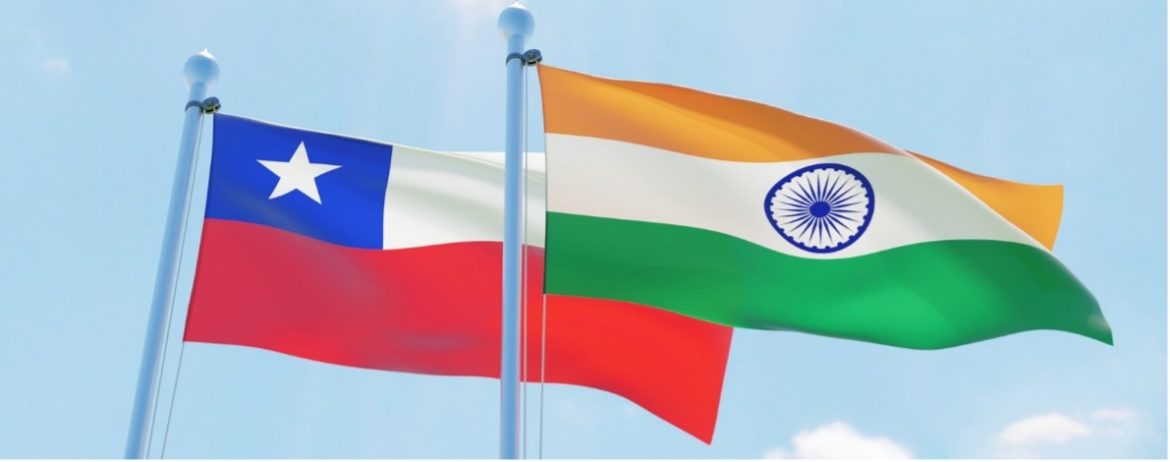
Chilean Salmon Farmers Eye Major Export Market in India
InternationalNewsTrade

Chilean Salmon Farmers Eye Major Export Market in India

by Fishery News 19/09/2023
written by Fishery News

Chilean salmon farmers are poised to tap into India, the world’s most populous nation, following a recent agreement between the two countries. Chile’s state aquaculture agency, Sernapesca, and India’s Food Safety and Standards Authority (FSSAI) have finalized conditions for the official certification of frozen and refrigerated salmonid products and crustaceans sent to India. These products will be processed in establishments already registered for the Indian market.

Loreto Seguel, executive director of the Salmon Council, representing key Chilean salmon producers like AquaChile, Cermaq, Australis, Mowi, and Salmones Aysén, emphasized the collaborative efforts of various government and commercial entities in achieving this certification. Seguel noted that this milestone opens up exciting prospects for the Chilean salmon industry by expanding its reach to a market with substantial growth potential.

India, with a population of 1.49 billion and a rapidly growing middle class of around 264 million, offers a promising market for Chilean salmon exports. Trade between Chile and India in 2022 amounted to $2.77 billion. Advances in the Chile-India trade agreement have resulted in significant tariff benefits for Chilean salmon, including an effective 15% reduction in import duties.

The opening of the Indian market and the reduction in import taxes will make Chilean salmon more competitive compared to salmon from other countries facing higher tariffs. Chile, the world’s second-largest producer of Atlantic salmon after Norway, is set to leverage this opportunity in a country that remains neutral in the ongoing Russia-Ukraine conflict.

19/09/2023 0 comment
0 FacebookTwitterPinterestEmail
Breakthrough in Indian Pompano Cultivation in Karnatakas Coastal Waters
FarmingNationalNews

Breakthrough in Indian Pompano Cultivation in Karnataka’s Coastal Waters

by Fishery News 19/09/2023
written by Fishery News

Scientists at the Mangalore Regional Centre of ICAR-Central Marine Fisheries Research Institute have achieved a significant milestone by successfully cultivating Indian Pompano (Trachinotus mookalee) for the first time in Karnataka. This accomplishment follows a decade-long journey that began with the introduction of cage culture in the state’s coastal waters in 2009-10.

The innovative cage culture technique, which has gained popularity, now boasts around 800-900 cages installed in estuarine waters along the Karnataka coast. The success of this method attracted financial support from the Department of Fisheries, Karnataka, National Fisheries Development Board (NFDB), and other organizations, benefiting over 500 families engaged in the sector.

While seabass, red snapper, and snubnose pompano were successfully reared in these cages over the years, the cultivation of Indian Pompano marks a significant achievement. The inaugural farming project took place in Udupi district’s Swarna estuary, Paduthonse village, under the Scheduled Caste Sub Plan program (SCSP), focusing on inclusive growth and livelihood opportunities for marginalized communities.

Beneficiaries of the SCSP program received comprehensive training on various aspects of cage culture, and Indian Pompano seeds were procured from the marine finfish hatchery of the Vishakhapatnam Regional Centre of ICAR-CMFRI. In November 2022, 4,000 seeds were stocked in two fabricated cages, and after a five-month grow-out period, the Indian Pompano was successfully harvested in batches between June 2 and June 26. The impressive results included an average growth of 400-450 grams, a total harvest of 1,300 kg of pompano, and an exceptional survival rate of 90%.

The beneficiaries sold the harvested fish locally, fetching prices ranging from Rs 450 to Rs. 490 per kg. This successful cultivation not only demonstrates the rapid growth rate and favorable market demand for Indian Pompano but also its ability to reach the preferred table size within a short period of 5-6 months. The research program was led by Dr. A P Dineshbabu and his team of scientists, highlighting the potential for innovative aquaculture practices in the region.

19/09/2023 0 comment
0 FacebookTwitterPinterestEmail
Invasive Caribbean False Mussel Threatens Native Clams and Oysters in Kerala Reports Intergovernmental Panel on Biodiversity
NationalNews

Invasive Caribbean False Mussel Threatens Native Clams and Oysters in Kerala

by Fishery News 19/09/2023
written by Fishery News

An intergovernmental panel report on biodiversity has raised concerns over the devastating impact of the invasive Caribbean false mussel (Mytilopsis sallei) on Kerala’s native clams and oysters, crucial for local fisheries.

The Caribbean false mussel, originally from the Atlantic and Pacific coasts of South and Central America, has rapidly proliferated in Kerala, displacing native species and disrupting the local ecosystem. Notably, it has also outcompeted another invasive species, the American brackish water mussel (Mytella strigata), which previously posed a significant threat to the region’s waterways.

Researchers speculate that the Caribbean false mussel may have entered Indian waters through ships and subsequently spread to estuaries via smaller fishing vessels frequently traveling between coastal oceanic waters and Kerala’s fishing harbors.

An intriguing hypothesis presented in the report suggests that the spread of this invasive species might have been triggered by tropical Cyclone Ockhi, which struck the Kerala coast in 2017, potentially carrying the Caribbean false mussel into new habitats.

The report, released by the Intergovernmental Platform on Biodiversity and Ecosystem Services (IPBES), highlights numerous case studies of invasive species contributing to the extinction of 60% of global plant and animal species. It emphasizes that the economic cost of invasive alien species exceeded $423 billion annually in 2019, with costs increasing significantly since 1970.

Invasive alien species are recognized as one of the five major drivers of biodiversity loss, alongside land and sea use changes, direct species exploitation, the climate crisis, and pollution. Over 37,000 alien species have been introduced to various regions and biomes worldwide due to human activities. Of these, more than 3,500 are considered harmful invasive alien species, posing significant threats to nature, human well-being, and quality of life.


While some alien species were intentionally introduced for their perceived benefits, the report indicates that nearly 80% of documented impacts from invasive alien species on ecosystems and biodiversity are negative. The most frequently reported impact is a reduction in the food supply, affecting various taxa and regions.


Additionally, the report underscores that invasive species also have health implications, contributing to the spread of diseases like malaria, Zika, and West Nile Fever, primarily transmitted by invasive alien mosquito species such as Aedes albopictus and Aedes aegypti.


“Invasive alien species have been a major factor in 60% and the only driver in 16% of global animal and plant extinctions that we have recorded, and at least 218 invasive alien species have been responsible for more than 1,200 local extinctions. In fact, 85% of the impacts of biological invasions on native species are negative,” noted Anibal Pauchard, co-chair of the assessment, in a statement.

19/09/2023 0 comment
0 FacebookTwitterPinterestEmail
Unprecedented Oceanic Expedition Deepest Fish Captured and Filmed by Joint Japanese Australian Team
InternationalNews

Unprecedented Oceanic Expedition

by Fishery News 19/09/2023
written by Fishery News

In a historic feat, scientists from a joint Japanese-Australian expedition have successfully captured and filmed fish at depths exceeding 5 miles (8 kilometers) beneath the ocean’s surface. The expedition, led by Professor Alan Jamieson, chief scientist of the mission, achieved this remarkable discovery during a two-month voyage conducted by researchers from the University of Western Australia (UWA) and the Tokyo University of Marine Science.

The extraordinary find occurred in the Japan Trench, located south of Japan, where two snailfish, identified as the Pseudoliparis belyaevi species, were captured in traps set at a staggering depth of 8,022 meters. While the exact size of the fish remains unknown, this achievement marks the first instance of snailfish being caught below the 8,000-meter threshold. These snailfish are known to grow to a length of nearly 11 centimeters (4.3 inches).

The groundbreaking expedition also utilized remotely operated cameras, lowered from the research vessel DSSV Pressure Drop, to record an unidentified snailfish species swimming even deeper at 8,336 meters in the Izu-Ogasawara Trench, off the southern coast of Japan.

Professor Alan Jamieson, the founder of the Minderoo-UWA Deep Sea Research Centre, expressed his awe at the findings, stating, “The Japanese trenches were incredible places to explore; they are so rich in life, even all the way at the bottom.” He emphasized the importance of dispelling the notion that the deep sea is a frightening and mysterious realm, stressing that it constitutes a significant portion of our planet and merits comprehensive scientific study to understand its intricacies and how human activities impact it.

This remarkable discovery is part of a 10-year study aimed at unraveling the mysteries of the deepest fish populations on Earth. As scientists continue to explore the depths of the ocean, these findings open new windows into the astonishing biodiversity and resilience of life in the world’s most remote and extreme environments.

19/09/2023 0 comment
0 FacebookTwitterPinterestEmail
India Aims to Make Waves in Global Seafood Market with Ambitious Export Plans
NewsTrade

India Aims to Make Waves in Global Seafood Market with Ambitious Export Plans

by Fishery News 19/09/2023
written by Fishery News

India, already a major player in the global seafood industry, has set its sights on becoming an even more significant force in the sector. Anupriya Patel, India’s Minister of State for Commerce and Industry, unveiled an ambitious plan to propel the country’s seafood exports beyond USD 14 billion (EUR 13.2 billion) by 2025.

India, the world’s third-largest fish producer, second-largest in aquaculture, and fourth-largest seafood exporter, has been steadily increasing its seafood exports. Between 2016 and 2021, these exports recorded an impressive compound annual growth rate (CAGR) of 17.2 percent. In the fiscal year 2020-2021, India’s seafood export value more than doubled to USD 6.68 billion (EUR 6.3 billion) from USD 2.9 billion (EUR 2.7 billion) in 2010. For the fiscal year 2022, India is poised to reach USD 8 billion (EUR 7.6 billion) in total seafood exports, despite the global demand dampened by inflation, which has put some strain on the sector.

Minister Patel emphasized a keen focus on the U.S. market, expressing the government’s determination to regain market share there. This ambitious vision is backed by substantial investments and policy measures.

Starting from April 1st, the Indian government is injecting USD 271.7 million (EUR 256.5 million) into its Department of Fisheries, marking a notable 38.4 percent year-on-year increase. Furthermore, the fishery sector will benefit from USD 725 million (EUR 684.4 million) through the newly established Pradhan Mantri Matsya Kisan Samridhi Sah-Yojana (PM-MKSSY), a sub-scheme of the Pradhan Mantri Matsya Sampada Yojana (PMMSY) program. This program, initiated in 2020, has already allocated USD 2.4 billion (EUR 2.3 billion) to promote sustainable and responsible development within India’s fisheries sector.

In addition to these financial commitments, the Indian government has slashed import duties on aquafeed, reducing taxes on fishmeal and vitamin premixes from 15 percent to 5 percent and taxes on fish oil and algal prime from 30 percent to 15 percent. The extension of the export-promotion scheme, the Remission of Duties and Taxes on Exported Products (RoDTEP), ensures that exporters receive refunds on certain taxes and duties, further incentivizing seafood exports.

To bolster India’s seafood promotion initiatives, a central quarantine facility has been established in Chennai, ensuring that shrimp shipments from the country meet stringent pathogen-free standards. Moreover, the Marine Products Export Development Authority (MPEDA) research unit, the Rajiv Gandhi Centre for Aquaculture, will receive funding for a black tiger shrimp Broodstock multiplication center pilot in Visakhapatnam.


As part of India’s commitment to enhancing seafood trade, a conference focused on harmonizing regulations for seafood trading is set to take place in the latter half of 2023, coinciding with India’s G-20 activities. This conference will bring together ambassadors from the top 20 markets for marine products, fostering discussions on improving trade regulations and export prospects for India’s thriving shrimp industry.


In tandem with these efforts, MPEDA has arranged approximately 40 virtual buyer-seller meetings with key trading partners, including Japan, China, Russia, the U.K., Vietnam, Germany, Malaysia, South Korea, Oman, Singapore, and Spain. These meetings aim to strengthen partnerships and expand India’s footprint in the global seafood market. With such substantial investments, policy adjustments, and strategic initiatives, India’s ambitious goal of becoming a USD 14 billion seafood export powerhouse by 2025 appears well within reach.

19/09/2023 0 comment
0 FacebookTwitterPinterestEmail
Severe Bacterial Infection from Contaminated Fish Leads to Quadruple Limb Amputation in US Woman
InternationalNews

Severe Bacterial Infection from Contaminated Fish Leads to Quadruple Limb Amputation in US Woman

by Fishery News 18/09/2023
written by Fishery News

In a harrowing incident in the United States, a 40-year-old woman from San Jose, California, has tragically lost all four of her limbs due to a severe bacterial infection contracted from consuming undercooked tilapia. Laura Barajas, the affected individual, fell gravely ill after ingesting the contaminated fish, resulting in a life-threatening condition.

According to reports from the New York Post, Barajas was afflicted with Vibrio vulnificus, a highly potent bacterial strain known for its virulence. Her close friend, Anna Messina, recounted the ordeal, stating, “She almost lost her life. She was placed on a respirator, induced into a medically induced coma, and exhibited alarming signs such as blackened fingers, feet, and lips. She suffered from complete sepsis, accompanied by kidney failure.” Messina further emphasized the profound impact of the situation, saying, “It’s just been really heavy on all of us. It’s terrible. This could’ve happened to any of us.”

In a desperate bid to save her life, medical professionals were compelled to amputate all of Barajas’ limbs after the infection took a devastating toll on her body. Following an arduous month-long hospitalization, she now faces the formidable challenge of rebuilding her life in the absence of her arms and legs.

Vibrio vulnificus, a rare yet perilous bacterium, has garnered attention from the Centers for Disease Control and Prevention (CDC) due to its potential hazards. The CDC has issued warnings regarding the bacterium’s associated risks, reporting an annual occurrence of 150-200 cases of infections. Alarmingly, nearly one in five individuals infected with Vibrio vulnificus do not survive, succumbing to the illness within a distressingly brief span of one to two days.

18/09/2023 0 comment
0 FacebookTwitterPinterestEmail
India Anticipates Surge in Exports to China Focusing on Marine Products and Gems Jewellery
InternationalNews

India Anticipates Surge in Exports to China, Focusing on Marine Products and Gems & Jewellery

by Fishery News 18/09/2023
written by Fishery News

In a concerted effort to combat India’s burgeoning trade deficit with China, the country’s trade ministry is forecasting a boost in exports to China over the next 4-5 months, driven primarily by shipments of marine products and gems and jewellery, according to insider sources.

A senior government official stated, “We are actively engaged in outreach initiatives, utilizing various events and trade missions. In the case of marine products, previous challenges, particularly related to shrimp exports, have been successfully addressed, resulting in a noticeable uptick in exports. China had imposed suspensions on imports from 99 Indian seafood processing and exporting units in 2020 due to Covid-related concerns. However, persistent dialogue and the diligent efforts of the Marine Products Export Development Authority (MPEDA), coupled with China’s post-Covid economic opening, led to the suspension being lifted in 2023.”

India’s exports to China encompass a range of marine products, including frozen shrimp, fish, cuttlefish, squid, dried items, as well as live and chilled products, with frozen shrimp constituting the largest share of marine exports to China.

Furthermore, there has been a notable resurgence in gems and jewellery exports to China. As the Chinese market undergoes a gradual revival, the broader opening of China’s economy is expected to provide a significant impetus to Indian exports.

To comprehensively address the decline in exports to China across various sectors, the country’s commerce ministry is conducting an internal assessment to identify the root causes and formulate strategies for rejuvenating exports in those sectors.

18/09/2023 0 comment
0 FacebookTwitterPinterestEmail
Newer Posts
Older Posts
  • Recent
  • Popular
  • ICAR-CIFT Patents Rapid DNA Biosensor for Black Tiger Shrimp Authentication

    07/08/2026
  • Minister Holds Review Meeting with Fisheries Cooperative Leaders

    07/08/2026
  • Dry Fish Demand Surges Following Formalin Ban

    07/08/2026
  • Rohu Breeding: A Complete Step-by-Step Guide to Successful Seed Production

    07/08/2026
  • 1

    Trout Fish Stocking Initiative Enhances Fisheries and Tourism Potential in Shopian, Jammu and Kashmir

    17/12/2023
  • 2

    BIGGEST FISH MARKETS IN INDIA

    07/09/2024
  • 3

    Brazil’s Appetite for Vietnamese Tilapia Is Reshaping the Global Whitefish Trade

    28/07/2026
  • 4

    Introducing Future Aquaculture Magazine: A New Voice Shaping the Future of Seafood

    13/02/2026

About Fishery News

FN Logo

Fishery.News is India’s leading digital media platform dedicated to fisheries, aquaculture, seafood, and marine industries. We deliver trusted news, expert insights, market intelligence, technology updates, research, government policies, and success stories that help fish farmers, shrimp farmers, seafood businesses, researchers, and industry professionals stay informed and grow sustainably

Categories

  • News
  • Aquaculture
  • Aquatic Health and Disease Management
  • Research and Innovation
  • Technology & Equipments

Social Networks

Facebook Twitter Instagram Linkedin Youtube
  • Facebook
  • Twitter
  • Instagram
  • Linkedin
  • Youtube

© 2026 Fishery.News – A BLIV Media Venture. All Rights Reserved.


Back To Top
Fishery News
  • E – Magazine
    • Aquaculture
    • Aqua Health & Disease Management
    • News
      • National
      • International
    • Farming
    • Research and Innovation
    • Sustainability
    • Technology & Equipments
    • This is Africa
    • Trade
  • Publications
  • Events
    • Expos
    • Trainings
    • Events by Month
  • Business Listings
    • List Your Business
    • Business Listings
    • Buy & Sell
    • Get Consultation
  • Employment
  • About Us
    • Founder
  • Contact