• E – Magazine
    • Aquaculture
    • Aqua Health & Disease Management
    • News
      • National
      • International
    • Farming
    • Research and Innovation
    • Sustainability
    • Technology & Equipments
    • This is Africa
    • Trade
  • Publications
  • Events
    • Expos
    • Trainings
    • Events by Month
  • Business Listings
    • List Your Business
    • Business Listings
    • Buy & Sell
    • Get Consultation
  • Employment
  • About Us
    • Founder
  • Contact
Fishery News
Home » News » Page 128
Category:

News

Prozo Unveils State of the Art Cold Storage Facility in Krishnapatnam Andhra Pradesh22
NationalNews

Prozo Unveils State-of-the-Art Cold Storage Facility in Krishnapatnam, Andhra Pradesh

by Fishery News 18/09/2023
written by Fishery News

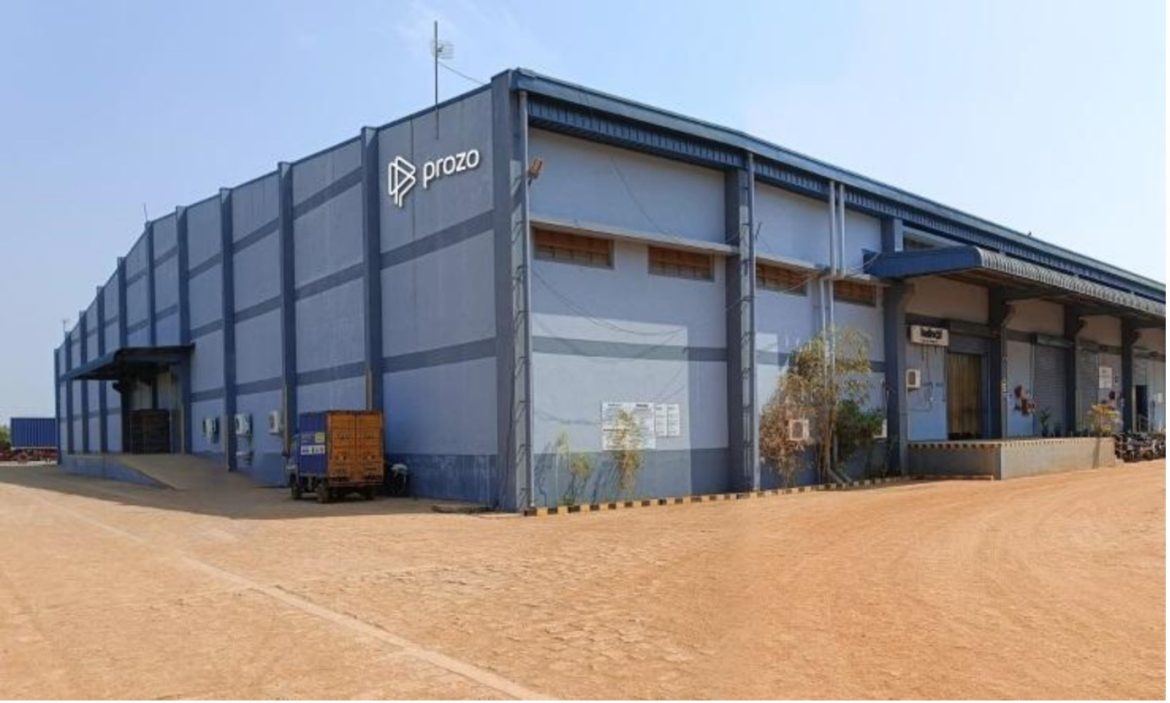
Prozo, a leading player in the supply chain solutions arena, has unveiled its second enterprise-grade cold storage facility, strategically positioned in Krishnapatnam, Andhra Pradesh. Nestled in the Eastern coastal region of Andhra Pradesh and Tamil Nadu, this cutting-edge facility marks a significant expansion of Prozo’s service offerings, primarily dedicated to meeting the growing demand for cold storage solutions for seafood products.

This latest addition to Prozo’s infrastructure is conveniently situated approximately 25 kilometers from the nearest Highway NH16, making it well-placed to serve the needs of seafood producers, exporters, and distributors. Moreover, it enjoys proximity to key locations, with Nellore just 30 kilometers away, Sri City at 115 kilometers, Chennai at 170 kilometers, and Vizag at a distance of 700 kilometers.

Spanning an impressive 30,000 square feet and towering at a height of 39.8 feet, this facility is purpose-built for the storage of seafood products. It boasts a remarkable capacity to maintain ultra-low temperatures, reaching as low as minus 20 degrees Celsius. The facility features 10 chambers, each thoughtfully designed to accommodate 280 pallets, utilizing robust G+4 heavy-duty racking systems.

Prozo’s core mission revolves around harnessing cutting-edge technology to deliver seamless end-to-end integrated supply chain solutions. At present, the company effectively manages supply chains for more than 100 enterprises, including well-known e-commerce giants. Their expansive fulfillment network spans 30 strategically positioned centers, strategically distributed across 12 locations throughout India, encompassing an impressive total area of 1.5 million square feet.

18/09/2023 0 comment
0 FacebookTwitterPinterestEmail
NationalNews

Rare and Venomous Pufferfish Species Discovered for the First Time in Jamtara, India

by Fishery News 18/09/2023
written by Fishery News

Rare and Venomous Pufferfish Species Discovered for the First Time in Jamtara IndiaThe district fisheries department in Jamtara, Jharkhand, has made a significant discovery—the presence of a pufferfish species in a local waterbody. This particular variety of carnivorous fish, spotted for the first time in the region, possesses toxins similar to their Japanese counterparts, which can prove fatal to humans.
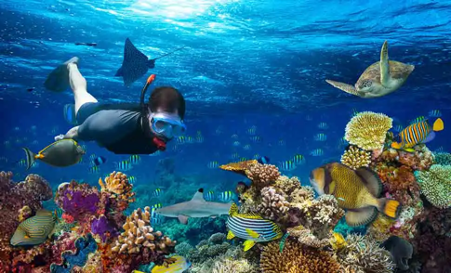
Ritu Ranjan, the officer from the Jamtara district fisheries department, has taken proactive measures to learn more about this newly detected species. In the absence of any existing records about the fish in the state, she has reached out to the ICAR-National Bureau of Fish Genetic Resources (NBFGR) in Lucknow for further insights.

The pufferfish was found in the vicinity of Paijania village, within a portion of the Maithon Dam that stretches across Jamtara, Dhanbad, and West Bengal. Ranjan expressed, “To the best of my knowledge, there is no prior documentation of pufferfish presence in Jharkhand. Nevertheless, following our discovery, local villagers and fishermen have reported occasional sightings of this variant over the past two years. We have urged them to remain vigilant and notify us whenever they come across this species during their fishing activities, enabling us to conduct a thorough investigation.”

Ranjan also emphasized the inherent danger associated with all pufferfish variants, which are highly venomous and potentially lethal. While studies indicate that pufferfish is consumed in Japan, the preparation requires the expertise of skilled chefs who can meticulously remove the venomous portions to render it safe for consumption.

18/09/2023 0 comment
0 FacebookTwitterPinterestEmail
Mysterious Death of Over 8000 Fish in Ranchi Dam Sparks Investigation
NationalNews

Mysterious Death of Over 8,000 Fish in Ranchi Dam Sparks Investigation

by Fishery News 18/09/2023
written by Fishery News

In Ranchi, a startling discovery has shaken the local community, as more than 8,000 fish were found lifeless in a dam, prompting swift action by the fisheries department. District Fishery Officer, Arup Kumar Chaudhary, revealed that the deceased fish, ranging from 500 grams to 1 kilogram in weight, were discovered in four cages meant for fish rearing at Getalsud dam.

In response to this concerning incident, State Agriculture Minister Badal Patralekh wasted no time and ordered a comprehensive investigation on Saturday evening. Badal has instructed the department secretary to initiate the probe promptly and deliver a report as soon as possible.

Chaudhary and his team are determined to unravel the mystery behind this mass fish mortality. He articulated that there could be various factors contributing to this unfortunate event, such as oxygen depletion, diseases, or pollution. The prevailing suspicion leans towards a lack of oxygen or a possible disease outbreak as the root cause. However, a conclusive determination can only be reached after their investigative efforts are concluded.

According to Chaudhary, maintaining an oxygen level of at least five milligrams per litre in the water is essential for the survival of fish. If this level drops below three milligrams per litre, it can result in fish fatalities. He reassured the public that approximately 300 fish cages in the nearby Maheshpur area, adjacent to the affected site, housing around one and a half tonnes of fish, remain unharmed by this incident.

18/09/2023 0 comment
0 FacebookTwitterPinterestEmail
ICAR NBFGRs Innovative Breakthrough Advancing Technology for Captive Propagation of Marine Ornamental Shrimps in Lakshadweep
NationalNews

ICAR-NBFGR’s Innovative Breakthrough:

by Fishery News 17/09/2023
written by Fishery News

Lakshadweep, India’s sole coral atoll, boasting ten inhabited islands scattered across the Arabian Sea, faces unique economic challenges. The primary income source for the local community revolves around tuna fishing and the production of coconut-based by-products, offering limited opportunities, especially for women. Addressing this issue head-on, the ICAR-National Bureau of Fish Genetic Resources (ICAR-NBFGR) in Lucknow has introduced a transformative solution on Agatti Island. This solution includes a Germplasm Resource Center for marine ornamental invertebrates and community aquaculture units, which local women actively manage to cultivate marine ornamental organisms—fish, shrimp, and sea anemones—for a diversified income stream.

Exploratory surveys across various islands have unveiled previously undiscovered biodiversity, including the remarkable discovery of three new shrimp species. Furthermore, the institute has successfully standardized and expanded seed production technology under controlled conditions for two promising marine ornamental shrimps, Thor Hainanensis and Ancylocaris Brevicarpalis, marking a global first.

ICAR-NBFGR has offered hands-on training in marine ornamental rearing to the local community, with 82 islanders participating, a majority of whom are women (77 women). This training encompasses community-based aquaculture of marine ornamentals. As part of technology adoption, captive-bred shrimp seeds are supplied to beneficiaries for further nurturing in community aquaculture units. Trained women are actively involved in nurturing the young shrimps until they reach marketable size. This initiative simultaneously boosts livelihoods and contributes to the conservation of native biodiversity, presenting a unique endeavor that combines conservation and societal development through indigenous organisms.

The institute has established and supported four community aquaculture units on Agatti Island, where ornamental shrimps are successfully nurtured to marketable size, thanks to the efforts of 45 women beneficiaries. Young, one-month-old captive-raised shrimps are distributed to these beneficiaries, who nurture them for approximately 2.5 to 3 months before entering them into the market. These marketable shrimps are directly traded at a cost ranging from Rs. 175 to 200 per piece. ICAR-NBFGR project personnel, residing in Lakshadweep, diligently monitor the operations of these rearing units and provide technical guidance to beneficiaries as needed.

This innovative approach to community aquaculture of marine ornamental organisms represents a pioneering effort in India, promising new horizons in livelihood development, particularly for women, offering an alternative and sustainable income source.

17/09/2023 0 comment
0 FacebookTwitterPinterestEmail
Endangered Indias Barca Snakehead Fish Faces Extinction Threat from Illegal Hunting
AquacultureNationalNews

Endangered: India’s Barca Snakehead Fish Faces Extinction Threat from Illegal Hunting

by Fishery News 17/09/2023
written by Fishery News

Illegal hunting, commonly referred to as poaching, presents a grave and escalating danger to a multitude of animal species worldwide. This unlawful practice, involving the unlawful hunting, capturing, or gathering of animals without the requisite authorization, is driven by various factors, including the lucrative commercial trade, trophy hunting, and cultural customs. The devastating consequences of poaching stretch to the precipice of species extinction and disrupt the intricate balance of ecosystems.

Among the many species at risk due to illegal hunting, Channa Barca, a fish species native to India, confronts an exceptionally precarious predicament. Esteemed for its succulent flesh in specific Indian regions and sought after for its fins and scales in traditional medicinal practices, Channa Barca remains an enticing target for collectors and enthusiasts. Its distinctive capacity to breathe air and navigate on land further amplifies its desirability.

Despite the presence of legal safeguards, illegal hunting persists as a severe threat to Channa Barca. The International Union for Conservation of Nature (IUCN) has categorized this fish as endangered, and its populations are dwindling at an alarming pace. The potential loss of Channa barca carries significant ecological repercussions, given its role as a top predator in its habitat, a critical factor in maintaining the populations of other species.

Channa Barca represents merely one illustration of an animal species teetering on the brink of extinction due to illegal hunting. Majestic creatures like tigers, rhinoceroses, and elephants also confront severe dangers stemming from poaching. The insatiable demand for animal parts and products in the illicit wildlife trade fuels a relentless hunting industry estimated to be worth billions of dollars annually.

To combat the menace of illegal hunting and shield endangered species like Channa Barca, governments and conservation organizations must take swift and comprehensive actions. This entails fortifying laws and regulations, intensifying enforcement endeavours, and addressing the root causes of poaching, such as poverty and the absence of alternative livelihoods. Furthermore, public awareness and education regarding the importance of safeguarding endangered species and the dire repercussions of illegal hunting can contribute to curbing the demand for animal products and deterring poaching activities.

In conclusion, the plight of Channa Barca serves as a poignant reminder of the compelling necessity for worldwide collaboration in the preservation of our planet’s diverse wildlife. By uniting efforts to tackle the underlying issues propelling poaching and by heightening enforcement measures, we can aspire to ensure the enduring existence of these extraordinary species for the benefit and admiration of future generations.

17/09/2023 0 comment
0 FacebookTwitterPinterestEmail
AquacultureNationalNews

Two New Species of Spiny Clam Shrimps Discovered in Karnataka and Goa Rock Pools

by Fishery News 17/09/2023
written by Fishery News

Two New Species of Spiny Clam Shrimps Discovered in Karnataka and Goa Rock PoolsIndian zoologists have unearthed two previously unknown species of spiny clam shrimps thriving in dry rock pools within Karnataka and Goa. These newly identified species exhibit genetic distinctiveness from other clam shrimps found in India, shedding light on crucial insights for local conservation efforts.
Contrary to their name, clam shrimps are not related to clams. They possess a protective carapace that resembles a clamshell, which they close when disturbed, giving them their clam-like appearance.

The international team of researchers, led by Sameer M. Padhye and Mihir R. Kulkarni, embarked on their mission to uncover the diversity of these intriguing creatures in India. They meticulously isolated adult clam shrimp specimens from the rock pools and preserved them in ethanol for further analysis. Under a specialized microscope, they examined and photographed these remarkable creatures.

This dedicated team, collaborating with experts from Biologia Life Science LLP in Ahmednagar and the CSIR-Centre for Cellular and Molecular Biology in Hyderabad, successfully identified and named two new species: Leptestheria chalukyae and Leptestheria gomantaki. These distinctions were based on unique characteristics in their head and tail structures, as well as DNA sequence data. chalukyae, paying homage to the ancient Chalukya dynasty that once ruled large parts of southern India, stands out for its distinct dorsal head and tail spines, particularly in males. Meanwhile, L. gomantaki, named after the scenic state of Goa, exhibits a one-of-a-kind head morphology in its female population.

These spiny clam shrimps have developed the ability to produce resting eggs capable of enduring arid environments. These eggs can be dispersed by wind and birds, contributing to the species’ survival. Remarkably, clam shrimps have withstood geological challenges on the Indian subcontinent, enduring events like the Deccan Volcanism and the formation of the Himalayas, as highlighted by the researchers.

This groundbreaking discovery not only enriches our understanding of India’s biodiversity but also provides valuable insights for the design of conservation measures to protect these delicate creatures and their habitats. Stay tuned for further developments on this exciting find.

17/09/2023 0 comment
0 FacebookTwitterPinterestEmail
Indias Fisheries Sector Thrives Under PM Modis Leadership Aims to Lead the Blue Economy
NationalNews

India’s Fisheries Sector Thrives Under PM Modi’s Leadership, Aims to Lead the Blue Economy

by Fishery News 17/09/2023
written by Fishery News

Inspired from an article by: Shri L. Murugan, Minister of State for Fisheries, Animal. Husbandry and Dairying, and Information and Broadcasting, Government of India

As India steers confidently toward becoming the world’s third-largest economy under the visionary leadership of Prime Minister Narendra Modi, the country’s fisheries sector has emerged as a driving force in this transformative journey. Thanks to Prime Minister Modi’s ‘Sewa, Sushasan, and Gareeb Kalyan’ (Service, Governance, and Welfare for the Poor) approach, the Indian fisheries sector has evolved into a sunrise industry over the past nine years, propelling India toward a prominent position in the global Blue Economy.

India, blessed with over 8,000 kilometers of coastline, an expansive Exclusive Economic Zone, abundant rivers and reservoirs, and a diligent workforce, has always possessed tremendous potential for fisheries development. However, past neglect, indifference, and policy stagnation prevented its full realization. Reports indicate that from independence until 2014, the Central government allocated a meager sum of less than Rs 4,000 Crore for fisheries development.

It was Prime Minister Narendra Modi who recognized the vast potential of the Blue Economy for India’s fishing communities and initiated systematic development of this sector. Under his leadership, the Central Government introduced a series of reforms through the Blue Revolution Scheme (2015 – Rs 5,000 Crore) and the Fisheries and Aquaculture Infrastructure Development Fund (2017 – Rs 7,522 Crore). These initiatives unleashed a flurry of activities in the Indian fisheries sector, creating essential ground-level infrastructure and positively impacting the lives of 2.8 Crore fishermen. Recognizing the sector’s significance, Prime Minister Modi established a dedicated Fisheries Ministry in 2019.

While Indian fisheries were gearing up for significant growth, the world suddenly ground to a halt due to the global Covid-19 pandemic. However, visionary leadership transformed this crisis into an opportunity. In September 2020, the Prime Minister announced the Atmanirbhar Bharat package for the Fisheries sector, introducing the Pradhan Mantri Matsya Sampada Yojana (PMMSY), a monumental Rs 20,050 Crore investment—the largest in the history of Indian Fisheries.

Thanks to this substantial injection of funds and focused attention, the PMMSY began addressing critical gaps in the fisheries value chain, encompassing fish production, productivity, quality, technology, post-harvest infrastructure, and marketing. The PMMSY identified key strategic priorities, including Marine Fisheries, Inland Fisheries, Fishermen’s welfare, Infrastructure and post-harvest management, cold-water fisheries, ornamental fisheries, aquatic health management, and seaweed cultivation, among others.

Over the past nine years, the sustained efforts of the Central government, in collaboration with central and state government agencies and fishermen, have fundamentally transformed the state of Indian fisheries. Crucial infrastructure, such as more than 107 fishing harbors and fish landing centers essential for safe landing, berthing, and loading/unloading, have been constructed and modernized. The modernization of major fishing harbors in Cochin, Chennai, Mumbai, Vishakhapatnam, and Paradeep is now well underway.

The income of fishermen is directly tied to post-harvest management, encompassing how fish is stored, preserved, transported, and sold. With approvals granted for over 25,000 fish transportation facilities, 6,700 fish kiosks/markets, and 560 cold storages, grassroots fisheries infrastructure has been significantly strengthened.

To mitigate risks and hazardous conditions faced by fishermen in open seas, approvals have been granted for the upgrading of 1,043 existing fishing vessels, replacement of 6,468 boats, 461 deep-sea fishing vessels, and the installation of 1 lakh transponders on marine fishing vessels using satellite-based communication.

The PMMSY has expanded inland fisheries beyond traditional waters, infusing technology and inspiring enterprising youth to venture into fisheries. Today, young women entrepreneurs from the Kashmir valley efficiently rear cold-water rainbow trouts using Recirculatory Aquaculture Systems. Aquapreneurs from Nellore have become successful exporters, thanks to biofloc-cultivated shrimps.

The PMMSY has extended the reach of fisheries to non-traditional areas. Nearly 20,000 hectares of fresh pond area are being converted into inland aquaculture, with farmers in landlocked Haryana and Rajasthan successfully transforming saline wastelands into profitable aquaculture ventures.

The PMMSY has empowered fisherwomen to explore remunerative options and alternative livelihoods, such as ornamental fisheries, pearl culture, and seaweed cultivation. A recently launched Rs 127 Crore Seaweed Park in Ramanathapuram District of Tamil Nadu is a pioneering step by the Modi government.

Seed, feed, and breed are vital components of the fisheries sector. The PMMSY has enabled the establishment of 900 fish feed plants, 755 hatcheries, and is supporting research and genetic improvement of Indian White Shrimp in Chennai, the development of specific pathogen-free brood stock, and the domestication of tiger shrimp in the Andamans.

The welfare of fishermen and fishery entrepreneurs, and their improved quality of life, are central to the Blue Economy’s objectives. Numerous measures, including nutritional support to fishermen during lean and fishing ban periods, integrated coastal village development, Sagar Mitras to assist fishermen, Group Accidental Insurance schemes, and institutional financial support through Kisan Credit Cards, complement the comprehensive development of Indian Fisheries.

The Modi Government’s partnership with Indian fishermen has empowered them, instilling confidence and a sense of pride. Fishermen from across the country were invited to Independence Day Celebrations at Lal Quila, Delhi. This partnership is continually strengthened through direct interactions with Fisheries Minister Shri Parshottam Rupala, who embarked on a unique 8,000-kilometer sea and coastal route journey, known as Sagar Parikrama, to visit fishing villages, meet fishermen, and witness the implementation of policies and projects on the ground.

As we celebrated the third anniversary of the PMMSY a couple of days ago, the transformation of Indian fisheries is evident. India is now among the top three fish and aquaculture production countries and the world’s largest shrimp exporter. The government has recently announced an investment of Rs 6,000 Crores as a sub-scheme under PMMSY, taking the total investment in fisheries to over Rs 38,500 Crores in the past nine years.

Indian Fisheries production (174 lakh tonnes provisional figures for 2022-23) and export earnings have reached all-time highs. The cumulative fish production in the past nine years since 2014 surpasses the production of the preceding thirty years (1984-2014). Shrimp production has surged by 267%, from 3.22 lakh tonnes in 2013-14 to 11.84 lakh tonnes in 2022-23. India’s seafood exports have doubled from Rs 30,213 Crores in 2013-14 to Rs 63,969 Crores in 2022-23.

The fisheries ecosystem developed over the past nine years is maturing rapidly, delivering remarkable results and prosperity to our fishing communities.

FISHERY.NEWS wishes Modi Ji a happy birthday.

17/09/2023 0 comment
0 FacebookTwitterPinterestEmail
NationalNews

Report Fish Disease App: A Boon for the Aquaculture in the Nation

by Fishery News 17/09/2023
written by Fishery News

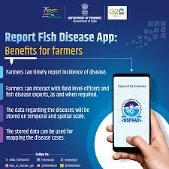
Report Fish Disease App A Boon for the Aquaculture in the NationTo fortify the farmer-based disease reporting system of aquatic animal diseases across the country, the Ministry of Fisheries, Animal Husbandry, and Dairying has introduced the Report Fish Disease (RFD) App. This innovative application has been developed by ICAR-NBFGR under the National Surveillance Programme for Aquatic Animal Diseases (NSPAAD), funded through the Pradhan Mantri Matsya Sampada Yojana by the Department of Fisheries, Ministry of Fisheries, Animal Husbandry, and Dairying, Government of India.

The RFD app empowers farmers to report disease incidents affecting finfish, shrimps, and molluscs on their farms directly to field-level officers and fish health experts. This seamless communication facilitates the receipt of scientific advice for effective disease management. Moreover, data pertaining to disease occurrences will be systematically recorded in terms of both time and location, enabling the mapping of disease cases.

This application is set to assist farmers in enhancing their disease reporting capabilities, accessing scientific guidance, and mitigating losses caused by diseases, ultimately leading to increased income for farmers. Additionally, the Fish Disease Reporting App is poised to have a profound impact on fish disease management. It will promote early detection, swift response, collaboration, and knowledge sharing, all of which are vital for the sustainability and resilience of aquaculture systems. By minimizing the adverse effects of fish diseases on fish populations, the industry, and ecosystems, it contributes significantly to the sector’s well-being.

India’s aquaculture sector has experienced remarkable growth in recent years, with total export earnings from the sector reaching approximately Rs. 57,586.48 crores in the year 2021-22. However, diseases pose a significant impediment to the sector’s expansion. Surveillance for aquatic animal diseases is crucial for the early identification of diseases, thereby minimizing their impact. Early detection is essential for effective disease eradication and containment.

Many disease cases in aquaculture remain unreported due to the absence of a field-level disease reporting mechanism. Hence, there is an urgent need for a mechanism that can establish a connection between farmers, field-level officers, and fish health experts. The introduction of the Report Fish Disease (RFD) App addresses this need, ensuring that diseases in aquaculture are promptly reported and managed, safeguarding the industry’s growth and the well-being of aquatic ecosystems.

17/09/2023 0 comment
0 FacebookTwitterPinterestEmail
India and UK Join Forces for One Health Aquaculture to Promote Sustainable Seafood
InternationalNews

India and UK Join Forces for ‘One Health Aquaculture’ to Promote Sustainable Seafood

by Fishery News 17/09/2023
written by Fishery News

Fishery scientists and experts from India and the United Kingdom have come together to advocate for an Indo-UK partnership to realize the concept of ‘One Health Aquaculture’ in India. The ‘One Health Aquaculture’ approach aims to achieve optimal health outcomes for people, aquatic animals, plants, and the environment within the aquaculture sector.

Speaking at a joint Indo-UK workshop, experts stressed the importance of enhancing the health of all participants in the aquatic food value chain while simultaneously striving to meet the rising demand for seafood production. The workshop was jointly organized by the Centre for Environment, Fisheries, and Aquaculture Science (CEFAS) of the UK government, the Department for Environment, Food, and Rural Affairs (DEFRA), and the ICAR-Central Marine Fisheries Research Institute (CMFRI).

The workshop also called for a collaborative Indo-UK effort to promote research partnerships that can enhance safe and sustainable aquaculture practices in India. Such initiatives can contribute to the adoption of sustainable seafood practices, mitigating the risks associated with unsustainable activities and ultimately improving the livelihoods, environments, and economies of the country.

Sally Taylor from the British High Commission highlighted the potential for a robust UK-India One Health partnership to integrate the aquatic food system into the One Health concept. This integration would address emerging global realities and concerns effectively.

The meeting also proposed innovative measures, including blockchain-enabled tracking of fish production from farm to table, which can enhance the quality of seafood products.

A Gopalakrishnan, Director of CMFRI, pointed out that India already has mechanisms aligning its aquaculture practices with the One Health paradigm, such as the National Surveillance Programme for Aquatic Animal Diseases (NSPAAD), the Indian Network for Fisheries and Animal Antimicrobial Resistance (INFAAR), the All India Network Project on Fish Health, and the Consortia Research Platform on Vaccine and Diagnostics. However, he stressed the need for a national-level agency to coordinate these fragmented efforts effectively.

In light of the increasing disease risks associated with aquaculture, C Ramachandran, Principal Scientist of CMFRI, emphasized the importance of appointing aquatic health experts to prevent the misuse of chemicals like antibiotics in aquaculture. He further stressed the necessity for collaborative research and development efforts to revive and integrate traditional fish farming systems, such as pokkali farming, through the lens of the One Health approach.

The workshop brought together approximately 50 scientists from India and the UK, setting the stage for collaborative efforts to promote sustainable and healthy aquaculture practices, benefiting both the industry and the environment.

17/09/2023 0 comment
0 FacebookTwitterPinterestEmail
Indian Government Launches PM Vishwakarma Scheme to Empower Traditional Artisans
NationalNews

Indian Government Launches PM Vishwakarma Scheme to Empower Traditional Artisans

by Fishery News 17/09/2023
written by Fishery News

Aimed at uplifting traditional artisans and preserving India’s rich cultural heritage, the Government of India has unveiled the Pradhan Mantri Vishwakarma Kaushal Samman Yojana (PM Vishwakarma Scheme). Launched on 17th August, this Central Sector Scheme is designed to strengthen and nurture the Guru-Shishya Parampara, which represents the family-based practice of traditional skills by artisans and craftspeople who work with their hands and tools.

Key Benefits of the Vishwakarma Yojana:

Training and Skill Enhancement: Traditional artisans will have the opportunity to enhance their skills through a specialized 6-day training program tailored to their specific needs, whether they are carpenters, tailors, basket weavers, barbers, goldsmiths, blacksmiths, potters, confectioners, cobblers, or others. This advanced training equips them with cutting-edge techniques and knowledge.

Beyond training, the scheme offers substantial financial assistance ranging from Rs 10,000 to Rs 10 lakh, providing artisans with the means to initiate and expand their businesses, thereby improving their livelihoods.

The PM Vishwakarma Scheme aims to create employment for approximately 15,000 individuals annually, thereby fostering economic growth and stability.

Aspiring beneficiaries can access the scheme through a user-friendly online application process, streamlining access to its benefits.

The state government takes on the responsibility of covering the entire cost of various training programs under the Vishwakarma Scheme, ensuring artisans receive high-quality training without financial burden.

Additionally, the PM Vishwakarma Scheme is expected to yield several other positive impacts, including boosting the incomes of traditional artisans, creating new job opportunities in the traditional arts and crafts sector, and promoting India’s cultural heritage on the global stage.

With a dedicated allocation of Rs 13,000 crore, the scheme aims to empower artisans across the country. It offers subsidized loans of up to Rs 2 lakh, with the initial phase extending loans of up to Rs 1 lakh at a remarkably low interest rate of 5%, significantly lower than prevailing market rates.

The scheme also emphasizes skill enhancement through advanced training programs, ensuring that traditional artistry is preserved and updated to meet contemporary standards. Artisans will receive a stipend of Rs 500 for skill training and Rs 1500 for the purchase of modern tools, enhancing their efficiency and precision.

The PM Vishwakarma Scheme envisions a holistic support system, including liberal loan terms, skill upgradation, toolkit incentives, digital transaction incentives, and marketing support. Union Minister Ashwini Vaishnaw estimates that approximately 30 lakh families stand to benefit from the scheme.

To facilitate easy enrolment, the government has established common services centres in villages as registration points for the scheme, ensuring artisans from diverse regions can seamlessly participate in this transformative initiative.

While the scheme is primarily funded by the central government, collaboration with state governments will be crucial for its effective implementation. The PM Vishwakarma Scheme is a landmark initiative poised to empower traditional artisans and safeguard India’s cultural heritage while promoting economic prosperity.

17/09/2023 0 comment
0 FacebookTwitterPinterestEmail
Newer Posts
Older Posts
  • Recent
  • Popular
  • ICAR-CIFT Patents Rapid DNA Biosensor for Black Tiger Shrimp Authentication

    07/08/2026
  • Minister Holds Review Meeting with Fisheries Cooperative Leaders

    07/08/2026
  • Dry Fish Demand Surges Following Formalin Ban

    07/08/2026
  • Rohu Breeding: A Complete Step-by-Step Guide to Successful Seed Production

    07/08/2026
  • 1

    Trout Fish Stocking Initiative Enhances Fisheries and Tourism Potential in Shopian, Jammu and Kashmir

    17/12/2023
  • 2

    BIGGEST FISH MARKETS IN INDIA

    07/09/2024
  • 3

    Brazil’s Appetite for Vietnamese Tilapia Is Reshaping the Global Whitefish Trade

    28/07/2026
  • 4

    Introducing Future Aquaculture Magazine: A New Voice Shaping the Future of Seafood

    13/02/2026

About Fishery News

FN Logo

Fishery.News is India’s leading digital media platform dedicated to fisheries, aquaculture, seafood, and marine industries. We deliver trusted news, expert insights, market intelligence, technology updates, research, government policies, and success stories that help fish farmers, shrimp farmers, seafood businesses, researchers, and industry professionals stay informed and grow sustainably

Categories

  • News
  • Aquaculture
  • Aquatic Health and Disease Management
  • Research and Innovation
  • Technology & Equipments

Social Networks

Facebook Twitter Instagram Linkedin Youtube
  • Facebook
  • Twitter
  • Instagram
  • Linkedin
  • Youtube

© 2026 Fishery.News – A BLIV Media Venture. All Rights Reserved.


Back To Top
Fishery News
  • E – Magazine
    • Aquaculture
    • Aqua Health & Disease Management
    • News
      • National
      • International
    • Farming
    • Research and Innovation
    • Sustainability
    • Technology & Equipments
    • This is Africa
    • Trade
  • Publications
  • Events
    • Expos
    • Trainings
    • Events by Month
  • Business Listings
    • List Your Business
    • Business Listings
    • Buy & Sell
    • Get Consultation
  • Employment
  • About Us
    • Founder
  • Contact