• E – Magazine
    • Aquaculture
    • Aqua Health & Disease Management
    • News
      • National
      • International
    • Farming
    • Research and Innovation
    • Sustainability
    • Technology & Equipments
    • This is Africa
    • Trade
  • Publications
  • Events
    • Expos
    • Trainings
    • Events by Month
  • Business Listings
    • List Your Business
    • Business Listings
    • Buy & Sell
    • Get Consultation
  • Employment
  • About Us
    • Founder
  • Contact
Fishery News
Home » News » Page 133
Category:

News

Decline in Silver Skinned Pomfret Catches Alarms Andhra Pradeshs Fisheries Sector
NationalNews

Decline in Silver-Skinned Pomfret Catches Alarms Andhra Pradesh’s Fisheries Sector

by Fishery News 09/09/2023
written by Fishery News

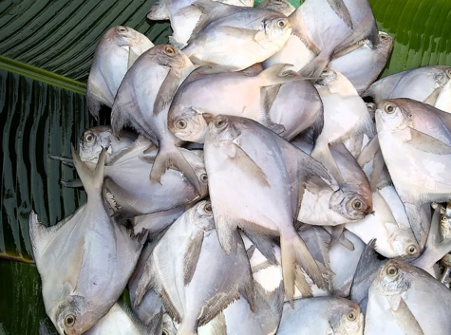
Andhra Pradesh, India – The disappearance of delectable dishes featuring silver-skinned pomfret from gourmet dining tables in Andhra Pradesh has raised concerns within the state’s thriving fisheries sector. The sector has been grappling with the adverse impacts of climate change, industrialization, and urbanization, leading to a notable decline in various fish species that once thrived in the blue waters along the coast. One of the most alarming declines in recent years has been the catch of silver-skinned pomfret, which has dwindled by a staggering 50 to 60 percent over the past decade, signaling a looming threat to this commercially significant and premium fish species.

Attributing the decline in premium fish varieties to the aftermath of the devastating Hudhud cyclone, Satyanarayana Suraida, General Secretary of the Visakha Dolphin Boat Operators Welfare Association, revealed that a decade ago, fishing boats used to return laden with approximately 120 kilograms of silver pomfret and over 180 kilograms of black pomfret between November and January. However, today, both varieties have seen their catches plummet by more than 60 percent. Fishermen recount how silver pomfret used to be abundant during peak winter and reasonably available during the monsoon season, but now, capturing them has become a daunting challenge.

Vijaya, the Joint Director of the Fisheries Department in Visakhapatnam, acknowledged the troubling decline in silver pomfret and a few other fish varieties. She cited multiple factors contributing to the diminishing catch of silver pomfret, including climate change, premature fishing before the fish reach full maturity and breeding age, and pollution. These factors have collectively led to the current predicament, endangering a species once cherished for its culinary significance and economic importance.

As the fisheries sector grapples with these challenges, stakeholders and authorities are urged to collaborate on conservation and sustainable fishing measures to preserve the diversity of fish species in the coastal waters of Andhra Pradesh. The fate of the iconic silver-skinned pomfret, along with other endangered species, hangs in the balance, requiring swift and comprehensive action to ensure their survival for future generations.
09/09/2023 0 comment
0 FacebookTwitterPinterestEmail
Scientists Achieve Milestone by Decoding Genome of Indian Oil Sardine
NewsResearch and Innovation

Scientists Achieve Milestone by Decoding Genome of Indian Oil Sardine

by Fishery News 09/09/2023
written by Fishery News

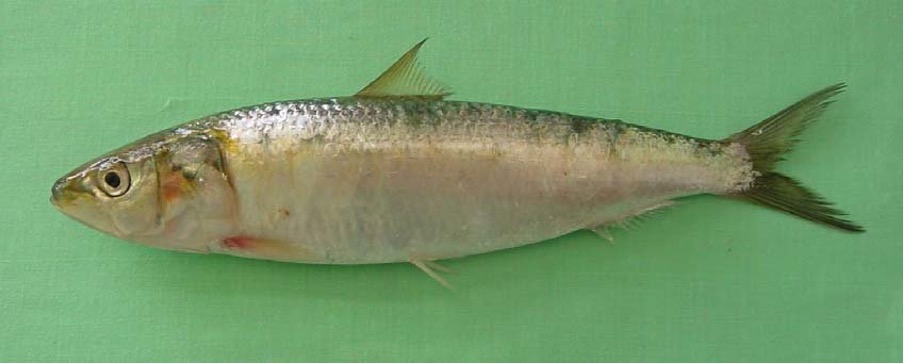
A team of scientists at the ICAR-Central Marine Fisheries Research Institute (CMFRI) in Kerala has made a groundbreaking achievement by successfully decoding the entire genome of the Indian oil sardine (Sardinella longiceps). This significant milestone marks the first time that the genome of a marine fish species from the Indian subcontinent has been deciphered, holding immense implications for Indian marine fisheries.

The breakthrough comes at a crucial time, given the Indian oil sardine’s pivotal role in the region’s food supply and its susceptibility to fluctuations in catch caused by climate change.

Indian oil sardines are a dietary staple for both daily fish consumers in Kerala and gastronomes who value the fish’s exceptional quality. Sardine fisheries contribute substantially to the Indian economy by providing thousands of job opportunities each year and meeting the nutritional needs of the fish-eating population.

In addition to decoding the genome, researchers have identified the genes responsible for the biosynthesis of polyunsaturated fatty acids (PUFA) found in oil sardines. This discovery sheds light on the genomic mechanisms underpinning the fish’s high nutritional value. These fatty acids are crucial for maintaining human health.

The decoding of the Indian Oil Sardine genome holds multiple benefits, including support for climate studies, improved fisheries management, enhanced sustainability research, and a better understanding of the environmental and oceanographic factors that contribute to sustainability. Furthermore, these findings will aid in tracing the origin of sardine catches.

Indian oil sardines, as small pelagic fishes, serve as model organisms for studying the effects of climate and fishing on Indian Ocean resources in response to environmental and oceanographic variations, making them valuable for climate research.

Moreover, sardines occupy a vital ecological role within the marine ecosystem, acting as an intermediary link in the food chain and serving as prey for larger predators. The decoded genome provides a valuable tool for studying how fish adapt to climate change, according to CMFRI Director A. Gopalakrishnan, who hailed this achievement as a “milestone.”

The decoded genome spans 1.077 gigabytes in size and includes a total of 46,316 protein-coding genes. This research accomplishment was made possible through cutting-edge next-generation sequencing technology, led by a team of researchers under the guidance of Sandhya Sukumaran, the principal scientist at CMFRI’s Marine Biotechnology Division. The results have been published in the journal Scientific Data of Nature.

The Indian oil sardine is a critical fisheries resource in the Indian subcontinent, contributing approximately 10% to India’s total marine fisheries industry. Among the notable findings of the study is the identification of two highly distinct stocks of Indian oil sardines, one inhabiting Indian waters and the other in the Gulf of Oman.

09/09/2023 0 comment
0 FacebookTwitterPinterestEmail
Loryma Reveals Innovative Plant Based Tuna Alternatives with Realistic Texture and Sensory Qualities e1695668697956
InternationalNewsResearch and Innovation

Loryma Reveals Innovative Plant-Based Tuna Alternatives with Realistic Texture and Sensory Qualities

by Fishery News 09/09/2023
written by Fishery News

Loryma, a prominent producer of wheat-based ingredients based in Germany, has introduced prototypes for a series of plant-based alternatives to tuna, offering an exciting development in the realm of meat alternatives.

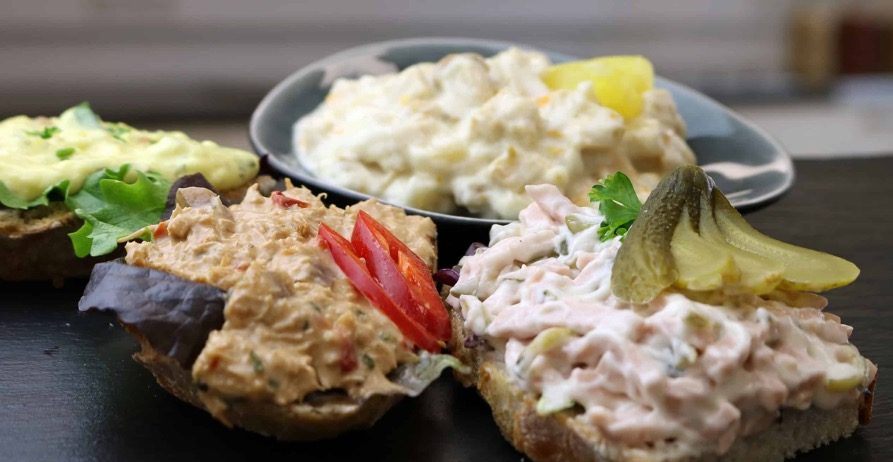
These innovative prototypes are the result of Loryma’s dedication to replicating the texture and sensory attributes of tuna using plant-based ingredients. The company has crafted a range of application recipes, demonstrating the versatility of their plant-based product, which can closely mimic the qualities of real tuna.

Loryma’s offerings encompass various possibilities, including options for deli and frozen food products, as well as a classic canned version. These products can be customized and flavored by potential manufacturers to suit diverse culinary preferences.

Explaining the manufacturing process behind achieving a lifelike fish-like texture for their plant-based products, Loryma shared, “In order to achieve a realistic texture, fine Lory Tex® Snips and long, fibrous Lory Tex® Fibres are mixed together and then rehydrated with water. This blend can be further processed with colorings and flavorings to prepare various foodstuffs, such as meatballs, deli salads, and toppings for frozen foods.”

What sets this tuna alternative apart is its versatility in the kitchen; it can be used in much the same way as conventional tuna, such as a topping for pizzas or salads. Notably, the plant-based version boasts around 19 grams of protein per 100 grams, owing to the inclusion of extruded wheat protein.

Norbert Klein, the head of research and development at Loryma, expressed the company’s enthusiasm for the product’s potential, stating, “We offer a sustainable, authentic alternative using wheat, which we source mainly regionally in Germany. The sensory properties of our vegan version are every bit as good as the original.”

Loryma’s innovative plant-based tuna alternatives have the potential to not only cater to the growing demand for sustainable and cruelty-free food options but also provide an exciting new avenue for culinary exploration and dietary choices.

09/09/2023 0 comment
0 FacebookTwitterPinterestEmail
Dramatic Rescue at Sea 10 Tamil Nadu Fishermen Saved After 6 Day Ordeal
News

Dramatic Rescue at Sea: 10 Tamil Nadu Fishermen Saved After 6-Day Ordeal

by Fishery News 09/09/2023
written by Fishery News

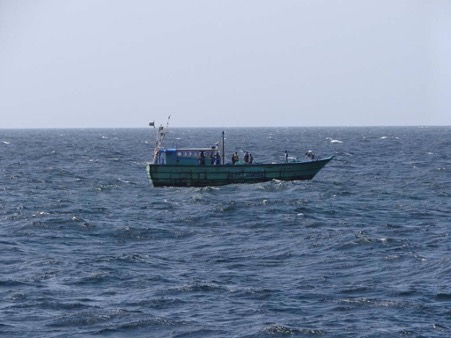
In a heart-pounding rescue operation, the Indian Coast Guard’s ICGS Ayush came to the aid of ten Tamil Nadu fishermen who had been stranded in the treacherous waters of the Bay of Bengal for a harrowing six days. Their boat had broken down, leaving them at the mercy of the unforgiving sea.

The daring rescue unfolded 83 miles east of the bustling port city. The fishermen, who were aboard a boat from Chennai, had faced unimaginable challenges as they battled the elements and uncertainty. Fortunately, ICGS Ayush was on a coastal patrol mission when they received a distress call that changed the course of their mission.

The Coast Guard swiftly sprang into action, identifying the distressed vessel as IFB Ganapathi Perumal (Manju Matha), which had set sail from Kasimedu harbour in Chennai on August 24. Employing a coordinated search effort involving both surface and air assets, including ships and aircraft, they located the beleaguered boat.

To ensure the safety of the fishermen until their rescue, the Maritime Rescue Coordination Centre (MRCC) Chennai summoned a nearby merchant vessel, MV Jag Radha, to stand by. This crucial assistance proved invaluable as it bought time for Ayush to reach the scene.

Once on board the Ayush, the weary and relieved fishermen received much-needed medical attention. The Coast Guard’s unwavering dedication and swift action ensured that the fishermen were safely transported, along with their stricken vessel, to Vizag Port.

In a heartwarming conclusion to this high-stakes drama, the fishermen were then handed over to the Fisheries department, reunited with their families, and out of harm’s way. This remarkable rescue operation stands as a testament to the courage and unwavering commitment of the Indian Coast Guard in safeguarding lives at sea.

09/09/2023 0 comment
0 FacebookTwitterPinterestEmail
for Handloom Sericulture and Fisheries Sectors in Bodoland Territorial Council BTC Areas e1695668494553
NationalNews

Assam Governor Urges Development Strategies

by Fishery News 09/09/2023
written by Fishery News

In a recent meeting, Assam Governor Gulab Chand Kataria advocated the formulation of strategies aimed at harnessing the potential of the handloom, sericulture, and fisheries sectors in the Bodoland Territorial Council (BTC) areas. These strategies, he suggested, would enable the products from these sectors to reach markets across the country.

During a comprehensive review of various development initiatives at the administrative headquarters of BTC in Kokrajhar, Governor Kataria urged the heads of BTC departments to prioritize balanced and equitable development across all four districts within the council. The BTC, established under the Sixth Schedule of the Constitution, serves as an autonomous elected authority dedicated to the tribal Bodo community in Assam.

Highlighting the immense potential within the BTC regions, particularly in the domains of handloom, sericulture, tourism, and fisheries, Governor Kataria underscored the importance of formulating effective marketing strategies. These strategies, he emphasized, would facilitate the nationwide dissemination of products from these sectors.

Governor Kataria also assessed the progress of central and state flagship schemes, as well as mission mode initiatives managed by the BTC administration. He emphasized the expeditious implementation of projects related to the Jal Jeevan Mission (JJM) and called upon officials to ensure thorough oversight and regular monitoring of these endeavors.

Recognizing the significance of the ‘Green Bodoland Mission,’ a social initiative launched by the BTC administration aimed at planting one crore saplings, the governor emphasized the need to focus on planting medicinal and economically valuable plants and trees.

Pramod Boro, Chief of the BTC, expressed gratitude to Governor Kataria for his inaugural visit to the BTC areas. He commended the governor for dedicating his valuable time to review the development landscape in the Bodo tribal-dominated regions of Assam.

09/09/2023 0 comment
0 FacebookTwitterPinterestEmail
Andhra Pradesh Launches Fourth Aqua and Seafood Festival to Boost Local Fish Consumption
NationalNews

Andhra Pradesh Launches Fourth Aqua and Seafood Festival to Boost Local Fish Consumption

by Fishery News 09/09/2023
written by Fishery News

In an effort to promote the consumption of fish products across the state of Andhra Pradesh, Home Minister Dr. Taneti Vanitha inaugurated the fourth Aqua and Seafood Festival at the Manjeera Convention Centre on Friday. The event, organized in collaboration with Bhumi Organics and under the auspices of the AP Fisheries Department, saw the Minister, along with other government officials and people’s representatives, inspecting various stalls showcasing fish products.

During her address at the festival, Minister Vanitha emphasized that Andhra Pradesh holds the top position in the country for foreign exports of fish products. However, she noted that despite high fish production in the state, local consumption remains low due to a lack of awareness. In response, she called upon the people to increase their consumption of aqua products and stressed the need to develop domestic marketing strategies in this regard. The government’s intention is to further promote the “Fish Andhra” brand through the Aqua-Sea Food Festival, which will run for three days until September 10.

Minister Vanitha highlighted the health benefits of fish, citing its richness in vitamin E and calcium. The festival’s primary aim is to provide a platform for entrepreneurs and create greater awareness among consumers. The government is also supporting families dependent on the fisheries sector by offering subsidies for Fish Andhra outlets and mobile vehicles.

Additionally, the Minister pledged the government’s commitment to the development of the aqua sector and encouraged increased local consumption of seafood, including fish, prawns, and crabs. District Collector Dr. K Madhavi Latha emphasized the health benefits of fish over meat consumption.

Prominent figures attending the event included DCCB Chairman Akula Veerraju, AP Khadi Board Chairperson Pilli Nirmala, Bhumi Organics Representative Raghuram, Marine JD VV Rao, and Fisheries Department Officers V Krishna Rao and Lal Mohammed.

The Aqua and Seafood Festival is not only a celebration of Andhra Pradesh’s rich fishery resources but also a significant step toward boosting local consumption and furthering the state’s position as a leader in fish exports.

09/09/2023 0 comment
0 FacebookTwitterPinterestEmail
Millions of Green Tiger Shrimp Seeds Released into Palk Bay
InternationalNews

Millions of Green Tiger Shrimp Seeds Released into Palk Bay

by Fishery News 09/09/2023
written by Fishery News

Mandapam, Madurai: Central Marine Fisheries Research Centre’s regional centre in Mandapam released an impressive 6.8 million green tiger shrimp seeds into the Palk Bay. This sea ranching initiative falls under the project titled ‘Sea Ranching of Green Tiger Shrimp (Penaeus semisulcatus) Post Larvae (PL) in the Palk Bay and the Gulf of Mannar, Tamil Nadu.’ It is funded by the Department of Fisheries, Union Ministry of Fisheries, Animal Husbandry, and Dairying, as part of the central sector scheme component of the Pradhan Mantri Matsya Sampada Yogana (PMMSY).

Since its launch in February 2022, a remarkable 75.34 million green tiger shrimp seeds have been introduced into the Palk Bay and the Gulf of Mannar, marking a significant step in the conservation of this species and the enhancement of local aquatic ecosystems.

09/09/2023 0 comment
0 FacebookTwitterPinterestEmail
Kerala Pilot Project Converts Organic Waste into Fish Meal for Sustainable Aquaculture
NationalNewsSustainability

Kerala Pilot Project Converts Organic Waste into Fish Meal for Sustainable Aquaculture

by Fishery News 09/09/2023
written by Fishery News

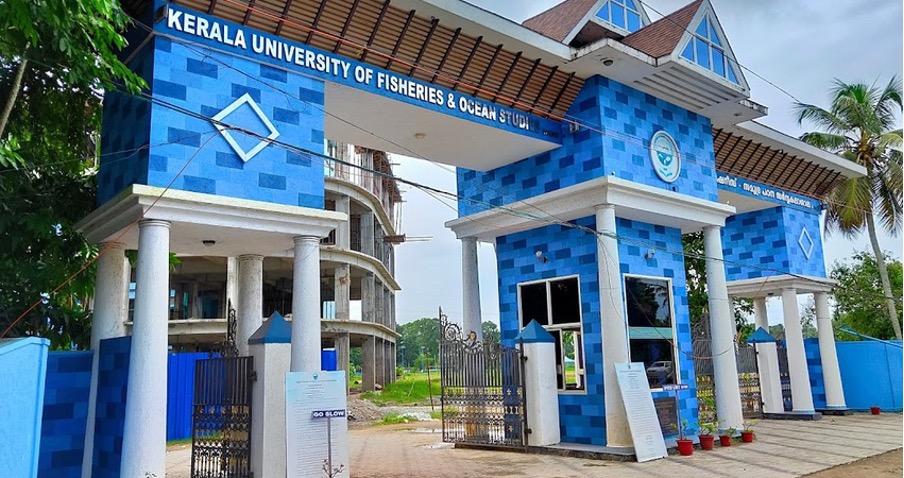
Under the auspices of the Kerala Fisheries and Ocean Studies University (KUFOS), a groundbreaking pilot project has been initiated, aiming to revolutionize both organic waste management and the aquaculture industry. This innovative venture focuses on transforming organic waste into a valuable protein source for fish feed, using the efficient decomposers known as black soldier fly larvae.

In a remarkable collaboration, KUFOS has partnered with Amala Eco Clean Private Limited, a firm based in Alappuzha, specializing in organic waste management. The Memorandum of Understanding (MoU) for this visionary project was officially signed by Dinesh Kaippilly, Registrar at KUFOS, and Joseph Niclavose, Director of Amala Eco Clean Private Limited.

Vice-Chancellor T Pradeep Kumar of KUFOS envisions the potential for this project to expand across all districts if the pilot project yields promising results. Beyond addressing Kerala’s persistent challenge of organic waste management, this endeavor seeks to create high-value export-oriented products derived from the larvae of soldier flies. It presents an innovative solution not only for waste management but also for economic diversification.

At its core, this project aims to produce the essential protein required for fish feed by utilizing black soldier fly larvae to process organic waste. This approach not only stands as an eco-friendly solution but also offers a sustainable alternative to traditional fish feed production. The black soldier fly larvae are renowned for their high protein and fat content, potentially revolutionizing the aquaculture industry by providing a renewable protein source for fish.

While the primary focus of the project is waste management and sustainable fish feed production, it holds the potential to yield other high-value export-oriented products sourced from soldier fly larvae. This diversification of revenue sources could contribute significantly to the state’s economy while simultaneously reducing waste.

This pilot project represents a remarkable stride in both waste management and aquaculture, with potential global implications. Its success could redefine how we approach organic waste, transforming it from a problem into a resource. Furthermore, it could enhance the sustainability of the aquaculture industry by offering a renewable and eco-friendly protein source for fish feed.

09/09/2023 0 comment
0 FacebookTwitterPinterestEmail
Sewage Pollution Suspected as Hundreds of Fish Found Dead in Bengalurus Kothanur Lake e1695651307684
NationalNews

Sewage Pollution Suspected as Hundreds of Fish Found Dead in Bengaluru’s Kothanur Lake

by Fishery News 08/09/2023
written by Fishery News

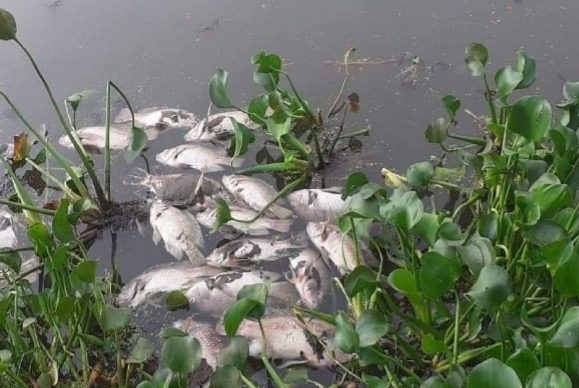
In a troubling repeat occurrence, Bengaluru’s Kothanur Lake in JP Nagar witnessed the lifeless bodies of hundreds of fish floating on its surface. This unsettling event has been attributed to the inflow of sewage into the lake, according to the Karnataka State Pollution Control Board (KSPCB). This marks the second instance in just five months when such an incident has marred the city’s water bodies.

The first episode occurred in April, when deceased fish were discovered in Bengaluru’s wetlands. In response to the alarming situation, the KSPCB instructed the Bruhat Bengaluru Mahanagara Palike (BBMP), the city’s municipal body, to take immediate preventative measures to halt the discharge of sewage waste.

The KSPCB has now declared that the unfortunate demise of fish in Kothanur Lake is a consequence of sewage entering the water body through a stormwater drain. Swift action will be taken to address this critical issue, as reported by news agency ANI.

A senior KSPCB official affirmed their role in monitoring the water quality of lakes and issuing directives to the relevant local bodies for corrective action. They have officially communicated with the BBMP and the Bangalore Water Supply and Sewerage Board (BWSSB) to initiate necessary measures to rectify the situation.

The BWSSB, on the other hand, has disputed claims that sewage continues to infiltrate the lake. A senior engineer from the BWSSB maintained that while sewage was indeed a factor during the April incident, they have since taken diligent measures to address the problem and prevent any further contamination of the lake.

Despite these reassurances, the recurring issue of fish fatalities in Bengaluru’s water bodies underscores the ongoing challenge of maintaining water quality and preventing pollution in the city’s lakes and wetlands.

08/09/2023 0 comment
0 FacebookTwitterPinterestEmail
Study Reveals Surprising Link Between Fish Consumption and Skin Cancer Risk e1695651404242
InternationalNationalNews

Study Reveals Surprising Link Between Fish Consumption and Skin Cancer Risk

by Fishery News 08/09/2023
written by Fishery News

A recent study conducted as part of the NIH-AARP Diet and Health Study by Brown University has brought to light a startling revelation: consuming two portions of fish each week might be associated with an increased risk of developing skin cancer. The findings, published in the journal ‘Cancer Causes and Control,’ have garnered attention for their unexpected implications in the world of dietary recommendations and skin health.

Fish Intake and Skin Cancer Risk

The study, which involved an extensive examination of 491,367 adults in the United States, found a noteworthy connection between fish consumption and skin cancer risk. Specifically, individuals who consumed an average of 42.8 grams of fish per day (equivalent to approximately 300 grams per week) faced a 22 percent higher risk of malignant melanoma, a severe form of skin cancer, compared to those whose daily fish intake was a mere 3.2 grams.

Moreover, the study unveiled an intriguing correlation between increased fish consumption and the development of abnormal skin cells in the outer layer, referred to as stage 0 melanoma or melanoma in situ. This is a precursor to one of the most prevalent forms of skin cancer. While fish is often lauded for its nutritional benefits, including omega-3 fatty acids and essential vitamins, the study suggests that it may also harbor certain risks.

Dr. Eunyoung Cho, one of the study’s authors, raised concerns about potential contaminants in fish that could be contributing to the observed risks. These contaminants include polychlorinated biphenyls, dioxins, arsenic, and mercury, all of which can have detrimental health effects. While previous research on the link between fish intake and melanoma risk has been limited and inconsistent, this study brings attention to a previously unexplored aspect.

UV Radiation and Skin Cancer

Dr. Niti Raizada, Director of Medical Oncology and Hemato-Oncology at Fortis Hospitals in Bangalore, noted that while the exact cause of all melanomas is not clear, exposure to ultraviolet (UV) radiation from sunlight remains a known risk factor. However, this new research introduces an intriguing twist to the narrative.

Omega-3 Fatty Acids and Cooking Methods

Dr. Hitesh R Singhavi, Consultant-Head and Neck Onco Surgery at Fortis Hospital Mulund, highlighted the potential impact of cooking methods on the nutritional value of fish. He explained that frying fish can significantly reduce its omega-3 fatty acid content, which is a primary source of its nutritional benefits. Thus, the daily consumption of fish may not necessarily provide the expected nutritional advantages, but this data is still considered inconclusive.

Expert Perspectives

Experts caution against jumping to conclusions and discontinuing fish intake altogether. Dr. Rinky Kapoor, a consultant dermatologist, cosmetic dermatologist, and dermato-surgeon at The Esthetic Clinics, emphasized that the study’s findings may not be directly applicable to individuals with pigmented skin, such as Indians and Asians, who have a long history of fish consumption without a notable increase in melanoma risk.

This study’s unexpected findings highlight the complexity of dietary recommendations and their potential impact on health. While fish consumption is associated with numerous benefits, including omega-3 fatty acids and essential vitamins, it may also carry unforeseen risks. As the scientific community continues to explore this connection, individuals are advised to maintain a balanced diet and consider the potential implications of their dietary choices on skin health.

08/09/2023 0 comment
0 FacebookTwitterPinterestEmail
Newer Posts
Older Posts
  • Recent
  • Popular
  • ICAR-CIFT Patents Rapid DNA Biosensor for Black Tiger Shrimp Authentication

    07/08/2026
  • Minister Holds Review Meeting with Fisheries Cooperative Leaders

    07/08/2026
  • Dry Fish Demand Surges Following Formalin Ban

    07/08/2026
  • Rohu Breeding: A Complete Step-by-Step Guide to Successful Seed Production

    07/08/2026
  • 1

    Trout Fish Stocking Initiative Enhances Fisheries and Tourism Potential in Shopian, Jammu and Kashmir

    17/12/2023
  • 2

    BIGGEST FISH MARKETS IN INDIA

    07/09/2024
  • 3

    Brazil’s Appetite for Vietnamese Tilapia Is Reshaping the Global Whitefish Trade

    28/07/2026
  • 4

    Introducing Future Aquaculture Magazine: A New Voice Shaping the Future of Seafood

    13/02/2026

About Fishery News

FN Logo

Fishery.News is India’s leading digital media platform dedicated to fisheries, aquaculture, seafood, and marine industries. We deliver trusted news, expert insights, market intelligence, technology updates, research, government policies, and success stories that help fish farmers, shrimp farmers, seafood businesses, researchers, and industry professionals stay informed and grow sustainably

Categories

  • News
  • Aquaculture
  • Aquatic Health and Disease Management
  • Research and Innovation
  • Technology & Equipments

Social Networks

Facebook Twitter Instagram Linkedin Youtube
  • Facebook
  • Twitter
  • Instagram
  • Linkedin
  • Youtube

© 2026 Fishery.News – A BLIV Media Venture. All Rights Reserved.


Back To Top
Fishery News
  • E – Magazine
    • Aquaculture
    • Aqua Health & Disease Management
    • News
      • National
      • International
    • Farming
    • Research and Innovation
    • Sustainability
    • Technology & Equipments
    • This is Africa
    • Trade
  • Publications
  • Events
    • Expos
    • Trainings
    • Events by Month
  • Business Listings
    • List Your Business
    • Business Listings
    • Buy & Sell
    • Get Consultation
  • Employment
  • About Us
    • Founder
  • Contact