• E – Magazine
    • Aquaculture
    • Aqua Health & Disease Management
    • News
      • National
      • International
    • Farming
    • Research and Innovation
    • Sustainability
    • Technology & Equipments
    • This is Africa
    • Trade
  • Publications
  • Events
    • Expos
    • Trainings
    • Events by Month
  • Business Listings
    • List Your Business
    • Business Listings
    • Buy & Sell
    • Get Consultation
  • Employment
  • About Us
    • Founder
  • Contact
Fishery News
Home » News » Page 132
Category:

News

Study Reveals Over the Counter Fish Oil Supplements Lack of Proven Cardiovascular Benefits Despite Health Claims
Aquatic Health and Disease ManagementNews

Study Reveals Over-the-Counter Fish Oil Supplements

by Fishery News 12/09/2023
written by Fishery News

Despite the widespread belief that over-the-counter fish oil supplements offer significant cardiovascular benefits, a new study published in JAMA Cardiology exposes the disconnect between marketing claims and scientific evidence.

The sale of fish oil supplements has grown into a multibillion-dollar industry, with many individuals incorporating fish oil capsules into their daily routines in the hope of improving their overall health, particularly their heart health.

While it is well-established that individuals who consume seafood regularly may have a reduced risk of heart disease, research has not shown the same advantages for fish oil supplements. Nevertheless, marketers in the fish oil industry continue to make health claims that suggest a wide range of benefits, as revealed by the recent study.

Researchers analyzed labels from over 2,000 fish oil supplements that made health claims, discovering that more than 80 percent of these products utilized what is known as a “structure and function claim.” These claims offer a general description of the role of omega-3 fatty acids in the body, such as “promotes heart health” or “supports heart, mind, and mood.” Cardiovascular health claims, accounting for 62 percent, were the most prevalent.

Fish oil contains two essential omega-3 fatty acids, EPA and DHA, naturally found in fatty fish like salmon. Elevated levels of these omega-3s have been associated with a lower risk of cardiovascular disease, but the observational findings are based on dietary intake, not supplement use. In fact, recent large clinical trials have shown that over-the-counter fish oil supplements do not lead to improved cardiovascular outcomes.

The study highlights the vagueness of the wording used by fish oil marketers, which could potentially misinform consumers about the dietary supplement’s role. Ann Marie Navar, associate professor of cardiology at the University of Texas Southwestern Medical Center and senior author of the study, expressed concern about the situation.

“It is true that omega-3 fatty acids are present in the brain and are important for all sorts of brain functions,” Navar explained. “What has not been consistently shown with high-quality trials is that taking more of it in the form of a fish oil supplement leads to improved performance or prevention of disease.”

Navar and her colleagues conducted the inventory of claims made on fish oil supplement labels after noting that patients were often taking fish oil for heart health benefits despite the lack of solid evidence.

The study’s findings underscore the need for consumers to exercise caution when interpreting health claims related to dietary supplements and to consult healthcare professionals for evidence-based guidance.

Previous research on fish oil supplements has yielded conflicting results regarding their effectiveness for heart health, and recent scientific data have cast further doubts. A randomized trial involving over 15,000 patients with diabetes, a cardiovascular disease risk factor, showed no significant difference in the risk of a serious cardiovascular event between those taking an omega-3 supplement and those who were not. Another randomized trial with over 25,000 participants found that supplementation did not reduce the risk of major cardiovascular events or cancer.

12/09/2023 0 comment
0 FacebookTwitterPinterestEmail
India Forges G20 Alliance to Counter
InternationalNationalNews

India Forges G20 Alliance to Counter China’s Belt

by Fishery News 12/09/2023
written by Fishery News

New Delhi, September 12, 2023 – In a significant move on the sidelines of the G20 Summit in New Delhi, India has orchestrated a strategic partnership with key allies, including the United States, UAE, Saudi Arabia, European Union (EU), Italy, France, and Germany, to establish the India-Middle East-Europe Economic Corridor (IMEC). This initiative is widely viewed as India’s response to China’s Belt and Road Initiative (BRI), launched in 2013.

The IMEC project aims to promote connectivity and economic integration spanning South Asia, the Arabian Gulf, and Europe. Indian Railway Minister Ashwini Vaishnaw emphasized that IMEC will distinguish itself from the BRI, emphasizing its financial viability and ability to generate revenue without plunging host nations into a debt crisis. He stated, “Compared to the Chinese project that has pitched some of its host nations into a debt trap, the G20 project will bring in revenue and be bankable. The PM’s vision of taking everyone along is an important part of this corridor.”

The BRI has faced growing concerns over its debt sustainability, particularly amid China’s economic slowdown and rising debt levels. Reports have even indicated Italy’s desire to exit the project. Vaishnaw assured that the IMEC project would be so financially sound that multiple multilateral institutions are willing to fund it. He added, “Transportation will bring in so much revenue that it will be able to pay for itself without subjecting the host country to a debt trap.”

Unlike the BRI, which encompasses six corridors, IMEC consists of two distinct corridors: the east corridor linking India to the Arabian Gulf and the northern corridor connecting the Arabian Gulf to Europe. This includes a railway network designed to offer cost-effective cross-border ship-to-rail transportation. IMEC’s primary objectives include enhancing economic efficiency, reducing costs, and fostering economic unity among participating nations, all while aligning with sustainable development goals.

The BRI, which aimed to stimulate shared growth through policy coordination, connectivity, unimpeded trade, financial integration, and people-to-people connections, has faced criticism from the United States. President Joe Biden referred to it as the “debt and noose” project due to concerns regarding its lending practices.

IMEC enjoys strong support from both the United States and the EU. President Biden described the corridor as offering “endless opportunities” for the involved countries, facilitating trade and the export of clean energy, as well as enhancing communication infrastructure. European Commission President Ursula von der Leyen hailed the project as “historic” and highlighted its potential to make trade between India and Europe 40 percent faster through the newly established rail link.

12/09/2023 0 comment
0 FacebookTwitterPinterestEmail
Calls to Reconsider Ratification of WTO Fisheries Subsidies Agreement
InternationalNews

Calls to Reconsider Ratification of WTO Fisheries Subsidies Agreement

by Fishery News 12/09/2023
written by Fishery News

Trade experts and members of civil society have raised concerns over India’s potential ratification of the fisheries subsidies agreement negotiated by the World Trade Organization (WTO) members in Geneva last year. Instead, they are urging the Indian government to initiate talks for a more comprehensive pact.

The WTO members, based in Geneva, achieved a ‘Geneva Package’ on June 17, 2022, which included agreements addressing harmful fishing subsidies and temporary patent waivers for COVID-19 vaccine production.

The finalized fisheries agreement would require developed countries engaged in distant water fishing to cease providing subsidies for illegal, unreported, and unregulated fishing activities. However, discussions are ongoing regarding other aspects of the agreement, including overfishing and overcapacity.

In a letter addressed to Commerce and Industry Minister Piyush Goyal, a coalition of civil society organizations, trade unions, and NGOs expressed their opposition to India’s ratification of what they consider an “unequal agreement.” They propose that India initiates discussions on a comprehensive agreement already mandated, particularly focusing on disciplines for industrial fishing nations, addressing overcapacity and overfishing under Article 5.

To bring the agreement into effect, it requires acceptance from two-thirds of WTO members, with over 10 countries having ratified it thus far. India has not yet ratified the pact, and the letter highlights that there is still time for developing countries, including India, to work together to prevent its implementation.

The letter alleges that developed countries, with their large industrial fishing fleets, have consistently pushed for increased market access in the developing world. The majority of fisheries subsidies globally are provided to industrial fishing, primarily in Europe and North America, which has contributed to resource depletion through overfishing.

Developing countries have repeatedly called for restrictions on the large industrial fleets of developed nations, but such demands have gone unheeded. The letter also points out that developing countries like India have sought discipline on non-specific fuel subsidies, which are commonly used by developed countries to subsidize their fishing fleets, but these demands were rejected during negotiations.

Moreover, the letter emphasizes the significant disparity between total subsidies and per-fisher subsidies when comparing developed and developing countries, a discrepancy not acknowledged by the WTO agreement.

The signatories of the letter include prominent organizations such as the National Fishworkers Forum, National Platform for Small Scale Fish Workers, All India Fishers and Fisheries Workers’ Federation, All India Union of Forest Working People, and individuals like Biswajit Dhar, Distinguished Professor at the Council for Social Development in Delhi, and Bharat Patel, General Secretary of Machimar Adhikar Sangharsh Samiti (MASS) in Gujarat.

12/09/2023 0 comment
0 FacebookTwitterPinterestEmail
Keralas Marine Fisheries Sector Faces Significant Losses Due to Juvenile Fishing Practices
NationalNews

Kerala’s Marine Fisheries Sector Faces Significant Losses Due to Juvenile Fishing Practices

by Fishery News 12/09/2023
written by Fishery News

In a recent report presented by the Central Marine Fisheries Institute (CMFRI), it has been revealed that Kerala’s marine fisheries sector is grappling with substantial losses due to the continued practice of juvenile fishing in the state’s coastal waters. The report was unveiled during a stakeholder workshop held at the institute, where the dire situation was discussed.

The CMFRI report highlights a concerning trend: a staggering 31 percent of threadfin breams (locally known as Kilimeen) caught off the Kerala coast in the previous year were juveniles, falling below the Minimum Legal Size (MLS) limit. This detrimental practice resulted in a staggering loss of Rs 178 crore for the marine fisheries sector in the region. Additionally, juvenile fishing of Indian oil sardines caused another significant loss, totaling Rs 137 crore.

The workshop convened a diverse group of stakeholders, including representatives of fishermen, boat owners, and allied workers, to deliberate on the latest trends and issues plaguing Kerala’s marine fisheries sector. CMFRI Principal Scientist Dr. T M Najmudeen presented the report, noting that the problem of juvenile fishing had been increasingly reported during the trawling ban period in 2022, as compared to previous years.

Dr. Najmudeen emphasized that although the unscientific practice had been on the decline since the implementation of MLS regulations in the state, it remained a pressing concern. Minimum Legal Size (MLS) regulations are considered a crucial fisheries management tool aimed at protecting juvenile fish, maintaining spawning stocks, and controlling the sizes of fish caught.

In a case study analyzing the impact of MLS implementation on threadfin breams, the CMFRI found substantial improvements. After the regulation was put in place, the standing stock biomass, yield, and recruitment numbers of this fish increased by 27 percent, 47 percent, and 64 percent, respectively.

The CMFRI also revealed that for every tonne of juvenile oil sardines caught, the sector incurred a loss of Rs 4,54,000. Dr. Najmudeen stressed that refraining from exploiting young fish stocks would not only help fishermen increase their income but also contribute to the revival of the struggling sector.

CMFRI Director Dr. A Gopalakrishnan pointed out that self-regulation and favorable climatic conditions contributed to the increase in marine fish production, including oil sardines, in Kerala last year. He suggested that the uniform implementation of MLS regulations, as advocated by CMFRI, could potentially yield similar positive results if adopted by other coastal states.

Stakeholders participating in the workshop called for the nationwide implementation of MLS regulations and demanded a special compensation package to offset the losses incurred due to refraining from juvenile fishing. They also urged restrictions on the entry of fishing boats from other states into Kerala’s coastal waters and the cessation of new boat licenses to address the critical issue.

12/09/2023 0 comment
0 FacebookTwitterPinterestEmail
GoSmarts AI Powered Aquaculture Revolution Sustainable Fish Farming for a Greener Future
NationalNewsSustainability

GoSmart’s AI-Powered Aquaculture Revolution: Sustainable Fish Farming for a Greener Future

by Fishery News 12/09/2023
written by Fishery News

Josef Melchner, a marine biology enthusiast who sought to make a practical, positive impact on the world, is now the CEO of GoSmart, an Israeli company focused on using AI and machine learning to enhance the efficiency and sustainability of fish farming

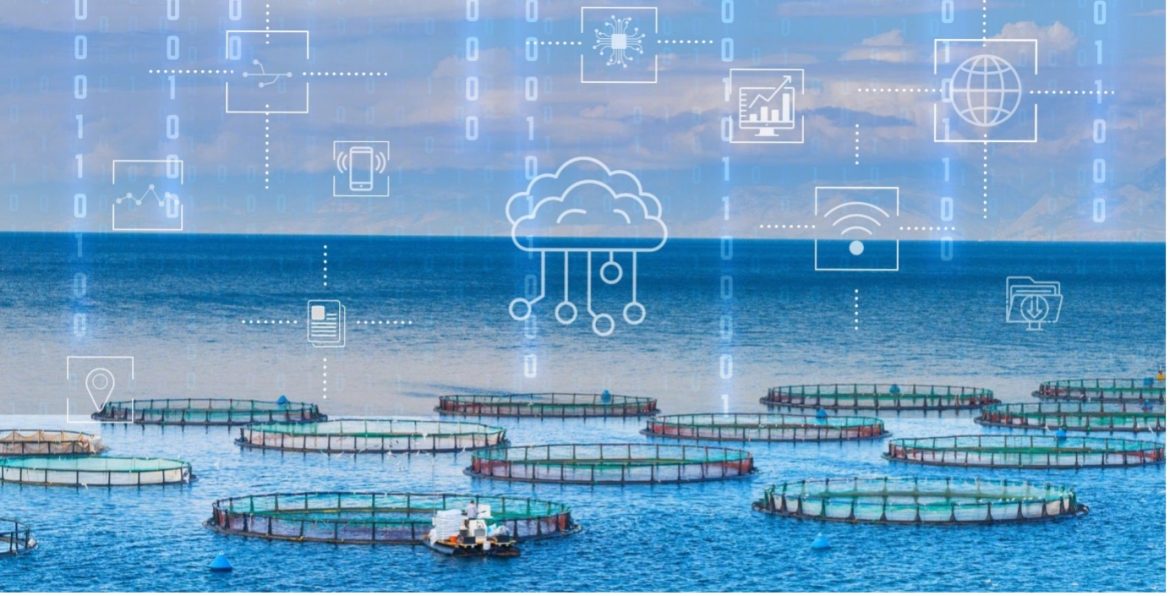
GoSmart offers fully autonomous, energy-efficient systems that can be attached to aquaculture cages, ponds, or tanks. These systems, powered by the NVIDIA Jetson platform for edge AI, analyze various environmental factors, including fish weight, population distribution, temperature, and oxygen levels. The collected data is processed through GoSmart’s software-as-a-service, providing fish farmers with real-time insights into feeding and harvesting decisions.

By optimizing fish feeding regimes, GoSmart helps farmers save costs and reduce organic matter in aquatic environments, benefiting both their bottom line and the environment. Skretting, a major fish feed producer, has deployed GoSmart systems as part of its initiative to expand sustainable fish farming across southern Europe.

GoSmart’s mission is rooted in addressing global protein shortages while mitigating the environmental impact of marine protein acquisition through traditional fishing methods. Melchner highlights that approximately half of marine production still relies on wild-caught fish, leading to overfishing and ecological repercussions, such as reduced levels of algae, a crucial carbon sink.

GoSmart’s systems use lithium-ion batteries charged by solar panels and feature power-management software for autonomous operation. Equipped with sensors, cameras, and NVIDIA Jetson modules, these systems enable real-time analysis of environmental factors affecting fish health, growth, and welfare.

GoSmart is also training its AI systems to analyze fish behavior and disease indicators, further enhancing its capabilities. The company is exploring the use of NVIDIA TensorRT and NVIDIA Triton Inference Server for high-performance deep learning inference.

Melchner predicts a transformative future for aquaculture, with GoSmart’s ystems becoming a staple in the industry. Their goal is to cover every fish cage, pond, and tank globally, introducing advanced AI models and even integrating autonomous feeding barges to provide precise, timely food delivery for fish.

GoSmart’s technology has the potential to reduce fish feed consumption by up to 15% and shorten the time to market for fish, making it a game-changer in sustainable aquaculture.

12/09/2023 0 comment
0 FacebookTwitterPinterestEmail
SISTA360 Launching a Digital Revolution for Sustainable Aquaculture in India
NewsSustainability

SISTA360: Launching a Digital Revolution for Sustainable Aquaculture in India

by Fishery News 12/09/2023
written by Fishery News

On September 25, 2023, the national launch of SISTA360, a groundbreaking digital platform aimed at revolutionizing aquaculture, will take place in New Delhi. Developed as a subsidiary of Kings Infra, SISTA360 offers aquafarmers a comprehensive solution to procure inputs affordably, practice sustainable farming, and market their produce profitably. The platform is committed to developing a traceable and sustainable supply chain that excludes the use of antibiotics or chemicals, ensuring the production of safe and nutritious food on a global scale. Additionally, SISTA360 provides guidance on government schemes, programs, and collaborations with stakeholders in the aquaculture value chain.

As part of the launch event, Kings Infra will host a global seminar titled “India’s Potential to be the Change Leader in Sustainable Aquaculture.” The seminar will bring together renowned experts, academicians, technology solution providers, aqua-culturists, investors, and other stakeholders to discuss India’s growing potential in sustainable aquaculture. The event will be inaugurated by Honorable Minister for Fisheries, Animal Husbandry, and Dairying, Shri Parshottam Rupala.

One of the seminar’s unique features is the online participation of farmer clusters from various Indian states, including Tamil Nadu, Andhra Pradesh, Gujarat, Haryana, and more.

Chairman and Managing Director of Kings Infra, Shaji Baby John, highlighted the positive transformation in India’s fisheries and aquaculture sector. He credited Prime Minister Narendra Modi for recognizing the sector’s pivotal role in India’s growth strategy. Mr. John emphasized the sector’s recent dynamism, driven by policy initiatives and increased confidence among entrepreneurs.

Key policy initiatives in the fisheries and aquaculture sector include the establishment of a separate Ministry for Fisheries, the National Fisheries Policy (NFP), the Draft National Mariculture Policy (NMP), and the passage of the Coastal Aquaculture Authority (Amendment) Bill. Initiatives such as the Pradhan Mantri Matsya Sampada Yojana, Kisan Credit Cards for small and marginal fishers, and collective marketing and linkages under the FFPO scheme have also contributed to the sector’s development.

Mr. John underscored the significant role of India’s digital infrastructure, including the Aadhaar identity system, Digi-locker facilities, healthcare, government schemes, banking, and payment gateways, in fostering the aquaculture sector’s growth.

The seminar serves as a precursor to the establishment of a think-tank aimed at promoting sustainable and vibrant aquaculture, bringing together policymakers, industry representatives, farmers, officials, and stakeholders. Mr. John expressed optimism about India becoming a global hub for aquaculture by 2030, with the potential for exponential growth and the realization of a trillion-dollar blue economy.

SISTA360, the pioneering aquaculture-focused startup behind the digital platform, is based in Bangalore and incubated by Kings Infra Ltd., a company with 40 years of experience in aquaculture farming and export. SISTA360 leverages artificial intelligence, science, technology, research and development, advanced aquaculture techniques, and big data to provide a 360-degree transformation of the aquaculture industry, benefiting farmers, buyers, exporters, and consumers. The platform’s production and business model is designed to be globally scalable, replicable, and profitable.

12/09/2023 0 comment
0 FacebookTwitterPinterestEmail
Global Shrimp Producers Pave the Way for the Creation of the Global Shrimp Council
InternationalNews

Global Shrimp Producers Pave the Way for the Creation of the Global Shrimp Council

by Fishery News 11/09/2023
written by Fishery News

Utrecht, Netherlands – During meetings held at the Global Shrimp Forum in Utrecht this week, shrimp producers from various countries, including Ecuador, Mexico, India, Vietnam, and Indonesia, reached a consensus on the need to establish a global body dedicated to promoting shrimp consumption on international markets, with the aim of benefiting the entire industry. There was unanimous agreement that this organization should be producer-driven and focus its efforts on global markets.

One proposed solution discussed during the meetings was the establishment of the “Global Shrimp Council” within the National Fisheries Institute (NFI) in the United States. Attendees had the opportunity to deliberate on this proposal and consider next steps. These steps include further detailed work to determine the most effective governance structure and financing mechanisms for the organization. The importance of close cooperation with shrimp producers throughout the process was emphasized.

David Castro, CEO of Manta Bay, a seafood trading company based in Mexico and one of the initiators of the meeting, stated, “The Global Shrimp Council is an initiative with the intention to harmonize the interests of participants in this significant industry through a systemic vision. One of these interests is to introduce the global consumer to the benefits of consuming the finest sustainably produced protein sources, such as shrimp.”

The discussions held during these initial talks will lead to a subsequent meeting before the end of the year, with the goal of establishing the Global Shrimp Council by 2024.

11/09/2023 0 comment
0 FacebookTwitterPinterestEmail
Endless Opportunities for Entrepreneurs in Fisheries
News

Endless Opportunities for Entrepreneurs in Fisheries

by Fishery News 11/09/2023
written by Fishery News

Fishpreneurship involves embarking on new business ventures within the fisheries industry with the goal of making them profitable. This endeavor encompasses a range of activities such as information gathering, communication with supply chain partners, market orientation, strategic decision-making, and continuous learning. Unlike management, which primarily focuses on operational and tactical decisions, entrepreneurship places a greater emphasis on strategic issues.

Craftsmanship and management skills can be acquired more easily compared to entrepreneurship, which demands a unique set of abilities and competencies. These include effective communication, risk management, leadership, initiative, receptiveness to societal signals, vision, creativity, self-reflection, and more. Entrepreneurship development (ED) involves initiatives aimed at enhancing entrepreneurial attitudes, skills, and knowledge through capacity-building programs.

A fishpreneur is an entrepreneur who conceptualizes innovative ideas and takes the risk of establishing a business that produces products or services to meet customer needs within the fisheries sector. Fishpreneurship development seeks to enhance the capabilities and motivation of individuals in the fisheries industry to create, organize, and manage their business ventures successfully. Promising areas for fishpreneurs include commercial fish farming, seed production, fish product development, export, ornamental fish breeding, and aquatic plant cultivation.

Several sectors within the fisheries industry offer opportunities for fishpreneurship development, including fish harvest, aquaculture, post-harvest, and marketing sectors. In the fish harvest sector, opportunities exist in areas like boat building, net manufacturing, gear manufacturing, ice factories, navigational equipment production, and communication equipment manufacturing, among others.

In the aquaculture sector, fishpreneurs can explore opportunities in pond construction, brood stock maintenance, hatcheries, feed manufacturing, input industries (e.g., water treatment, chemicals, and equipment), and more.

The post-harvest fisheries sector offers potential in areas such as pre-processing units, ice plants, processing units, fish meal and fish oil production, fish drying units, fish curing units, fish canning units, cold storages, and quality assessment.

In the marketing sector, diverse opportunities include fish wholesalers, middlemen, retailers, vendors, transporters, cold chain personnel, and online marketing platforms.

Fish-based enterprises encompass value-added product preparation, dried fish products, fish processing, ready-to-eat and ready-to-cook fish products, ornamental fish culture, and various forms of aquaculture.

Moreover, fishpreneurs can explore opportunities in advanced fish processing techniques like chilling, vacuum packaging, modified atmospheric packaging (MAP), freezing, IQF product manufacturing, battered and breaded products, and more.

Diversified fishing systems may include recreational fishing, fish folklore museums, eco-tourism ventures, fishing implement maintenance, gear recycling, bait/feed production, data centers for fishing boats, and net-making units.

The emergence of nutraceuticals, especially those derived from marine sources, presents a growing opportunity for fishpreneurs. Products such as chitin, chitosan, glucosamine hydrochloride, and collagen from fish are gaining popularity due to their potential health benefits. Additionally, minerals, functional foods, and protein isolates from fish offer promising avenues for entrepreneurship.

Challenges in fishpreneurship include knowledge and skill gaps, technology limitations, market constraints, and entrepreneurial barriers.

Agri Business Incubation (ABI) centers play a vital role in supporting fishpreneurs. These centers provide technical consultancy, access to entrepreneur-ready technologies, infrastructure, business support services, skills enhancement, IP protection, marketing assistance, and networking opportunities. ABI centers offer a range of production lines, including fish pre-processing, retort pouch processing, fish canning, fish sausage production, fish extrusion, fish curing, and more.

In summary, fishpreneurship is a dynamic and diverse field within the fisheries industry that offers a wide range of opportunities for entrepreneurial individuals to thrive and innovate. ABI centers serve as valuable resources to nurture and support these ventures.

11/09/2023 0 comment
0 FacebookTwitterPinterestEmail
Annual ICES Scientific Conference in Bilbao Addresses Urgent Need for Ocean Sustainability
InternationalNewsSustainability

Annual ICES Scientific Conference in Bilbao Addresses Urgent Need for Ocean Sustainability

by Fishery News 11/09/2023
written by Fishery News

Bilbao, Spain – The annual ICES scientific conference commenced on September 11th in Bilbao and is set to run until September 14th. The conference has gathered more than 750 marine science professionals, research institute leaders, and political figures from Europe and North America. Their mission is to discuss and emphasize the critical importance of enhancing the sustainability of marine ecosystems.

Rogelio Pozo, the Chief Executive Officer of AZTI, the marine science and technology center hosting the event, highlighted the growing recognition of the oceans’ significance in addressing environmental and economic challenges on both national and international fronts. Pozo described the conference as a significant milestone for the Basque Country and the province of Bizkaia.

The conference, accessible online, features a robust agenda comprising presentations, working sessions, and roundtable discussions centered on current issues. Particular attention is being given to the efforts aimed at providing scientific insights, data, and guidance for the sustainable utilization of seas and oceans.

The scientific research presented during the conference seeks to establish the groundwork for securing the ongoing benefits that marine and coastal ecosystems offer to society. These benefits, known as ecosystem services, are examined within the context of adapting to and bolstering resilience in marine and human systems in the face of climate change.

The event’s objectives align with the goals set forth by the World Summit on Sustainable Development, the Biodiversity Strategy for 2030, and the Marine Strategy Framework Directive (MSFG), as well as the United Nations Sustainable Development Goals. It also seeks to facilitate the full implementation of the Common Fisheries Policy, with a new approach aimed at ensuring the favorable conservation status of habitats and species integral to the ocean’s services and benefits.

The ICES scientific conference serves as a crucial platform for fostering collaboration and knowledge sharing among experts and policymakers to address the pressing challenges of ocean sustainability.

11/09/2023 0 comment
0 FacebookTwitterPinterestEmail
PMMSY Initiative Spurs Resurgence in Indias Scampi Farming Supported by Genetic Advancements
NationalNews

PMMSY Initiative Spurs Resurgence in India’s Scampi Farming Supported by Genetic Advancements

by Fishery News 11/09/2023
written by Fishery News

Scampi farming in India is poised for a renaissance, with the Prime Minister Matsya Sampada Yojana (PMMSY) scheme taking center stage in revitalizing this once-thriving industry. PMMSY is committed to uplifting scampi farmers and strengthening the aquaculture sector, breathing new life into an industry that has faced a decline in recent years.

One of the key drivers of this revival is the pioneering research conducted by ICAR-CIFA (Indian Council of Agricultural Research – Central Institute of Freshwater Aquaculture). Their groundbreaking work led to the development of CIFA-GI SCAMPI®, a genetically improved strain of the freshwater prawn Macrobrachium rosenbergii. This development has played a vital role in enhancing scampi productivity and profitability.

The journey began in 2007 when ICAR-CIFA collaborated with WorldFish, Malaysia, to implement a systematic selective breeding program for scampi. This ambitious program spanned 14 generations and involved the careful selection of scampi populations from various regions of India, including Gujarat, Kerala, and Odisha. Through rigorous genetic selection processes, ICAR-CIFA successfully developed the fast-growing strain known as CIFA-GI Scampi®, which received official registration in 2020, marking a significant milestone in aquaculture.

PMMSY employs a multifaceted approach to boost the aquaculture sector in India. It aims to enhance farming practices, promote modern technology adoption, facilitate capacity building and skill development, offer financial support for farm establishment and infrastructure improvement, and foster overall growth and prosperity in aquaculture. ICAR-CIFA has received funding support of Rs 4 Crores from PMMSY to upscale the genetic selection program and strengthen the seed value chain by supplying improved broodstock to a network of multiplier hatcheries.

In addition to genetic improvements, ICAR-CIFA is actively demonstrating the polyculture of scampi with carp farming. Farmers like Mr. Bata Krushna Jena from Odisha’s Jajpur District have reported exceptional results, achieving a yield of 950 kg/ha of ‘CIFA-GI scampi’ and 7530 kg/ha of carp in just seven months. This success underscores the potential of carp-scampi polyculture, offering promising opportunities for fish farmers across the state.

The country has witnessed a remarkable 2.5-fold increase in scampi production, soaring from 8,303 to 21,317 tonnes in the past year. To support this rapid expansion, ICAR-CIFA has designated five scampi hatcheries as multiplier hatcheries responsible for producing CIFA-GI SCAMPI® seeds and supplying them to farmers. They plan to add more hatcheries to their network with an ambitious target of bringing 25,000 ha under scampi farming by 2026, as stated by Dr. P.K. Sahoo, Director of ICAR-CIFA.

11/09/2023 0 comment
0 FacebookTwitterPinterestEmail
Newer Posts
Older Posts
  • Recent
  • Popular
  • ICAR-CIFT Patents Rapid DNA Biosensor for Black Tiger Shrimp Authentication

    07/08/2026
  • Minister Holds Review Meeting with Fisheries Cooperative Leaders

    07/08/2026
  • Dry Fish Demand Surges Following Formalin Ban

    07/08/2026
  • Rohu Breeding: A Complete Step-by-Step Guide to Successful Seed Production

    07/08/2026
  • 1

    Trout Fish Stocking Initiative Enhances Fisheries and Tourism Potential in Shopian, Jammu and Kashmir

    17/12/2023
  • 2

    BIGGEST FISH MARKETS IN INDIA

    07/09/2024
  • 3

    Brazil’s Appetite for Vietnamese Tilapia Is Reshaping the Global Whitefish Trade

    28/07/2026
  • 4

    Introducing Future Aquaculture Magazine: A New Voice Shaping the Future of Seafood

    13/02/2026

About Fishery News

FN Logo

Fishery.News is India’s leading digital media platform dedicated to fisheries, aquaculture, seafood, and marine industries. We deliver trusted news, expert insights, market intelligence, technology updates, research, government policies, and success stories that help fish farmers, shrimp farmers, seafood businesses, researchers, and industry professionals stay informed and grow sustainably

Categories

  • News
  • Aquaculture
  • Aquatic Health and Disease Management
  • Research and Innovation
  • Technology & Equipments

Social Networks

Facebook Twitter Instagram Linkedin Youtube
  • Facebook
  • Twitter
  • Instagram
  • Linkedin
  • Youtube

© 2026 Fishery.News – A BLIV Media Venture. All Rights Reserved.


Back To Top
Fishery News
  • E – Magazine
    • Aquaculture
    • Aqua Health & Disease Management
    • News
      • National
      • International
    • Farming
    • Research and Innovation
    • Sustainability
    • Technology & Equipments
    • This is Africa
    • Trade
  • Publications
  • Events
    • Expos
    • Trainings
    • Events by Month
  • Business Listings
    • List Your Business
    • Business Listings
    • Buy & Sell
    • Get Consultation
  • Employment
  • About Us
    • Founder
  • Contact