• E – Magazine
    • Aquaculture
    • Aqua Health & Disease Management
    • News
      • National
      • International
    • Farming
    • Research and Innovation
    • Sustainability
    • Technology & Equipments
    • This is Africa
    • Trade
  • Publications
  • Events
    • Expos
    • Trainings
    • Events by Month
  • Business Listings
    • List Your Business
    • Business Listings
    • Buy & Sell
    • Get Consultation
  • Employment
  • About Us
    • Founder
  • Contact
Fishery News
Home » Sustainability » Page 2
Category:

Sustainability

India's Push for Fair Fisheries Subsidy Reforms Gains Momentum at WTO Backed by Developing Nations
Sustainability

India’s Push for Fair Fisheries Subsidy Reforms Gains Momentum at WTO, Backed by Developing Nations

by Fishery News 16/09/2024
written by Fishery News

India’s stance on the ongoing fisheries subsidy negotiations at the World Trade Organization (WTO) has garnered widespread support from developing countries and Least Developed Countries (LDCs), according to a Geneva-based trade official. As the WTO works to finalize the second phase of its fisheries subsidies agreement by the end of the year, India’s call for stricter controls on large-scale industrial fishing while protecting smaller players has resonated with many.

India’s key argument is that the current subsidies discipline should not inhibit small-scale fishers looking to expand but should focus on curbing unsustainable practices carried out by industrial deep-sea fishing fleets. Many developing countries agree that unchecked subsidies benefiting large industrial players, especially from wealthier nations, contribute to overfishing and depletion of marine resources, threatening the livelihoods of smaller fishers.

Ambassador Einar Gunnarsson of Iceland, Chair of the WTO fisheries negotiations, urged member countries to push forward with negotiations and engage with political leaders to finalize the agreement. Gunnarsson emphasized the need for political will to conclude the negotiations by the year-end, encouraging all parties to maintain momentum.

India’s submissions to the WTO Fisheries Committee highlighted the need for a careful review of the current draft text, pointing out that existing loopholes could enable large-scale industrial fishing operations to continue harmful practices unchecked. “We must ensure that the final agreement aligns with the sustainability goals of the WTO’s overarching commitment to the Ocean Conference on Fisheries (OCOF) while not overburdening developing nations,” India’s submission argued.

Alieu Sowe, Coordinator of the Gambia Fisher Folks Association, voiced concerns on behalf of small-scale fishers at the ongoing WTO Public Forum in Geneva. Sowe criticized the draft text for failing to discipline industrial fishing operations adequately and imposing unfair restrictions on smaller fishers. “The sustainability exemption clause benefits advanced fishing nations that have superior monitoring and notification systems, allowing them to evade meaningful commitments,” Sowe said, adding that poorer countries, even if fishing sustainably, would be disadvantaged.

Small-scale fishers have long argued for better provisions in the agreement, emphasizing that current special and differential treatment (SDT) clauses are insufficient. “The exemptions should not merely distinguish between industrial and non-industrial players but should address the core issue of unsustainable industrial fishing,” Sowe added.

Global fish stocks continue to decline, with 37.7% of them overfished, compared to 10% in 1974. WTO data reveals that governments provide $35 billion in fisheries subsidies worldwide, with $22 billion contributing to unsustainable fishing practices. The largest subsidizing nations include China, the European Union, the United States, South Korea, and Japan, whereas India’s subsidies remain relatively modest, with the government estimating just $15 per fisher family annually.

As the year-end deadline approaches, India and its allies in the developing world are urging a fisheries subsidies agreement that better reflects the concerns of smaller nations and small-scale fishers, while promoting sustainability and equity in global fisheries management.



16/09/2024 0 comment
0 FacebookTwitterPinterestEmail
Kochi Meeting Urges Incentives for Sustainable Fishing in India
Sustainability

Kochi Meeting Urges Incentives for Sustainable Fishing in India

by Fishery News 29/08/2024
written by Fishery News

Marine experts are calling for incentives to encourage Indian fishermen to adopt more sustainable fishing practices. They believe this is essential for preserving marine life and securing international recognition for India’s seafood industry.

A recent meeting in Kochi discussed the progress of a project aimed at achieving Marine Stewardship Council (MSC) certification for Indian seafood. MSC certification is a globally recognized standard for sustainable fishing.

Dr. Sunil Mohamed, a leading expert, highlighted the importance of traceability in the seafood industry. Traceability means being able to track the origin of seafood from the catch to the buyer. He said, “Incentives for traceable practices can help India improve its reputation and access better markets.”

The project focuses on 10 specific types of seafood and aims to address sustainability issues in the Indian fishing industry. The World Wildlife Fund (WWF) and the Seafood Exporters Association of India are working together on this project.

Dr. George Ninan, a fisheries expert, emphasized the value of MSC certification. He said, “Certification can help increase the value of Indian seafood exports and improve the lives of fishermen.”

The meeting also discussed using square mesh codends on fishing nets. This can help reduce the accidental catch of juvenile fish. Dr. VR Madhu said, “This change can also save fuel.”

Dr. Laxmi Pillai presented information on the current status of the 10 types of seafood being studied. The meeting also stressed the importance of raising awareness among fishermen about the benefits of MSC certification.

The meeting was attended by government officials, marine scientists, seafood exporters, and representatives from various agencies. They discussed the work being done by different organizations and emphasized the importance of open communication and cooperation among all stakeholders.

SOURCE – AgriculturePost.com


29/08/2024 0 comment
0 FacebookTwitterPinterestEmail
Government of India Boosts Sustainable Aquaculture with RAS Technology
Sustainability

Government of India Boosts Sustainable Aquaculture with RAS Technology

by Fishery News 01/08/2024
written by Fishery News

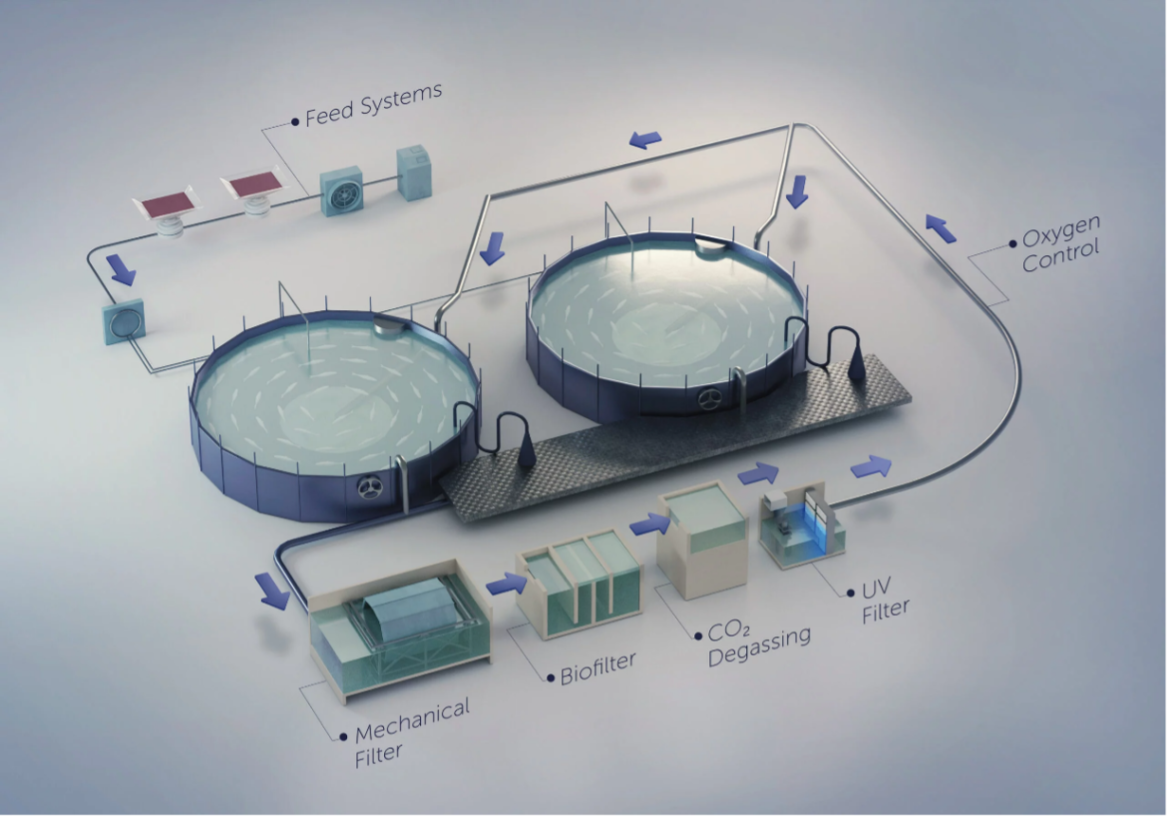
The Department of Fisheries, under the Ministry of Fisheries, Animal Husbandry & Dairying, Government of India, is actively promoting Recirculatory Aquaculture System (RAS) technology across all States and Union Territories through the Pradhan Mantri Matsya Sampada Yojana (PMMSY). This initiative aims to enhance sustainable aquaculture practices by providing training and capacity building for stakeholders in the management and operation of RAS.

RAS Projects and Financial Assistance

Over the past four years, the government has approved 11,995 RAS units at a cost of Rs. 887.85 crore under PMMSY, covering 31 states. Financial assistance is provided at 40% of the unit cost for beneficiaries from the general category and 60% for Scheduled Caste, Scheduled Tribe, and women beneficiaries, including small-scale farmers. The National Fisheries Development Board (NFDB) has issued a detailed action plan on RAS, including culture protocol and system design.

Training and Capacity Building

PMMSY includes provisions for extensive training and capacity building in all aspects of fisheries and aquaculture, with a special focus on promoting RAS-based farming in North Eastern and Himalayan states. The scheme supports the establishment of medium and large RAS units for cold-water fish like rainbow trout. Financial assistance is available for the establishment of RAS units by individual or group beneficiaries, with unit costs of Rs. 50 lakh, Rs. 25 lakh, and Rs. 7.5 lakh for large, medium, and small units, respectively. Assistance is provided at 40% of the project cost for general category beneficiaries and 60% for SC/ST and women beneficiaries.

Certification and Regulation

The NFDB is implementing a pilot certification program for fish hatcheries, fish farms, brood banks, and feed mills under PMMSY in six states: Andhra Pradesh, Assam, Chhattisgarh, Gujarat, Karnataka, and Tamil Nadu. This program covers 3,040 beneficiaries and targets 1,711 units with a total budget of Rs. 4.52 crore. Additionally, the Coastal Aquaculture Authority Act 2005 (Amendment 2023) mandates the registration and licensing of all aquaculture units, including RAS, to ensure traceability of produce. In Andhra Pradesh, the State Aquaculture Development Authority Act 2020 requires mandatory registration and licensing of RAS farms for their establishment and operation.

This comprehensive approach by the Government of India aims to foster sustainable aquaculture practices, ensuring the long-term viability and productivity of the fisheries sector.

Source: India Education Diary


01/08/2024 0 comment
0 FacebookTwitterPinterestEmail
preserving sri lankas sea turtles the role of turtle hatcheries and rescue centres
Sustainability

Preserving Sri Lanka’s Sea Turtles: The Role of Turtle Hatcheries and Rescue centres

by Fishery News 01/06/2024
written by Fishery News

The beautiful island nation of Sri Lanka, located in the Indian Ocean, not only has stunning scenery and a rich culture but also plays a crucial role in protecting five endangered sea turtle species: the Green Turtle, Hawksbill Turtle, Loggerhead Turtle, Leatherback Turtle, and Olive Ridley Turtle. Unfortunately, these incredible beings face threats from pollution, habitat loss, and illegal hunting. In response to these challenges, turtle hatcheries and rescue centers have emerged as crucial sanctuaries along Sri Lanka’s shores, dedicated to protecting these gentle giants and ensuring their survival for future generations.

Turtle hatcheries and rescue centers are essential for conserving Sri Lanka’s marine biodiversity. They provide a safe haven for turtle eggs to hatch and nurture baby turtles until they are ready to embark on their journey into the ocean, shielding them from predators and human interference. Moreover, they contribute to the delicate balance of the marine ecosystem, where sea turtles play a key role in sustaining the ocean’s food chain.

preserving sri lankas sea turtles the role of turtle hatcheries and rescue centres 2

Beyond their ecological significance, turtle hatcheries and rescue centers also promote economic sustainability and empower local communities. Through ecotourism activities, they attract visitors from various regions, offering educational programs and volunteer opportunities that benefit the community. Additionally, they engage in outreach programs, working with schools and residents to raise awareness about environmental issues and encourage sustainable practices.

Sri Lanka is home to several turtle hatcheries and rescue centers along its coastline, each with its own conservation projects. Whether it’s the Kosgoda Turtle Conservation Project or the Rekawa Turtle Conservation Project, these centers collaborate to protect sea turtles. Visitors to the Habaraduwa Turtle Hatchery, the Sea Turtle Farm & Hatchery in Hikkaduwa, or other rescue centers can actively support conservation efforts and learn about these fascinating creatures. Some centres have unique species like genetically modified white turtles, electric eels, and tiger lobsters, which possess venom and come in 17 different types worldwide.

Turtle hatcheries and rescue centers offer hope for the conservation of Sri Lanka’s endangered sea turtles. By participating in visits or volunteer work at these centers, individuals can have a meaningful impact on the protection of these marine species. As guardians of Sri Lanka’s natural heritage, turtle hatcheries and rescue centers exemplify the collective dedication required to preserve biodiversity.

01/06/2024 0 comment
0 FacebookTwitterPinterestEmail
Andhra Pradesh Implements Month Long Fishing Ban Near Hope Island to Safeguard Olive Ridley Turtles
Sustainability

Andhra Pradesh Implements Month-Long Fishing Ban Near Hope Island to Safeguard Olive Ridley Turtles

by Fishery News 14/02/2024
written by Fishery News

As a proactive measure to protect Olive Ridley turtles along the Kakinada coast, the Andhra Pradesh government has announced a month-long ban on fishing within a 5-kilometer radius of Hope Island. Set to commence on February 15th, the ban aims to address the recent surge in turtle mortalities spanning nearly 12 kilometres of coastline, including the Coringa Wildlife Sanctuary (CWS).

Kakinada Collector Krithika Shukla affirmed the imposition of the ban, stating, “Effective February 15th, a fishing ban will be enforced within a 5-km radius of Hope Island.” Both mechanized and traditional fishing vessels will be prohibited from traversing through the restricted area, a measure endorsed by the Kakinada Sea Port authorities.

Various governmental departments, such as Forest, Fisheries, Customs, and Marine Police, have been mobilized to ensure stringent enforcement of the ban. “We have engaged the Departments of Forest, Fisheries, Customs, and Marine Police for patrolling and strict compliance with the ban. All departments have pledged their full cooperation,” Ms. Shukla stated.

Initiatives to monitor turtle breeding areas are already underway, with forest authorities appealing to local communities for their cooperation. The ban will remain in effect until the conclusion of the turtle breeding season.

The implementation of this ban underscores the government’s commitment to marine conservation and the protection of biodiversity. By restricting fishing activities in vital turtle habitats, authorities aim to mitigate threats to the Olive Ridley turtle population.

14/02/2024 0 comment
0 FacebookTwitterPinterestEmail
Collaboration Creates Responsible Shrimp Product Line Minimizing Carbon Footprint and Enhancing Social Impact
Sustainability

Collaboration Creates Responsible Shrimp Product Line, Minimizing Carbon Footprint and Enhancing Social Impact

by Fishery News 13/02/2024
written by Fishery News

A collaboration between French retailer Auchan, feed manufacturer BioMar, Ecuadorian shrimp farmer Edpacif, and the Earthworm Foundation has resulted in the development of a new product line that sets a benchmark for responsible shrimp farming. This initiative aims to address customer demand for more sustainable seafood options while prioritizing environmental and social considerations.

The new product line, which will be labelled as Mr. Goodfish, is a culmination of efforts to ensure responsible seafood consumption. Launched in March 2010 in France by Nausicaá, National Sea Centre, the Mr. Goodfish program advocates for responsible feed, optimal farming conditions for animal welfare, and minimizing environmental impact.

Olivier Vandebeulque, Auchan’s seafood manager, highlights the importance of collaboration across the value chain to meet customer demands for more sustainable seafood options. Auchan’s partnership with the Earthworm Foundation underscores their commitment to responsible sourcing and production practices.

BioMar played a crucial role in the project by leveraging its sustainability impact assessment tool, BioSustain LCA, to optimize the carbon footprint of the shrimp feed. A key aspect of this optimization was ensuring that none of the feed ingredients originated from deforested or tropical areas, thereby contributing to positive environmental outcomes.

Moreover, Auchan is piloting innovative approaches to commercialize shrimp products, such as selling trays with only the shrimp tails. This not only reduces the carbon footprint associated with product transport by 40 percent but also promotes circularity in production by repurposing shrimp heads locally in Ecuador for animal feed.

In addition to environmental considerations, the collaboration also integrated a social pillar into the project’s specifications for Ecuadorian shrimp. Florie Loth, Ocean Program manager at Earthworm, emphasizes the importance of social sustainability, highlighting initiatives aimed at improving access to stable employment and enhancing working conditions for local communities in Ecuador.

The new product line, reflecting a holistic approach to sustainability, is now available in French Auchan hypermarkets. This initiative marks a significant step forward in promoting responsible shrimp farming practices while meeting consumer demand for ethically sourced seafood options.


13/02/2024 0 comment
0 FacebookTwitterPinterestEmail
Asian Development Bank Partners with ABIS Exports India for Sustainable Aquafeed Plant in India
Sustainability

Asian Development Bank Partners with ABIS Exports India for Sustainable Aquafeed Plant in India

by Fishery News 13/02/2024
written by Fishery News

The Asian Development Bank (ADB) has inked a sustainability-linked debt facility worth USD 16 million (EUR 15.3 million) with ABIS Exports India Private Limited (ABIS). The funds will be directed towards establishing a micro-aquafeed plant in the country.

This initiative is not only aimed at enhancing aquaculture production but also focuses on empowering farmers with climate-resilient fish farming practices and financial literacy. ADB plans to train up to 6,000 farmers as part of its broader effort to fortify food security in India.

The specialized aquafeed to be manufactured by the plant will be smaller in size compared to standard feed, enabling consumption by a wider range of fish species. ADB emphasizes that the use of micro-aquafeed can significantly enhance feed efficiency and mitigate water pollution, as it can float on the water surface for a longer duration.

According to Tushna Dora, Senior Investment Specialist at ADB’s Private Sector Operations Department, fisheries play a pivotal role in India’s nutrition and food security, providing livelihoods for over 28 million fish farmers nationwide. Dora notes that the collaboration with ABIS signifies a crucial step towards introducing innovation and efficiency in feed inputs, ultimately supporting increased production and rural livelihoods.

This partnership marks ADB’s inaugural private-sector sustainability-linked financing arrangement. The pricing of the facility will be tied to predefined sustainability targets, including emissions reduction, water conservation, and farmer training, with adjustments made upon their achievement.

Under the agreement, participating farmers will undergo training supported by a USD 500,000 (EUR 478,000) technical assistance grant. This training will focus on implementing climate-smart fish farming practices and enhancing financial literacy, aiming to bolster the climate resilience of small-scale fish farmers, with a special emphasis on facilitating female farmers’ access to aquaculture information and training.

Bahadur Ali, Managing Director of ABIS Exports, expresses gratitude for ADB’s support, highlighting their commitment to reducing carbon emissions, improving water conservation efforts, and enhancing farmer extension services. Ali underscores that ABIS’s mission revolves around uplifting farmers’ livelihoods while meeting ambitious environmental, social, and governance targets.

ABIS Exports India Private Limited, a subsidiary of the Indian Broiler group, operates across various sectors including poultry, poultry feed, dairy, edible oil, and hospitality.

This partnership aligns with ADB’s broader strategy to allocate at least USD 14 billion (EUR 13.4 billion) by 2025 to address food crises in Asia and the Pacific region, amidst escalating impacts of climate change and biodiversity loss. A significant portion of this funding, including USD 3.5 billion (EUR 3.3 billion) for the private sector, will be directed towards supporting farmers and agribusinesses directly, complemented by USD 5 billion (EUR 4.8 billion) in co-financing.

The collaboration between ADB and ABIS represents a significant step towards fostering sustainable aquaculture practices and enhancing food security in India, while also advancing climate resilience and environmental stewardship in the region.


13/02/2024 0 comment
0 FacebookTwitterPinterestEmail
NBAs 22Nets for Change22 Initiative A Step Towards Marine Sustainability Through Basketball 1
Sustainability

NBA’s “Nets for Change” Initiative: A Step Towards Marine Sustainability Through Basketball

by Fishery News 10/02/2024
written by Fishery News

The National Basketball Association (NBA) has introduced the “Nets for Change” initiative, emphasizing marine sustainability through basketball. This innovative program aims to repurpose discarded underwater fishing nets into basketball hoops for courts across India, marking a significant stride towards addressing marine conservation challenges.

At its core, the initiative seeks to tackle the pressing environmental issue of discarded fishing nets, which pose a grave threat to marine ecosystems. Abandoned nets, often referred to as “ghost nets,” continue to entangle marine life, including fish, turtles, and seabirds, leading to injury and death. By intercepting these nets and repurposing them into functional basketball nets, the NBA’s initiative not only prevents further harm to marine life but also contributes to the preservation of coastal habitats and biodiversity.

The “Nets for Change” initiative operates on principles of circular economy and resource efficiency. By transforming waste materials into valuable assets, the program exemplifies a sustainable approach to sports infrastructure development. Repurposing discarded fishing nets into durable basketball hoops not only reduces the burden on landfill sites but also minimizes the need for virgin materials, thereby conserving natural resources and reducing carbon emissions associated with traditional manufacturing processes.

Furthermore, the initiative fosters community engagement and awareness of marine conservation issues. Through partnerships with coastal communities in Mumbai, the NBA collaborates closely with local stakeholders to retrieve abandoned fishing nets from coastal waters. This collaborative effort not only empowers communities to take action towards marine sustainability but also fosters a sense of ownership and responsibility towards protecting marine environments.

From a broader perspective, the “Nets for Change” initiative underscores the transformative power of sports in driving positive change for the environment. By harnessing the popularity and influence of basketball, the NBA leverages its platform to raise awareness of marine conservation issues and inspire action towards sustainable practices. Through promotional campaigns and educational outreach, the initiative educates basketball enthusiasts and the general public alike about the importance of marine sustainability and collective efforts needed to safeguard our oceans for future generations.


10/02/2024 0 comment
0 FacebookTwitterPinterestEmail
The Peril of Aquatic Invasions Threats to Indias Freshwater Ecosystems 1
Sustainability

The Peril of Aquatic Invasions: Threats to India’s Freshwater Ecosystems

by Fishery News 09/02/2024
written by Fishery News

India’s rich tapestry of freshwater ecosystems is facing an insidious threat from invasive aquatic species, exacerbating the already complex challenges posed by habitat modification, pollution, overfishing, and other anthropogenic pressures. This comprehensive analysis delves into the multifaceted dimensions of the invasion crisis, shedding light on its causes, consequences, and potential solutions.

Understanding Invasive Species

The term “invasive species” conjures images of unwelcome intruders, yet the reality is nuanced. Many invasive species, such as the African catfish, Tilapia, South American armoured sailfin catfish, and Gambusia, were introduced with specific purposes in mind, ranging from aquaculture to mosquito control. However, their unintended consequences have been profound, driven by inherent traits like rapid growth and adaptability, which confer a competitive edge over native species, ultimately leading to their proliferation and dominance.

Pathways of Invasion

The infiltration of invasive species into India’s aquatic ecosystems has occurred through various channels, including spillover incidents during floods and deliberate or accidental releases. The ubiquitous presence of species like Tilapia and Gambusia has become a defining feature of water bodies across the nation, overshadowing native inland fishes like Rohu and Catla and fundamentally altering ecosystem dynamics.

The Present Crisis

The escalating decline of native fish populations represents a critical juncture in the broader context of global freshwater conservation efforts. Reports indicate that 83% of global freshwater populations have been lost in the last five decades, with 25% of the world’s freshwater fish species now at risk of extinction, largely attributable to invasive species and associated diseases.

Ecological and Socio-economic Impacts

The proliferation of invasive species extends beyond mere displacement of local fish populations, encompassing far-reaching ecological and socio-economic ramifications. Rivers, lakes, and wetlands, which serve as lifelines for myriad ecosystem services, including fisheries, climate regulation, and carbon sequestration, are under siege. Moreover, the livelihoods of millions of inland fisherfolks, constituting a significant portion of global inland fish production, are imperilled by the dominance of invasive species.

Challenges and Missed Opportunities

The endeavour to address aquatic invasions is beset by formidable challenges, chief among them being substantial knowledge gaps and inadequate regulatory frameworks. Despite international commitments outlined in the Convention on Biological Diversity, progress in controlling and preventing invasive alien species remains woefully inadequate. While strides have been made in identifying and listing invasive species, comprehensive eradication and management strategies are sorely lacking.

Current Solutions and Limitations

Efforts to combat invasive species entail the elimination of existing populations from the wild, with initiatives in protected areas like Keoladeo National Park and Periyar Tiger Reserve showing promise. However, these efforts are hampered by the rapid breeding capacity of invasive species and the lack of exclusive legal frameworks for addressing regulatory violations related to invasive species management.

Future Outlook

As India grapples with the intricate challenge of aquatic invasions, a multifaceted approach is imperative. Strategies must encompass the development of specialized tools, substantial investments in research and capacity building, and widespread awareness initiatives targeting stakeholders and the general public alike. Furthermore, promoting the conservation of native fish species and reevaluating large-scale projects such as river linking and exotic fish restocking are paramount to preserving biodiversity and ensuring the sustainability of freshwater ecosystems.

Inference

The battle against aquatic invasions is an arduous one, requiring concerted efforts from stakeholders across sectors. By addressing knowledge gaps, bolstering regulatory frameworks, and fostering collaborative partnerships, India can mitigate the impacts of invasive species and safeguard its invaluable freshwater resources for posterity. Only through collective action can we ensure the preservation of our aquatic ecosystems for future generations to cherish and benefit from.

09/02/2024 0 comment
0 FacebookTwitterPinterestEmail
Blue Economy 2.0 Your Doubts Answered
Sustainability

Blue Economy 2.0: Your Doubts Answered!

by Fishery News 06/02/2024
written by Fishery News

Finance Minister Nirmala Sitharaman announced the launch of Blue Economy 2.0 during her interim budget speech, emphasizing the importance of harnessing the potential of oceans, seas, and coastal areas. The Blue Economy has emerged as a critical component of discussions surrounding sustainable development, offering immense economic opportunities while addressing environmental challenges. With the unveiling of Blue Economy 2.0, the government aims to promote climate-resilient activities and foster sustainable growth in coastal regions.

The Blue Economy encompasses a wide range of economic activities that rely on marine resources, including fisheries, aquaculture, tourism, shipping, and renewable energy. However, with marine ecosystems facing unprecedented threats from climate change, pollution, and overexploitation, there is an urgent need for coordinated action to safeguard ocean health and resilience. Minister Sitharaman’s announcement signals the government’s commitment to addressing these challenges and unlocking the economic potential of the Blue Economy.

Central to the Blue Economy 2.0 scheme are measures aimed at restoration and adaptation, which involve restoring degraded coastal ecosystems and implementing adaptation strategies to mitigate the effects of rising sea levels and extreme weather events. These efforts are crucial for preserving biodiversity, protecting coastal communities, and maintaining the ecosystem services provided by marine habitats. By investing in restoration and adaptation measures, the government seeks to enhance the resilience of coastal areas to climate change impacts.

Furthermore, the Blue Economy 2.0 scheme will focus on the expansion of coastal aquaculture and mariculture, which play a vital role in meeting the growing demand for seafood while reducing pressure on wild fish stocks. Sustainable aquaculture practices will be promoted, integrating them with other sectors such as tourism and renewable energy to create economic opportunities for coastal communities. By adopting an integrated and multi-sectoral approach, the scheme aims to ensure the long-term viability of marine resources while supporting livelihoods and economic growth.

Minister Sitharaman highlighted the need for collaboration and partnership in implementing the Blue Economy 2.0 scheme, recognizing the interconnectedness of various sectors and the importance of coordinated action across government departments, industries, and civil society. By fostering collaboration and partnership, the government seeks to harness the collective efforts of stakeholders to achieve sustainable development goals in coastal areas.

The launch of Blue Economy 2.0 represents a significant step towards realizing the potential of marine resources for sustainable development. By promoting climate-resilient activities and fostering collaboration, the government aims to unlock economic opportunities while safeguarding ocean health and resilience. With the Blue Economy 2.0 scheme, India reaffirms its commitment to sustainable coastal development and environmental stewardship.


06/02/2024 0 comment
0 FacebookTwitterPinterestEmail
Newer Posts
Older Posts
  • Recent
  • Popular
  • ICAR-CIFT Patents Rapid DNA Biosensor for Black Tiger Shrimp Authentication

    07/08/2026
  • Minister Holds Review Meeting with Fisheries Cooperative Leaders

    07/08/2026
  • Dry Fish Demand Surges Following Formalin Ban

    07/08/2026
  • Rohu Breeding: A Complete Step-by-Step Guide to Successful Seed Production

    07/08/2026
  • 1

    Trout Fish Stocking Initiative Enhances Fisheries and Tourism Potential in Shopian, Jammu and Kashmir

    17/12/2023
  • 2

    BIGGEST FISH MARKETS IN INDIA

    07/09/2024
  • 3

    Brazil’s Appetite for Vietnamese Tilapia Is Reshaping the Global Whitefish Trade

    28/07/2026
  • 4

    Introducing Future Aquaculture Magazine: A New Voice Shaping the Future of Seafood

    13/02/2026

About Fishery News

FN Logo

Fishery.News is India’s leading digital media platform dedicated to fisheries, aquaculture, seafood, and marine industries. We deliver trusted news, expert insights, market intelligence, technology updates, research, government policies, and success stories that help fish farmers, shrimp farmers, seafood businesses, researchers, and industry professionals stay informed and grow sustainably

Categories

  • News
  • Aquaculture
  • Aquatic Health and Disease Management
  • Research and Innovation
  • Technology & Equipments

Social Networks

Facebook Twitter Instagram Linkedin Youtube
  • Facebook
  • Twitter
  • Instagram
  • Linkedin
  • Youtube

© 2026 Fishery.News – A BLIV Media Venture. All Rights Reserved.


Back To Top
Fishery News
  • E – Magazine
    • Aquaculture
    • Aqua Health & Disease Management
    • News
      • National
      • International
    • Farming
    • Research and Innovation
    • Sustainability
    • Technology & Equipments
    • This is Africa
    • Trade
  • Publications
  • Events
    • Expos
    • Trainings
    • Events by Month
  • Business Listings
    • List Your Business
    • Business Listings
    • Buy & Sell
    • Get Consultation
  • Employment
  • About Us
    • Founder
  • Contact