• E – Magazine
    • Aquaculture
    • Aqua Health & Disease Management
    • News
      • National
      • International
    • Farming
    • Research and Innovation
    • Sustainability
    • Technology & Equipments
    • This is Africa
    • Trade
  • Publications
  • Events
    • Expos
    • Trainings
    • Events by Month
  • Business Listings
    • List Your Business
    • Business Listings
    • Buy & Sell
    • Get Consultation
  • Employment
  • About Us
    • Founder
  • Contact
Fishery News
Home » Sustainability » Page 10
Category:

Sustainability

Chinas White Paper Unveils Distant Water Fisheries Development and Global Collaboration Efforts
Sustainability

China’s White Paper Unveils Distant-Water Fisheries Development and Global Collaboration Efforts

by Fishery News 25/10/2023
written by Fishery News

China’s State Council Information Office (SCIO) has published a comprehensive white paper titled “Development of China’s Distant-Water Fisheries,” offering insights into the nation’s philosophy and success in the Distant-Water Fisheries (DWF) sector. The document aims to showcase China’s commitment to international agreements, share its administrative experience in DWF, and foster global cooperation in this field.

Commencing its Distant-Water Fisheries endeavours in 1985, China has made significant strides over the past 30 years. The white paper underscores China’s strategic approach to optimizing industrial structures, promoting transformation and efficiency, controlling development scale, enforcing standardized management, and combatting illegal fishing for scientific conservation and sustainable resource utilization.

China’s cooperative agreements extend to over 40 countries and regions in Asia, Africa, South America, and Oceania, reflecting the nation’s commitment to regulated and collaborative fisheries practices.

In the midst of evolving challenges in international ocean governance, the white paper emphasizes China’s ongoing commitment to collaborative efforts. Grounded in principles of equality, mutual respect, and mutual benefit, China is dedicated to strengthening the conservation and sustainable use of global sea resources.

The nation pledges to play an active role in completing the UN 2030 Agenda for Sustainable Development, fostering a maritime community of shared future, and contributing to the green and sustainable development of the world’s seas.

Source: CGTN
25/10/2023 0 comment
0 FacebookTwitterPinterestEmail
UN High Seas Treaty Aims to Combat Overfishing with Cutting Edge Satellite Technologies
Sustainability

UN High Seas Treaty Aims to Combat Overfishing with Cutting-Edge Satellite Technologies

by Fishery News 25/10/2023
written by Fishery News

In a groundbreaking effort to address the crisis of overfishing and illegal, unreported, and unregulated (IUU) fishing, the United Nations (UN) High Seas Treaty has emerged as a pivotal milestone. Drafted in March by UN member nations, the treaty represents a crucial step towards protecting marine ecosystems that were once beyond the reach of international law.

According to recent reports, approximately one-third of fish stocks worldwide are overfished, with 20 percent of all seafood sourced through illegal fishing practices. IUU fishing, often conducted on the high seas where governance is challenging, poses a significant threat to marine biodiversity and has far-reaching economic consequences, costing the global economy an estimated $23 billion annually.

Emily Langley, a fisheries policy adviser at The Nature Conservancy, underscores the significance of the High Seas Treaty as a key milestone in the decades-long effort to curb IUU fishing. The treaty aligns with the UN Global Biodiversity Framework’s 30×30 target, which aims to protect 30 percent of the Earth’s ocean, land, and inland waters by 2030.

The treaty proposes to establish environmentally protected areas and monitor human threats to ecosystems, particularly focusing on IUU fishing vessels operating on the high seas. One major challenge in this endeavor is the existence of “dark fleets”—unmonitored vessels that operate beyond public tracking systems. These vessels contribute to what researchers term the “ocean data gap,” making it difficult to enforce regulations.

To overcome this challenge, a new wave of satellite technologies is being leveraged to survey the oceans. David Kroodsma, the director of research at the Global Fishing Watch, a collaboration between Google, Oceana, and SkyTruth, highlights the lack of monitoring at sea compared to on land. His team has developed algorithms and artificial intelligence methods that combine limited vessel data with imagery from Earth-monitoring satellites.

This data, collected from sources like automatic identification systems (AIS), synthetic aperture radar (SAR), and NASA-operated infrared satellites (VIIRS), has been used to identify and track illegal fishing vessels in various high seas regions. The goal is to eliminate the “ocean data gap” and provide a comprehensive understanding of IUU hotspots and over-exploited marine ecosystems.

While the High Seas Treaty is not binding, the incorporation of advanced monitoring technologies, combined with other best practices such as port inspections and human observers, can enhance the ability of nations and regional fisheries management organizations (RFMOs) to regulate and enforce fishing practices. This approach comes at a critical time as seafood consumption is growing at twice the rate of the global population.

Langley emphasizes the urgency of finding a solution that balances the need to feed the world’s population with the imperative of maintaining healthy fish stocks and establishing a regenerative food system. The combination of a regulated industry, transparency, accountability, and advanced monitoring technologies is seen as a promising path forward in addressing the complex challenges of global fisheries.

Source: Earth Island Journal

25/10/2023 0 comment
0 FacebookTwitterPinterestEmail
Report Reveals Unregulated Exploitation Threatening Indian Ocean Biodiversity
Sustainability

Report Reveals Unregulated Exploitation Threatening Indian Ocean Biodiversity

by Fishery News 22/10/2023
written by Fishery News

A new report by Trygg Mat Tracking and the World Wide Fund for Nature sheds light on the escalating exploitation of unprotected areas in the vast Indian Ocean high seas, leading to soaring catches with minimal oversight. Squid fishing has witnessed an astonishing 830 percent increase since 2015, while species like sharks, dolphins, whales, and porpoises receive little, if any, legal protection.

The report emphasizes how regulatory gaps in the Indian Ocean are contributing to overfishing and endangering various species. Nearly 15 percent of all wild-caught seafood is supplied by the Indian Ocean, with one-third of its fish stocks being exploited beyond sustainable levels, exacerbated by high levels of illegal, unreported, and unregulated (IUU) fishing.

Unregulated fishing, occurring in areas without governing laws, often receives less attention from policymakers. Duncan Copeland, executive director at Trygg Mat Tracking, highlights the difficulty in creating new laws to manage international fisheries, requiring support from nations with competing economic interests.

Tuna fishing, valued over US $6.5 billion annually, is regulated by two regional fisheries management organizations (RFMOs) in the Indian Ocean. However, non-tuna species lack comprehensive protection, and the Southern Indian Ocean Fisheries Agreement (SIOFA) falls short of covering the entire Indian Ocean.

The report links Chinese-flagged vessels, predominantly involved in unregulated fishing, to areas like the Pacific off North Korea. The lack of high seas regulation poses threats to various species, prompting the researchers to recommend extending SIOFA’s jurisdiction to cover unregulated zones and implementing more robust conservation and reporting regulations.

Sharks, dolphins, whales, and porpoises currently lack monitoring and protection from any Indian Ocean RFMO, and the report advocates for standardized conservation measures across RFMOs. Recommendations include standardized by-catch reporting, ensuring seafood imports come from legal, regulated fisheries, and enhancing fishery monitoring, data sharing, and regional coordination.

While the report underscores the shortcomings of current fisheries management, conservationists argue that the recommendations fall short of adequately protecting the high seas. Concerns about the performance of RFMOs worldwide in terms of sustainable fishing, observer coverage, and ecosystem-based management highlight the need for more comprehensive global efforts to safeguard biodiversity and livelihoods.

Source: Kimberly Riskas

22/10/2023 0 comment
0 FacebookTwitterPinterestEmail
Namibias Fishing Industry Collaborates Globally to Tackle Food Insecurity and Unemployment
Sustainability

Namibia’s Fishing Industry Collaborates Globally to Tackle Food Insecurity and Unemployment

by Fishery News 22/10/2023
written by Fishery News

In response to escalating food insecurity and unemployment, Namibia’s fishing industry is forging partnerships with international allies to confront these pressing challenges. The collaborative initiative aims to minimize seafood loss and waste, optimize the value of marine resources, and generate job opportunities for coastal communities.

Globally, more than one-third of seafood is lost or wasted, as reported by the United Nations Food and Agriculture Organization (FAO). Additionally, over 92 percent of global fisheries are harvested at or above maximum sustainable yield levels. Much of this loss occurs at sea and during processing, with some by-products converted into fishmeal or fish oil.

The Namibia Ocean Cluster, a multi-stakeholder organization, is set to work in conjunction with the global Ocean Action Agenda, an initiative by the World Economic Forum. Their goal is to explore methods to enhance the utilization of post-harvest seafood losses and maximize socioeconomic benefits. The fishing sector is a cornerstone of Namibia’s economy, contributing 3.6 percent to the country’s Gross Domestic Product.

Presently, substantial quantities of Namibian fisheries’ by-products, such as heads, internal organs, skins, and frames, are discarded at sea. Research from 2018 revealed that approximately 33 percent of seafood was lost during the heading and eviscerating process commonly employed by industrial fisheries.

To address this issue, six founding companies within the hake fishery, including Embwinda Fishing, Hangana Seafood, Merlus Seafood Processors, NovaNam, Pereira Seafood Company, and Seawork, have joined forces to explore methods to capture, land, and process these raw materials into value-added products.

The initiative, known as the Namibia Ocean Cluster Working Group, has secured funding from the United Kingdom’s Blue Planet Fund and aims to launch in January 2024. Its mission is to establish a collaborative forum for the Namibian seafood sector and allied stakeholders to work towards maximizing the utilization of all seafood post-harvest.


Thor Sigfusson, Founder and CEO of the Iceland Ocean Cluster, which successfully increased utilization of its cod fishery, commended Namibia’s commitment to minimizing seafood losses and maximizing socioeconomic value. Sigfusson emphasized the importance of this movement for sustainable fisheries management, good business practices, and planet-appropriate food systems.

Namibia’s endeavours align with the global 100% Fish Movement, which seeks to inspire seafood stakeholders to increase the use and value of each fish, create new business opportunities, boost employment, and reduce waste. This movement has already spurred innovations in Iceland, such as wound dressings, nutraceuticals, and a popular cola-style drink made from fish by-products.

Namibia’s leadership in repurposing fish by-products has the potential for positive regional and global impacts. As coastal nations worldwide explore fish by-product innovation, the collaborative effort in Namibia may serve as a model for sustainable fisheries and resource utilization, contributing to the achievement of the United Nations’ Sustainable Development Goals.

22/10/2023 0 comment
0 FacebookTwitterPinterestEmail
Full Circle Biotechnology and HydroNeo Join Forces to Revolutionize Aquaculture Feeds with Sustainable High Protein Solution
Sustainability

Full Circle Biotechnology and HydroNeo Join Forces to Revolutionize Aquaculture Feeds with Sustainable High-Protein Solution

by Fishery News 21/10/2023
written by Fishery News

Norwegian-backed nutrient company Full Circle Biotechnology has partnered with Thailand-based aquaculture technology startup HydroNeo to develop a high-protein, low-carbon additive for aquaculture feeds. Full Circle Biotechnology has pioneered a ‘waste-to-protein’ production system that integrates food waste with black fly larvae and microbes, presenting a sustainable alternative to traditional aquaculture feed ingredients such as soy meal and fishmeal.

This innovative approach not only enables farmers to cut emissions and reduce costs but also addresses environmental concerns associated with the disposal of nutrient-rich food waste. According to Full Circle Biotechnology, the current process of transporting and disposing of such waste generates a staggering 380 million metric tons of greenhouse gas emissions annually. The waste-to-protein production system, on the other hand, promises higher protein yields, diminished wastewater production, and overall lower energy requirements.

Felix Collins, Founder and Managing Director of Full Circle Biotechnology, expressed enthusiasm about the partnership with HydroNeo, stating, “We are thrilled to be partnering with HydroNeo, to provide them with our unique aqua feed. This partnership not only generates a new revenue stream for both but enables each company to further innovate, as well as share industry insights and technical knowledge, leading us closer to our goal of reshaping the industry for the better.”

HydroNeo, equally excited about the collaboration, sees the partnership as a means to enhance farm profitability, animal welfare, and sustainability simultaneously. Fabian Reusch, Founder and Managing Director of HydroNeo, remarked, “Together, we can further increase the farm’s profitability while at the same time also animal welfare and sustainability.”

This strategic collaboration between Full Circle Biotechnology and HydroNeo reflects a shared commitment to advancing sustainable practices in aquaculture and marks a significant step towards reshaping the industry for a more environmentally friendly and economically viable future.

Source: Responsible Seafood Advocate

21/10/2023 0 comment
0 FacebookTwitterPinterestEmail
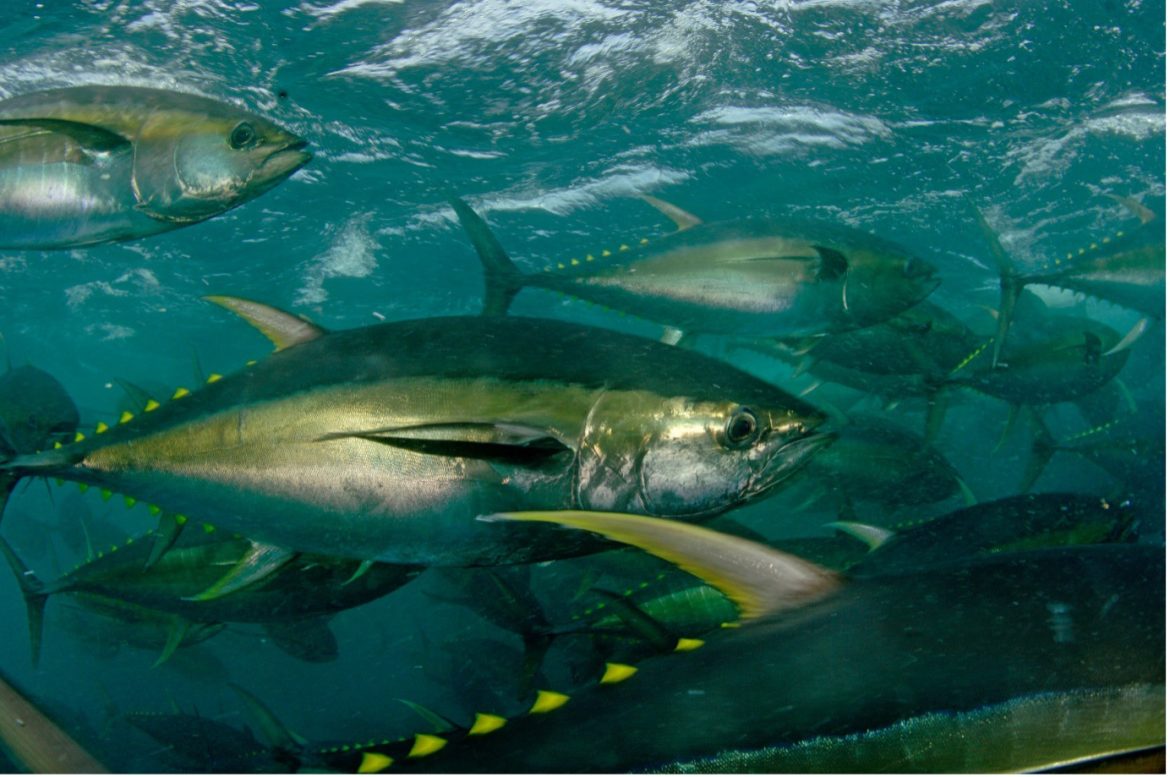
Indonesia Explores Tuna Farming to Ease Pressure on Overexploited Marine Fisheries
Sustainability

Indonesia Explores Tuna Farming to Ease Pressure on Overexploited Marine Fisheries

by Fishery News 18/10/2023
written by Fishery News

To alleviate strain on the world’s largest marine tuna fisheries, Indonesia is venturing into tuna farming as part of its efforts to enhance the aquaculture sector. The country currently leads in tuna catches globally, contributing to approximately 16% of the world’s total tuna supply. However, overfishing and the unsustainable exploitation of wild tuna in Indonesia’s waters have raised concerns about the fishery’s future.

The Indonesian fisheries ministry has implemented several measures to maintain sustainable tuna production, including harvest controls, species monitoring, and encouraging international-standard sustainability certification. To further address these challenges, the ministry is now considering the establishment of tuna farms in the nation’s bays.

Fisheries Minister Sakti Wahyu Trenggono emphasized the potential benefits of cultivating tuna within Indonesia, moving away from mass tuna fishing towards a more sustainable approach. He highlighted the economic value and protein supply that tuna farming could provide, envisioning a shift from extensive wild tuna catching to a system of catching and cultivating tuna for enhanced economic value.

Trenggono acknowledged the need for specialized skills and techniques for farming tuna compared to traditional fishing methods. He consulted with a fisheries expert from Turkey and plans to engage with others from Australia to leverage their expertise in tuna-farming techniques. The Turkish expert reportedly identified Indonesia’s potential to become the world’s largest tuna-farming country.

With numerous suitable bays across the archipelagic nation, potential sites for tuna farming include Kupang in East Nusa Tenggara province and Morotai in Maluku province. Indonesia’s waters are home to various tuna species, and the move towards tuna farming aims to strike a balance between economic development, environmental conservation, and sustainable livelihoods for coastal communities.

In 2021, Indonesia’s tuna fishery yielded 791,000 metric tons, valued at 22 trillion rupiah ($1.5 billion), with significant exports to countries such as the United States, Japan, Thailand, Saudi Arabia, the European Union, Australia, Vietnam, the United Kingdom, and the Philippines. The government is actively encouraging sustainable certification and eco-labeling for tuna fisheries, aligning with global efforts to ensure responsible fishing practices and supply chain transparency.

President Joko Widodo’s directive to boost aquaculture productivity has spurred Indonesia’s efforts in this sector. The country’s aquaculture output registered a 6% increase in the third quarter of 2021, contributing significantly to non-tax state revenue. Indonesia’s foray into tuna farming signals a strategic move towards more sustainable and responsible practices in the crucial fisheries sector.

Source: Mongabay

18/10/2023 0 comment
0 FacebookTwitterPinterestEmail
WWF India Champions Sea Turtle Conservation with Innovative Strategies
Sustainability

WWF-India Champions Sea Turtle Conservation with Innovative Strategies

by Fishery News 16/10/2023
written by Fishery News

Embarking on a dedicated effort to safeguard sea turtle populations along the Indian coast, WWF-India has been at the forefront of implementing conservation initiatives and mitigation strategies. These measures aim to mitigate threats faced by sea turtles at nesting sites and in marine habitats. Through a series of workshops and outreach programs engaging fisher communities, forest department officials, schools, and other stakeholders, WWF-India is actively working towards fostering awareness and promoting responsible practices.

Turtle Nesting Monitoring and Protection:

  • Collaborating with the Forest, Environment, and Climate Change Department since 2008, WWF-India monitors turtle nesting events in Rushikulya and Devi.
  • Implementing beach fencing to protect nesting sites from predators.

Aerial Survey of Offshore Turtle Aggregations:

In 2023, WWF-India partnered with the Dakshin Foundation and the Technology for Wildlife Foundation to conduct the first-ever structured aerial survey of offshore aggregations of sea turtles in India.

Turtle Excluder Devices (TEDs) Implementation:

  • Conducting trials and training to incorporate Turtle Excluder Devices (TEDs) in trawl nets.
  • Building capacities of trawling communities, emphasizing the economic and environmental benefits of TED adoption.
  • Focusing efforts on ensuring compliance and usage of TEDs along India’s East coast, with specific attention to mass aggregation sites in Odisha.

Local Marine Turtle Conservation Groups in Kerala:

  • Coordinating a network of local marine turtle conservation groups along the Kerala Coast.
  • Developing a comprehensive Marine Turtle Information System, improving infrastructure for beach protection, enhancing research and development for conservation efforts, and increasing awareness through collaboration with the National Centre for Sustainable Coastal Management (NCSCM).

Virtual Exhibition on Sea Turtles – “Arribada”:

  • Collaborating with Aradhana Seth and the Dakshin Foundation on a virtual exhibition celebrating sea turtles.
  • Showcasing turtle stories from culture and conservation, featuring an exhibition of turtle artifacts and more.

WWF-India’s multifaceted approach underscores its commitment to sea turtle conservation, blending scientific research, community engagement, and innovative strategies to ensure the well-being of these marine species.

Source: WWF INDIA

16/10/2023 0 comment
0 FacebookTwitterPinterestEmail
Joint Efforts for Sustainable Blue Economy India and France Deliberate on Fisheries Collaboration
NewsInternationalSustainability

Joint Efforts for Sustainable Blue Economy – India and France Deliberate on Fisheries Collaboration

by Fishery News 13/10/2023
written by Fishery News

Paris, France – In a significant stride towards fostering international cooperation in the maritime domain, the Annual Bilateral Dialogue on Blue Economy, held in Paris on October 12-13, 2023, witnessed a robust discussion between the Indian and French delegations. Leading the Indian contingent was Sh Sagar Mehra, Joint Secretary, who engaged in fruitful deliberations with counterparts from France.

The focal point of these discussions was the exploration of potential areas for bilateral cooperation in fisheries and aquaculture. Sh Sagar Mehra, presenting India’s perspective, articulated the shared commitment to sustainable practices in the blue economy. The Indian delegation, led by the CEO of NITI AAYOG, highlighted the importance of collaborative efforts to harness the rich potential of marine resources.

With a keen eye on fostering strategic partnerships, the dialogue aimed to identify synergies between India and France, combining their expertise and resources for the mutual benefit of both nations. Emphasis was placed on developing frameworks for responsible and sustainable practices in fisheries, acknowledging the critical role of aquaculture in meeting global food security challenges.

13/10/2023 0 comment
0 FacebookTwitterPinterestEmail
Microplastic Pollution in Worlds Largest Mangrove Forest Sundarbans Study Reveals Impact on Estuarine Fish
NewsInternationalSustainability

Microplastic Pollution in World’s Largest Mangrove Forest – Sundarbans Study Reveals Impact on Estuarine Fish

by Fishery News 12/10/2023
written by Fishery News

The Sundarbans Biosphere Reserve, home to the world’s largest mangrove forest, is grappling with the global issue of microplastic pollution, according to a recent study. The research, conducted in the estuarine waters of the Indian Sundarbans, focuses on 13 fish species from the Saptamukhi River near Lothian Island, India.

The primary objective of the study is to identify the occurrence of microplastics (MPs) in the gastro-intestinal tract (GI tract) of these estuarine fish and understand the relationship between the presence of MPs and the morphological and feeding characteristics of the fish.

Various morphological parameters, including body size, mouth aperture length, eyeball diameter, and GI tract length, were measured for the 13 fish species. The study also analyzed the niche breadths and niche overlapping of these species using Levin niche breadth and Pianka niche-overlap indices.

Results revealed the pervasive presence of fiber-shaped microplastics in the GI tracts of all fish species, with films and fragments also commonly detected. The size of these microplastics ranged from 100µm to <5mm. Significantly, the study found a variation (p<0.0001) in the trophic morphology of the fish concerning the length of microplastics (p<0.05).

The research indicated a positive correlation between the length of microplastics and body size as well as mouth aperture, while the correlation was negative concerning GI tract length and eyeball diameter. Interestingly, despite the presence of microplastics in the GI tracts, the study noted that it did not significantly impact the niche breadth and niche overlap of the 13 estuarine fish species.

This study sheds light on the intricate relationship between microplastic pollution and the morphological characteristics of fish in the Sundarbans, emphasizing the need for continued research and conservation efforts to safeguard this vital mangrove ecosystem.

Image source

12/10/2023 0 comment
0 FacebookTwitterPinterestEmail
Global Effort to Safeguard High Seas Biodiversity Over 60 Nations sign UN Ocean Treaty
SustainabilityInternationalThis is Africa

Global Effort to Safeguard High Seas Biodiversity: Over 60 Nations sign UN Ocean Treaty

by Fishery News 12/10/2023
written by Fishery News

More than 60 countries have recently signed a United Nations Ocean Treaty after two decades of intense negotiations. The treaty, aimed at conserving biodiversity on the high seas, covers ocean areas that are not under the direct ownership or regulation of any specific country, constituting two-thirds of Earth’s oceans and providing 90% of available life habitats.

The treaty, celebrated as a milestone, addresses the pressing issue of unregulated resource use in these expansive and ungoverned spaces. With an estimated 90% of the world’s marine fish stocks fully exploited, overexploited, or depleted, the need for conservation measures is urgent.

Comprising 76 articles, the treaty’s objectives include the protection and sustainable management of the marine environment, the preservation of ocean ecosystems such as coral reefs, and the conservation of biological diversity. Once ratified, it will enable the establishment of marine protected areas in the high seas.

While the treaty doesn’t explicitly ban commercial fishing in the high seas, it incorporates language suggesting the possibility of “sustainable use.” This offers hope for addressing unsustainable fishing activities in the region, contingent upon full implementation.

Concerns, however, arise regarding the treaty’s potential impact on distant water fleets, which may be driven closer to land, particularly in lucrative fishing grounds belonging to African countries. Critics argue that the treaty’s broad nature lacks specificity, necessitating clear regulations from its implementing agency, which is yet to be determined.

To safeguard Africa’s vulnerable fish stocks, experts advocate for stringent regulations, including the reduction of fisheries subsidies to vessels once reliant on the high seas. The loss of access to high seas fish may drive fleets to exploit rich and diverse species in African waters, where monitoring is often lax, risking further illegal, unreported, and unregulated fishing.

Notably, about 97% of high-seas fishing is conducted by vessels flagged to high-income countries, with China, Taiwan, Japan, South Korea, and Spain accounting for the majority. These nations already have fisheries arrangements with African countries, contributing to both legal and illegal fishing activities.

The issue of harmful subsidies, a key driver of overfishing, is not explicitly addressed in the treaty, leaving the door open for increased fishing activities within the jurisdictions of coastal countries. Experts stress the need for international support for regional fisheries bodies in Africa, enhanced monitoring, and cooperation to strike a balance between implementing the treaty and ensuring sustainable fishing practices in the continent’s oceans.

12/10/2023 0 comment
0 FacebookTwitterPinterestEmail
Newer Posts
Older Posts
  • Recent
  • Popular
  • ICAR-CIFT Patents Rapid DNA Biosensor for Black Tiger Shrimp Authentication

    07/08/2026
  • Minister Holds Review Meeting with Fisheries Cooperative Leaders

    07/08/2026
  • Dry Fish Demand Surges Following Formalin Ban

    07/08/2026
  • Rohu Breeding: A Complete Step-by-Step Guide to Successful Seed Production

    07/08/2026
  • 1

    Trout Fish Stocking Initiative Enhances Fisheries and Tourism Potential in Shopian, Jammu and Kashmir

    17/12/2023
  • 2

    BIGGEST FISH MARKETS IN INDIA

    07/09/2024
  • 3

    Brazil’s Appetite for Vietnamese Tilapia Is Reshaping the Global Whitefish Trade

    28/07/2026
  • 4

    Introducing Future Aquaculture Magazine: A New Voice Shaping the Future of Seafood

    13/02/2026

About Fishery News

FN Logo

Fishery.News is India’s leading digital media platform dedicated to fisheries, aquaculture, seafood, and marine industries. We deliver trusted news, expert insights, market intelligence, technology updates, research, government policies, and success stories that help fish farmers, shrimp farmers, seafood businesses, researchers, and industry professionals stay informed and grow sustainably

Categories

  • News
  • Aquaculture
  • Aquatic Health and Disease Management
  • Research and Innovation
  • Technology & Equipments

Social Networks

Facebook Twitter Instagram Linkedin Youtube
  • Facebook
  • Twitter
  • Instagram
  • Linkedin
  • Youtube

© 2026 Fishery.News – A BLIV Media Venture. All Rights Reserved.


Back To Top
Fishery News
  • E – Magazine
    • Aquaculture
    • Aqua Health & Disease Management
    • News
      • National
      • International
    • Farming
    • Research and Innovation
    • Sustainability
    • Technology & Equipments
    • This is Africa
    • Trade
  • Publications
  • Events
    • Expos
    • Trainings
    • Events by Month
  • Business Listings
    • List Your Business
    • Business Listings
    • Buy & Sell
    • Get Consultation
  • Employment
  • About Us
    • Founder
  • Contact