• E – Magazine
    • Aquaculture
    • Aqua Health & Disease Management
    • News
      • National
      • International
    • Farming
    • Research and Innovation
    • Sustainability
    • Technology & Equipments
    • This is Africa
    • Trade
  • Publications
  • Events
    • Expos
    • Trainings
    • Events by Month
  • Business Listings
    • List Your Business
    • Business Listings
    • Buy & Sell
    • Get Consultation
  • Employment
  • About Us
    • Founder
  • Contact
Fishery News
Home » Sustainability » Page 12
Category:

Sustainability

Landmark NGT Ruling Puts Nationwide Aquaculture Industry Under Stricter Environmental Scrutiny
NationalAquacultureFarmingNewsSustainability

Landmark NGT Ruling Puts Nationwide Aquaculture Industry Under Stricter Environmental Scrutiny

by Fishery News 30/09/2023
written by Fishery News

National Green Tribunal (NGT), the aquaculture industry in India is set to face enhanced regulatory oversight with the application of Environment Impact Assessment Notification and inclusion under the consent regime of the Water Act. The NGT’s ruling, dated February 27, stems from an execution application filed by Mumbai-based NGO Vanashakti, which had previously secured an order in May 2021, prompting the formation of a committee to assess the sustainability of inland aquaculture practices.

The NGT has mandated comprehensive regulation, urging authorities to enforce environmental safeguards and scrutinize the impact of aquaculture on water bodies. The ruling emphasizes the need to align inland aquaculture practices with the Environment Impact Assessment regime.

Vanashakti, the NGO behind the legal efforts, underscored the lack of a policy in Maharashtra to regulate inland aquaculture, calling attention to the absence of provisions assessing environmental impacts before granting licenses. The expert committee formed by NGT found tangible evidence of environmental impact in Vadivale Lake, including elevated pollution levels attributed to cage aquaculture activities.

The NGT’s ruling directs the Central Pollution Control Board (CPCB) and Maharashtra Pollution Control Board (MPCB) to bring cage aquaculture under the consent regime within three months. Additionally, the NGT instructs the MPCB to take swift action against individuals contributing to pollution from such activities.

Stalin D, director of Vanashakti, praised the judgment, emphasizing the importance of adapting environmental laws to address emerging sources of pollution. Aquaculture, promoted for enhancing food security and livelihoods, will now undergo increased monitoring, reflecting the evolving landscape of environmental regulations in the country.

30/09/2023 0 comment
0 FacebookTwitterPinterestEmail
Kerala Debates Eco Certification for Seafood Exports Amidst Calls for Sustainability
NationalNewsSustainability

Kerala Debates Eco-Certification for Seafood Exports Amidst Calls for Sustainability

by Fishery News 28/09/2023
written by Fishery News

To protect marine resources and ensure sustainable fishing practices, Kerala is considering the introduction of eco-certification for seafood exports. This regulation aims to reduce stress on marine ecosystems while securing premium prices for seafood in American and European markets. However, this initiative has ignited a debate between different stakeholders in the fisheries sector.

The Seafood Exporters Association (SEAI) is advocating for the adoption of the Marine Stewardship Council (MSC) certification program, emphasizing its potential to fetch higher prices for Indian marine products in international markets. In contrast, traditional fishermen and trawl boat owners are advocating for a homegrown eco-certification system, expressing concerns about the influence of global corporate interests in the MSC.

While the state government and the Union fisheries department support joining the MSC regime, the Central Marine Fisheries Research Institute (CMFRI) has proposed the creation of India’s own eco-certification program. Kerala is already recognized as the only Indian state to enforce a minimum legal size for the capture of 58 different fish species, showcasing its commitment to sustainable fishing practices.

Fishermen who oppose the MSC argue that it could lead to the monopolization of the fisheries sector and potentially disadvantage local fishing communities. They call for the formation of an indigenous certification agency, utilizing the expertise of organizations like CMFRI and CIFT.

On the other hand, proponents of the MSC certification, such as the SEAI, believe it is crucial for maintaining India’s export income, as many importing countries now demand sustainability certificates for seafood products. The debate over eco-certification in Kerala reflects the global trend toward promoting sustainable fishing practices and ensuring the long-term health of marine ecosystems.

As Kerala navigates this complex issue, the outcome will have far-reaching implications for the future of its seafood exports and the sustainability of its marine resources.

28/09/2023 0 comment
0 FacebookTwitterPinterestEmail
World Environmental Health Day 2023 A Call to Improve Our Surroundings
NationalNewsSustainability

World Environmental Health Day 2023: A Call to Improve Our Surroundings

by Fishery News 26/09/2023
written by Fishery News

World Environmental Health Day serves as a yearly reminder, falling this year on September 26th, that we have a collective responsibility to enhance our surroundings for a better quality of life. It underscores the pressing issue of climate change, not just as a threat to human life and health, but as a detriment to our overall environment. When our environment suffers, so do we. The day, established in 2011 by the International Federation of Environmental Health (IFEH), aims to raise awareness about environmental health through various events and activities.

This observance underscores the intrinsic connection between humanity and our environment, emphasizing the need to safeguard both. Each year, World Environmental Health Day adopts a unique theme to focus on. In 2023, our theme is “Global Environmental Public Health,” concentrating on enhancing health and eradicating life-threatening diseases. Environmental health constitutes a significant domain within public health, addressing the multifaceted ways external factors influence how people live, eat, and grow. This encompasses issues like access to clean water and sanitation, as well as the consequences of human actions on our surroundings.

On this day, environmental groups and organizations across the globe come together to foster discussions on environmental health and explore strategies to protect our environment. United Nations Secretary-General António Guterres recently took to the social media platform X to amplify the voices of those dedicated to addressing the escalating climate crisis. He voiced his unwavering support for those advocating real climate action: “To all those working for, marching for & championing real #ClimateAction: I want you to know that you are on the right side of history. I am with you. I won’t give up this fight of our lives.”

FISHERY.NEWS wishes its readers a happy World Environmental Health Day 2023.

26/09/2023 0 comment
0 FacebookTwitterPinterestEmail
Global Aquatic Food Production Highly Vulnerable to Environmental Change Study Finds
NationalNewsSustainability

Global Aquatic Food Production Highly Vulnerable to Environmental Change, Study Finds

by Fishery News 26/09/2023
written by Fishery News

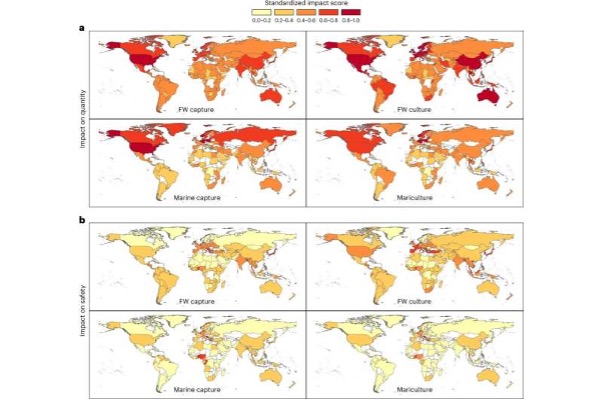
A landmark study reveals that many of the world’s largest aquatic food producers are at high risk from human-induced environmental changes, with countries in Asia, Latin America, and Africa having the lowest adaptation capacity. Over 90% of global “blue” food production, encompassing capture fisheries and aquaculture, faces substantial risks from environmental shifts, including algal blooms, sea level rise, changing temperatures, and pesticide exposure.

Published in Nature Sustainability, the research is the first-ever global analysis of environmental stressors affecting blue food production. It ranks countries according to their exposure to these stressors. Notably, even major blue food producers like Norway, China, and the United States are vulnerable. The study highlights a lack of understanding regarding the complex interplay of stressors causing environmental change.

Key threats identified include species invasion, eutrophication, ocean warming, and sea level rise. Marine fisheries are more vulnerable to climate-related stressors, while aquaculture faces risks from diseases and low oxygen levels. Countries with high exposure and low adaptation capacity, such as Bangladesh, Eswatini, Guatemala, Honduras, and Uganda, require special attention.

The report urges transboundary collaboration, diversification of blue food production, and greater stakeholder engagement to address these challenges. Indigenous knowledge is seen as crucial in mitigating and adapting to environmental changes in artisanal fisheries and marine-dependent countries.

This study is part of the broader Blue Food Assessment (BFA) initiative aimed at informing aquatic food sustainability.

26/09/2023 0 comment
0 FacebookTwitterPinterestEmail
SISTA360 Launching a Digital Revolution for Sustainable Aquaculture in India
NewsSustainability

SISTA360: Launching a Digital Revolution for Sustainable Aquaculture in India

by Fishery News 12/09/2023
written by Fishery News

On September 25, 2023, the national launch of SISTA360, a groundbreaking digital platform aimed at revolutionizing aquaculture, will take place in New Delhi. Developed as a subsidiary of Kings Infra, SISTA360 offers aquafarmers a comprehensive solution to procure inputs affordably, practice sustainable farming, and market their produce profitably. The platform is committed to developing a traceable and sustainable supply chain that excludes the use of antibiotics or chemicals, ensuring the production of safe and nutritious food on a global scale. Additionally, SISTA360 provides guidance on government schemes, programs, and collaborations with stakeholders in the aquaculture value chain.

As part of the launch event, Kings Infra will host a global seminar titled “India’s Potential to be the Change Leader in Sustainable Aquaculture.” The seminar will bring together renowned experts, academicians, technology solution providers, aqua-culturists, investors, and other stakeholders to discuss India’s growing potential in sustainable aquaculture. The event will be inaugurated by Honorable Minister for Fisheries, Animal Husbandry, and Dairying, Shri Parshottam Rupala.

One of the seminar’s unique features is the online participation of farmer clusters from various Indian states, including Tamil Nadu, Andhra Pradesh, Gujarat, Haryana, and more.

Chairman and Managing Director of Kings Infra, Shaji Baby John, highlighted the positive transformation in India’s fisheries and aquaculture sector. He credited Prime Minister Narendra Modi for recognizing the sector’s pivotal role in India’s growth strategy. Mr. John emphasized the sector’s recent dynamism, driven by policy initiatives and increased confidence among entrepreneurs.

Key policy initiatives in the fisheries and aquaculture sector include the establishment of a separate Ministry for Fisheries, the National Fisheries Policy (NFP), the Draft National Mariculture Policy (NMP), and the passage of the Coastal Aquaculture Authority (Amendment) Bill. Initiatives such as the Pradhan Mantri Matsya Sampada Yojana, Kisan Credit Cards for small and marginal fishers, and collective marketing and linkages under the FFPO scheme have also contributed to the sector’s development.

Mr. John underscored the significant role of India’s digital infrastructure, including the Aadhaar identity system, Digi-locker facilities, healthcare, government schemes, banking, and payment gateways, in fostering the aquaculture sector’s growth.

The seminar serves as a precursor to the establishment of a think-tank aimed at promoting sustainable and vibrant aquaculture, bringing together policymakers, industry representatives, farmers, officials, and stakeholders. Mr. John expressed optimism about India becoming a global hub for aquaculture by 2030, with the potential for exponential growth and the realization of a trillion-dollar blue economy.

SISTA360, the pioneering aquaculture-focused startup behind the digital platform, is based in Bangalore and incubated by Kings Infra Ltd., a company with 40 years of experience in aquaculture farming and export. SISTA360 leverages artificial intelligence, science, technology, research and development, advanced aquaculture techniques, and big data to provide a 360-degree transformation of the aquaculture industry, benefiting farmers, buyers, exporters, and consumers. The platform’s production and business model is designed to be globally scalable, replicable, and profitable.

12/09/2023 0 comment
0 FacebookTwitterPinterestEmail
GoSmarts AI Powered Aquaculture Revolution Sustainable Fish Farming for a Greener Future
NationalNewsSustainability

GoSmart’s AI-Powered Aquaculture Revolution: Sustainable Fish Farming for a Greener Future

by Fishery News 12/09/2023
written by Fishery News

Josef Melchner, a marine biology enthusiast who sought to make a practical, positive impact on the world, is now the CEO of GoSmart, an Israeli company focused on using AI and machine learning to enhance the efficiency and sustainability of fish farming

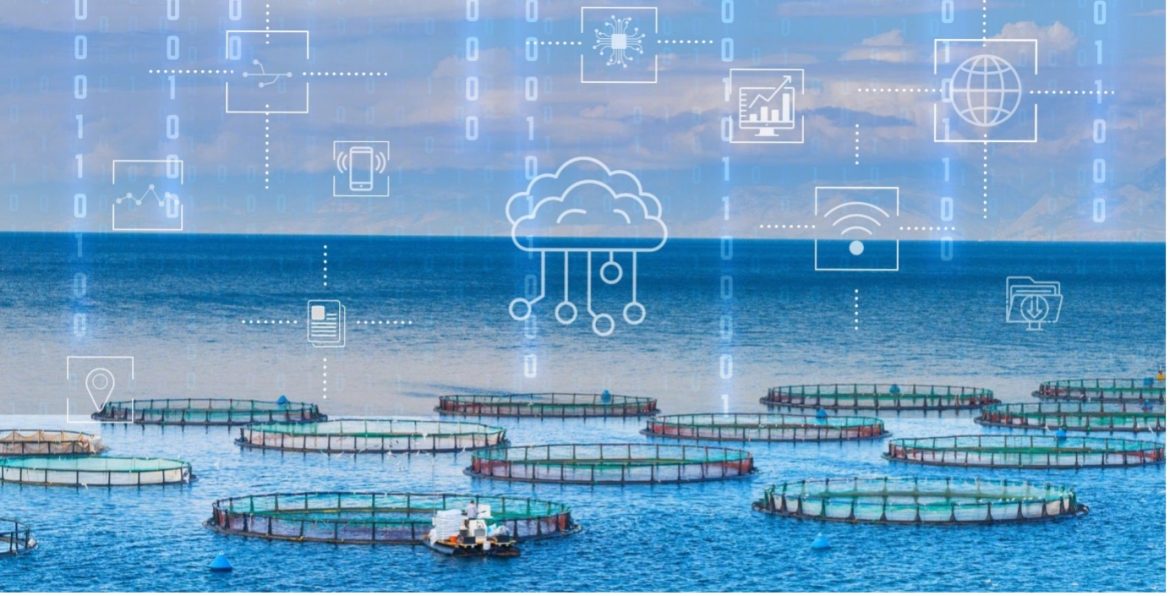
GoSmart offers fully autonomous, energy-efficient systems that can be attached to aquaculture cages, ponds, or tanks. These systems, powered by the NVIDIA Jetson platform for edge AI, analyze various environmental factors, including fish weight, population distribution, temperature, and oxygen levels. The collected data is processed through GoSmart’s software-as-a-service, providing fish farmers with real-time insights into feeding and harvesting decisions.

By optimizing fish feeding regimes, GoSmart helps farmers save costs and reduce organic matter in aquatic environments, benefiting both their bottom line and the environment. Skretting, a major fish feed producer, has deployed GoSmart systems as part of its initiative to expand sustainable fish farming across southern Europe.

GoSmart’s mission is rooted in addressing global protein shortages while mitigating the environmental impact of marine protein acquisition through traditional fishing methods. Melchner highlights that approximately half of marine production still relies on wild-caught fish, leading to overfishing and ecological repercussions, such as reduced levels of algae, a crucial carbon sink.

GoSmart’s systems use lithium-ion batteries charged by solar panels and feature power-management software for autonomous operation. Equipped with sensors, cameras, and NVIDIA Jetson modules, these systems enable real-time analysis of environmental factors affecting fish health, growth, and welfare.

GoSmart is also training its AI systems to analyze fish behavior and disease indicators, further enhancing its capabilities. The company is exploring the use of NVIDIA TensorRT and NVIDIA Triton Inference Server for high-performance deep learning inference.

Melchner predicts a transformative future for aquaculture, with GoSmart’s ystems becoming a staple in the industry. Their goal is to cover every fish cage, pond, and tank globally, introducing advanced AI models and even integrating autonomous feeding barges to provide precise, timely food delivery for fish.

GoSmart’s technology has the potential to reduce fish feed consumption by up to 15% and shorten the time to market for fish, making it a game-changer in sustainable aquaculture.

12/09/2023 0 comment
0 FacebookTwitterPinterestEmail
Annual ICES Scientific Conference in Bilbao Addresses Urgent Need for Ocean Sustainability
InternationalNewsSustainability

Annual ICES Scientific Conference in Bilbao Addresses Urgent Need for Ocean Sustainability

by Fishery News 11/09/2023
written by Fishery News

Bilbao, Spain – The annual ICES scientific conference commenced on September 11th in Bilbao and is set to run until September 14th. The conference has gathered more than 750 marine science professionals, research institute leaders, and political figures from Europe and North America. Their mission is to discuss and emphasize the critical importance of enhancing the sustainability of marine ecosystems.

Rogelio Pozo, the Chief Executive Officer of AZTI, the marine science and technology center hosting the event, highlighted the growing recognition of the oceans’ significance in addressing environmental and economic challenges on both national and international fronts. Pozo described the conference as a significant milestone for the Basque Country and the province of Bizkaia.

The conference, accessible online, features a robust agenda comprising presentations, working sessions, and roundtable discussions centered on current issues. Particular attention is being given to the efforts aimed at providing scientific insights, data, and guidance for the sustainable utilization of seas and oceans.

The scientific research presented during the conference seeks to establish the groundwork for securing the ongoing benefits that marine and coastal ecosystems offer to society. These benefits, known as ecosystem services, are examined within the context of adapting to and bolstering resilience in marine and human systems in the face of climate change.

The event’s objectives align with the goals set forth by the World Summit on Sustainable Development, the Biodiversity Strategy for 2030, and the Marine Strategy Framework Directive (MSFG), as well as the United Nations Sustainable Development Goals. It also seeks to facilitate the full implementation of the Common Fisheries Policy, with a new approach aimed at ensuring the favorable conservation status of habitats and species integral to the ocean’s services and benefits.

The ICES scientific conference serves as a crucial platform for fostering collaboration and knowledge sharing among experts and policymakers to address the pressing challenges of ocean sustainability.

11/09/2023 0 comment
0 FacebookTwitterPinterestEmail
Kerala Pilot Project Converts Organic Waste into Fish Meal for Sustainable Aquaculture
NationalNewsSustainability

Kerala Pilot Project Converts Organic Waste into Fish Meal for Sustainable Aquaculture

by Fishery News 09/09/2023
written by Fishery News

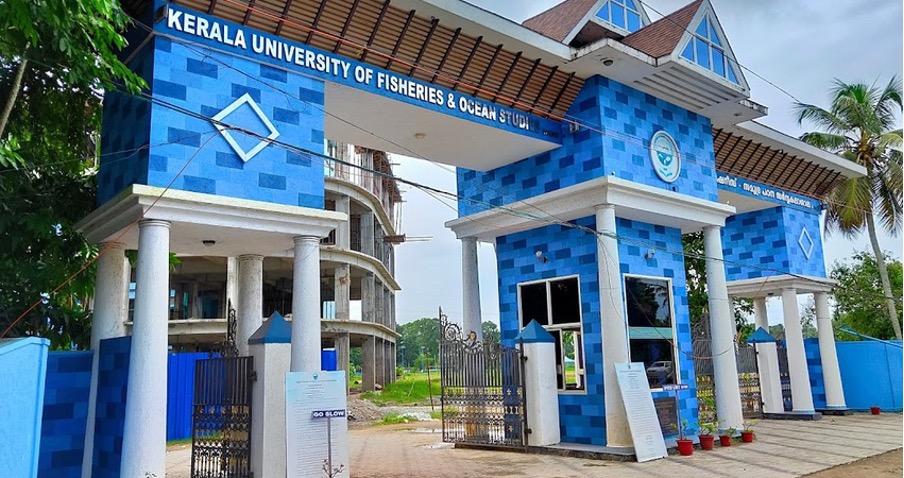
Under the auspices of the Kerala Fisheries and Ocean Studies University (KUFOS), a groundbreaking pilot project has been initiated, aiming to revolutionize both organic waste management and the aquaculture industry. This innovative venture focuses on transforming organic waste into a valuable protein source for fish feed, using the efficient decomposers known as black soldier fly larvae.

In a remarkable collaboration, KUFOS has partnered with Amala Eco Clean Private Limited, a firm based in Alappuzha, specializing in organic waste management. The Memorandum of Understanding (MoU) for this visionary project was officially signed by Dinesh Kaippilly, Registrar at KUFOS, and Joseph Niclavose, Director of Amala Eco Clean Private Limited.

Vice-Chancellor T Pradeep Kumar of KUFOS envisions the potential for this project to expand across all districts if the pilot project yields promising results. Beyond addressing Kerala’s persistent challenge of organic waste management, this endeavor seeks to create high-value export-oriented products derived from the larvae of soldier flies. It presents an innovative solution not only for waste management but also for economic diversification.

At its core, this project aims to produce the essential protein required for fish feed by utilizing black soldier fly larvae to process organic waste. This approach not only stands as an eco-friendly solution but also offers a sustainable alternative to traditional fish feed production. The black soldier fly larvae are renowned for their high protein and fat content, potentially revolutionizing the aquaculture industry by providing a renewable protein source for fish.

While the primary focus of the project is waste management and sustainable fish feed production, it holds the potential to yield other high-value export-oriented products sourced from soldier fly larvae. This diversification of revenue sources could contribute significantly to the state’s economy while simultaneously reducing waste.

This pilot project represents a remarkable stride in both waste management and aquaculture, with potential global implications. Its success could redefine how we approach organic waste, transforming it from a problem into a resource. Furthermore, it could enhance the sustainability of the aquaculture industry by offering a renewable and eco-friendly protein source for fish feed.

09/09/2023 0 comment
0 FacebookTwitterPinterestEmail
Indias Marine Fish Stock Deemed Healthy and Sustainable Reinforces WTO Position e1695651230679
NationalNewsSustainability

India’s Marine Fish Stock Deemed Healthy and Sustainable, Reinforces WTO Position

by Fishery News 08/09/2023
written by Fishery News

Union Minister of Fisheries and Animal Husbandry, Parshottam Rupala, has unveiled a report showcasing the robust health and sustainability of India’s marine fish stock. This report, titled ‘Marine Fish Stock Status of India 2022,’ was conducted by the ICAR-Central Marine Fisheries Research Institute (CMFRI) and reveals that an impressive 91.1% of the 135 fish stocks assessed in 2022 were found to be in excellent health.

The report’s findings not only signify a remarkable achievement in India’s commitment to sustainable marine fisheries but also serve to strengthen the country’s position at the World Trade Organization (WTO). It is anticipated that this revelation will positively impact India’s standing in international trade negotiations, particularly in the realm of seafood exports.

Furthermore, the report highlights a significant reduction in unsustainable practices, with just 4.4% of the assessed stocks facing overfishing. Dr. A Gopalakrishnan, Director of CMFRI, expressed that these findings could be a game-changer in the seafood market. They may enable India to access premium markets and command higher prices for its seafood products, as sustainability has become a pivotal criterion in global seafood trade.

Dr. Gopalakrishnan emphasized that these findings reflect the collective efforts of the marine fisheries sector in striking a balance between economic growth and ecological conservation. In addition to the report, CMFRI also released a special publication titled ‘Good Management Practices in Seaweed Farming.’

Interestingly, CMFRI has identified 333 prospective seaweed farming sites covering 23,950 hectares in India. Collaborating with the National Centre for Sustainable Coastal Management in Chennai, they have created an interactive map of these sites. Despite having immense potential with a seaweed production capacity of 9.88 million tonnes wet weight annually, current production stands at a mere 52,107 tonnes wet weight each year.

Seaweed farming, if fully harnessed, has the potential to generate revenue of up to Rs 13.28 lakhs per hectare annually on a dry-weight basis. This indicates a significant opportunity for India to tap into the potential of seaweed farming, contributing to economic growth and sustainability in the marine sector.

08/09/2023 0 comment
0 FacebookTwitterPinterestEmail
Union Government to Deploy Artificial Reefs in 3477 Fishing Villages for Sustainable Fishing
NationalNewsSustainability

Union Government to Deploy Artificial Reefs in 3,477 Fishing Villages for Sustainable Fishing

by Fishery News 08/09/2023
written by Fishery News

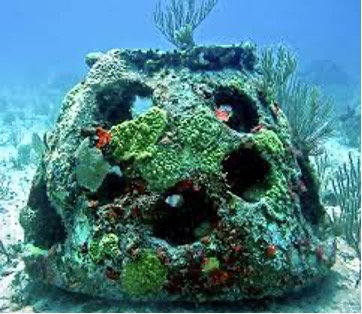
Kochi: In a move to enhance the livelihoods of fishermen and promote sustainable fishing practices, the Union government is set to install artificial reefs in 3,477 fishing villages nationwide, including 220 villages in Kerala. This initiative is being carried out in collaboration with the Central Marine Fisheries Research Institute (CMFRI).

Artificial reefs have already demonstrated their effectiveness, with a remarkable 17 to 30 percent increase in catch observed at locations where they have been previously installed, according to CMFRI. These artificial reefs, designed with scientific precision, serve as self-sustaining marine production systems on the seabed.

Under the Prime Minister’s Matsya Sampada Yojana (PMMSY) scheme, this project is receiving 60 percent of its funding from the Central government and 40 percent from state governments. In partnership with the Kerala State Coastal Area Development Corporation Limited (KSCADC), site identification for reef installations has been finalized after conducting five pre-stakeholder workshops in 42 villages across the Thiruvananthapuram district.

Artificial reefs discourage destructive practices like bottom trawling in nearshore areas, promoting marine environment regeneration that is particularly beneficial to small-scale fishers. These reefs attract over 300 different species, including commercially valuable ones such as breams, groupers, snappers, cobia, and mackerel, among others.

Principal scientist Joe K Kizhakudan, under the leadership of CMFRI, has been spearheading the installation of artificial reefs in the coastal waters of Tamil Nadu, Andhra Pradesh, Gujarat, and Kerala. The success of this innovative technology has led to its expansion across the country, promising improved fishing outcomes and a more sustainable marine ecosystem.

Director A Gopalakrishnan of CMFRI emphasized that the institute has developed comprehensive protocols for site selection, design, fabrication, deployment, and impact assessment of these artificial reefs. This endeavor not only supports the livelihoods of fishermen but also contributes to marine conservation efforts.

08/09/2023 0 comment
0 FacebookTwitterPinterestEmail
Newer Posts
Older Posts
  • Recent
  • Popular
  • ICAR-CIFT Patents Rapid DNA Biosensor for Black Tiger Shrimp Authentication

    07/08/2026
  • Minister Holds Review Meeting with Fisheries Cooperative Leaders

    07/08/2026
  • Dry Fish Demand Surges Following Formalin Ban

    07/08/2026
  • Rohu Breeding: A Complete Step-by-Step Guide to Successful Seed Production

    07/08/2026
  • 1

    Trout Fish Stocking Initiative Enhances Fisheries and Tourism Potential in Shopian, Jammu and Kashmir

    17/12/2023
  • 2

    BIGGEST FISH MARKETS IN INDIA

    07/09/2024
  • 3

    Brazil’s Appetite for Vietnamese Tilapia Is Reshaping the Global Whitefish Trade

    28/07/2026
  • 4

    Introducing Future Aquaculture Magazine: A New Voice Shaping the Future of Seafood

    13/02/2026

About Fishery News

FN Logo

Fishery.News is India’s leading digital media platform dedicated to fisheries, aquaculture, seafood, and marine industries. We deliver trusted news, expert insights, market intelligence, technology updates, research, government policies, and success stories that help fish farmers, shrimp farmers, seafood businesses, researchers, and industry professionals stay informed and grow sustainably

Categories

  • News
  • Aquaculture
  • Aquatic Health and Disease Management
  • Research and Innovation
  • Technology & Equipments

Social Networks

Facebook Twitter Instagram Linkedin Youtube
  • Facebook
  • Twitter
  • Instagram
  • Linkedin
  • Youtube

© 2026 Fishery.News – A BLIV Media Venture. All Rights Reserved.


Back To Top
Fishery News
  • E – Magazine
    • Aquaculture
    • Aqua Health & Disease Management
    • News
      • National
      • International
    • Farming
    • Research and Innovation
    • Sustainability
    • Technology & Equipments
    • This is Africa
    • Trade
  • Publications
  • Events
    • Expos
    • Trainings
    • Events by Month
  • Business Listings
    • List Your Business
    • Business Listings
    • Buy & Sell
    • Get Consultation
  • Employment
  • About Us
    • Founder
  • Contact