• E – Magazine
    • Aquaculture
    • Aqua Health & Disease Management
    • News
      • National
      • International
    • Farming
    • Research and Innovation
    • Sustainability
    • Technology & Equipments
    • This is Africa
    • Trade
  • Publications
  • Events
    • Expos
    • Trainings
    • Events by Month
  • Business Listings
    • List Your Business
    • Business Listings
    • Buy & Sell
    • Get Consultation
  • Employment
  • About Us
    • Founder
  • Contact
Fishery News
Home » Sustainability » Page 6
Category:

Sustainability

UNCTAD Report Proposes Global 22Blue Deal22 to Harness Ocean Opportunities and Combat Environmental Threats
Sustainability

UNCTAD Report Proposes Global “Blue Deal” to Harness Ocean Opportunities and Combat Environmental Threats

by Fishery News 12/12/2023
written by Fishery News

In a recent UNCTAD(United Nations Conference on Trade and Development ) Trade and Environment Review for 2023, the ocean’s potential for developing countries has been emphasized, signalling a call to action for sustainable use of marine resources amid rising challenges. The ocean, estimated to be worth $3-6 trillion, presents vast opportunities for innovation and economic resilience in developing nations.

Climate change, pollution, and overfishing, however, pose significant threats to the livelihoods of approximately 3 billion people relying on the ocean for sustenance and income. The report, unveiled at the 3rd UN Trade Forum, proposes a comprehensive global initiative termed the “Blue Deal” to navigate these challenges and safeguard the ocean’s resources, which support 80% of all life.

Deputy Secretary-General of UNCTAD, Pedro Manuel Moreno, emphasizes the importance of striking a balance between exploiting the ocean’s benefits and protecting its resources. The proposed “Blue Deal” aims to attract investment into emerging sustainable sectors, with a spotlight on seaweed farming and plastics substitutes.

The global seaweed market has tripled over two decades, reaching $16.5 billion in 2020, offering an eco-friendly alternative to plastics. The report encourages governments and businesses to invest in research and development for sustainable ocean sectors, such as utilizing abundant materials like bamboo, coconut husks, and agricultural waste.

Recognizing the economic potential, the report urges companies to invest in developing countries, enhancing technology, skills, and productive capacities. This, in turn, could help diversify ocean exports for developing nations, building economic resilience.

However, the COVID-19 crisis revealed vulnerabilities in ocean-based services, with a 59% collapse in 2020. The report underscores the need for diversification to protect coastal communities reliant on sectors like tourism.

Government subsidies to fishing activities globally, amounting to $35 billion, are scrutinized in the report. Approximately $20 billion annually may contribute to overfishing, emphasizing the need for countries to ratify the WTO’s Agreement on Fisheries Subsidies, addressing harmful practices.

Additionally, the report calls for the adoption of the “High Seas Biodiversity Treaty,” promoting fair sharing of benefits from marine genetic resources and establishing internationally protected ocean areas.

Despite the urgency, the report highlights the underfunding of Sustainable Development Goal 14 (SDG 14) dedicated to life below water. From 2013 to 2018, only 1.6% of Official Development Assistance was directed towards the ocean economy, falling significantly short of the estimated $175 billion annually required to achieve SDG 14 by 2030.

Investing $2.8 trillion in sustainable ocean solutions today could yield net benefits of $15.5 trillion by 2050, the report suggests. Without a global “Blue Deal,” achieving SDG 14 targets becomes increasingly challenging.

Now, the call is for collective action to invest in building a sustainable ocean economy, steering towards a brighter and more resilient future.

12/12/2023 0 comment
0 FacebookTwitterPinterestEmail
FAO and Norway Unveil Ambitious Phase for EAF Nansen Programme to Confront Climate Change Impact on Fisheries
Sustainability

FAO and Norway Unveil Ambitious Phase for EAF-Nansen Programme to Confront Climate Change Impact on Fisheries

by Fishery News 11/12/2023
written by Fishery News

At COP28 in Dubai, the Food and Agriculture Organization of the United Nations (FAO) and the Norwegian government announced a significant development — the initiation of a five-year phase for the EAF-Nansen Programme.

Established in 1975, this collaborative effort involves FAO, the Norwegian Agency for Development Cooperation (Norad), the Institute of Marine Research (IMR) in Norway, and 32 partner countries in Africa and the Bay of Bengal.

Norway has committed to funding the new phase with a substantial budget of 1 billion NOK (approximately $94 million).

Over the period from 2024 to 2028, the EAF-Nansen Programme aims to intensify efforts to enhance food and nutrition security in partner countries, placing a heightened emphasis on strengthening fisheries management in response to the impacts of climate change.

Anne Beathe Tvinnereim, the Norwegian Minister of International Development, highlighted the critical role of the Nansen Programme in collecting and disseminating ocean knowledge, crucial for fighting climate change and ensuring future food security. Norway’s funding commitment underscores its commitment to sustainable marine environments and livelihoods.

The Programme is dedicated to enhancing fisheries management aligned with the FAO Blue Transformation vision. It will focus on building capacities in fisheries institutions and generating scientific knowledge on marine resources and ecosystems, addressing challenges posed by climate variability and change.

Climate change affects marine ecosystems, influencing nutrient availability, water quality, and fisheries resource distribution. By collecting unique data through surveys with the research vessel Dr. Fridtjof Nansen, the Programme aims to provide tools for fisheries management to mitigate risks and maximize opportunities associated with climate change, ultimately improving food security.

The EAF-Nansen Programme conducts integrated studies on fisheries management and climate change. The new phase will strengthen this crucial work, providing fundamental knowledge for ecosystem-based fisheries management across coastal and ocean areas.

The Programme’s activities extend to providing partner countries with the means to detect changes in fisheries systems, develop interventions for fisheries sustainability, and foster capacity development to transform marine food systems.

Since its inception in 1975, the Programme has collaborated with 58 countries in Africa, Asia, and South America, supporting fisheries research and management. The latest phase aligns with global sustainability goals and ongoing initiatives such as the UN Decade of Ocean Science and FAO’s vision for aquatic food systems, known as Blue Transformation.

11/12/2023 0 comment
0 FacebookTwitterPinterestEmail
Chair of Fisheries Subsidies Launches Decisive Fish Week 2023 to Lay Groundwork for MC13
Sustainability

Chair of Fisheries Subsidies Launches Decisive ‘Fish Week’ 2023 to Lay Groundwork for MC13

by Fishery News 11/12/2023
written by Fishery News

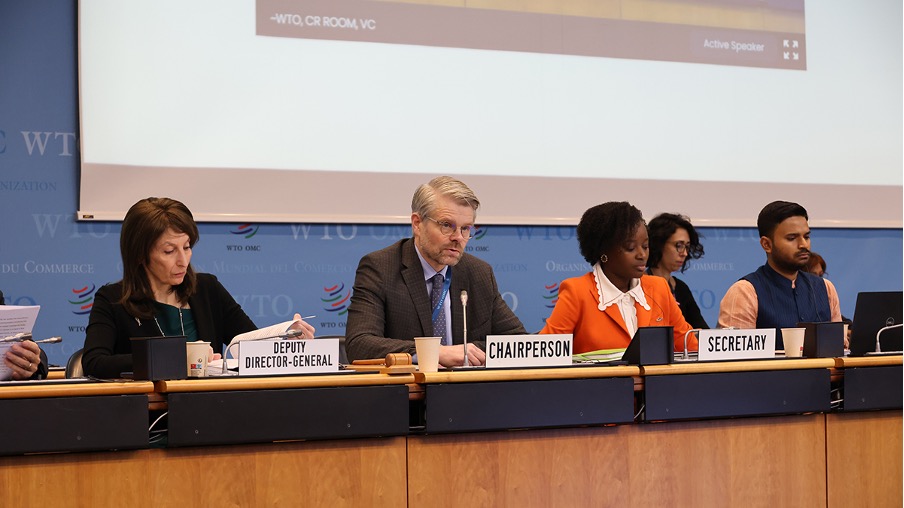
Einar Gunnarsson, Ambassador of Iceland, leading the fisheries subsidies negotiations for WTO, officially commenced the last “Fish Week” of 2023 on December 4. The primary objective is to propel the groundwork for achieving a consensus by the 13th Ministerial Conference (MC13). Gunnarsson introduced a draft text aimed at bridging gaps in members’ perspectives on crucial provisions, emphasizing the pivotal nature of this week’s efforts in completing text-based work before MC13, scheduled from February 26 to 29, 2024, in Abu Dhabi.

Deputy Director-General Angela Ellard stressed the substantial progress required during this Fish Week, labeling it as a critical test for successfully addressing this significant file at MC13. While acknowledging progress since the initiation of work in February, Ellard underscored the necessity for extensive collaboration during this week to meet the MC13 target effectively.

During MC12 in June 2022, WTO members adopted the Agreement on Fisheries Subsidies, which prohibits support for illegal fishing practices, overfished stocks, and unregulated high seas fishing. The decision to continue “second wave” negotiations was made, aiming to propose additional provisions at MC13 to enhance the Agreement’s disciplines.

The chair presented a new document during the meeting, incorporating members’ suggestions from November to adjust the September draft text, focusing on provisions related to overcapacity, overfishing, and special treatment for developing and least-developed countries.

Apart from discussions on these critical issues, the week will include bilateral consultations, with a closing plenary session on Friday. DDG Ellard expressed confidence in Ambassador Gunnarsson’s draft document and the organized week, considering it a robust framework for the necessary work.

Ellard also provided updates on members’ formal acceptances of the Agreement on Fisheries Subsidies and contributions to the WTO Fisheries Funding Mechanism. Encouragingly, several members are scheduling ceremonies to deposit their acceptance instruments, with many working diligently to formalize their acceptance by MC13.

The Fisheries Funding Mechanism, designed to aid developing and least-developed countries in implementing the Agreement, is progressing well, with over CHF 11 million in pledges, CHF 8.2 million of which has already been disbursed to the Fund.

Source: WTO

11/12/2023 0 comment
0 FacebookTwitterPinterestEmail
Ibaraki Prefecture in Japan Pioneers Agricultural and Fishery Innovation for Global Expansion
Sustainability

Ibaraki Prefecture in Japan Pioneers Agricultural and Fishery Innovation for Global Expansion

by Fishery News 10/12/2023
written by Fishery News

Ibaraki Prefecture, a prominent agricultural hub in Japan, is spearheading initiatives to bolster the profitability and sustainability of its agriculture and fishery sectors. The region is embracing the challenge through the expansion of export channels and the integration of cutting-edge technologies, including artificial intelligence (AI).

As the upcoming host of the G7 Interior and Security Ministers’ Meeting in its capital, Mito, Ibaraki Prefecture has unveiled a video showcasing its endeavours to enhance agricultural and fishery practices. Boasting fertile land and approximately 190 km of coastline, Ibaraki stands as Japan’s leading producer of agricultural, forestry, and fishery products by both value and volume.

The region witnessed a tenfold increase in the value of agricultural exports (including fruits, vegetables, rice, and animal products) from 2016 to 2022, reaching a record-high of 1.3 billion yen. Ibaraki’s fishery industry, contributing 299,686 tonnes in 2021, ranks second only to Hokkaido in total marine fishing catch.

In response to challenges posed by factors such as Japan’s declining population and climate change, Ibaraki is strategically fortifying its agriculture and fishery sectors to navigate an uncertain future. In the Namegata region, local farming cooperatives are intensifying efforts to promote and export “kansho” or sweet potatoes, capitalizing on the tuber’s rising popularity in Southeast Asia, particularly for roasted sweet potatoes known as “yaki-imo.”

Moreover, Ibaraki Prefecture is transitioning from traditional wild fish catch to innovative aquaculture, addressing labour shortages in fisheries and adapting to rising sea temperatures. Notably, at Nakaminato Port in Hitachinaka city, a pioneering project is underway, collaborating with a deeptech company to farm mackerel in tanks using remote feeders and AI technology for monitoring feeding behaviour.

Ibaraki Governor Kazuhiko Oigawa emphasized the importance of adopting a determined and unique stance, stating, “I think it is important for Ibaraki to adopt a hungry spirit, a determination to be successful, to take risks, and to adopt a unique stance. I think from now on it’s important for us to become a prefecture that is a little different.”

Source: Ibaraki Prefectural Government

10/12/2023 0 comment
0 FacebookTwitterPinterestEmail
EU Secures Lucrative Fishing Agreements with UK and Norway Ensuring Sustainable Stocks for 2024
Sustainability

EU Secures Lucrative Fishing Agreements with UK and Norway, Ensuring Sustainable Stocks for 2024

by Fishery News 09/12/2023
written by Fishery News

The European Union (EU) has successfully concluded pivotal agreements with the United Kingdom and Norway, solidifying crucial fishing opportunities for EU fleets in 2024. These agreements, both trilateral and bilateral, play a vital role in providing predictability for stocks in the Northeast Atlantic and the North Sea, addressing a substantial majority of the stocks of interest for the EU.

Commissioner for Environment, Oceans, and Fisheries, Virginijus Sinkevičius, emphasized the importance of these agreements, stating, “The timely signature of these agreements will secure access to waters and important opportunities for EU fishers as from January 2024.”

The trilateral arrangement encompasses jointly managed fisheries stocks in the North Sea for 2024, establishing total allowable catches (TAC) exceeding 915,000 tonnes. Notably, this includes an EU quota of almost 415,000 tonnes covering key species such as cod, haddock, saithe, whiting, plaice, and herring. The TAC agreement incorporates sustainable management practices, with specific considerations for the southern sub-stock and precautionary measures for the cod population.

Furthermore, the EU, UK, and Norway have collaborated on reviewing the management model for herring in 2024, aligning TACs with Maximum Sustainable Yield (MSY) advice. The parties have also agreed to maintain measures safeguarding North Sea cod by retaining existing area closures.

Simultaneously, the EU and Norway concluded bilateral consultations, focusing on shared stocks in the North Sea, Skagerrak, and quota exchanges. These bilateral arrangements encompass quota exchanges, mutual access to fishing grounds, and quota setting in the Skagerrak and the Kattegat.

A significant aspect of the bilateral agreements involves an ambitious balance of exchanges for fishing opportunities, including the transfer of 48,000 tonnes of blue whiting from the EU to Norway and the reception of 9,983 tonnes of Arctic cod by the EU for 2024. Access to specific herring stocks in Norwegian waters and reciprocal access to Union waters for blue whiting further underscores the economic significance of these agreements.

The catch limits agreed upon trilaterally and bilaterally will undergo submission for incorporation into the Fishing Opportunities Regulation for 2024 during the upcoming Council of EU fisheries Ministers on December 10 and 11. Additionally, the EU and Norway have committed to in-year consultations during 2024 for Pandalus, addressing discrepancies with the International Council for Exploration of the Sea (ICES) scientific advice.

These comprehensive agreements reflect successful cooperation between the EU, the UK, and Norway, ensuring sustainable fishing practices and economic benefits for all involved parties.

Source: European Commission

09/12/2023 0 comment
0 FacebookTwitterPinterestEmail
Illegal Trade Threatens Indias Sea Cucumbers TRAFFIC and WWF India Report Finds
Sustainability

Illegal Trade Threatens India’s Sea Cucumbers, TRAFFIC and WWF-India Report Finds

by Fishery News 08/12/2023
written by Fishery News

A joint study by TRAFFIC and WWF-India sheds light on the significant threat faced by sea cucumbers in India due to illegal and unsustainable collection and trade. The report, titled “In Deep Waters: India’s Sea Cucumbers in Illegal Wildlife Trade,” discloses that between 2010 and 2021, at least 101.40 tonnes and 6,976 sea cucumber individuals were involved in illicit wildlife trade in the country. The findings, released ahead of World Fisheries Day on November 21, underscore the urgent need for conservation efforts to protect these marine species.

The research investigates the reasons behind the unsustainable trade, pinpointing the demand in East Asian and Southeast Asian markets as a primary driver. The ease of harvest and low processing costs, particularly through drying methods, have contributed to the negative impact on sea cucumbers in India. Seizure reports reveal Sri Lanka, China, and Southeast Asia as the top three destinations for trafficked sea cucumbers from India.

To address the issue, the report proposes actionable measures, including recommendations for future research priorities, enhancing enforcement capacity by law enforcement agencies, developing policies, and promoting community engagement and awareness.

Mr. Ravi Singh, Secretary General & CEO of WWF-India, emphasizes the importance of strengthening protection and conservation measures for sea cucumbers in India. He stresses the need for timely enforcement actions to curb trafficking and illegal trade, coupled with targeted awareness campaigns in local languages to educate fisheries about the legal and conservation status of sea cucumbers.

Sea cucumbers play a crucial role in the marine ecosystem by consuming decomposing organic matter and contributing recyclable nutrients for other marine life. Their feeding and excretion also increase seawater alkalinity, buffering against ocean acidification.

Despite approximately 200 sea cucumber species in India being protected under the Wildlife (Protection) Act, 1972, and two species listed in CITES since 2020, illegal harvesting persists. TRAFFIC and WWF-India’s study indicates a concerning trend of illicit sea cucumber trade from India to neighbouring countries, potentially threatening the species’ future.

Dr. Merwyn Fernandes, Coordinator of TRAFFIC’s India Office and report author, highlights the ongoing illicit trade, with Tamil Nadu reporting the highest number of seizures (139), followed by other regions, including Lakshadweep, Andaman and Nicobar Islands, Karnataka, Manipur, and Kerala.

To comprehend the entire trafficking process, surveys were conducted in sea cucumber-rich areas, revealing varied collection and preservation methods across different regions. The insights gathered aim to aid enforcement agencies in detecting and combating the illegal trade of sea cucumbers.

08/12/2023 0 comment
0 FacebookTwitterPinterestEmail
Ghost Nets Threaten Marine Ecosystems Along Gujarat Coast Urgent Cleanup Efforts Undertaken
Sustainability

Ghost Nets Threaten Marine Ecosystems Along Gujarat Coast, Urgent Cleanup Efforts Undertake

by Fishery News 07/12/2023
written by Fishery News

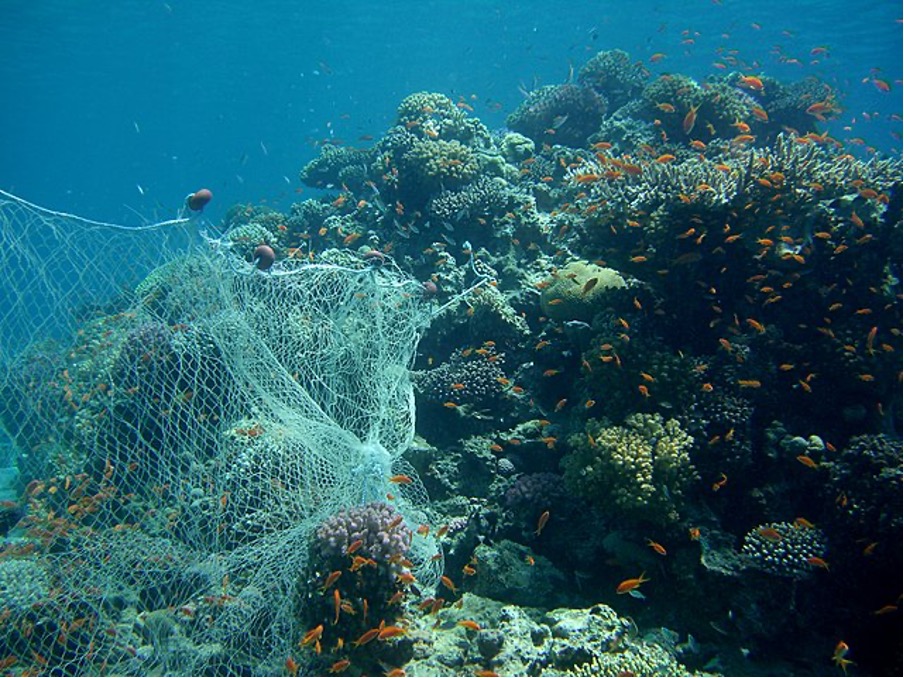
Rajkot: The marine environment along the Gujarat coastline is facing a severe threat from the proliferation of ghost gears, also known as ghost nets, abandoned by fishermen at sea. This menace is expanding as more fishermen increasingly turn to the use of synthetic fibers. Ghost gears pose a significant risk to aquatic ecosystems, affecting everything from shallow coral reefs to deep-sea landscapes.

In a collaborative coastal cleanup initiative led by the Veraval research center of ICAR’s Central Institute of Fisheries Technology (CIFT), Marine National Park (MNP) in Jamnagar, and the Wildlife Trust of India (WTI) last month in Mithapur and Dwarka, a staggering 600 tonnes of ghost gears were discovered. Using knives, the three organizations removed these nets from intertidal reefs. Additionally, WWF-India conducted a similar drive solely at the Veraval coast, uncovering 120kg of ghost gears.

Dr. N Pravin Kumar, Senior Programme Coordinator at WWF-India, emphasized the pressing issue of ghost gear mitigation and prevention. These abandoned fishing gears, such as nets and lines, continue to trap fish for extended periods, causing ecological damage.

Scientists note that these nets may get accidentally cut during fishing, and once adrift in the sea, they become unrecoverable. With no proper disposal facility for old nets and no incentives for their proper disposal, fishermen abandon them at the coast, where high tides carry them away, proving hazardous to marine life.

The entanglement of marine species, including turtles, dolphins, sharks, and seabirds, in plastic fishing lines, poses threats to their movement and hunting abilities. The accumulation of these abandoned nets can smother coral reefs and seagrass ecosystems, leading to economic losses and jeopardizing global food security.

Given Gujarat’s extensive coastline and fishing communities in Okha, Mithapur, Dwarka, Jamnagar, Veraval, Una, Jafrabad, Porbandar, Kutch, the environmental danger is significant. Senior scientist Ashish Kumar Jha, in charge of CIFT, Veraval, highlighted the serious issue posed by nets, leading to reports of plastic pieces found inside fish and microplastics in their bloodstream. Scientists are actively working to raise awareness among fishermen along the Kerala to Gujarat coast, urging government-sponsored schemes to incentivize proper disposal of ghost gears at designated locations.

Source: TOI


07/12/2023 0 comment
0 FacebookTwitterPinterestEmail
Seafood Exporters Association of India Prepares for Marine Stewardship Council Certification
Sustainability

Seafood Exporters Association of India Prepares for Marine Stewardship Council Certification

by Fishery News 05/12/2023
written by Fishery News

The Seafood Exporters Association of India (SEAI) has undertaken pre-assessments and developed fishery improvement projects for several marine catches off the Indian coast, including coastal shrimps, deep-sea shrimp, octopus, squid, cuttlefish, and blue swimming crab. The aim is to obtain certification from the Marine Stewardship Council (MSC), a prominent not-for-profit organization dedicated to the world’s leading fisheries sustainability standard.

The Lakshadweep islands recently completed its fisheries improvement programme (FIP) for skipjack tuna fisheries, a collaboration between WWF-India and the International Pole and Line Foundation. SEAI members have formed two consortia to support the MSC certification process, marking a significant step towards promoting fisheries sustainability in India.

The chair of the Sustainable Seafood Network India, Sunil Mohamed, highlighted the importance of MSC certification, noting that the Ashtamudi waters short-necked clam was the first fishery resource in India to achieve MSC certification in 2013. Over the past decade, there have been no additional certifications, making this initiative pivotal for the industry.

The deep-sea shrimp trawl fishery is part of the MSC’s “In-Transition to MSC” program, with a grant of £44,310 awarded to WWF-India to support the fishery improvement project. Starting from 2021, these fisheries can undergo a full assessment against the MSC’s Fisheries Standard.

MSC certification is expected to enhance the visibility and acceptability of Indian seafood in the global market. Ecolabels, such as the MSC certification, serve as seals of approval, indicating that products have a reduced environmental impact compared to similar products in the market.

The discussions on fisheries sustainability took place during a two-day multi-stakeholder dialogue supported by NITI Aayog, WWF-India, and SSNI (Sustainable Seafood Network India) on the occasion of World Ocean Day. MSC representatives played a pivotal role in coordinating discussions with seafood exporters and marine researchers from reputable institutions like CMFRI, CIFT, CUSAT, and FSI.

05/12/2023 0 comment
0 FacebookTwitterPinterestEmail
India Calls on Advanced Fishing Nations to Shoulder Responsibility for Depleting Indian Ocean Tuna Stocks
Sustainability

India Calls on Advanced Fishing Nations to Shoulder Responsibility for Depleting Indian Ocean Tuna Stocks

by Fishery News 05/12/2023
written by Fishery News

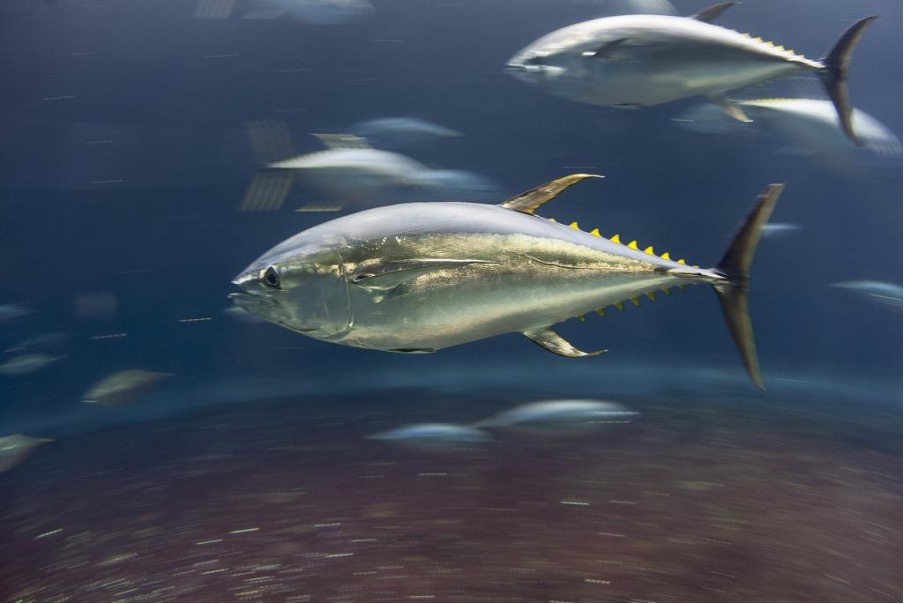
In a virtual address during the 19th Working Party on Data Collection and Statistics of the Indian Ocean Tuna Commission (IOTC), India’s Minister for Fisheries, Animal Husbandry, and Dairying, Parshottam Rupala, emphasized the urgent need for advanced fishing nations to take accountability for the escalating damage to Indian Ocean tuna stocks. The minister highlighted the recent surge in industrial fishing by certain nations, expressing global concerns over its impact.

Rupala pointed out that while many nations permitted their extensive industrial fleets to exploit and deplete the Indian Ocean’s tuna wealth, India maintained smaller fleets utilizing passive gear, leaving minimal ecological footprints. He underscored the undeniable impact of advanced fishing nations on global tuna stocks, particularly in the high seas.

Recent research findings revealed that high seas fisheries, operating at their current scale, heavily depend on substantial government subsidies. Rupala stressed that the surge in industrial fishing poses challenges to the sustainability of Indian Ocean tropical tuna stocks, reiterating India’s stance that responsible parties must address the damage caused.

India, with one of the lowest tuna fishing capacities in the IOTC area, emphasized its commitment to sustainable fisheries management. Rupala highlighted the long-standing connection between the traditional and small-scale tuna fisheries sector and the ethos of sustainability. The minister urged for a balanced approach that considers the unique challenges faced by artisanal and small-scale fishing communities.

Addressing additional contributing factors, Rupala noted that pollution and climate change further jeopardize the state of Indian Ocean fishery resources. Emphasizing the economic significance of tunas and pelagic species, he highlighted their annual contribution of USD 41 billion and stressed the need for collaborative efforts to manage these resources effectively.

The minister expressed hope that the Scientific Committee’s recommendations from the IOTC meeting would establish a level playing field, addressing concerns and aspirations of traditional tuna fishers and their livelihoods. Rupala emphasized that the scientific advice provided by the committee would guide large industrial fleets in aligning with management targets, combating the effects of climate change, ensuring the sustenance of coastal communities, promoting the development of Indian Ocean coastal states, and protecting marine resources.


05/12/2023 0 comment
0 FacebookTwitterPinterestEmail
Asias First Four Peril Parametric Insurance Launched to Protect Sri Lankas Shrimp Farming
Sustainability

Asia’s First Four-Peril Parametric Insurance Launched to Protect Sri Lanka’s Shrimp Farming

by Fishery News 04/12/2023
written by Fishery News

Insurance firm WTW has introduced Asia’s inaugural four-peril parametric insurance solution, aimed at shielding Sri Lanka’s shrimp industry from weather-related risks. Developed for the Taprobane Seafood Group, the parametric solution secured $15 million in project financing from the Netherlands-based entrepreneurial development bank, FMO.

WTW’s innovative insurance solution covers four critical weather risks: earthquakes, typhoons, excess rainfall, and heat stress, providing protection for Taprobane, Sri Lanka’s largest seafood company. The insurance initiative enables Taprobane to secure a loan for sustainable shrimp farming development, supporting local communities.

WTW’s global head of alternative risk transfer solutions, Marc Paasch, emphasized the importance of innovative insurance tools to safeguard businesses in the food industry against the increasing risks posed by natural catastrophes. The four-peril parametric insurance offers a streamlined and efficient solution for businesses vulnerable to multiple weather events not covered by traditional insurance products.

The FMO funding will also assist Taprobane in rehabilitating abandoned farms and investing in new facilities, enhancing its contribution to sustainable seafood farming.

WTW’s Asia head of alternative risk transfer solutions, Richard Zhang, highlighted the insurer’s role in supporting companies like Taprobane through innovative risk analytics and bespoke parametric solutions. The initiative aims to promote sustainable aquaculture growth and address the challenges posed by climate change in the region.


04/12/2023 0 comment
0 FacebookTwitterPinterestEmail
Newer Posts
Older Posts
  • Recent
  • Popular
  • ICAR-CIFT Patents Rapid DNA Biosensor for Black Tiger Shrimp Authentication

    07/08/2026
  • Minister Holds Review Meeting with Fisheries Cooperative Leaders

    07/08/2026
  • Dry Fish Demand Surges Following Formalin Ban

    07/08/2026
  • Rohu Breeding: A Complete Step-by-Step Guide to Successful Seed Production

    07/08/2026
  • 1

    ICAR Scientists Crack the Breeding Code of Rare Himalayan Fish Channa andrao, Opening New Opportunities for Ornamental Fish Farming

    28/07/2026
  • 2

    Trout Fish Stocking Initiative Enhances Fisheries and Tourism Potential in Shopian, Jammu and Kashmir

    17/12/2023
  • 3

    BIGGEST FISH MARKETS IN INDIA

    07/09/2024
  • 4

    Introducing Future Aquaculture Magazine: A New Voice Shaping the Future of Seafood

    13/02/2026

About Fishery News

FN Logo

Fishery.News is India’s leading digital media platform dedicated to fisheries, aquaculture, seafood, and marine industries. We deliver trusted news, expert insights, market intelligence, technology updates, research, government policies, and success stories that help fish farmers, shrimp farmers, seafood businesses, researchers, and industry professionals stay informed and grow sustainably

Categories

  • News
  • Aquaculture
  • Aquatic Health and Disease Management
  • Research and Innovation
  • Technology & Equipments

Social Networks

Facebook Twitter Instagram Linkedin Youtube
  • Facebook
  • Twitter
  • Instagram
  • Linkedin
  • Youtube

© 2026 Fishery.News – A BLIV Media Venture. All Rights Reserved.


Back To Top
Fishery News
  • E – Magazine
    • Aquaculture
    • Aqua Health & Disease Management
    • News
      • National
      • International
    • Farming
    • Research and Innovation
    • Sustainability
    • Technology & Equipments
    • This is Africa
    • Trade
  • Publications
  • Events
    • Expos
    • Trainings
    • Events by Month
  • Business Listings
    • List Your Business
    • Business Listings
    • Buy & Sell
    • Get Consultation
  • Employment
  • About Us
    • Founder
  • Contact