• E – Magazine
    • Aquaculture
    • Aqua Health & Disease Management
    • News
      • National
      • International
    • Farming
    • Research and Innovation
    • Sustainability
    • Technology & Equipments
    • This is Africa
    • Trade
  • Publications
  • Events
    • Expos
    • Trainings
    • Events by Month
  • Business Listings
    • List Your Business
    • Business Listings
    • Buy & Sell
    • Get Consultation
  • Employment
  • About Us
    • Founder
  • Contact
Fishery News
Home » News » Page 131
Category:

News

Punjab Government Initiates Ambitious Expansion of Fish Farming to Boost Farmers Income e1695805317493
NationalNews

Punjab Government Initiates Ambitious Expansion of Fish Farming to Boost Farmers’ Income

by Fishery News 13/09/2023
written by Fishery News

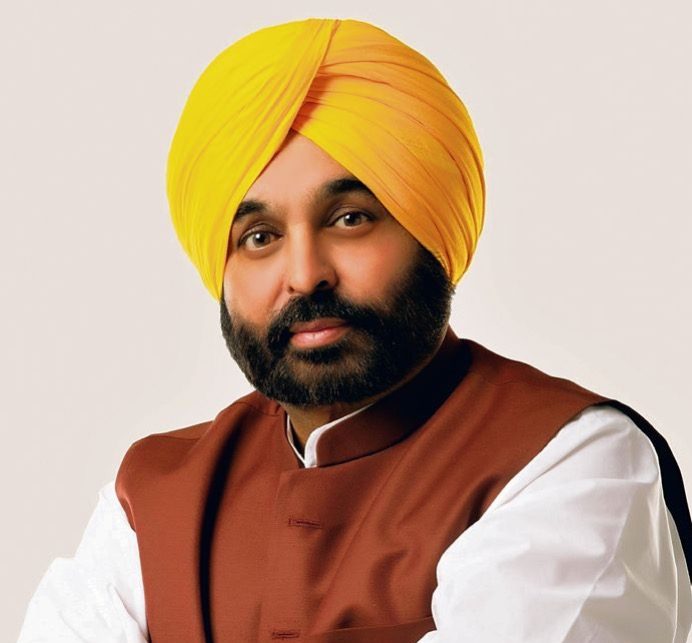
Ludhiana: The Punjab government, led by Chief Minister S Bhagwant Mann, is embarking on a significant initiative to augment farmers’ income and promote diversification within the state’s agricultural sector. In a strategic move, the government is poised to increase the fish farming area from the current 16,812 hectares to an expanded 20,000 hectares. This expansion is anticipated to substantially elevate fish production to 2 lakh tonnes.

The announcement came from Gurmeet Singh Khudian, Punjab’s Minister for Animal Husbandry, Dairy Development, and Fisheries, on the occasion of “National Fish Farmers Day.” This day is celebrated to honor the contributions of Professor Dr. K.H. Alikunhi and Dr. Hiralal Chaudhury, who achieved the first successful induced breeding of carp fish in India on July 10, 1957.

Minister Khudian extended his congratulations to fish farmers and stakeholders, emphasizing that fish seed production will be further increased to 25 Crore, up from the current 20 Crore, in the coming years.

Encouraging farmers to embrace fish farming as a viable income source, Minister Khudian revealed that a subsidy of Rs. 20 Crore has been disbursed to 366 beneficiaries for various projects under the Pradhan Mantri Matsya Sampada Yojana (PMMSY) Scheme.

Highlighting the government’s efforts in developing the fisheries sector, the Cabinet Minister disclosed that an insulated van with a subsidy has been provided for the transportation of fish and related products. Additionally, the state’s first mini fish feed mill in Jalandhar district, backed by a subsidy, is being established in the private sector.

Khudian noted the presence of 15 Government Fish Seed Farms, 11 Fish Feed Mills, and 7 Soil-Water testing Laboratories in the state, all aimed at facilitating fish farmers.

In a significant move, the government is also offering free training for fish and shrimp farming. Subsidies ranging from 40% to 60% have been extended to various fisheries sector projects, including new fish and shrimp ponds, re-circulatory aquaculture systems, bio-floc culture systems, fish shops, fish transportation vehicles, cold storage facilities, and more. These initiatives are aimed at providing self-employment opportunities for the younger generation.

Special attention is being given to saline-affected districts, with concerted efforts to scale up shrimp farming. The Demonstration Farm-cum-Training Center in Village Ena Khera, Sri Muktsar Sahib district, is now fully operational, offering comprehensive support to shrimp farmers

As the state’s shrimp farming area has crossed 1200 acres, the government is steadfastly working to expand it to over 5,000 acres in the next five years.

13/09/2023 0 comment
0 FacebookTwitterPinterestEmail
Kerala Extends Ban on Juvenile Fish Catching for 5 More Years to Preserve Marine Stocks
NationalNews

Kerala Extends Ban on Juvenile Fish Catching for 5 More Years to Preserve Marine Stocks

by Fishery News 13/09/2023
written by Fishery News

Thiruvananthapuram: In a proactive move to safeguard marine fish populations, the Kerala Government has announced a five-year extension to the ban on catching juveniles of 58 fish varieties, effective until August 31, 2028. This decision is a response to the dwindling marine fish landings and is based on expert recommendations, including insights from scientists at the Central Marine Fisheries Research Institute (CMFRI).

Originally instituted in 2017 through an amendment to the Kerala Marine Fishing Regulation Act, 1980, this ban was implemented due to a sharp decline in marine fish landings, which had plummeted to four lakh tonnes. An expert committee was established to assess the ban’s effectiveness, and their recent report not only suggests a five-year extension but also contemplates an indefinite prohibition without specific exemptions in terms of fish varieties or quantities.

The indiscriminate catching of juvenile fish by mechanized vessels, driven by the demand from fish manure factories in neighboring states, was a primary catalyst for the 2017 ban. Strict enforcement measures subsequently led to a notable increase in fish landings, totaling 6.9 lakh tonnes in the previous fiscal year, prompting the decision to extend the ban.

Under the ban, fishermen are prohibited from catching fish below a certain size for the designated varieties. To incentivize compliance, vessels with up to 40 percent of banned juvenile fish are granted an exemption. Beyond this threshold, fines are imposed, ranging from Rs 1 lakh for boats with a 100 hp engine to Rs 2.5 lakh for those with a 250 hp engine.

Last year, a substantial sum of fines, totaling Rs 2.25 crore, was collected, underscoring the stringent enforcement of this regulation. Kerala’s marine fish production contributes to 13 percent of the nation’s total, with exports valued at Rs 5,000 crore. The decision to prolong the ban reflects the government’s unwavering commitment to preserving marine ecosystems and ensuring the long-term sustainability of the fishing industry.

13/09/2023 0 comment
0 FacebookTwitterPinterestEmail
Andhra Pradesh Leads Nation in Fish Production Aims to Boost Consumption e1695805160434
NationalNews

Andhra Pradesh Leads Nation in Fish Production – Aims to Boost Consumption

by Fishery News 13/09/2023
written by Fishery News

Kakinada: Andhra Pradesh has emerged as the frontrunner in fish production nationwide, boasting an impressive production of 50 lakh metric tonnes derived from culture, capture, and inland fisheries. This remarkable revelation was made by V. Venkateswara Rao, Joint Director of Fisheries, during the concluding ceremony of a three-day seafood festival in Rajamahendravaram on Sunday.

Mr. Rao emphasized that despite aquaculture spanning 2 lakh hectares in the state, the average annual consumption of fish products among the populace merely stands at 8 kg. In pursuit of enhancing dietary habits and nutritional standards, the state government has set an ambitious target to elevate this figure to 10-15 kg. To facilitate this objective, 2,000 “Fish Andhra” outlets have been strategically established across the state.

Krishna Rao, Joint Director of Fisheries for East Godavari, anticipates a surge in fish production, consumption, and income in the forthcoming year. As a token of appreciation, the festival’s organizers presented awards to competition winners and mementos to all participants.

Stay tuned for more updates on Andhra Pradesh’s strides in the fisheries sector as the state endeavors to bolster its position as a national leader.

13/09/2023 0 comment
0 FacebookTwitterPinterestEmail
Rajasthan Government Initiates Free Fish Seed Distribution to 20000 Farmers in Push for Fisheries Promotion
NationalNews

Rajasthan Government Initiates Free Fish Seed Distribution

by Fishery News 13/09/2023
written by Fishery News

The Rajasthan government is set to distribute fish seeds free of charge to 20,000 farmers as part of its efforts to boost the fisheries sector. Chief Minister Ashok Gehlot has granted approval for the Rs 2 crore project, which will provide each farmer or water pond owner with 1,000 fingerlings of major Indian carp varieties like rohu, catla, and mrigal.

This project, originally announced in the 2023-24 budget, has recently secured financial approval and will soon see selected farmers receive fisheries training at the district level, according to a government department official

Rajasthan boasts an extensive network of water bodies, covering approximately 430,000 hectares, in addition to around 70 rivers and canals spanning about 30,000 hectares. Over the past three decades, the state has witnessed steady growth in its inland fisheries sector. The area dedicated to fish culture and production in Rajasthan, currently ranked 18th in terms of output, has been on the rise. Reservoirs account for approximately 60% of the total fish production, with the remainder coming from tanks and ponds. Notably, the productivity of large reservoirs in the state, at 55 kg per hectare, exceeds the national average.

In the recent budget speech, Chief Minister Gehlot also announced the establishment of a Brackish Water Aquaculture Laboratory in Churu district, aimed at promoting shrimp farming. Work on this initiative is already underway, as confirmed by the government official.

Moreover, the government is actively promoting innovative approaches in tribal sub-plan areas, particularly in locations such as Jaisamand Dam in Udaipur, Kadana backwater in Dungarpur, and Mahi Bajaj Sagar in Banswara, as part of its livelihood model to enhance the fisheries sector’s sustainability and economic impact.

13/09/2023 0 comment
0 FacebookTwitterPinterestEmail
Matsya Sampada Jagrukta Abhiyan Set to Dive into Action on PMMSYs 3rd Anniversary
NationalNews

Matsya Sampada Jagrukta Abhiyan Set to Dive into Action on PMMSY’s 3rd Anniversary

by Fishery News 13/09/2023
written by Fishery News

The Department of Fisheries, Government of India, is poised to inaugurate the “Matsya Sampada Jagrukta Abhiyan” on September 15, 2023, in commemoration of the third anniversary of the Pradhan Mantri Matsya Sampada Yojana (PMMSY). This pivotal six-month-long outreach initiative is strategically designed to invigorate the fisheries sector across the country and promote sustainable fishing practices.

Launched on September 15, 2020, PMMSY has significantly bolstered growth within the fisheries sector by extending financial support and technical expertise to fisherfolk, agriculturalists, and entrepreneurial ventures. On the eve of its third anniversary, the “Matsya Sampada Jagrukta Abhiyan” seeks to amplify this success by expanding its outreach and endorsing responsible fishing methodologies.

The campaign encompasses a comprehensive array of workshops, training programs, and awareness campaigns, both virtually and within local communities. The overarching objectives are to educate and acquaint fishermen and aquaculturists with contemporary methodologies, sustainable practices, and the latest technological advancements in fisheries management. Furthermore, the initiative underscores the imperative need to conserve aquatic life and safeguard the ecosystems that sustain them.

Foremost among the campaign’s goals is to augment the income of fishermen while nurturing entrepreneurship within the fisheries sector. It strives to facilitate access to credit, insurance, and establish crucial market linkages, thus ensuring an improved livelihood for those engaged in fishing and its allied activities.

The “Matsya Sampada Jagrukta Abhiyan” is poised to make an indelible mark by fostering heightened responsibility and awareness among all stakeholders within the fisheries industry. It endeavors to make the practice of fishing more sustainable, ecologically responsible, and financially remunerative for the multitudes who depend on it for their sustenance.

The campaign’s launch ushers in a six-month-long undertaking, carrying the promise of not only enhancing the lives of those associated with the fisheries sector but also contributing significantly to India’s food security and economic advancement. The Department of Fisheries, Government of India, extends an earnest invitation to all stakeholders to actively partake in this transformative endeavor and collaborate to shape a more prosperous and sustainable fisheries landscape.

The commencement of the “Matsya Sampada Jagrukta Abhiyan” constitutes a crucial stride toward the realization of the vision of a self-reliant, prosperous, and ecologically sound fisheries sector in India, in harmony with the fundamental tenets of PMMSY.

13/09/2023 0 comment
0 FacebookTwitterPinterestEmail
G20 Nations Embrace Chennai Principles for Ocean Centric Economy at Summit
NationalNewsThis is Africa

G20 Nations Embrace Chennai Principles for Ocean-Centric Economy at Summit

by Fishery News 12/09/2023
written by Fishery News

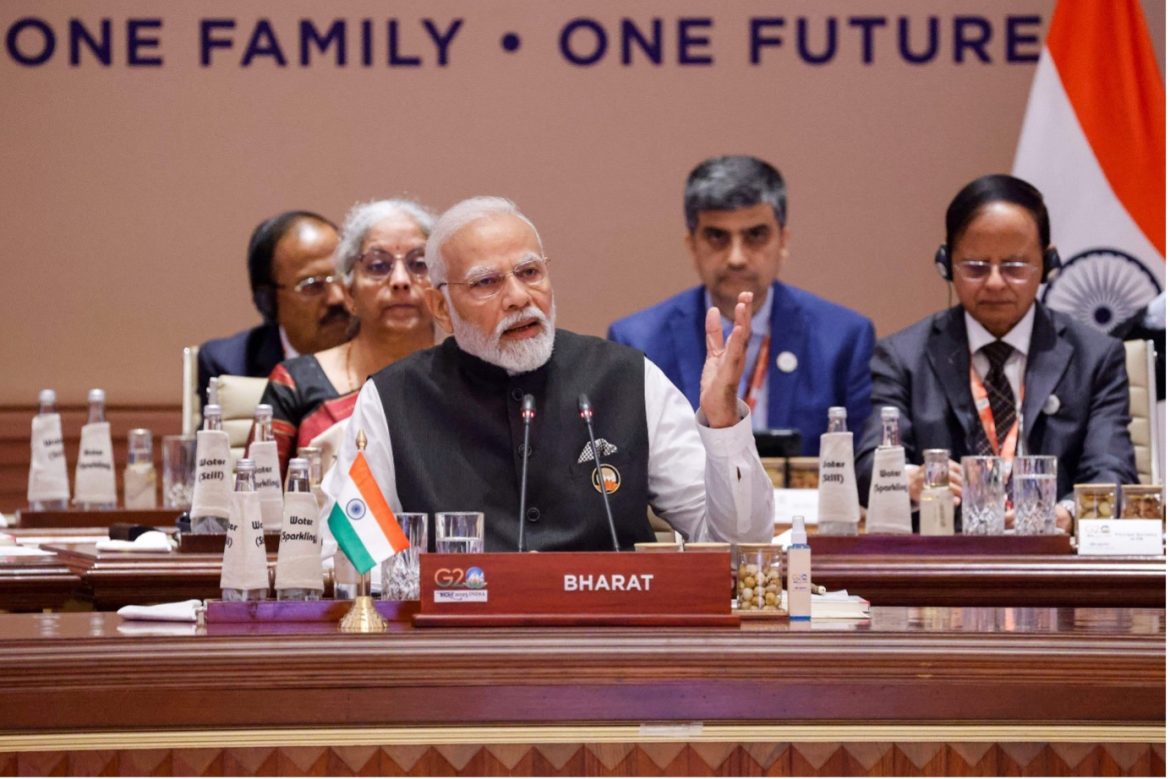
The G20 countries have renewed their dedication to the preservation and restoration of the world’s marine ecosystems, highlighting the importance of protecting the oceans. In their G20 declaration, the member nations expressed their endorsement of the Chennai High-Level Principles for a Sustainable and Resilient Blue/Ocean-based Economy

The Chennai High-Level Principles underscore the significance of a sustainable ocean-based economy, the need for enhanced international cooperation to address maritime challenges, and the importance of bolstering ocean financing efforts.

Furthermore, the G20 countries have reaffirmed their commitment to combatting illegal and unregulated fishing practices and harmful fishing methods. They have also voiced their support for the Commission for the Conservation of Antarctic Marine Living Resources (CCAMLR) as part of the Antarctic Treaty system.

In another significant development, the G20 leaders have pledged to facilitate “open, fair, predictable, and rules-based” trade in agriculture, food, and fertilizers. By adopting the New Delhi Declaration of G20 countries, they have committed to assisting developing nations in addressing their food security challenges.

The Declaration stated, “We commit to enhancing global food security and nutrition for all in line with the G20 Deccan High-Level Principles on Food Security and Nutrition 2023.”

Notably, the African Union (AU) has been formally admitted as a permanent member of the Group of Twenty (G20). This inclusion is viewed as a strategic move to amplify the representation of less developed and developing countries within the G20 framework.

Indian Prime Minister Narendra Modi welcomed this development on the first day of the G20 Leaders’ Summit, stating, “Honoured to welcome the African Union as a permanent member of the G20 family.”

12/09/2023 0 comment
0 FacebookTwitterPinterestEmail
Indian Sardine Rush Boosts Fortunes of Fish Meal Units Amid Global Shortage
NationalNews

Indian Sardine Rush Boosts Fortunes of Fish Meal Units Amid Global Shortage

by Fishery News 12/09/2023
written by Fishery News

Indian coastline has witnessed a substantial influx of sardines since last year, significantly benefiting the fish meal industry that produces vital raw materials for the aquaculture feed sector. Indian producers capitalized on the global shortage of sardine-based fish meal, resulting in higher exports and improved prices.

Fish meal, a product derived from underutilized sea-caught fish and fish waste, plays a crucial role in the production of fish and animal feed. The surging demand for fish meal is driven by the rapid growth of the aquaculture industry, which dominates seafood exports. Sardine-based fish meal, in particular, boasts higher oil content, rendering it a nutrient-rich choice for enhancing the growth of fish.

Sardine, known for its affordability and popularity as an edible fish, had faced limitations in its utilization by fish meal units due to shortages in recent years. However, sardine populations have experienced a resurgence along the Indian coasts, notably in Kerala and Karnataka, after a gap of approximately three years in 2022.

According to estimates from the Central Marine Fisheries Research Institute (CMFRI), sardine landings reached 251,257 tonnes last year. This marked a significant increase compared to the previous two years when sardine landings ranged between 80,000 and 90,000 tonnes. In 2019 and 2018, sardine landings were between 145,000 and 155,000 tonnes. The last major sardine haul occurred in 2017 when the catch exceeded 337,000 tonnes.

There are approximately 68 fish meal production units primarily located in Karnataka, Kerala, Tamil Nadu, and Maharashtra, collectively producing around 300,000 tonnes annually.

Dawood Sait, President of the Indian Marine Ingredients Association, explained, “There was a global shortage as fish meal volumes from Peru, the biggest producer, was down. So, we were able to export more at better prices of $1,500 per tonne compared to around $1,200 in the previous year. In FY23, the export doubled to 50 percent of production.”

Peru’s fish meal industry predominantly relies on anchovies, while the Indian fish meal industry incorporates a variety of fish, including sardine, mackerel, and scad, in addition to anchovy for production. The global shortage of fish meal also drove up prices for fish oil, a byproduct of fish meal production, which India could command higher prices for due to lower production in Peru.

As exports of fish meal surged, fishermen benefitted from higher prices, receiving approximately Rs 40 per kg for their sardine catches, compared to Rs 15 to 20 per kg in previous years. Additionally, the oil content of the sardines was notably higher, at 10 percent or more.

Boat operators reported increased fish landings, particularly of sardines, attributed in part to reduced fishing activity during the initial Covid-19 lockdown and subsequent restrictions on fishing operations.

However, the booming export of fish meal led to increased costs for domestic shrimp feed units, as they had to pay more for the raw materials. Fish meal prices rose from Rs 135 to 150 per kg, an increase of Rs 30 to 40. Importing fish meal as an alternative proved difficult due to duties and a costly dollar exchange rate. Concerns persist that the fish meal shortage may continue as coastal states implement annual fishing bans during the monsoon season.

In response, the feed industry has called upon the government to impose duties or restrictions on fish meal exports to support the local feed industry. Despite India’s rapid growth in aquaculture, making it the second-largest shrimp producer globally after Ecuador, the fish meal industry has not kept pace with the demand, resulting in a supply shortage.

The potential for a continued sardine flow into Indian coasts in the coming year remains uncertain. CMFRI scientists believe they will be able to assess this by the second half of the year, depending on the catch volumes. They attribute the decrease in sardine catches partly to the El Nino weather phenomenon, which is associated with the warming of ocean surface temperatures in the Pacific Ocean. El Nino may have caused temperature disturbances in Indian waters, prompting sardines to migrate away from the coast. However, the return of sardines coincided with the onset of La Nina, the opposite of El Nino. Scientists suggest that even without El Nino, sardine depletion in the coasts can occur periodically.

12/09/2023 0 comment
0 FacebookTwitterPinterestEmail
Iceland Resumes Whaling Despite Growing Public Opposition e1695669846402
InternationalNews

Iceland Resumes Whaling Despite Growing Public Opposition

by Fishery News 12/09/2023
written by Fishery News

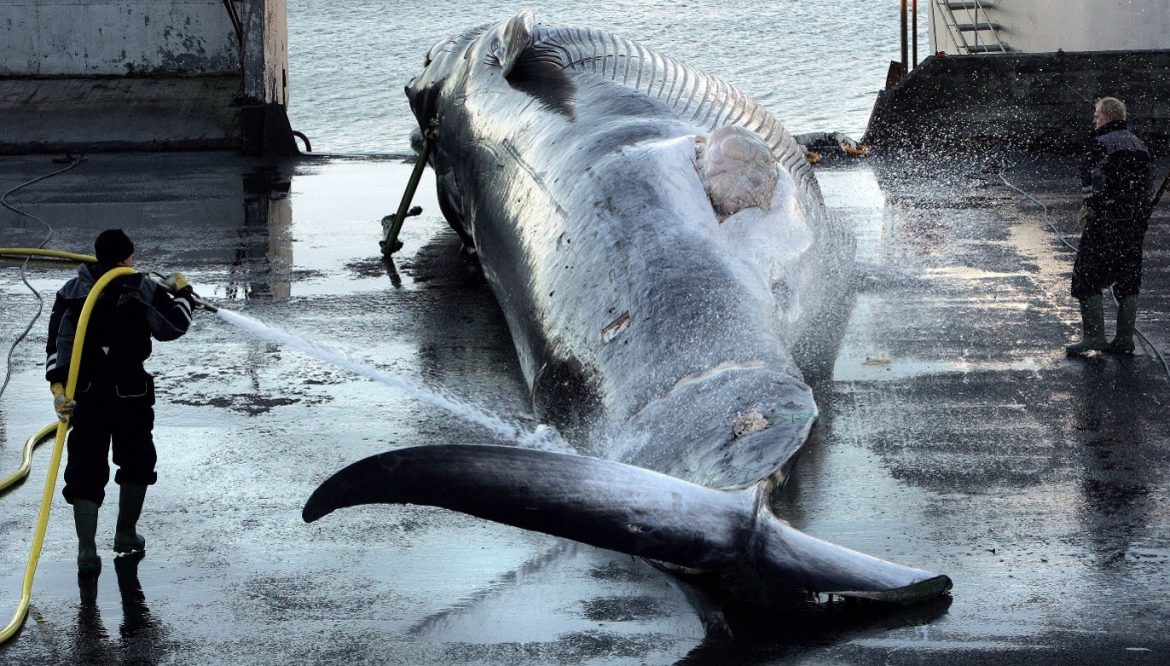
Reykjavik, Iceland – Iceland has reinstated whaling, a move met with disappointment by animal rights activists, after a suspension lasting over two months for animal welfare considerations. This decision places Iceland among the last three countries, along with Norway and Japan, that permit commercial whaling, while the traditional practice of pilot whale and dolphin hunting persists in the Faroe Islands.

The Icelandic government had temporarily halted whaling in June, citing concerns about its compliance with animal welfare laws. However, the resumption of whaling has sparked renewed controversy.

Under the annual quotas, Iceland authorizes the hunting of 209 fin whales, the second-largest marine mammals globally after blue whales, and 217 minke whales. Nonetheless, catches have seen a significant decline in recent years due to decreased demand for whale meat.

Public opinion in Iceland appears to be increasingly against whaling, with 51% of Icelanders opposing the practice, compared to 42% four years ago, according to a survey conducted by the Maskina Institute, the results of which were released in June.

Hvalur, the country’s last active whaling company, holds a fishing license set to expire in 2023. The company had already announced that the current season would be its final one due to dwindling profitability in the industry. While the company has not yet responded to the government’s decision, reports suggest its boats have been scouting at sea in anticipation.

The Icelandic Ministry of Fisheries has outlined stricter and more detailed regulations regarding equipment, hunting methods, and surveillance, which Hvalur will be required to adhere to.

12/09/2023 0 comment
0 FacebookTwitterPinterestEmail
Japanese Company Introduces Algae Superfood to School Lunches Amid Global Food Security Concerns
InternationalNews

Japanese Company Introduces Algae Superfood to School Lunches Amid Global Food Security Concerns

by Fishery News 12/09/2023
written by Fishery News

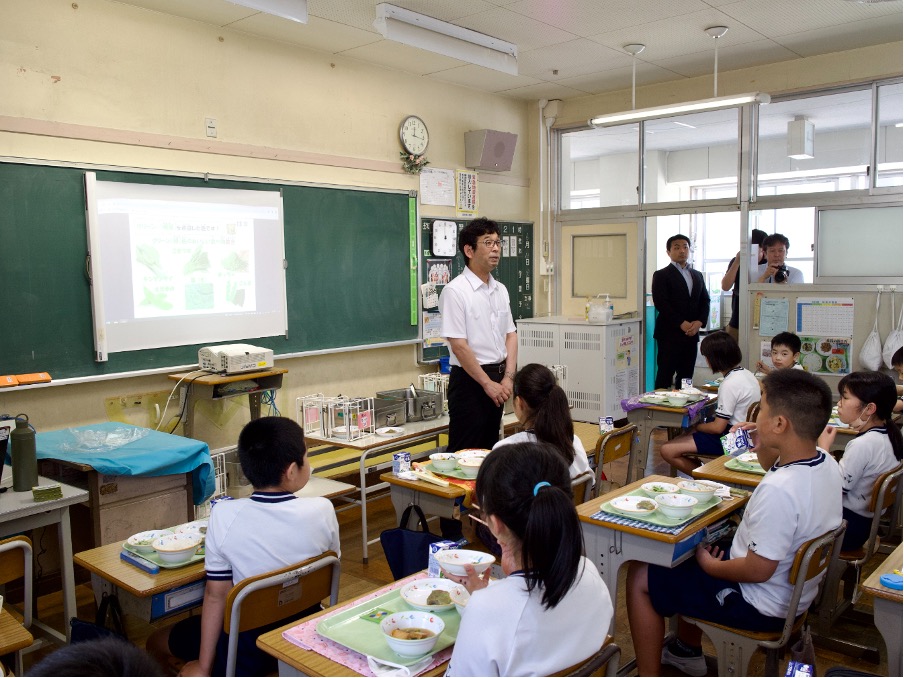
Tokyo, Japan – As concerns over global food security grow due to climate change and geopolitical risks, a Japanese company based in Ishinomaki, Ibis Algae, is pioneering an innovative food education program in collaboration with Fukuroi City in Shizuoka Prefecture. The program aims to introduce algae as a nutritional superfood into school lunches, encouraging local schoolchildren to embrace it as a regular part of their diet.

Algae, a rich source of protein, vitamins, and minerals, has been consumed by humans since ancient times. Now, it is gaining attention as a potential solution to address future food shortages, with experts warning of a potential “protein crisis” by 2050.

In response, the food tech industry is accelerating efforts to develop and commercialize alternative nutritional sources, including environmentally friendly innovations such as soybean-based meat substitutes and edible insect farming. Algae is emerging as a prominent candidate for human consumption.

Ryoji Terai, the President of Ebis Algae, believes that algae will soon become a primary source of nutrition. Terai’s “Green School Lunch” program was launched in Fukuroi, serving 9,250 meals incorporating algae at 28 elementary and junior high schools, kindergartens, and preschools. The children particularly enjoyed dishes like “fried black fish cake with algae.”

The program featured microalgae from the nannochloropsis genus, known for its high protein content and substantial eicosapentaenoic acid (EPA) levels. EPA is an omega-3 fatty acid effective in thinning the blood and preventing heart disease, arteriosclerosis, and strokes.

While microalgae have been adopted in the food and beverage sector globally for their omega-3 fatty acids and protein content, Terai claims that his company is the first in the world to incorporate algae into school lunches. Surprisingly, many students asked for seconds, comparing the taste to green laver seaweed, a popular food in Japan and other East Asian countries.

The success of the algae-infused meals has prompted Fukuroi to make them a regular part of its school menus. Ebis Algae plans to expand its projects across Japan, starting in its home region of Ishinomaki in northeastern Japan. The company possesses unique technology for large-scale cultivation of nannochloropsis and is collaborating with major food manufacturer Kyokuyo to develop nannochloropsis-based products.

The global market for microalgae is rapidly expanding, projected to reach a valuation of US$25.4 billion in 2023, as it finds applications not only in food but also in pharmaceuticals, cosmetics, biofuels, and more.

As the world grapples with growing food security concerns, innovative approaches like introducing algae superfoods into school lunches may play a crucial role in ensuring a sustainable and nutritious future for all.

12/09/2023 0 comment
0 FacebookTwitterPinterestEmail
Union Fisheries Minister Unveils Ambitious Plan to Boost Mariculture Sector
News

Union Fisheries Minister Unveils Ambitious Plan to Boost Mariculture Sector

by Fishery News 12/09/2023
written by Fishery News

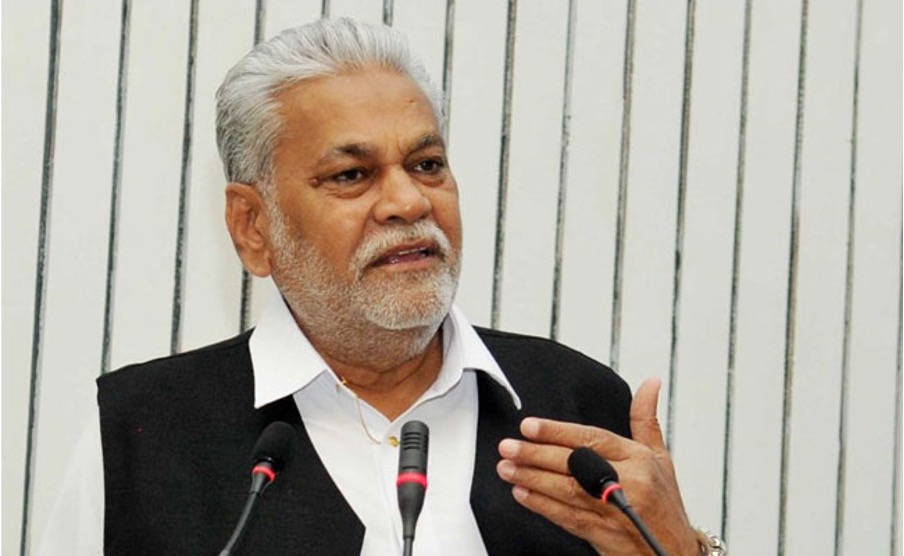
Thiruvananthapuram, India – Union Fisheries Minister Parshottam Rupala, during his visit to Kerala ahead of the 8th phase of the Sagar Parikrama Yatra, has revealed an extensive strategy to enhance the mariculture sector in the country. The plan includes expanding cage fish farming operations and scaling up pearl oyster production.

Mr. Rupala emphasized the immediate focus on expanding cage fish farming into offshore waters using larger and more advanced cages, with diameters of 30 or more, capable of accommodating a significant number of juvenile fish. Currently, cage farming employs 6-diameter cages in nearshore waters.

He urged the ICAR-Central Marine Fisheries Research Institute (CMFRI) to lead research and development efforts in creating these advanced cages, which are expected to substantially increase mariculture production.

Additionally, Mr. Rupala called for the expansion of seed production technologies for fin fishes across coastal states through public-private partnerships, addressing seed constraints and ensuring adequate supplies to fish farmers nationwide.

To promote sustainable mariculture practices, the central government is set to introduce a Mariculture Leasing Policy, ensuring suitable locations and preventing environmental harm from mariculture operations.

The minister also highlighted the untapped potential of pearl oyster production and encouraged CMFRI to play a more proactive role in its scaling up. He stressed the importance of research and innovation in hatchery technologies for large-scale pearl oyster production.

Mr. Rupala proposed a sea ranching program for hatchery-produced pearl oyster spats along the Tuticorin coast, a move aimed at reviving the area’s historical reputation as a “Pearl City” known for its pearl fisheries.

Furthermore, the Union Minister discussed the prospects of marine ornamental fishery, suggesting the development of effective marketing avenues in collaboration with stakeholders. This initiative is expected to provide an economic boost to the marine ornamental industry.

These ambitious plans unveiled by the Union Fisheries Minister are poised to transform India’s mariculture sector and contribute to the sustainable development of marine resources.

12/09/2023 0 comment
0 FacebookTwitterPinterestEmail
Newer Posts
Older Posts
  • Recent
  • Popular
  • ICAR-CIFT Patents Rapid DNA Biosensor for Black Tiger Shrimp Authentication

    07/08/2026
  • Minister Holds Review Meeting with Fisheries Cooperative Leaders

    07/08/2026
  • Dry Fish Demand Surges Following Formalin Ban

    07/08/2026
  • Rohu Breeding: A Complete Step-by-Step Guide to Successful Seed Production

    07/08/2026
  • 1

    Trout Fish Stocking Initiative Enhances Fisheries and Tourism Potential in Shopian, Jammu and Kashmir

    17/12/2023
  • 2

    BIGGEST FISH MARKETS IN INDIA

    07/09/2024
  • 3

    Brazil’s Appetite for Vietnamese Tilapia Is Reshaping the Global Whitefish Trade

    28/07/2026
  • 4

    Introducing Future Aquaculture Magazine: A New Voice Shaping the Future of Seafood

    13/02/2026

About Fishery News

FN Logo

Fishery.News is India’s leading digital media platform dedicated to fisheries, aquaculture, seafood, and marine industries. We deliver trusted news, expert insights, market intelligence, technology updates, research, government policies, and success stories that help fish farmers, shrimp farmers, seafood businesses, researchers, and industry professionals stay informed and grow sustainably

Categories

  • News
  • Aquaculture
  • Aquatic Health and Disease Management
  • Research and Innovation
  • Technology & Equipments

Social Networks

Facebook Twitter Instagram Linkedin Youtube
  • Facebook
  • Twitter
  • Instagram
  • Linkedin
  • Youtube

© 2026 Fishery.News – A BLIV Media Venture. All Rights Reserved.


Back To Top
Fishery News
  • E – Magazine
    • Aquaculture
    • Aqua Health & Disease Management
    • News
      • National
      • International
    • Farming
    • Research and Innovation
    • Sustainability
    • Technology & Equipments
    • This is Africa
    • Trade
  • Publications
  • Events
    • Expos
    • Trainings
    • Events by Month
  • Business Listings
    • List Your Business
    • Business Listings
    • Buy & Sell
    • Get Consultation
  • Employment
  • About Us
    • Founder
  • Contact