India just got a MAJOR boost in its fight for fair fishery subsidy rules at the WTO!
Over 50 developing countries have come together to support India’s stand against unfair restrictions on fisheries subsidies. The goal? Protect the rights and livelihoods of small-scale fishers and coastal communities across the Global South.
India is leading the call for a 25-year transition period for developing nations – ensuring that traditional fishermen don’t lose out while developed nations continue deep-sea fishing with high-tech fleets.
“We need fair trade, not forced sacrifice. No one-size-fits-all!” — India at WTO.
What India Wants:
Special treatment for developing nations
Target illegal, unreported, and unregulated (IUU) fishing
Allow poor nations to support small fishers
Put equity at the heart of global rules
This isn’t just policy – it’s about justice for millions who depend on fishing for food and livelihood.
With over 50 nations on board, India is making waves for a fair and inclusive blue economy!
News
India’s Biggest Fisheries Event Wraps Up with Game-Changing Vision for Blue Revolution!
The 2nd Indian Fisheries Outlook (IFO) concluded in Berhampur, Odisha, with a strong focus on sustainable blue growth and innovation in the fisheries sector. Hosted from 12th to 14th July 2025 at the College of Fisheries (OUAT), this landmark event brought together 250+ farmers, scientists, policymakers, industry leaders, and youth for three power-packed days.
What made it special?
376+ research abstracts
7 major thematic sessions on climate-smart aquaculture, genetics, post-harvest, feeds, aquatic health & more
National exhibition on fisheries innovation
Young Fisheries Talent Award (YFTA) showcasing 30 youth researchers
Open dialogue with farmers and 10 leading industrial experts
Massive support for “Phrase4Change” – a vision for empowering small-scale fishers
Dignitaries like Shri Gokulananda Mallik (Minister, Odisha), Dr. J.K. Jena (ICAR- Indian Council of Agricultural Research), Dr. B.K. Das (Central Inland Fisheries Research Institute (CIFRI)), Dr. K.K. Lal (Central Institute of Brackishwater Aquaculture CIBA(ICAR)), and Dr. B.K. Behera (National Fisheries Development Board) joined hands to highlight the need for synergy between fisheries, agriculture, and livelihoods.
From policy to pond, the event served as a national platform to reimagine fisheries with research, technology, and farmer-first thinking.
Let’s build the future of Indian fisheries—climate-resilient, youth-driven, and inclusive!
If you’re a traditional fisherman in Goa looking to buy or build a small fishing boat (below 26 feet) for inland waters, this update is for YOU!
The Goa Directorate of Fisheries has changed the eligibility rules for its financial assistance scheme for new fishing canoes.
What’s New?
To apply, you must now have at least ONE of the following:
An OBC Kharvi caste certificate
A profession certificate from the Mamlatdar, Municipal Chief Officer, or Panchayat Secretary
OR a valid fishing net license registered with the Fisheries Department
PLUS: You must apply within 6 months of registering your canoe with the Captain of Ports Department
Why it matters
This scheme supports small traditional fishers who want to modernize their operations
Ensures help reaches genuine fishing communities
Adds clarity and accountability to government support programs
If you or someone you know is planning to get a new fishing canoe — don’t miss the 6-month deadline!
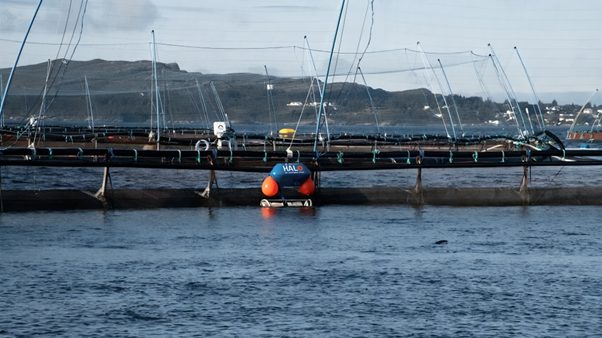
A company from Norway called Remora Robotics has raised ₹120 crore (around €13.7 million) to grow its business. This money will help them make more of their underwater robots that clean nets and check fish cages in big salmon farms.
These robots can work without boats or manual labour — and that’s a big saving for fish farmers.
What the Robot Does:
Cleans cage nets gently (no pressure washing)
Uses AI to check for damage and fish health
Collects water data from around the cages
Helps keep fish calm and healthy
Reduces risk of disease and improves survival rate
The result? Better fish, lower labour, and higher production.
Company Info:
Started in 2016, based in Stavanger, Norway
Works with big salmon farmers
Supported by research groups like SINTEF, Norwegian University of Science and Technology (NTNU), and Aquastructure Solutions Inc.
Already tested in the field and used in real farms
What’s Coming Next:
Their production is almost sold out for the next 6 months
At Aqua Nor expo (August), they will launch new software for live cage monitoring
The new system will include AI-based net inspection and real-time data tools for farmers
CEO Svein Erik Gregersen said:
“We’re proud of what the team built. Now we’ll grow faster and give even more value to fish farmers.”
This kind of tech is now common in Norway’s salmon farming.
Can we adapt something similar for India’s cage farms or shrimp hatcheries?
We’ll keep an eye on it.
Pulasa season has started — and as expected, the madness has returned.
In Andhra Pradesh, a single Godavari Pulasa fish was recently sold for ₹22,000 at an auction. For those who follow this tradition, this is no surprise. In peak demand, prices can touch ₹50,000 per fish.
This happens every monsoon, when the Pulasa swims upstream into the Godavari from the sea. Its season is short, the catch is limited, and the cultural demand is high.
Local traders say it’s not just about taste — the Pulasa holds value for its soft texture, local identity, and even medicinal beliefs. The auction hype adds to the premium pricing.
For many, this fish is not just food. It’s part of monsoon culture.
It’s also a reminder that strong cultural branding — even without export tags or fancy packaging — can create real value at home.
Might be worth asking: Can more native fish in India be positioned like this?
Big news from Chennai!
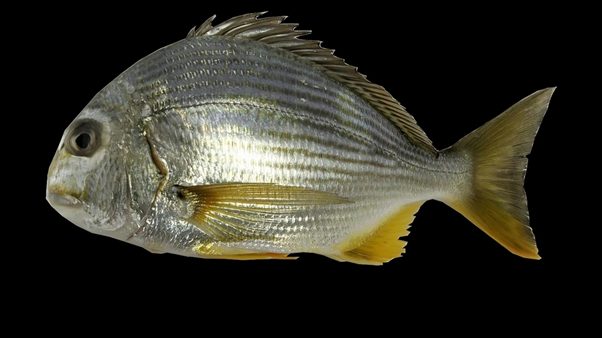
Central Institute of Brackishwater Aquaculture CIBA(ICAR) scientists have successfully sequenced the genome of the goldlined seabream (Rhabdosargus sarba), popularly known as Matti Vaayan in Tamil Nadu.
What makes this fish special?
High Market Value – Its white meat is premium quality and preferred across India.
Farming Flexibility – Can grow in ponds, cages, and across varying salinity levels.
Golden Stripes, Golden Opportunity – It’s a perfect candidate to scale India’s brackishwater aquaculture.
With this first-ever genome sequencing, researchers now have a reference-level genetic blueprint — unlocking opportunities for:
Selective breeding
Broodstock improvement
Faster growth + disease resistance
Better sustainability in farming systems
This is not just a science win — it’s a leap forward for India’s Blue Economy vision.
Kudos to Dr. M.S. Shekhar and the team at ICAR-CIBA for this breakthrough
Philippines’ Bold Move to Breed Sardines in Hatcheries – What India Can Learn
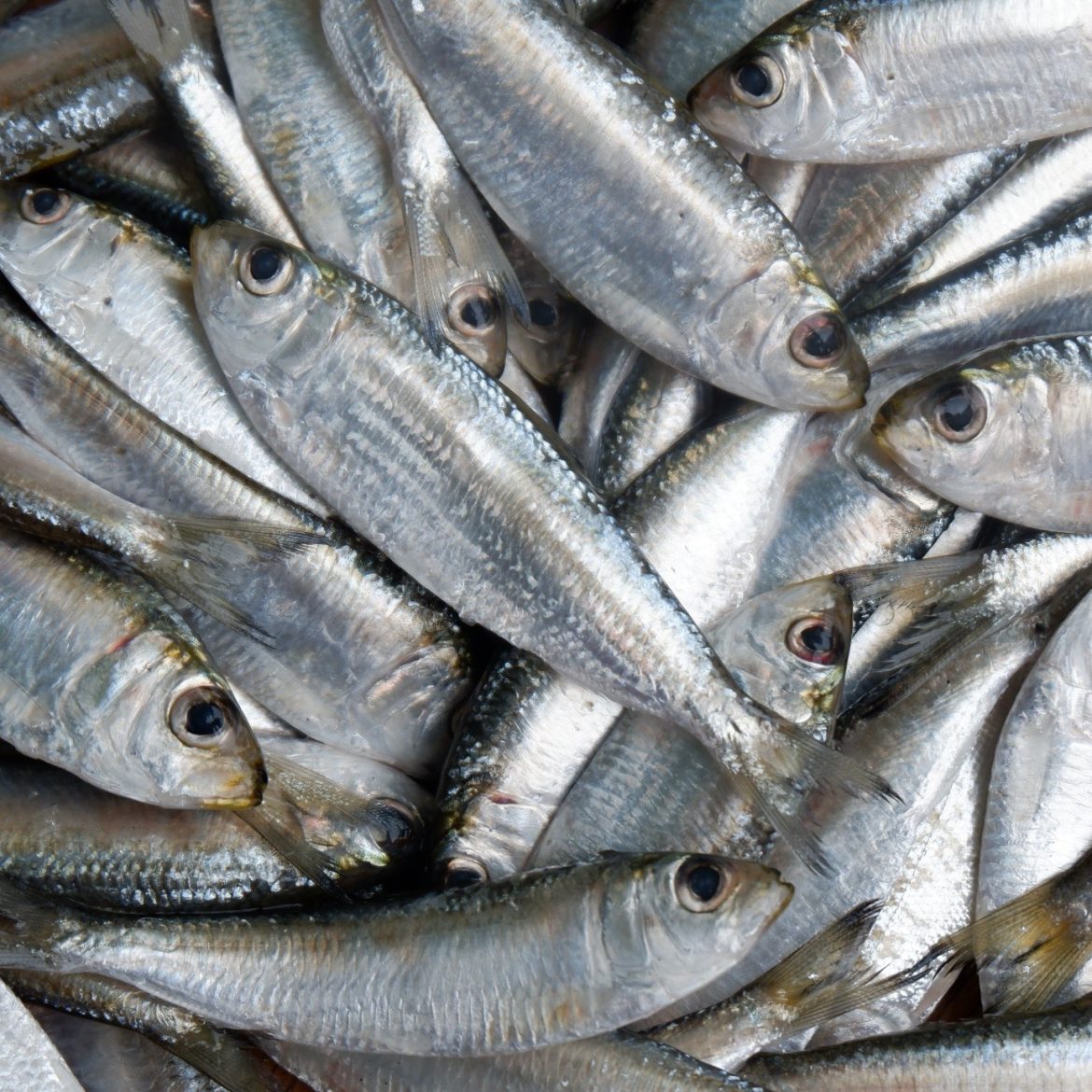
In the Philippines, tamban (Bali sardinella) is everywhere — cheap, abundant, and a staple for millions. But wild stocks have been under pressure.
Now, for the first time ever, the Philippines has started captive breeding of tamban — and it’s not just an experiment. It’s a seven-year national project aiming to shift tamban from wild-caught to hatchery-bred.
Why This Matters
Tamban = 314,000+ tonnes in 2023, worth ₹2,000+ crore.
16.7% of all Philippine fish production is sardines.
Until now: zero hatchery-based production.
What’s Happening on the Ground
232 tamban broodstock now in Taal (Batangas) and Tigbauan (Iloilo).
Fish have survived 378+ days in captivity — a big breakthrough.
Feed studies show tamban love copepods, phyto & zooplankton.
Led by NFRDI Training Division with support from BFAR MIMAROPA Regional Office Region 9 and Aquaculture Department, Southeast Asian Fisheries Development Center (SEAFDEC)/AQD.
The 3-Phase Plan (2024–2030)
Biology & Domestication – underway.
Broodstock development & spawning trials – 2026 onward.
Grow-out culture for commercial scale – 2029–30.
What This Means for India
Could this model work for Indian small pelagics like lesser sardines or mackerel? We’ve seen big progress in marine hatcheries — maybe it’s time to look at volume species, not just high-value ones.
We’ll be watching this closely. If tamban farming works, it could change how the whole region thinks about sardines.
In a year filled with global tariff troubles, shrimp producers from Asia—including India, Vietnam, Thailand, and Indonesia—are shifting their focus away from traditional markets like China and the US. Why? Because these older markets are now full of high tariffs, demand drops, and strict rules.
Instead, exporters are eyeing Europe, Japan, and even Vietnam as new ‘safe’ markets for their shrimp. These countries offer stable prices, fewer trade restrictions, and growing demand—just what the struggling shrimp industry needs right now.
What’s Happening?
US & China markets now have heavy tariffs & tighter regulations.
EU & Japan are becoming top choices for shrimp trade due to reliability.
Indian exporters are already adapting with new strategies to enter these markets.
According to trade analysts, this change is helping stabilize profits for shrimp exporters and will reshape global seafood trade flows in the coming years.
What Indian Shrimp Businesses Should Do Now:
Get certified for EU/Japan standards (traceability, hygiene, etc.).
Use PMMSY and other government schemes to improve farm-to-export quality.
Focus on value-added shrimp products to stand out in global markets.
This is a golden chance for India’s aquaculture industry to lead the way globally. With smart planning and quick adaptation, our shrimp sector can bounce back stronger than ever.
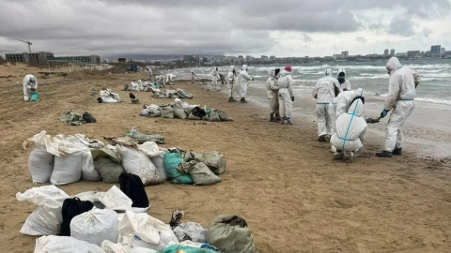
A devastating fuel oil spill from two storm-damaged tankers has led to the deaths of 32 dolphins, according to an animal rescue group. The Delfa centre, based in Russia, reported the deaths of 61 cetaceans, with 32 “most likely” caused by the spill that occurred three weeks ago in the Kerch Strait, which separates the Russia-occupied Crimean Peninsula from southern Russia’s Krasnodar region.
The centre confirmed that the majority of the dolphins killed were “Azov” dolphins, a type of harbour porpoise closely related to belugas and narwhals. They noted that most of the cetaceans likely perished within the first 10 days following the disaster, judging by the condition of the bodies.
Cetaceans, including whales, dolphins, and porpoises, are vulnerable to such environmental catastrophes, and the oil spill has caused severe harm to marine life in the area.
In response to the crisis, Russia’s Emergencies Ministry announced that over 96,000 tons of contaminated sand and soil had been cleared from affected shorelines in the Krasnodar region. Meanwhile, officials in Crimea declared a regional emergency after oil traces were found on the shores of Sevastopol, the peninsula’s largest city, located about 250 kilometers (155 miles) from the Kerch Strait.
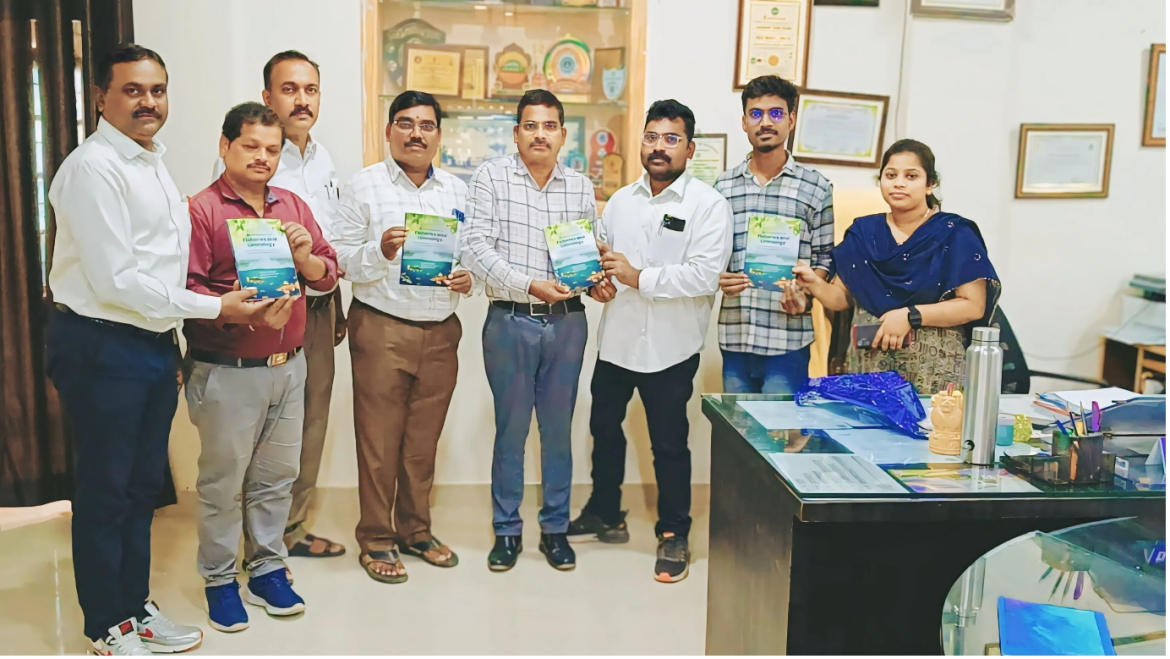
FISHERIES BOOKS LAUNCHED FOR FISHERY SCIENCE STUDENTS IN TELANGANA
“An introduction to Fisheries and Limnology” books for Fishery science students have been launched at the Government Arts and Science Autonomous College, Kamareddy. Under the guidance of the Department of Zoology and Fisheries, these books are tailored for degree and postgraduate students studying fishery sciences.
The book launch ceremony took place on Saturday and was presided over by the college Principal, Dr. K. Vijay Kumar. During the event, Dr. Kumar expressed his appreciation for the initiative, congratulating the Head of the Department of Zoology and Fisheries, T. Malsoor, along with faculty members Pawan Kumar and Manasa, for their dedicated efforts in bringing this project to fruition.
A remarkable addition to this year’s academic advancements was the introduction of an MSc Fisheries program at the college. Sharing his thoughts, T. Malsoor conveyed his happiness over this milestone. He said, “The MSc Fisheries program marks a new chapter for our institution. We are committed to working diligently in the field of research to empower MSc students, equipping them with the knowledge and skills required to excel in current research trends and compete at Universitie’s level”
- Malsoor further emphasized the importance of fostering a strong research culture among students and ensuring they have access to modern resources and innovative learning tools.
The Principal encouraged the entire team to maintain their momentum and continue striving to enhance academic and research opportunities for students. The event also saw the participation of Vice Principal Kishtayya and faculty members Vishwaprasad, Dinakaran, Ramulu, and others, who lauded the department’s efforts and pledged their support for future endeavors.
The launch of these books and the introduction of the MSc Fisheries program underscore the college’s commitment to academic excellence and its vision to nurture future leaders in the field of fisheries and research.