
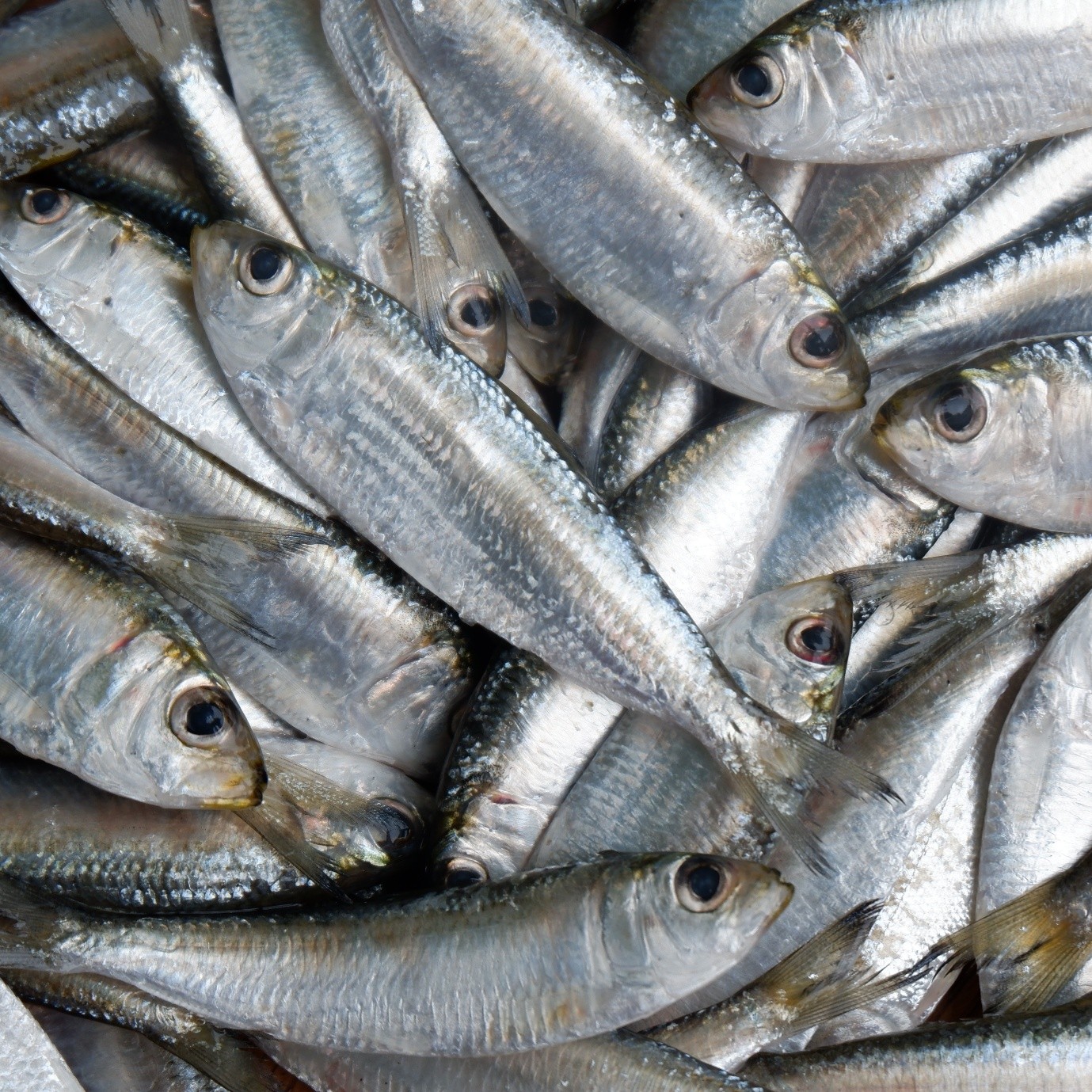
In the Philippines, tamban (Bali sardinella) is everywhere — cheap, abundant, and a staple for millions. But wild stocks have been under pressure.
Now, for the first time ever, the Philippines has started captive breeding of tamban — and it’s not just an experiment. It’s a seven-year national project aiming to shift tamban from wild-caught to hatchery-bred.
Why This Matters
Tamban = 314,000+ tonnes in 2023, worth ₹2,000+ crore.
16.7% of all Philippine fish production is sardines.
Until now: zero hatchery-based production.
What’s Happening on the Ground
232 tamban broodstock now in Taal (Batangas) and Tigbauan (Iloilo).
Fish have survived 378+ days in captivity — a big breakthrough.
Feed studies show tamban love copepods, phyto & zooplankton.
Led by NFRDI Training Division with support from BFAR MIMAROPA Regional Office Region 9 and Aquaculture Department, Southeast Asian Fisheries Development Center (SEAFDEC)/AQD.
The 3-Phase Plan (2024–2030)
Biology & Domestication – underway.
Broodstock development & spawning trials – 2026 onward.
Grow-out culture for commercial scale – 2029–30.
What This Means for India
Could this model work for Indian small pelagics like lesser sardines or mackerel? We’ve seen big progress in marine hatcheries — maybe it’s time to look at volume species, not just high-value ones.
We’ll be watching this closely. If tamban farming works, it could change how the whole region thinks about sardines.
Philippines’ Bold Move to Breed Sardines in Hatcheries – What India Can Learn
705
