• E – Magazine
    • Aquaculture
    • Aqua Health & Disease Management
    • News
      • National
      • International
    • Farming
    • Research and Innovation
    • Sustainability
    • Technology & Equipments
    • This is Africa
    • Trade
  • Publications
  • Events
    • Expos
    • Trainings
    • Events by Month
  • Business Listings
    • List Your Business
    • Business Listings
    • Buy & Sell
    • Get Consultation
  • Employment
  • About Us
    • Founder
  • Contact
Fishery News
Home » Sustainability » Page 3
Category:

Sustainability

Philippines Struggles to Combat Overfishing Threatening Marine Ecosystem
Sustainability

Philippines Struggles to Combat Overfishing Threatening Marine Ecosystem

by Fishery News 2024-01-31
written by Fishery News

The Philippines faces a critical challenge as overfishing continues to deplete its marine resources, with more than 75 percent of the nation’s fishing grounds now depleted, according to conservation group Oceana. This alarming trend, exacerbated by market pressures and a lack of fisheries management, poses a significant threat not only to the marine ecosystem but also to the livelihoods of local fishermen.

A report from the Associated Press in April 2023 highlighted the detrimental effects of unchecked overfishing by larger commercial fishers, disproportionately impacting the country’s poorest communities who rely heavily on fish as a primary protein source. Anti-poverty activist Ruperto Aleroza emphasized the dire consequences, stating that overfishing exacerbates economic hardship among artisanal fishers and threatens local food security.

Moreover, the decline in small fish populations has ripple effects on larger fish species, further destabilizing the delicate marine ecosystem. The situation is worsened by the illegal harvesting of giant clams, protected under international conservation agreements, fuelled by the pursuit of valuable pearls.

In response to the crisis, the government, under the leadership of President Ferdinand Marcos Jr., has proposed measures such as fishing bans in certain areas to allow fish stocks to replenish. International organizations, including the United Nations Development Program, are also collaborating to restore the marine ecosystem, while non-governmental organizations like the Environmental Defence Fund are promoting sustainable fishing practices among local fishermen.

Despite these efforts, challenges persist, including delays in implementing measures due to the COVID-19 pandemic and governance issues. Urgent action is needed to reverse the damage and safeguard the future of the Philippines’ marine environment and its coastal communities.

2024-01-31 0 comment
0 FacebookTwitterPinterestEmail
Aquaculture Boom in Andhra Pradesh Faces Environmental and Health Challenges
Sustainability

Aquaculture Boom in Andhra Pradesh Faces Environmental and Health Challenges

by Fishery News 2024-01-29
written by Fishery News

In the midst of Andhra Pradesh’s thriving aquaculture industry, concerns have emerged regarding water contamination and its detrimental effects on health and agriculture in the Antarvedi region of Dr. B.R. Ambedkar Konaseema district.

Driven by a coastline spanning 974 kilometres, Andhra Pradesh has seen remarkable growth in its aquaculture sector, boasting a record-breaking production of 46.23 lakh metric tonnes of fish and shrimp in 2021. Despite the economic prosperity brought about by this industry, the adverse impacts on the environment, health, and livelihoods of local communities have become apparent.

The surge in aquaculture activities, particularly shrimp farming, has led to the conversion of agricultural lands into shrimp farms, often in unauthorized zones. These farms rely on a mixture of brackish water sourced from groundwater and seawater, resulting in contamination of nearby water sources. Consequently, crop damage in adjacent fields due to elevated salt levels has been reported, alongside concerns over water contamination from unregulated chemical usage.

Residents in affected areas have reported adverse health effects, including decreased coconut yields and skin allergies, attributed to water contamination resulting from aquacultural practices. Moreover, the societal impact of this boom has forced many individuals to seek alternative livelihoods elsewhere.

In response to these challenges, legal interventions have been initiated, with cases filed against aqua pond owners and petitions submitted to the National Green Tribunal to address illegal practices. While some progress has been made, further efforts are needed to ensure the long-term sustainability of the community, environment, and economy.

Moving forward, experts advocate for the establishment of designated aquaculture zones, stricter monitoring of unauthorized farms, and the provision of alternative livelihood options for farmers. Suggestions such as offering minimum support prices for agricultural crops aim to discourage farmers from unsustainable aquaculture practices, thereby safeguarding both the environment and the well-being of local communities.

Source: The Hindu


2024-01-29 0 comment
0 FacebookTwitterPinterestEmail
Manipurs Loktak Fishermen Raise Concerns Over Governments Push for Inland Waterways Project
Sustainability

Manipur’s Loktak Fishermen Raise Concerns Over Government’s Push for Inland Waterways Project

by Fishery News 2024-01-27
written by Fishery News

The All Loktak Lake Areas Fishers Union, Manipur (ALLAFUM), has voiced opposition to the Manipur government’s unilateral decision to advance the proposed Loktak inland waterways improvement project. The fishermen’s union expressed concern over potential adverse effects on the ecology of Loktak Lake, the largest freshwater lake in South Asia, and the traditional livelihoods of numerous fishing families residing in its peripheral areas.

ALLAFUM criticized the government for not consulting the local fishing community, primary stakeholders in the project, during state-level discussions. Secretary Oinam Rajen highlighted that recent interaction sessions organized by the Manipur transport department deliberately excluded Loktak fishermen, raising questions about the project’s inclusivity and transparency.

The fishermen’s union emphasized that the government’s actions contradicted earlier opposition voiced by Loktak fishermen against the inland waterways improvement project. Despite a directive from the Manipur High Court in 2022 and Supreme Court directions to maintain the status of Ramsar sites like Loktak Lake, the government is moving forward with the project, disregarding ecological concerns.

The Loktak Lake has been embroiled in controversy due to disruptions caused by the Ithai Barrage of the Loktak hydroelectric power project since 1983, negatively impacting biodiversity and fishermen’s livelihoods. ALLAFUM has strongly opposed the government’s initiative, calling for a more inclusive and environmentally conscious approach in decision-making processes regarding Loktak Lake and its surroundings.


2024-01-27 0 comment
0 FacebookTwitterPinterestEmail
Experts Warn of Potential Harm to Marine Life and Fishing Grounds from Centres Oil Exploration Plans off Kanniyakumari Coast
Sustainability

Experts Warn of Potential Harm to Marine Life and Fishing Grounds from Centre’s Oil Exploration Plans off Kanniyakumari Coast

by Fishery News 2024-01-27
written by Fishery News

The Centre’s recent announcement inviting bids for oil and gas exploration off the coast of Kanniyakumari has sparked alarm among experts and residents alike. The proposed exploration, if pursued, could have detrimental effects on the Wadge Bank Ecosystem, a vital fishing ground teeming with marine biodiversity.

Residents of Kanniyakumari district have voiced strong objections to the Union government’s plans, citing potential irreparable damage to the Wadge Bank Ecosystem. They argue that this area plays a crucial role in sustaining marine resources and biodiversity in the region.

Former IAS officer M.G. Devasahayam, in a letter to Abilash Likhi, Secretary of the Department of Fisheries, expressed dismay over the lack of due diligence and environmental assessments prior to floating bids for oil exploration. Devasahayam emphasized the importance of safeguarding marine resources and urged for the withdrawal of bids for the affected blocks.

Highlighting the significance of the Wadge Bank, Devasahayam underscored its role as a vital habitat for various marine species and a key resource for local fishermen. He emphasized the need for thorough consultations with the public before proceeding with any further exploration activities.

  1. Lazarus from the Nagercoil-based Institute of Environmental Research and Social Education echoed similar concerns, emphasizing the ecological and cultural importance of the Wadge Bank. He warned against the potential devastation that oil development projects could inflict on indigenous communities dependent on the area for sustenance and livelihoods.

Experts stress the need for greater consideration of marine ecosystems in decision-making processes regarding offshore development projects to ensure the preservation of biodiversity and the livelihoods of coastal communities.

2024-01-27 0 comment
0 FacebookTwitterPinterestEmail
Human Generated Noise Threatens Marine Life Impact on Physiology Behaviour and Survival Revealed
Sustainability

India Proposes Cutting Carbon Footprints as Essential Measure for Climate-Resilient Fisheries

by Fishery News 2024-01-23
written by Fishery News

India has put forth a proactive agenda in addressing the climate crisis within the fisheries sector. At the inaugural session of the Sub-Committee on Fisheries Management under the Committee on Fisheries (COFI) of the Food and Agriculture Organisation of the United Nations (FAO), India proposed a reduction in the carbon footprint as a crucial step towards climate-resilient fisheries.

The delegation from India, led by J Balaji, former Joint Secretary of the Department of Fisheries, Ministry of Fisheries, Animal Husbandry & Dairying, highlighted the country’s commitment to mitigating climate change impacts. The ICAR-Central Marine Fisheries Research Institute (CMFRI) in Kochi presented India’s statement on Climate-Resilient Fisheries at this global forum.

A recent study revealed that India’s marine fisheries boast a 17.7% lower CO2 emission per kilogram of fish caught compared to the global average. Despite falling into the medium to high category of climate change impact by 2050, India emphasized its dedication to addressing environmental challenges.

J Jayasankar, Head of Fishery Resources Assessment, Economics, and Extension Division of CMFRI, delivered the statement, underlining India’s proactiveness in tackling the climate crisis in the fisheries sector. The virtual meeting, conducted from FAO’s headquarters in Rome, witnessed participation from COFI members, specialized UN agencies, and observers from various nations and international organizations.

India’s statement also advocated harnessing the carbon sequestration potential of seaweeds as a pivotal strategy to mitigate climate change impacts. Suggestions included enhancing natural habitats, expanding seaweed culture systems, and strengthening mangrove ecosystems to facilitate improved carbon sequestration.

The country urged global and regional bodies to integrate predictions from the Intergovernmental Panel on Climate Change (IPCC) with macro-indicators such as habitat upheaval, resource stress, and market orientation. This integration, India proposed, would empower member nations to incorporate valuable insights into dynamic regulations, adaptations, and integrated managerial strategies.

In addition to climate-resilient fisheries, CMFRI presented India’s stance on Mainstreaming Biodiversity in Marine Fisheries Management. The delegation stressed the importance of interlinking reports on habitat mapping, valuation, fishery assessment, and the stocks of targeted resources, marine mammals, and migratory species to develop comprehensive regional indicators.

India shared that its fishermen are cognizant of biodiversity’s role, evident in the increasing reports of the rescue of entangled marine mammals and sea turtles. The nation called for collective efforts to integrate biodiversity considerations into marine fisheries management practices.

2024-01-23 0 comment
0 FacebookTwitterPinterestEmail
Largest Water Body in Manipur Faces Threats from Illegal Fishing and Hunting
Sustainability

Largest Water Body in Manipur Faces Threats from Illegal Fishing and Hunting

by Fishery News 2024-01-18
written by Fishery News

Amidst the ongoing ethnic violence in Manipur, the Loktak Development Authority (LDA) and the local fishing community are urging the public to assume the role of responsible guardians for Loktak Lake, a significant natural resource in the region. Loktak Lake, renowned for its floating islands and scenic landscape, stands as one of the largest freshwater bodies in northeastern India and holds international importance as a Ramsar Convention wetland.

Chairman of Loktak Development Authority, Asni Kumar Singh, has called on the communities around Loktak Lake to halt the illegal use of the electric shock method for fishing and the unauthorized hunting of waterfowl. Emphasizing the lake’s ecological, socio-economic, and cultural significance, Singh highlighted its role as a symbol of Manipuri civilization and culture, portraying it not merely as a source of livelihood but as a revered entity.

Expressing concern about the detrimental effects of illegal fishing and hunting on the fragile lake ecosystem, Singh has issued a plea for collective environmental responsibility. He urged the public to comprehend the serious threats posed by such activities to the biodiversity of Loktak Lake and to promptly report any instances of illegal actions.

The plea aligns with the Loktak Development Authority’s mission to preserve the lake’s ecological integrity. Singh assured strict action against offenders, emphasizing that such actions not only harm the environment but also undermine the state government’s conservation efforts.

The chairman’s appeal follows a call by the All Loktak Lake Area Fishers Union, Manipur (ALLAFUM), to ban fishing with LED lights, a practice compromising conservation objectives. Oinam Rajen Singh, Secretary of ALLAFUM, condemned nocturnal fishing using LED lights, stating it leads to overfishing and disrupts migratory water bird feeding grounds.

The Manipur Loktak Lake (Protection) Act, 2006, prohibits certain activities in designated zones of the lake to ensure its conservation and preservation. Loktak Lake, a major tourist attraction in the region, holds immense ecological and cultural importance, making responsible guardianship crucial for its sustainable future.


2024-01-18 0 comment
0 FacebookTwitterPinterestEmail
Fisheries Summit Advocates Tailored Solutions for Inland and Marine Sectors
Sustainability

Fisheries Summit Advocates Tailored Solutions for Inland and Marine Sectors

by Fishery News 2024-01-17
written by Fishery News

A collaborative summit convened by the Kerala University of Fisheries and Ocean Studies (Kufos) highlighted the pressing need for distinct solutions to address challenges in the inland and marine fisheries sectors. Fishermen, fish workers, aquaculturists, and experts gathered to emphasize the importance of tailored approaches to tackle issues unique to each segment of the industry.

Representatives from the fishing community brought attention to the oversight of traditional problems and the ineffectiveness of generalized solutions. The summit underscored the urgency for individualized strategies, urging policymakers to address problems specific to each community. Key concerns ranged from environmental pollution to the promotion of sustainable aquaculture practices, necessitating intervention from both Union and State governments.

Kerala, with its extensive 590 km coastal line, hosts 222 marine fishery workers’ villages with over a million workers, of which more than half are women engaged in fish retail marketing. In contrast, the state accommodates over 2.38 lakh inland fishermen, dependent on harvesting fish from 44 rivers, five backwaters, and 81 reservoirs. The summit addressed challenges such as overfishing and unscientific trawling, emphasizing the urgency of integrating fishery workers into aquaculture production processes.

The gathering shed light on the critical situation demanding immediate attention, with Kerala’s annual fish consumption exceeding 25 kg per person, surpassing the global average. However, marine fish landings stand at 5.5 lakh tonnes and inland fish landings at 1.7 lakh tonnes, falling significantly short of the local demand of over 10 lakh tonnes. The deficit is met through imports, accounting for 40% of the demand.

Additionally, the summit brought attention to the struggles of fish farmers in Kerala, who face challenges such as a lack of demand for farm-fresh fish, leading some to shut down their aquaculture units. Fishermen called upon the Fisheries department to engage in discussions with stakeholders, including local fishery workers and farmers, to formulate and implement effective solutions to the multifaceted challenges faced by the fisheries sector.

2024-01-17 0 comment
0 FacebookTwitterPinterestEmail
Kerala State Planning Board Vice Chairman Advocates Crowdfunding for Fisheries Research at International Congress
Sustainability

Kerala State Planning Board Vice Chairman Advocates Crowdfunding for Fisheries Research at International Congress

by Fishery News 2024-01-17
written by Fishery News

At the inaugural session of the first International Fisheries Congress and Expo held at the Kerala University of Fisheries and Ocean Studies (Kufos), VK Ramachandran, Vice Chairman of the Kerala State Planning Board, encouraged fishery scientists to explore crowdfunding as a means to overcome financial constraints in the sector.

Citing the successful crowdfunding model in Japan, which recently supported the development of two commercially viable fish varieties, Ramachandran emphasized the need for alternative funding sources for the fishery sector in Kerala.

Ramachandran expressed concern about the limited availability of funds for the fishery sector in Kerala, despite having nearly 10 lakhs marine fishermen, with over half of them being women. The suggestion to explore crowdfunding comes as an alternative means to ensure a free flow of funds into the sector.

The three-day International Fisheries Congress, organized in cooperation with the College of Fisheries Panangad Alumni Association (COFPA), addresses sustainable practices in fisheries and discusses challenges faced by various stakeholders in the field. The event focuses on incorporating technological and research advancements, including those in biotechnology and genetics, to further boost fishery production in the country.

2024-01-17 0 comment
0 FacebookTwitterPinterestEmail
Invasion of Alien Fish Species Raises Concerns for Manipurs Indigenous Breeds Say Experts
Sustainability

Invasion of Alien Fish Species Raises Concerns for Manipur’s Indigenous Breeds, Say Experts

by Fishery News 2024-01-10
written by Fishery News

The Amazon Sailfin Catfish, native to the Amazon River basin in South America, has been found in Manipur’s Waishel canal, raising fears of an invasion of the northeastern state’s aquatic ecosystem by alien species. The catfish, also known as the suckermouth catfish, was caught by a fisherman in Manipur’s Bishnupur district on April 22, marking a potential threat to the region’s aquatic diversity.

While the Amazon Sailfin Catfish has been previously reported in the Ganga in Bihar’s Patna and the Brahmaputra in lower Assam, this discovery is the first instance of the species in Manipur. Experts express concern over the potential negative impact on the local biodiversity, as the fast-spreading catfish has the potential to eliminate native fish species and disrupt the delicate balance of the aquatic ecosystem.

Dr. Ch Basudha Devi, a senior scientist at the Manipur centre’s Indian Council of Agricultural Research (ICAR), emphasized the significance of this finding, stating that the presence of such alien species could have detrimental effects on the region’s biodiversity.

Yumnam Lokeshwor, an associate professor at Assam Don Bosco University’s department of zoology, highlighted the potential consequences of the Amazon Sailfin Catfish’s introduction to Manipur’s waters. He explained that the invasive species might outcompete native species, leading to the disruption of habitats and potential ecological imbalances.

This discovery underscores the growing challenge of alien fish species in Manipur’s water bodies, with concerns about intentional releases for commercial purposes and accidental releases due to inadequate regulations. The need for effective measures to regulate and control the introduction of non-native species is crucial to preserving the ecological balance in the region.


2024-01-10 0 comment
0 FacebookTwitterPinterestEmail
Indonesia Implements Quota Based Fishing Policy to Boost Exports and Marine Ecosystem Sustainability
Sustainability

Indonesia Implements Quota-Based Fishing Policy to Boost Exports and Marine Ecosystem Sustainability

by Fishery News 2024-01-10
written by Fishery News

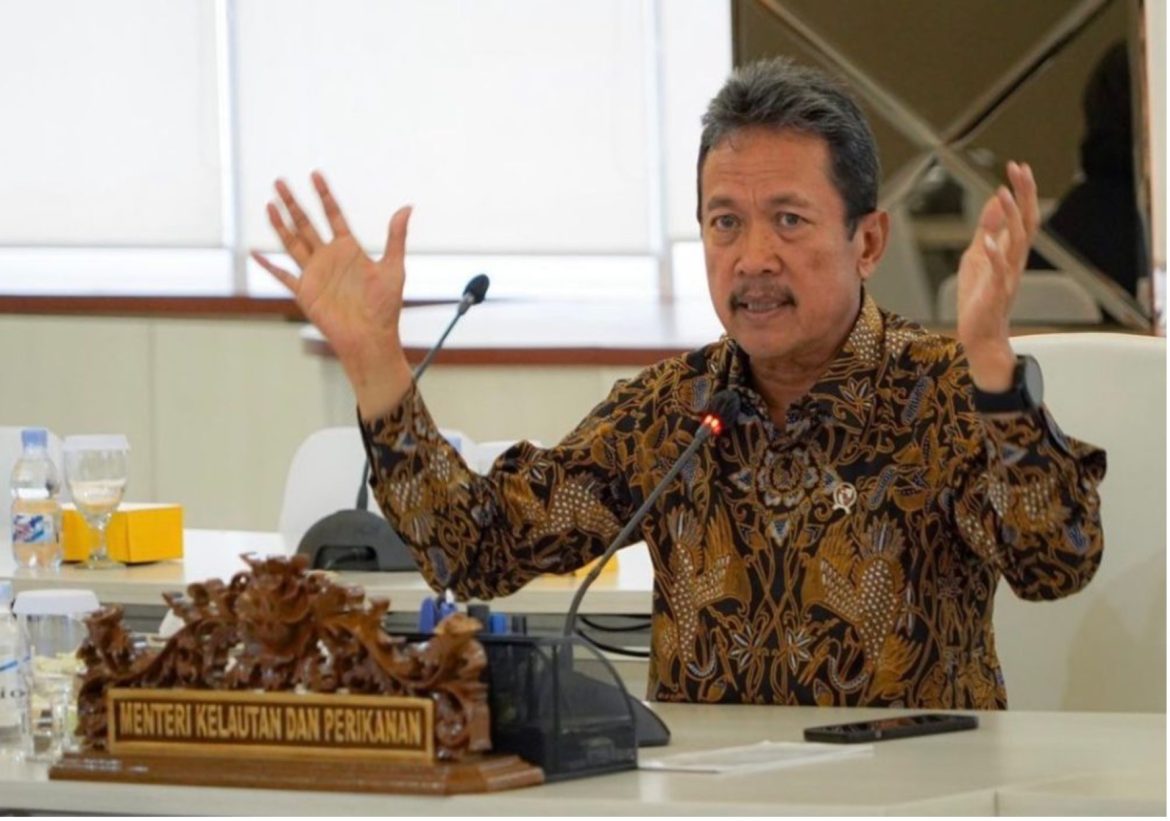
Jakarta (ANTARA) – Indonesia’s Maritime Affairs and Fisheries Minister, Sakti Wahyu Trenggono, has emphasized that the recently implemented quota-based fishing policy aims to enhance exports and ensure the sustainability of the marine ecosystem.

Speaking at the Seminar on the Strategy for Protecting the Java Island Area Through the Construction of the Giant Sea Wall in Jakarta, Minister Trenggono highlighted that the absence of fishing quota regulations had made other countries hesitant to import fish from Indonesia.

In response to this, the Ministry of Maritime Affairs and Fisheries introduced Government Regulation Number 11 of 2023, which outlines various aspects such as designated fishing areas, fish capture quotas, and the number of vessels allowed for fishing activities. This measure seeks to uphold the sustainability of fish resources, provide welfare for fishers, expand employment opportunities, increase the added value and competitiveness of fishery products, ensure business certainty, and contribute to the overall economy.

“We have managed it. Fish can no longer be caught indiscriminately, so that our fish commodities can become champions,” Minister Trenggono emphasized.

Highlighting the vast potential of global marine resources, the minister stressed the need for a strategy to position Indonesia as one of the leading players in the sector. The global seafood market, valued at US$730 billion annually, presents a significant opportunity. In 2022 alone, it reached US$338 billion.

As Indonesia is a maritime country, the Ministry of Maritime Affairs and Fisheries is actively promoting the utilization of both land-based and ocean-based resources to tap into the large economic potential. The country’s fisheries production currently stands at 2.3 million tons, with a production value of Rp45 trillion (approximately US$2.88 billion).

Minister Trenggono expressed the commitment to improve ocean-based resource utilization, emphasizing plans to increase farming for exports in the future.

2024-01-10 0 comment
0 FacebookTwitterPinterestEmail
Newer Posts
Older Posts
  • Recent
  • Popular
  • India-UK Free Trade Agreement Comes into Force: What It Means for India’s Marine Exports 

    2026-07-17
  • Thai Magur vs Desi Magur: How to Identify Them, Why One Is Banned, and Which One Is Safe to Farm and Eat 

    2026-07-16
  • Introducing Future Aquaculture Magazine: A New Voice Shaping the Future of Seafood

    2026-02-13
  • Global Wisdom Meets Local Impact: Dr Manoj Sharma’s Powerful Keynote Ignites Change at APFA Symposium 2025.

    2025-08-07
  • 1

    Indian Sardine Rush Boosts Fortunes of Fish Meal Units Amid Global Shortage

    2023-09-12
  • 2

    𝗧𝗿𝘂𝗺𝗽 𝗧𝗮𝗿𝗶𝗳𝗳𝘀 𝗛𝗶𝘁 𝗔𝗻𝗱𝗵𝗿𝗮 𝗛𝗮𝗿𝗱: ₹𝟰𝟬 𝗦𝗹𝗮𝘀𝗵𝗲𝗱 𝗽𝗲𝗿 𝗞𝗴 𝗼𝗳 𝗦𝗵𝗿𝗶𝗺𝗽, 𝗙𝗮𝗿𝗺𝗲𝗿𝘀 𝗦𝘁𝗿𝘂𝗴𝗴𝗹𝗲.

    2025-08-01
  • 3

    Tilapia Adapts to Ocean: New Research Uncovers Potential Threats

    2024-08-06
  • 4

    Showcase Your GIS Talent: Best GIS Project Competition 2024 on Climate and Environmental Challenges

    2024-11-20

About Fishery News

FN Logo

Fishery.News is India’s leading digital media platform dedicated to fisheries, aquaculture, seafood, and marine industries. We deliver trusted news, expert insights, market intelligence, technology updates, research, government policies, and success stories that help fish farmers, shrimp farmers, seafood businesses, researchers, and industry professionals stay informed and grow sustainably

Categories

  • News
  • Aquaculture
  • Aquatic Health and Disease Management
  • Research and Innovation
  • Technology & Equipments

Social Networks

Facebook Twitter Instagram Linkedin Youtube
  • Facebook
  • Twitter
  • Instagram
  • Linkedin
  • Youtube

© 2026 Fishery.News – A BLIV Media Venture. All Rights Reserved.


Back To Top
Fishery News
  • E – Magazine
    • Aquaculture
    • Aqua Health & Disease Management
    • News
      • National
      • International
    • Farming
    • Research and Innovation
    • Sustainability
    • Technology & Equipments
    • This is Africa
    • Trade
  • Publications
  • Events
    • Expos
    • Trainings
    • Events by Month
  • Business Listings
    • List Your Business
    • Business Listings
    • Buy & Sell
    • Get Consultation
  • Employment
  • About Us
    • Founder
  • Contact