• E – Magazine
    • Aquaculture
    • Aqua Health & Disease Management
    • News
      • National
      • International
    • Farming
    • Research and Innovation
    • Sustainability
    • Technology & Equipments
    • This is Africa
    • Trade
  • Publications
  • Events
    • Expos
    • Trainings
    • Events by Month
  • Business Listings
    • List Your Business
    • Business Listings
    • Buy & Sell
    • Get Consultation
  • Employment
  • About Us
    • Founder
  • Contact
Fishery News
Home » News » Page 3
Category:

News

News

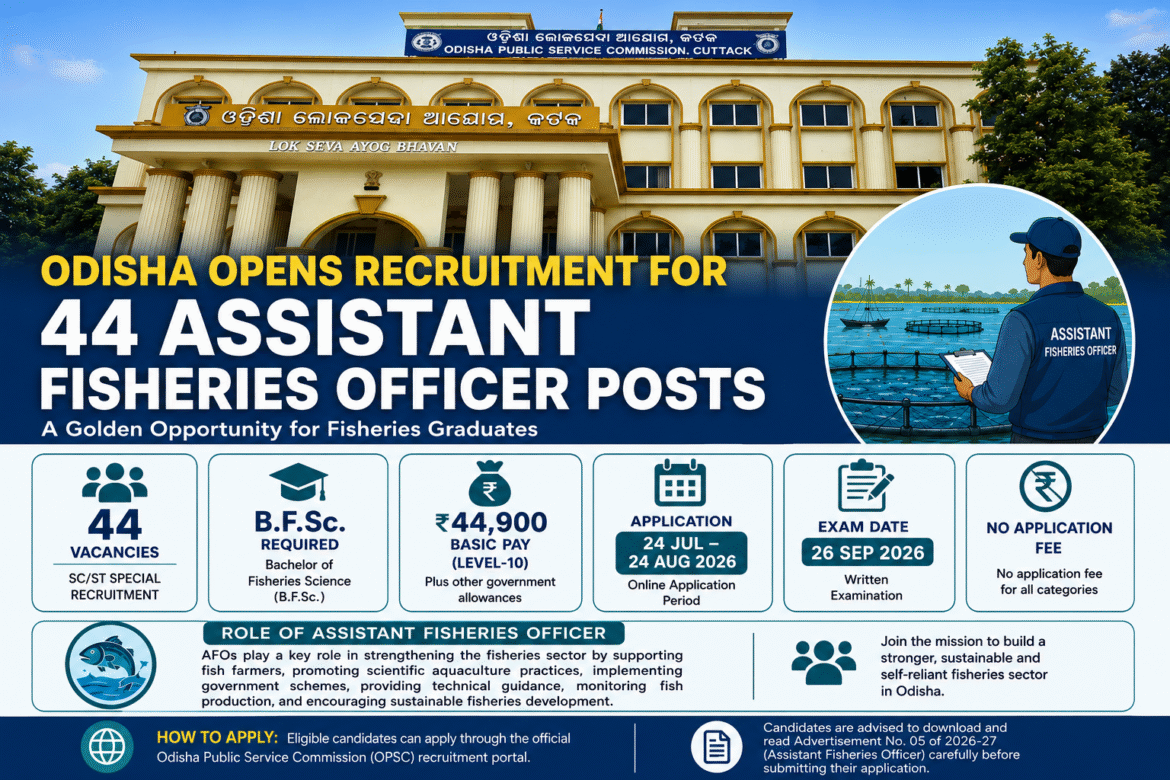
Odisha Announces Recruitment for 44 Assistant Fisheries Officer Posts; Applications Open from July 24 

by fishery news 22/07/2026
written by fishery news

The Odisha Public Service Commission (OPSC) has announced the recruitment of 44 Assistant Fisheries Officers (AFOs) under the Fisheries & Animal Resources Development Department, offering a career opportunity for eligible Bachelor of Fisheries Science (B.F.Sc.) graduates. The recruitment aims to strengthen the state’s fisheries extension services by filling technical positions that support aquaculture development and fish farming. 

According to the official notification, the online application process will commence on July 24, 2026, and remain open until August 24, 2026. Candidates can submit their applications through the official OPSC online recruitment portal, while the written examination is scheduled for September 26, 2026. 

Eligibility Criteria 

Applicants must possess a Bachelor of Fisheries Science (B.F.Sc.) degree from a recognised institution to be eligible for the post. The selected candidates will be appointed under Level-10 of the Odisha Revised Pay Matrix, carrying a basic pay of ₹44,900 per month, along with other allowances applicable under government service. 

Vacancy Details 

The recruitment has been announced as a special drive for Scheduled Caste (SC) and Scheduled Tribe (ST) candidates of Odisha. Out of the 44 vacancies, 43 posts are reserved for Scheduled Tribe (ST) candidates, while one post is reserved for a Scheduled Caste (SC) candidate. 

Another notable feature of this recruitment is that no application fee has been prescribed for eligible candidates applying for the Assistant Fisheries Officer posts. 

Role of an Assistant Fisheries Officer 

Assistant Fisheries Officers play an important role in implementing fisheries development programmes at the field level. Their responsibilities generally include providing technical guidance to fish farmers, promoting scientific aquaculture practices, assisting in the implementation of government fisheries schemes, monitoring fish production, and supporting sustainable fisheries development. 

They also act as a link between government departments and farming communities by helping disseminate technical knowledge and facilitating the adoption of improved aquaculture practices. 

Growing Demand for Fisheries Professionals 

India’s fisheries and aquaculture sector has witnessed steady growth over the past decade, increasing the demand for trained fisheries professionals in government departments, research institutions, extension services, and the private sector. 

Recruitments such as these not only create employment opportunities for fisheries graduates but also strengthen the technical workforce required to support fish farmers, improve productivity, and enhance the implementation of fisheries development programmes. 

Important Dates 

  • Online Application Starts: July 24, 2026 
  • Last Date to Apply: August 24, 2026 
  • Written Examination: September 26, 2026 

How to Apply 

Eligible candidates can apply through the official Odisha Public Service Commission (OPSC) online recruitment portal once the application window opens. Candidates are advised to carefully read Advertisement No. 05 of 2026–27 for the Assistant Fisheries Officer recruitment before submitting their online application to ensure they meet all eligibility requirements and follow the prescribed application procedure. 

For fisheries graduates seeking a career in the government sector, the recruitment provides an opportunity to contribute to fisheries development while working directly with farming communities and supporting the growth of aquaculture in Odisha. 

22/07/2026 0 comment
0 FacebookTwitterPinterestEmail
News

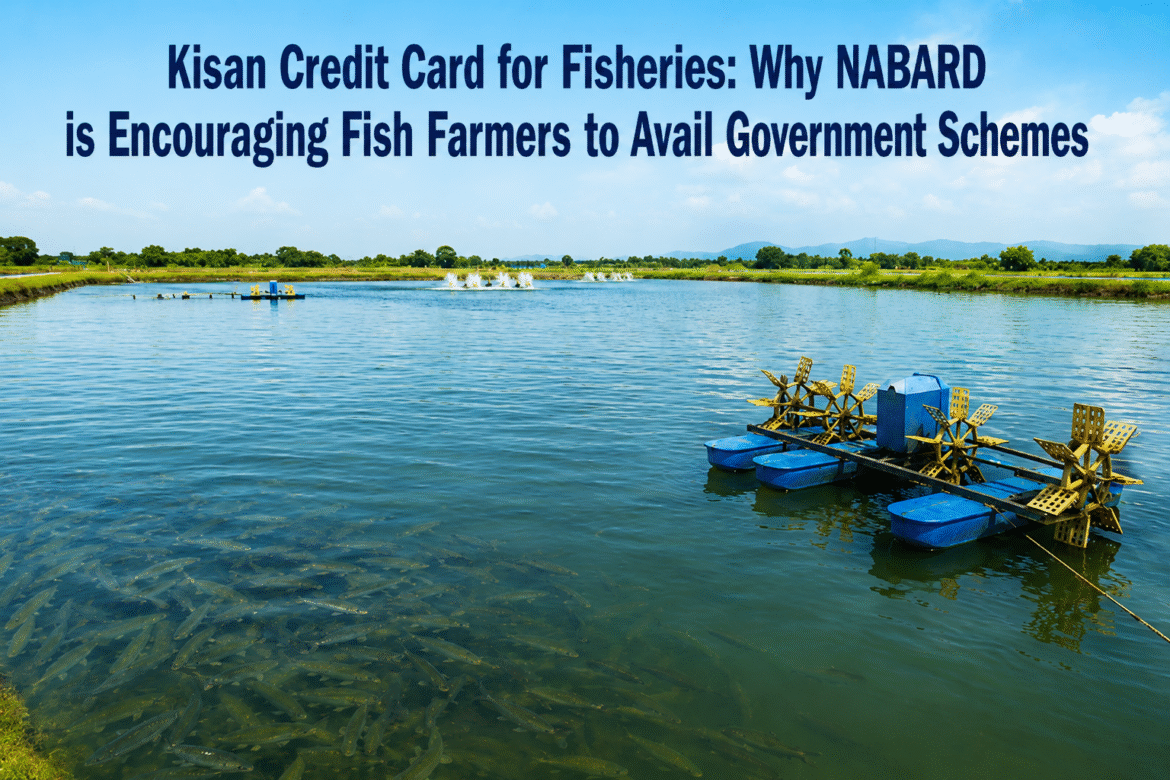
Kisan Credit Card for Fisheries: Why NABARD is Encouraging Fish Farmers to Avail Government Schemes 

by fishery news 20/07/2026
written by fishery news

Access to affordable credit remains one of the biggest challenges for fish farmers, particularly those involved in small and medium-scale aquaculture. While several government schemes have been introduced to support the fisheries sector, many farmers are still unaware of the financial assistance and institutional support available to them. To bridge this gap, the National Bank for Agriculture and Rural Development (NABARD) recently encouraged fish farmers in Arunachal Pradesh to make greater use of the Kisan Credit Card (KCC) Fisheries Scheme and other government initiatives aimed at strengthening aquaculture. 

The awareness was created during a KCC-cum-Financial Literacy Workshop held at Tarin Aqua Park in Ziro, where officials from NABARD, the Fisheries Department and banking institutions explained various schemes designed to improve access to finance and support the growth of fisheries enterprises. 

What is the Kisan Credit Card (KCC) Fisheries Scheme? 

The Kisan Credit Card (KCC) scheme for fisheries is designed to provide institutional credit to eligible fish farmers for meeting their day-to-day operational expenses. The scheme can help farmers manage working capital requirements such as purchasing fish seed, feed, medicines, pond maintenance, labour, fuel, and other production-related costs. 

By providing easier access to formal credit, the scheme aims to reduce farmers’ dependence on informal borrowing sources and improve financial planning for aquaculture activities. 

Which Government Schemes Were Highlighted? 

During the workshop, officials also shared information about several government initiatives available for the fisheries sector. 

One of the major schemes discussed was the Pradhan Mantri Matsya Sampada Yojana (PMMSY), which supports fisheries development through assistance for infrastructure, production enhancement, value addition, and livelihood opportunities. 

Participants were also introduced to the Agriculture Infrastructure Fund (AIF), which provides financing support for eligible agriculture and fisheries infrastructure projects, and the Jan Samarth Portal, an online platform that helps beneficiaries access multiple government credit-linked schemes through a single digital interface. 

Why Are Fish Farmer Producer Organisations Important? 

Officials encouraged farmers to make use of Fish Farmer Producer Organisations (FFPOs) operating in the district. These organisations enable farmers to work collectively in areas such as input procurement, marketing, and business development. 

By joining producer organisations, fish farmers may be able to improve market access, reduce input costs through collective purchasing, and strengthen their bargaining power. 

Digital Banking and Financial Awareness 

The workshop also focused on improving financial literacy among fish farmers. Participants were introduced to the Krishika mobile application, which provides access to KCC-related services and digital banking facilities. 

Officials also explained the importance of financial inclusion through insurance and pension schemes available for rural households. Such programmes are intended to improve financial security and encourage greater participation in formal banking systems. 

Why Awareness Programmes Matter 

Government schemes can only benefit farmers when they are aware of the opportunities available and understand the application process. Workshops like the one organised in Ziro provide a platform for fish farmers to learn about institutional credit, fisheries development programmes, digital banking services, and financial protection initiatives directly from government departments and banking institutions. 

The programme witnessed the participation of around 58 fish farmers and stakeholders, highlighting the growing interest in government-supported fisheries development initiatives in the region. 

Conclusion 

As India’s aquaculture sector continues to expand, access to institutional finance and government support remains an important component of sustainable fisheries development. Initiatives such as the Kisan Credit Card Fisheries Scheme, PMMSY, the Agriculture Infrastructure Fund, and the Jan Samarth Portal offer multiple avenues of support for eligible fish farmers. Increasing awareness about these schemes can help farmers make informed financial decisions and utilise the assistance available for strengthening their aquaculture enterprises. 

20/07/2026 0 comment
0 FacebookTwitterPinterestEmail
Ornamental Fish Farming
News

BTech Student from Odisha Builds Ornamental Fish Farming Venture While Pursuing Engineering Degree

by fishery news 19/07/2026
written by fishery news

Pursuing a professional degree while managing a business is not a common path for most students. However, Jagannath Kar, a second-year BTech student from Chikarada village in Odisha’s Ganjam district, is combining his engineering education with ornamental fish farming, gradually developing a venture that has received support from local agricultural institutions. 

Jagannath’s interest in ornamental fish farming began after he visited an exhibition where he was introduced to the commercial potential of aquarium fish. Inspired by the opportunity, he decided to learn the technical aspects of ornamental fish culture before starting his own unit. After completing professional training, he established an ornamental fish farming enterprise while continuing his engineering studies. 

To support the initiative, Jagannath received financial assistance of ₹1,09,320 under the Enhancing Climate Resilience of India’s Coastal Communities (ECRICC) programme. The project has also received technical guidance from the Krishi Vigyan Kendra (KVK), Ganjam, which has provided training, broodstock, and advisory support to help improve farm management and production practices. 

Balancing academics with aquaculture requires careful planning. Whenever he is away attending classes, routine farm operations are managed with the support of his family. His younger brother, Ayush Kumar Kar, assists with feeding the fish twice a day and helps with regular maintenance of the culture units. Pond cleaning and water replacement are also carried out periodically to maintain suitable conditions for ornamental fish culture. 

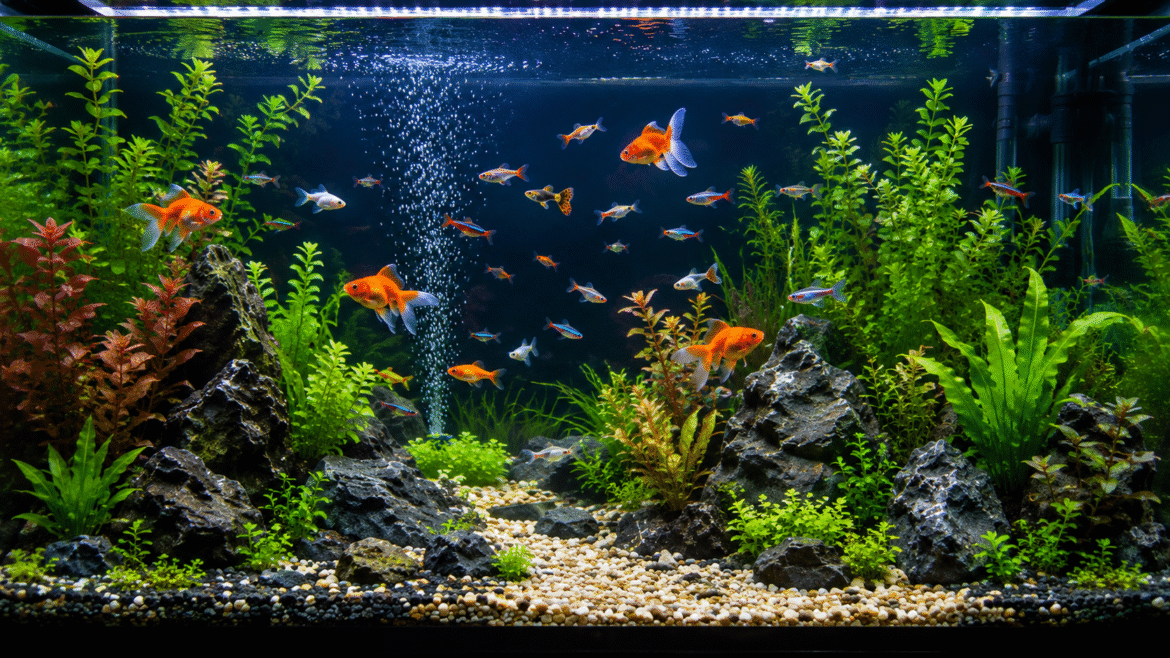
The farm currently cultures several popular ornamental fish species, including goldfish, guppies, mollies, and swordtails. Jagannath plans to introduce additional ornamental fish varieties as the enterprise expands. Traders from Berhampur and nearby areas regularly visit the farm to purchase ornamental fish, providing a local market for the business. 

The venture has continued to grow with technical support from KVK. Officials from the centre first interacted with Jagannath during a local exhibition, where his interest in ornamental fisheries was identified. He was later introduced to demonstration units and received practical exposure to ornamental fish farming techniques before establishing his own production unit. 

Since then, the KVK has continued to assist him by supplying broodstock and providing technical guidance whenever required. According to the institution, what began as a small project with five production units has now expanded to nearly twenty units. The centre is also working to connect the enterprise with the Fisheries Department, where a proposal to develop the venture into a One Stop Aqua Shop is currently under consideration. 

Jagannath’s journey highlights how technical training, institutional support, and family participation can help students explore entrepreneurial opportunities alongside higher education. While continuing his engineering studies, he plans to further develop the ornamental fish farming unit by expanding the range of species cultured and strengthening the business in the coming years. 

19/07/2026 0 comment
0 FacebookTwitterPinterestEmail
News

India-UK Free Trade Agreement Comes into Force: What It Means for India’s Marine Exports 

by fishery news 17/07/2026
written by fishery news

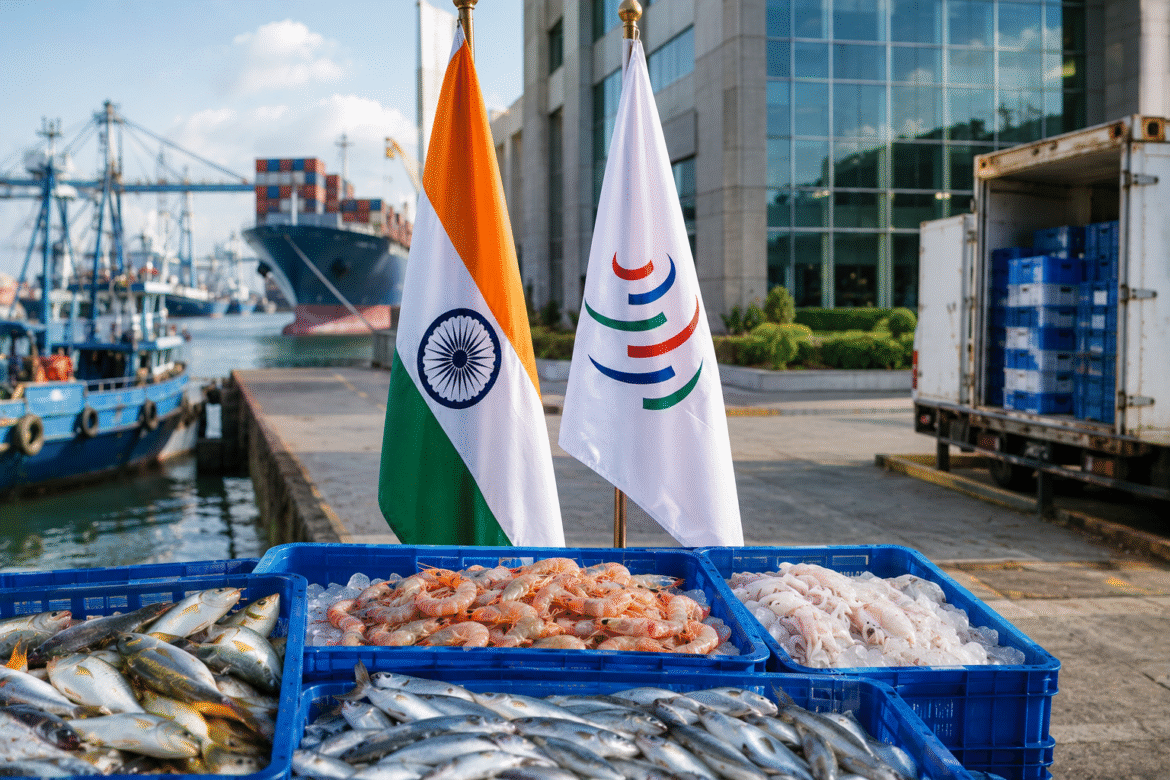
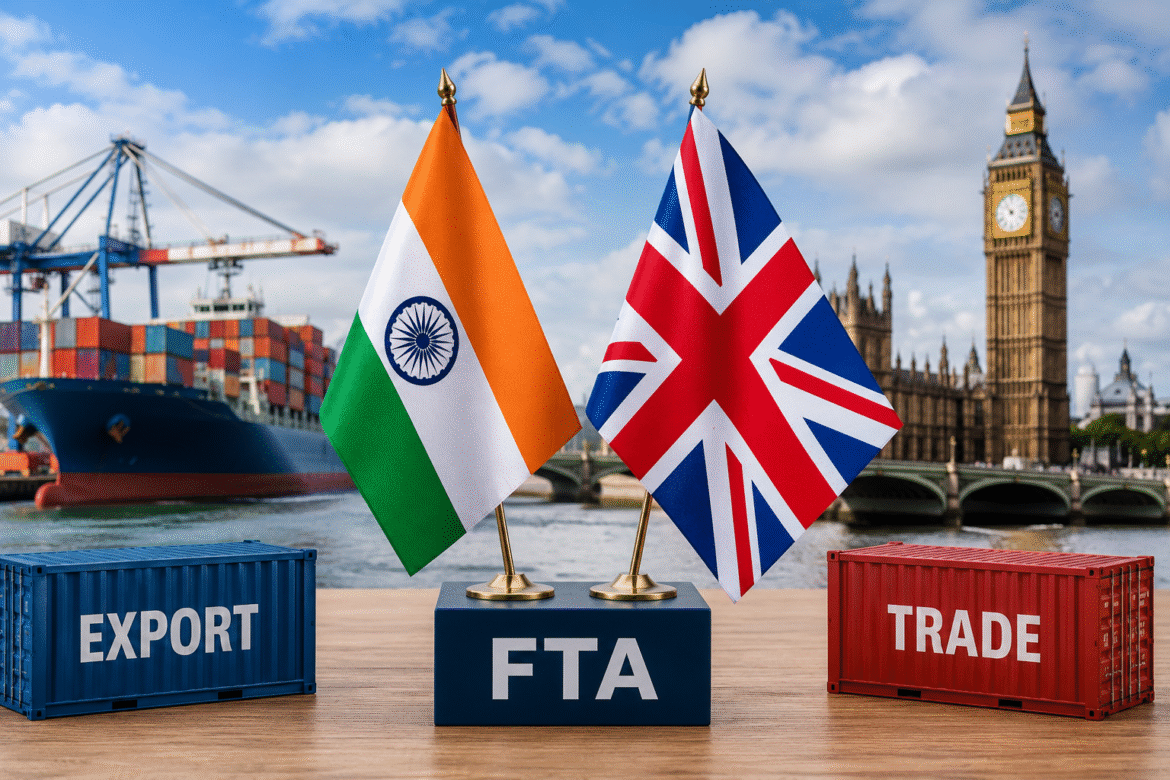
The India-UK Comprehensive Economic and Trade Agreement (CETA) has officially entered into force, introducing tariff concessions that are expected to improve market access for Indian exporters across several sectors, including fisheries and seafood. 

According to information released by the Government of India, the agreement provides zero-duty access for 100% of India’s marine exports to the United Kingdom. The move is expected to improve the price competitiveness of Indian seafood products in one of Europe’s major seafood-importing markets. 

For India’s fisheries sector, the agreement represents an important development in export policy by reducing tariff barriers for marine products entering the UK. 

image 17

Zero-Duty Market Access for Marine Products 

One of the key provisions of the agreement is the elimination of customs duties on Indian marine products exported to the United Kingdom. 

Government information indicates that import duties of up to 20% on several marine products will be removed under the agreement. Lower tariff barriers can improve the competitiveness of Indian seafood products by reducing the overall cost of imports for UK buyers. 

However, improved market access alone does not guarantee higher exports. Export performance will continue to depend on factors such as international demand, product quality, pricing, logistics, and compliance with the UK’s food safety and import regulations. 

image 16

Marine Products Covered Under the Agreement 

The agreement extends zero-duty access to a broad range of Indian marine products, including: 

  • Frozen shrimp and prawns 
  • Frozen fish 
  • Cuttlefish 
  • Squid 
  • Prepared and preserved seafood 
  • Fish oils and fish fats 

These products account for a significant share of India’s seafood exports and are expected to benefit from the revised tariff structure. 

image 18

Why the UK Market Matters 

The United Kingdom is one of the major importers of seafood globally, with annual marine imports valued at approximately USD 4.9 billion. 

The removal of import duties provides Indian seafood exporters with an opportunity to compete more effectively in the UK market. Lower tariffs may make Indian products more attractive to importers by reducing the landed cost of seafood. 

The extent of export growth, however, will depend on commercial demand, buyer preferences, supply chain efficiency, and exporters’ ability to meet regulatory requirements. 

image 22

What Does This Mean for Indian Exporters? 

For seafood exporters, the agreement removes an important trade barrier by eliminating tariffs on marine products entering the UK. 

Lower import duties can improve price competitiveness and provide exporters with greater flexibility when negotiating with overseas buyers. The agreement may also encourage businesses to strengthen their presence in the UK market while exploring opportunities for value-added seafood products. 

At the same time, exporters must continue to comply with UK standards related to food safety, traceability, sustainability, packaging, and sanitary and phytosanitary (SPS) requirements. 

image 21

Potential Significance for the Fisheries Sector 

India is among the world’s leading seafood-exporting countries, with frozen shrimp contributing a substantial share of the country’s marine export earnings. 

Improved market access through trade agreements can support export-oriented businesses by reducing tariff-related costs. The long-term impact of the agreement on export volumes will depend on several factors, including production capacity, international demand, freight costs, exchange rates, and global market conditions. 

image 19

Looking Ahead 

The implementation of the India-UK Comprehensive Economic and Trade Agreement marks an important milestone in bilateral trade relations between the two countries. 

For India’s fisheries and seafood sector, the agreement offers tariff-free access for marine exports to the UK, creating new opportunities for exporters seeking to expand their international presence. As implementation progresses, industry stakeholders will closely monitor its impact on export performance, trade volumes, and market diversification. 

Conclusion

The India–UK Comprehensive Economic and Trade Agreement (CETA) provides a significant opportunity for India’s seafood export sector by granting zero-duty access to the UK market for all marine products. While the removal of tariffs is expected to enhance the competitiveness of Indian seafood, long-term success will depend on exporters maintaining high product quality, meeting UK regulatory standards, and responding effectively to market demand. If supported by strong compliance, efficient logistics, and value-added product development, the agreement could help strengthen India’s position in the UK seafood market and contribute to the continued growth of the country’s marine exports.

17/07/2026 0 comment
0 FacebookTwitterPinterestEmail
Desi Magur
News

Thai Magur vs Desi Magur: How to Identify Them, Why One Is Banned, and Which One Is Safe to Farm and Eat 

by fishery news 16/07/2026
written by fishery news 8 mins read

Magur is one of India’s most popular freshwater fish, valued for its taste, nutrition, and market demand. However, many consumers are unaware that not every fish sold as “Magur” is the same. Two species commonly create confusion in the market—Desi Magur (Clarias batrachus), India’s native catfish, and Thai Magur (Clarias gariepinus), also known as the African Catfish. 

Since both species look similar, buyers often mistake one for the other. But the difference is important. Desi Magur is an indigenous fish that can be cultured under applicable fisheries regulations, while Thai Magur has been prohibited for breeding and farming in India because of concerns about its impact on native ecosystems. 

Knowing how to distinguish between these two species helps consumers make informed choices and enables fish farmers to follow responsible and legal aquaculture practices. 

What Is Thai Magur? 

Thai Magur (Clarias gariepinus), commonly known as the African Catfish, is an exotic freshwater fish native to Africa. It was introduced into India during the 1990s because of its fast growth, high survival rate, and ability to tolerate poor water quality. 

One of its unique characteristics is its ability to breathe atmospheric air through a specialized respiratory organ. This allows it to survive even in low-oxygen conditions where many other fish cannot. These qualities initially made it attractive for commercial aquaculture. 

However, the same characteristics also raised serious environmental concerns. Thai Magur is a highly adaptable and aggressive predator that can spread into natural water bodies if it escapes from farms, posing risks to native aquatic biodiversity. 

What Is Desi Magur? 

Desi Magur (Clarias batrachus) is India’s native catfish species and has been part of traditional aquaculture and local food culture for generations. It is known by different regional names across the country and is widely appreciated for its flavour, nutritional value, and strong market demand. 

Compared to Thai Magur, Desi Magur grows more slowly and usually reaches a smaller size. Although its production cycle is longer, it generally fetches a better market price because of consumer preference. Farming of Desi Magur is permitted under applicable fisheries regulations, making it a suitable choice for sustainable aquaculture. 

Thai Magur vs Desi Magur: Key Differences 

Feature Thai Magur Desi Magur 
Scientific Name Clarias gariepinus Clarias batrachus 
Origin Africa India 
Legal Status Breeding and farming prohibited in India Legal under applicable regulations 
Growth Rate Very fast Moderate 
Adult Size Often grows to 1–2 kg or more Usually remains much smaller 
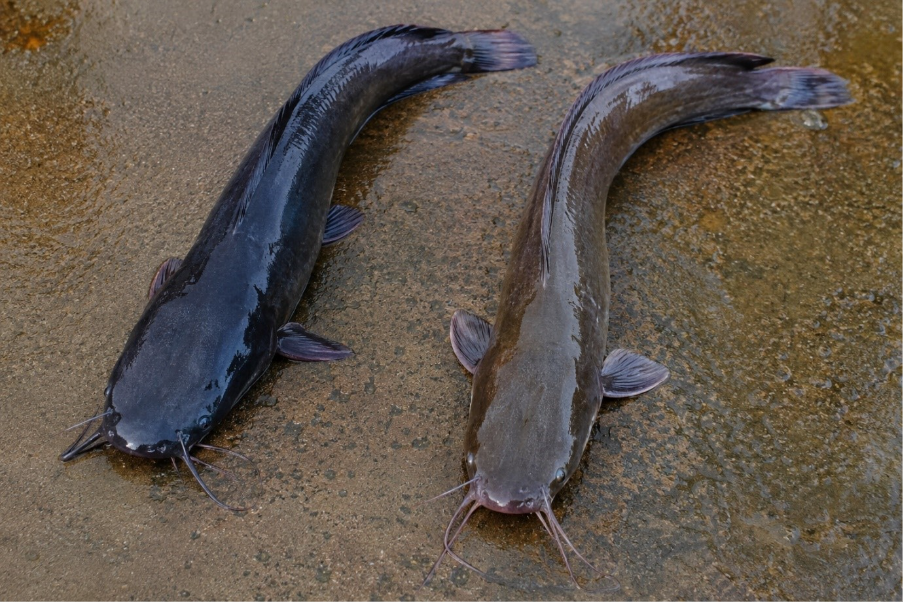
Head Shape Broad, flat, and wide Narrower and more pointed 
Body Colour Dark black or slate grey Brownish to greyish-black 
Market Price Usually lower Generally higher 

Why Is Thai Magur Prohibited in India? 

The prohibition on Thai Magur is mainly based on environmental concerns. 

Thai Magur is an aggressive carnivorous fish that feeds on smaller fish, fish eggs, frogs, aquatic insects, and other aquatic organisms. If it escapes into rivers, lakes, ponds, or reservoirs during floods or accidental releases, it can compete with and prey upon native fish species, disrupting the ecological balance of natural water bodies. 

To reduce these risks, breeding and farming of Thai Magur have been prohibited in India under applicable regulations. 

Health Concerns Are Mostly Linked to Illegal Farming Practices 

Health concerns associated with Thai Magur are generally related to illegal farming practices rather than the species itself. 

Authorities have reported instances where illegally farmed fish were allegedly reared under unhygienic conditions and fed unsuitable waste materials to reduce production costs and accelerate growth. Fish raised in polluted environments may accumulate contaminants that can affect product quality and raise food safety concerns. 

Consumers are therefore advised to buy fish only from trusted vendors who source their products from legal and hygienic aquaculture systems. 

How to Identify Thai Magur in the Market 

Although both species appear similar, a closer look can help distinguish them. 

Head Shape: Thai Magur has a broad, flat, and comparatively larger head, whereas Desi Magur has a narrower and slightly pointed head. 

Body Colour: Thai Magur is generally dark black or slate grey, while Desi Magur usually has a lighter brownish to greyish-black appearance. 

Size: Thai Magur grows rapidly and is commonly sold at weights of 1–2 kg or more. Desi Magur generally remains smaller and is marketed at lower body weights. 

Price: Thai Magur is often available at lower prices due to its rapid growth and lower production cost. Desi Magur usually commands a premium because of its slower growth and higher consumer preference. 

Is Every Magur Illegal? 

No. 

A common misconception is that all Magur fish are prohibited in India. This is incorrect. 

Desi Magur (Clarias batrachus) 

  • Indigenous Indian catfish 
  • Farming permitted under applicable regulations 
  • Highly valued by consumers 

Thai Magur (Clarias gariepinus) 

  • Exotic African catfish 
  • Breeding and farming prohibited in India 
  • Illegal cultivation may attract legal action under relevant laws 

Understanding this distinction is important for consumers, traders, and fish farmers alike. 

Advice for Fish Farmers 

Fish farmers should avoid culturing prohibited species and instead focus on legally approved aquaculture practices. 

Suitable alternatives include: 

  • Desi Magur (Clarias batrachus) 
  • Pangasius 
  • Tilapia 

Before starting commercial culture of any species, farmers should consult their respective State Fisheries Department regarding current regulations, approved seed sources, and licensing requirements. 

Tips for Consumers 

Consumers can make informed purchasing decisions by following a few simple precautions: 

  • Buy fish only from reliable and reputable sellers. 
  • Be cautious if Magur is being sold at unusually low prices. 
  • Learn the visible differences between Thai Magur and Desi Magur. 
  • Report suspected illegal sale of prohibited fish species to the local Fisheries Department or concerned authorities. 

Conclusion 

At first glance, Thai Magur and Desi Magur may look almost identical, but they differ significantly in their origin, legal status, growth characteristics, and environmental impact. 

Desi Magur (Clarias batrachus) is India’s native catfish and continues to play an important role in sustainable aquaculture. Thai Magur (Clarias gariepinus), on the other hand, is an exotic species whose breeding and farming have been prohibited in India because of its potential ecological risks. 

Greater awareness among consumers, traders, and fish farmers can help prevent the illegal trade of prohibited species while encouraging responsible aquaculture and protecting India’s rich aquatic biodiversity. 

16/07/2026 0 comment
0 FacebookTwitterPinterestEmail
Future Aquaculture Magazine Cover
News

Introducing Future Aquaculture Magazine: A New Voice Shaping the Future of Seafood

by fishery_sruthi 13/02/2026
written by fishery_sruthi

The launch of Future Aquaculture magazine marks an important step forward for the global aquaculture and seafood community. More than just a trade publication, the magazine positions itself as a bridge between aquaculture producers and today’s informed, quality-conscious consumers.

As seafood markets evolve, consumers are asking deeper questions about nutrition, food safety, sustainability, and transparency. Future Aquaculture responds to this shift by aligning industry innovation with consumer expectations. It brings together science, policy, technology, and on-ground practice to build trust across the seafood value chain.

The magazine places strong focus on post-harvest innovation, cold-chain systems, ecolabelling, and food safety, while also highlighting sustainable production practices. By amplifying voices from farmers, processors, researchers, policymakers, and technology providers, it moves beyond a producer-only narrative and supports wider conversations on food security and responsible seafood consumption.

What truly stands out is the magazine’s focus on turning science into practical insight, presenting complex topics such as RAS, Biofloc, IMTA, AI, IoT, and circular economy models in a clear and useful way for commercial farmers and industry professionals.

Regional relevance is balanced with a global outlook, helping readers understand how local aquaculture fits into international sustainability and trade discussions.

At its core, Future Aquaculture addresses one of the biggest challenges ahead: feeding nearly 10 billion people by 2050 with limited natural resources. By promoting ethical, efficient, and resilient aquaculture systems, the magazine aims to support both livelihoods and ecosystems.

Future Aquaculture is not just reporting on the sector—it is helping shape its future.

The magazine is freely available at www.futureaquaculture.org

For advertising and partnerships: info@futureaquaculture.org

13/02/2026 0 comment
0 FacebookTwitterPinterestEmail
Global Wisdom Meets Local Impact
News

Global Wisdom Meets Local Impact: Dr Manoj Sharma’s Powerful Keynote Ignites Change at APFA Symposium 2025.

by fishery 07/08/2025
written by fishery

The 2025 Proaqua APFA Symposium will be remembered not just for its scale or attendance, but for the remarkable keynote delivered by none other than Dr Manoj Sharma, a globally respected voice in aquaculture innovation and sustainability.

With 170+ attendees gathered under one roof, Dr Sharma’s address stood out as a powerful blend of insight, inspiration, and actionable strategy. Drawing from his decades of experience across diverse aquaculture geographies from India and Southeast Asia to Africa and beyond his keynote bridged global best practices with Australia’s unique prawn farming challenges and opportunities.

Dr Sharma didn’t just speak to the room he connected. His open style and genuine warmth sparked meaningful conversations, challenged long-held assumptions, and encouraged both farmers and policymakers to rethink how the industry can evolve. Whether it was about sustainable pond management, climate resilience, or farm-to-market innovations, his insights were tailored to inspire real-world transformation.

One of the most striking takeaways was his emphasis on collaboration over competition, urging the community to share learnings, data, and success models to build a stronger, more future-ready prawn industry in Australia.

It wasn’t just a keynote it was a catalyst.

A heartfelt thank you to Dr Manoj Sharma for sharing his wisdom so generously. Your presence has not only enriched this symposium but left a lasting impact on every farmer, scientist, and policymaker in the room.

07/08/2025 0 comment
0 FacebookTwitterPinterestEmail
Shocking! Bonded Labourers Rescued from Shrimp
News

Shocking! 40 Bonded Labourers Rescued from Shrimp Units in Andhra Pradesh Sent Home Safely With Wages Paid.

by fishery 07/08/2025
written by fishery

In a major rescue operation, 40 bonded labourers from Odisha and Chhattisgarh were saved from shrimp processing units in Tangutur mandal, Prakasam district, Andhra Pradesh.

The workers had been trapped in harsh conditions and were not paid their proper wages. But on Tuesday, District Collector A. Thameem Ansariya stepped in and issued official relief certificates to all the rescued labourers at her camp office in Ongole.

She gave clear instructions to authorities to make sure the workers receive their pending wages as per legal norms. She also arranged for special transportation so they could return safely to their hometowns.

This rescue brings attention to the ongoing exploitation of migrant labourers in the seafood processing industry. Many workers, especially from states like Odisha and Chhattisgarh, often fall into the trap of bonded labour in hopes of earning a living.

Officials are expected to further investigate the shrimp units involved and take action against those responsible.

This move has been welcomed by human rights groups and labour activists who have long demanded stricter checks in the aquaculture sector, especially in Andhra Pradesh, a major hub for shrimp exports.

The district administration’s swift response is being seen as a step in the right direction to protect vulnerable labourers and ensure justice.

Image source: The New Indian Express

07/08/2025 0 comment
0 FacebookTwitterPinterestEmail
WhatsApp Image at PM
News

Why Is Fish So Expensive in Goa? CM Promises Subsidy & New Policy After Assembly Showdown!

by fishery 07/08/2025
written by fishery

Goa’s Legislative Assembly heated up on Wednesday as MLAs clashed over one issue close to every Goan’s heart skyrocketing fish prices.

Rudolf Fernandes, MLA from Santa Cruz, said that fish is going out of reach for common people because of unchecked exports. He urged the government to act fast to protect local consumers.

Chief Minister Pramod Sawant responded by promising a new fisheries policy that will make fish available to Goans at subsidised rates. He reassured the House that steps are already underway, including restarting subsidies for fishermen.

Fisheries Minister Nilkanth Halarnkar, however, denied that exports were “uncontrolled.” He said all exports are managed by the Marine Products Export Development Authority (MPEDA). Goa exported over 45,000 tonnes of fish in 2024-25, he added.

Meanwhile, the government has launched refrigerated e-rickshaws to sell fresh fish on the streets an effort to increase availability and freshness for locals.

Opposition leaders hit back, pointing out that 92% of cold storage infrastructure in Goa is privately owned, leaving traditional fishermen at a disadvantage. MLA Venzy Viegas even offered CSR support to build cold chains, urging the government to create direct-to-consumer fish markets and remove middlemen.

The CM said he’s open to public-private partnerships to boost infrastructure and even encouraged a meeting between traditional and mechanised boat owners.

Goa’s favourite food is now at the centre of policy change. Will this bring fish back to every Goan’s plate?

07/08/2025 0 comment
0 FacebookTwitterPinterestEmail
Fisherwomen in Tamil Nadu Lead India’s Seaweed Success Story – Backed by ₹ Cr in Projects!
NationalNews

Fisherwomen in Tamil Nadu Lead India’s Seaweed Success Story – Backed by ₹1,158 Cr in Projects!

by fishery 06/08/2025
written by fishery

Tamil Nadu has received a major boost for its fisheries sector under the Pradhan Mantri Matsya Sampada Yojana (PMMSY). From 2020 to 2025, the Government of India approved ₹1,158.54 crore worth of fisheries development projects in the state. Out of this, ₹258.46 crore of central funding has already been used to support various activities.

One of the main highlights is the promotion of seaweed farming, especially for coastal women and self-help groups (SHGs). To support this:

  • ₹77.31 lakh was given for 8,595 seaweed rafts
  • ₹123.84 lakh for 2,580 monolines
  • 750 fisherwomen were trained in seaweed cultivation

In a first for India, a Multipurpose Seaweed Park has been approved in Tamil Nadu at a cost of ₹127.71 crore. This park is expected to generate jobs for 18,000 people, especially women and SHG members.

Support was also given for cold chain and infrastructure:

  • ₹334.55 lakh for ice plants
  • ₹15.06 crore for insulated vehicles
  • ₹1.44 crore for refrigerated vehicles

In total, around 1.83 lakh beneficiaries in Tamil Nadu—including many women—have received support under PMMSY.

Though the selection process is gender-neutral, special awareness programs have helped many fisherwomen benefit from the scheme.

06/08/2025 0 comment
0 FacebookTwitterPinterestEmail
Newer Posts
Older Posts
  • Recent
  • Popular
  • ICAR-CIFT Patents Rapid DNA Biosensor for Black Tiger Shrimp Authentication

    07/08/2026
  • Minister Holds Review Meeting with Fisheries Cooperative Leaders

    07/08/2026
  • Dry Fish Demand Surges Following Formalin Ban

    07/08/2026
  • Rohu Breeding: A Complete Step-by-Step Guide to Successful Seed Production

    07/08/2026
  • 1

    Trout Fish Stocking Initiative Enhances Fisheries and Tourism Potential in Shopian, Jammu and Kashmir

    17/12/2023
  • 2

    BIGGEST FISH MARKETS IN INDIA

    07/09/2024
  • 3

    Brazil’s Appetite for Vietnamese Tilapia Is Reshaping the Global Whitefish Trade

    28/07/2026
  • 4

    Introducing Future Aquaculture Magazine: A New Voice Shaping the Future of Seafood

    13/02/2026

About Fishery News

FN Logo

Fishery.News is India’s leading digital media platform dedicated to fisheries, aquaculture, seafood, and marine industries. We deliver trusted news, expert insights, market intelligence, technology updates, research, government policies, and success stories that help fish farmers, shrimp farmers, seafood businesses, researchers, and industry professionals stay informed and grow sustainably

Categories

  • News
  • Aquaculture
  • Aquatic Health and Disease Management
  • Research and Innovation
  • Technology & Equipments

Social Networks

Facebook Twitter Instagram Linkedin Youtube
  • Facebook
  • Twitter
  • Instagram
  • Linkedin
  • Youtube

© 2026 Fishery.News – A BLIV Media Venture. All Rights Reserved.


Back To Top
Fishery News
  • E – Magazine
    • Aquaculture
    • Aqua Health & Disease Management
    • News
      • National
      • International
    • Farming
    • Research and Innovation
    • Sustainability
    • Technology & Equipments
    • This is Africa
    • Trade
  • Publications
  • Events
    • Expos
    • Trainings
    • Events by Month
  • Business Listings
    • List Your Business
    • Business Listings
    • Buy & Sell
    • Get Consultation
  • Employment
  • About Us
    • Founder
  • Contact