• E – Magazine
    • Aquaculture
    • Aqua Health & Disease Management
    • News
      • National
      • International
    • Farming
    • Research and Innovation
    • Sustainability
    • Technology & Equipments
    • This is Africa
    • Trade
  • Publications
  • Events
    • Expos
    • Trainings
    • Events by Month
  • Business Listings
    • List Your Business
    • Business Listings
    • Buy & Sell
    • Get Consultation
  • Employment
  • About Us
    • Founder
  • Contact
Fishery News
Home » News » Page 2
Category:

News

News

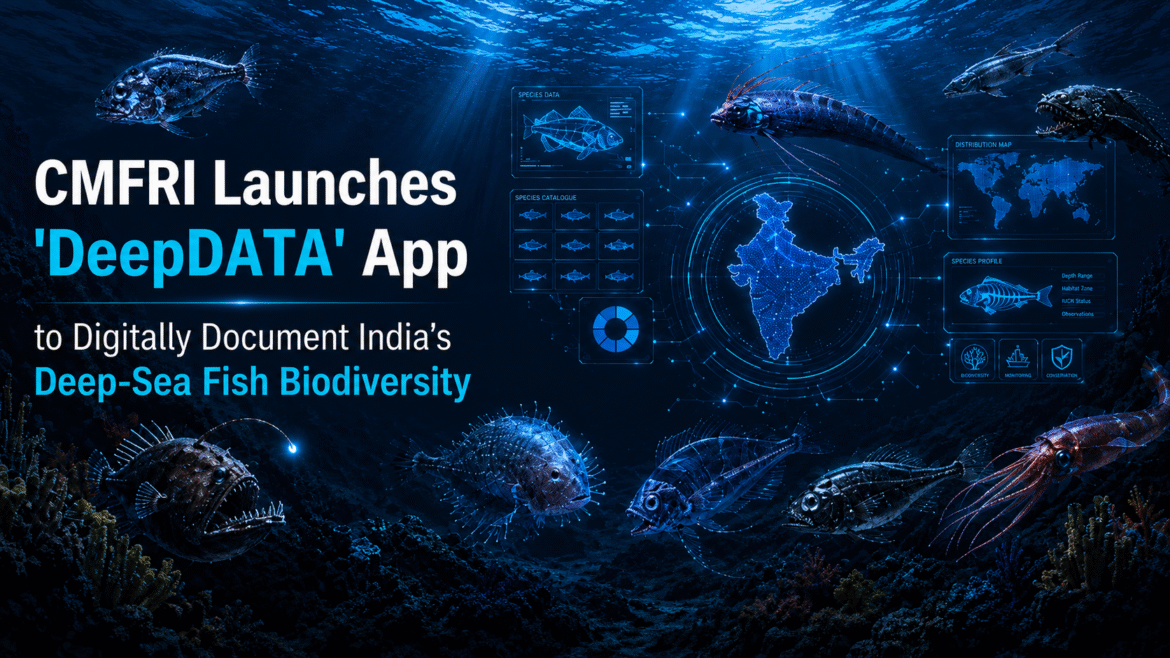
CMFRI Launches ‘DeepDATA’ App to Digitally Document India’s Deep-Sea Fish Biodiversity

by fishery news 24/07/2026
written by fishery news

Standfirst

The ICAR-Central Marine Fisheries Research Institute (CMFRI) has launched DeepDATA, a new mobile application designed to create a scientifically verified digital repository of India’s deep-sea fish species. Developed under the Deep Ocean Mission, the app combines scientific research with citizen participation to improve biodiversity mapping, conservation, and sustainable management of India’s largely unexplored deep-sea ecosystems.


India has taken a significant step towards strengthening marine biodiversity documentation with the launch of DeepDATA, a mobile application developed by the ICAR-Central Marine Fisheries Research Institute (ICAR-CMFRI). The app enables users to access scientifically verified information on deep-sea fish species while also allowing them to contribute valuable field observations that will help build a comprehensive national digital database.

Developed under the Deep Ocean Mission with financial support from the Ministry of Earth Sciences, the application aims to bridge the gap between scientific research and public participation. Available on the Google Play Store, DeepDATA is expected to become an important digital resource for researchers, students, fishermen, and marine biodiversity enthusiasts interested in exploring India’s vast and largely undocumented deep-sea ecosystems.

A Digital Gateway to India’s Deep-Sea Biodiversity

India’s marine ecosystem is home to a remarkable diversity of deep-sea fish species, many of which remain poorly documented due to the challenges of studying habitats located hundreds or even thousands of metres below the ocean surface.

DeepDATA addresses this gap by providing users with access to detailed, scientifically validated information on deep-sea fishes found in Indian waters.

The application features high-quality photographs and comprehensive species profiles, including taxonomy, identifying characteristics, geographical distribution, and conservation status. This makes it not only a valuable scientific resource but also an educational platform for anyone interested in understanding India’s marine biodiversity.

By making verified scientific information easily accessible through a mobile application, CMFRI hopes to encourage greater awareness of the country’s deep-sea biological wealth.

Encouraging Citizen Science in Marine Research

One of the most innovative features of DeepDATA is its emphasis on citizen science.

The app allows users—including fishermen, researchers, students, and coastal visitors—to upload photographs and observations of deep-sea fishes encountered during fishing operations, research expeditions, or visits to coastal areas.

However, unlike open databases where information may remain unverified, every submission uploaded through DeepDATA undergoes scientific review by CMFRI experts before it is added to the national repository.

This verification process ensures that the information remains accurate, reliable, and scientifically authentic.

Once validated, these observations will contribute valuable data on species occurrence, geographical distribution, and biodiversity trends across Indian waters.

Fishermen Become Partners in Scientific Discovery

CMFRI believes that India’s fishing community can play a crucial role in improving knowledge about deep-sea biodiversity.

Speaking about the initiative, CMFRI Director Dr. Grinson George highlighted that fishermen regularly encounter species from offshore and deep-sea fishing grounds, making them important contributors to biodiversity documentation.

According to him, their field observations can provide researchers with valuable insights into the spatial distribution of species, the appearance of rare or lesser-known fishes, and possible changes in species occurrence over time.

Such information can significantly strengthen biodiversity conservation efforts while supporting the sustainable management of India’s marine resources.

By involving fishermen directly in scientific documentation, DeepDATA creates an opportunity for traditional knowledge and scientific research to work together in understanding India’s deep-sea ecosystems.

Bridging Science and Technology

The application has been designed to combine modern digital technology with marine science.

According to Dr. Eldho Varghese, In-charge of the IT Unit at CMFRI and the lead developer of the application, DeepDATA brings together scientific knowledge and field observations on a single digital platform.

The app not only makes reliable information on India’s deep-sea biodiversity more accessible but also strengthens national efforts to document marine resources that remain largely unexplored.

As more verified observations are added over time, the database is expected to become an increasingly valuable resource for researchers, fisheries managers, conservation agencies, and policymakers.

Supporting the Deep Ocean Mission

DeepDATA has been developed as part of India’s ambitious Deep Ocean Mission, a flagship initiative of the Ministry of Earth Sciences aimed at advancing deep-sea exploration, marine resource assessment, biodiversity conservation, and ocean technology development.

The mission seeks to improve scientific understanding of India’s Exclusive Economic Zone (EEZ), promote sustainable utilisation of marine resources, and strengthen the country’s capabilities in deep-sea research.

The launch of DeepDATA complements these objectives by creating a digital platform that can continuously collect and organise biodiversity information from across India’s marine waters.

Advancing Research and Conservation

According to Principal Scientist Dr. Rekha J. Nair, who leads the Deep Ocean Mission project under which the application was developed, DeepDATA bridges the gap between classroom learning and real-world marine biodiversity documentation.

She noted that the platform is expected to strengthen scientific research, improve biodiversity assessments, support conservation planning, and enhance public awareness about India’s deep-sea ecosystems.

With increasing pressures on marine environments from climate change, fishing activities, and habitat degradation, accurate biodiversity information has become essential for informed conservation planning.

Digital platforms like DeepDATA can provide researchers with long-term datasets that help monitor changes in species distribution and ecosystem health over time.

A Step Towards Sustainable Marine Resource Management

India’s deep-sea ecosystems remain among the least explored components of the country’s marine environment.

Despite supporting numerous commercially and ecologically important species, scientific information on deep-sea biodiversity remains limited compared to coastal ecosystems.

The launch of DeepDATA represents an important step towards addressing this knowledge gap by combining expert scientific validation with community participation.

As the national database expands, it has the potential to improve fisheries research, support evidence-based policy decisions, strengthen biodiversity conservation, and encourage sustainable utilisation of India’s marine resources.

By bringing together scientists, fishermen, students, and citizens on a common digital platform, CMFRI has created an innovative model for collaborative marine biodiversity documentation that could significantly enhance India’s understanding of its rich deep-sea ecosystems.
24/07/2026 0 comment
0 FacebookTwitterPinterestEmail
News

Jharkhand to Establish ‘Magur Villages’ to Conserve Native Desi Magur and Promote Scientific Fish Farming

by fishery news 24/07/2026
written by fishery news

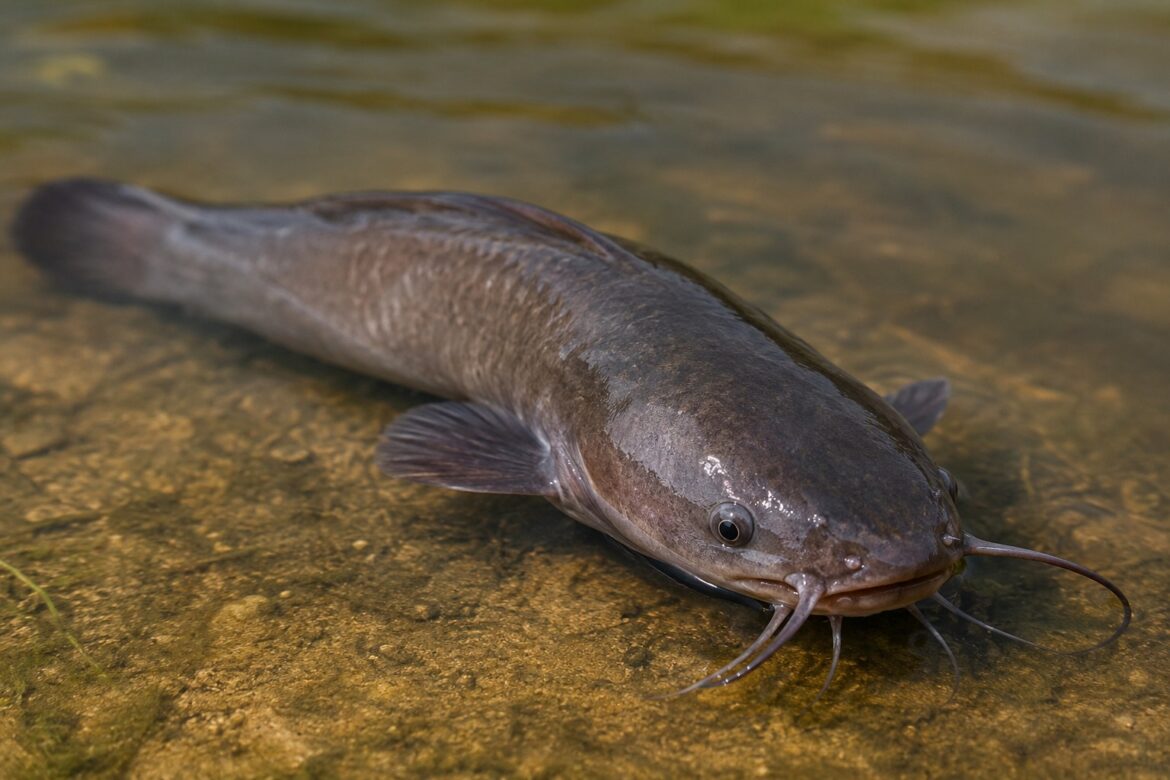
Jharkhand is planning to establish dedicated ‘Magur Villages’ and Live Germplasm Resource Centres to conserve the native Desi Magur (Clarias magur) and strengthen sustainable inland fisheries in the state. The initiative will be implemented by the Directorate of Fisheries, Jharkhand, in collaboration with the ICAR–National Bureau of Fish Genetic Resources (ICAR-NBFGR), Lucknow, with a focus on conserving indigenous fish genetic resources and improving the availability of quality seed for farmers.

The programme will initially cover Ranchi, Gumla, Lohardaga, and Simdega, where farmers will rear Desi Magur through cluster-based farming systems. The Fisheries Directorate is also identifying additional villages and districts for future expansion as part of its efforts to strengthen native fish culture across Jharkhand.

A key objective of the programme is to ensure the production of genetically pure Desi Magur seed. According to the Directorate of Fisheries, advanced Polymerase Chain Reaction (PCR)-based molecular testing will be used to identify and eliminate illegal African catfish (Clarias gariepinus) and hybrid catfish from breeding programmes. The use of molecular diagnostics is expected to help maintain the genetic purity of broodstock and improve seed quality supplied to fish farmers.

The initiative follows the declaration of Desi Magur as the State Fish of Jharkhand in November 2025, highlighting the state’s focus on conserving indigenous freshwater fish species. Native Desi Magur is valued for its commercial importance, adaptability to local farming conditions, and strong consumer demand. However, fisheries officials have noted that populations of the species have declined due to habitat degradation, environmental pressures, overfishing, and the spread of invasive and hybrid catfish.

According to Fisheries Director Amarendra Kumar, the programme aims to produce genetically pure Desi Magur seed while strengthening biodiversity conservation and supporting farmers through scientific aquaculture practices. The project is also expected to promote natural breeding techniques, improve access to quality seed, and provide hands-on technical training for fish farmers.

Alongside the Magur Villages initiative, the Directorate’s research wing is conducting cultivation and demonstration trials in Simdega, Latehar, Lohardaga, and Seraikela-Kharsawan. These trials are intended to evaluate improved production practices before the programme is expanded to other parts of the state.

The proposed Live Germplasm Resource Centres will support broodstock conservation, seed production, and research on native fish species. By preserving genetically pure breeding stock, the centres are expected to strengthen long-term conservation efforts while supporting sustainable inland aquaculture development.

The programme reflects Jharkhand’s broader efforts to promote indigenous fish culture through scientific management and farmer participation. By combining conservation with improved farming practices, the state aims to protect native Desi Magur while creating better livelihood opportunities for inland fish farmers.

If implemented successfully, the initiative could strengthen the availability of quality Desi Magur seed, reduce the spread of invasive catfish species, and contribute to the sustainable development of freshwater aquaculture in Jharkhand.

24/07/2026 0 comment
0 FacebookTwitterPinterestEmail
News

213 Women-Led Fisheries Cooperatives Formed in Andhra Pradesh, Benefiting Over 27,000 Women

by fishery news 24/07/2026
written by fishery news

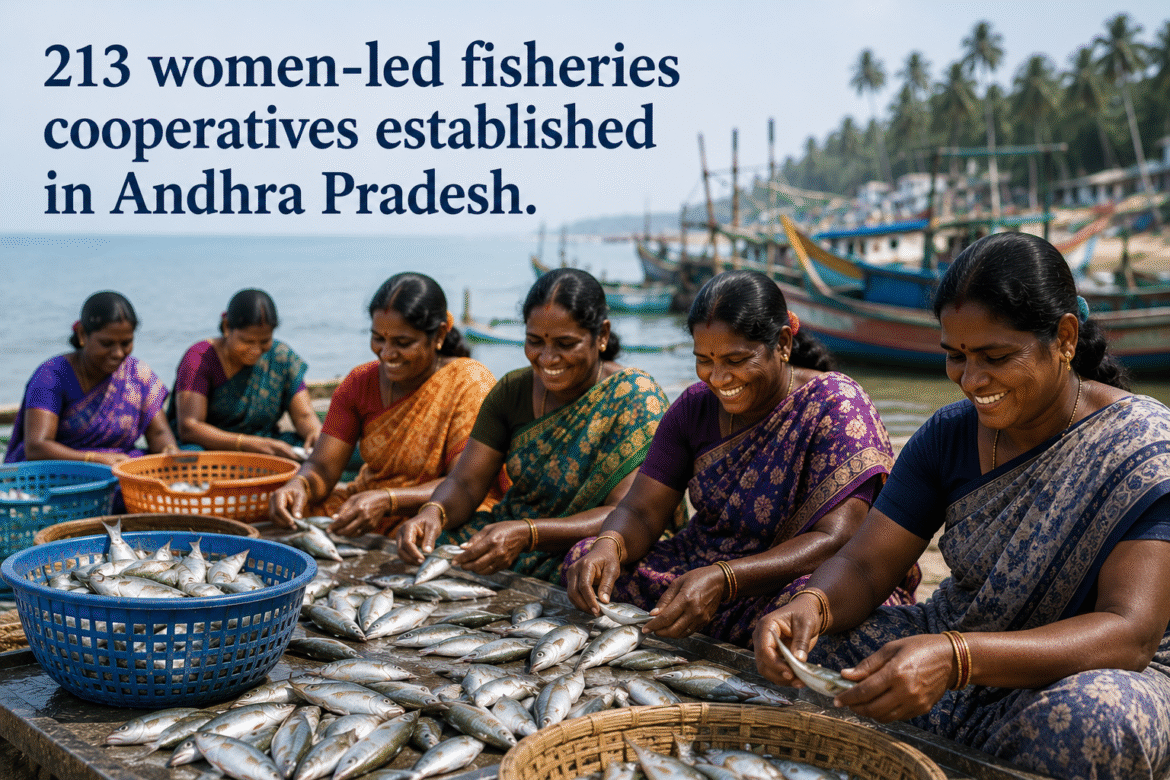
The Central Government has established 213 women-led coastal fisheries cooperative societies in Andhra Pradesh since April 2021, benefiting 27,447 women engaged in fisheries, seaweed cultivation, and marine fish processing. The initiative is part of the Pradhan Mantri Matsya Sampada Yojana (PMMSY) and aims to strengthen women’s participation in India’s fisheries sector through institutional support, financial assistance, and capacity building.

The information was shared by Union Minister for Fisheries, Animal Husbandry and Dairying Rajiv Ranjan Singh (Lalan Singh) in a written reply in the Rajya Sabha.

213 Cooperatives Established Across 12 Districts

According to the minister, the women-led fisheries cooperative societies were established between April 1, 2021, and June 15, 2026, covering 12 coastal districts of Andhra Pradesh, including Kakinada.

These cooperatives have enabled thousands of women involved in fisheries-related activities to organise themselves into formal institutions, helping improve access to government schemes, training, and financial support.

Women associated with these cooperatives are engaged in a range of livelihood activities, including marine fisheries, seaweed cultivation, fish processing, and value-added seafood production.

Financial Support Through PMMKSSY

To further strengthen women-led fisheries cooperatives, the Centre is encouraging societies to register on the National Fisheries Digital Platform (NFDP).

Registration on the digital platform makes eligible cooperatives for performance-based grants of up to ₹2 crore under the Pradhan Mantri Matsya Kisan Samridhi Sah-Yojana (PMMKSSY), a sub-scheme of PMMSY designed to improve the performance and sustainability of fisheries cooperatives across the country.

The initiative aims to improve governance, financial management, and business opportunities for cooperative societies while supporting long-term livelihood development.

Priority for Deep-Sea and High Seas Fishing

The government has also announced measures to encourage greater participation of women-led cooperatives in marine fisheries.

According to the minister, women-led fisheries cooperative societies are being given priority in the issuance of Access Passes for fishing operations in India’s Exclusive Economic Zone (EEZ) and Letters of Authorization (LoA) required for high seas fishing.

To make deep-sea fishing more accessible, the Centre has reduced the application and renewal fee for Letters of Authorization from ₹25,000 to ₹5,000, lowering the financial burden on eligible fishing entities.

NFDB Plans 12,000 Fisheries Cooperatives Nationwide

As part of the Government of India’s Blue Economy strategy, the National Fisheries Development Board (NFDB) has prepared an action plan to establish 12,000 fisheries cooperative societies across the country.

The plan includes the formation of women-led coastal fisheries cooperatives in villages and gram panchayats where such institutions do not currently exist. The objective is to strengthen community-based fisheries management, improve market access, and expand livelihood opportunities for coastal fishing communities.

Support for 5,500 Primary Fisheries Cooperative Societies

The government is also implementing the Pradhan Mantri Matsya Kisan Samridhi Sah-Yojana (PMMKSSY) to strengthen 5,500 Primary Fisheries Cooperative Societies (PFCSs) nationwide.

Under the scheme, cooperative societies receive support through capacity building, mentoring, institutional strengthening, and need-based financial assistance. Women-led fisheries cooperatives have been identified as one of the priority categories under the programme.

The initiative is expected to improve the operational efficiency of fisheries cooperatives while enhancing income opportunities for members engaged in fisheries and aquaculture-related activities.

Strengthening Women’s Role in the Fisheries Sector

Women’s participation has become increasingly important across India’s fisheries value chain, extending beyond traditional fish processing to aquaculture, seaweed farming, value addition, marketing, and cooperative management.

The establishment of 213 women-led fisheries cooperative societies in Andhra Pradesh reflects the government’s broader effort to promote inclusive growth within the fisheries sector by improving access to institutional support, finance, digital platforms, and market opportunities.

As PMMSY and PMMKSSY continue to expand, women-led cooperatives are expected to play an increasingly significant role in strengthening coastal livelihoods, improving community participation, and supporting the sustainable development of India’s fisheries sector.

24/07/2026 0 comment
0 FacebookTwitterPinterestEmail
News

Pulasa Missing from Godavari This Monsoon as Low River Flows Delay Arrival of Andhra’s Prized Fish 

by Fishery News 23/07/2026
written by Fishery News

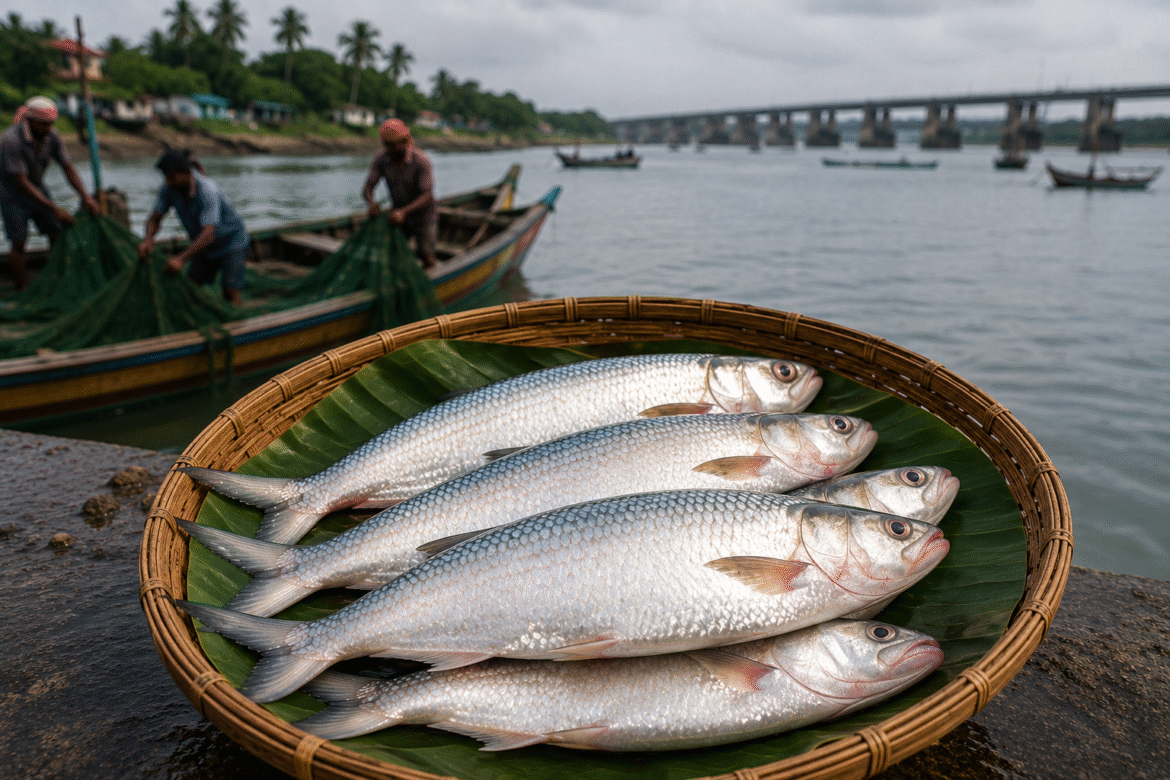
The arrival of Pulasa, the iconic fish synonymous with the Godavari River, has been delayed this monsoon, raising concerns among fishermen and seafood lovers across Andhra Pradesh. Traditionally, July marks the beginning of the much-awaited Pulasa season in the undivided Godavari districts. However, despite entering the third week of July, fishermen say not a single Pulasa has been caught this year. 

According to local fishermen, the delayed arrival is primarily due to low inflows in the Godavari River, caused by inadequate rainfall and the absence of significant floodwaters. Without sufficient freshwater discharge into the sea, the migratory fish are unable to enter the river system, affecting both fish availability and the livelihoods of fishing communities. 

A Delayed Start to the Pulasa Season 

Every year, Pulasa attracts enormous attention in Andhra Pradesh, particularly in the Godavari districts, where the fish is considered a seasonal delicacy. During a normal monsoon, Pulasa begins appearing in local markets from July and continues until September, often fetching premium prices. 

This year, however, fishermen report that the season has failed to begin as expected. Local fishing communities say the river flow remains too weak to trigger the migration of the fish from the sea into the Godavari. 

The absence of Pulasa has disappointed traders and consumers alike, as demand for the fish remains high during the monsoon months. 
 

How Hilsa Becomes Pulasa 

Scientifically known as Tenualosa ilisha, Hilsa is a migratory fish that spends most of its life in marine waters before entering rivers for spawning. 

Locally, the fish is known as ‘Ilasa’ while it remains in the sea. Once it enters the freshwater of the Godavari River during the monsoon migration, it undergoes natural physiological changes that enhance its flavour and fat content. At this stage, it is popularly known as Pulasa, a fish widely regarded as one of Andhra Pradesh’s finest culinary delicacies. 

The fish migrates upstream against strong river currents to lay eggs, making the annual journey one of the most remarkable natural migrations in Indian fisheries. 

Why Is Pulasa Missing This Year? 

Fisheries experts and local fishermen attribute the delayed arrival of Pulasa to several factors. 

The most immediate reason is the lack of adequate floodwater in the Godavari River. Pulasa migration is closely linked to monsoon floods, as increased freshwater flow creates favourable conditions for the fish to move from the Bay of Bengal into the river. 

In addition to weak river flows, experts also point to changing rainfall patterns, environmental changes, and declining river health as factors that could influence the migration behaviour of the species. 

Overfishing during the breeding season has also emerged as a long-term concern. Catching brood fish before they spawn can reduce future populations and affect the sustainability of the fishery. 

Pollution from industrial and domestic sources further impacts water quality, creating additional challenges for migratory species such as Hilsa. 
 

Traditional Fishing Communities Feel the Impact 

The delayed arrival of Pulasa has directly affected fishermen in the Godavari belt, many of whom depend on the seasonal fishery for a significant portion of their annual income. 

Pulasa commands exceptionally high market prices, often becoming one of the costliest freshwater fish sold in Andhra Pradesh during the monsoon season. For many fishing families, even a short harvesting period provides valuable income. 

With no catches reported so far this season, fishermen are anxiously waiting for improved river flows that could trigger the fish’s migration. 
 

Need for Conservation Measures 
 

Fisheries experts have stressed the importance of protecting Hilsa breeding habitats to ensure the long-term sustainability of Pulasa fisheries. 

They recommend identifying key spawning and migration stretches of the Godavari as protected zones during the breeding season. Similar conservation measures have been implemented in parts of eastern India to support Hilsa populations. 

Experts also suggest regulating destructive fishing practices, including the use of small-mesh nets that capture juvenile fish before they mature. Improved scientific monitoring of migration patterns and river conditions could also help strengthen conservation and management efforts. 
 

A Nutritionally Rich Fish 

Apart from its unique taste, Pulasa is also valued for its nutritional benefits. The fish is rich in Omega-3 fatty acids, high-quality protein, Vitamin B12, calcium, iron, and other essential nutrients. These nutrients contribute to heart health, brain function, bone strength, and overall wellbeing, making Pulasa not only a prized delicacy but also a nutritious food source. 
 

Waiting for the Monsoon to Revive the Season 

While the Pulasa season has been delayed, fishermen remain hopeful that stronger rainfall and increased Godavari inflows in the coming weeks will create favourable conditions for the fish to enter the river. 

Until then, one of Andhra Pradesh’s most celebrated seasonal fish remains absent from local markets, leaving fishermen waiting for the river to come alive and consumers hoping for the return of the prized Pulasa to their dining tables. 

image 23
23/07/2026 0 comment
0 FacebookTwitterPinterestEmail
News

Centre Releases ₹2,208.74 Crore Under PMMSY as India’s Fish Production Nears 198 Lakh Tonnes

by Fishery News 23/07/2026
written by Fishery News

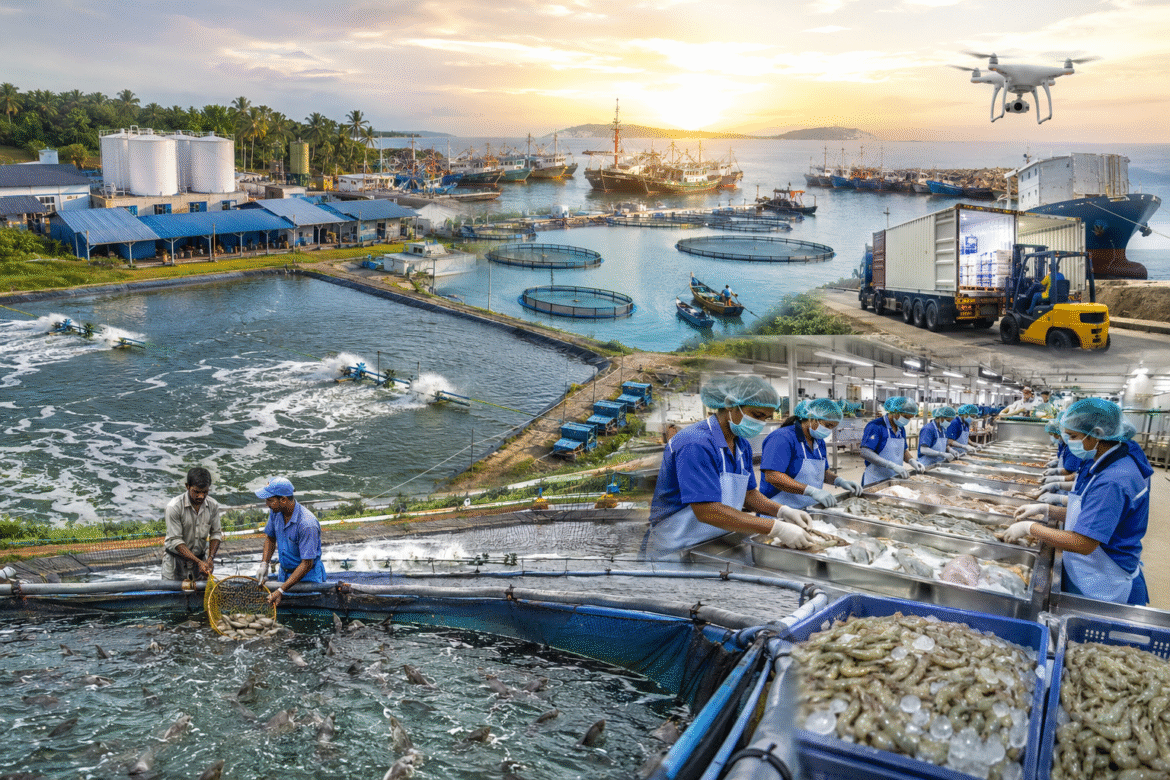
India’s fisheries sector has received a major financial boost, with the Department of Fisheries releasing ₹2,208.74 crore to states and Union Territories over the last three financial years under the Pradhan Mantri Matsya Sampada Yojana (PMMSY). The funding is aimed at accelerating the holistic development of fisheries and aquaculture while strengthening fish production, productivity, infrastructure, and exports across the country.

The details were shared by Union Minister for Fisheries, Animal Husbandry and Dairying, Rajiv Ranjan Singh, in a written reply in the Rajya Sabha on Wednesday.

₹2,208.74 Crore Released Under PMMSY

According to the minister, the Centre released ₹2,208.74 crore to states and Union Territories between 2023–24 and 2025–26 under PMMSY. During the same period, the Central Government approved projects worth ₹3,159.83 crore under the flagship fisheries scheme.

The minister explained that annual fund allocation under PMMSY is based on multiple factors, including the overall budgetary allocation, states’ performance, fund utilisation capacity, physical and financial progress, and liabilities arising from previously approved projects.

He also clarified that there is no disparity in the allocation of PMMSY funds among states and Union Territories, with allocations determined through a structured evaluation process rather than fixed state-wise quotas.

Fish Production Increases Nearly 40% Since 2019–20

Highlighting the progress of India’s fisheries sector, the minister informed Parliament that the country’s fish production increased by 39.61%, rising from 141.64 lakh tonnes in 2019–20 to 197.75 lakh tonnes in 2024–25.

The increase reflects continued growth in inland fisheries, aquaculture, and marine fisheries, supported by investments in infrastructure, production technologies, seed quality, and fisheries development initiatives implemented under PMMSY and other government programmes.

India has consistently ranked among the world’s leading fish-producing nations, with fisheries emerging as one of the fastest-growing segments of the agriculture sector.

Seafood Exports Cross ₹73,000 Crore

India’s seafood exports have also witnessed significant growth during the period.

According to the minister, the value of fisheries exports increased by 58.34%, rising from ₹46,666 crore in 2019–20 to ₹73,890 crore in 2025–26.

The steady growth in export earnings reflects increasing global demand for Indian seafood products, particularly farmed shrimp, frozen fish, cephalopods, and value-added seafood products. Export growth has also been supported by improvements in processing infrastructure, quality standards, and international market access.

PMMSY Driving Fisheries Development

Launched to promote sustainable fisheries and aquaculture, the Pradhan Mantri Matsya Sampada Yojana (PMMSY) focuses on enhancing fish production, improving productivity, strengthening post-harvest infrastructure, promoting value addition, and generating employment opportunities across the fisheries value chain.

The minister stated that projects implemented under PMMSY have played an important role in increasing fish production and boosting seafood exports while supporting the overall development of the sector.

Digital Monitoring Through PMMSY Management Information System

To improve implementation and transparency, the Department of Fisheries has developed the PMMSY Management Information System (MIS), a centralized digital platform designed to monitor fisheries projects across the country.

The portal compiles district- and state-level information, enabling officials to track physical and financial progress, evaluate project performance, and identify implementation challenges. The system also supports the issuance of need-based advisories and facilitates regular reviews through physical meetings, virtual interactions, and field inspections.

According to the ministry, this digital monitoring framework is helping improve fund utilisation and ensuring that approved projects progress efficiently across states and Union Territories.

Strengthening India’s Blue Economy

The latest figures presented in Parliament indicate that sustained public investment under PMMSY continues to support the expansion of India’s fisheries and aquaculture sector. With fish production approaching 198 lakh tonnes and seafood exports nearing ₹74,000 crore, the sector has become an increasingly important contributor to rural livelihoods, nutritional security, employment generation, and foreign exchange earnings.

As PMMSY implementation progresses, continued investments in infrastructure, technology adoption, value addition, and efficient project monitoring are expected to further strengthen India’s fisheries sector and support the country’s broader Blue Economy objectives.

23/07/2026 0 comment
0 FacebookTwitterPinterestEmail
News

Australia’s Tiny Red-Finned Blue-Eye Fish Fights for Survival as Conservation Efforts Offer New Hope

by fishery news 23/07/2026
written by fishery news

Hidden within a handful of spring-fed pools in Australia’s remote outback lives one of the world’s rarest freshwater fish—the red-finned blue-eye. Found nowhere else on Earth, this critically endangered species has been pushed to the brink by invasive fish, habitat degradation, and declining spring flows. However, years of dedicated conservation work are now giving the tiny fish a fighting chance.

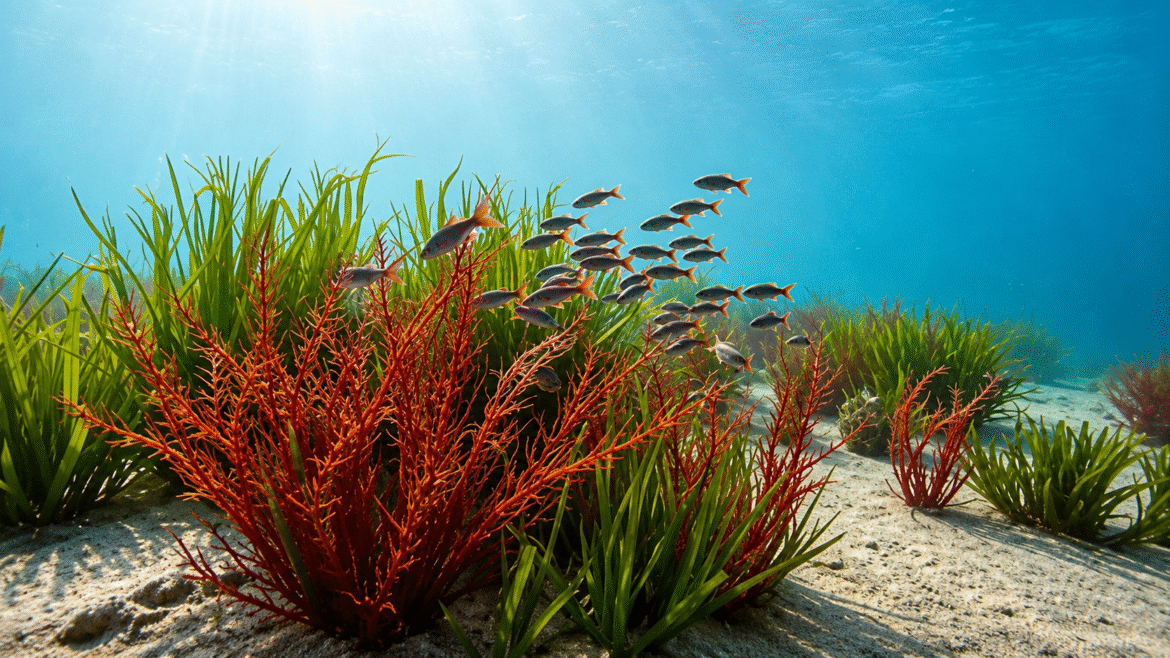
In the arid heart of central Queensland, Australia, a network of shallow natural springs supports one of the planet’s most unique freshwater ecosystems. These isolated pools, fed by the vast Great Artesian Basin, are home to the red-finned blue-eye, a tiny freshwater fish that survives nowhere else on Earth.

Measuring only about the size of a thumbnail, this colourful fish has become one of Australia’s most threatened freshwater species. Decades of pressure from invasive fish, habitat destruction, and shrinking spring flows have pushed it dangerously close to extinction.

Today, thanks to years of conservation efforts led by Bush Heritage Australia at Edgbaston Reserve, the species is showing encouraging signs of recovery.

A Species Found Only in Australia’s Desert Springs

The red-finned blue-eye (Scaturiginichthys vermeilipinnis) has one of the smallest natural distributions of any freshwater fish in the world. It exists exclusively within a small group of spring-fed pools at Edgbaston Reserve in central Queensland.

These springs are sustained by water travelling hundreds of kilometres underground through the Great Artesian Basin, one of the world’s largest underground freshwater systems. As the water reaches the surface, it forms small wetlands that support a remarkable range of unique aquatic life.

Male red-finned blue-eyes are easily recognised by their striking bright red fins, while females display more subdued colours. The species is currently listed as Critically Endangered by the International Union for Conservation of Nature (IUCN).

A Biodiversity Hotspot Unlike Any Other

Although the red-finned blue-eye is the reserve’s most famous resident, it is far from the only rare species living in these springs.

According to Bush Heritage Australia, Edgbaston Reserve is considered one of the most important spring ecosystems within the Great Artesian Basin. The reserve supports 23 species that are found nowhere else on Earth, making it a globally significant biodiversity hotspot.

Among these endemic species are the Edgbaston Goby, several rare freshwater snails, tiny crustaceans, flatworms, spiders, and dragonflies, all of which depend entirely on these isolated spring habitats for survival.

The loss of these fragile wetlands would therefore threaten an entire community of unique aquatic and terrestrial species.

Invasive Mosquitofish Pose the Greatest Threat

The biggest challenge facing the red-finned blue-eye comes from an introduced fish known as Gambusia, commonly called the mosquitofish.

Originally introduced to Australia from the United States during the 1920s to control mosquito populations, Gambusia has since become one of the country’s most damaging invasive freshwater species.

Unlike the delicate blue-eye, Gambusia reproduces rapidly and aggressively competes for food and habitat. It is also believed to feed on the eggs and newly hatched young of native fish.

Conservationists report that once Gambusia enter a spring occupied by red-finned blue-eyes, the native population is often wiped out within 12 to 18 months.

Conservation Efforts Begin to Turn the Tide

When Bush Heritage Australia acquired Edgbaston Reserve in 2009, surveys painted a worrying picture.

Approximately 25 springs had already been invaded by Gambusia, while only four springs still contained surviving populations of the red-finned blue-eye. Importantly, each of these remaining springs was completely free from the invasive fish.

To prevent further losses, conservation teams fenced vulnerable springs, removed invasive fish where possible, and carefully relocated native fish into protected habitats.

The urgency of these actions was clear, as Gambusia had already caused the local extinction of red-finned blue-eyes from seven springs since 1991.

Artificial Springs Help Save a Species

Captive breeding became another essential part of the recovery programme, but early attempts were unsuccessful.

Although the fish survived in conventional aquarium tanks, they refused to breed under artificial conditions.

Researchers eventually discovered that recreating their natural spring environment was the key. They built artificial spring systems using underground tanks supplied with flowing bore water, closely mimicking the unique conditions found in the wild.

This breakthrough enabled successful captive breeding programmes both at Edgbaston Reserve and at a secure conservation facility in Brisbane. These breeding populations now serve as an important safeguard against extinction.

Habitat Degradation Adds to the Challenge

While invasive fish remain the greatest immediate threat, the species also faces several environmental pressures.

According to Bush Heritage Australia, feral pigs and grazing cattle damage fragile spring ecosystems by trampling vegetation, disturbing sediments, and increasing water turbidity. These changes reduce the quality of habitat needed by the red-finned blue-eye to survive and reproduce.

Long-term changes to groundwater availability also present a growing concern.

Since the late 19th century, thousands of bores have been drilled across the Great Artesian Basin to supply water for agriculture. This extensive groundwater extraction has reduced natural spring flows and lowered underground water pressure, placing additional stress on these isolated ecosystems.

Encouraging Signs of Recovery

Despite the many challenges, years of dedicated conservation work are beginning to deliver positive results.

Freshwater ecologist Dean Gilligan, who joined Bush Heritage Australia in 2021, has continued expanding invasive fish control programmes while strengthening captive breeding efforts.

Captive-bred red-finned blue-eyes have already been successfully released into naturally occurring springs, helping restore populations that were once disappearing.

With support from the Australian Government’s Threatened Species Strategy Action Plan, conservation teams are now working to establish five new self-sustaining populations of the species.

A Reminder of the Importance of Freshwater Conservation

The story of the red-finned blue-eye demonstrates how fragile freshwater ecosystems can be and how quickly invasive species can drive native wildlife towards extinction.

At the same time, it also highlights the impact that science-based conservation, habitat restoration, and long-term commitment can have in protecting biodiversity.

As freshwater habitats around the world continue to face increasing pressure from invasive species, habitat degradation, and climate change, the recovery of Australia’s tiny red-finned blue-eye offers a hopeful example of how coordinated conservation efforts can help prevent the loss of species found nowhere else on Earth.

23/07/2026 0 comment
0 FacebookTwitterPinterestEmail
News

Telangana Fishermen Seek Direct Procurement of Fingerlings, Urge Government to Replace Contractor System

by fishery news 22/07/2026
written by fishery news

The fishermen community in Telangana has urged the State government to reform its fish seed distribution programme by replacing the existing contractor-based procurement system with a model that allows fishermen cooperative societies to directly purchase fingerlings. Community representatives say the current system has resulted in the supply of poor-quality fingerlings, affecting fish production and the livelihoods of thousands of fishing families across the state.

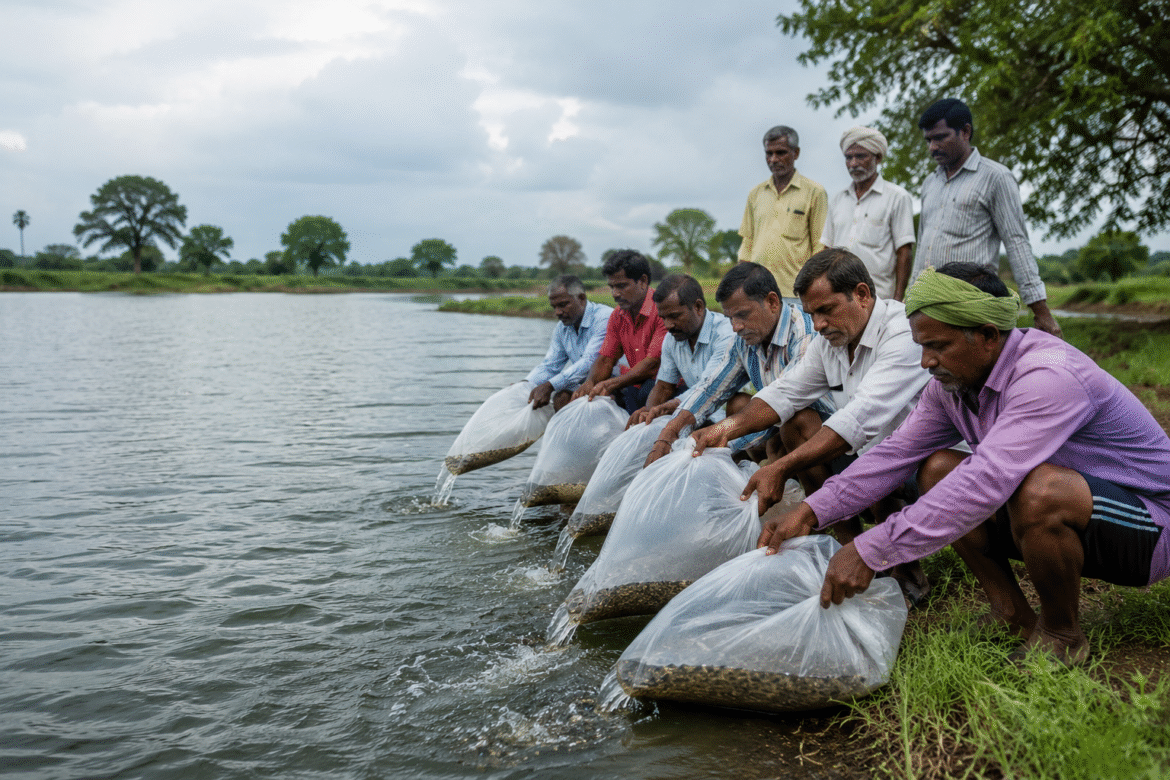
The demand comes ahead of the annual fish stocking season, when the Fisheries Department releases fingerlings into reservoirs, lakes, tanks, and other inland water bodies to enhance fish production and support inland fisheries. While the community has welcomed the government’s free fish seed distribution programme, it has raised concerns over its implementation, stating that improvements in procurement could help achieve better outcomes.

Fishermen Raise Concerns Over Fingerling Quality

According to representatives of the Telangana Gangaputra Community Development Organisation, the quality of fingerlings supplied through contractors has become a major concern. They argue that poor-quality fish seed can affect survival rates, fish growth, and overall production, ultimately reducing the income of fishing communities that depend on inland fisheries.

The organisation has urged the government to discontinue the contractor-based procurement system and instead allow local fishermen cooperative societies to select and procure fingerlings based on the specific requirements of their water bodies.

Proposal for Direct Procurement Through Cooperative Societies

Community leaders have proposed that registered fishermen cooperative societies be permitted to purchase fingerlings directly from approved hatcheries or suppliers. Under this model, the government could reimburse the procurement cost through the Direct Benefit Transfer (DBT) mechanism.

According to the organisation, this approach would give cooperative societies greater control over the quality and suitability of fingerlings while ensuring transparency in the procurement process.

They believe local societies are better positioned to assess factors such as water quality, soil conditions, and the suitability of fish species before making procurement decisions.

Importance of Selecting the Right Fingerlings

Choosing the appropriate fish species and quality fingerlings is an important factor in inland fisheries development. Different water bodies vary in terms of depth, water quality, productivity, and environmental conditions, making species selection an essential part of successful fish stocking programmes.

Community representatives have stated that a standardised supply of fingerlings through contractors may not always match local ecological conditions. They argue that allowing fishermen societies to make procurement decisions could improve survival rates and overall fish production.

Delay in Tender Process Raises Concerns

The Fisheries Department generally begins distributing fingerlings between July and August, with tenders typically floated in April to finalise suppliers before the stocking season.

However, community representatives have expressed concern over delays in this year’s tender process, stating that procurement has not progressed according to the usual schedule. They have called for timely implementation of the programme to ensure fish stocking is completed during the appropriate season.

A Scheme Supporting Thousands of Families

Telangana’s free fish seed distribution programme is one of the state’s major fisheries initiatives. Each year, the Fisheries Department aims to release approximately 90 crore fingerlings into more than 26,000 water bodies across the state.

The programme supports the livelihoods of nearly five lakh fishermen families, making timely and quality stocking an important component of inland fisheries development.

Representatives of the fishermen community have said that improving the procurement process could enhance the effectiveness of the scheme while helping increase fish production and income opportunities.

Call to Revive Local Fish Seed Production

The fishermen’s organisation has also highlighted the decline of fish farms previously managed by local cooperative societies. According to community representatives, many of these facilities have become non-functional over the years, resulting in greater dependence on suppliers from neighbouring Andhra Pradesh for fingerling procurement.

They have suggested that reviving local fish seed production infrastructure could strengthen Telangana’s fisheries sector, reduce dependence on external suppliers, and improve the availability of quality fingerlings within the state.

Looking Ahead

The Telangana Gangaputra  Community Development Organisation has submitted a representation to the Chief Secretary seeking reforms in the fish seed procurement system. The organisation has requested the government to consider a cooperative society-led procurement model supported through Direct Benefit Transfer, arguing that it would improve transparency, enhance fingerling quality, and better address the needs of local water bodies.

As the stocking season approaches, stakeholders will be watching to see whether the government considers these proposals while implementing one of Telangana’s largest inland fisheries support programmes.

22/07/2026 0 comment
0 FacebookTwitterPinterestEmail
News

Scientists Discover Two New Marine Species in Indian Waters, Expanding India’s Marine Biodiversity

by fishery news 22/07/2026
written by fishery news

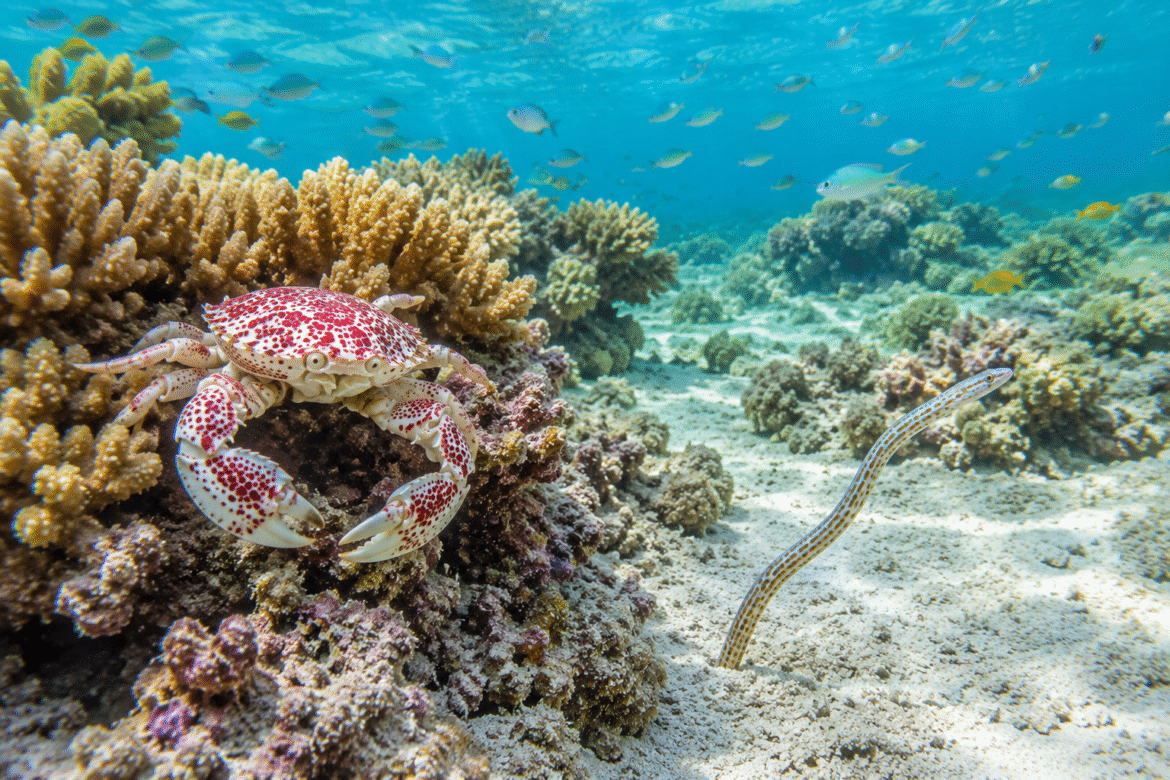
India’s marine biodiversity has received a significant scientific boost with the discovery of two new marine species by researchers from the ICAR–National Bureau of Fish Genetic Resources (ICAR-NBFGR). The newly identified species—a porcelain crab from the coral reefs of Lakshadweep and a snake eel from the Bay of Bengal—highlight the rich and still evolving diversity of marine life found in Indian waters.

The discoveries underscore the importance of continued scientific exploration of India’s coastal and offshore ecosystems. They also contribute to the country’s growing biodiversity records, providing valuable information for taxonomy, marine ecology, and future conservation efforts.

Two New Species Added to India’s Marine Biodiversity

The first discovery is Pachycheles ravichandrani, a newly described species of porcelain crab belonging to the family Porcellanidae. Researchers identified the species from the coral reef ecosystem of Lakshadweep, a region renowned for its rich coral biodiversity and unique marine habitats.

The research describing the new crab species has been published in the international peer-reviewed journal Zootaxa under the title “Pachycheles ravichandrani, a new species of porcelain crab from Lakshadweep, India (Crustacea: Decapoda: Porcellanidae).”

The second discovery is Bascanichthys chepakakiensis, a new species of snake eel from the Bay of Bengal. Scientists confirmed its identity through a combination of detailed morphological observations and mitochondrial DNA analysis, ensuring accurate scientific classification.

The findings were published in the Journal of Ichthyology under the title “A New Snake Eel Species of Bascanichthys (Ophichthidae) from the Bay of Bengal Supported by Morphology and Mitochondrial Analysis.”

Why Are These Discoveries Significant?

The identification of new species is an important part of understanding marine biodiversity. Every newly documented organism adds to scientific knowledge about the diversity of life, evolutionary relationships, habitat preferences, and ecological interactions within marine ecosystems.

Such discoveries also help researchers build comprehensive biodiversity databases, which are essential for monitoring environmental changes, assessing ecosystem health, and supporting conservation planning.

Although thousands of marine species have already been recorded from Indian waters, scientists believe many more remain undiscovered, particularly in coral reefs, deep-sea habitats, and less-explored coastal ecosystems.

Importance of Lakshadweep and the Bay of Bengal

Both Lakshadweep and the Bay of Bengal are recognised as ecologically important marine regions.

Lakshadweep’s coral reefs support a wide range of marine organisms, including reef fishes, crustaceans, molluscs, and numerous invertebrates. These coral ecosystems play a crucial role in maintaining marine biodiversity and continue to attract scientific research because of their ecological significance.

Similarly, the Bay of Bengal is home to diverse coastal and offshore habitats that support numerous fish species, marine invertebrates, and other aquatic organisms. Ongoing scientific surveys in these waters continue to improve understanding of India’s marine biodiversity.

Role of ICAR-NBFGR

The ICAR–National Bureau of Fish Genetic Resources (ICAR-NBFGR) is one of India’s leading institutions dedicated to the study and conservation of aquatic biodiversity. The institute conducts research on fish genetics, taxonomy, molecular biology, species identification, and biodiversity conservation across both marine and inland ecosystems.

By combining traditional taxonomic methods with advanced molecular tools such as DNA analysis, researchers are able to identify species with greater accuracy and distinguish them from closely related organisms.

Looking Ahead

The discovery of Pachycheles ravichandrani and Bascanichthys chepakakiensis demonstrates that India’s marine ecosystems continue to reveal new scientific findings despite decades of exploration. As research expands through improved survey techniques and genetic technologies, additional discoveries are expected to enhance understanding of the country’s rich marine biodiversity.

These findings not only strengthen India’s biodiversity records but also reinforce the importance of continued marine research, species documentation, and conservation efforts. A better understanding of marine life helps scientists, policymakers, and conservation agencies make informed decisions for the sustainable management and protection of India’s valuable marine ecosystems.

22/07/2026 0 comment
0 FacebookTwitterPinterestEmail
News

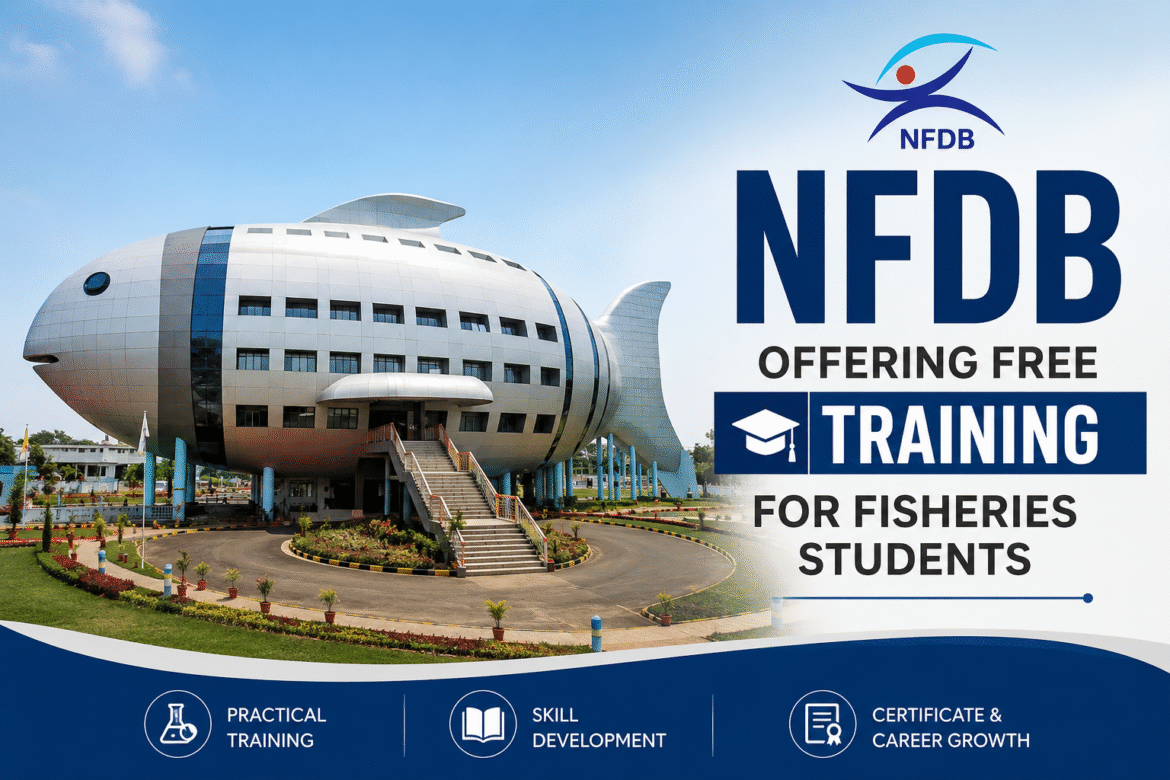
NFDB Opens Free Skill Development Training for Fisheries Students Under PMMSY

by fishery news 22/07/2026
written by fishery news

The National Fisheries Development Board (NFDB) has invited applications from eligible fisheries students for its Skill Development Training Programmes in Aquatic Animal Health and Quality Testing under the Pradhan Mantri Matsya Sampada Yojana (PMMSY). The programme offers an opportunity for students to gain practical laboratory experience in advanced diagnostic and analytical techniques that are widely used in the fisheries and aquaculture sector.

The training will be conducted at the Aquatic Animal Health & Quality Testing Laboratory (AAH&QTL), Hyderabad, an ISO 9001:2015-certified facility that supports aquatic animal health, disease diagnosis, and quality testing. By combining classroom knowledge with hands-on laboratory training, the programme aims to prepare aspiring fisheries professionals for careers in research, diagnostics, aquaculture, and allied industries.

Bridging the Gap Between Education and Industry

India’s fisheries and aquaculture sector has witnessed rapid growth in recent years, creating new opportunities for technically skilled professionals. While fisheries students receive a strong academic foundation through undergraduate programmes, practical exposure to modern laboratory techniques has become increasingly important for employment in research institutions, government laboratories, hatcheries, aquaculture companies, feed industries, and seafood processing units.

Recognising this need, NFDB has designed the programme to bridge the gap between theoretical learning and industry requirements. Participants will gain practical experience with laboratory equipment, analytical procedures, and diagnostic techniques commonly used in aquatic animal health management and aquaculture quality assurance.

Who Can Apply?

According to NFDB, the training programme is open to:

  • Scheduled Caste (SC) category students pursuing Bachelor of Fisheries Science (B.F.Sc.) – Third Year and above
  • Students pursuing B.Sc. Fisheries and Allied Sciences

Eligible candidates are required to submit their applications along with the necessary supporting documents. Applications should reach NFDB at least 10 days before the commencement of the respective training programme.

Training Modules

The programme covers specialised laboratory techniques that play an important role in disease diagnosis, aquatic animal health monitoring, and quality testing.

The training includes practical sessions on:

  • Microbial Culture Techniques
  • Polymerase Chain Reaction (PCR) and its applications
  • Real-Time PCR and its applications
  • Aquafeed Analysis

These laboratory techniques are widely used for identifying aquatic pathogens, studying disease outbreaks, evaluating feed quality, and supporting scientific research in fisheries and aquaculture.

Participants will receive hands-on exposure to modern laboratory methodologies that are increasingly being adopted across the fisheries sector.

Why This Training Matters

Scientific aquaculture depends on accurate disease diagnosis, effective health management, quality feed, and reliable laboratory testing. As aquaculture production continues to expand, the demand for trained professionals with laboratory skills is also increasing.

Training in molecular diagnostics, microbiology, and feed analysis can help students develop technical competencies that are relevant to careers in fish health laboratories, diagnostic centres, research organisations, universities, hatcheries, and private aquaculture companies.

Such skill development programmes also support the broader objective of creating a technically competent workforce capable of contributing to sustainable fisheries and aquaculture development.

Benefits for Participants

NFDB has announced several benefits for selected candidates, making the programme accessible to eligible students from different regions.

Participants will receive:

  • Practical training in advanced laboratory techniques
  • Exposure to modern diagnostic and analytical methods
  • Certificate of Participation
  • Boarding and lodging facilities as per NFDB norms
  • Travel allowance of up to ₹3,000, subject to applicable guidelines
  • No registration fee

To ensure effective practical learning and individual attention, each batch will be limited to only 15 participants.

How to Apply

Interested candidates can submit their applications along with the required supporting documents by emailing aahqtl.nfdb@gmail.com.

For additional information regarding the programme, candidates may contact AAH&QTL, NFDB, Hyderabad, at +91 40 2401 5563.

Candidates are advised to submit their applications well in advance, as applications must be received at least 10 days before the start of the respective training programme.

Looking Ahead

Skill development has become an important component of India’s fisheries and aquaculture sector as the industry increasingly adopts scientific farming practices, advanced diagnostics, and quality assurance systems. Programmes such as the one offered by NFDB provide students with an opportunity to build practical laboratory skills alongside their academic education.

For aspiring fisheries professionals, the training offers exposure to technologies currently used in aquatic animal health management and laboratory diagnostics while helping improve technical competencies and career readiness. As India’s fisheries sector continues to grow, initiatives that combine education with hands-on experience are expected to play an important role in developing a skilled workforce capable of supporting the future needs of the industry.

22/07/2026 0 comment
0 FacebookTwitterPinterestEmail
News

India Joins WTO Fisheries Subsidies Agreement: What It Means for the Country’s Fisheries Sector

by fishery news 22/07/2026
written by fishery news

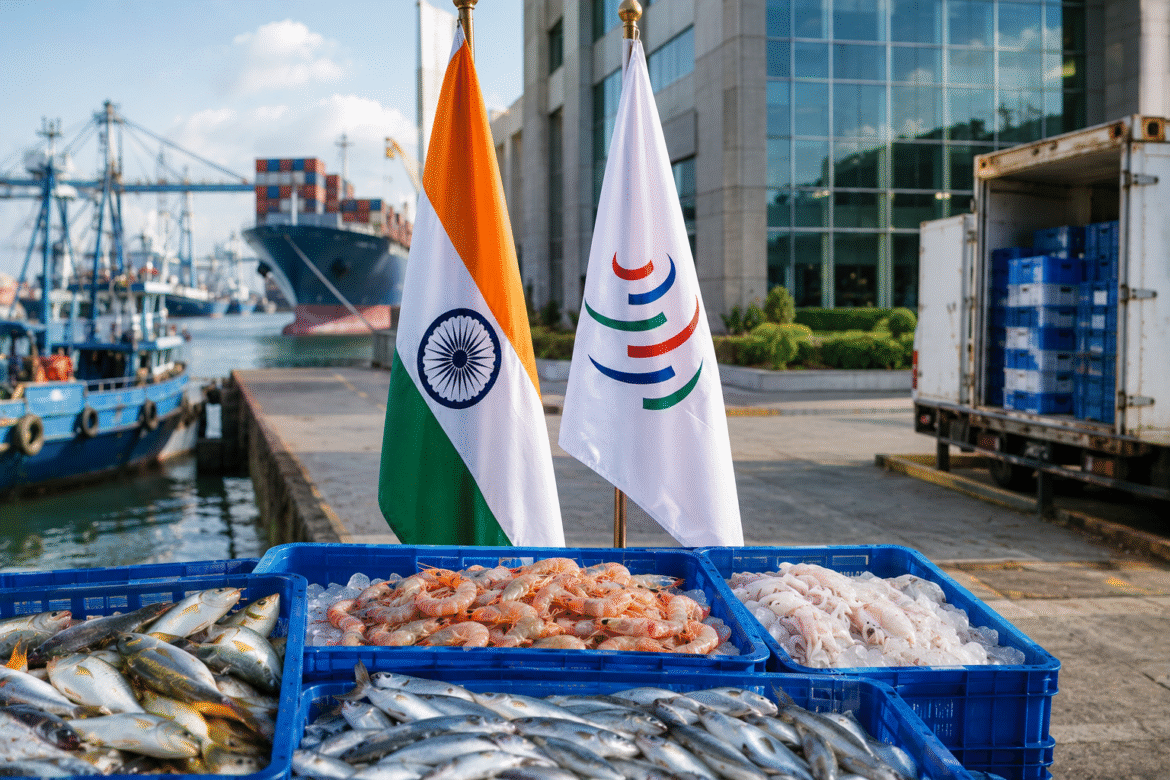
India has officially become a Party to the World Trade Organization (WTO) Agreement on Fisheries Subsidies (AFS) after depositing its Instrument of Acceptance on 20 July 2026 in Geneva. The move marks an important step in global efforts to promote sustainable fishing, protect marine resources, and regulate harmful fishing subsidies.

The agreement, which entered into force on 15 September 2025, is the first multilateral WTO agreement focused specifically on environmental sustainability. While it introduces stricter rules on subsidies linked to illegal and unsustainable marine fishing, it does not apply to aquaculture or inland fisheries—making it particularly relevant for countries like India, where shrimp farming and inland aquaculture play a major role in seafood production and exports.

India Officially Becomes a Party to the Agreement

The Government of India deposited its Instrument of Acceptance with the WTO on 20 July 2026. The document was formally handed over by Commerce Secretary Rajesh Agrawal to WTO Director-General Ngozi Okonjo-Iweala during his official visit to Geneva.

With this step, India joins the growing list of WTO member countries that have accepted the agreement after it became legally effective following ratification by more than two-thirds of the WTO’s 166 members.

The Commerce Ministry stated that the agreement aligns with India’s commitment to promoting sustainable fisheries while safeguarding the interests of traditional and small-scale fishing communities.

What Is the WTO Agreement on Fisheries Subsidies?

The WTO Agreement on Fisheries Subsidies was adopted by consensus during the 12th WTO Ministerial Conference (MC12) held in Geneva in June 2022.

Its primary objective is to eliminate harmful government subsidies that contribute to:

  • Illegal, Unreported and Unregulated (IUU) fishing
  • Fishing of overfished marine stocks
  • Unsustainable exploitation of marine fishery resources

By discouraging subsidies that encourage excessive fishing, the agreement aims to improve the long-term health of global marine ecosystems and ensure fish stocks remain available for future generations.

The agreement is widely regarded as a landmark achievement because it is the first WTO agreement with an explicit environmental sustainability objective.

What Activities Are Covered?

The agreement applies only to marine wild-capture fisheries and fishing-related activities conducted at sea.

This means the rules primarily affect subsidies associated with commercial marine fishing operations.

Importantly, the agreement does not cover:

  • Aquaculture
  • Shrimp farming
  • Inland fisheries
  • Freshwater fish farming

This distinction is significant for India, where aquaculture has become one of the fastest-growing food production sectors.

Why This Matters for India

India’s fisheries sector supports millions of livelihoods and plays a vital role in food security, employment, and exports.

Unlike several developed fishing nations that operate large distant-water fishing fleets, India’s marine fisheries are largely dominated by traditional and small-scale fishers using relatively smaller vessels.

According to the Commerce Ministry, the agreement creates a more balanced global fisheries framework by disciplining subsidies that have historically benefited large industrial fleets engaged in distant-water fishing.

For India, this helps create a fairer international environment where smaller fishing nations are not placed at a disadvantage.

Relief for India’s Shrimp Export Industry

One of the biggest positives for India’s seafood sector is that aquaculture remains outside the scope of the agreement.

India is the world’s largest exporter of farmed shrimp, and the majority of its seafood export earnings come from aquaculture rather than wild marine capture fisheries.

Since farmed shrimp production is excluded from the WTO agreement, the country’s shrimp farming industry will continue operating under existing domestic policies without being affected by the subsidy disciplines introduced under the pact.

This ensures continued competitiveness for India’s shrimp exporters in international markets.

For the aquaculture industry, this provides policy certainty while allowing the country to continue expanding sustainable shrimp farming and value-added seafood exports.

Protection for Small-Scale Fishers

The Indian government has emphasised that the agreement supports the livelihoods of traditional and artisanal fishing communities.

The WTO rules specifically target subsidies linked to illegal and unsustainable fishing practices rather than legitimate small-scale fishing activities.

India has consistently argued during WTO negotiations that developing countries require adequate policy flexibility to support vulnerable fishing communities.

The final agreement includes provisions recognising the needs of developing and least-developed countries while encouraging responsible fisheries management.

According to the Commerce Ministry, India’s existing fisheries management framework is already broadly aligned with the objectives of the agreement and continues to protect the interests of small-scale fishers.

India’s Long-Standing Position at the WTO

Throughout the negotiations, India maintained that countries with large industrial fishing fleets and historically high subsidy levels should bear greater responsibility for reducing harmful subsidies.

India also advocated for a longer transition period for developing nations and stronger disciplines on distant-water industrial fishing fleets that operate far from their home waters.

The country’s acceptance of the agreement reflects its support for sustainable fisheries while continuing to seek balanced outcomes in future WTO negotiations on fisheries-related issues.

Global Push for Sustainable Fisheries

Overfishing remains one of the biggest threats to marine biodiversity worldwide.

According to international estimates, billions of dollars in fisheries subsidies have contributed to excessive fishing capacity and depletion of marine fish stocks.

By restricting subsidies that encourage illegal fishing and overexploitation, WTO members hope to improve conservation of marine ecosystems while ensuring long-term food security.

The agreement also supports global efforts to achieve the United Nations Sustainable Development Goal (SDG) 14.6, which calls for eliminating harmful fisheries subsidies.

What Lies Ahead?

India’s formal acceptance of the WTO Fisheries Subsidies Agreement represents an important milestone in balancing environmental responsibility with economic development.

For marine fisheries, the agreement reinforces the importance of sustainable resource management and responsible fishing practices.

For the aquaculture sector, especially shrimp farming, the exclusion of aquaculture from the agreement means business continuity and continued export competitiveness.

As India continues to expand both its marine fisheries and aquaculture industries, the focus will increasingly be on achieving sustainable growth while protecting livelihoods, marine biodiversity, and global market access.

22/07/2026 0 comment
0 FacebookTwitterPinterestEmail
Newer Posts
Older Posts
  • Recent
  • Popular
  • ICAR-CIFT Patents Rapid DNA Biosensor for Black Tiger Shrimp Authentication

    07/08/2026
  • Minister Holds Review Meeting with Fisheries Cooperative Leaders

    07/08/2026
  • Dry Fish Demand Surges Following Formalin Ban

    07/08/2026
  • Rohu Breeding: A Complete Step-by-Step Guide to Successful Seed Production

    07/08/2026
  • 1

    Trout Fish Stocking Initiative Enhances Fisheries and Tourism Potential in Shopian, Jammu and Kashmir

    17/12/2023
  • 2

    BIGGEST FISH MARKETS IN INDIA

    07/09/2024
  • 3

    Brazil’s Appetite for Vietnamese Tilapia Is Reshaping the Global Whitefish Trade

    28/07/2026
  • 4

    Introducing Future Aquaculture Magazine: A New Voice Shaping the Future of Seafood

    13/02/2026

About Fishery News

FN Logo

Fishery.News is India’s leading digital media platform dedicated to fisheries, aquaculture, seafood, and marine industries. We deliver trusted news, expert insights, market intelligence, technology updates, research, government policies, and success stories that help fish farmers, shrimp farmers, seafood businesses, researchers, and industry professionals stay informed and grow sustainably

Categories

  • News
  • Aquaculture
  • Aquatic Health and Disease Management
  • Research and Innovation
  • Technology & Equipments

Social Networks

Facebook Twitter Instagram Linkedin Youtube
  • Facebook
  • Twitter
  • Instagram
  • Linkedin
  • Youtube

© 2026 Fishery.News – A BLIV Media Venture. All Rights Reserved.


Back To Top
Fishery News
  • E – Magazine
    • Aquaculture
    • Aqua Health & Disease Management
    • News
      • National
      • International
    • Farming
    • Research and Innovation
    • Sustainability
    • Technology & Equipments
    • This is Africa
    • Trade
  • Publications
  • Events
    • Expos
    • Trainings
    • Events by Month
  • Business Listings
    • List Your Business
    • Business Listings
    • Buy & Sell
    • Get Consultation
  • Employment
  • About Us
    • Founder
  • Contact